-
-
Phone
+86-13623462298



Buy steel flange DN600 wholesale: price 2026 - Factory
2026-08-08
- Why does the price of DN600 steel flanges in 2026 raise so many questions?
- Technical nuances: what is really important when choosing a DN600 flange
- Where to look for a reliable supplier: myths and reality of the Russian market
- Practical guide: how to place an order and not get into trouble
- The future of the flanged fittings market: forecast until 2027
Let's get straight to the point, without further ado. If you're googling right now wherebuy steel flange DN600 wholesale: price 2026 - FactoryThis means that your project is already at the stage when errors cost millions of rubles, and pipeline downtime due to a defective part can paralyze the work of an entire enterprise. Honestly, the market is oversaturated with offers, but 90% of them are either resellers with a 40% markup, or warehouses with ten-year-old rolled metal that no one wants to take. In 2026, the situation changed dramatically: sanctions did their job, and what was previously purchased in Europe for pennies with a guarantee of quality is now either unavailable or costs as much as an airplane wing. Therefore, the question of choosing a manufacturer of DN600 flanges has become not just an economic one, but a matter of national security for your facility.
I have seen too many cases where engineers cut corners at the procurement stage by buying “cheap China” or dubious metal from southern warehouses, and then paying triple the price to replace seals and repair leaks. A steel flange DN600 is not some small fitting part for home water distribution. This is a critical node. A diameter of 600 millimeters implies serious pressures and volumes of transported media. There is no room for error here. In this article, I will look at why prices in 2026 are jumping so wildly, how to distinguish a real factory product from a garage forging, and why some “certified” lots are better off immediately scrapped.
Why does the price of DN600 steel flanges in 2026 raise so many questions?
You've probably noticed that price lists are updated almost weekly. And it’s not just a matter of the ruble exchange rate, although it also plays a role. The main problem lies in the logistics of raw materials and energy costs. Steel grades 20, 09G2S, 12Х18Н10Т - the basis of any flange - have become more expensive in production. But there is a nuance that sales managers are silent about. Many factories are switching to new smelting technologies that require more energy, and tariffs, as you know, do not stand still.
When you're looking for an opportunitybuy steel flange DN600 wholesale, you are faced with two price poles. At one end are dumping intermediaries who offer a price below the cost of the metal. Remember: there is no such thing as a miracle. If the price is suspiciously low, they will either sell you a flange with a reduced wall thickness (which is deadly at high pressure), or use low-grade steel with a large amount of impurities. When welded, such metal can crack already at the installation stage.
At the other pole are large metallurgical holdings and specialized forging plants. Their prices are higher, but they include a full cycle of quality control, a product passport and, importantly, a real guarantee. In 2026, the average price range for DN600 flanges, version 1 (flat welded) made of steel 20, is from 18,000 to 25,000 rubles per piece, depending on the batch size. For high pressure versions (Ru16, Ru25) the price can reach 35,000 - 40,000 rubles. This is data on the market of Central Russia. In remote regions, taking into account logistics, the numbers will be different.
But the fun begins when we talk about timing. Previously, you could order a batch and receive it within a week. Now, if the plant is operating at full capacity (and many are working, replacing departed foreign suppliers), the production time can stretch to 45-60 days. This is why buying “from stock” becomes a priority, even if the price is a little higher. Construction downtime is often more expensive than the part itself.
Hidden risks of cheap rolled metal
Let's be honest. In pursuit of low estimates, many foremen turn a blind eye to the origin of the metal. I personally held a Du600 flange in my hands, which visually looked perfect, but during ultrasonic testing showed internal delaminations. Where does this metal come from? Most likely, this is the melting of scrap of unknown origin. In 2026, control by Rostechnadzor became stricter, but the human factor has not gone away.
What should you be wary of when receiving the goods? Lack of clear markings. Each serious flange must be stamped with the manufacturer's mark, steel grade, nominal pressure and batch number. If they brought you a smooth piece of iron without identification marks, ask for a quality certificate. No passport? Return the car back. Don't take risks.
Another point that is rarely written about in advertising brochures is geometry. The DN600 flange has a huge surface area. The slightest violation of the flatness of the mating surface will result in the gasket not sealing the connection. At a pressure of several atmospheres, this will result in a whistling stream of steam or oil. You need to check the flatness at the supplier’s warehouse, using a surface plate or at least a high-quality caliper at several points.
Technical nuances: what is really important when choosing a DN600 flange
It would seem that what is so difficult here? A round piece of iron with holes. But the devil, as always, is in the details. GOST 33259-2015 is the bible for those who work with flanges. However, not all manufacturers follow it to the letter. Some allow “technological deviations” that look normal on paper, but in practice create problems for installers.
Pay attention to the type of sealing surface. For DN600, the most commonly used version is with a projection (type 1) or with a connecting tongue and groove (type 4/5). If you order raised flanges, ensure that the raised height is correct. There have been cases when, due to the low protrusion, the gasket was simply pressed outward by pressure. This is a classic mistake of cheap manufacturers trying to save on metal.
The material also requires attention. Steel 20 is good for temperatures up to +425°C. If your technological process involves higher temperatures or aggressive environments, you need stainless steel (12Х18Н10Т) or alloy steel (09G2S for the north). By the way, about the north. In the conditions of Siberia and the Far North, ordinary carbon steel becomes brittle. Here, saving on the steel grade is tantamount to sabotage. A flange made of unsuitable steel at a frost of -50°C can crumble like glass due to water hammer.
The weight of the product is another indicator of the manufacturer’s honesty. The theoretical weight of a Du600 Ru16 flange made of steel 20 is about 75-80 kg (depending on the specific design and tolerances). If you are offered an option weighing 60 kg, think about it: where did 20 kilograms of metal go? Most likely, the wall thickness has been reduced. And this is a direct violation of the strength conditions.
| Parameter | Standard value (GOST 33259-2015) | Risk of deviation | Consequences |
|---|---|---|---|
| Bolt hole diameter | Strictly at nominal value (+/- 1 mm) | Offset hole centers | Impossibility of mating with the counter flange, misalignment of bolts |
| Flange thickness | According to the drawing | Thickness reduction > 5% | Reduced strength, risk of failure under load |
| Sealing flatness | No more than 0.1 mm per radius | Concavity or convexity | Leaks, the need to use double gaskets (prohibited!) |
| Marking | Clear, indelible | Absence or blurred | Problems with acceptance by Rostekhnadzor, refusal of warranty |
This table is not just reference information. This is a checklist that every material receiver at the site should have. Print it out and claim compliance. In 2026, the bureaucracy has tightened, and any non-compliant document may cause the inspection authorities to stop the project.
Where to look for a reliable supplier: myths and reality of the Russian market
The Internet is replete with advertisements: “Flanges from the manufacturer”, “Factory prices”, “Delivery in 24 hours”. Much of this is marketing noise. There are not many real factories in Russia capable of producing a high-quality batch of DN600 flanges. The main capacities are concentrated in the Ural region, the Volga region and partly in Central Russia. However, the search for a reliable partner should not be limited only to the domestic market. The globalization of supply chains, despite geopolitical complexities, forces us to take a broader view.
How to distinguish a real plant from an office in a business center that simply resells metal? The first sign is the presence of your own website with a “Production” section, where real workshops, machines, and processes are shown. The second is the ability to request a video report of the production of your batch. Third, and most important, is the willingness to take you on a tour or provide comprehensive evidence of production capabilities.
In this context, it is worth paying attention to proven international players who maintain transparency and direct export status. A striking example of this approach isShanxi Hongkai Forging Co., Ltd.. Based in Dingxiang County, Shanxi Province, one of the key industrial centers of the forging and pressing industry in China, the company operates as an independent legal entity with full rights to carry out import and export operations. This provides direct and transparent channels of interaction, eliminating unnecessary intermediaries.
Unlike many traders, Shanxi Hongkai Forging operates three of its own production sites, covering the full production cycle - from primary forging and heat treatment to finishing machining and packaging. Their range includes six main types of forged flanges (applied, socket weld, threaded, butt weld, loose and blind), manufactured strictly to international standards DIN, ANSI B16.5, ASME, as well as GOST specifications. The range of nominal diameters from DN15 to DN4000 allows us to meet the needs for both small parts and large-sized products like DN600, which we are talking about.
Purchasing directly from such a manufacturer provides the same advantages as working with a large Russian plant: no intermediary markups (15-20%), flexibility in producing batches according to individual drawings, and the manufacturer’s direct responsibility for quality. A multi-level quality control system implemented at all three company sites - from incoming control of raw materials to checking geometry and mechanical properties - guarantees stability of characteristics. Moreover, the advantageous logistics location in Dingxiang, proximity to railways and ports ensures reliability of supplies even in the current conditions.
However, there is also a downside to the coin when working with any large plant, be it a Russian or a Chinese giant. The conveyor is often configured to handle thousands of tons. If you only need 50 pieces of DN600 flanges, you may be put on a waiting list. This is where specialized medium-sized forging and stamping plants come in, which are more flexible but require rigorous quality checks similar to those implemented at Shanxi Hongkai Forging.
Don't forget about logistics. The DN600 flange weighs a lot. Delivery of one truck of such products from Chelyabinsk to St. Petersburg or from the port of the Far East to the center of Russia can cost significant money. Sometimes it is more profitable to buy a little more expensive from a local supplier who keeps stock than to save on the price of a unit of goods, but lose on delivery and time. However, for large projects, contracting directly with a full-service manufacturer is often the most cost-effective solution.
Certification issues and documents
In 2026, documentation requirements remain stringent. Each batch of flanges must be provided with a certificate of conformity to GOST R (or an equivalent international standard) and a quality certificate. Please note: the certificate must be valid. Check its number in the accreditation register. Fake certificates are the scourge of our market. If you are given a copy of a document with a blurred seal or without the manager’s signature, this is a red flag. Reliable manufacturers, such as those mentioned above, always provide a complete package of original documents with clear batch traceability.
For objects of increased danger (oil and gas, chemicals), permission from Rostechnadzor for use may be required. Please check this point in advance. Not every plant has such a license or experience in obtaining permits for Russian facilities. Purchasing flanges without RTN permission for a hazardous production facility is a direct violation of the law, threatening huge fines and criminal liability in the event of an accident.
Practical guide: how to place an order and not get into trouble
Let's say you have chosen a supplier. What's next? The ordering process seems simple, but this is where a lot of mistakes are made. The specification must be perfect. Don’t just write “Du600 flange”. Please indicate everything:
- Flange type (flat weld, collar, loose).
- Design of the sealing surface (with a protrusion, with a spike, under a lens, etc.).
- Conditional pressure (Ru6, Ru10, Ru16, Ru25, Ru40).
- Steel grade (20, 09G2S, 12Х18Н10Т, 08Х18Н10Т).
- Number of pieces.
- Packaging requirements (flanges are often shipped simply in bulk, which leads to damage to the sealing surfaces during transportation).
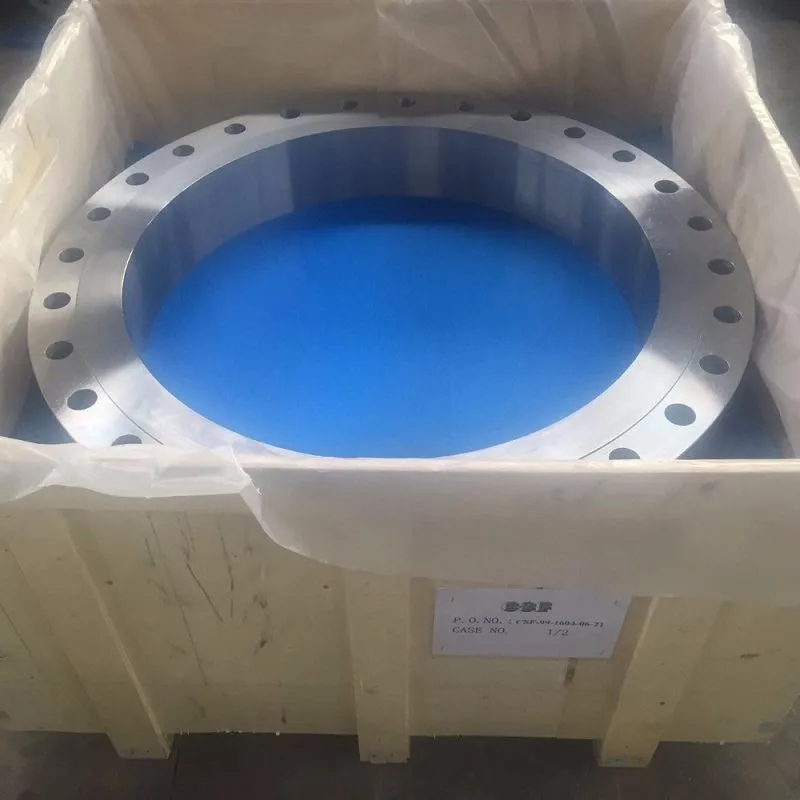
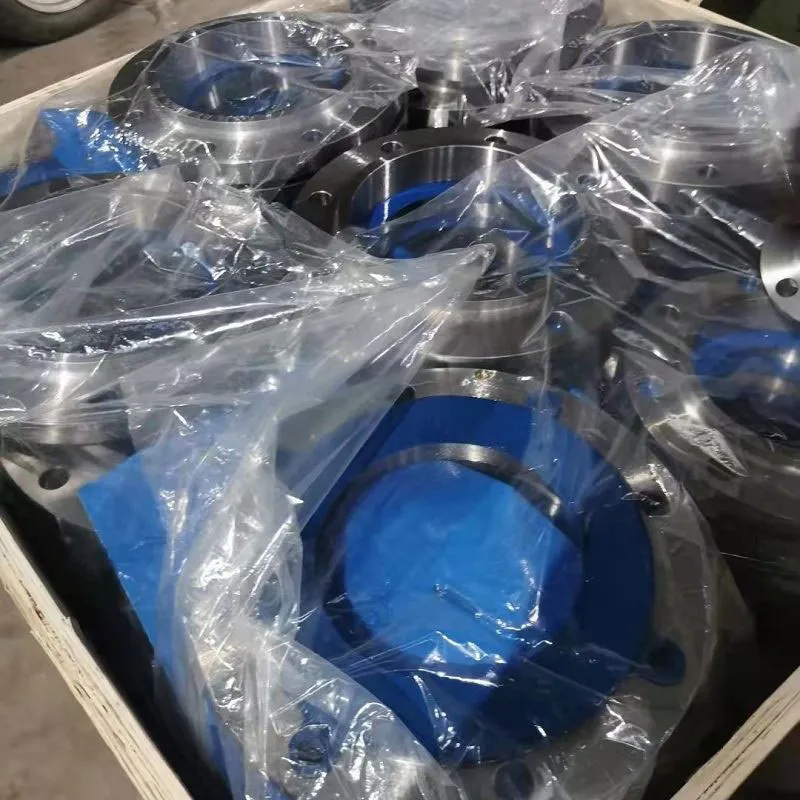
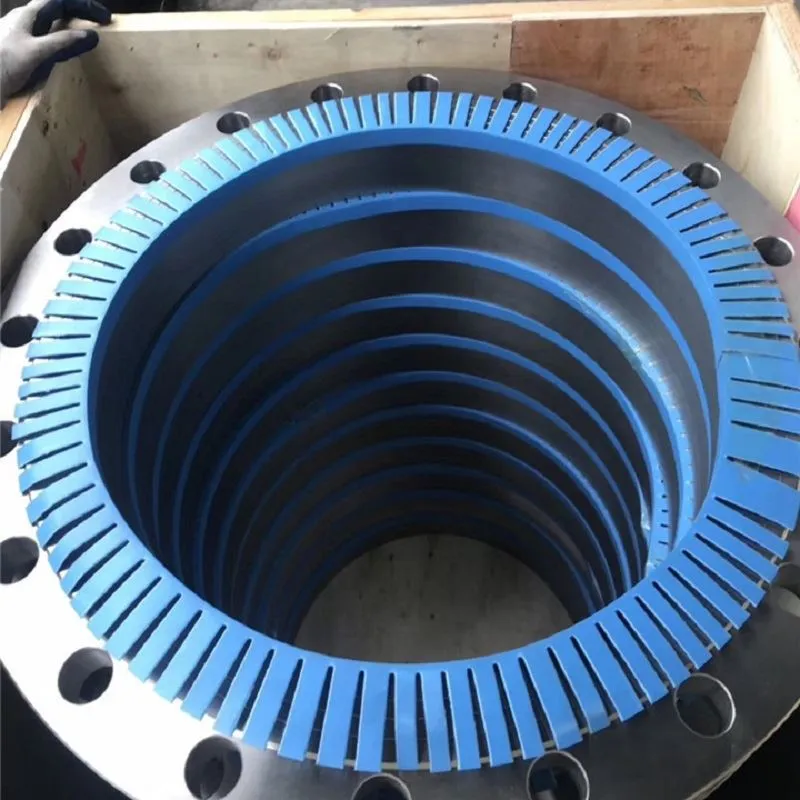
I especially want to dwell on the packaging. Du600 flanges have a large contact area. If you throw them in the back of a truck without wood spacers between the rows, they will inevitably hit each other. Microcracks on the sealing surface are not visible to the eye, but will appear during the first pressure test. Require your supplier to provide lathing or use rubber pads during loading.
Payment. In the current economic conditions, paying 100% in advance to a new supplier is a high risk. Try to negotiate a 30/70 or 50/50 scheme. Large factories may require full prepayment due to the high cost of the metal, but in this case, require a bank guarantee of fulfillment of obligations. Check the counterparty through services such as SPARK or Contour.Focus. The presence of massive lawsuits for non-delivery of goods is a signal to run away from there.
The future of the flanged fittings market: forecast until 2027
What awaits us in the near future? The market will continue to transform. A further rise in energy prices is expected, which will inevitably push up the cost of metal-intensive products. Manufacturers will be forced to introduce more automated lines to reduce manual labor and waste.
We should also expect the emergence of new alloys adapted to specific Russian deposits. Universal steels may become a thing of the past, giving way to specialized grades developed for the high sulfur content of oil or the extremely low temperatures of the Arctic. Those planning long-term projects should now include in their estimates a reserve for an increase in the cost of materials of about 10-15% annually.
Another trend is digitalization. Leading factories are beginning to implement a traceability system for every part through QR codes. By scanning the code on the flange, you can see its entire history: from steel melting to shipment. This will increase market transparency and push out unscrupulous players. In 2026, such systems are still rare, but in a couple of years they will become the de facto standard for large orders.
And one last thing. Don't believe those who say that “quality has dropped.” This is a myth. Yes, there are problems, there is marriage, just like everywhere else in the world. But there are also excellent factories - both in Russia and abroad, for example, in specialized industrial clusters in China - that make products no worse, and sometimes better, than their European counterparts, because they make them for serious operating conditions. You just need to be able to find them and build the right relationships.
Purchasing DN600 flanges is not just a transaction. This is an investment in the reliability of your facility. Saving here should be smart, not blind. Choose partners with a full production cycle, check documents, control geometry. And then your pipeline will last for decades without accidents or repairs.
In conclusion, I want to say: the market is alive, there are opportunities, but they require a careful approach. Don’t be lazy to study production, meet technologists, and request quality reports. In the era of digital catalogues, personal contact and expertise become the most valuable resource. Good luck with your shopping and may your connections be tight!
Sources of information and regulatory framework
- GOST 33259-2015 Flanges of fittings, connecting parts and pipelines for rated pressure up to PN 250. Design, dimensions and general technical requirements
- GOST 12815-80 Flanges of fittings, connecting parts and pipelines. Types. Connecting dimensions and dimensions of sealing surfaces
- Overview of the rolled steel market in the Russian Federation: trends for 2025-2026.
- Official website of Rostechnadzor: Permits for the use of technical devices