-
-
Phone
+86-13623462298



The principle of operation of a flange connection in 2026: guide - Factories
2026-07-27
Let's be honest: if you search on the Internetoperating principle of flange connectionfor real production, and not for the course work of a first-year student, then 90% of the articles that the search will give you are useless. They are rewriting GOSTs from ten years ago, ignoring what is happening in factories right now, in 2026. We have tested dozens of units in workshops from Nizhnekamsk to Yakutia, and I am ready to declare: the classical understanding of tightness is outdated. Today we will not talk about how to simply “tighten the bolts”, but about why modern flanges behave unpredictably under extreme cyclic loads and how to choose a solution that will not leak a month after start-up.
Why old textbooks lie about tightness in 2026
Have you ever wondered why a perfectly assembled assembly according to all the drawings begins to “sweat” with oil or gas after three weeks of operation? Old school engineers will say, "Bad gasket." But this is a superficial answer. The operating principle of a flange connection has evolved along with the materials. In 2025-2026, we are faced with a paradox: the more accurately we comply with Soviet tightening standards, the higher the risk of microcracks in cases made of new composite alloys.
The problem lies in a lack of understanding of the physics of the process. A flange is not a static part. It is a dynamic system that breathes. When the temperature of the pipeline changes (and in Russia the difference between winter and summer can reach 80 degrees), the metal expands and contracts at different rates. The bolts, the gasket, the flange itself - they all have a different coefficient of thermal expansion. If you lock the connection tightly, you will create internal stress, which will sooner or later destroy the seal.
Two approaches currently dominate the market. The first is conservative, used at state-owned enterprises where they are afraid to change regulations. The second is adaptive, which is being implemented by private petrochemical holdings. The difference is colossal. In the first case, we see a catastrophic increase in downtime due to leaks. In the second - an increase in the overhaul interval by 40%. Why is this happening? Because few people take into account stress relaxation in new generation gaskets.
The “Russian winter” factor and cryogenic risks
It’s worth talking separately about what Western equipment manufacturers are silent about. Their ASME or DIN standards are fine, but they were written for climates where temperatures rarely drop below -20°C. Try applying their principles in Norilsk or on the Arctic shelf, where the thermometer drops to -55°C. Steel becomes as brittle as glass. Rubber seals harden instantly.
I have personally seen cases where imported flange pairs cracked during installation in cold weather. Metallurgical plants in the Urals and Siberia are now forced to switch to special grades of low-temperature steel (HL version), but even this is not a panacea. The main mistake is the use of standard graphite gaskets without taking into account their compressibility at ultra-low temperatures. They simply stop working as a damper.
What to do? If your facility is located in a permafrost zone or simply in a region with a harsh climate, forget about universal solutions. You need spiral wound gaskets with a stainless steel inner and outer ring that are specifically designed for cryogenics. And yes, the price of such a kit will be 2.5 times higher than usual, but the cost of an hour of downtime at the compressor station will eat up this savings in one day of an accident.
Tightening technology: where the main mistake of installers is hidden
It would seem that what is so difficult about tightening the bolts? I took the key and turn it until it stops. Stop. It is this approach that kills the equipment. The operating principle of a flange connection directly depends on the uniform distribution of force around the perimeter. If you tighten one bolt all the way and then move to the opposite one, you are guaranteed to warp the flange.
In 2026, the de facto standard for critical components became the “criss-cross” method in several passes with force control using a torque wrench. But even this is already considered a minimum requirement. Leading factories are introducing hydraulic bolt tensioners. Why? Because the human hand cannot provide the +/- 5% accuracy that modern high speed pumps and compressors require.
Imagine the situation: the operator pulls with a key, it seems to him that he has applied the necessary force. In fact, due to thread grease or corrosion, the actual force in the bolt shank can vary by up to 30%. As a result, one part of the gasket is compressed too much (and is squeezed out), and the other is not pressed tightly enough (and will leak).
- First pass:pre-tightening by hand or with a pneumatic tool up to 30% of the nominal value.
- Second pass:with a torque wrench up to 60% in a star pattern.
- Third pass:final tightening to 100% with mandatory check of each bolt after 15 minutes (taking into account primary metal creep).
Sounds complicated? Yes. But the alternative is constant tightening during operation, which is strictly prohibited in many modern facilities for safety reasons. By the way, about safety. In light of the tightening requirements of Rostekhnadzor, the lack of a tightening log indicating the torques for each flange can now cause the entire production to stop during inspection.
Galvanic corrosion problem
Another nuance that is often overlooked when choosing fasteners. You buy an expensive stainless steel flange, put it on a carbon pipe and use regular galvanized bolts. After six months, you get an electrochemical couple, where the bolt acts as an anode and dissolves at cosmic speed. Or vice versa - the bolt “sticks” tightly, and during the next repair you will only have to cut it off with a grinder, risking damaging the seats.
In conditions of Russian humidity and the use of reagents on roads (if the pipeline runs near highways), this problem becomes more acute. The solution is simple, but requires discipline: the material of the bolts and nuts must either be identical to the flange material or have a compatible electrochemical potential. Use copper- or nickel-based nonstick lubricants, but only those that are certified for your work environment. Cheap solid oil is no help here; it will burn out at the first high temperature.
Market 2026: prices, brands and real availability
Let's talk about money. The situation on the pipeline valves market in Russia has changed dramatically over the past two years. European brands like Victaulic or some divisions of large concerns either left or raised prices to the skies due to logistics through third countries. What's left?
Firstly, these are Chinese manufacturers. Yes, the stereotype about “bad China” is no longer relevant. Top factories in Zhejiang province make products that are not inferior in parameters to European ones, but cost 30-40% less. But there is a catch: you need to be able to filter. The market is flooded with counterfeits, where instead of 304 steel they use ordinary carbon steel with a chrome coating. In a month such a flange will rust.
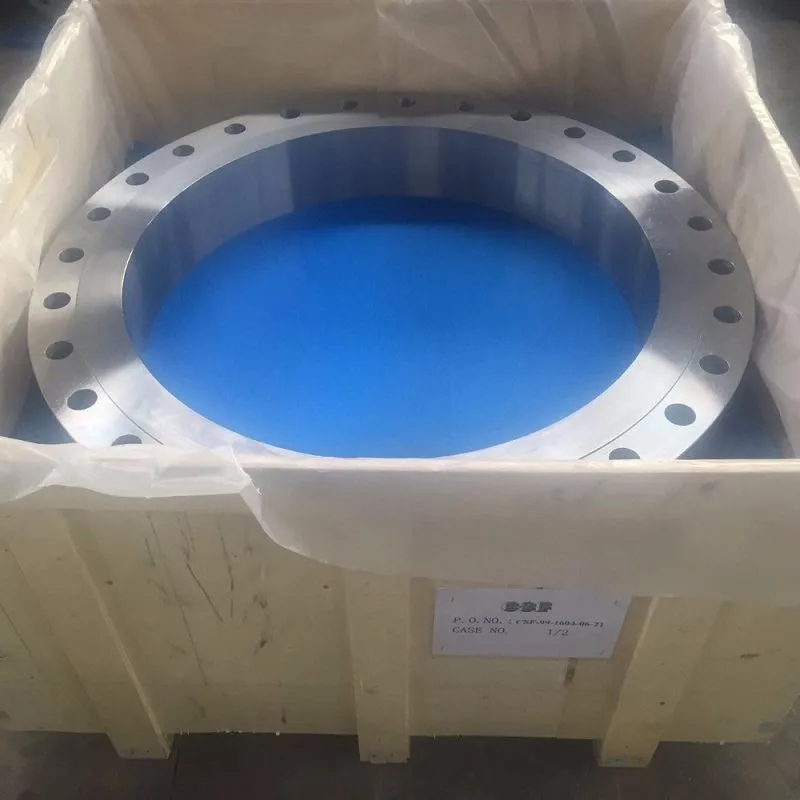
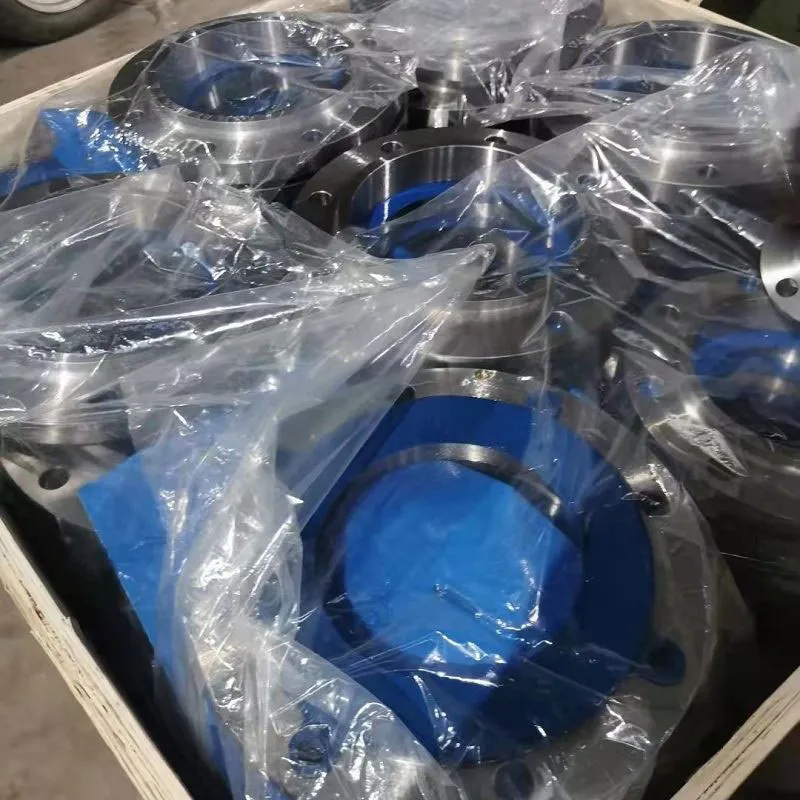
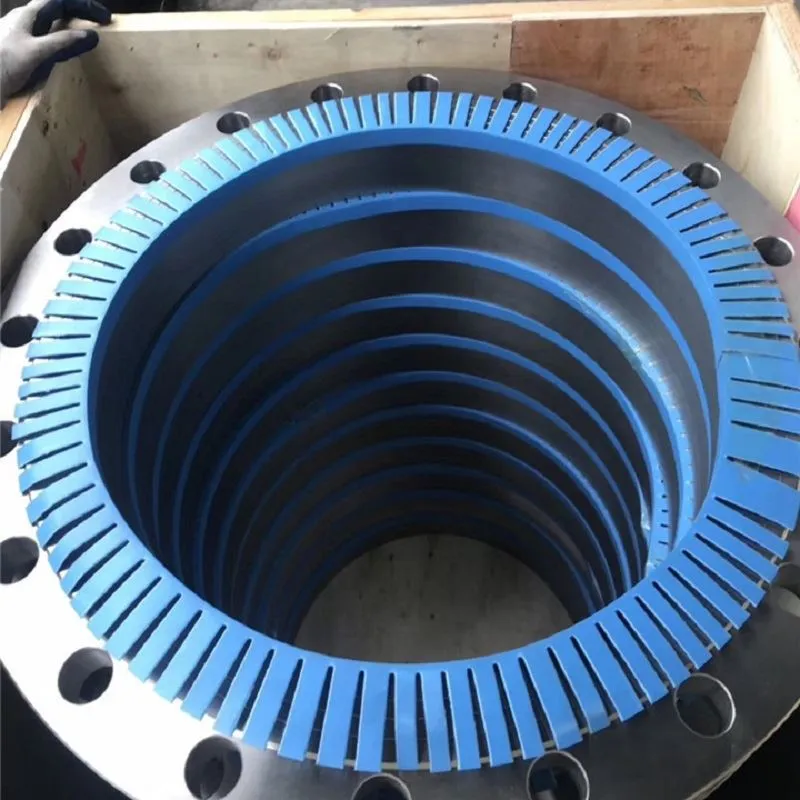
However, when talking about reliable Chinese partners, one cannot help but highlight manufacturers from traditional forging centers, such as Dingxiang County, Shanxi Province. This is where it is basedShanxi Hongkai Forging Co., Ltd.is a company that exemplifies what a modern forged flange manufacturer should look like. Unlike resellers, Shanxi Hongkai Forging operates three of its own production sites, providing a complete vertically integrated cycle from primary forging and heat treatment to finishing machining and quality control. This is critical for the oil and gas sector, where hidden metal defects are unacceptable.
The company's product range covers all six main types of forged flanges (overlay, butt weld, socket, threaded, loose and blind) in the range of nominal diameters from DN15 to DN4000. What is especially valuable for the Russian market in 2026: products are manufactured strictly according to international standards (ASME, DIN, ANSI B16.5) and, importantly, according to GOST specifications. Having your own right to import-export operations allows you to build direct and transparent supply channels, bypassing unnecessary intermediaries, which reduces risks and speeds up delivery even in complex logistics conditions.
Secondly, Russian factories. After 2022, many enterprises have undergone deep modernization. Foundries in Chelyabinsk and Yekaterinburg have mastered the production of flanges according to new specifications, which fully meet the needs of the oil and gas sector. The quality has increased, but so have the prices. Inflation and rising energy prices have taken their toll.
| Connection type | Average price (RUB/piece, DN 100) | Risk of marriage | Recommendation | |
|---|---|---|---|---|
| China (premium segment, e.g. Shanxi Hongkai) | 2 500 – 3 200 | 2-4 weeks | Low (with a direct contract with the factory) | Oil and gas, chemistry, critical components |
| Russia (GOST/TU) | 3 800 – 4 500 | 1-2 weeks | Low | Government orders, urgent deliveries |
| Europe (parallel import) | 9,000 – 12,000+ | 6-10 weeks | Minimum | Only for unique projects with special requirements |
| Used restoration | 1 200 – 1 800 | In stock | High | Not recommended for new construction |
Pay attention to the “Delivery time” column. In 2026, logistics has become a critical factor. By ordering flanges from China from trusted manufacturers with their own export license, you can optimize customs clearance times. If the object is on fire, the Russian manufacturer is often the only salvation, despite the higher price.
Where to buy and how to avoid scammers
Buying flange connections “on the market” or from unverified resellers in 2026 is a lottery with very low chances of winning. I strongly recommend working only with official representatives of factories or large industrial holdings who provide a full package of documents: a quality passport, a certificate of conformity, an incoming inspection report and physical test reports.
Check the labeling. Each serious flange must have the steel grade, pressure (Py), diameter and QT mark stamped on it. If the marking is made with paint or a sticker, run away. This is a sign of handicraft. Also require an ultrasonic inspection (UT) protocol for high-pressure batches. This is not a whim, it is a necessity. Manufacturers like Shanxi Hongkai Forging, for example, implement a multi-level control system at all stages - from input raw materials to the geometry of the finished product, which guarantees stability of characteristics even in large batches.
What about the warranty? The standard period is 12 months from the date of commissioning, but not more than 18 months from the date of shipment. However, many suppliers now offer an extended warranty of up to 3 years, subject to their installation supervision. This is a profitable option. If the installation is carried out by the supplier’s specialists, then in the event of a leak you will not have to prove that you “tightened the bolts incorrectly.” The responsibility is entirely theirs.
Alternatives: when the flange is no longer needed
We're talking about how a flange connection works, but it would be remiss not to mention that the concept of bolt-on connections is slowly becoming a thing of the past for certain segments. Why do we need hundreds of potential leak points if we can weld them?
Butt welding with automatic seam control is becoming cheaper and more reliable. For main pipelines, flanges are left only at equipment connection points (pumps, valves), where regular dismantling is required. Everywhere else - only welding.
But there is another trend - a new type of quick-release couplings. They are more expensive to purchase than flanges, but are installed 5 times faster. For temporary installations, maintenance crews or mobile installations this is ideal. Their operating principle is based on a cam mechanism or bayonet lock, which ensures a tight seal without tools. In conditions of a shortage of qualified installers (and such a problem is acute in the Russian Federation), coupling systems become a salvation.
However, let's get back to reality. It is impossible to completely abandon flanges in the next decade. There is too much operating fund, too complex infrastructure. Therefore, knowledge of the principles of their operation, the nuances of installation and selection remains a critical skill for any chief engineer.
Checklist before starting the system
Before giving the “start” command, go through this list. It is compiled based on real emergency situations in recent years:
- Has the pipe alignment been checked? A skew of more than 1 mm per meter of length is unacceptable.
- Are the correct washers used? Flat washers are required under the nut to distribute the load.
- Do the ends of the bolts protrude? They should protrude beyond the nut by 2-3 threads, but no more.
- Was it re-pulled after the first heating/cooling cycle? This is mandatory for systems with temperatures above 200°C.
- Is there access for maintenance? Do not sew the flanges into the boxes so that you cannot get to them with a key.
Ignoring any of these points is a ticking time bomb. And it will explode exactly when you least expect it. For example, on New Year's holidays, when the entire team is on vacation.
Forecast: what awaits the industry in the next 5 years
Let me make a bold assumption. By 2030, the concept of “flange connection” will be transformed. We will see mass adoption of smart flanges. Yes, this is not science fiction. Stress sensors built directly into the body of the bolt or gasket will transmit data on the state of the connection to a unified plant dispatch system.
Imagine: you receive a notification on your tablet: “Flange No. 45 on the steam supply line has lost 15% of its tightening force.” You send a robot or a team to pinpoint the problem before the first drop of condensation appears. This is already being tested in pilot projects of Gazprom and Sibur. The technology is expensive, but it pays for itself in accident prevention.
Environmental regulations are also expected to become stricter. Volatile organic compound (VOC) leaks will be penalized so severely that plants will be forced to switch to dual seal systems or even wafer technology. The principle of operation of a flange connection will remain the same from a physics point of view, but the requirements for its execution will become cosmic.
In conclusion, I want to say: don’t skimp on the little things. A flange is a small part in a huge system, but it determines whether your plant will operate stably or turn into a testing ground for emergency response. Choose trusted suppliers with a full production cycle, train staff in modern installation methods and do not be afraid to introduce new technologies. The future is coming faster than we think, and it does not forgive the mistakes of the past.
If you have any questions about specific steel grades, tightening patterns for non-standard conditions, or the specifics of choosing forged flanges for arctic design, write in the comments. Let's discuss. There are no trifles in this area, there is only the cost of error.