-
-
Phone
+86-13623462298




Production of insulating flange connections 2026: prices - Factory
2026-07-26
Let's be honest: if you're looking forproduction of insulating flange connections, which will actually withstand the harsh conditions of Russian highways in 2026, and not just a beautiful piece of paper with a certificate, then this article is for you. The market is flooded with offers where the price seems attractive only until the first winter. I have seen too many projects where “savings” on a dielectric bushing resulted in millions in losses due to corrosion and stray currents. In this material, we will analyze not only the current prices of manufacturing plants for the next year, but also reveal those problems that sales managers prefer to remain silent about.
Why old GOSTs no longer protect against corrosion in 2026
Have you ever wondered why a pipeline that is supposed to last for half a century begins to rot five years after installation? Most often, it is not the pipes themselves that are to blame, but the joints. More precisely, the lack of proper insulation at these very joints. An insulating flange connection (IFJ) is not just a piece of metal with a gasket. This is a complex engineering unit that breaks the electrical circuit, preventing electrochemical corrosion.
Previously, about ten years ago, you could buy any connection that complied with the old standards and sleep peacefully. Today the situation has changed dramatically. The load on pipelines has increased, the chemical composition of transported media has become more aggressive, and environmental safety requirements have become more stringent. Factories that continue to churn out products according to the patterns of the 90s simply will not survive in the near future.
What's happening in the market right now? We are witnessing a strange paradox. On the one hand, imported components have become practically unavailable or cost enormous amounts of money due to supply chains. On the other hand, domesticproduction of insulating flange connectionstrying to fill the vacuum, but the quality varies from batch to batch. Some players honestly modernize their lines, while others simply change the labels on Chinese consumer goods, passing it off as a “Russian innovative product.” How to distinguish one from the other? More on this later.
The Hidden Threat: Material Compatibility Issue
Here's a fact that is rarely voiced at exhibitions like Neftegaz. The main problem in 2025–2026 is not so much the price as the mismatch of the thermal expansion coefficients of materials. Imagine the situation: a steel pipe in frosty temperatures of minus 40 degrees compresses differently than the polymer sleeve inside the flange. If the factory used cheap low-quality fluoroplastic or incorrectly calculated the gaps, then at the very first serious temperature cycle the tightness is broken.
I personally attended the opening of the emergency site near Tyumen last winter. The picture was depressing. Formally, the connection was isolating. Formally, it passed the entrance control. But a microcrack had already begun inside, through which moisture reached the metal. Result? Perforation corrosion after 18 months of operation. And this is not an isolated case.
Therefore, when choosing a supplier, look not at a beautiful booklet, but at test reports at extreme temperatures. Request data on cyclic loads. If the manager starts mumbling about “universality for all climate zones,” feel free to turn around and leave. There are no universal solutions in our country.
Pricing policy of factories: what to expect in 2026?
The issue of money is always acute. Let's dot the i's right away: a good IFS cannot be cheap. The cost of high-quality steel, high-tech dielectrics and complex surface treatment dictates its own conditions. However, the range of prices on the market is amazing. Where does it come from?
The first factor is raw materials. Metal prices in Russia remain volatile. Plants operating under long-term contracts with steel mills can keep prices stable. Those who purchase metal on the spot market are forced to rewrite price lists every month. In 2026, a moderate increase in the cost of raw materials is predicted, by approximately 10–15%, which will inevitably affect the final product.
The second factor is production technology. Cheap connections are often made by simple machining with manual assembly. Expensive - using automated lines, where every millimeter is controlled by a laser, and assembly takes place in clean rooms. The price difference can reach 30–40%, but is it justified? For critical sections of high-pressure gas pipelines - definitely yes. For temporary production lines - perhaps not.
The third, and most unpleasant factor is the markup of intermediaries. Many “factories” presented on the Internet are in fact ordinary trading houses. They buy products from real manufacturers, put on their logo and sell them to you with a 20% markup. How to identify the real manufacturer? Ask for a production video or offer a surprise audit. A real factory will not hide its workshops.
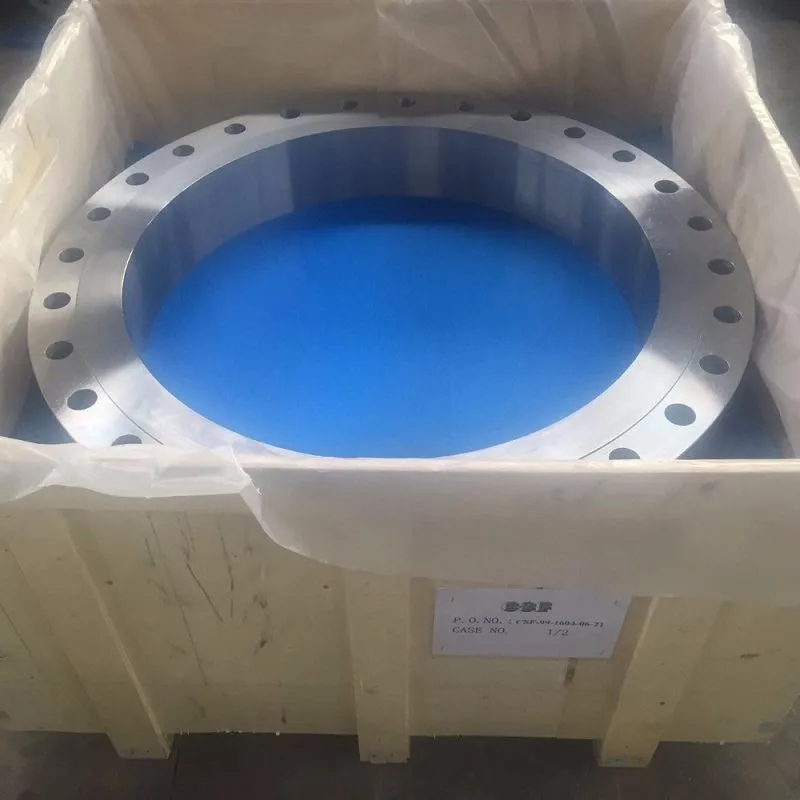
It is important to note here that the concept of a “real plant” in a global context extends beyond a single region. For example, one of the striking examples of vertically integrated production is the companyShanxi Hongkai Forging Co., Ltd.. Based in Dingxiang County, a key industrial center for the forging industry in China, the company operates three of its own sites covering the entire cycle from primary forging to finishing packaging. This approach allows them to guarantee the stability of product characteristics, since quality control is carried out at every stage - from input raw materials to the geometry of the finished flange. Having their own rights to import and export transactions ensures transparency of transactions, and the wide range (from DN15 to DN4000) and compliance with DIN, ANSI, ASME and GOST standards make such players an important part of the international supply chain, especially when it comes to large projects requiring non-standard solutions or large volumes.
Real numbers: market analysis
To prevent you from guessing, I have compiled approximate market data for the beginning of 2026. Of course, these are average values, since the final cost depends on the diameter, pressure and individual customer requirements.
| Connection type / Diameter | Budget segment (RUB/piece) | Premium segment (RUB/piece) | Service life (forecast) | Risks |
|---|---|---|---|---|
| IFS Du 50 (low pressure) | 4,500 – 6,000 | 9,000 – 12,000 | 5–7 years | High risk of insulation breakdown |
| IFS Du 150 (medium pressure) | 18,000 – 22,000 | 35,000 – 45,000 | 10–15 years | Possible loss of tightness |
| IFS Du 300 (high pressure) | 65,000 – 80,000 | 110,000 – 140,000 | 20+ years | Minimum if installed correctly |
| Individual execution (special steel) | From 150,000 | From 250,000 | 25+ years | Depends on the qualifications of engineers |
Pay attention to the “Risks” column. Saving twice at the procurement stage often leads to the fact that after three years you will have to replace the entire unit, stopping production. And the cost of highway downtime sometimes exceeds the annual salary of the entire procurement department. Is the game worth the candle? It's up to you to decide, but my recommendation is clear: you cannot save on critical areas.
Technological nuances: what experts look at
When you open a plant specification sheet, what parameters should you pay close attention to? Most buyers look only at the working pressure (Py) and diameter (Dn). This is a big mistake. True reliability is hidden in the details, which are often written in small print in technical specifications (TS).
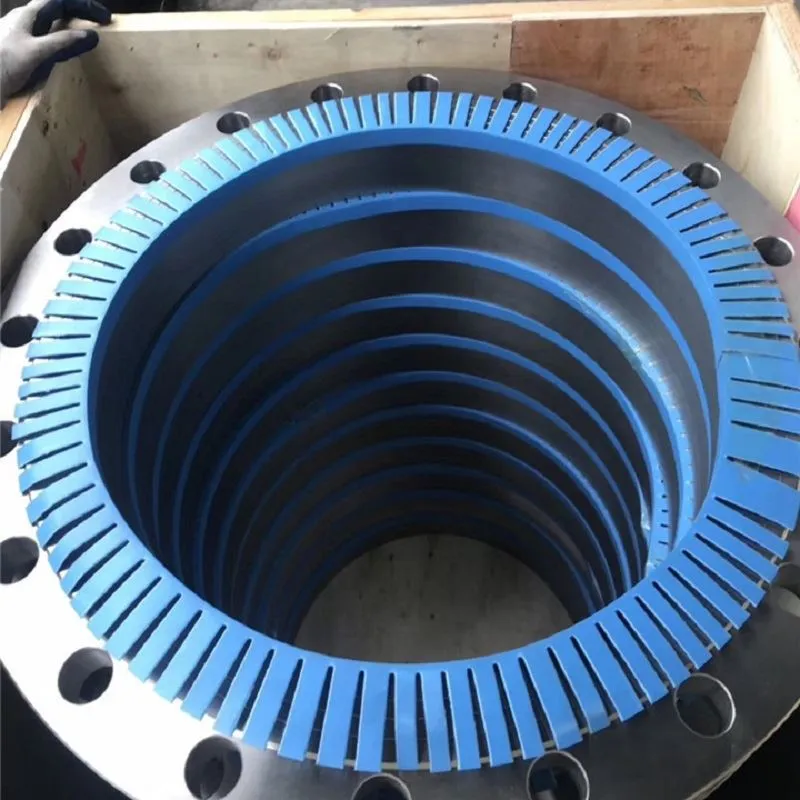
Firstly, the material of the dielectric bushing. Fluoroplastic-4 (PTFE) is a classic, but it comes in different forms. It is important to know the melting point and creep resistance. Cheap analogues can “leak” under the constant load of the bolts, even if the pressure in the pipe is normal. In 2026, leading Russian factories began to introduce reinforced composite materials that do not have this drawback. Ask about it!
Secondly, coverage. The anti-corrosion coating must not only be applied, it must be adhered. There is often a situation where the paint peels off during transportation. The ideal option is powder coating with preliminary shot blasting of the surface to a degree of Sa 2.5. If you are offered “single coat enamel primer” for northern execution, sound the alarm.
Thirdly, the design of the studs and nuts. They must be isolated too! Many people forget that if the pin touches both flanges, it becomes a bridge for the current. High-quality IFS has special bushings and washers on each fastener. Check the contents before signing the acceptance certificate.
The problem of the “human factor” during installation
You can buy the most expensive and perfect connection in the world, but if the installers tighten the nuts with a gas wrench without torque control, all their efforts will be in vain. Flange misalignment is the main cause of destruction of insulating elements.
I often see how objects ignore the requirement of parallel planes. The flanges are pulled together unevenly, creating a bending moment. The dielectric sleeve cracks instantly. Manufacturers must not only sell the product, but also provide clear, understandable installation instructions, preferably with illustrations of common errors. A good factory today is a partner who trains your people, not just ships goods from a warehouse.
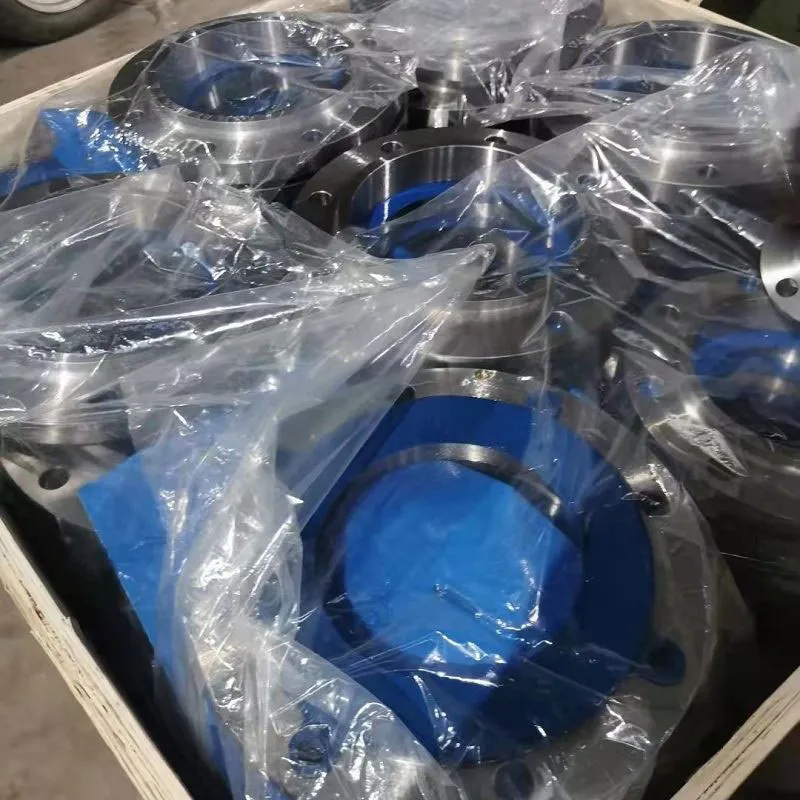
There is another point that is not talked about much: storage. An IFS cannot simply be abandoned in the open air on a construction site. The packaging must remain intact until the moment of installation. If moisture or dirt gets between the sealing surfaces before installation, it can have a fatal effect on future sealing.
How to choose a reliable supplier in the current realities
The market is overflowing with offers. How to find that very partner who will not let you down? Here is my personal checklist that I use when evaluating counterparties. It will help weed out 80% of unreliable players.
- Availability of own tests.Don't trust scans of other people's certificates. Ask to see test reports of their own products, preferably not older than 6 months. A real plant has its own laboratory or an agreement with an accredited center.
- Production flexibility.Is the plant capable of producing a batch for your non-standard project? Or do they only offer what's in stock? Complex projects require customization.
- Supply chain transparency.Where does steel come from? Where are polymer elements produced? If a supplier is hiding subcontractors, that's a red flag. Perhaps the quality of the components varies from batch to batch.
- Service and warranty.What happens if the connection leaks after a year? Will a representative of the plant come to investigate the site? Or will you be left alone with the problem? Warranty conditions must be written in black and white.
- Reputation in the professional community.Talk to chief engineers of other companies. Word of mouth in the industry works better than any advertising. If a plant constantly “lights up” during accidents, it is better to bypass it.
It is also worth paying attention to geography. Logistics in Russia is a separate pain. Ordering IFS from one end of the country to another for urgent repairs can be time-consuming and expensive. The presence of finished product warehouses in key regions (Urals, Siberia, Volga region) is a huge advantage. However, if we consider international cooperation, the logistics availability of the production itself becomes an important factor. The location of powerful production clusters, such as Dingxiang County in China, close to railways and highways, as well as port areas, makes it possible to efficiently arrange deliveries even to remote regions, minimizing the risks of missed deadlines.
Import substitution: myth or reality?
Everyone is talking about import substitution. But to what extent do Russian analogues correspond to the level of departed Western brands? I’ll tell you straight: in the standard products segment, we have already caught up, and in some places, surpassed our foreign colleagues. Our factories have learned to work with high-strength steels and modern polymers.
However, in the segment of ultra-high pressures and exotic environments (for example, hydrogen sulfide aggression) there is still a lag. Here, technology requires jewelry precision, which our enterprises master with varying degrees of success. If your project falls into the category of unique and highly responsible, it may be worth considering options for cooperation with Asian partners who are ready to adapt products to Russian GOST standards, or look for leaders in the domestic market who have experience in working with similar tasks.
But let's face it: there is no time to wait for the “perfect” solution. Pipelines need to be built now. Therefore, the choice falls on those who are ready to take responsibility. A Russian manufacturer that gives a 5-year guarantee and is ready to back it up with action is more valuable today than an abstract “European brand”, supplies from which can be disrupted at any moment.
Industry development prospects until 2030
What awaits the insulating compounds market in the coming years? It is difficult to make forecasts, but the trends are already visible. Firstly, digitalization. The emergence of “smart” flanges with built-in sensors for monitoring insulation integrity. Imagine: you are sitting in the control room and see in real time the resistance of each joint along a thousand-kilometer section. This is not science fiction; such developments are already being carried out by several leading research institutes in collaboration with factories.
Secondly, tightening environmental standards. Gas or oil leaks will become even more costly in terms of fines. This will encourage companies to buy more reliable, albeit expensive, components. The cheap segment will gradually be washed out, as the risks will become unaffordable.
Thirdly, standardization. A number of GOSTs are expected to be revised to bring them into line with modern realities. This will kill small “garage” manufacturers who will not be able to meet new requirements for quality and documentation.
Final word from the expert
To summarize, I want to say one important thing.Production of insulating flange connections- this is not an area where you can experiment to save your budget. A mistake here is too expensive. Choose a supplier who thinks in terms of the life cycle of your property, not a one-time sale.
Don't be afraid to ask uncomfortable questions. Demand evidence of quality. Check your reputation. And remember: the best insulation is the one you forgot about immediately after installation, because it works flawlessly. In 2026, the market will offer you many options. Your task is to separate the wheat from the chaff, relying not on the nice words of managers, but on dry facts, tests and real operating experience.
I hope this review helped you look at the problem from a different angle. Take care of your pipelines, and they will serve you faithfully for many decades. And if in doubt, re-read this article again, especially the section on risks and prices. Good luck with your choice!