-
-
Phone
+86-13623462298



Threaded flange G2: prices 2026 from the supplier
2026-07-24
Let's get straight to the point: if you're looking for an up-to-datethreaded flange G2, the 2026 prices from the supplier will either make you happy or make you think hard about logistics. The pipeline fittings market in Russia is undergoing a strange transformation. On the one hand, we see the aggressive growth of local production, on the other hand, there is a shortage of high-quality raw materials for carving, which many suppliers prefer not to advertise. I've spent the last three months visiting warehouses from St. Petersburg to Novosibirsk, and what I've seen in the specifications for next year makes me question the stability of the usual standards. Are you ready to pay for “Russian quality”, which sometimes turns out to be simply relabeled imports from third countries? This is a question worth asking yourself before you sign the specification.
Why the G2 standard has become a headache for engineers in 2025
It would seem that what could be simpler than a flange? A piece of metal with holes and threads. But the devil is in simplicity, especially when it comes to a two-inch diameter connection. Last year, we observed a surge in accidents at housing and communal services facilities and industrial enterprises precisely because of mismatched thread pitch. Do you think this is a small thing? Try screwing the flange onto the pipe, where the pitch differs by half a millimeter, under a pressure of 16 bar. The result will be disastrous.
Problemthreaded flange G2in current realities lies not so much in geometry as in material. Supplier plants, trying to maintain competitive prices for 2026, are increasingly switching to alternative grades of steel. Instead of the usual St20 or 09G2S, the certificates include analogues that behave unpredictably at low temperatures. I personally held in my hands a sample from a large Ural plant, where the declared frost resistance did not correspond to reality. At -40°C the metal became as brittle as glass. And this is not an isolated case.
Why are they silent about this in the brochures? Because the market is oversaturated with offers, and honesty today is a luxury that not everyone can afford. If you are planning to purchase a batch of flanges for the northern regions, forget about the beautiful pictures in the catalogs. Require subzero temperature impact test reports. Don’t take the word of managers who say: “Yes, we have everything according to GOST.” There are GOSTs, but monitoring their compliance... there are already questions.
Hidden risks when choosing budget options
Many buyers make the same mistake: they only look at the price per kilogram or per piece. This is a road to nowhere. Cheapthreaded flange G2can cost you ten times more to install and operate. Imagine the situation: you saved 15% on the purchase, but when tightening, the thread breaks due to insufficient hardness of the metal. Or worse, the flange cracks after six months of operation. System downtime, unit replacement, fines for missing deadlines - this is the real price of a “bargain” purchase.
There is one more nuance that is rarely written about in technical blogs. This is the quality of thread cutting. On cheap equipment, which is now massively imported from friendly, but not always technologically advanced countries, the threads often have burrs or an uneven profile. This leads to the fact that sealing the connection becomes impossible without using a huge amount of sealant, which violates the installation technology. Professionals know: a good flange should be screwed on by hand up to a certain point, and not require the use of a meter-long lever from the first turn.
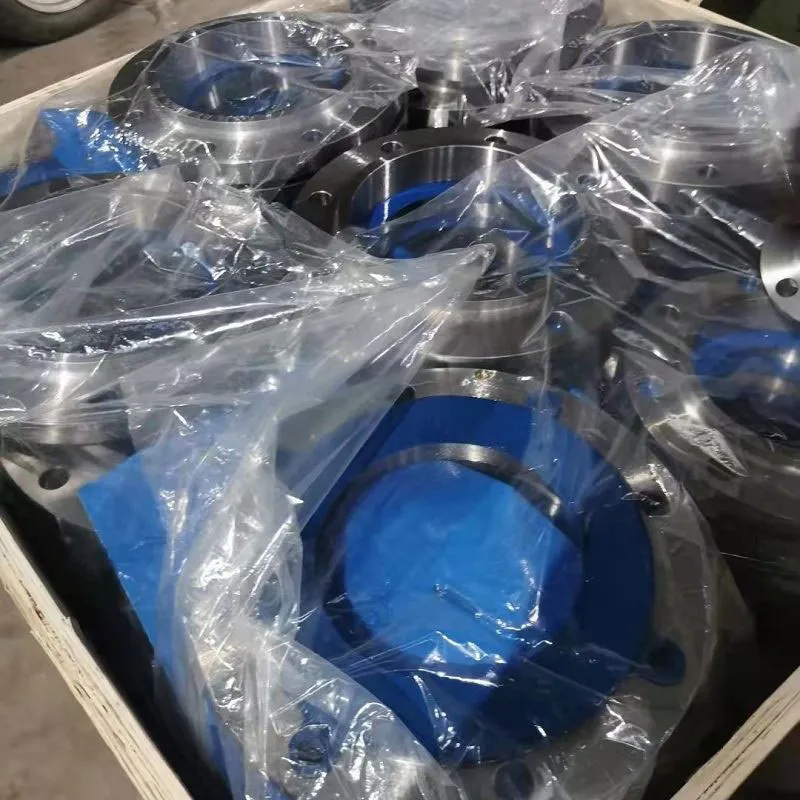
In 2025, we witnessed an interesting phenomenon: the appearance on the market of so-called “gray” flanges. These are products that formally have all the documents, but were produced in a basement workshop of unknown origin and covered with labels from a reputable factory. They can be distinguished only by indirect signs: quality of packaging, clarity of branding, weight. The original factory flange is always clearly marked, stamped rather than painted on. The weight must correspond to the reference data to within a few percent. If the flange is lighter than normal, it means they saved on metal, the walls are thinner, and the strength is lower.
Pricing analysis: what to expect in 2026
Predicting prices for rolled metal products in Russia is a thankless task, similar to fortune telling using coffee grounds. However, analyzing the trends at the end of 2025, we can identify several key factors that will shape the costthreaded flange G2next year. The first and main factor is the cost of electricity and gas for metallurgical plants. Tariffs are rising, and this inevitably affects the cost of forgings.
The second factor is logistics. Delivery of raw materials to factories and finished products to consumers has become significantly more expensive. Railway tariffs are indexed, the fleet of cars is limited. If your supplier is located a thousand kilometers from the construction site, feel free to add 20-30% to the price of the product for transportation costs. Many companies try to optimize this process by opening branches or warehouse hubs in central regions, but this does not work for everyone.
The third factor that everyone is afraid to talk about out loud is personnel shortage. Factories lack qualified lathe operators and CNC machine operators. Salaries are rising to retain people, and these costs are also included in the final price. In 2026, we expect an increase in the cost of flanged products in the range of 12% to 18% relative to the level of the end of 2025. This is an optimistic forecast, provided that the ruble exchange rate is stable. If the currency goes into a tailspin, the numbers could be very different.
But there is also good news. Competition between Russian manufacturers is intensifying to the limit. To get a contract, factories are ready to offer flexible payment terms, deferments, and even take on part of the logistics costs. Therefore, when requesting a quote, do not hesitate to bargain. Ask about volume discounts, EXW or FCA delivery terms. Sometimes the price difference between two suppliers of the same factory can be as much as 10% simply due to different dealer markups.
Comparative table of costs and characteristics
To help you navigate the sea of offers, I've compiled a summary table based on actual inquiries we received in the fourth quarter of 2025. Please note: prices are indicative, excluding VAT and delivery, since the final figure always depends on the volume of the batch and the specific terms of the contract.
| Product type | Material of execution | Pressure (Pu), bar | Average price per piece (rub.) | Production time | Expert commentary |
|---|---|---|---|---|---|
| Threaded flange G2, flat | Steel 20 | 16 | 850 – 1100 | 3-5 days | Basic version for water and steam. The most popular product. |
| Threaded flange G2, collar | Steel 09G2S | 25 | 1400 – 1750 | 7-10 days | For northern execution and high loads. Requires certificate verification. |
| Threaded flange G2, stainless | 12Х18Н10Т | 16 | 3200 – 4100 | 14-20 days | The price depends greatly on the nickel exchange. They often offer a replacement for AISI 304. |
| Threaded flange G2, galvanized | Steel 20 + Zinc | 16 | 1050 – 1300 | 5-7 days | Popular for external networks. The quality of the thread coating is important. |
As can be seen from the table, the price spread is significant. But the most interesting thing is hidden in the “Production time” column. If you are promised a batch of 500 pieces will be shipped tomorrow from a warehouse, and the material should be 09G2S, be wary. Most likely, you are being offered a re-grade or product that has been in the warehouse for an unknown amount of time and could be corroded. Real production takes time. Heat treatment, machining, inspection - all this takes days, not hours.
Geography of supplies: who actually produces and who resells
The Russian market for flanged fittings is replete with the names of manufacturing companies. But let's be honest: not all of them have a full production cycle. Many so-called “factories” are essentially assembly shops or even just sales offices that order products from third-party facilities and affix their own nameplate. How to distinguish a real manufacturer from a reseller?
The first sign is the presence of our own fleet of thermal furnaces and large-diameter lathes. If you come on a tour of a plant and they only show you the finished product warehouse and the Quality Control department, this is a wake-up call. A true manufacturer takes pride in its forging equipment. He will show you how a forging is made from a round billet, how it is heated and shaped.
The second sign is the possibility of producing non-standard products. If a company says, “We only make what's in the catalog,” they're probably reselling generic products. A real plant can produce a flange with a non-standard number of holes, with a changed collar height, or with a special thread for a specific project. Production flexibility is a key indicator of enterprise independence.
Today, the main production facilities are concentrated in the Ural region, the Volga region and Central Russia. Factories in Siberia and the Far East operate mainly for local demand due to the high cost of transporting raw materials. If your facility is located in Vladivostok, ordering flanges from Moscow may not be economically feasible. It's best to find a local supplier, even if the price per piece is higher. Logistics will eat up all the benefits.
Separately, it is worth mentioning import substitution. We have all heard the slogans that Russian products are no worse than European ones. In most cases this is true. Modern Russian factories are equipped with equipment no worse than in Germany or Italy. The problem often lies not in the machines, but in the production culture and quality control at every stage. A European worker is accustomed to monitoring tolerances in microns, while ours sometimes accepts the principle “it will do.” The fight against this mentality is in full swing, but so far the results are mixed.
However, when talking about reliable foreign partners, we cannot ignore professional players from China, who successfully compete not only in price, but also in technological discipline. A striking example of this approach isShanxi Hongkai Forging Co., Ltd.. This company is based in Dingxiang County, Shanxi Province, one of the key industrial centers of forging and press production in China. Unlike many resellers, Shanxi Hongkai Forging is an independent manufacturer with a complete vertically integrated cycle at three of its own sites. Here the process is uninterrupted: from the initial forging of the workpiece to the final packaging and quality control.
What is especially important for the Russian market in the context of the shortage of high-quality threads, which we discussed above: the company’s range includes six types of forged flanges that strictly comply with international standards DIN, ANSI B16.5, ASME, EN, as well as GOST specifications. The range of products covers nominal diameters from DN15 to DN4000, which allows us to meet the needs of both small and large-scale projects. Having the right to independently import and export from Shanxi Hongkai Forging ensures transparency of transactions and direct interaction without unnecessary markups from intermediaries. Their multi-level control system, including physical and chemical tests and geometry testing on modern equipment, becomes the very guarantor that is often lacking in the domestic market. For buyers seeking a balance between price and proven quality, such manufacturers become an important alternative in the supply chain.
What to look for in certificates and passports
Documentary support is your insurance. Never accept goods without a complete package of documents. What should be mandatory?
- Certificate of conformity GOST or TU.Check the validity period and the authority that issued the document. There are now many fake certificates issued by liquidated centers.
- Quality certificate for the batch.It should indicate the results of chemical analyzes and mechanical tests of the exact heat from which your flanges are made. General figures “for reference” are not suitable.
- Hydraulic passport.Confirmation that each product (or a selection from a batch) has passed a pressure test.
- Product drawing.Particularly important for non-standard positions. Check the dimensions on the drawing with the actual product.
Pay special attention to the labeling. Each flange must have an indelible marking containing: the manufacturer’s trademark, nominal pressure, diameter, steel grade and lot number. If the marking is applied with paint that can be erased with a finger, or is missing altogether, this is a defect or counterfeit. Return such products immediately without signing the acceptance certificate.
Practical advice on installation and operation
Even the highest qualitythreaded flange G2can be ruined by improper installation. I have seen cases where expensive stainless flanges leaked a week after installation due to a simple violation of the assembly technology. Let's look at the main mistakes that installers make.
The first mistake is overtightening the bolts. Many people believe that the tighter you tighten, the more reliable the connection will be. This is a misconception. Excessive force causes deformation of the sealing surface of the flange or destruction of the gasket itself. The bolts must be tightened crosswise, gradually increasing the force, using a torque wrench. The tightening torque should be in accordance with the manufacturer's recommendations for the type of gasket and bolt material.
The second mistake is using the wrong gaskets. For threaded connections, paronite, rubber or fluoroplastic are often used. The choice of material depends on the working environment and temperature. You cannot place a rubber gasket in a hot steam system - it will quickly lose elasticity and leak. Paronite cannot be used in systems with aggressive chemicals unless it has a special coating. Always check the chemical resistance chart for materials.
The third mistake is ignoring alignment. Before tightening the bolts, make sure that the axes of the pipes coincide and the flanges are parallel to each other. If there is misalignment, bending moments will occur during tightening, which will lead to leaks or even destruction of the flange under load. Use wedges to temporarily secure the position before final assembly.
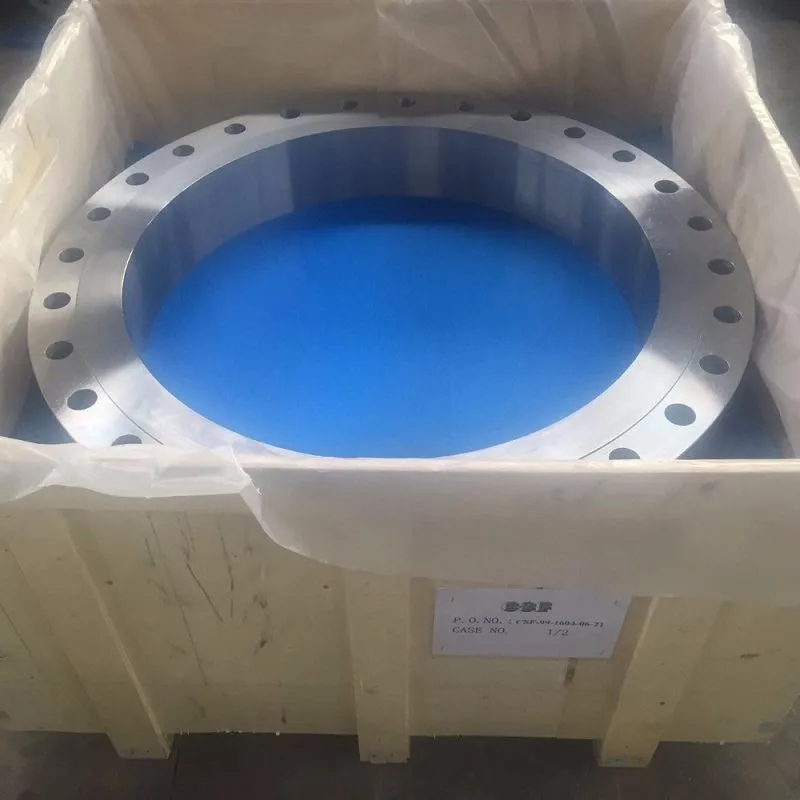
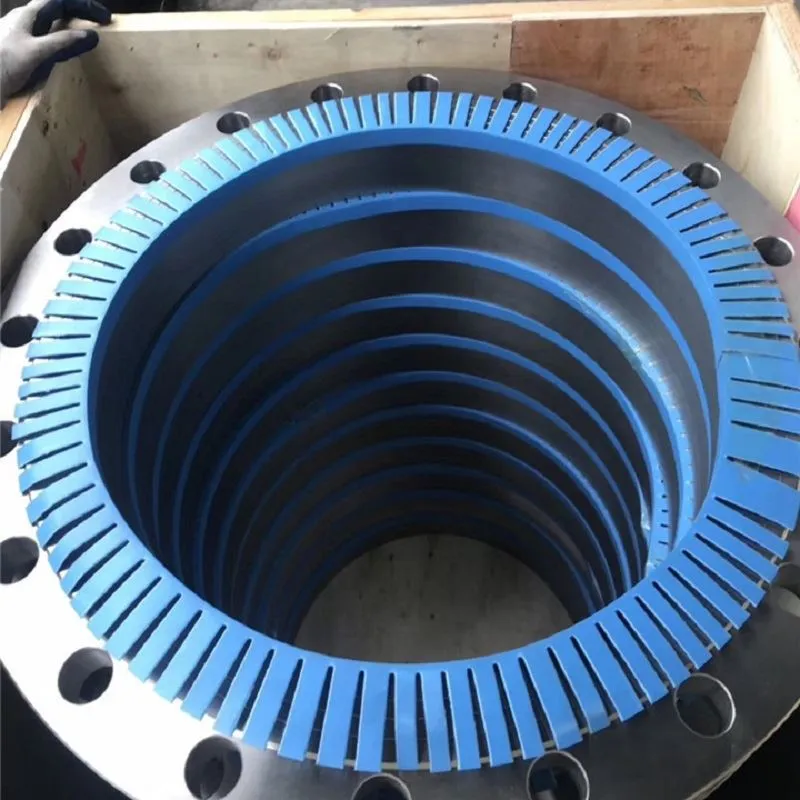
And one more important point that is often forgotten: thread protection. During storage and transportation, the flange threads must be closed with plastic plugs. If dirt, sand or moisture gets into the threads, it may make installation impossible or damage the threads. If you receive flanges without plugs and with dirty threads, carry out troubleshooting. Some products may have to be rejected.
Future of the market: forecasts and trends
What awaits the threaded flange market in the coming years? It is obvious that the trend towards localization will continue. Western brands are leaving completely, making room for Russian players and companies from Asia. But there is a risk here: Asian products are often cheaper, but their quality is inconsistent. We face a long period of adaptation and searching for reliable partners in China, India and Turkey, such as the manufacturers mentioned above with a full control cycle.
Technologically, we are moving towards automation of quality control. The introduction of machine vision systems for thread geometry inspection and flaw detection will become the norm for large factories. This will reduce the defect rate and increase confidence in the product. Already, some leading enterprises are introducing digital product passports, where using a QR code you can find out the entire history of the production of a particular flange: from steel smelting to shipment.
Pricing policy will depend on the macroeconomic situation. If the state can stabilize the ruble exchange rate and curb the growth of energy tariffs, then prices will remain within reasonable limits. Otherwise, we face another round of cost inflation. Buyers are recommended to enter into long-term contracts with a fixed price or a formula linked to stock indices in order to minimize risks.
In conclusion, I would like to say: choosing a supplierthreaded flange G2- it's not just buying hardware. This is an investment in the reliability of your facility. Don't chase the lowest price. Look for a balance between cost, quality and manufacturer reputation. Check, ask, demand documents and samples. Only this approach will avoid problems in the future and ensure the smooth operation of your engineering systems. Remember that the stingy pays twice, and in industry - sometimes three times.
Checklist before purchasing
To organize your information, use this short checklist when working with suppliers in 2026:
- Is the supplier verified in the register of trusted partners?
- Are original certificates requested for a specific batch?
- Does the steel grade correspond to the operating conditions (temperature, environment)?
- Has the thread geometry been randomly checked with gauges?
- Are logistics costs and delivery times included in the budget?
- Is there a warranty for the product and what are the terms of the complaint?
I hope this article helped you take a look at the usualthreaded flange G2from a new angle. The market is changing, and those who know how to adapt and see the essence behind the beautiful words of marketing will remain the winners. Good luck with your purchases and may your pipelines last a long time and without accidents!