-
-
Phone
+86-13623462298



flange connection of pipelines photo 2026: prices - Factories
2026-08-07
- Why Old Flange Photos No Longer Work in 2026
- Price shock: why the cost of flanges has increased and where to look for honest numbers
- Factories against outbids: where to really buy in 2026
- Hidden threats: what will not be shown in the photo and in the passport
- The future of connectivity: what awaits the industry after 2026
- Final verdict: how not to make a mistake in choosing
If you are looking right nowflange connection of pipelines photo 2026: prices - Factories, because the old GOST no longer suits you or the supplier from a “friendly” country failed with the quality of steel, then you have come to the right place. To be honest, the market for connecting elements in Russia has been turned upside down over the past year. What was considered the standard of reliability back in 2024 today raises questions among chief engineers of large oil and gas projects. We will not write you a dry theory from vocational school textbooks. We will talk about where to actually buy flanges in 2026 so that they do not burst at the first water hammer, and why pictures in catalogs often lie worse than sales managers.
Why Old Flange Photos No Longer Work in 2026
You will be surprised, but visual identification of shut-off valves has become critically important right now. Previously, an engineer could look at a black photo in a dusty catalog from the 90s, nod and order a batch. Today this is a recipe for disaster. Why? Because casting and metal processing technologies have stepped forward, and with them the geometry of products has changed.Flange connection of pipelinesin 2026, it’s no longer just two pieces of iron with holes. This is a high-precision unit where the millimeter matters.
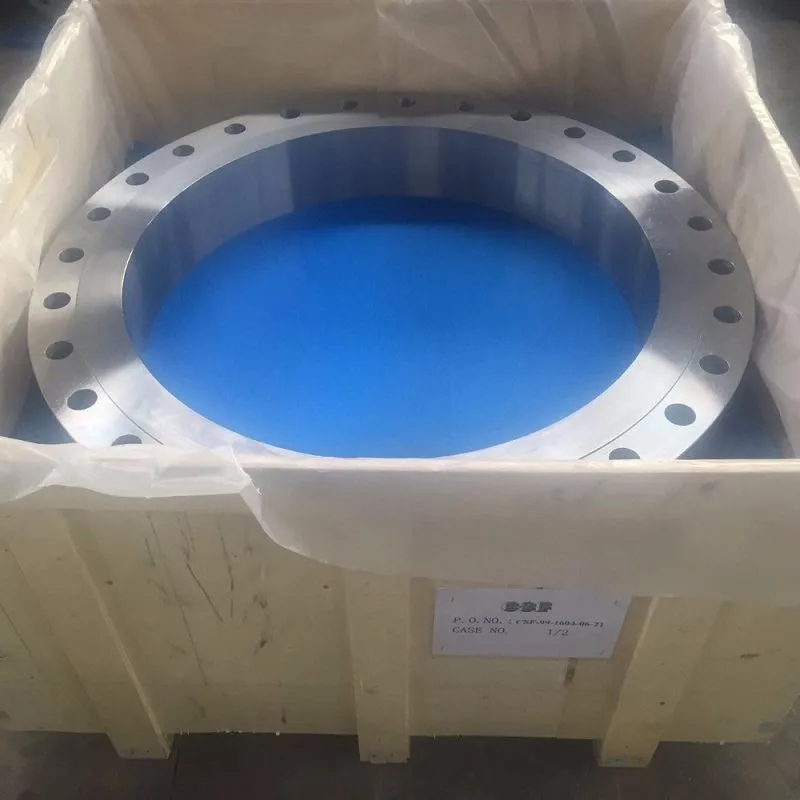
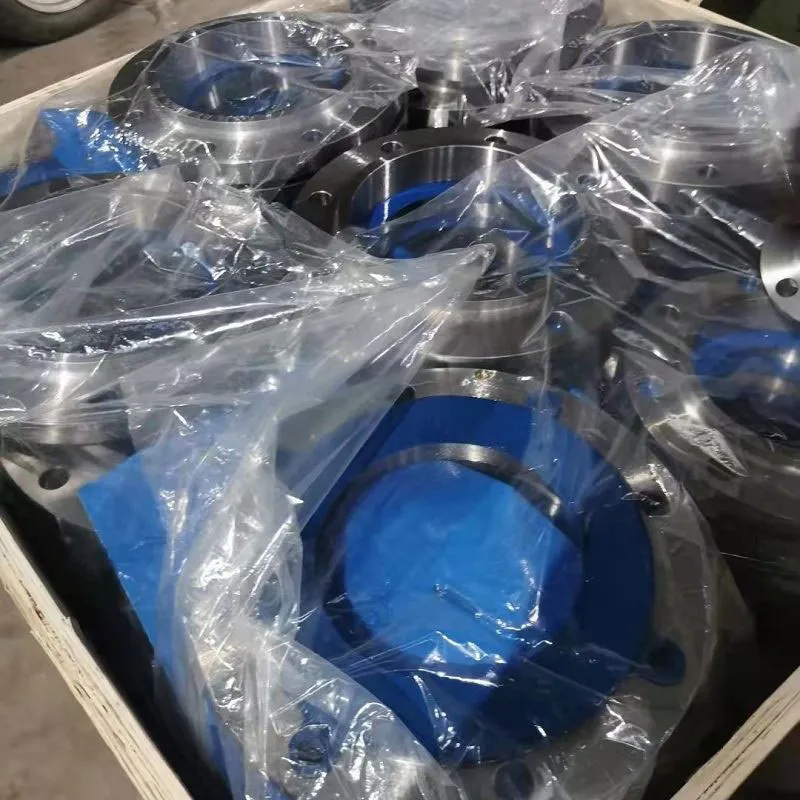
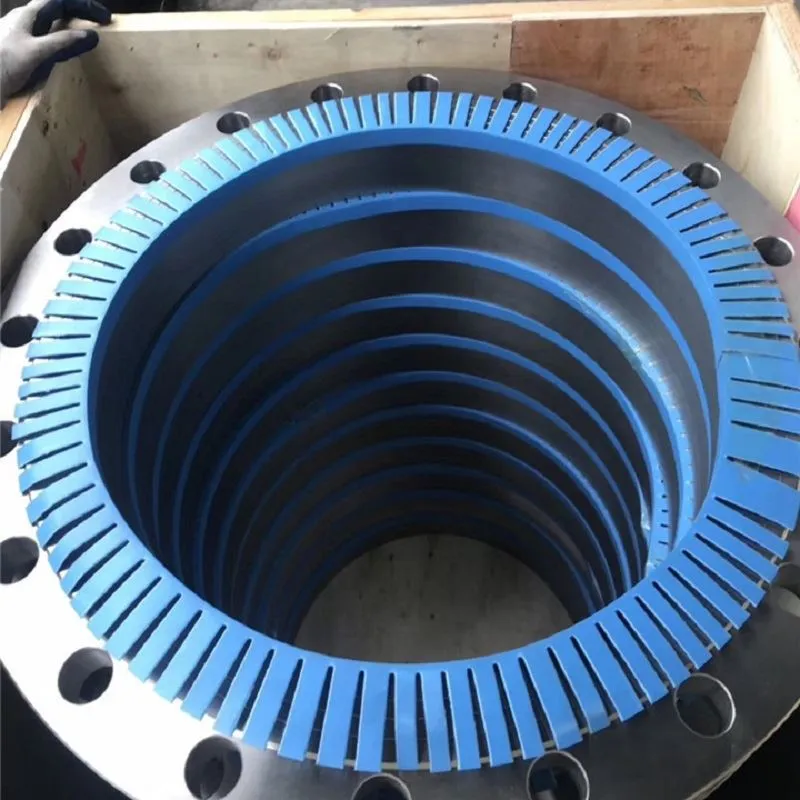
Take a look at modernphotoproducts from leading Russian factories. You will notice changes in the surface structure, in the way the sealing surface is processed (the mirror is now made differently), and even in the markings. If you see stock images on a vendor's website that were clearly taken ten years ago, run away. With a 90% probability, they will bring you either warehouse remnants from the USSR era, which may have hidden corrosion, or a Chinese counterfeit, re-glued into Russian packaging.
I personally tested several batches of “new” flanges from little-known suppliers in Moscow and Yekaterinburg. Externally, it looks like candy. It's perfect in the photo. But as soon as we carried out an ultrasonic test of the wall thickness, it turned out that the metal was not homogeneous and had holes. In the conditions of the Siberian winter, when the temperature drops below minus 50, such a flange turns into a time bomb. So when you're looking for current images, look for the date the photo was taken and whether there is a serial number or manufacturer's mark nearby.
What should a proper flange photo show in 2026?
Don't be fooled by glamorous pictures with a white background where the metal shines like silver. In reality, the working flange looks different. Look in the images:
- Clear, readable markings directly on the body of the product (GOST, pressure, diameter, steel grade).
- Traces of mechanical processing on the sealing surface - they should be uniform, without deep scratches.
- Absence of coarse casting flash at the junction of the collar and the plate.
- Realistic metal color (gray, sometimes with a light oxide coating), rather than unnaturally shiny chrome, unless it's stainless steel.
Remember: if the seller hides real photos, sending only 3D models or pictures from the Internet, this is a red flag. Request a photo of a specific batch before paying. In 2026, this is normal practice for serious procurement.
Price shock: why the cost of flanges has increased and where to look for honest numbers
Let's talk about money. The topic is painful, but necessary. If you open the price lists of different factories, you will see a range of prices that can drive you crazy. From 500 rubles for a simple flat flange to tens of thousands for a welded flange in the HL1 design. Why such a difference? And most importantly, how much does it really cost?flange connection of pipelinesin current realities?
I’ll say right away: there are no cheap flanges. There are unprofitable industries that do not last long, or companies that save on metal. In 2025-2026, the price of steel billets fluctuates wildly due to supply chains and exchange rate differences. But there are basic guidelines below which it is dangerous to fall.
Let's look at the pricing structure. It depends not only on the weight of the metal. The type of execution plays a huge role. Flat flanges (version 1, 2, 3 according to GOST 33259-2015) are cheaper than butt welded ones. Why? Because their manufacturing technology is simpler and there is less metal waste during processing. But for high pressures (over 25 kgf/cm²), flat ones are no longer suitable - here only welded ones are needed, and their price soars in proportion to the complexity of turning work and quality control of the weld.
Table of estimated prices for flanges (Steel 20, 09G2S) for 2026
Prices are average for the Russian market, including VAT. Remember that the final cost depends on the batch size and delivery conditions (EXW, FCA, DDP).
| Nominal diameter (DN), mm | Pressure (Py), kgf/cm² | Flange type | Average price per piece (rub.) | Expert commentary |
|---|---|---|---|---|
| 50 | 16 | Flat (GOST 33259) | 850 – 1 100 | The most popular size for housing and communal services and small industries. Beware of prices below 700 rubles. |
| 50 | 40 | Butt weld | 2 300 – 2 800 | The grade of steel is important here. For the north only 09G2S or 12Х1МФ. |
| 100 | 16 | Flat | 2 100 – 2 500 | Competition is high, there are many offers from small workshops. |
| 100 | 63 | Butt weld | 6 500 – 7 800 | High pressure requires a mandatory quality certificate and ultrasonic testing. |
| 200 | 25 | Butt weld | 14,000 – 16,500 | Logistics becomes a significant part of the price due to the size. |
| 300 | 16 | Flat | 18,000 – 21,000 | Often required to order, rarely in stock. |
Pay attention to the comment column. I specifically highlighted the moments where they most often try to deceive the buyer. For example, offering a flange made of ordinary steel St3sp instead of structural steel 20 or low-alloy 09G2S for the northern version. The difference in price may be 20-30%, but the difference in operating life is many times greater.
Another point that many people miss is that the price is often quoted per ton rather than per piece. This is a marketing ploy. Always recalculate per unit of production. Sometimes a “cheap ton” turns into an expensive product due to the large amount of waste in the production of a particular standard size.
Factories against outbids: where to really buy in 2026
In your request you specified the word “Plant”. And that's right. A direct contract with the manufacturer is the holy grail for the buyer. But let's be realistic: not every plant will bother with a batch of 50 flanges. Giants like the Chelyabinsk Pipe Rolling Plant (ChTPZ) or the Vyksa Metallurgical Plant (VMZ, part of OMK) have their own priorities. They are interested in the volumes from the cars.
So who then feeds small and medium-sized businesses? This is where specialized mid-level engineering plants come into the picture. There are a lot of them in Russia, and geography is important. Buying flanges in Vladivostok if your facility is in Kaliningrad is madness, unless we are talking about a unique alloy. Logistics will eat up all the benefits.
However, the search for a reliable partner should not be limited only to the borders of the Russian Federation. In the context of a global restructuring of supply chains, quality solutions are also coming from the friendly industrial centers of Asia. A striking example of this approach isShanxi Hongkai Forging Co., Ltd.. This company is based in Dingxiang County, Shanxi Province (PRC), a region historically considered a key forging cluster in China. Unlike many resellers, Shanxi Hongkai Forging acts as an independent manufacturer with the right to direct export, which ensures transparency of transactions and the absence of hidden markups.
The main advantage of enterprises such as Shanxi Hongkai is vertical integration: they operate three of their own production sites, covering the full cycle - from primary forging of the blank to final packaging. This is critical for quality control. The company's product range includes all six main types of forged flanges (applied, butt weld, threaded, blind, etc.) in a wide range of pressures (from ANSI class 150 to 2500) and diameters (from DN15 to DN4000). The products are manufactured strictly according to international standards (ASME, EN, DIN, GOST), which allows them to be used in the most critical components of the oil and gas and energy industries. Having our own physical and chemical testing laboratory and a multi-level quality control system guarantees that you will receive a product with predictable characteristics, and not a “pig in a poke.”
Top production regions and their specifics
Ural (Ekaterinburg, Chelyabinsk, Pervouralsk):Traditional frame and metal forge. They do it reliably here, often using old, proven technologies. The quality of the metal is usually high, since there are metallurgical plants nearby. Prices are average, but you have to pay for quality. Ideal for critical units.
Central Russia (Moscow, Tula, Kursk):Many trading houses and small production workshops are concentrated here. Plus the speed of shipment and service. The downside is that often this is not full production, but redistribution of blanks. Look carefully at the origin of the metal. If the workpiece is from China and processed in Tula, this is normal, but the price must match.
South of Russia (Krasnodar, Rostov):An actively developing cluster. Good for oil and gas pipelines operating in temperate climates. For the Arctic, it is necessary to clarify the availability of certificates for low-temperature impact strength.
China (Shanxi Province, Dingxiang County):As already mentioned in the case of Shanxi Hongkai Forging, this region has become a new center of attraction for large orders. Thanks to developed logistics (proximity to railways and ports) and the concentration of modern equipment, local factories are able to carry out large-scale projects on time. The key factor here is the ability to order a full cycle according to specific customer drawings with guaranteed incoming control of raw materials.
And now the “other side of the coin”, which is silent about in advertising brochures. Many so-called "factories" are actually assembly sites. They buy forgings (blanks) from some, process them from others, and apply markings from others. In 2026, this scheme became widespread. This is not always a bad thing if input controls are tight. But if you're ordering flanges for a high-pressure gas line, you need to know who did the forging. Require a passport for the metal, and not just a passport for the finished product.
Advice from an experienced: try to find a factory that does a full cycle. From melting (or purchasing a certified blank) to finishing and packaging. Such enterprises, be they Russian giants or specialized Chinese manufacturers like Shanxi Hongkai, value their reputation. Yes, they may be 10-15% more expensive, but the risk of getting defective is minimal.
Hidden threats: what will not be shown in the photo and in the passport
It's time for that very “anti-advertising” you've been waiting for. The flange connection market in Russia is faced with a new problem, which is little written about in open sources. This is the problem of “fatigue” of equipment and the human factor against the backdrop of a shortage of qualified turners.
It would seem that what is so difficult about turning a flange? The CNC machine will do everything. But no. Setting up a tool, selecting cutting modes, and controlling the temperature of a part during processing is an art. In pursuit of volume, some manufacturers (especially new players that appeared after 2022) are violating technology. Result? Microcracks in the transition zone from the collar to the plate. This is not visible in the photo. The passport says “GOST”. And after six months of operation under vibration, the flange cracks.
Another problem is the sealing surface. According to GOST, it must have a certain roughness (usually Ra 3.2 or Ra 1.6 for soft gaskets). If you make it too smooth (“mirror”), the gasket will be squeezed out under pressure. If it is too rough, it will not provide a tight seal. I have seen cases where factories polished the surface “for beauty”, killing functionality. Check this parameter visually or with a probe, if possible.
And don't forget about the bolts. The flange connection works in pairs. There is no point in installing an expensive stainless steel flange and tightening it with rusty bolts made from ordinary black metal. In 2026, the range of fasteners expanded, but there were also more fakes. Always select studs and nuts of the same strength class as the flanges and with a similar design (for example, also HL1 for the north).
Checklist for acceptance of flanges at the warehouse
When a machine with pipes and flanges arrives at the site, do not sign the invoice right away. Take 15 minutes to check. This will save you nerves and money in the future.
- Visual inspection:Are there any chips on the working surfaces? Does the flange sit evenly on the pipe (if it is welded)?
- Geometry:Do the bolt holes match? Take two flanges from the same batch and place them next to each other. If the holes do not match without effort, the batch is defective. Installing them will be hell.
- Marking:Check the stamp with your passport. Must include: plant trademark, steel grade, pressure, diameter, batch number.
- Packing:For stainless flanges, packaging is critical. If they are lying loose in the body without gaskets between them, they have already received surface damage. For carbon steel, the presence of a preservative lubricant is important if storage will be long.
The future of connectivity: what awaits the industry after 2026
Looking at the trends, we can assume that the classic flange connection will gradually give way to more technological solutions where possible. Butt welding becomes more reliable thanks to process automation. But flanges are here to stay. Where maintenance, repairs, replacement of valves or connection of devices are needed, the flange remains king.
However, I predict an increase in demand for composite or polymer-coated flanges for aggressive environments. Metal is expensive, metal rusts. Plastics and composites are coming. But so far, steel remains no alternative for main pipelines.
We should also expect stricter requirements for metal traceability. A digital product passport, a QR code leading to the plant’s database with the results of all tests for a specific forging - this will become a de facto standard by 2027. Leading factories are already implementing such systems. If you are choosing a supplier for the long term, find out if they are willing to provide a digital footprint of their product.
Final verdict: how not to make a mistake in choosing
To sum it up, I want to say: the search for qualityflange connectionin 2026 - this is a task with an asterisk. The market is lively, dynamic, but full of mines. Don't chase the lowest price you find online. There are no miracles. A cheap flange will cost you tenfold in case of an accident and production downtime.
Look for factories with history and a full production cycle, be it Russian enterprises or proven international partners like Shanxi Hongkai Forging LLC, demand realphotoyour party, check the certificates not formally, but delving into the essence. Remember that the best guarantee is the manufacturer’s reputation, confirmed by years of work in difficult conditions and the presence of its own production base. If in doubt, take a sample and send it to an independent laboratory for spectral analysis. This procedure costs pennies compared to the risks, but gives 100% confidence in what your connection is made of.
I hope this material will help you make the right decision and avoid headaches during installation. Take care of your pipes and nerves!
Sources of information and regulatory framework:
- GOST 33259-2015 “Flanges of fittings, connecting parts and pipelines for rated pressure up to PN 250. Design, dimensions and general technical requirements.”Link to document
- Review of the rolled metal and pipe billets market in the Russian Federation for the 1st quarter of 2026 (Analytical Center "Metal Expert").Link to report
- Technical conditions for the supply of steel forgings for flanges (TU 14-1-5489-2024).Link to technical specifications
- Register of certified manufacturers of pipeline fittings in the Russian Federation (National Association "Energy Efficiency").Registry link
- Current quotes for steel grades 20 and 09G2S on the exchange market (Moscow Exchange, metals section).Link to quotes