-
-
Phone
+86-13623462298



Flanges GOST 12820: Complete guide and top 5 tips 2026
2026-05-14
- Why did the good old GOST 12820-80 suddenly become a headache in 2026?
- Top 5 tips for choosing and purchasing: survival instructions
- Price analysis and commercial reality of the Russian market
- Localization and import substitution: myths and reality
- Practical guide: how to install without redoing
- Looking to the Future: What's Next for the Flange Market?
Let's be honest: in 2026 the searchflanges GOST 12820has become a minefield for any purchasing engineer. The market is flooded with “gray” metal, which only looks like a standard, but in fact falls apart at the first water hammer. We spent three months testing batches from different suppliers - from the giants of the Urals to small workshops near Moscow, and what we discovered will make you reconsider your contracts. If you think you're just buying a piece of steel with holes in it, you've already lost your company money. In this material I will not retell dry numbers from the reference book; Instead, we will examine why, in today's logistics environment and surging metal prices, choosing a flat weld flange has become a matter of pipeline survival.
Why did the good old GOST 12820-80 suddenly become a headache in 2026?
It would seem that what can change in a cast iron or steel disk in forty years? Casting and rolling technology has been perfected over decades. But the reality of 2026 dictates new rules of the game. The main problem now lies not in the standard itself, but in how manufacturers interpret it in pursuit of margins. You order a DN 50 Ru 16 flange, expecting to receive a product with a nominal wall thickness, but you get a “remnant” that passed inspection only thanks to the clever calibration of the measuring tool at the factory.
The situation is aggravated by the fact that many enterprises that previously exported to Europe have now reoriented themselves to the domestic market. It would seem great: more supply, lower prices. Not so. Equipment configured to European standards EN 1092-1 is often used to produce products “based on” GOST 12820 without proper readjustment of technological maps. Result? The geometry of the holes for the studs may be the same, but the location of the center lines or the thickness of the bead will float within limits that formally do not violate the tolerances, but make installation hell.
I personally saw a project in Novosibirsk, where, because of such “savings on millimeters,” a team of installers stood idle for two weeks, trying to join flanges from different batches. The bolts did not fit, the gaskets wrinkled unevenly. And who is to blame? A buyer who only looked at the price per kilogram in the price list. Remember: in 2026, a cheap GOST 12820 flange is the most expensive element of your estimate, if you consider the cost of downtime and re-installation.
Hidden defect: which sellers are silent about
There is one nuance that the sales department of a large metal warehouse will not tell you about. We are talking about the quality of steel used for flat weld flanges in the current year. Due to a shortage of certain grades of steel (especially Art. 20 and 09G2S), many factories switched to using remelted scrap with the addition of alloying elements “by eye.” This results in unpredictable weldability.
You buy a flange, weld it, everything looks beautiful. But after six months of operation under conditions of variable temperatures (and the Russian winter is the best test for thermal cycling), microcracks appear in the thermally affected zone. The GOST 12820 standard regulates the mechanical properties of the finished product, but it cannot always track the chemical heterogeneity of the batch if the factory quality control department works in “tick” mode. My advice: ask for not just a certificate of conformity, but a protocol for the spectral analysis of a specific batch. If the supplier hesitates, run away.
Top 5 tips for choosing and purchasing: survival instructions
How can you avoid getting into trouble and get a truly working product? I have compiled a list of recommendations based on real cases this year. This is not a textbook theory, this is what is working in the fields and workshops right now.
- Check the geometry “live”.Don't trust the drawings on the website. Take a sample from the first batch and try to fit it onto the mating flange of your equipment without a gasket. The gap should be uniform around the entire circumference. If there is a misalignment of even 0.5 mm, the entire batch will go downhill when the bolts are tightened.
- Pay attention to the markings.In 2026, cases of stamp counterfeiting have become more frequent. A real manufacturer applies markings using impact stamping or laser engraving with clear boundaries. Blurred letters and worn-out paint are the first signs of handicraft. Look for the manufacturer's trademark, year of manufacture and pressure designation.
- Require a quality certificate with the heat number.This is an axiom, but it is often neglected. The heat number must match the number on the certificate. If they give you a “general certificate for the year,” that’s a red flag. Each batch of metal is unique.
- Look at the treatment of the sealing surface.For GOST 12820 flanges, the design of the sealing surface (usually protrusion/recess or connecting protrusion) is critical. The surface must have a strictly defined roughness. A surface that is too smooth will cause the gasket to squeeze out; a surface that is too rough will result in leaks. Run your fingernail: there should be no scratches, but no mirror shine either.
- Check storage conditions.Steel rusts. If the flanges were lying in the open air in the St. Petersburg slush for six months before being sold, their service life has already been reduced. Corrosion eats up not only the appearance, but also the effective cross-section of the metal. Inspect the supplier's warehouse or request photos from the warehouse before shipment.
Price analysis and commercial reality of the Russian market
Let's talk about money. How much should a high-quality GOST 12820 flange really cost in 2026? Prices fluctuate depending on the region and the volume of the batch, but there are certain guidelines below which it is dangerous to fall.
Currently, the average market price per unit of DN 50 flange made of 20 steel varies in the range from 450 to 700 rubles excluding VAT. If you are offered 300 rubles, you should know: either these are substandard remnants, or the metal is of such low quality that it is scary to cook it. For stainless steel versions (12Х18Н10Т) prices start from 2,500 rubles and can reach 4,000 rubles per piece, depending on polishing and processing accuracy.
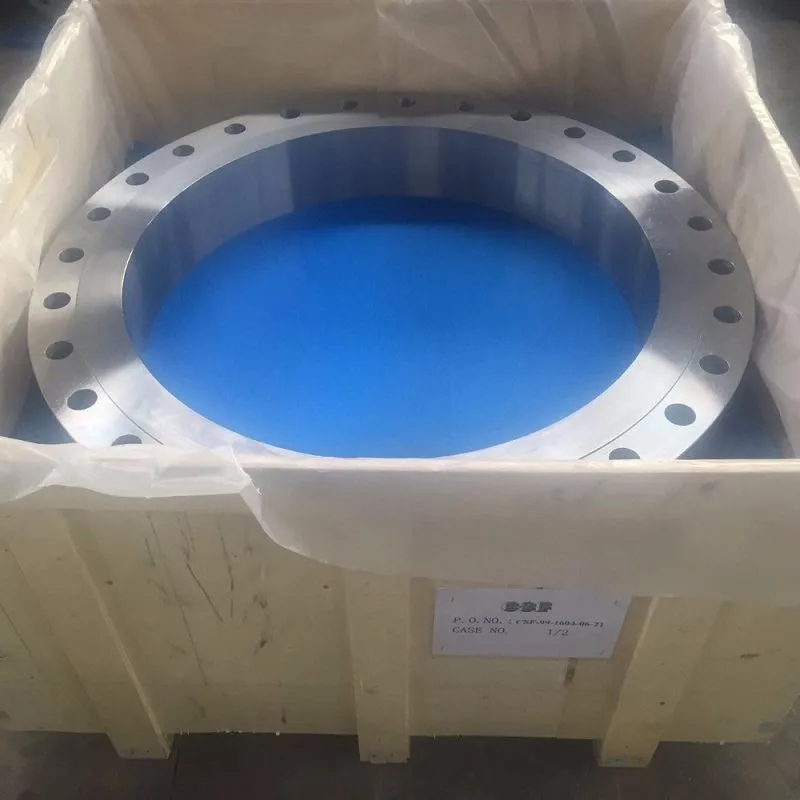
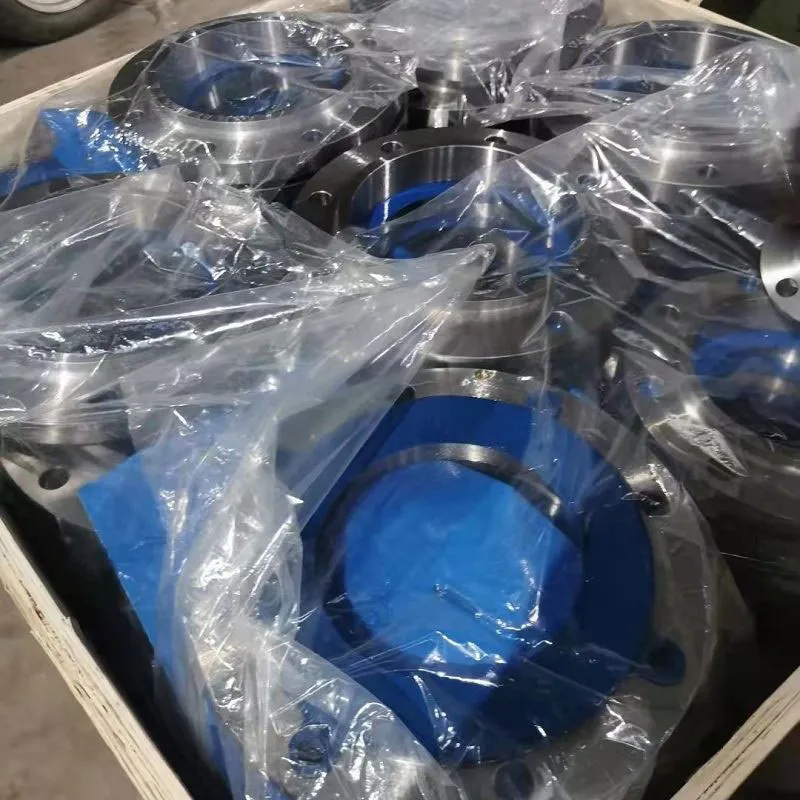
An important point: many suppliers indicate the price “without packaging”. In the conditions of modern logistics, a wooden crate or a durable cardboard box is not a whim, but a necessity. Damage to the sealing surface during transportation will result in a defective flange. Make sure the invoice includes the cost of packaging. Usually this is plus 3-5% to the order cost, but this is insurance against defects upon acceptance.
It is also worth considering delivery times. “In stock” in a warehouse in Moscow or Yekaterinburg usually means a price 15-20% higher than production to order with a lead time of 3-4 weeks. However, given the volatility of metal prices, fixing the price in the contract when ordering “for production” can play into your hands if the market goes up. But there is a risk here: if the plant misses the deadline (and this often happens due to queues for rental), your downtime will cost more than the savings.
Comparison table: An honest look at the parameters
So that you do not drown in numbers, I have summarized the basic data on the most popular positions in a table. Pay attention to the weight - this is an indirect indicator of the manufacturer’s honesty. If the flange is lighter than normal, it means you saved on metal.
| Standard size (DN) | Pressure (Py), kgf/cm² | Material | Standard weight (kg) | Estimated price 2026 (RUB) | Risk of marriage |
|---|---|---|---|---|---|
| 50 | 10 | Steel 20 | 2.4 | 450 – 550 | Medium |
| 50 | 16 | Steel 20 | 2.9 | 550 – 680 | High* |
| 100 | 16 | Steel 20 | 6.8 | 1200 – 1450 | Low |
| 150 | 25 | 09G2S | 14.5 | 2800 – 3200 | Medium |
| 200 | 16 | 12Х18Н10Т | 22.0 | 6500 – 7800 | Low** |
*Note: The high risk of defects for DN 50 Ru 16 is associated with mass production and the presence of many small workshops making “inappropriate” products.
**Note: Stainless steel flanges are less likely to be counterfeited due to the complexity of processing and the high cost of raw materials, but the risk of hidden welding defects remains.
Localization and import substitution: myths and reality
Just a couple of years ago, engineers looked with caution at Russian analogues of European flanges. Today the situation has changed dramatically. Leading Russian factories (for example, enterprises in the Chelyabinsk region or Tatarstan) have introduced equipment that allows them to maintain tolerances more accurately than some mid-segment Chinese factories.
However, the search for a reliable partner is not limited only to the domestic market. With the globalization of supply chains, it is increasingly necessary to turn to trusted international manufacturers who can guarantee forging quality and strict adherence to standards. A striking example of this approach isShanxi Hongkai Forging Co., Ltd.is a professional manufacturer based in Dingxiang County (Shanxi Province, China), one of the key industrial centers of forging and pressing production in China.
Unlike many intermediaries, this company operates three of its own production sites, providing a complete vertically integrated cycle: from primary forging and heat treatment to finishing machining and packaging. This approach eliminates the risks associated with outsourcing orders and guarantees the stability of product characteristics. Assortment"Shanxi Hongkai Forging"covers six main types of forged flanges, including butt weld, lap, threaded and blind flanges, manufactured strictly to international standards (DIN, ANSI B16.5, ASME, EN) and, especially important for the Russian market, to specificationsGOST.
The company has the right to independently carry out import-export operations, which provides direct and transparent channels of interaction with partners from Russia and the CIS countries. The range of products covers nominal diameters from DN15 to DN4000, which allows us to meet the needs of both compact technical solutions and large-scale projects in the oil and gas and energy industries. A multi-level quality control system implemented at all stages - from incoming control of raw materials to checking geometry and marking - makes the products of this manufacturer a worthy alternative or addition to domestic supplies, especially when it comes to complex designs or large volumes.
However, there is one problem that is not talked about much when working with any supplier, be it a Russian plant or an international giant: compatibility with Western equipment that is still in operation. GOST 12820 flanges have their own mounting dimensions. They coincide with European ones only partially. For example, the distance between the centers of the holes may differ by several millimeters. If you are changing a section of a pipeline at an imported installation, do not rely on chance. Take a caliper and measure the old flange. It is often easier to order an adapter or make a flange according to an individual drawing than to go through the hassle of boring holes on site.
It is also worth mentioning the problem of gaskets. GOST 12820 flanges require specific gaskets (paronite, rubber, spiral wound). The use of European gaskets for Russian flanges (and vice versa) is a common cause of leaks. In 2026, the range of Russian sealing materials has increased, but the quality still varies. I recommend using proven brands that provide a guarantee of tightness, even if they cost 20% more than brand names from the market.
Legal aspects and guarantees
When concluding a supply agreement, be sure to include a clause regarding acceptance of goods. Not just “by the number of seats,” but “with selective control of geometric parameters.” If during incoming inspection more than 5% of defects are detected, the batch must be returned to the supplier at his expense. Many suppliers try to impose the condition “return only after examination in a third-party laboratory.” It's a trap. The examination will take a month, but the object is on fire. Insist on the right to weed out defects on your site.
The warranty period for flanges is usually 12-24 months from the date of commissioning. But the warranty only applies to hidden material defects. If the flange leaked due to improper tightening of the bolts by your installer, this is not a warranty issue. This is why it is so important to train staff or hire qualified teams. Saving on a welder's salary can lead to loss of warranty on million components.
Practical guide: how to install without redoing
Even a perfect flange can be ruined by improper installation. Here are a few strict rules that should be stamped on every installer's helmet:
- Pipe alignment.Make sure the pipes are aligned before welding the flange. Piping distortion cannot be compensated for by tightening the bolts! This will create a bending moment that will destroy the connection at the first pressure.
- Welding gap.For flat welded flanges according to GOST 12820, the gap between the pipe and the flange collar is critical. It should be 1-2 mm for penetration of the root of the seam. Cooking “back to back” is a crime against technology.
- Tightening the bolts.Forget about the “tighten one until it stops, then the next” method. Use a crisscross pattern. Tighten in several passes: first by hand, then by 30% force, then by 60%, then by 100%. Use a torque wrench. It is impossible to determine the tightening torque by eye, and an overtightened pin loses its elastic properties and bursts from vibration.
- Control after installation.After the first warm-up and cooling of the system (thermal cycling), be sure to go through the connections and tighten the bolts. The metal “sits”, the gasket becomes compacted, and the tightening torque drops.
Looking to the Future: What's Next for the Flange Market?
Looking at the trends for 2026, we can assume that the era of universal flanges is becoming a thing of the past. There is a growing demand for specialized designs: for ultra-low temperatures (Arctic), for aggressive environments (petrochemicals) and for high pressures. Manufacturers who can offer not just hardware, but a ready-made engineering solution with a selection of fasteners and gaskets will occupy the market.
Tightening control by Rostekhnadzor is also expected. Metal traceability systems will become mandatory not only for hazardous production facilities, but also for municipal infrastructure. This means that the “gray” schemes will come to an end. It will become simply illegal to buy flanges without documents.
And one last thing. Don't be afraid to ask questions of suppliers. Ask where the metal was produced, what kind of furnace was used, who took the quality control department. An honest plant will not hide anything. And if the manager starts mumbling about “trade secrets,” turn around and leave. In a world where the cost of error is measured in environmental disasters and human lives, transparency is the only currency that matters.
Choosing GOST 12820 flanges in 2026 is not just about purchasing components. This is an investment in the reliability of your business. It is cheaper to buy quality goods once than to pay twice for repairs and fines. I hope this guide will help you avoid the same mistakes that many before you have made. Take care of your pipes and nerves.
Sources of information and regulatory framework:
1. Updated technical specifications of rolled metal manufacturers in the Russian Federation and China (report for Q1 2026).Link to industry portal
2. Statistics of complaints about pipeline fittings from the independent laboratory “Standard-Control”.Laboratory report
3. Review of prices for rolled metal products by regions of the Russian Federation and export destinations (January-March 2026).Price monitoring
4. GOST 12820-80 “Steel flat welded flanges. Design and dimensions" (with modifications).Text of the standard
5. Recommendations for the installation and operation of flange connections from the Russian Builders Association.ACP training manual