
-
-
Phone
+86-13623462298



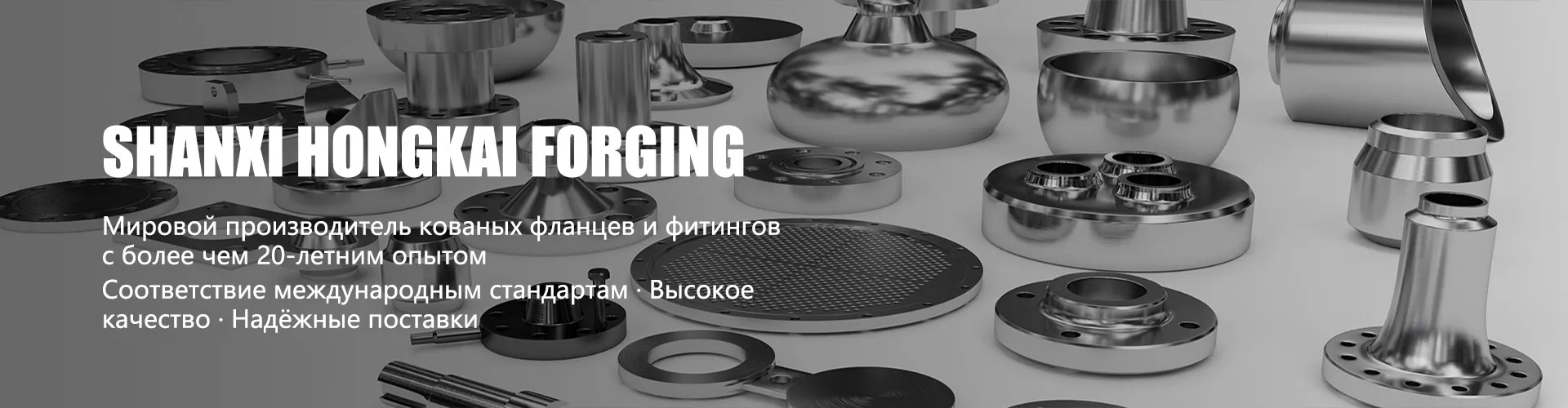
flange UAZ 469
When you hear “UAZ 469 flange”, the first thing that comes to mind is, well, there must be something standard, since the model is well-known. But this is where the fun begins, and for many, the main mistake. Because the UAZ-469 is not one specific part with a single article number, it is a whole history of modifications, years of manufacture and, critically, systems where flanges are used. The fuel line, the braking system, the mounting of the units - all have their own nuances. And often people look for the “UAZ 469 flange” as a magic formula, and then they wonder why the purchased part does not fit into place. In fact, you need to understand the context: why, where it comes from, and most importantly, according to what standard or drawing it should be manufactured.
Why the 'native' flange is often a myth
When working on the restoration of such machines, you are faced with the fact that original spare parts from the Soviet period have not been produced for a long time. What lies on store shelves or is offered in dismantling shops are often either replicas of dubious quality, or parts from other models that “seem to fit.” The situation with flanges is especially delicate. Their task is to ensure a tight and durable connection, and not just to close the hole. Material mismatch (say, casting or stamping instead of forging), deviation in geometry, improper processing of seating surfaces - and goodbye, tightness. This is especially sensitive for UAZ fuel and hydraulic systems.
This is where the logical solution appears - switching to flanges manufactured according to modern standards, but taking into account the necessary parameters. Often the optimal solution is not to search for a “native” one, but to order a flange according to specific drawings or choose from a range of manufacturers who work with small batches and non-standard sizes. It takes longer, but is more reliable in the long run.
I had a case: I needed a flange to connect the transfer case. The original could not be found, but analogues gave vibration. I had to take all the dimensions, including the angle of the holes and the type of chamfer, and look for someone who could do it 'in metal'. It was then that I first came into close contact with companies specializing in forged flanges, where it was possible to discuss the problem not as a retail buyer, but as an engineer.
Forging versus casting: why for the UAZ 469 these are not just words
In the context of repairing a rugged SUV, choosing between a forged flange or a cast flange is essentially a choice between a year-long repair or a decade-long repair. Forging produces a fibrous metal structure, which means higher toughness and fatigue resistance. ForUAZ 469 flange, which operates under variable loads (engine vibration, transmission loads, off-road impacts), this is a key parameter. A cast flange may have hidden holes and is more fragile.
Therefore, when I now select or order a flange, the first thing I look at is the manufacturing technology. And here it is worth noting that not all manufacturers, especially in the spare parts market, focus on this. Often the catalog simply says 'flange', but from what and how is a mystery. For critical nodes I would not risk it.
In this regard, it is useful to pay attention to specialized forging manufacturers. For example, on the siteShanxi Hongkai Forging Co.,Ltd (https://www.hkflange.ru) it is explicitly stated that the company specializes specifically in forged flanges and forgings, working according to international standards. This is not an advertisement, but a statement of fact: this approach initially implies higher quality control of raw materials and the process, which is critical for our task. Their range up to DN4000, of course, is excessive for a UAZ, but the very possibility of manufacturing according to customer drawings is exactly what is needed for non-standard restoration cases.
Standards and sizes: how not to get confused in numbers
With the UAZ-469 you often have to deal with GOST standards. But here, too, not everything is clear. You need to clearly understand which GOST standard the flange belongs to - by pressure, by type of seal, by material. Sometimes it is not the part number in the UAZ catalog that helps (which may already be forgotten), but rather measurements: outer diameter, hole circle diameter, bolt hole diameter, type of sealing surface (tab-groove, tongue-and-groove, flat).
A common problem is the flanges on the exhaust system. There are high temperatures and vibration. The standard ones quickly burn out or crack. Many craftsmen install homemade ones or from other cars, but this is a half-measure. Ideally, it should be made from suitable heat-resistant steel. And this is where the manufacturer’s ability to work with different grades of steel and according to different standards, be it GOST, ASME or DIN, comes in handy. This does not mean that the UAZ requires an ASME flange. This means that a manufacturer familiar with different regulations usually has more flexible technological capabilities and production culture.
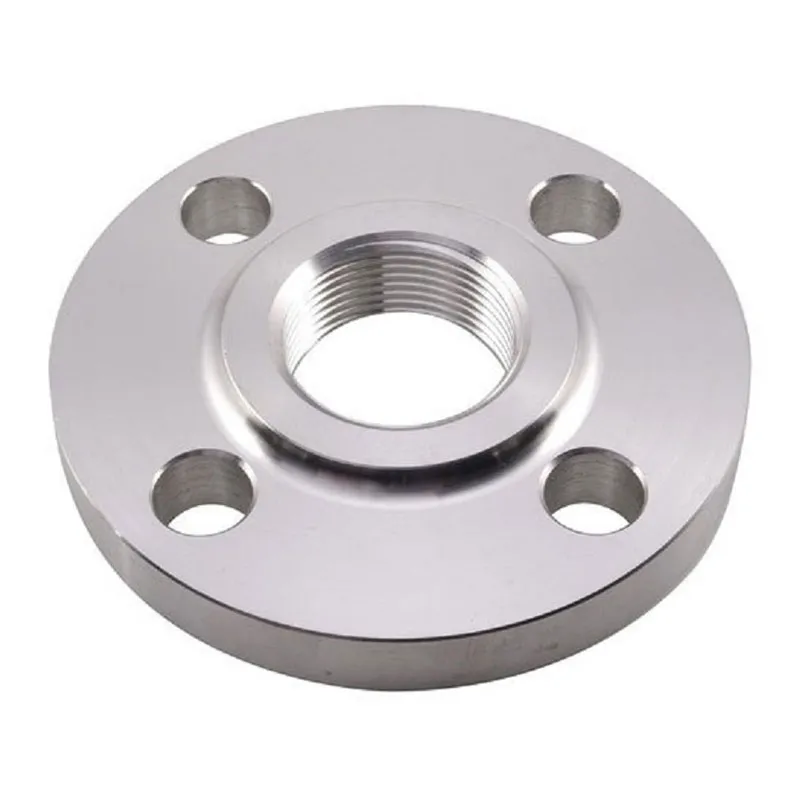
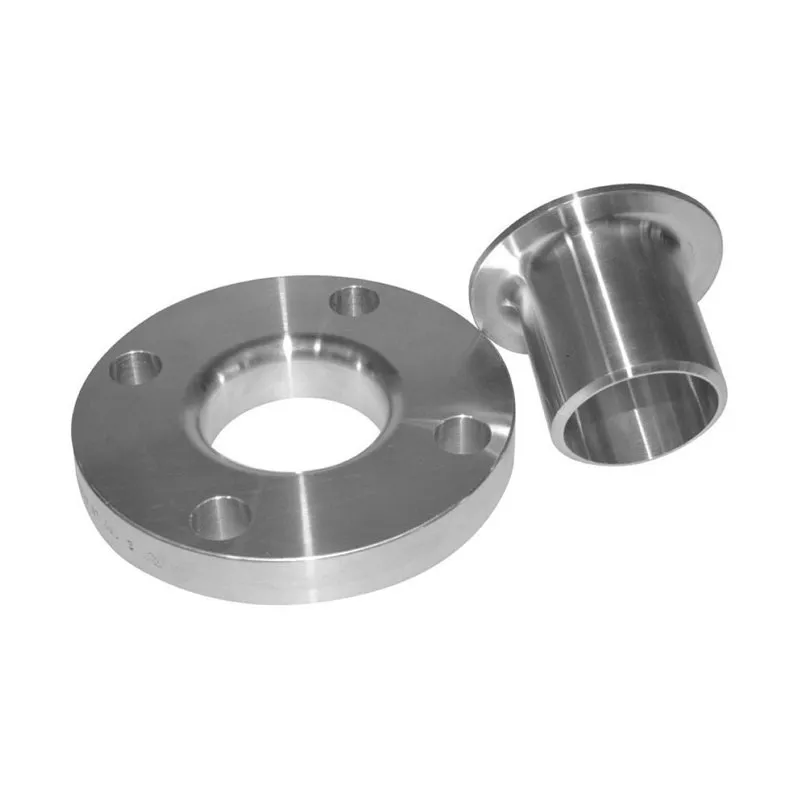
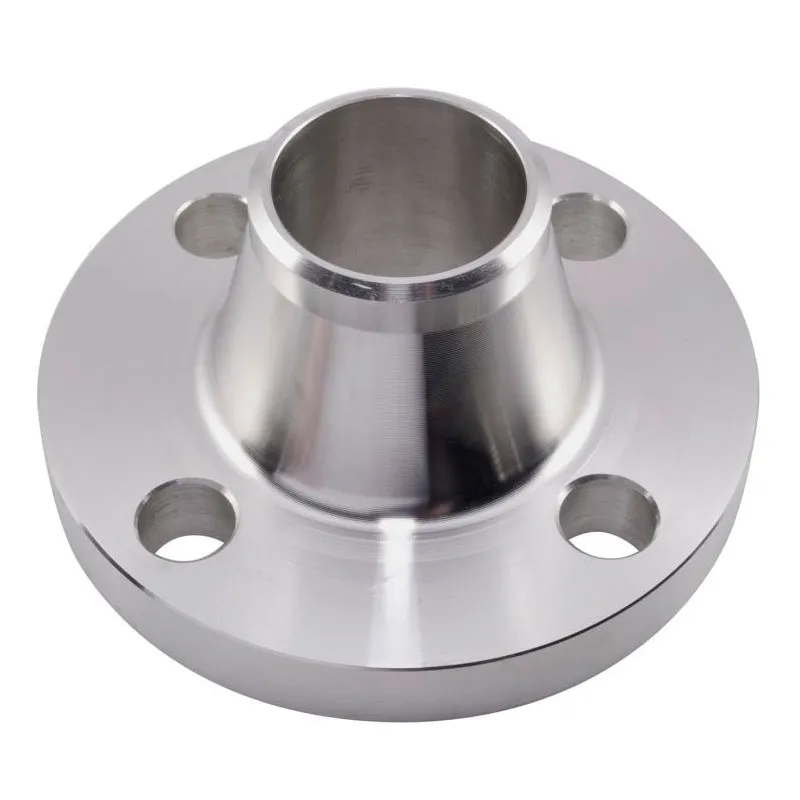
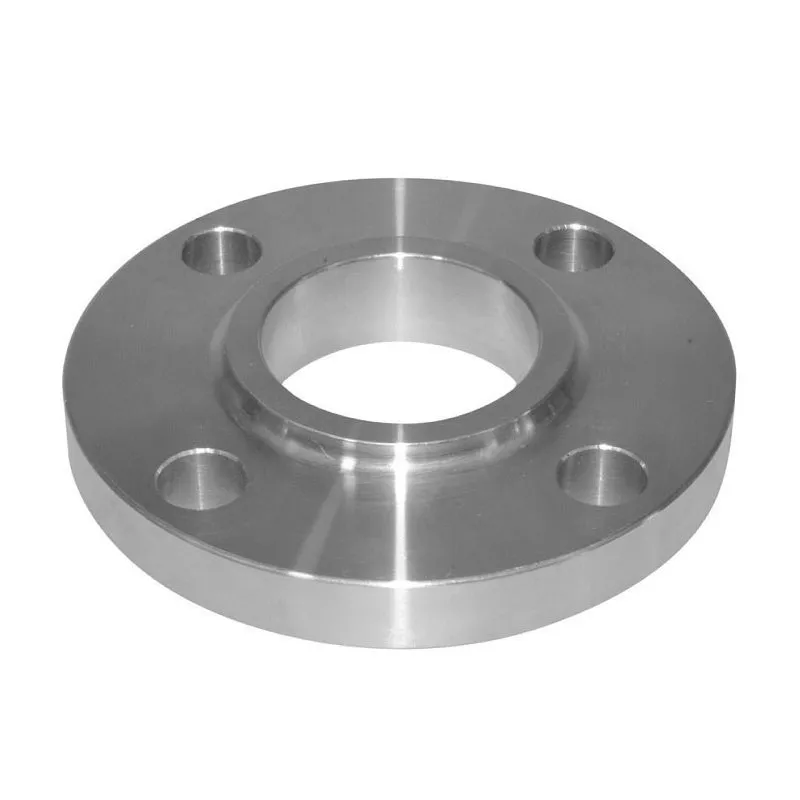
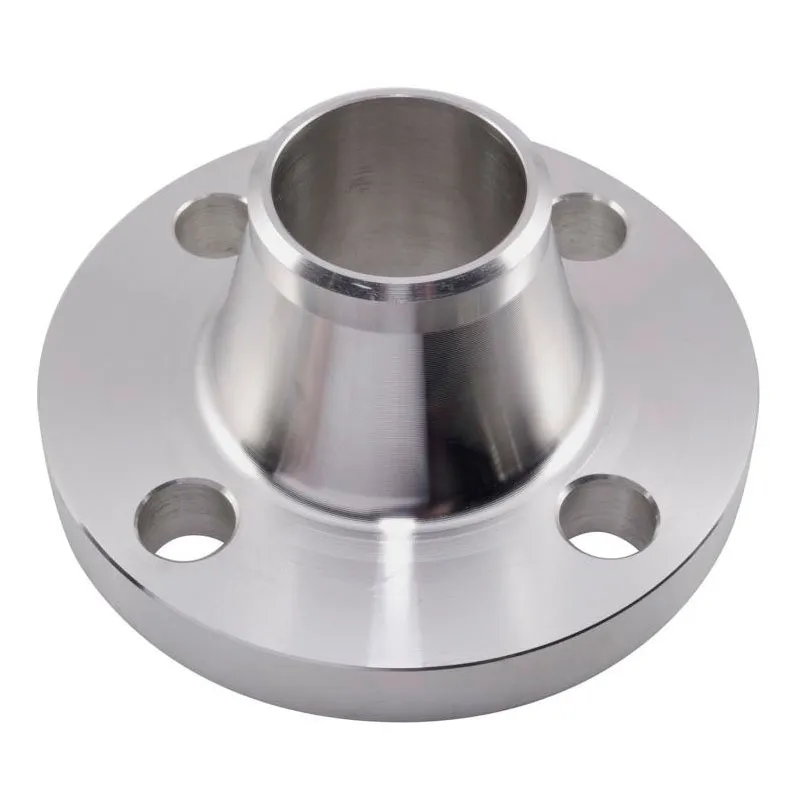
On the samehkflange.ruThe nomenclature includes butt-welded, flat, and loose flanges - these are exactly the types that can be found in various vehicle systems. Understanding what type is in front of you is already half the success in searching or ordering.
Case study: replacing the steering gear flange
I would like to give an example from practice that well illustrates the entire chain. During one of the UAZ 469 restoration projects, a problem arose with the steering shaft flange. The old one was broken, the new 'original' one from the kit turned out to be soft and began to deform. It became clear that something more durable was needed.
We made a sketch, determined that we needed steel with good mechanical properties, and decided not to look for an analogue, but to order production. The key ones were: the accuracy of the bearing seat, surface hardness and the quality of the spline connection. We contacted several suppliers, including the mentioned company from Shanxi, as they position themselves as a manufacturer, and not just a trader. As a result, after discussing the technical specifications and the material (we settled on an analogue of 40X steel), we received a forging, which was then brought to condition on a lathe. The result exceeded expectations - the connection has been working flawlessly for several years.
This experience has shown that for such specific parts, the “make according to drawing” path often turns out to be both faster and better than months of searching for a “original” part with an unknown history. And yes, it is more expensive, but how much does off-road safety and reliability cost?
Conclusions and final thoughts
So what's the bottom line aboutUAZ 469 flange? This is not a spare part that can be bought with just one phrase in the search. This is a technical component that requires an understanding of its function, operating conditions and required characteristics. The search should begin not with the name, but with analysis: where it is located, what connects it, what loads it experiences.
In modern conditions, when original production has ceased, the look logically turns to industrial manufacturers of flanges and forgings, who can provide the required material quality and geometric accuracy. The company specializes in forging, likeShanxi Hongkai Forging Co.,Ltd, work in accordance with GOST, ASME, EN and other standards, the ability to make products according to drawings - all these are serious arguments when choosing a supplier for a responsible task, even if it is just one flange for an old SUV.
The main advice I would give based on my experience: do not skimp on such details. It’s better to invest once in a high-quality flange made of the right material than to later look for the cause of an oil leak or eliminate the consequences of a broken connection in the most inappropriate place. The car is worth it.
Correspondingproducts
Related Products
Best Sellingproducts
Best Selling Products-
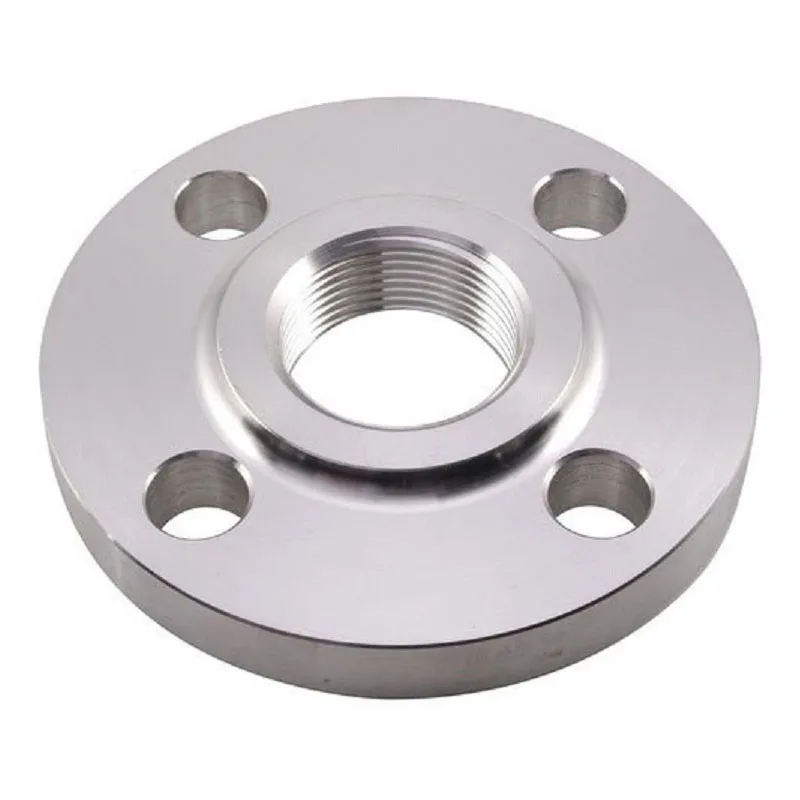 DIN 2566 Threaded flanges PN16
 -
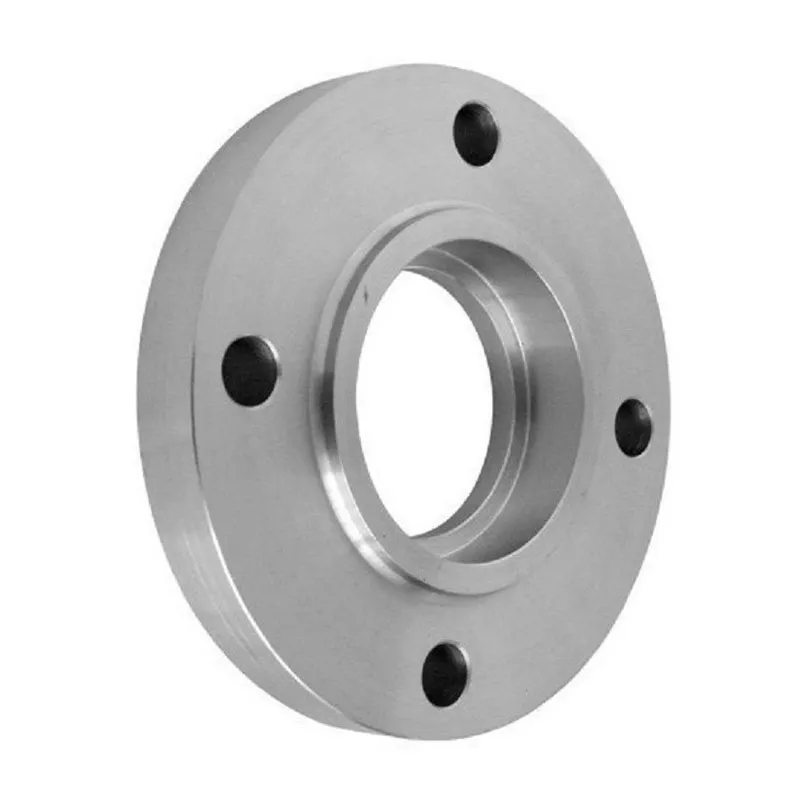 Socket Weld Flanges Class 300
 -
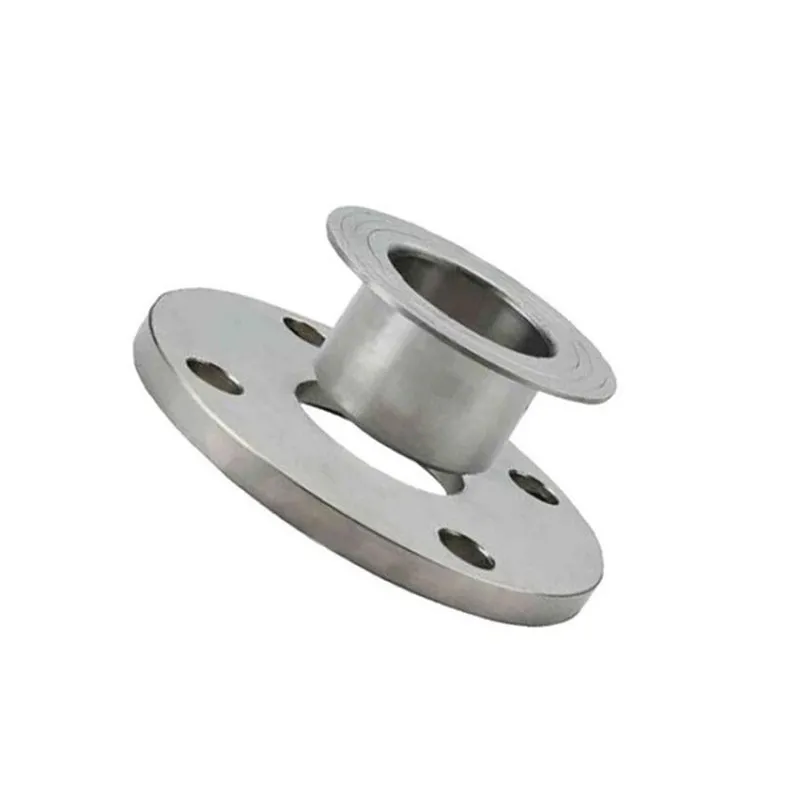 JIS 10K Loose Ring Flanges
 -
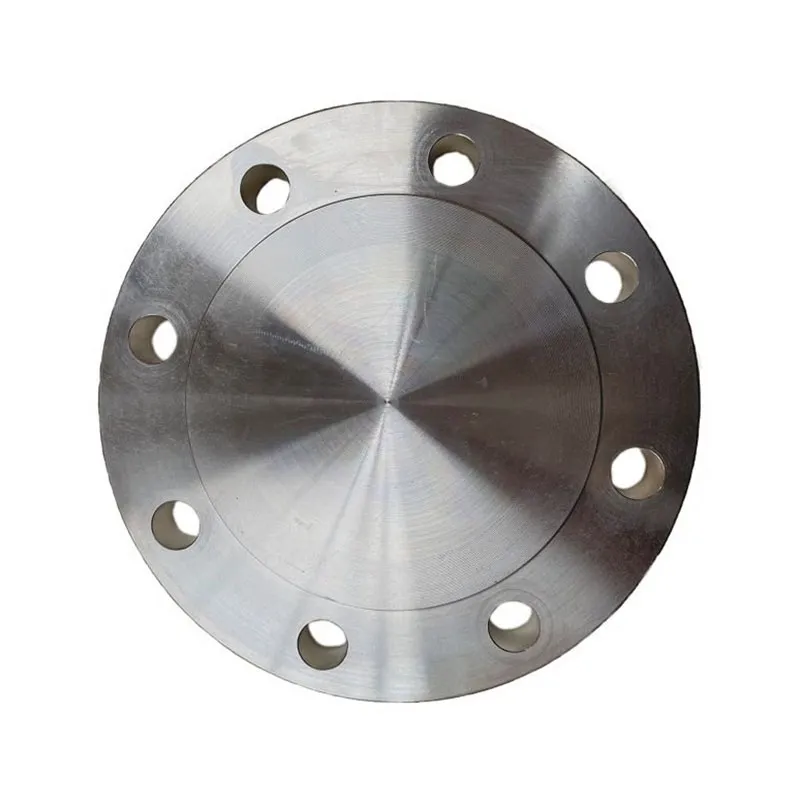 ASME B16.47 Ser.A Blind Flanges Class 400
 -
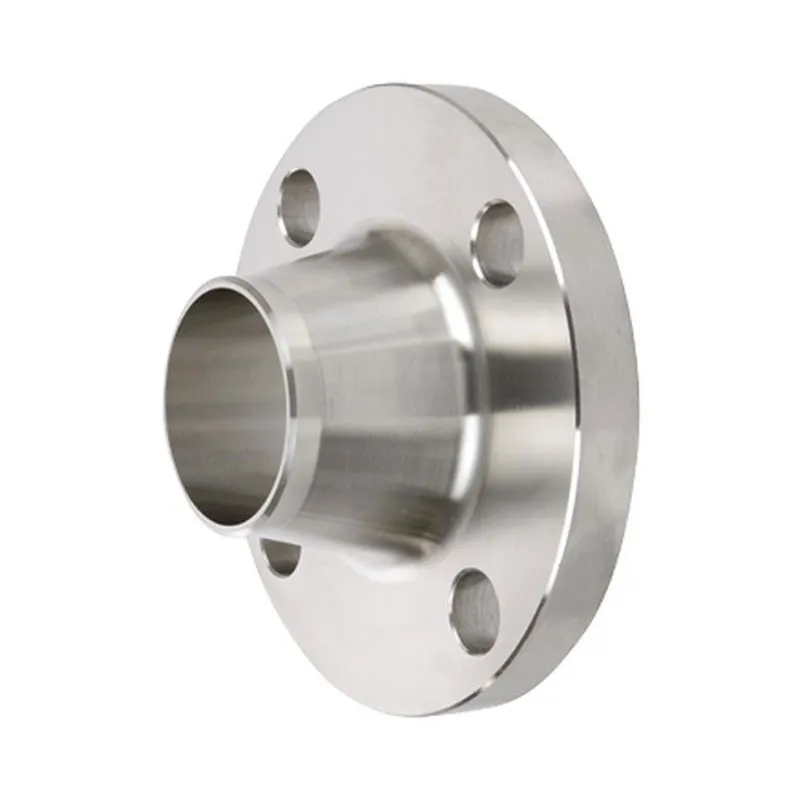 Ser.A Butt Weld Flanges Class 400
 -
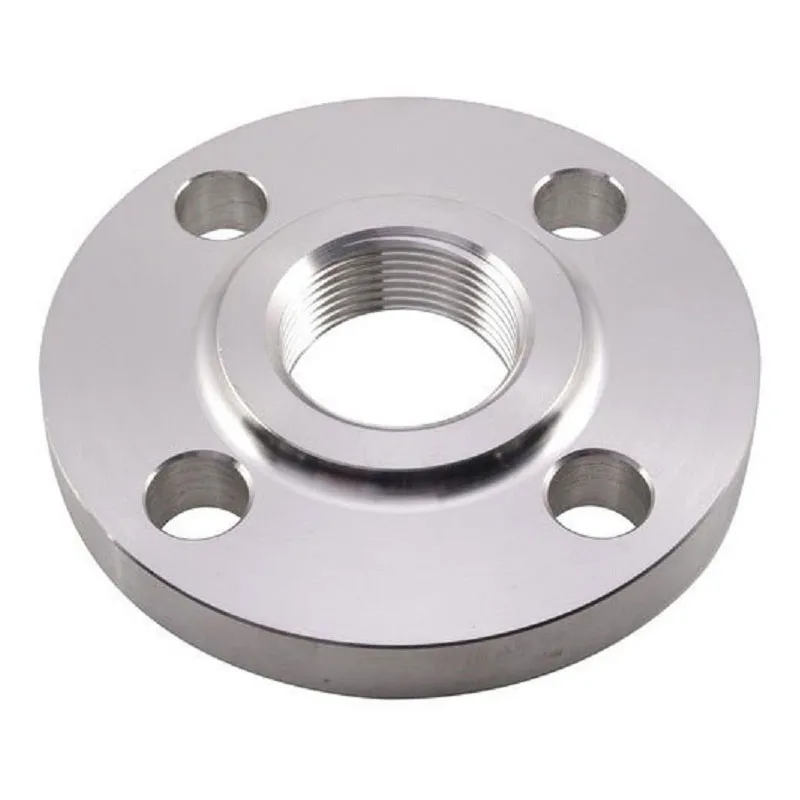 EN 1092-1 Threaded flanges Type 15, PN16
 -
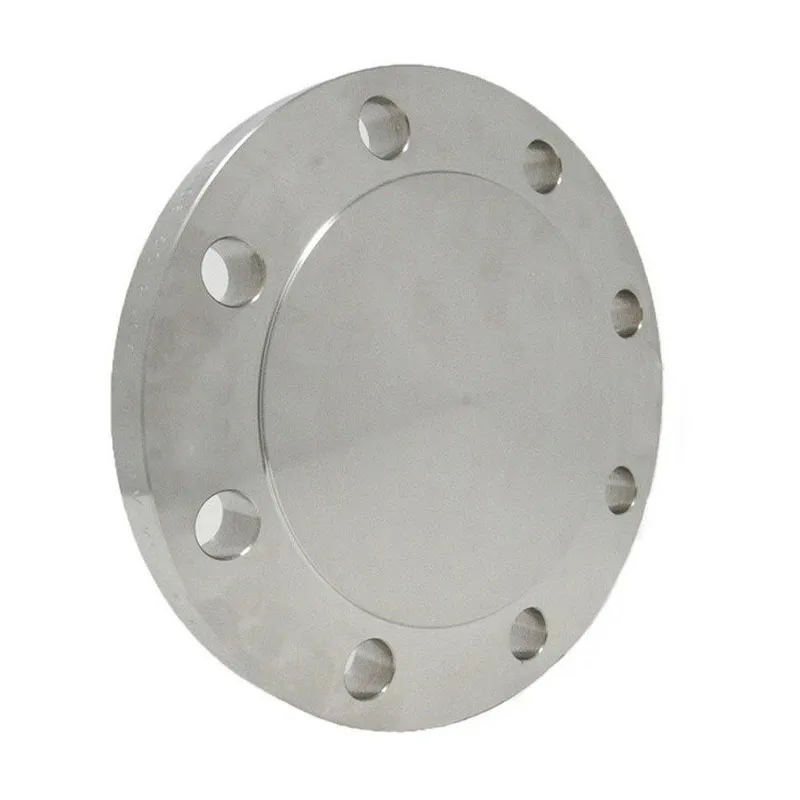 EN 1092-1 Blind flanges Type 05, PN10
 -
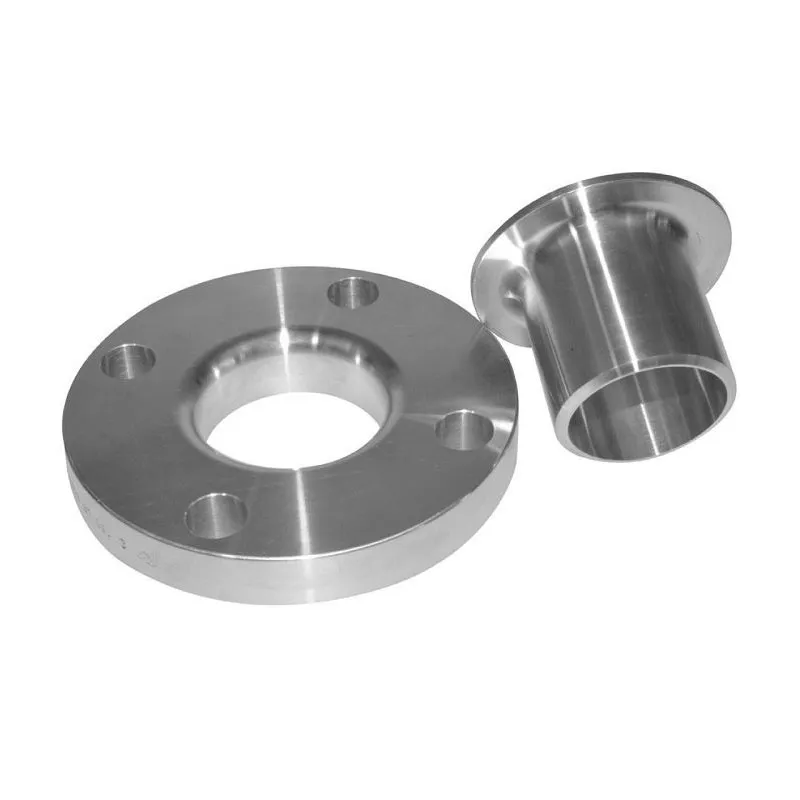 ANSI B16.5 Loose Ring Flanges Class 2500
 -
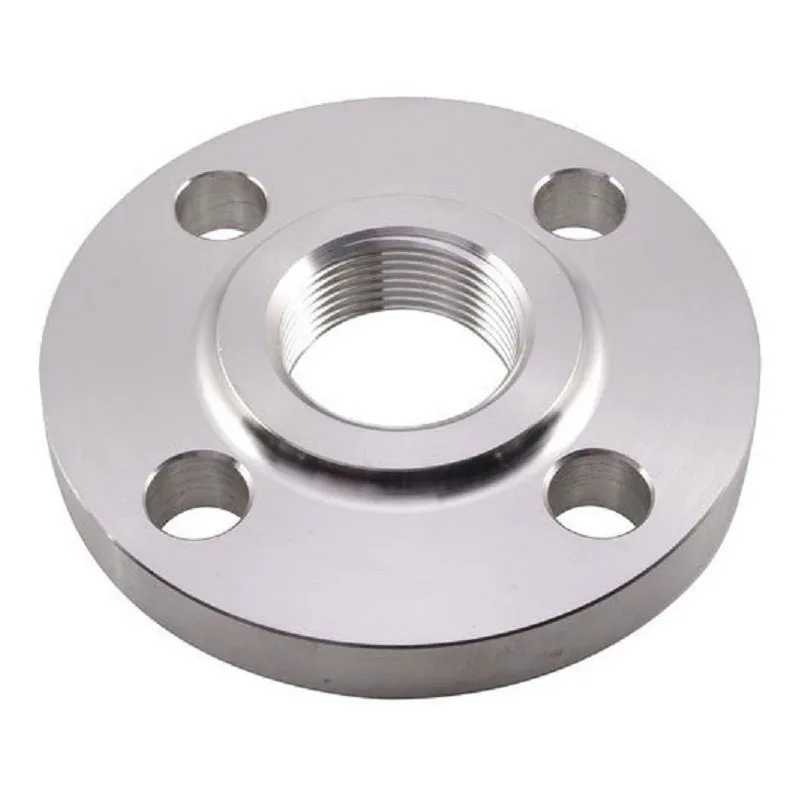 ANSI B16.5 Threaded Flanges Class 600
 -
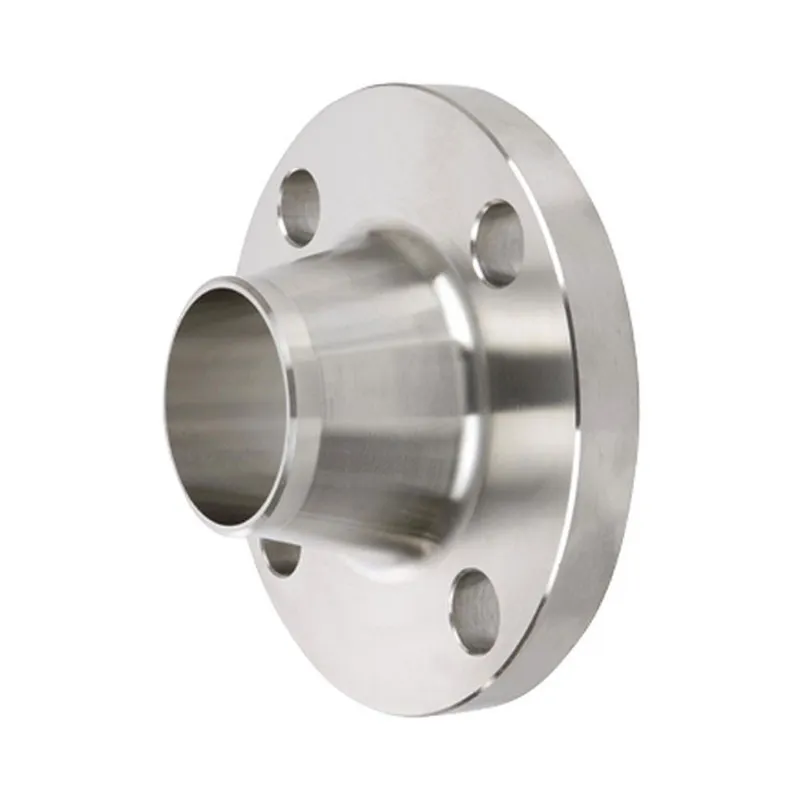 EN 1092-1 Butt weld flanges Type 11, PN25
 -
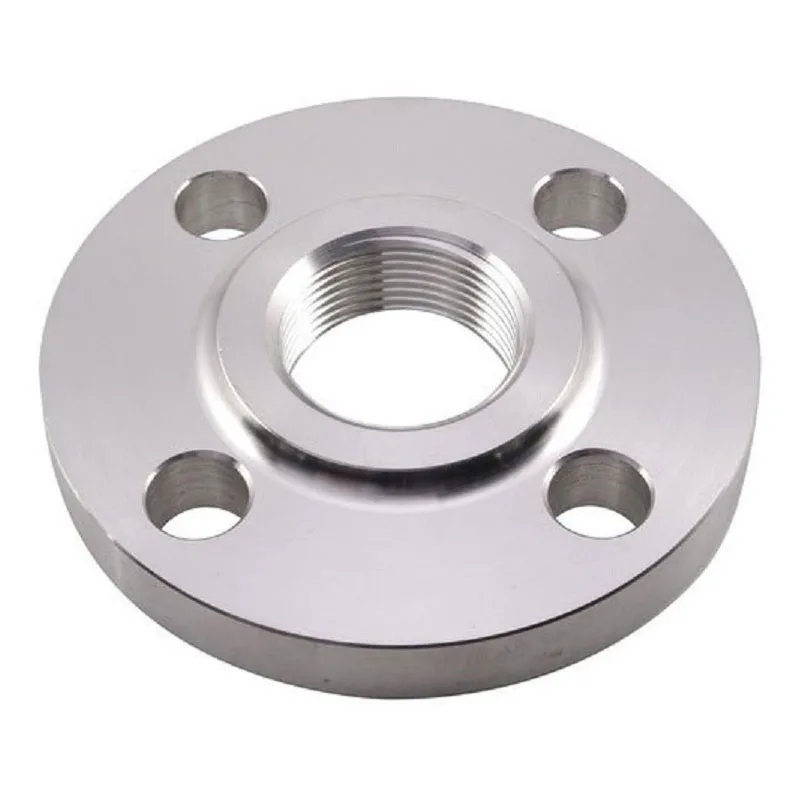 JIS 10K Threaded Flanges
 -
 DIN Butt weld flanges PN10
Relatedsearch
Related Search- flange on heating element
- Flat flanges GOST 33259 2015 09g2s
- threaded and flanged pipeline connections
- flange connection DN100
- flange 1 20 40
- steel transition flange
- operating principle of flange connection
- flange 125 16
- flanges made of stainless steel GOST 12x18n10t
- insulation of fittings and flange connections