
-
-
Phone
+86-13623462298



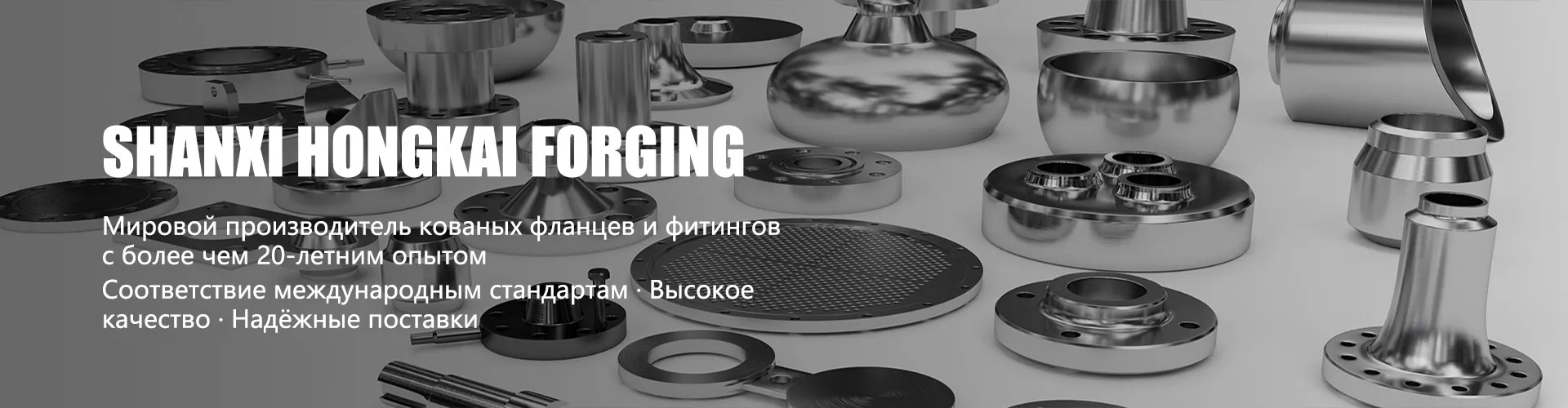
flange m16
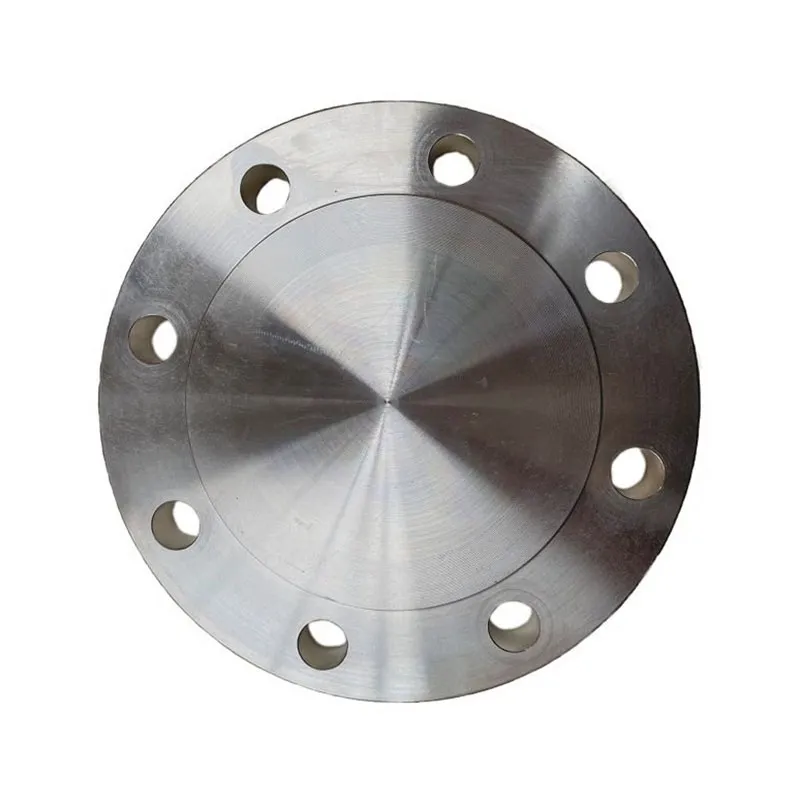
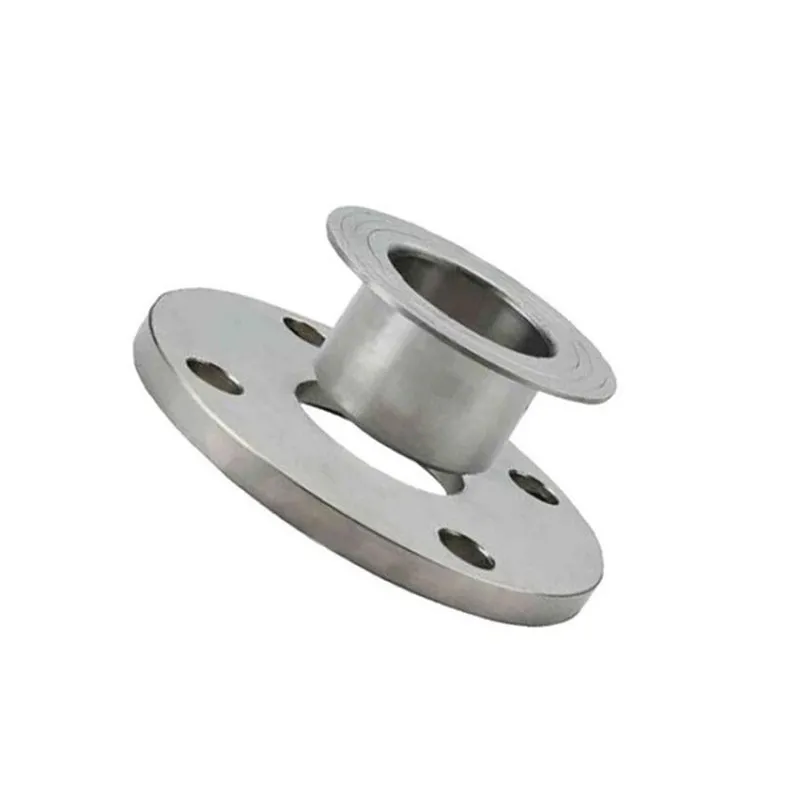
When they say “M16 flange”, many people immediately think of M16 thread. And this is the first mistake. In practice, especially when working with pipeline fittings, the designation often refers to the diameter of the holes for fasteners, rather than to the type of flange or nominal diameter. By itself ?M16? - this is a bolt parameter, but in the order it can come out sideways if you do not specify the full specification: flange type, standard, material, pressure. How many times have I encountered the fact that a request simply comes in for “M16 flange?”, and then clarifications begin - is a collar needed, what type of surface, what kind of gasket. Therefore, I’ll say right away: if you want to avoid delays, always indicate the full code according to GOST or ASME. For example, a flat flange GOST 12820-80 with holes for M16 bolts is already specific.
Where and why there is confusion with notations
The problem is that in everyday life, in warehouses, in quick negotiations, ?M16? becomes an anchor. The welder says: “Give me the flange on M16,” meaning the bolts. But the flange can have 10 holes, or 4, and with different locations. Without a drawing or at least a sketch, it’s a lottery. Once, during the installation of a small chemical-resistant flushing circuit, they brought flanges according to the delivery note, where it was written “steel flange M16”. We arrived - and these are flat flanges according to GOST 12820 for Ru 10, but with holes for M20. It turned out that there was a typo in the manufacturer’s specifications, and the acceptance was based on “weight”. I had to urgently look for adapter rings. A month of delay.
Hence the conclusion: even in a seemingly simple request there should be a double check. Especially when you work with suppliers who make products to different standards. For example, a Chinese manufacturer of forged flangesShanxi Hongkai Forging Co.,Ltd(websitehttps://www.hkflange.ru). In their catalog you can immediately see the assortment according to GOST, ASME, DIN. And if you send them a request for “M16 flange”, they, of course, will clarify. But it is better to initially provide complete data yourself: type (for example, butt weld flange), nominal diameter (DN), nominal pressure (PN), material (St20, 09G2S, 12Х18Н10Т), and only then - the diameter of the holes for fasteners. By the way, they have a wide range of sizes - from DN15 to DN4000, so what? M16? may have flanges for different pipe diameters.
Another nuance is the threaded flanges. Here ?m16? may also mean a thread in the flange itself for attaching fittings, and not holes for bolts. This is a completely different story. For such cases inShanxi Hongkai Forging Co.,LtdUsually they ask you to indicate the standard for the thread - metric, pipe, and its type.
Material and pressure: what is more important than bolt size
Let's say we figured out the designation. But next is the material. A flange with holes for M16, made of St3sp for water, and a flange made of 10Х17Н13М2Т for aggressive environments are, in fact, different products. Mechanical properties, welding behavior, corrosion resistance. Forging usedHongkai Forging, gives a better metal structure compared to casting or stamping, especially for critical components. But there is also a subtlety here: you need to look at the heat treatment after forging. For high pressure flanges (for example, PN 100, 160) this is critical.
Working pressure is the next key point. The M16 flange can be used on both PN 6 and PN 160. But in the second case, the thickness of the disk, the dimensions of the sealing surface, and the diameter of the hole circle will be completely different. From experience, the need for high-pressure flanges is most often underestimated in an attempt to save money. Once on a test section they placed a pair of PN 16 flanges on a line where the pressure surges reached PN 25. The flanges had holes for M16, and were normal in appearance. Six months passed and the mirror began to leak. Disassembled - microcracks around the perimeter of the holes. We switched to Ru 40 flanges with the same M16 bolts, but with greater thickness and configuration. The problem has disappeared.
Therefore, when selecting, even knowing the diameter of the fastener, you should always check the pressure and temperature tables for the selected standard. From manufacturers who work according to international standards (like the one mentionedShanxi Hongkai Forging Co.,Ltd), usually there are such tables in technical support. You can request.
Installation subtleties that are not written in catalogs
Here, the flange was delivered, there are M16 bolts, the gasket is suitable. It seems that assembling is a matter of technique. But no. The first is surface cleanliness. The sealing surface (for example, version B according to GOST 12815) must be free of scoring and marks. This is especially important for stainless steel flanges. I have seen cases where, during transportation, flanges were thrown into a common container with corner elbows - dents appeared. I had to sand it by hand.
The second is centering. The holes for the M16 bolts must match without interference. If the flanges are from different batches or, God forbid, different standards (say, one according to GOST, the other according to DIN), the holes may not coincide by half a millimeter. This is critical. Do not countersink or drill out - the design pressure will be violated. When working with large suppliers who maintain stable geometry, there are fewer such problems. In the samehttps://www.hkflange.ruin the product description they emphasize that they are manufactured according to the customer’s drawings - which means you can submit your sketch with exact dimensions and tolerances, including the location of these same holes for M16.
Third - puff. The M16 bolts need to be pulled crosswise, using a torque wrench, with a certain torque. And here they often save money - they pull by hand? or an impact wrench. The result is an uneven fit, misalignment, and leakage due to thermal expansion. For high pressure flanges there are tightening schemes in several stages. This is not empty bureaucracy.
When is the standard ?M16? not suitable: non-standard solutions
There are situations when a standard flange with M16 holes is not suitable. For example, when modernizing old equipment, where the center distances are non-standard. Or when you need to cut into an existing line, and there is no room for a standard flange, you need to reduce the dimensions. Then there is a request for production according to an individual drawing.
This is precisely the area where manufacturers of forgings and forged flanges, such asShanxi Hongkai Forging Co.,Ltd, are most in demand. They can forge virtually any flange shape while maintaining mechanical properties. The main thing is to correctly draw up the technical specifications: not only the diameter of the holes for fasteners (the same M16), but also all other parameters, including clarification that the holes may not be on a standard circle. In their practice (https://www.hkflange.ru) it is indicated that they make non-standard products according to drawings - which means they have such experience.
One of the projects is an adapter flange from a flange connection on PN 16 (holes for M16) to a clamp mount for quick dismantling. The thickness and material (09G2S) were retained, but technological grooves had to be added. Made by forging, then machining. It turned out to be reliable.
An important point when ordering a non-standard flange is certification. If the product is sent to a facility controlled by Rostechnadzor, documents are needed confirming the conformity of the material and workmanship. Serious manufacturers usually have this in order.
Choosing a supplier: what to look for besides the price per piece
So, we need flanges, let’s say flat, with holes for M16 bolts, made of stainless steel 12Х18Н10Т, according to GOST 12820-80. The search engine produces dozens of offers. Prices may vary significantly. Why? The first is the manufacturing method. Forged flanges are more expensive than stamped ones, but more reliable. The second is the completeness of the documents provided (material certificates, certificate of conformity, product passport). Third, geometric accuracy and surface cleanliness.
Here we return to specialized manufacturers such asShanxi Hongkai Forging Co.,Ltd. Their profile is precisely forged flanges and forgings. The advantage is that they work according to a wide range of standards (GOST, ASME, EN, etc.), that is, they understand the nuances. If your project has specific toughness or heat treatment requirements, this can be discussed with them. The price may not be the lowest on the market, but you get predictable quality and the possibility of a technical dialogue. questions.
Personal experience: we ordered a batch of end-to-end (collar) flanges according to ASME B16.5 Class 150, with holes for M16 (more precisely, for 5/8' bolts, but these are already details). There were doubts about hardness and testing. We requested test reports of mechanical properties - they provided them. They asked to clarify the markings on the products - they did as needed. It's worth a lot.
As a result, the phrase ?M16 flange? - this is not an order, but a hint of an order. Behind it lies a whole layer of technical solutions: from the choice of type and material to the subtleties of installation and delivery. And the more precisely you formulate the task, be it purchasing a standard product or developing a non-standard one, the less headache there will be on site. And the right choice of a manufacturer who not only sells hardware, but understands what it is needed for, reduces this headache significantly.
Correspondingproducts
Related Products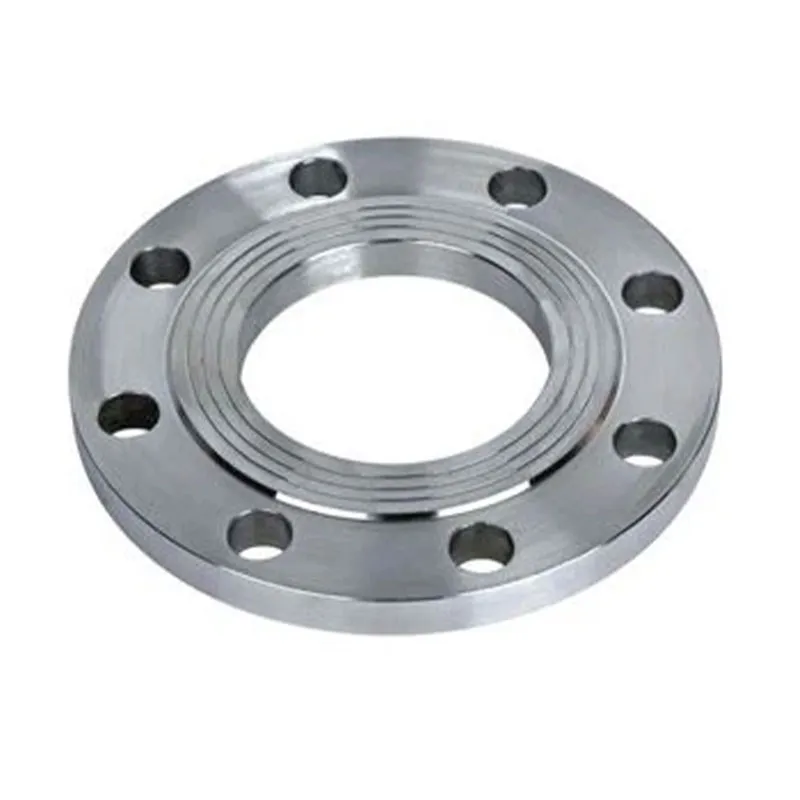
Best Sellingproducts
Best Selling Products-
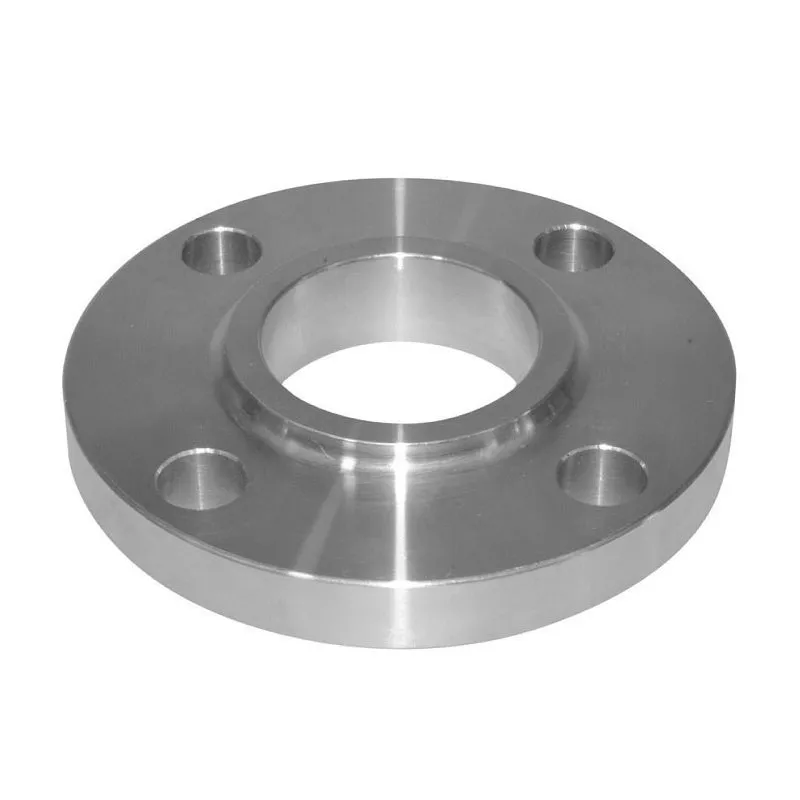 ANSI B16.5 Lap-on flanges Class 1500
 -
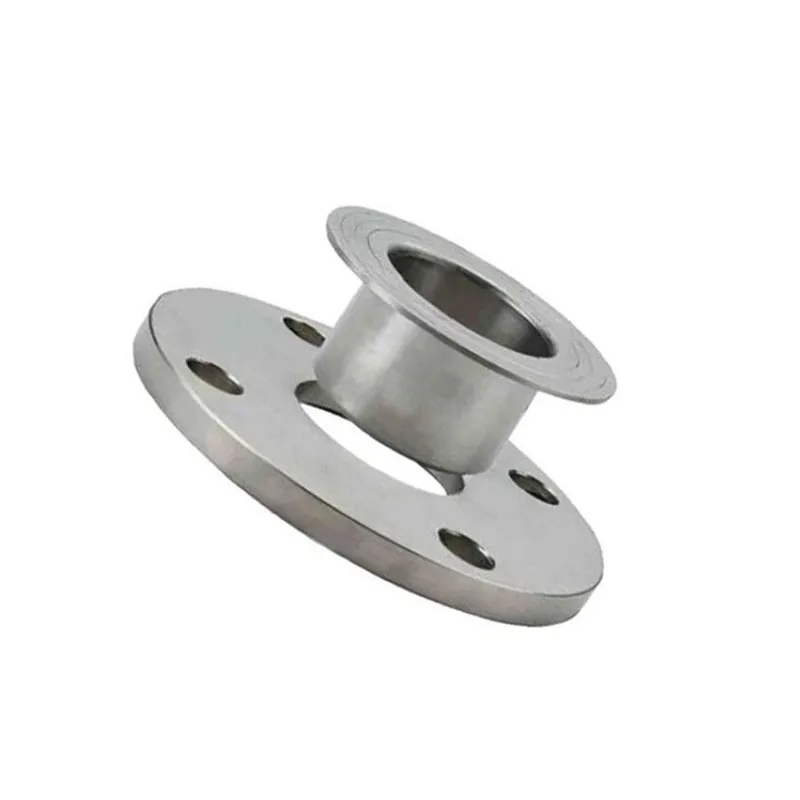 Free ring flanges Class 400
 -
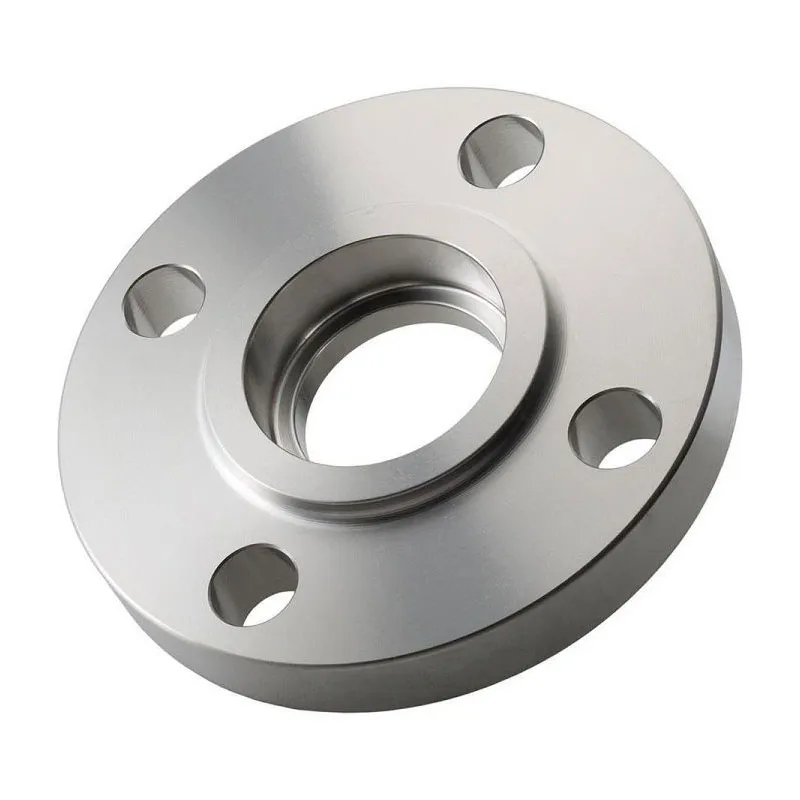 ANSI B16.5 Socket Weld Flanges Class 1500
 -
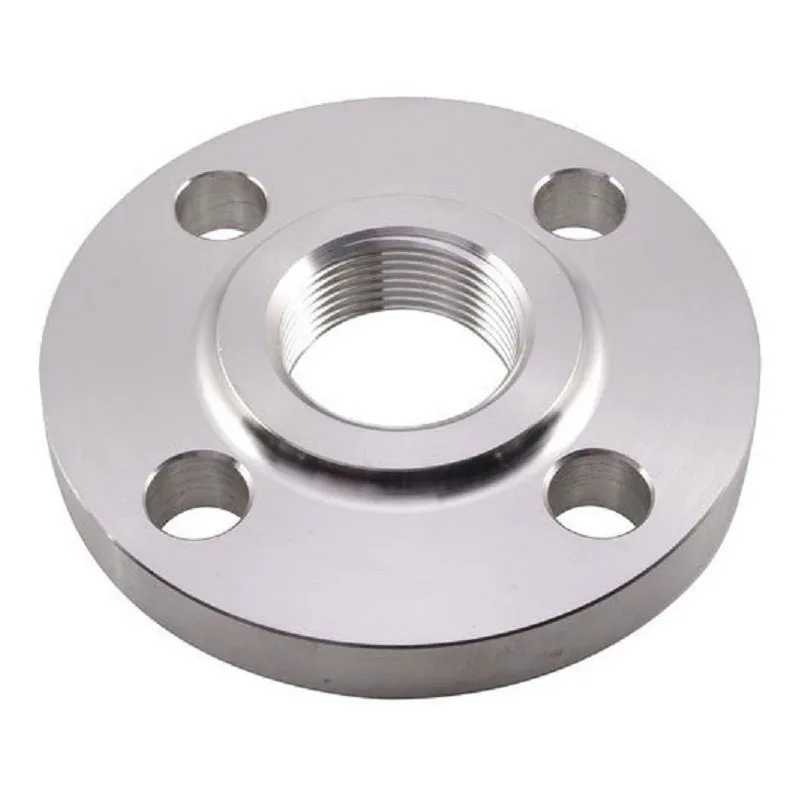 ANSI B16.5 Threaded Flanges Class 600
 -
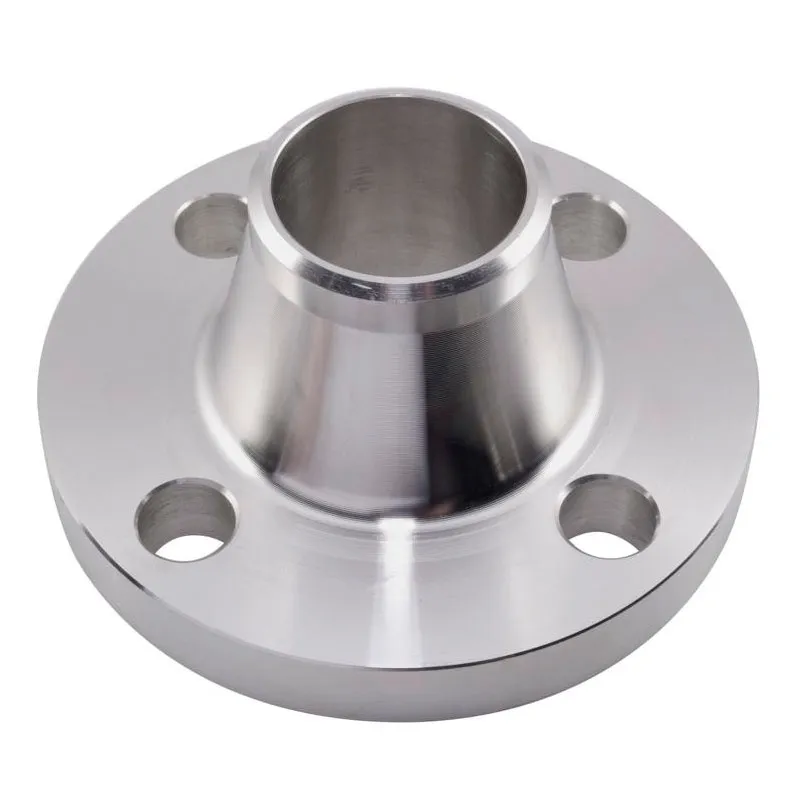 Butt weld flanges Class 900
 -
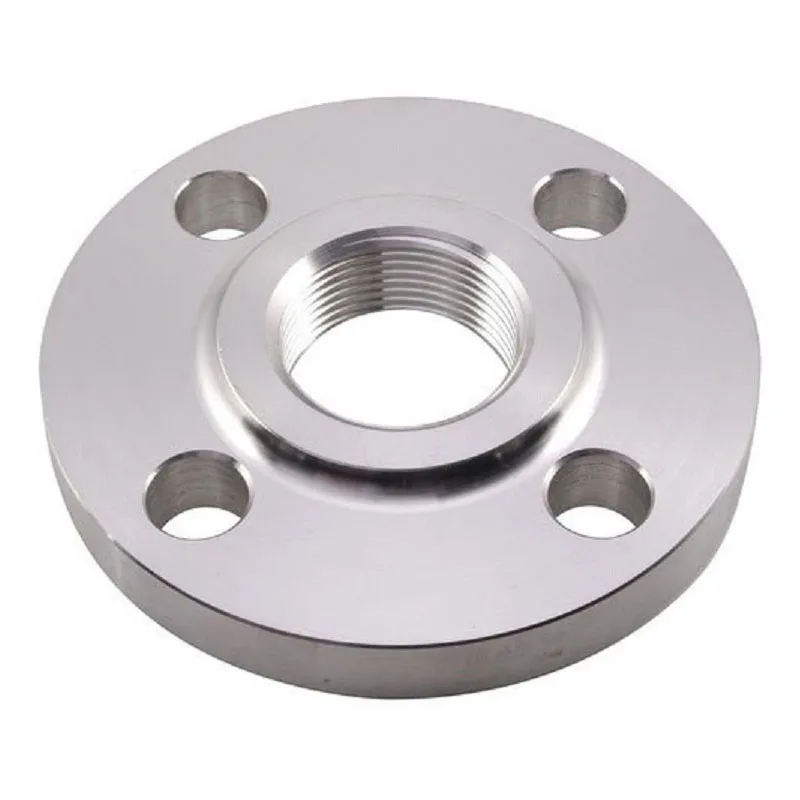 DIN 2566 Threaded flanges PN16
 -
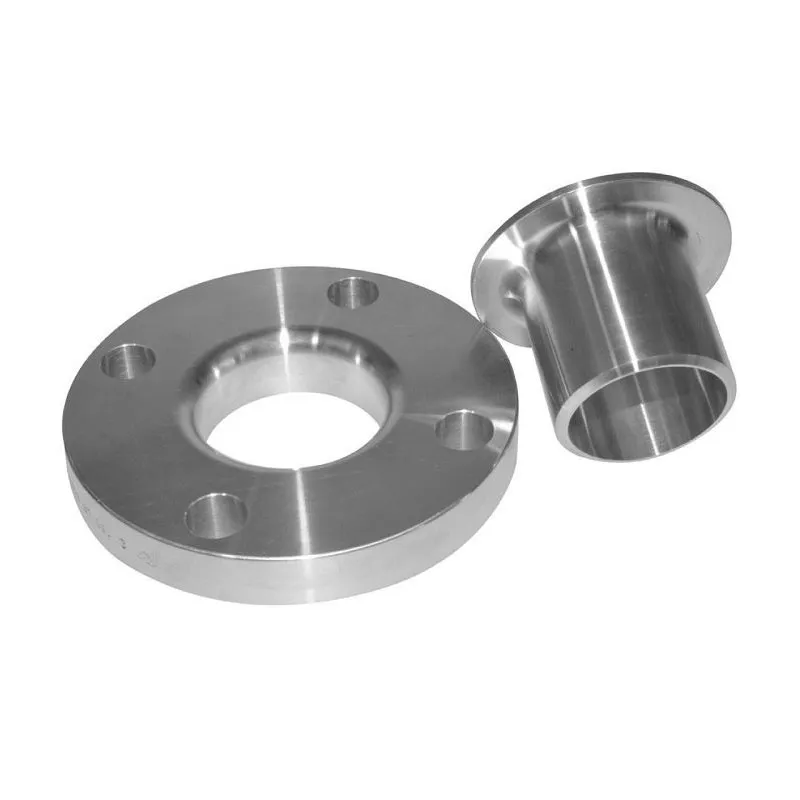 ANSI B16.5 Loose Ring Flanges Class 2500
 -
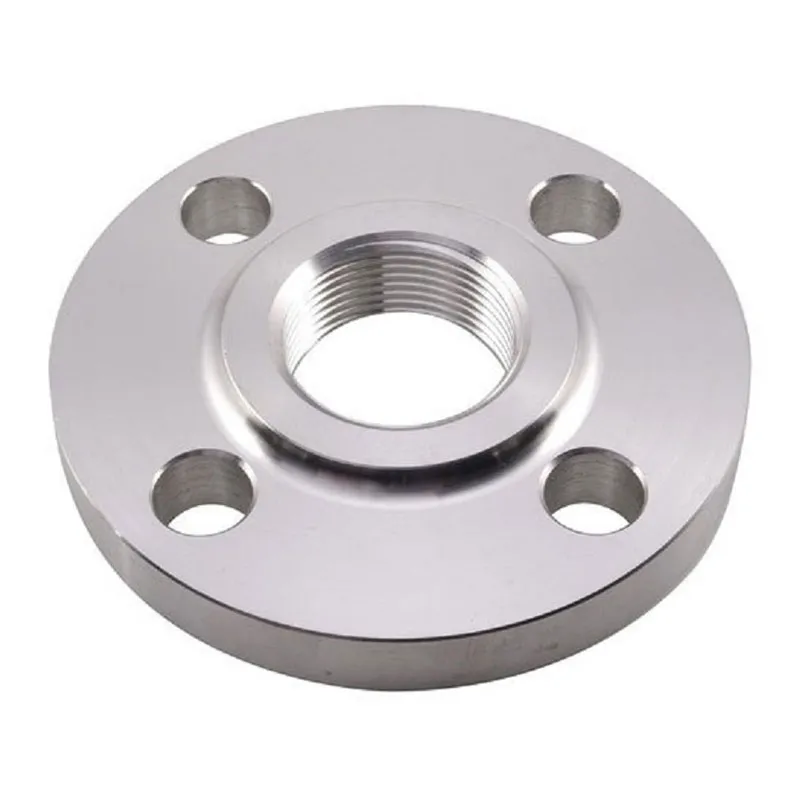 JIS 10K Overlay flanges
 -
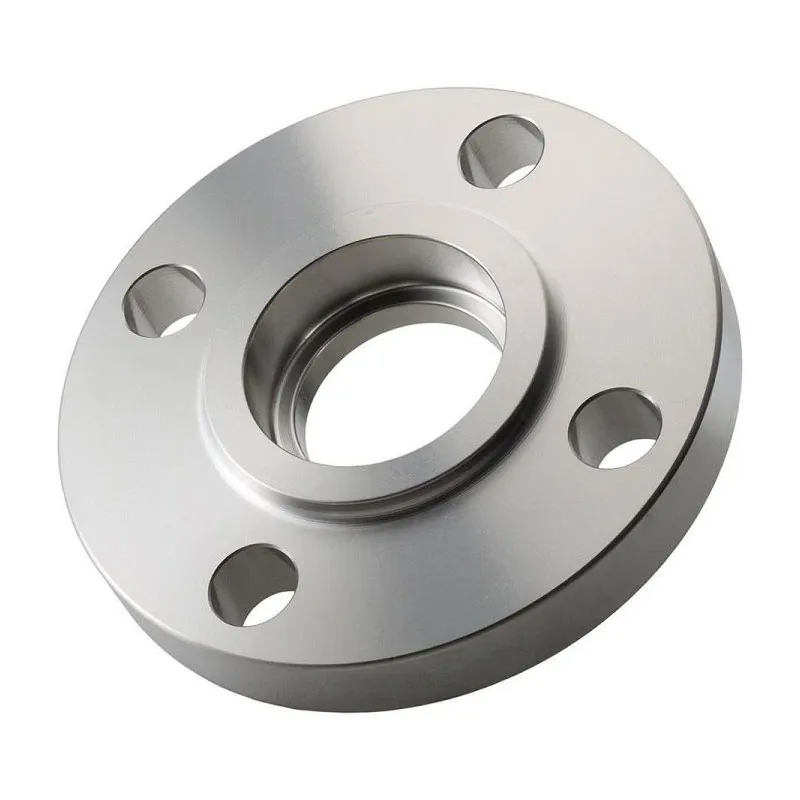 ANSI B16.5 Socket Weld Flanges Class 150
 -
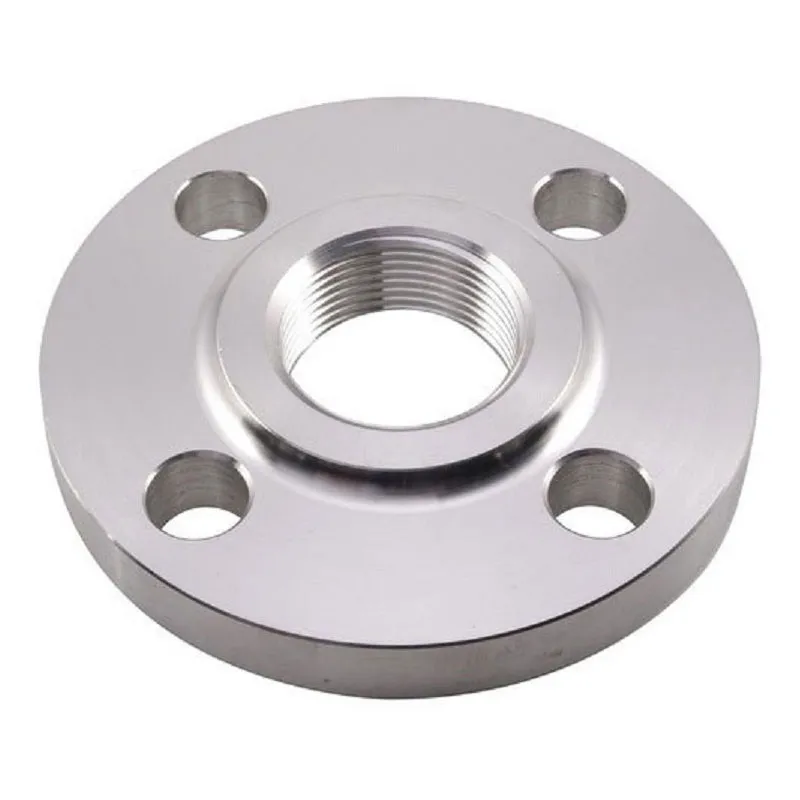 DIN 2565 Threaded flanges PN6
 -
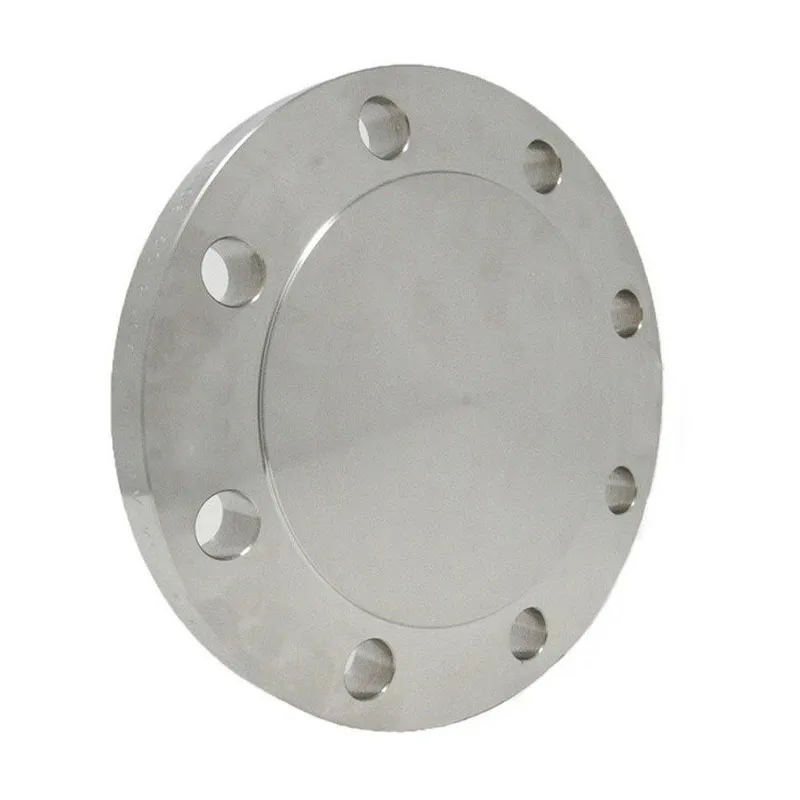 EN 1092-1 Blind flanges Type 05, PN10
 -
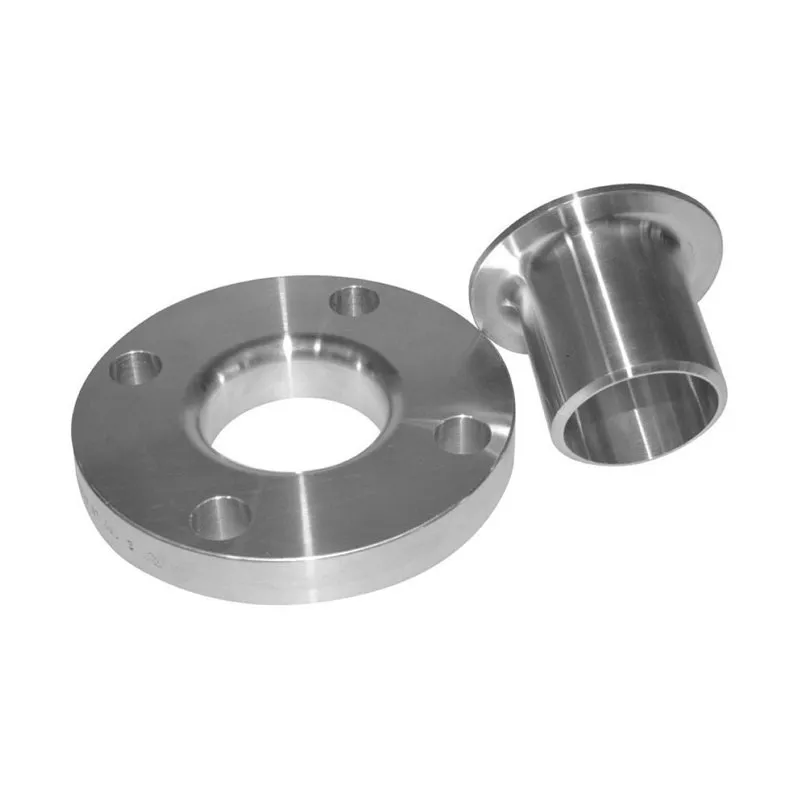 Free ring flanges Class 150