
-
-
Phone
+86-13623462298



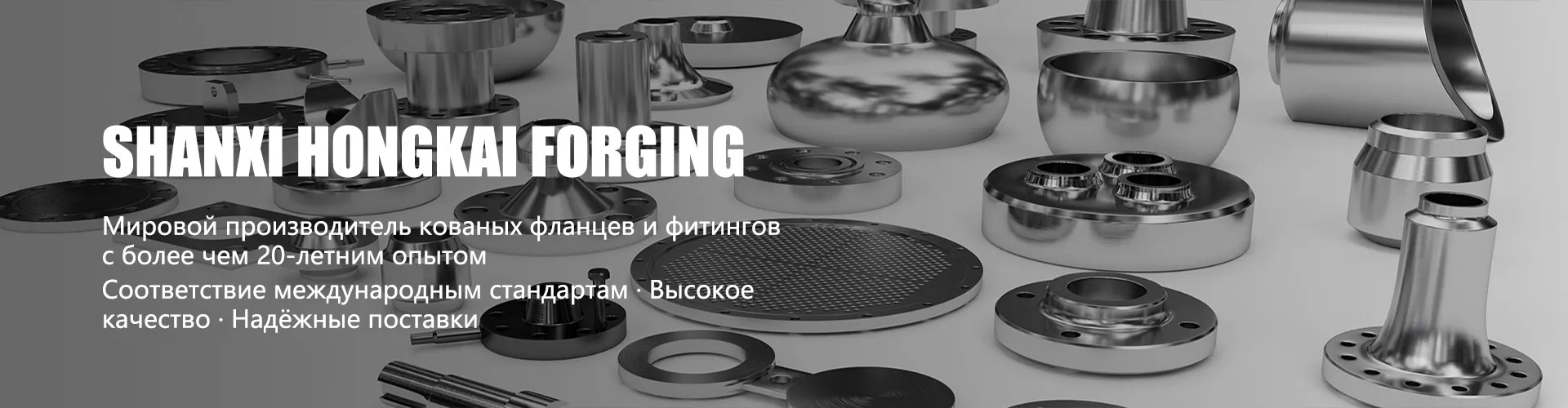
flange wrench
When you hear “flange wrench,” the first thing that comes to mind is a regular wrench for bolts. But this is exactly the mistake that later causes leaks and distortions. We are talking about something else - about the very tool that goes under the flange itself, into a groove or onto a ledge, for adjustment or installation. GOSTs and catalogs often write about this dryly, but in practice, without such a key, sometimes you simply cannot approach it. Especially when working with large butt weld flanges, say DN600 and above. It happened at our sites: they brought a batch fromShanxi Hongkai Forging Co.,Ltd, it seems to be according to the drawings, but during installation it turned out that a standard bolt wrench does not solve the problem of aligning the counter flanges before the screed. This is where you remember about this specialized tool.
What is hidden behind the term and where is the root of the problems?
In essence, it is an installation or adjustment tool, often homemade or custom-made. Not to be confused with a torque wrench - here the task is not to tighten with a certain force, but to physically lift, move or fix the flange body to align the holes for the studs or center it relative to the pipe. Particularly critical for loose flanges on a weld ring or for installation in confined spaces.
For example, when installing flanges according to ASME B16.5 with a relief under the gasket, it happens that after preliminary tacking by welding, the flange “leads”, and it is impossible to insert a crowbar or a pry bar, so as not to damage the sealing surface. You need a wrench with a flat, wide grip that will fit exactly into the groove provided for this (if there is one) or under the end. UShanxi Hongkai Forging Co.,LtdThe range also includes non-standard products according to customer drawings - and so, they often come with separate requirements for the presence of such mounting grooves. But if this was not indicated in the technical specifications, then there may not be a groove. Then the installers suffer.
I remember one case: they installed DN800 flanges in accordance with GOST 33259 on a high-pressure pipeline. The flanges were fromHongkai Forging, the forging quality is excellent, the geometry is within tolerance. But when they began to connect it to the fittings, it turned out that the counter flanges from another manufacturer had a slightly different angle of location of the holes for the studs—offset by a couple of degrees. The bolts went in tightly, and tightened? It was impossible - there was a risk of distortion. We had to urgently make on site two wedge-shaped keys from sheet steel, which were inserted into the gap between the flanges and, when tapped, made it possible to rotate one flange relative to the other. Without such a “flange key?” Studs would have to be cut or flanges changed, which would throw off the schedule.
Practice and improvisation: when the catalog is not enough
In an ideal world, each flange should be installed with standard tools. But in reality, designers often do not include such details in the specifications. Therefore, installers either have a set of homemade key strips of different thicknesses and configurations, or, worse, use improvised means - chisels, scraps of reinforcement, risking damage to the sealing surfaces. Damage to this surface is a guaranteed leak in the future.
Working with different suppliers, I noticed a difference in approach. Chinese manufacturers such asShanxi Hongkai Forging, are often guided by international standards (ASME, EN, DIN), where geometry is strictly regulated. But the standards themselves do not always describe the installation tool. But, for example, in some old Soviet developments or in specifications for the nuclear industry, such keys sometimes appear as mandatory equipment. The company positions itself as a manufacturer in one of the main centers of the forging industry in China, and their strength is their ability to make custom forgings up to DN4000. And here is a golden opportunity for a competent customer: to immediately indicate in the technical specification not only the standard and material, but also the need for mounting grooves or even a sketch of a special key.
We also had negative experiences with improvisation. On the heating main they tried to align a flat welded flange DN300 by prying it with two crowbars from different sides. As a result, dents formed at the edges of the sealing surface. The flange had to be removed and replaced. After this incident, for facilities with critical pipelines, we began to pre-order flanges with technological lugs or grooves from manufacturers, or to manufacture keys on site, but from a softer metal than the flange itself.
Specifics for different standards and products
Configurationflange wrenchhighly dependent on the flange type. A Blind Flange often requires a key with a hook so that it can be removed if it is installed as a blank during installation. For a Loose Flange, you need a tool that can hold the loose ring while the pipe is welded.
In stockhttps://www.hkflange.ruAll main types are indicated: butt weld, flat, loose, threaded. Each has its own subtlety. Threaded flanges, especially large diameters, sometimes require a special wrench that clings not to the hexagon of the stud (it may not exist), but to the grooves on the body of the flange itself. This is also a type of “flange wrench”.
As for materials, there is also a nuance here. If the flange is made of AISI 316 stainless steel, then the tool for adjusting it should be made of softer steel so as not to scratch it. Sometimes they even use copper or aluminum gaskets on the lips of the key for this. ManufacturerShanxi Hongkai Forging Co.,Ltdmanufactures products in accordance with GOST, ASME, EN and other standards, and the difference in geometry according to these standards dictates a different approach to installation. EN flanges, for example, often have a thicker hub and the force point for the wrench will be different than a thin wall ASME flange.
Non-standard situations and forgings according to drawings
The fun begins with non-standard products. When you order a forging according to your own drawing, the responsibility for thinking through the mounting elements falls on you. Once we ordered an adapter flange from DN1200 to DN900 with eccentricity. The geometry is hellish. Manufacturer, sameHongkai Forging, did the forging flawlessly. But when installation began at the site, it became clear that standard alignment methods did not work due to the shifted center of gravity. What saved me was a set of four adjusting screw keys (essentially clamps with stops), which we had designed in advance, in agreement with the factory, and which clung to the technological holes in the flange hub. These were the onesflange wrenches.
In such cases, the manufacturer’s website, which indicates the possibility of manufacturing according to the customer’s drawings, is not just an advertisement. This is a direct invitation to dialogue. It is possible and necessary to discuss not only the parameters of the forging itself, but also the auxiliary elements for its installation. This saves time and money on site.
Another point is large diameters, up to DN4000. We are not talking about any one key here. Often this is a whole set of traverses, jacks and lifting devices, which essentially perform the same function - positioning a massive part. And here the quality of forging, the absence of internal stresses, which is declared by serious manufacturers, plays a key role. Stressed forging can lead? yourself during the first installation, and no key will help you install it correctly.
Conclusions that are not written in manuals
So what is itflange wrench? This is not a specific tool from the catalog, but rather a concept, a need for equipment that is born at the intersection of high-quality flange manufacturing and installation realities. Its presence or the possibility of its use is a sign of thoughtfulness of the entire process, from design to commissioning.
When choosing a supplier, whetherShanxi Hongkai Forging Co.,Ltdor another plant, it is worth looking not only at the certificates and size range, but also at the willingness to discuss such mundane but vital details. Because in the end, they are the ones who determine whether the connection will be tight and reliable, or will become a headache for many years.
Personal experience suggests: always, when ordering a batch of flanges, especially large or non-standard ones, attach to the technical specification a simple sketch of how you plan to mount them and where you expect the point of application of force for adjustment. Often this helps the manufacturer himself to offer the optimal solution - adding a groove, a couple of holes or a thickening in the right place. This is real work for results, and not just buying and selling metal rounds. A flange is not just a part, it is part of a system. And the key to this system - literally and figuratively - often lies precisely “under the flange”.
Correspondingproducts
Related Products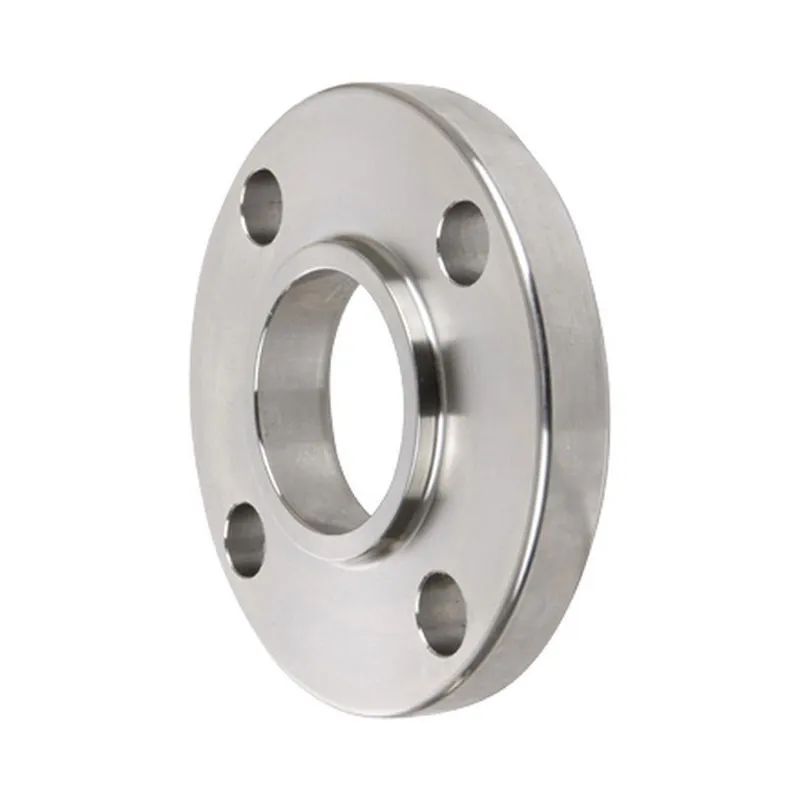
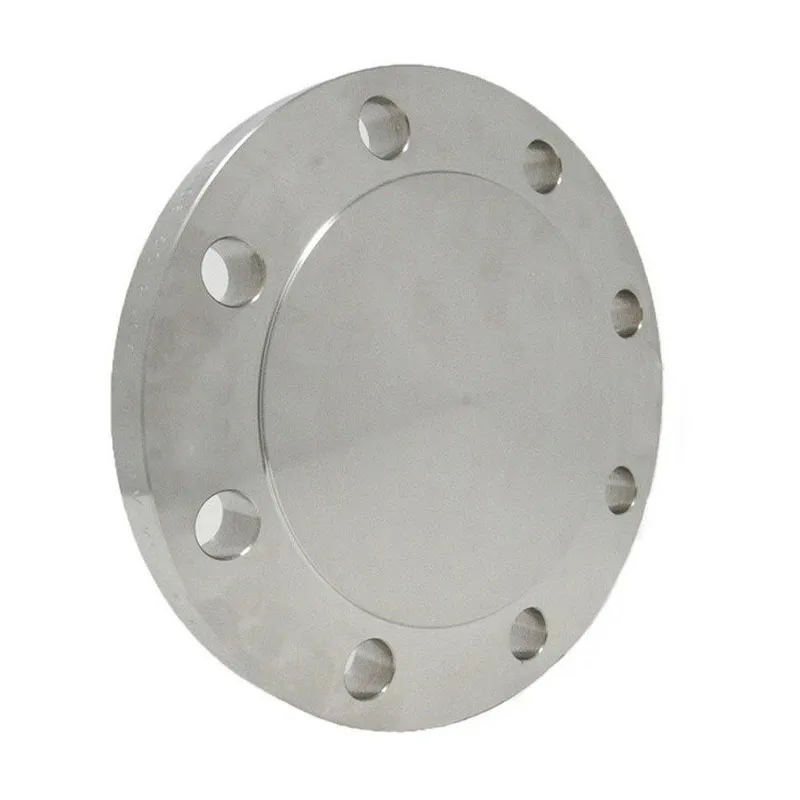
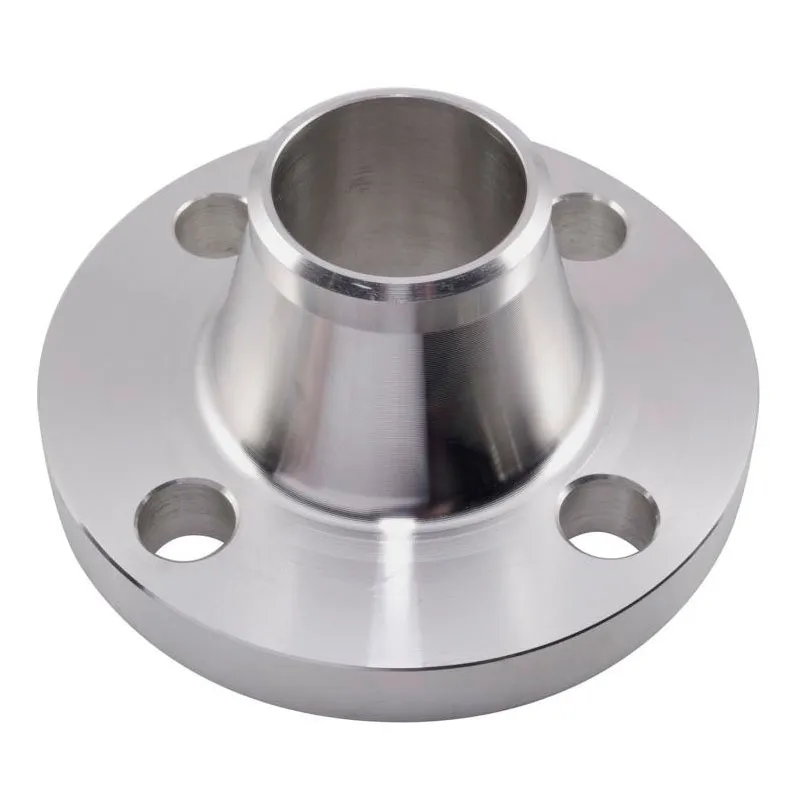
Best Sellingproducts
Best Selling Products-
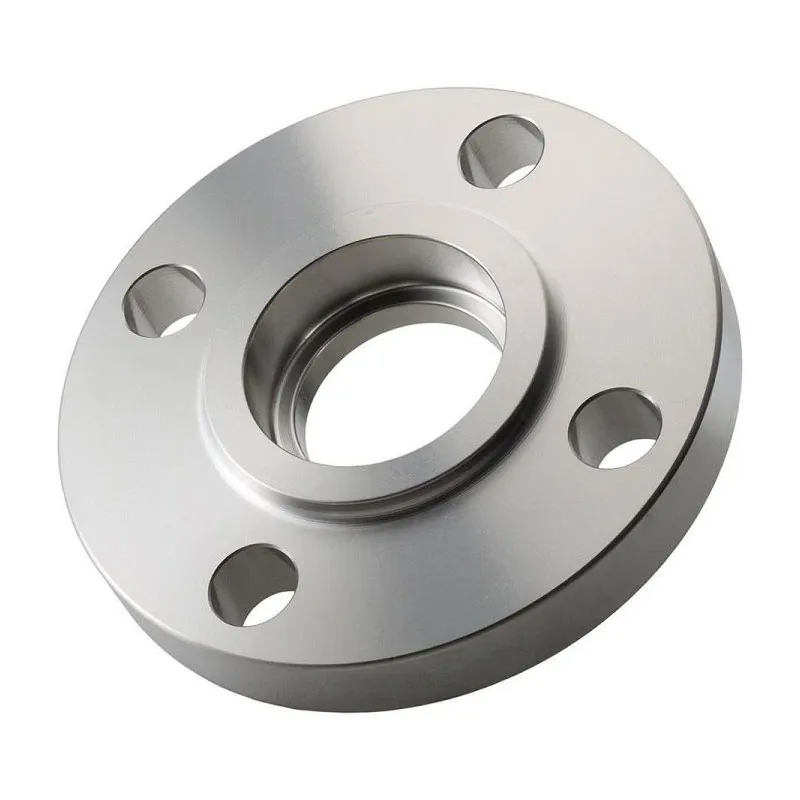 ANSI B16.5 Socket Weld Flanges Class 150
 -
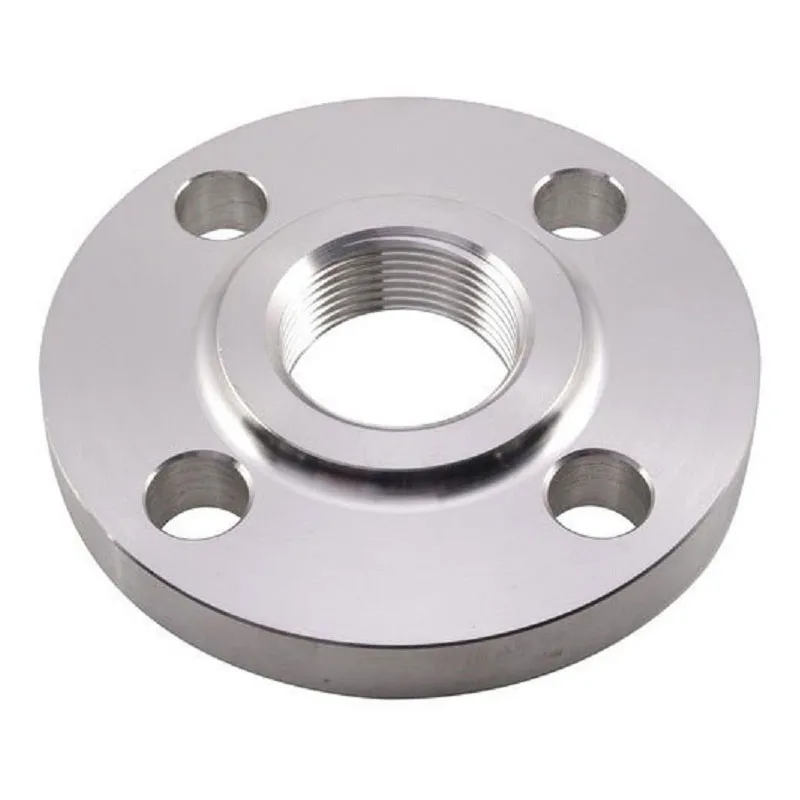 EN 1092-1 Threaded flanges Type 15, PN16
 -
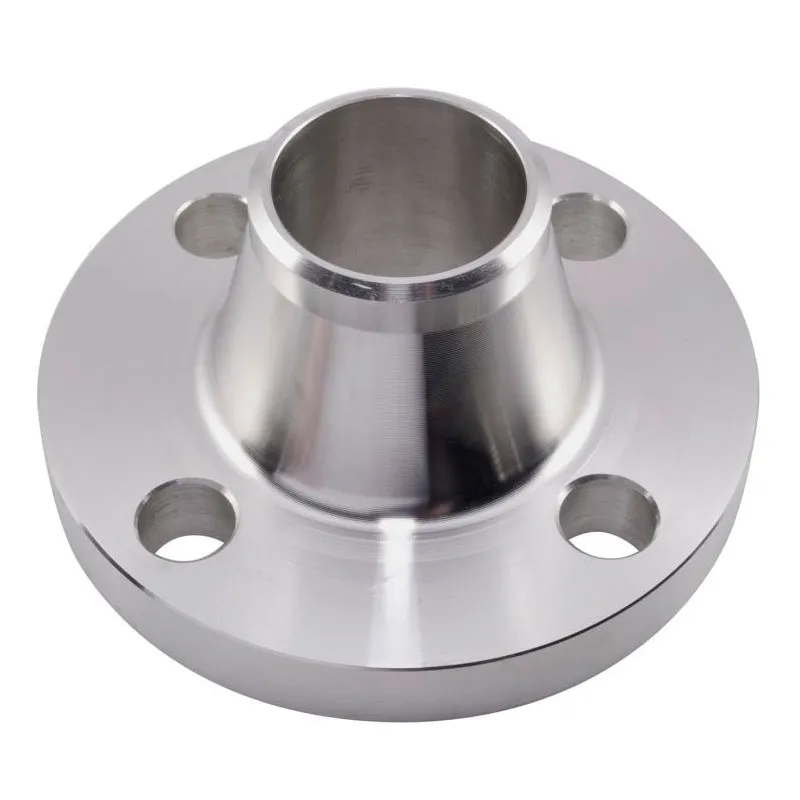 UNI 2281 Butt weld flanges PN10
 -
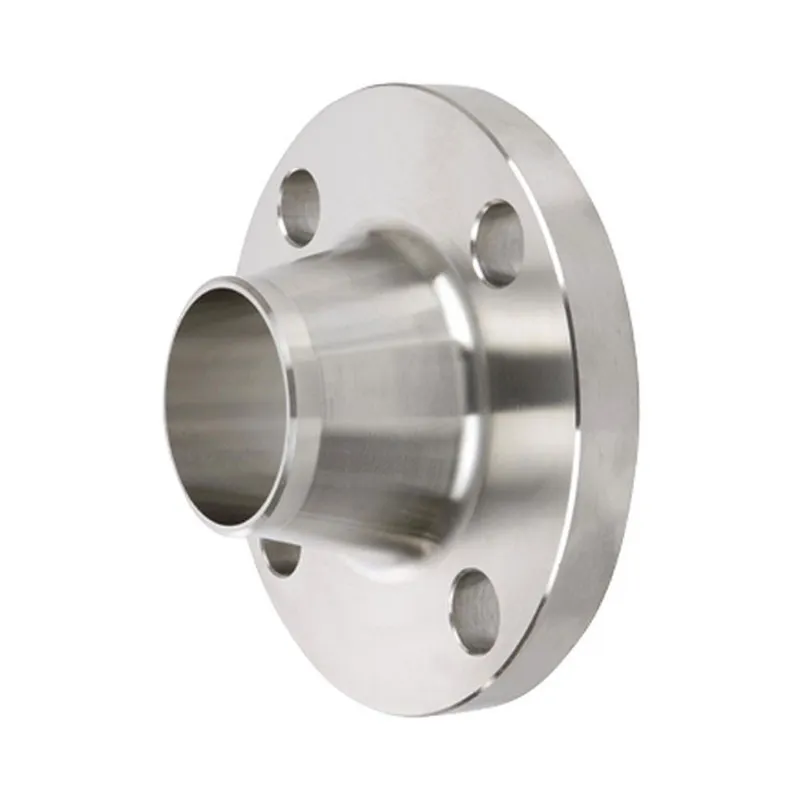 EN 1092-1 Butt weld flanges Type 11, PN25
 -
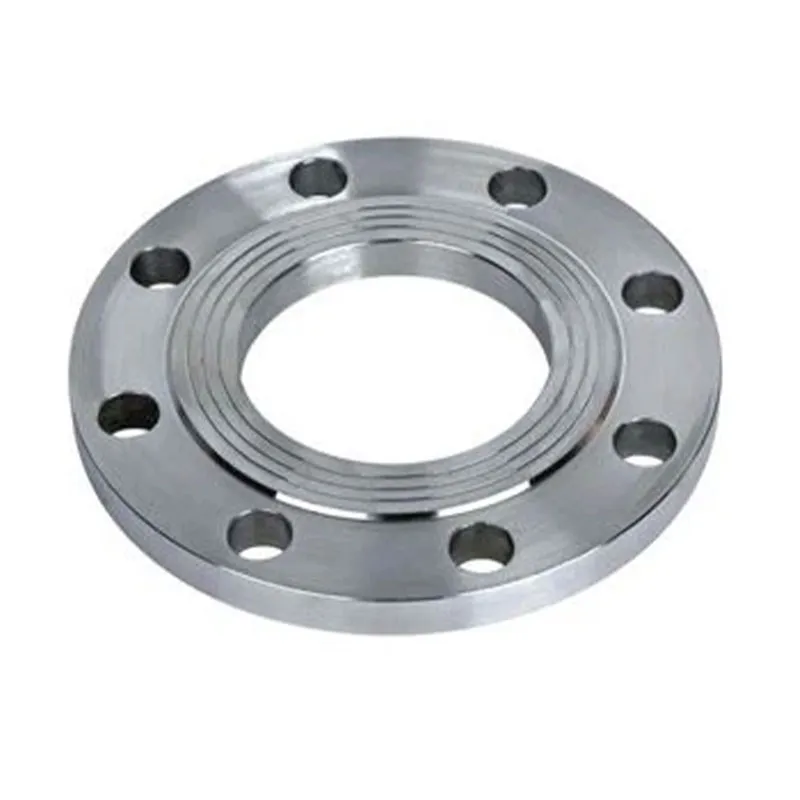 Butt weld flanges Class 150
 -
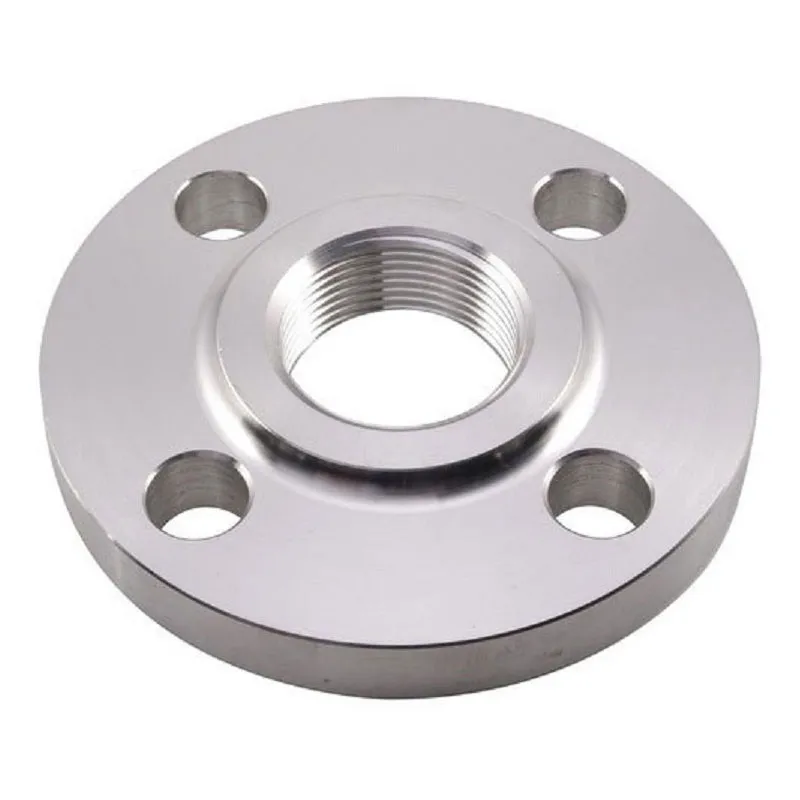 DIN 2565 Threaded flanges PN6
 -
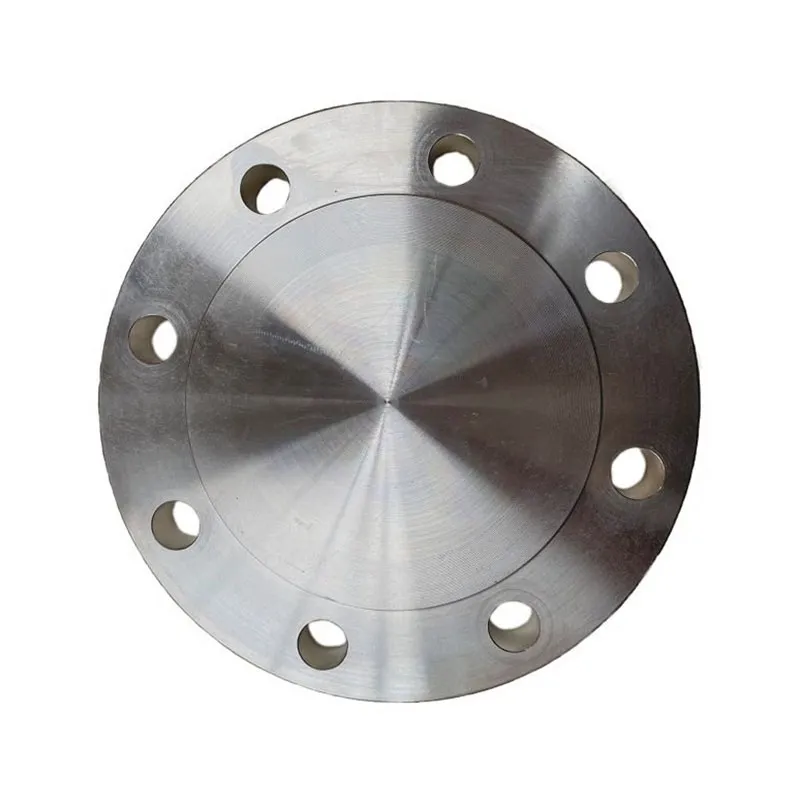 UNI 6092 Blind flanges PN10
 -
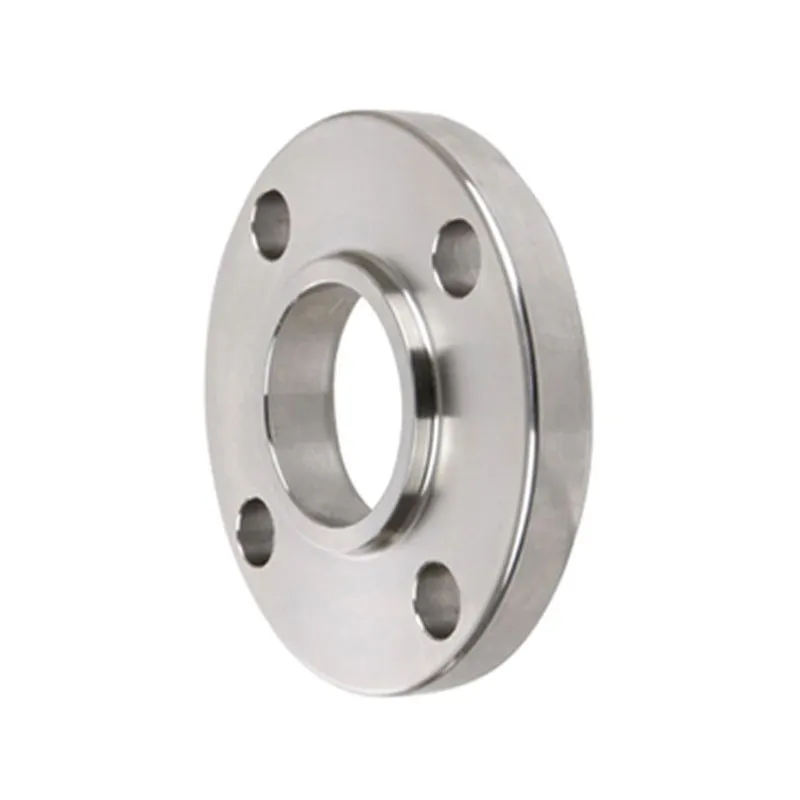 ANSI B16.5 Lap-on flanges Class 300
 -
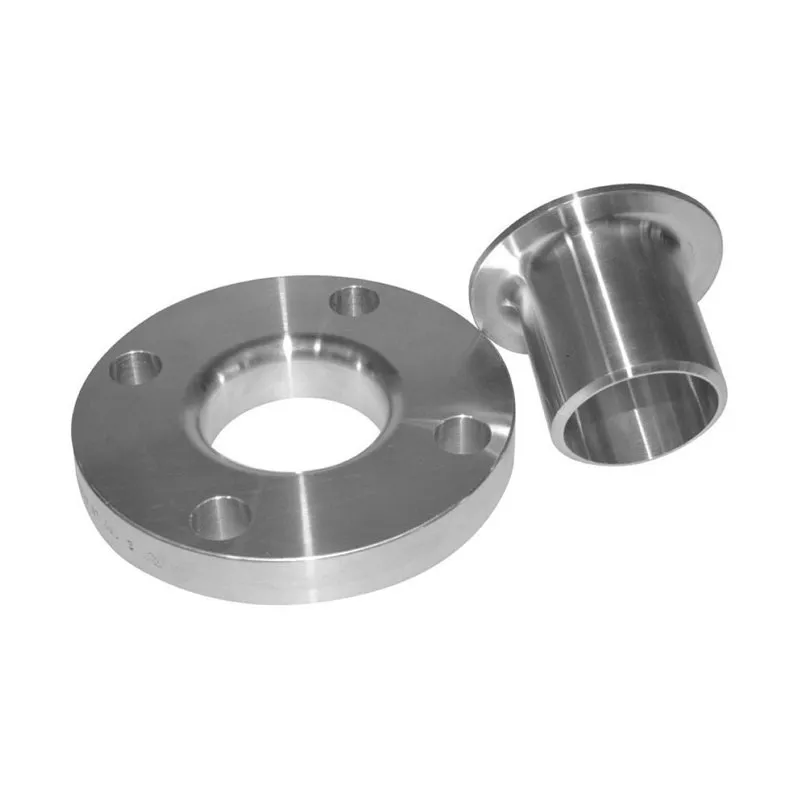 Free ring flanges Class 150
 -
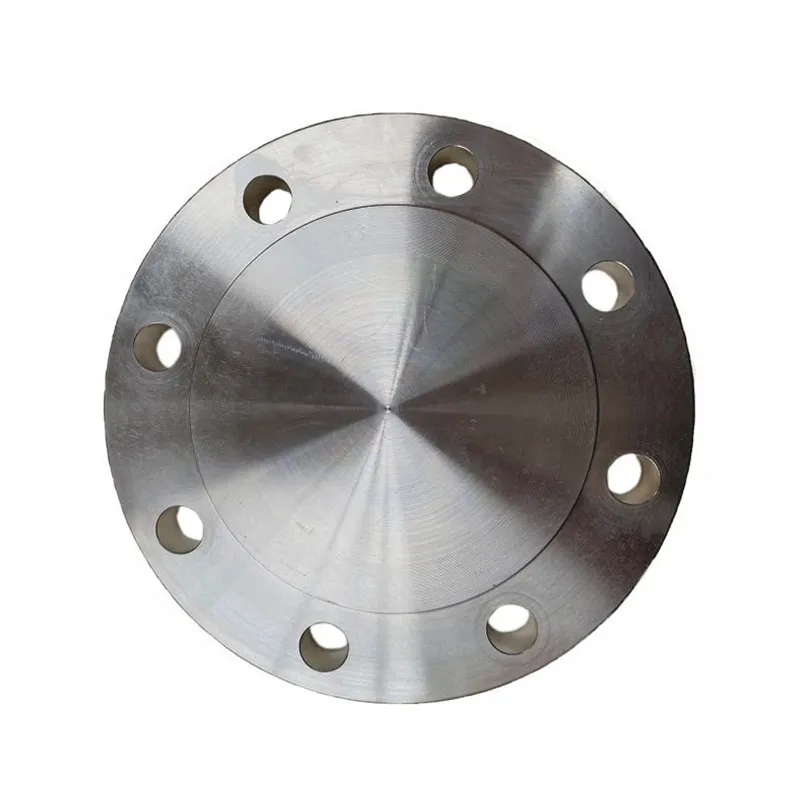 DIN 2527 Blind flanges PN10
 -
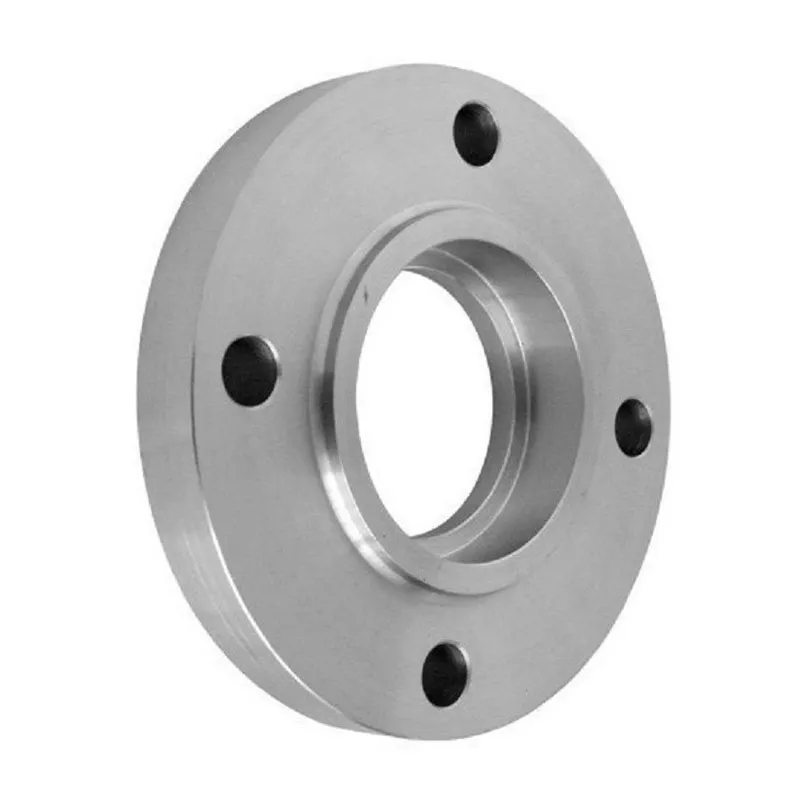 Socket Weld Flanges Class 300
 -
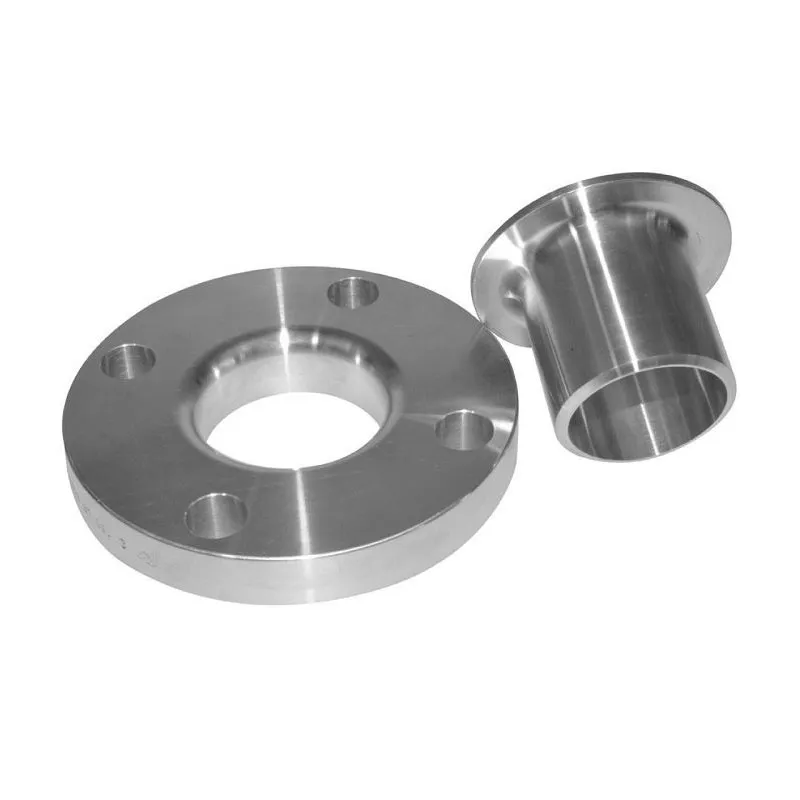 ANSI B16.5 Loose Ring Flanges Class 2500