
-
-
Phone
+86-13623462298



flange rtj
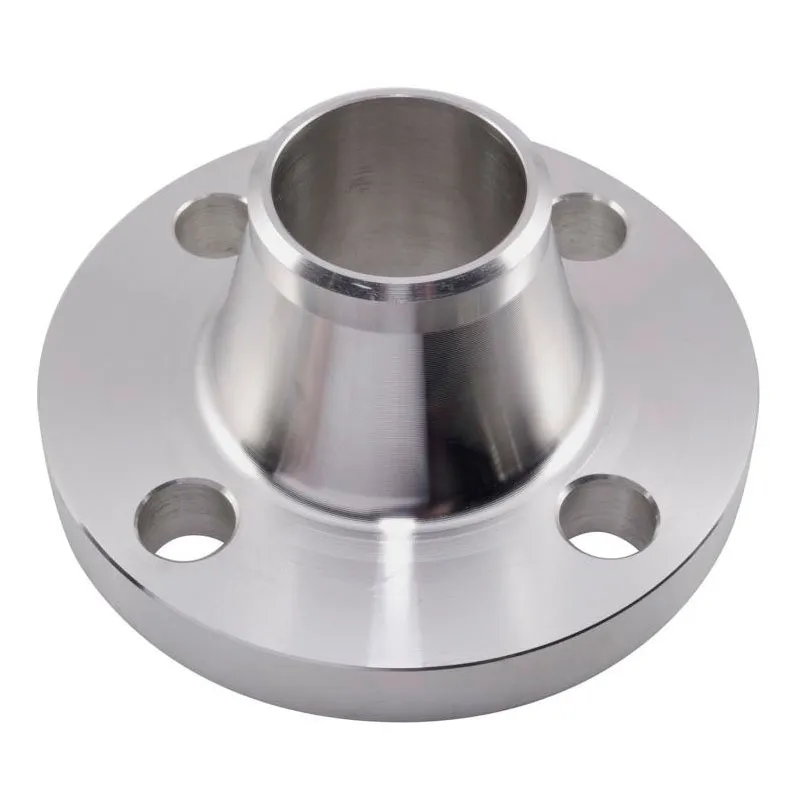
If we talk about RTJ, many people immediately think about high pressure, oil and gas, and rightly so. But here's a detail that's often missed: on its ownflange rtj- this is only half of the system. The key is the pair: flange and ring, and how they work together. I have seen many situations where supposedly compatible components were purchased according to different standards, say, a flange according to ASME B16.5, and a ring according to API 6A, and then they wondered why on the 600th cycle of the “motor ship”? there was a leak. It's not a matter of pressure, but of the geometry of the groove and the hardness of the metal. This is especially critical for arctic applications, where the material behaves differently.
More than just a groove: the anatomy of an RTJ connection
Take, for example, that very groove. Everything is spelled out in the standards, but in practice... Tolerances. Especially on large diameters, from DN600 and above. During heat treatment, the metal “leads,” and if the forging blank was under internal stress, after machining the groove may become slightly elliptical. You can’t see it with your eye, you can’t always check it with a feeler gauge, but during installation the ring will not fit evenly. Compaction will occur, but the cyclic load life will decrease. We once sorted out a failure at a compressor station - this was the reason. The flanges seemed to be according to the drawing, but the forging was not the best from the beginning.
Hence my skepticism towards some “universal” ones. offers on the market. True reliability is born where the manufacturer controls the entire cycle: from ingot to finishing. For example, if you takeflange rtjfrom Shanxi Hongkai Forging LLC (their website ishkflange.ru), then the emphasis is on forging. This does not mean that they are the best in the world, but their position as a manufacturer of forgings from Shanxi, one of the forging centers, gives an understanding: they most likely make the workpiece themselves, and do not outbid. This is already control of the first stage. This is important for responsible nodes.
And more about the rings. They are often ordered separately from third companies. But what if the ring is R-type and the flange is RX? It sounds like an obvious mistake, but in the rush of editing it slips through. Or the material of the ring is softer than necessary, and it simply “flattens”? in the groove during the first hydrotest, without creating elastic contact for the future. In a good way, the flange and ring should be from the same manufacturer or at least tested as a pair.
Material: not only the grade of steel, but also its history
Everything is written in the catalogs: A105, F304, F316, F22. But what is it made of? Electric arc remelting, vacuum processing? For standard conditions, maybe not so critical. But when it comes to hydrogen sulfide-containing environments (sour service), every element in the chemical composition counts. Too much sulfur or phosphorus and the risk of stress cracking increases sharply. I have seen flanges made from seemingly correct F316 steel that failed SSC (sulfide cracking) testing. The reason is the microstructure after forging and heat treatment.
This is where I return to full-cycle manufacturers, such as the mentioned Shanxi Hongkai Forging LLC. Their description indicates production according to international standards - these are not just words. To doflange rtjfor the NACE MR0175 standard, not only material certificates are needed, but also heat treatment protocols and low-temperature impact test results. Without your own metallographic laboratory, this turns into a lottery.
In practice, we once installed flanges on a line with associated petroleum gas; the environment is aggressive. Part of the batch was from a trusted European supplier, part was a trial batch from a Chinese manufacturer (I won’t name it). So, after a year and a half of work, pinpoint corrosion pits appeared on the Chinese flanges in the RTJ groove area. The analysis showed the heterogeneity of the structure. Conclusion: the material of the material is different, even if the steel grade coincides with GOST or ASME. You need to look at the origin of the workpiece.
Montage and the curse of the ?green? assemblies
The most common problem on site is not a flange defect, but an installation error. The RTJ connection requires cleanliness. The slightest chip, a grain of sand in a groove - and the tightness is in question. But there is a nuance that is rarely discussed: the tightening torque. It is calculated differently for ring joint flanges than for flat gasket flanges. If you overtighten, you can damage both the ring and the groove itself, especially on large diameters. If you don’t pull it enough, there will be no initial penetration.
We had a case during the installation of a production line: a team, accustomed to working with flanges on flat gaskets, tightened the RTJ connection according to the old pattern, crosswise, but with the same torque. As a result, when pressure testing at 1.5 PN it began to leak. We took it apart - the ring sat crookedly, one side of the groove was deformed. I had to replace both flanges. But it is not the flange that is to blame, but the instructions that were not given or that were not read.
Therefore, for serious projects, I always require from the supplier not only certificates, but also installation recommendations specifically for their products. A good manufacturer such as Shanxi Hongkai Forging LLC, which makes flanges to GOST, ASME, EN and other standards, usually provides such data. On their website you can find a range of products, including loose flanges, blind flanges and products according to customer drawings, and this indicates a willingness to work with non-standard tasks where documentation is key.
When the standard is not a dogma: non-standard solutions
Often design institutes issue a drawing with a flange designation according to, say, ASME B16.5 Class 600 RTJ. That's all. But what if the medium is not just water or steam, but a two-phase flow with abrasive? The standard groove can wear out quickly. In such cases, it is necessary to either increase the hardness of the groove surface by surfacing stellite, or change the geometry to a more protected one. This is already non-standard.
Working with manufacturers who specialize in forgings according to drawings is a lifesaver here. The mentioned company from Shanxi specifically indicates the production of non-standard products as one of its directions. This is not just marketing. One day we were making a transitionflange rtjfrom DN1200 to DN900 for pipeline reconstruction. There is no such thing as standard. We had to develop a strength calculation and take into account additional bending moments. It was important that the forging be solid and not welded (with the possible exception of the neck). And here it is forging that gives the advantage in the uniformity of mechanical properties.
Another example: flanges for cryogenics. The material must maintain impact strength at -196 °C. The standard may require testing, but the manufacturer must be able to provide these tests and provide the results. Without your own laboratory and experience in special steels, this is difficult. Therefore, when you see in the company’s description a range of sizes right up to DN4000 and work with different standards, this hints at a certain scale and technological capabilities that may be in demand for complex orders.
Price issue: where not to save
And the last thing that buyers and engineers always argue about. Price.flange rtj- not a detail on which you can seriously save money without consequences. The difference in price between a conventional and high-quality flange can be 20-30%. But the cost of eliminating a leak at an existing facility, especially on an offshore platform or main pipeline, exceeds this savings hundreds of times. We are talking not only about downtime, but also about environmental risks and reputational costs.
Therefore, my approach: for minor, non-critical lines, different suppliers can be considered. But for components under high pressure, cyclic load, aggressive or low-temperature environments, you need a proven manufacturer with a full cycle and a transparent history of the material. Having a website like yourshkflange.ru, where specialization in forged flanges and forgings is clearly stated, compliance with standards from GOST to JIS is the minimum to start a dialogue. Next you need to request specific certificates, test reports, or better yet, look at the production.
Bottom line, the RTJ flange is a story about the details. About the geometry of the groove, which cannot be appreciated by eye. About the history of steel, which is not visible in the certificate. And about installation, which can negate all the advantages of an ideal forging. You need to choose not by the lowest price in the catalog, but by a combination of factors: production technology, quality control, technical support. And then the metal will really be “silent?” for years, even under pressure.
Correspondingproducts
Related Products
Best Sellingproducts
Best Selling Products-
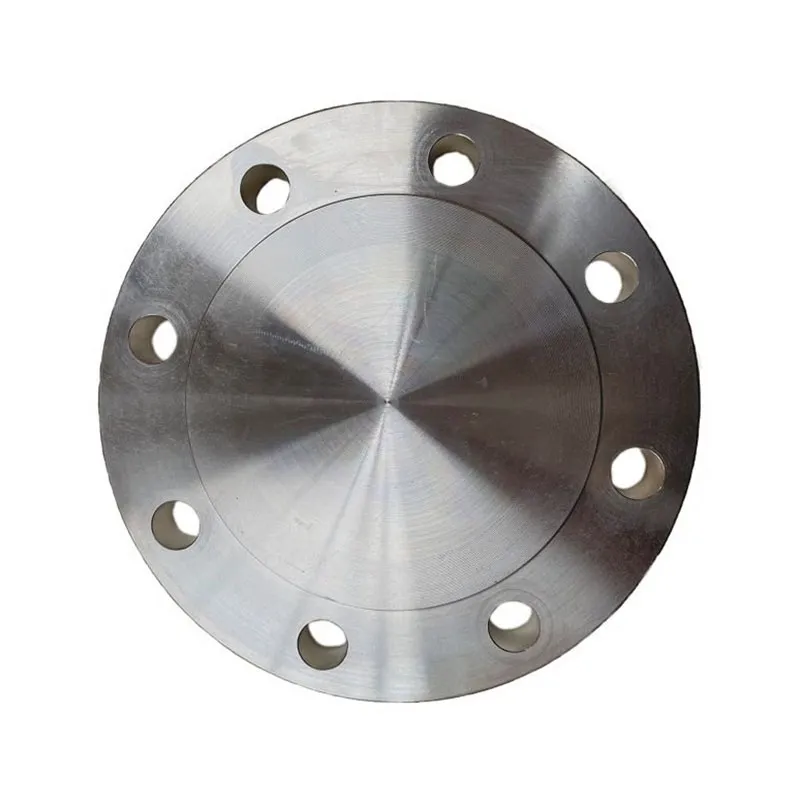 UNI 6092 Blind flanges PN10
 -
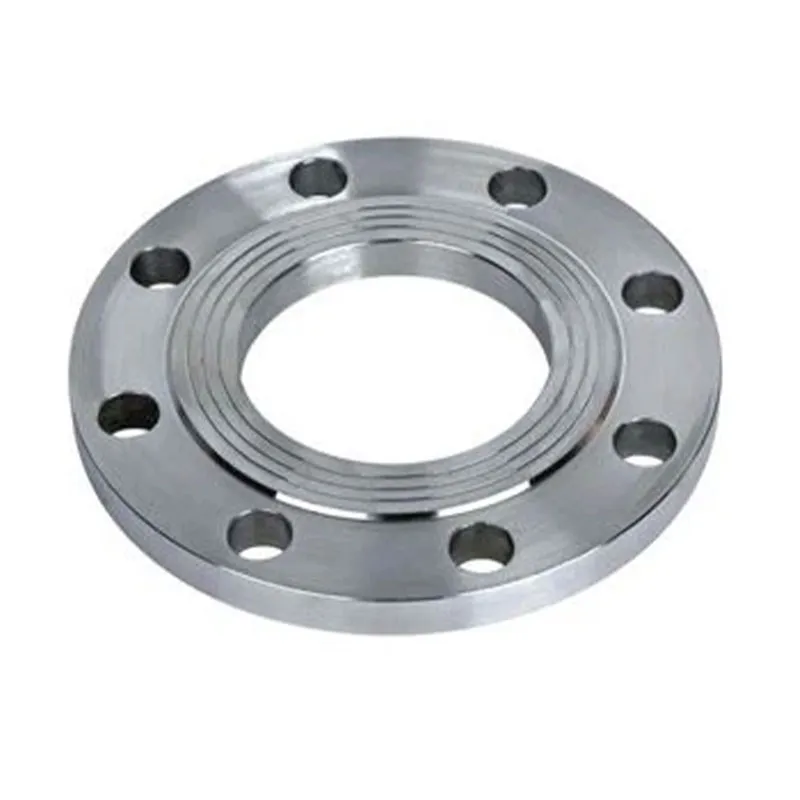 Butt weld flanges Class 150
 -
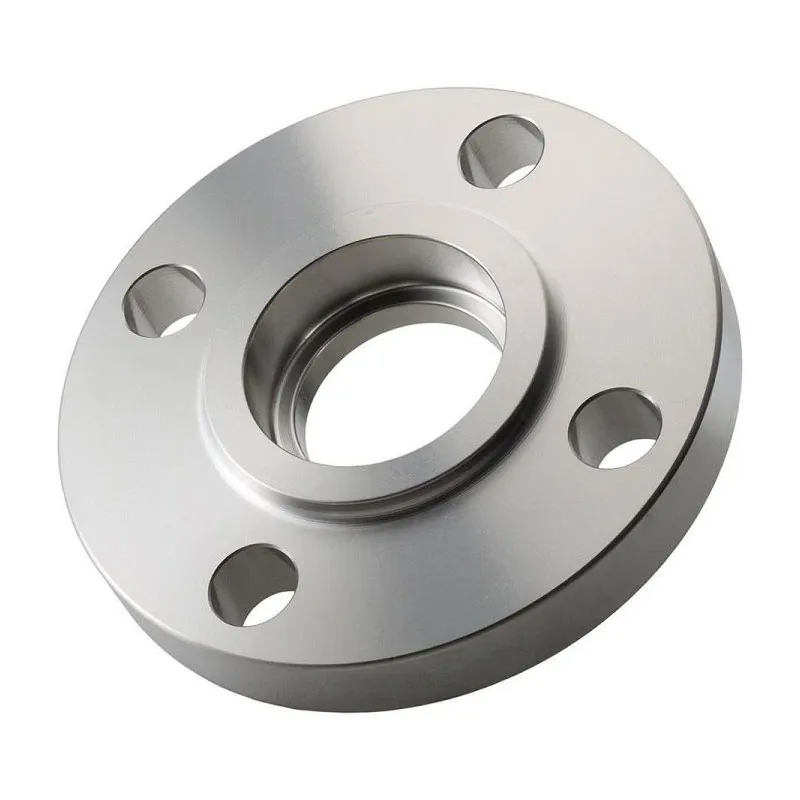 ANSI B16.5 Socket Weld Flanges Class 150
 -
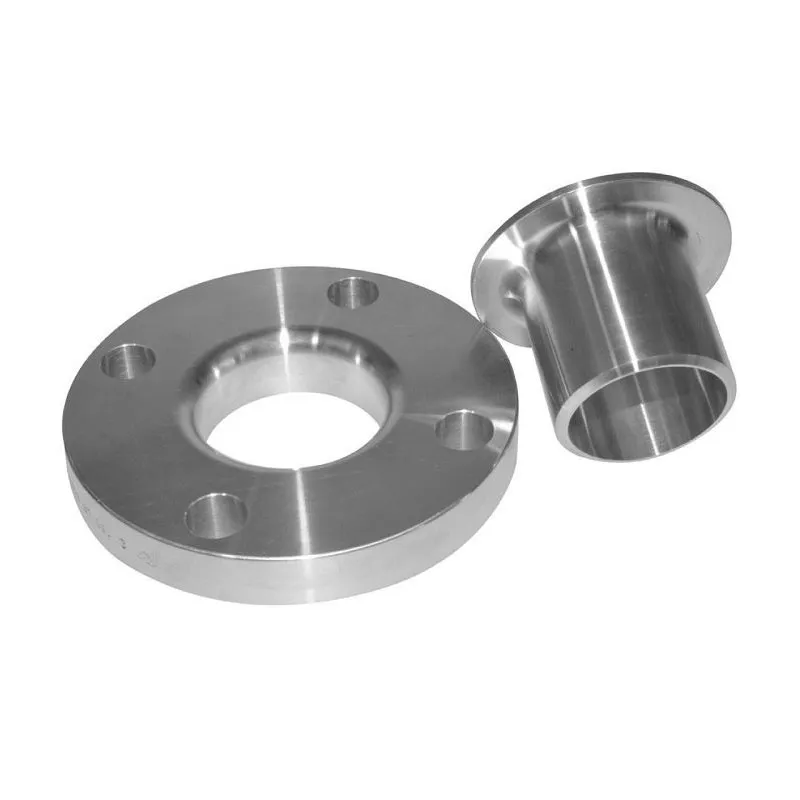 ANSI B16.5 Loose Ring Flanges Class 2500
 -
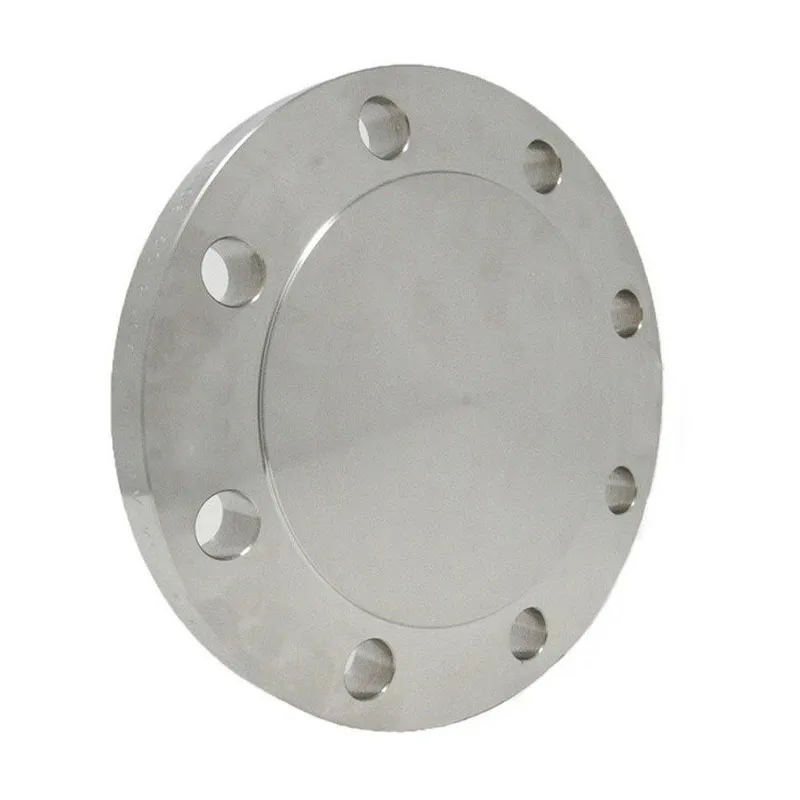 EN 1092-1 Blind flanges Type 05, PN10
 -
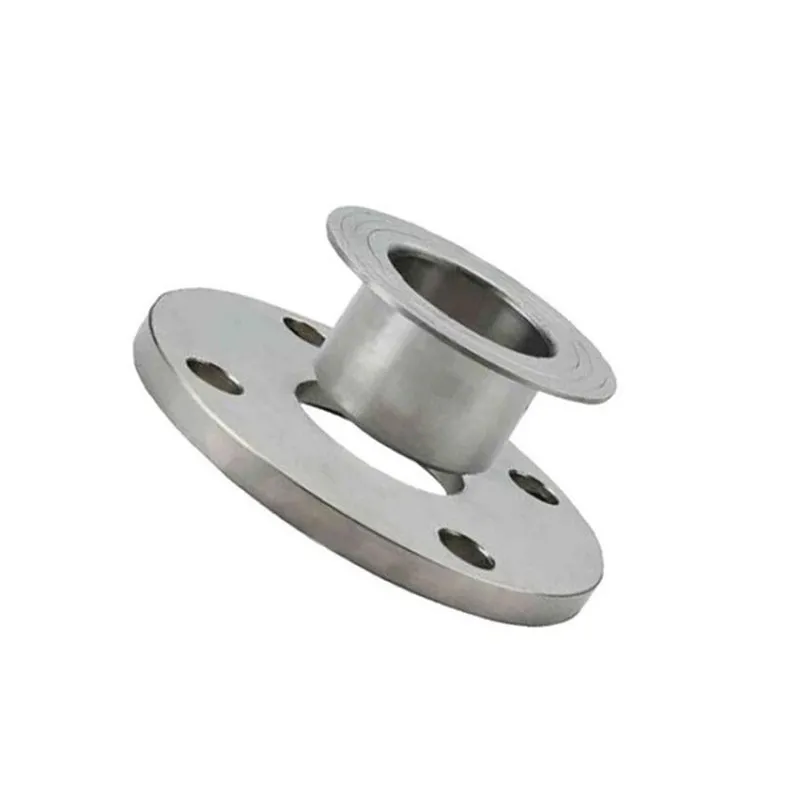 JIS 10K Loose Ring Flanges
 -
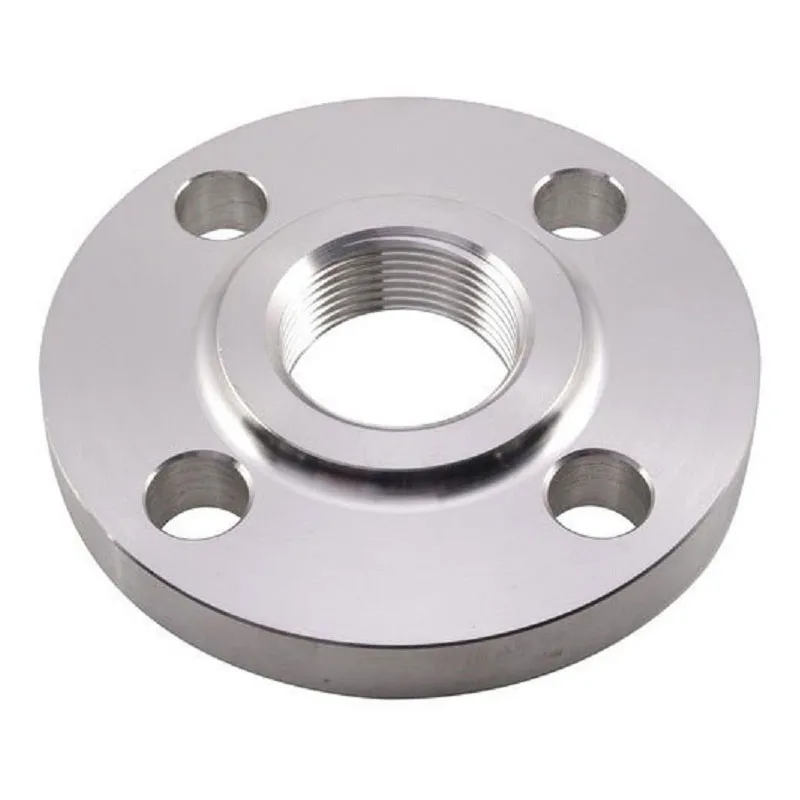 EN 1092-1 Threaded flanges Type 15, PN16
 -
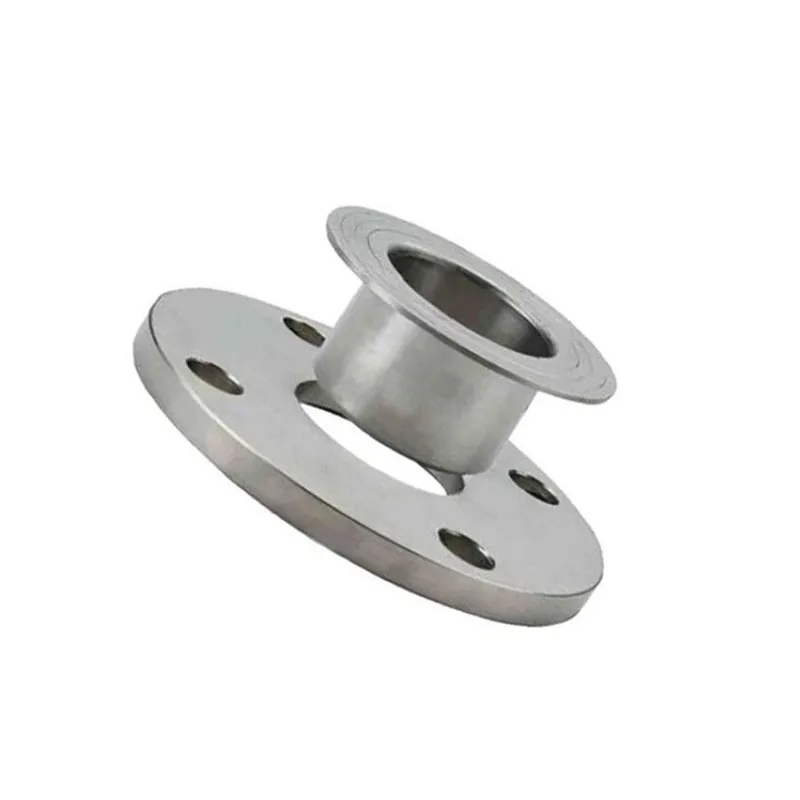 Free ring flanges Class 400
 -
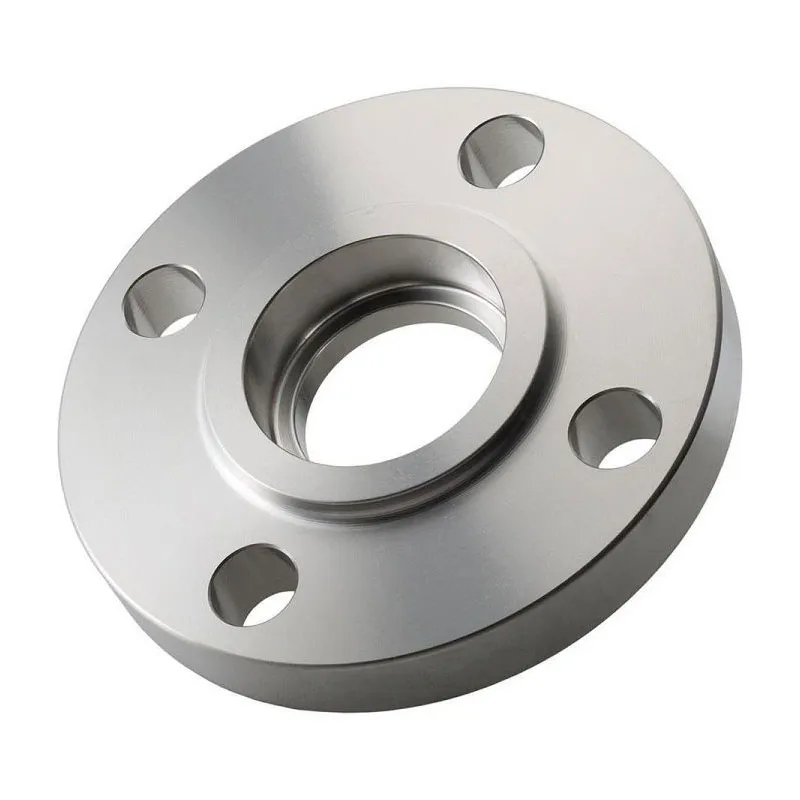 ANSI B16.5 Socket Weld Flanges Class 1500
 -
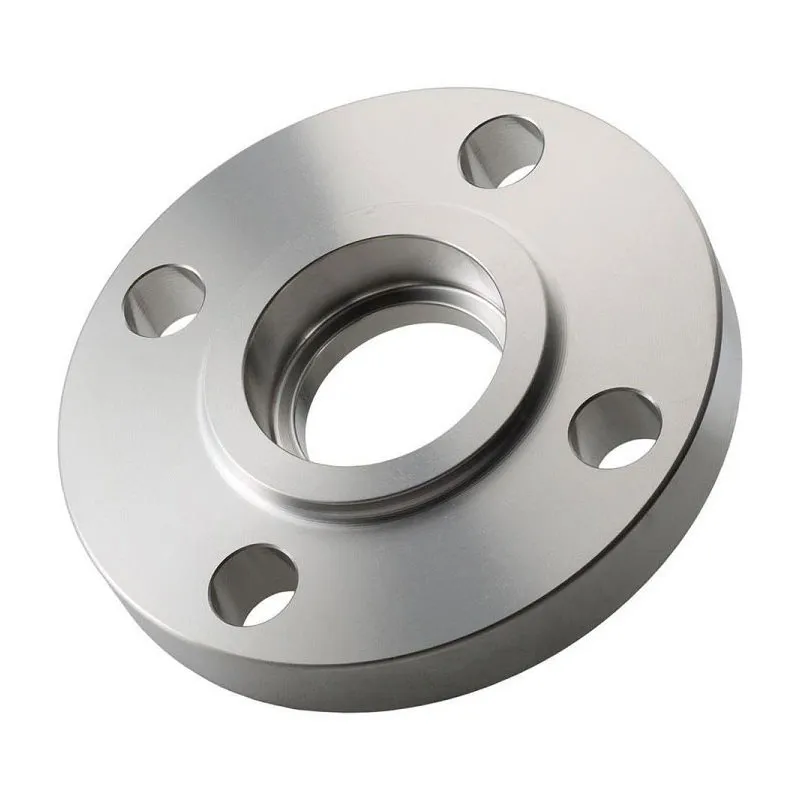 Flanges for socket welding
 -
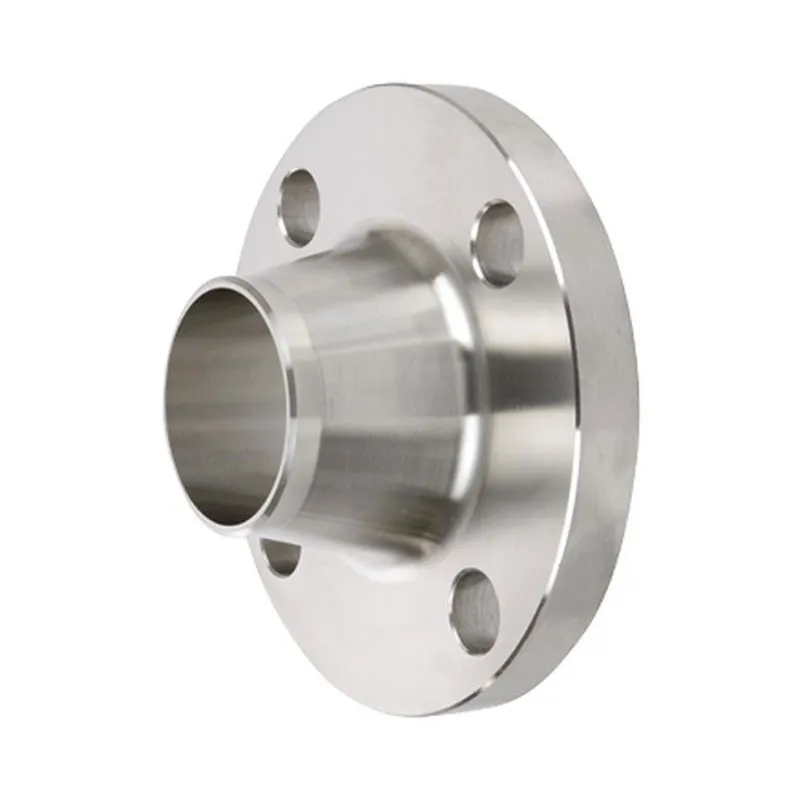 Ser.A Butt Weld Flanges Class 400
 -
 DIN Butt weld flanges PN10