
-
-
Phone
+86-13623462298



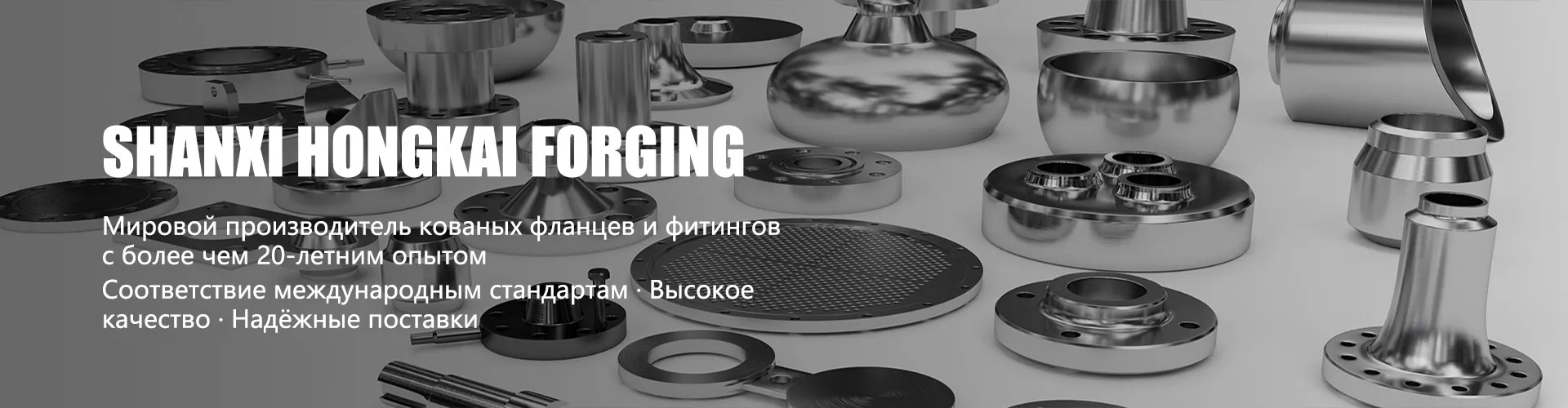
flange 1 50 25
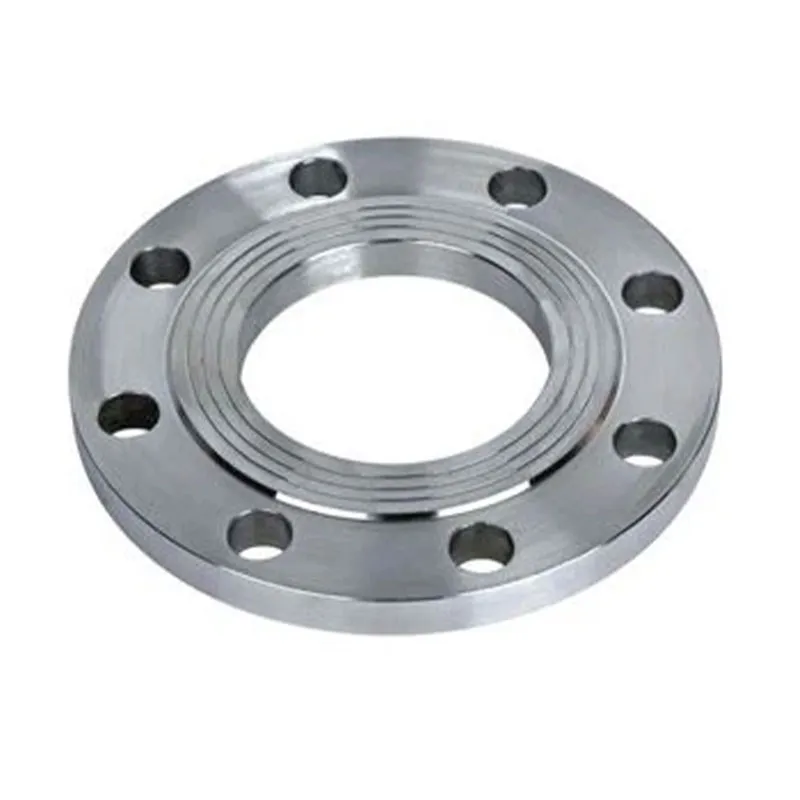
When you see “flange 1 50 25” in a specification or request, the first thought is - what are these numbers? I’ll say right away that this is not a GOST direct designation, and here many people, especially those new to procurement, get confused. It is often thought that this is some kind of ready-made standard size, but in reality this is most likely an indication of a flange with a nominal diameter of DN 50 and, possibly, a pressure of PN 25, and ?1? - this is a type, say, butt weld. But without a drawing or standard, this is fortune telling. It is because of such ambiguous requests that later problems arise at the site when the wrong thing was delivered.
Why ?1 50 25? - this is not a product passport
Working with suppliers likeShanxi Hongkai Forging Co.,Ltd, understand the importance of clarity. On their websitehkflange.ruit is clear that the products comply with the standards: ASME, EN, DIN, and of course, GOST. There is such a code? 1 50 25? you won't find it. This is rather an internal, short designation in the project that needs to be deciphered. Let's say ?1? - this is type 01 according to the catalog, that is, a flat welded flange. ?50? — this is DN 50. ?25? — nominal pressure 25 bar, which can correspond to PN 25 according to GOST 12820 or EN 1092-1. But that’s if you’re lucky with the interpretation. What if this pressure is in ASME classes? There are already different numbers.
I had a case at one thermal power plant, the site was being repaired. The statement indicated exactly “flanges 1 50 25?”, the purchasing manager, without thinking twice, took from the remainder a batch of flat welded flanges for DN 50 according to GOST 12820-80 for Ru 25. They brought it, and there was a system according to ASME B16.5, and they needed flanges with holes for bolts not 4, but 8, and the diameter of the bolt circle was completely different. I had to urgently look for a replacement. That’s when we turned to manufacturers who work according to different standards, such asShanxi Hongkai Forging Co.,Ltd, which manufacture forgings and flanges according to international standards, including GOST and ASME. Their advantage is that they can specify it according to the drawing and make it exactly to fit the system.
Therefore, my rule now is: any such cipher is ?1 50 25? is just a starting point. It is necessary to require a complete standard, a drawing, at least a sketch with the dimensions of the mounting surfaces, the diameter of the centers of the bolt holes and the type of seal. Without this, the order is a lottery.
Key parameters hidden behind the numbers
Let's break it down. Number ?1?. In conditional catalogs, it can mean version 1 according to GOST 12815-80 - that is, a flange with a connecting projection. Or, as I already said, the type is butt welded. But this is only for the GOST line. If the system is European, then you need to look at EN 1092-1, type 11. Complete confusion.
?50? - this seems clear, DN 50. But the outer diameter of the flange, thickness, bolt circle diameter - they will already be different for PN 6, PN 10, PN 16, PN 25 and so on. For DN 50 at PN 25 the flange thickness will be the same, and at PN 40 it will be greater. And if the project specifies a pressure of 25 bar, but with a margin, they can also indicate class 40. Again, mismatch.
?25? - the most insidious. This may be PN 25 (2.5 MPa) according to the European standard. And in GOST ?ru? this is Ru 25. It seems to be the same, but the geometry of the design according to GOST and EN is different - different sealing surfaces, sometimes different rounding radii. For responsible nodes this is critical. Manufacturer seems to beShanxi Hongkai Forging, judging by the description, it just covers this range, making products from DN15 right up to DN4000, and according to different standards. This is important when you need versatility or delivery for a specific, non-standard project.
Experience with non-standard and standard supplies
In installation, problems most often arise at the interface of systems. Let's say the old equipment is Soviet, with GOST 12820-80 flanges. A new pump was delivered - with DIN 2635 flanges. Both for DN 50, both for nominal pressure 25. But the connecting dimensions are different! An adapter is needed. Or change the flange on the equipment. This is where manufacturers come to the rescue, taking on the task of manufacturing according to drawings. On the websitehkflange.ruit is expressly stated that the company makes non-standard products according to customer sketches. This is not an advertisement, but a statement - for practitioners, this option saves time.
I remember that it was necessary to adapt a flange with a nominal bore of 50 for a non-standard heat exchanger, where the seating surface was beveled in a special way. We took a flat welded flange on Ru 25 as a basis, but changed the thickness and angle of the chamfer according to the drawing. We made a forged version - for reliability, because cast ones are not always suitable for such parameters; there are shells. Forging, like that of the mentioned manufacturer, gives a better metal structure. It worked out, but it took a lot of time to get approvals.
Conclusion: if you see ?flange 1 50 25? in an old-style project, most likely it is GOST, flat welded, DN 50, RU 25. But today's reality is a mix of standards. Therefore, the application must indicate the maximum: standard (GOST, ASME, DIN), type, DN, nominal pressure, material (St20, 09G2S, stainless steel), type of sealing surface (protrusion-recess, tongue-groove, etc.). Only then will the delivery be accurate.
Materials and Technology: Why Forging Matters
Behind the numbers ?1 50 25? There is also the issue of material. For Ru 25, the steam pipeline already requires steel that is resistant to temperatures, for example, 15Х5М or 12Х18Н10Т. And for water at room temperature - St20 or 09G2S. If only the standard size is indicated, but the material is not specified, this is a defect in the preparation of the specifications.
Here again I will turn to the example of a forging manufacturer.Shanxi Hongkai Forging Co.,Ltdis positioned as a manufacturer of forged flanges. This is an important point. For critical applications, especially in the energy and petrochemical industries, often the technical specifications directly require a forged blank, rather than cast or cut from a sheet. Forging improves mechanical properties, removes segregation, and increases resistance to impact loads and cyclic pressures. For the same flange on a DN 50 and a pressure of 25 atmospheres in a dynamic system, this can be a decisive factor.
In practice, it happened that for repairs they took a cheaper cast flange (you couldn’t tell the difference from the outside) and placed it on a line with pulsating pressure. Six months later there is a crack along the body of the flange, not along the weld. We sorted it out - the material is cast, the structure is heterogeneous. After this, the facility prescribed in the regulations: flanges for pressure from PN 25 and higher, as well as for temperature environments - only forged ones. Finding such suppliers who specialize in forging has become a priority.
Final recommendations and conclusions for practitioners
So, what to do with the request ?flange 1 50 25?? Treat it as a signal for clarification. Ask technologists or designers for complete data. Check with site standards. If this is a purchase for a new project, immediately decide on the system of standards - will you adhere to GOST, or switch to EN, or is this a project for a foreign customer under ASME.
When choosing a supplier, pay attention not only to the range of sizes (DN15–DN4000, like many large manufacturers), but also to flexibility in working with drawings, availability of certificates for materials, and experience in the manufacture of forged products for heavy-duty operating conditions. Company DescriptionShanxi Hongkai Forging Co.,Ltdas one of the centers of the forging industry in China and a manufacturer according to international standards - these are exactly the criteria that are worth checking on specific cases and reviews.
Ultimately, ?flange 1 50 25? - this is not the name of the product, but a reminder that in our work, details are everything. One incorrect decoding - and downtime, rework, extra costs. Work with clear specifications, require drawings, choose trusted manufacturers who understand the difference between the standards and can ensure the quality of the forging. Then the flange for DN 50, and for any other pressure, will fall into place without problems.
Correspondingproducts
Related Products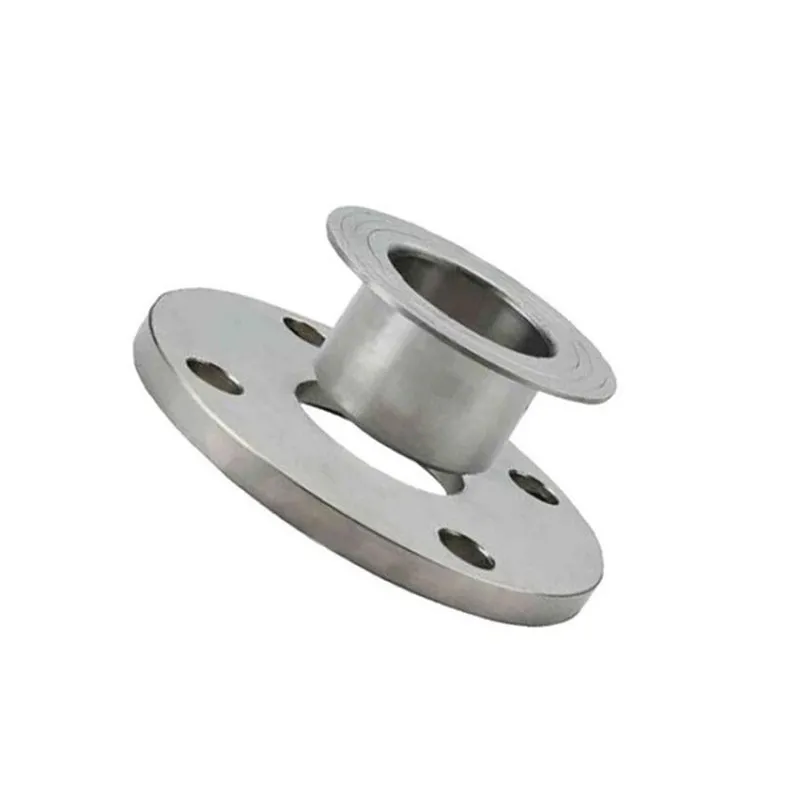
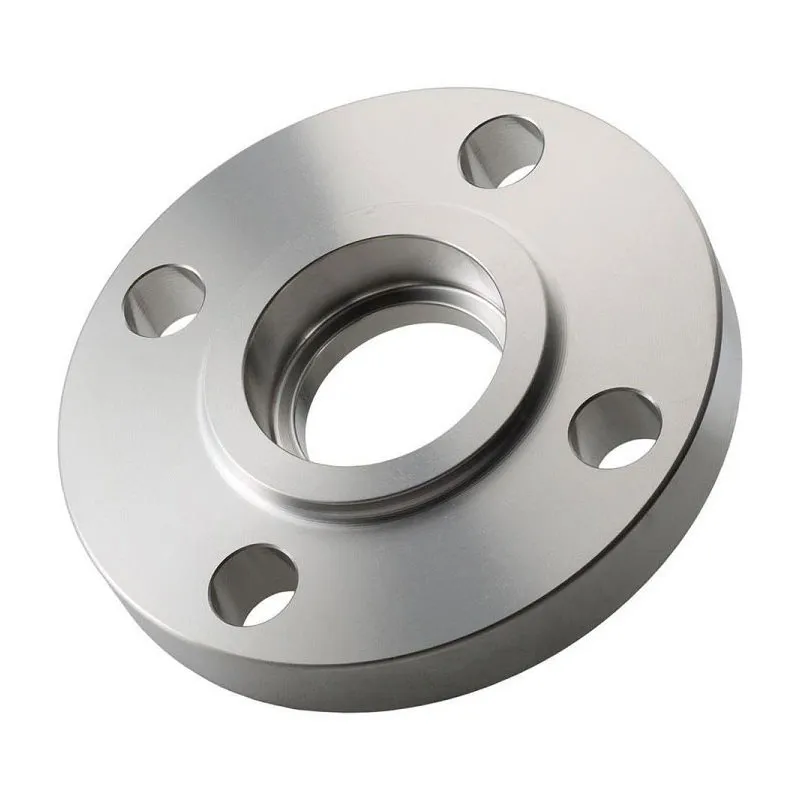
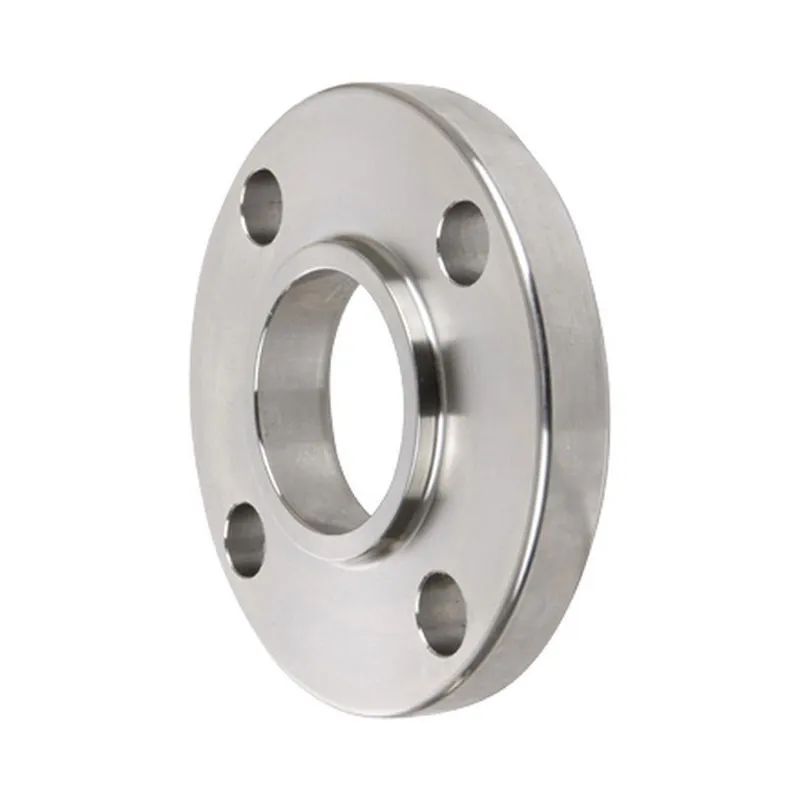
Best Sellingproducts
Best Selling Products-
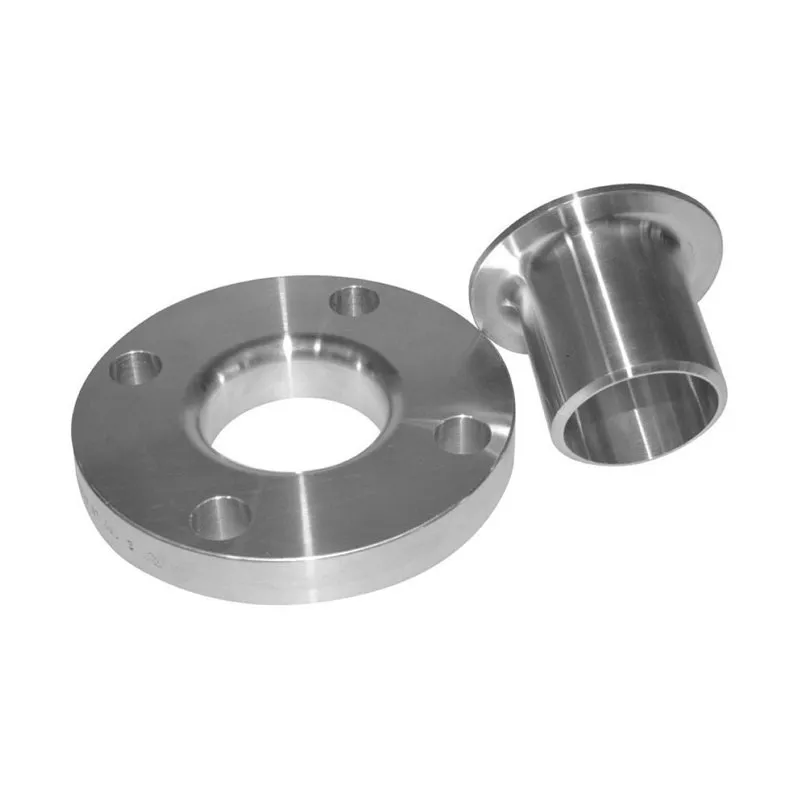 Free ring flanges Class 150
 -
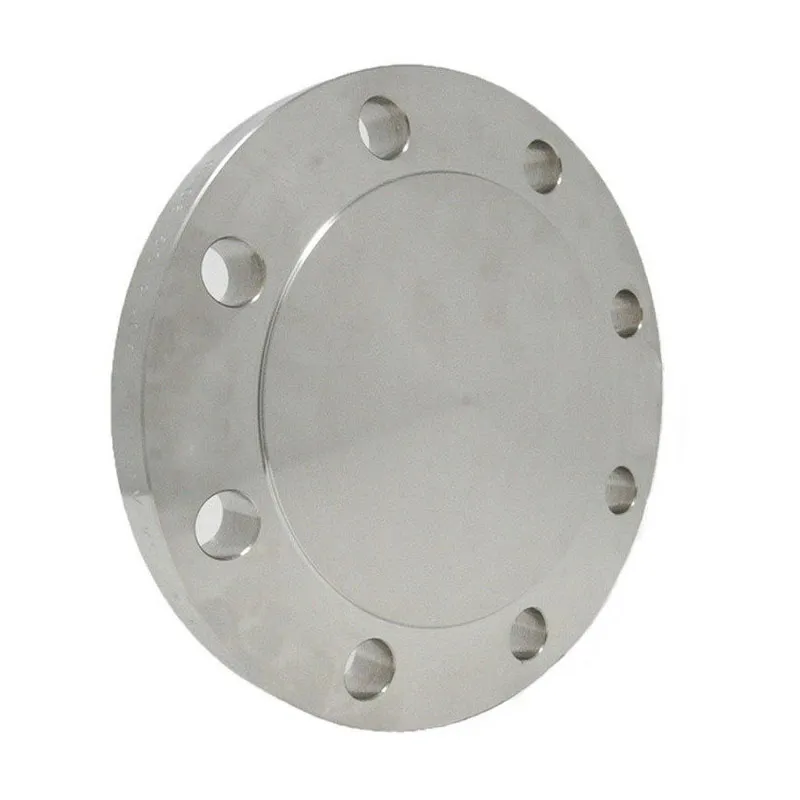 AWWA Blind Flanges Class D (Tables 1, 2, 3)
 -
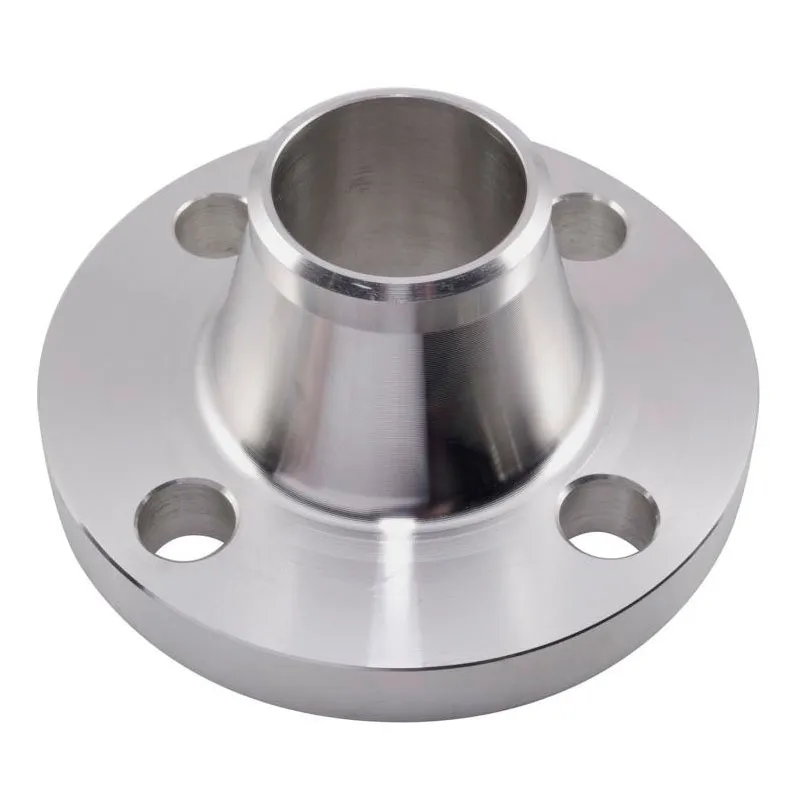 DIN Butt weld flanges PN10
 -
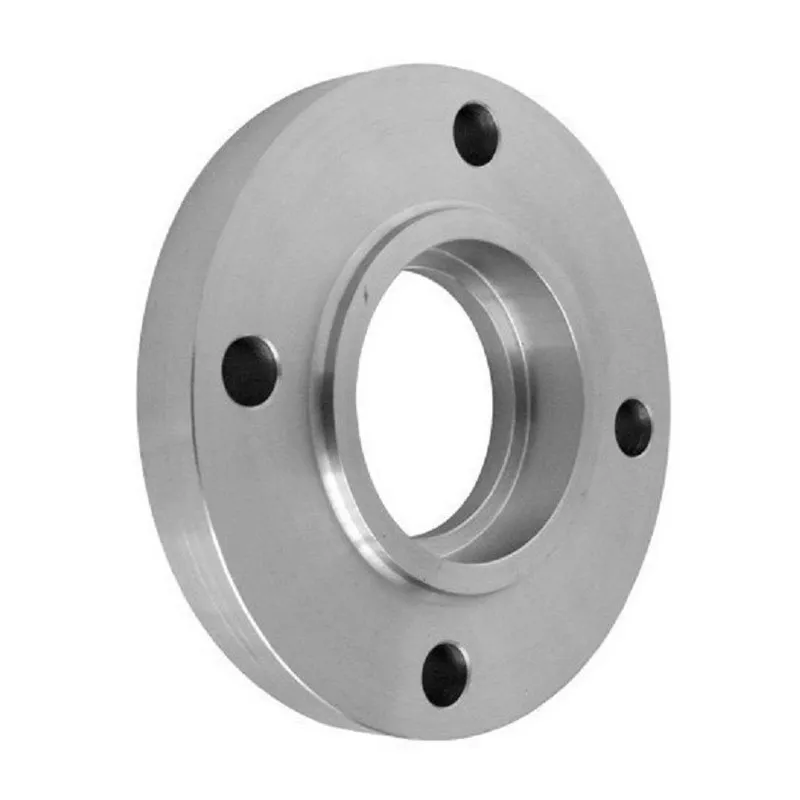 JIS 5K Socket Weld Flanges
 -
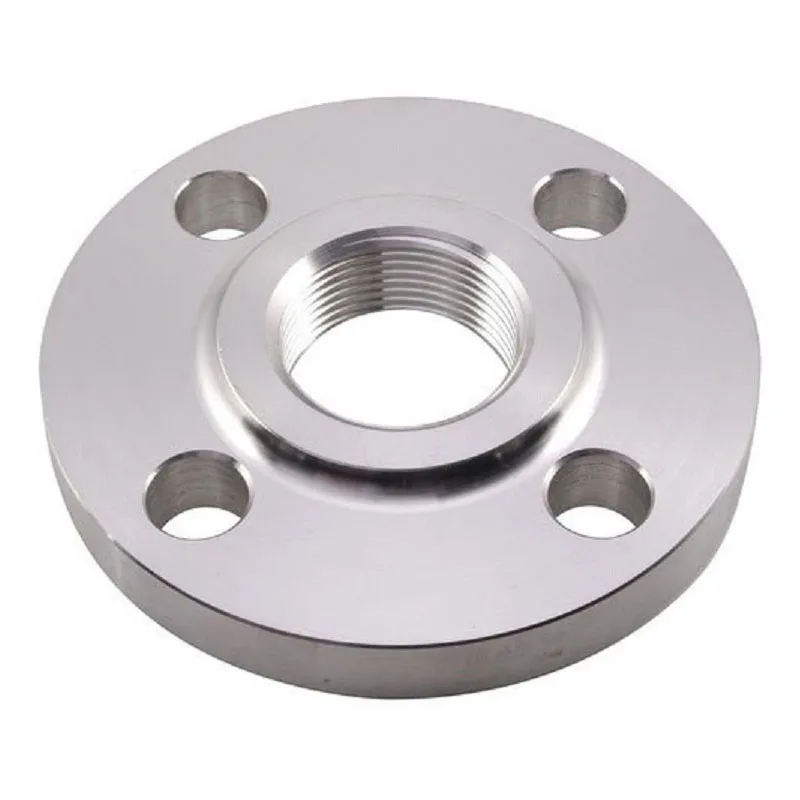 DIN 2566 Threaded flanges PN16
 -
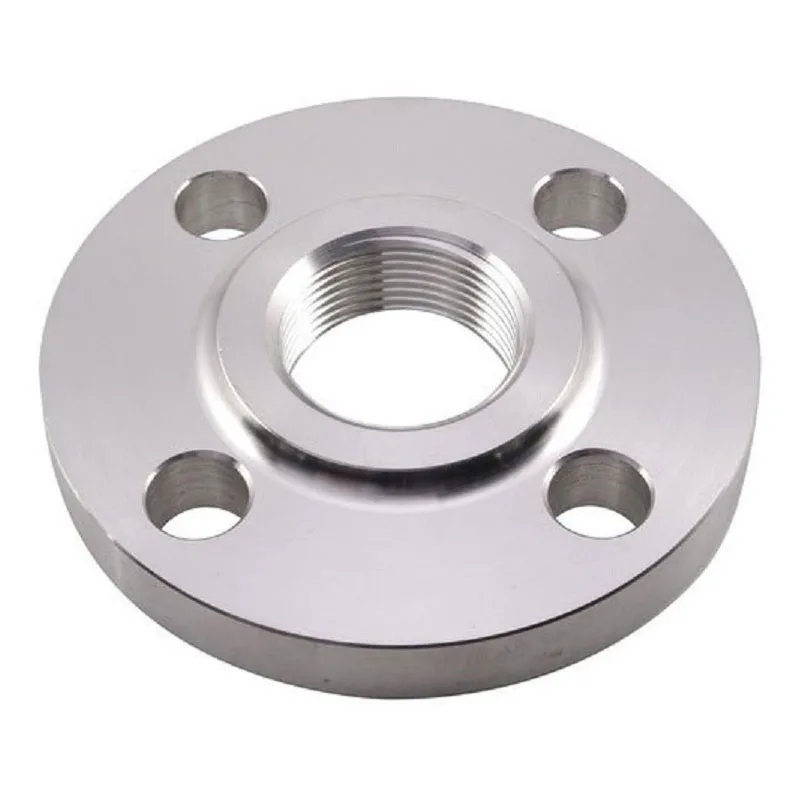 JIS 10K Threaded Flanges
 -
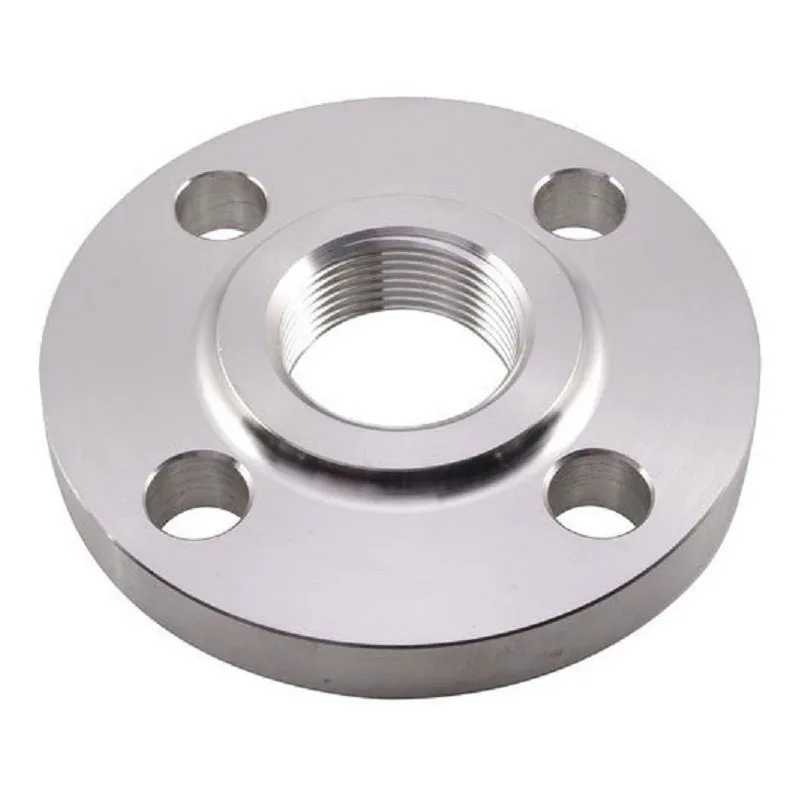 ANSI B16.5 Threaded Flanges Class 600
 -
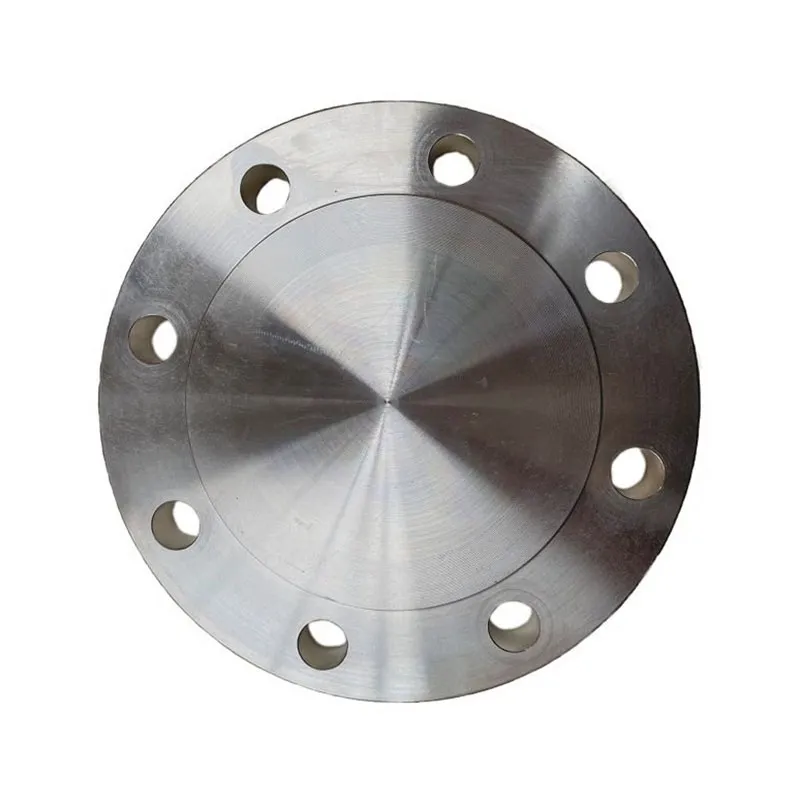 ASME B16.47 Ser.A Blind Flanges Class 400
 -
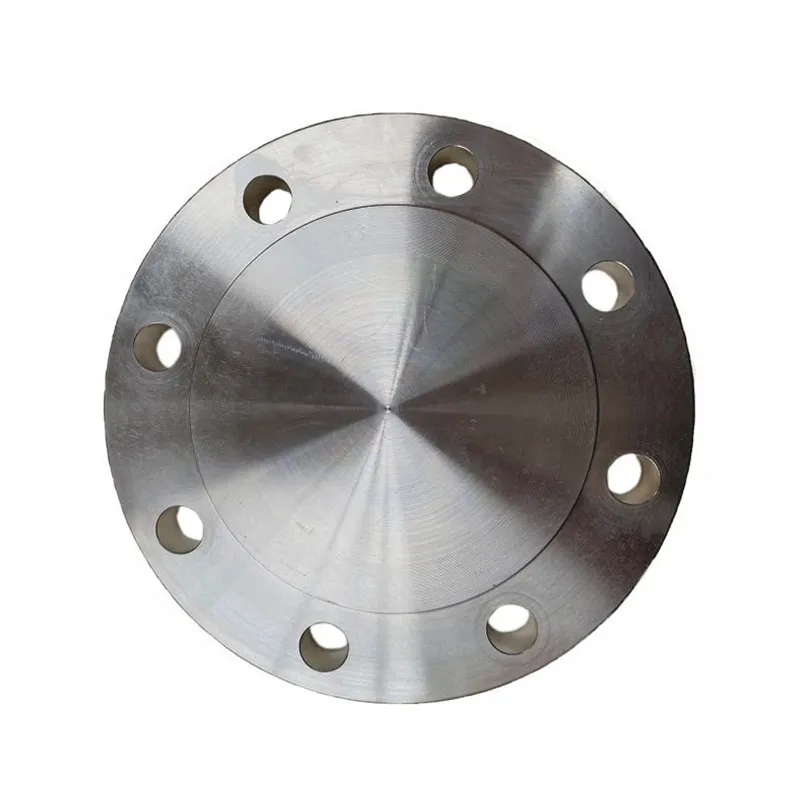 DIN 2527 Blind flanges PN10
 -
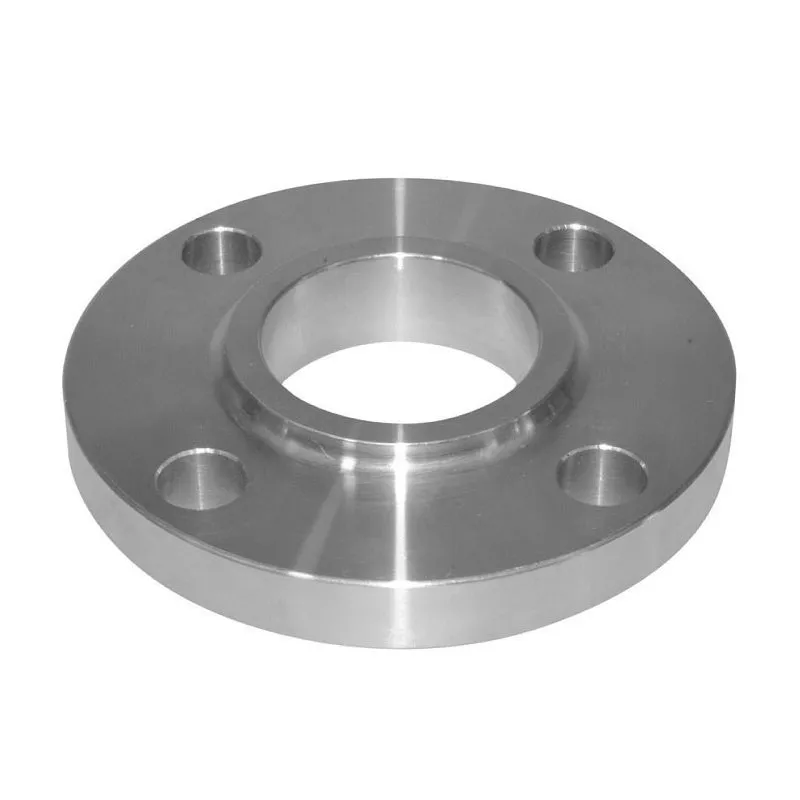 ANSI B16.5 Lap-on flanges Class 1500
 -
 JIS 10K Overlay flanges
 -
 ANSI B16.5 Socket Weld Flanges Class 1500