
-
-
Phone
+86-13623462298



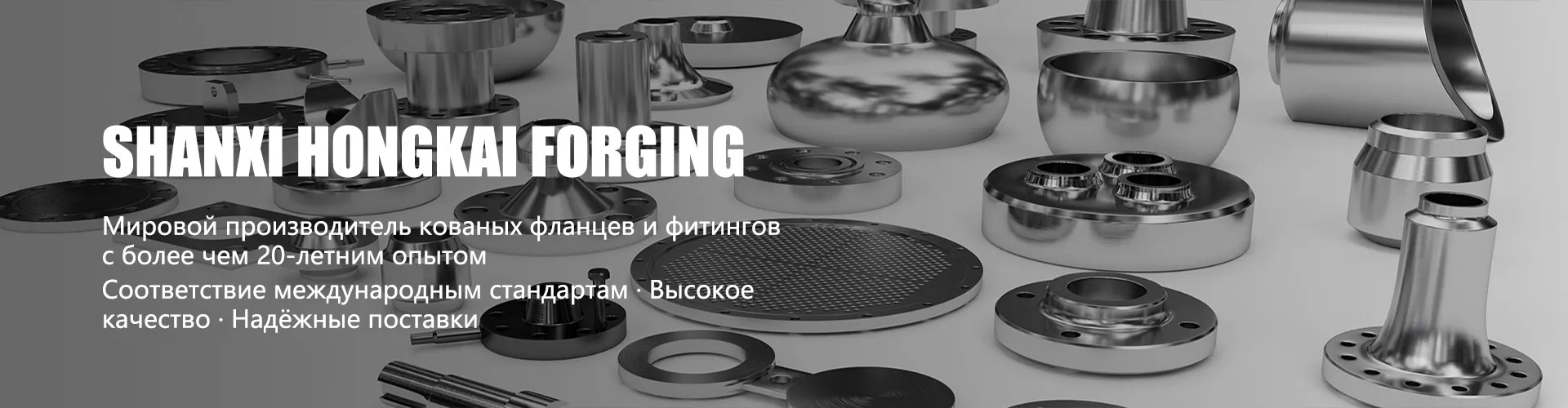
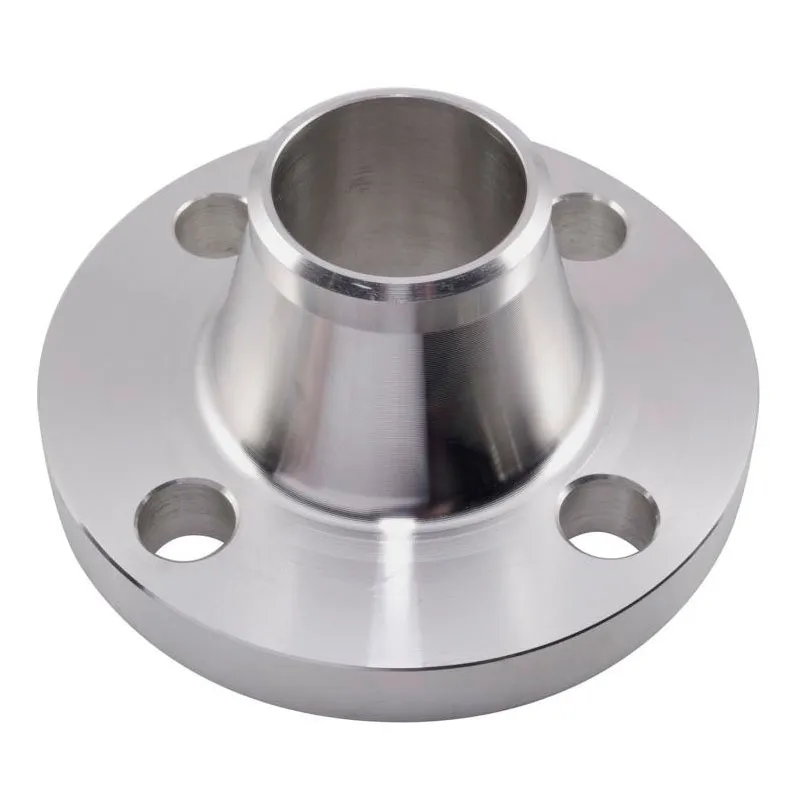
flange DN50 RU16
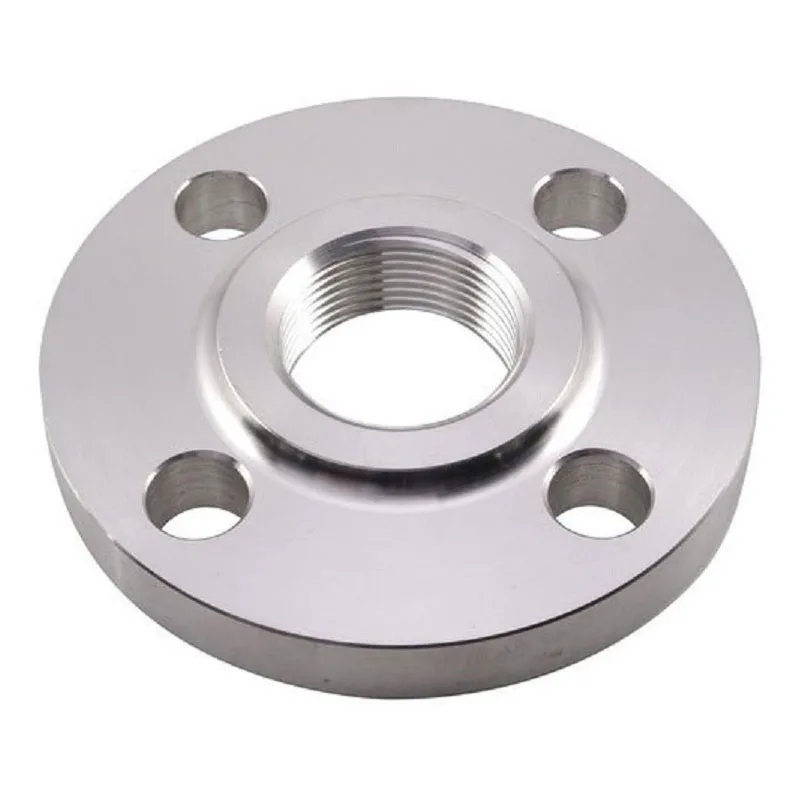
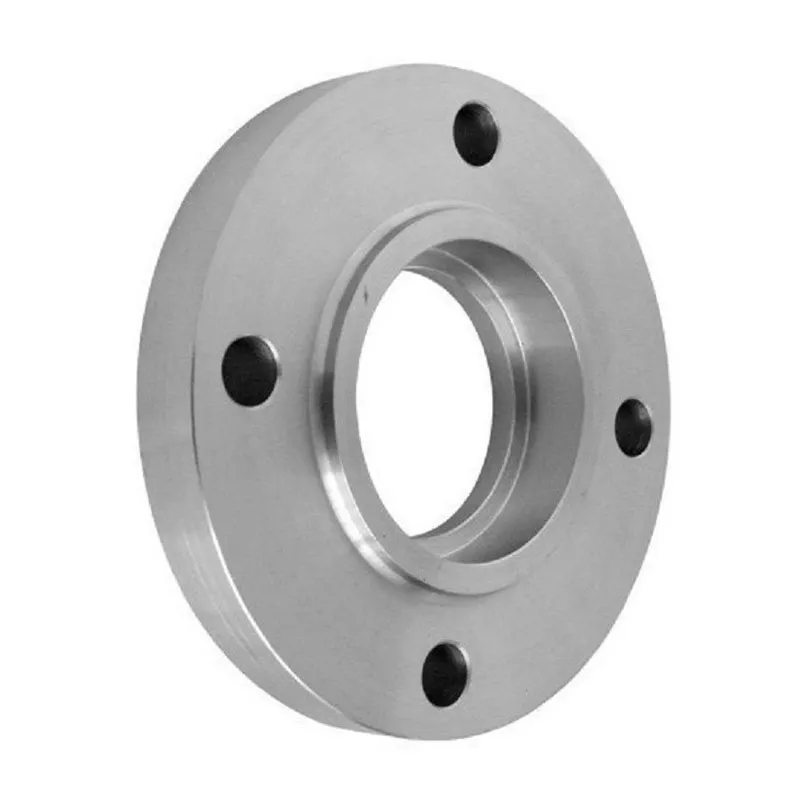
When you hear “flange DN50 RU16”, the first thing that comes to mind is a standard part, nothing complicated. But precisely in this apparent simplicity lies a lot of nuances that cause delays at sites. Many people, especially those who are just starting to work with pipeline fittings, think that since the parameters are according to GOST or ASME, then a product from any manufacturer will shrink the same way. This is the main misconception. In fact, even within the same standard, the geometry of the chamfer, the quality of the surface for the gasket and the accuracy of drilling holes for fasteners can differ radically. And these “little things” then they result in problems with tightness at the junction. I myself have encountered more than once when a flange of DN50 RU16, seemingly ideal according to the passport, began to “leak”. after the very first hydrotests due to micro-irregularities on the sealing surface, which are not visible to the eye, but are critical for a soft gasket.
From drawing to warehouse: where differences are born
Let's take manufacturing for example. Much depends on the original workpiece. Forging, as the main method for critical components, gives a better metal structure compared to casting or cutting from rolled metal. But there are pitfalls here too. Heat treatment technology - annealing, normalization - if not carried out according to the regime, can lead to residual stresses in the material. When installing and tightening the studs, such a flange DN50 ru16 can behave unpredictably, causing misalignment. Once at a thermal power plant I came across a batch where several pieces had a barely noticeable concavity on their mating surface. Upon visual inspection, it seemed normal, but the 0.05 mm probe passed through. We had to remove it and send it for mechanical modification, which disrupted the schedule. The manufacturer, by the way, was not one of the cheapest, but at that time, apparently, there was a failure in the output control.
Therefore, now I always look not only at certificates, but also at the reputation of the plant. For example, there is a manufacturerShanxi Hongkai Forging Co.,Ltd(website -https://www.hkflange.ru). They specialize specifically in forged flanges, which already indicates an orientation towards more demanding sectors. I noticed that their products, including those for the standard series of type DN50 RU16, often have this sealing surface processed more carefully. Apparently, it affects that they work according to a wide range of standards - from GOST and ASME to EN and DIN. When a plant regularly switches between different standardization systems, it inevitably develops a culture of precise adherence to geometry. This is not an advertisement, but an observation from purchasing practice.
And one more thing about the size. Everyone knows that DN50 is a nominal diameter approximately corresponding to the outer diameter of the pipe. But the thickness of the flange, the diameter of the holes (DO) - these parameters can vary depending on the specific pressure standard (Py, PN, Class). Ru16 is a pressure of 1.6 MPa according to GOST (old GOST 12820-80). But if they bring you a flange marked as PN16 according to EN 1092-1, then when paired with GOST, discrepancies in thickness or DO may arise. Confusion happens all the time, especially when project documentation is drawn up carelessly. You have to personally double-check the drawings and order all components from one supplier, who guarantees complete interchangeability within the order.
Editing: theory versus reality on set
They brought a box with DN50 ru16 flanges to the site. According to the passport, everything is clean, material St20, forging. You begin to prepare the knot. The first is visual and manual control. You turn the flange on a flat plate and look at the light. Then, using a test pin (necessarily cleaned of dirt and oil), you check the free passage into all holes. It would seem elementary? But how many times has it happened that the holes are clogged with chips or slightly misaligned, and the pin is tight. If you start to “squeeze” it, you can break the thread in the flange - and that’s it, the part is a waste. And if this happens at a height or in a hard-to-reach place, then the problems multiply.
The second critical stage is tightening. Here many people sin by dragging their hearts out, especially when they are in a hurry. For a flange connection DN50 RU16 with a gasket made of paronite or fluoroplastic, uniform crosswise tightening with torque control is required. I prefer to use a torque wrench, although many projects are still done by eye. The result is flange misalignment, uneven compression of the gasket and a guaranteed leak in the future. I once saw how with such a “blind” While tightening, the flange itself burst along the body, between the holes. The material had an internal defect, and the uneven load revealed it. It’s good that this was revealed at the installation stage, and not during work under pressure.
And of course, surface preparation. They need to be cleaned of paint, scale, and burrs. Sometimes new flanges have a thin layer of preservative grease - this must be removed. This is especially important for soft pads. There was a story during the installation of a production line, where we used flanges fromShanxi Hongkai Forging Co.,Ltd. I note that their products were supplied with clear markings (steel, standard, pressure) and without traces of lubricant on the sealing surface - apparently, immediately after mechanical processing and control they went to packaging. This is a small but pleasant advantage that saves time in preparation for installation.
When standard DN50 Ru16 is not enough
There are situations when a standard flange is not suitable. For example, when working in aggressive environments where stainless steel 12Х18Н10Т or AISI 316 is required. Or when you need to switch to another pressure standard or connection type. This is where manufacturers who take on non-standard products come to the rescue. On the same website hkflange.ru it is clear that the company positions itself as a manufacturer that also works according to customer drawings. In practice, there was a case: a flange with a nominal bore of DN50 was required, but with a pressure of PN25, and even with an additional connecting size for the impulse line. There is no such type in any catalogue.
I had to make a sketch. An important point is that when developing a non-standard flange, even based on Du50 Ru16, you need to very carefully calculate the thickness and design to ensure strength under increased pressure. Simply increasing the thickness is not always the right solution; alignment may be disrupted or difficulties in welding with the pipe may arise. We then consulted with technologists, and in the end we received a product that, after installation, worked flawlessly. The key is the dialogue with the plant, the willingness of their engineers to delve into the task, and not just mechanically transfer the drawing to the machine.
This, by the way, distinguishes a serious manufacturer from an intermediary trading company. The latter most often offers only what is in stock, and when ordering it comes with long lead times and incomprehensible quality. When you work directly with a factory, such as Hongkai Forging, which is one of the main centers of the forging industry, you have more confidence that your specific material, heat treatment or inspection requirements will be understood and met. This is especially true for forgings for critical objects.
Inspection and acceptance: what is worth taking a closer look at
Accepting flanges is not just about checking the markings on the delivery note. I always ask to provide a full package of documents: a certificate of compliance with the standard (for example, GOST 33259), a certificate for the material (chemistry, mechanical properties), ultrasonic testing results (especially for forgings), if this is specified in the order. For general purpose flanges DN50 RU16, an ultrasonic inspection may not be required, but for critical components it is required.
The simplest on-site instrumental control is a caliper and a micrometer. You measure the main dimensions: outer diameter, thickness, diameter of the holes, diameter of the holes themselves. There are tolerances according to GOST, but they are small. If you see deviations, especially in DO, this is a red flag. Such a connection cannot be assembled normally. Another life hack is to attach two flanges from the same batch with their sealing surfaces facing each other. They should fit snugly over the entire plane without wobbling. If there is a gap, there is a problem with the geometry.
And of course, inspection for visible defects: holes, nicks, cracks, especially in the neck area of butt-welded flanges and around holes. Even a small crack is a path to failure under cyclic load. One day I found one exactly like this on a Du50 Ru16 flange, purchased at a low price from an unknown supplier. Since then, the principle “the miser pays twice” in relation to pipeline fittings, these are not empty words for me.
Bottom line: not a part, but an element of the system
Ultimately, a DN50 RU16 flange is not just a piece of hardware with holes. This is a key element of a detachable connection, on which the reliability of the entire pipeline section depends. His choice cannot be trusted only by the price list. You need to understand in which system it will work (water, steam, aggressive environment), what the installation and operating conditions are.
Experience suggests that savings of 10-15% on the part itself often results in multiple costs for rework, equipment downtime, or, worse, an accident. Therefore, I always lean towards trusted suppliers who are transparent in their production, be it a large Russian plant or a specialized Chinese manufacturer likeShanxi Hongkai Forging Co.,Ltd, whose products and range from DN15 to DN4000 speak of serious power and competence in forging.
The main conclusion that can be drawn is that working with such seemingly standard things requires no less care than with complex equipment. You should always use your head, check, double-check, and don’t be shy to ask questions to the manufacturer. Because what’s at stake is not just the job done, but its safety and durability. And this, in our profession, is the main priority.
Correspondingproducts
Related Products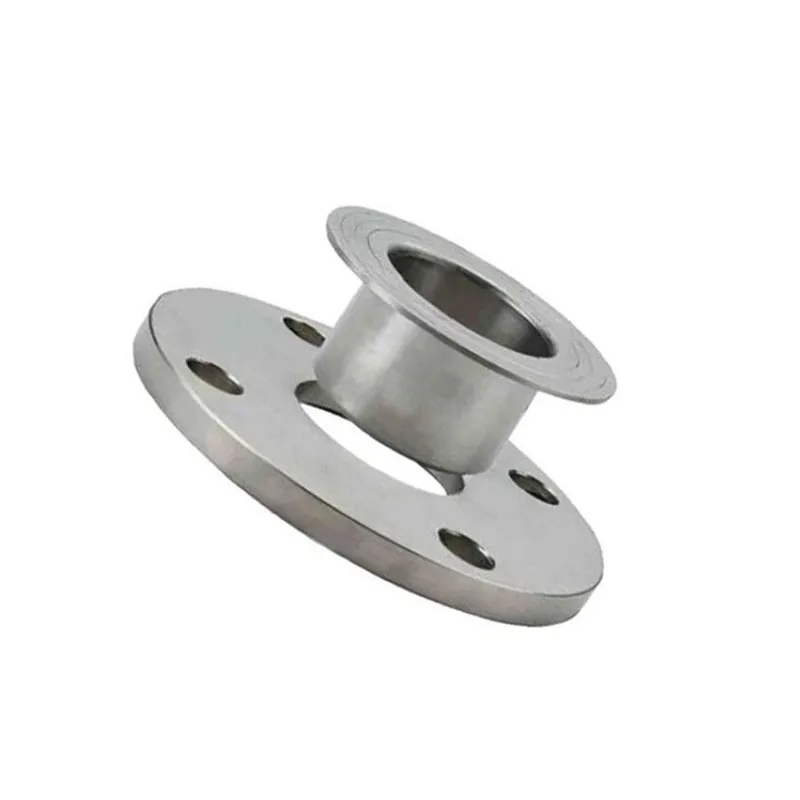
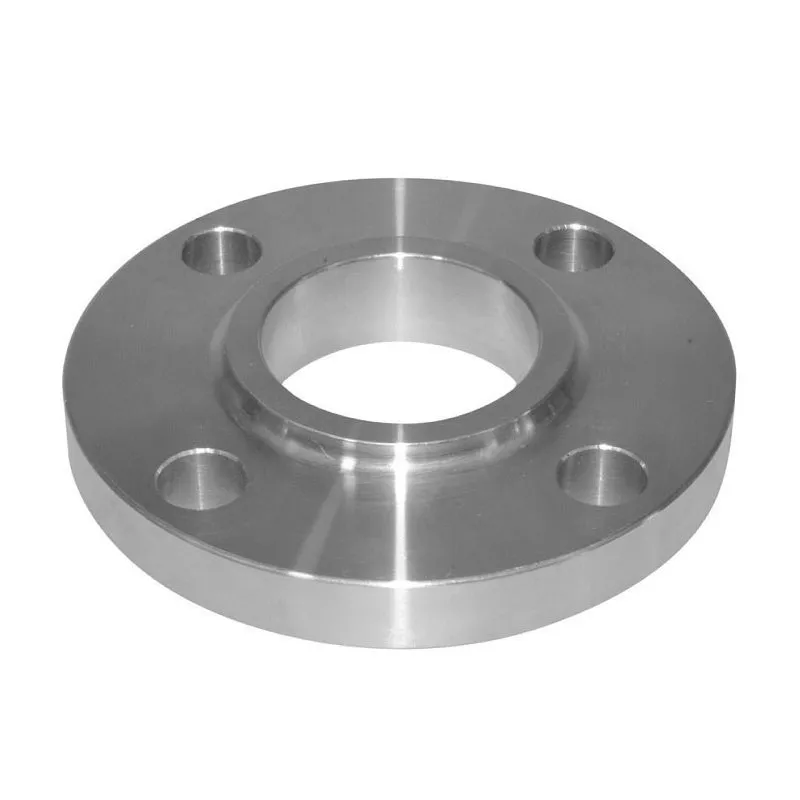
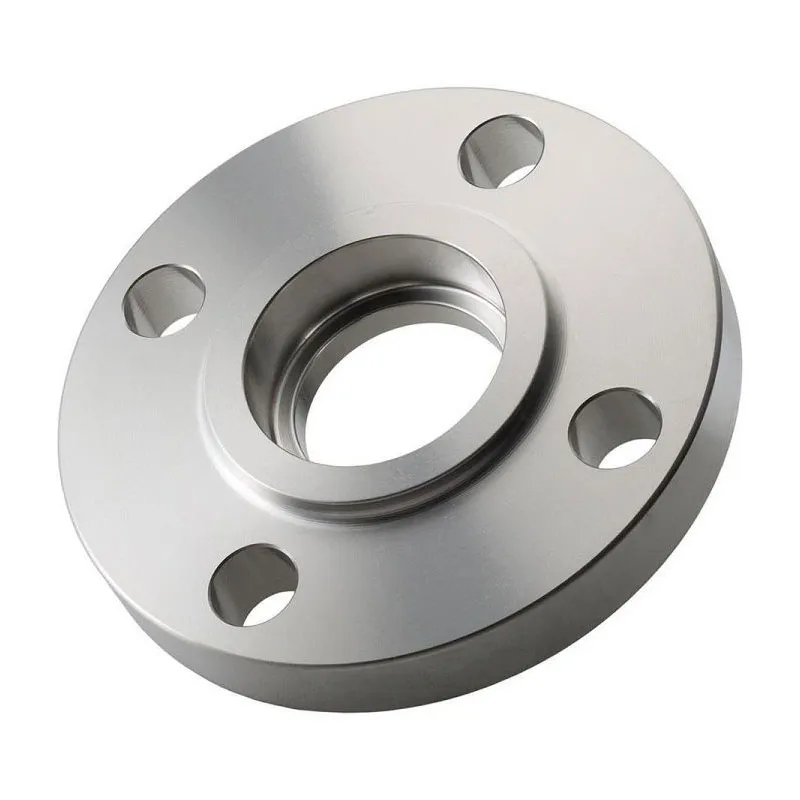
Best Sellingproducts
Best Selling Products-
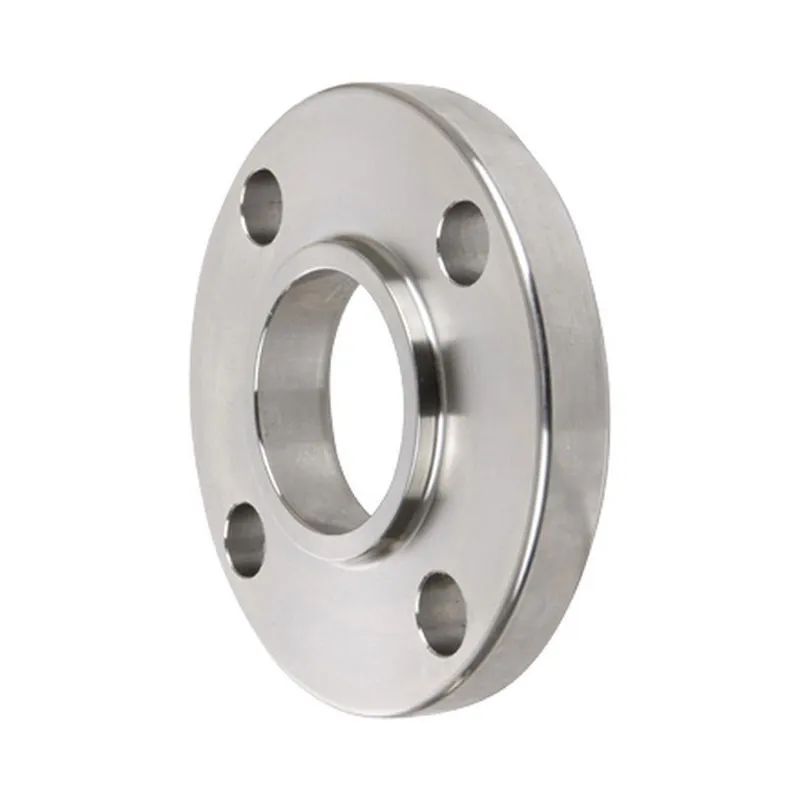 DIN 2501 Overlay flanges PN16
 -
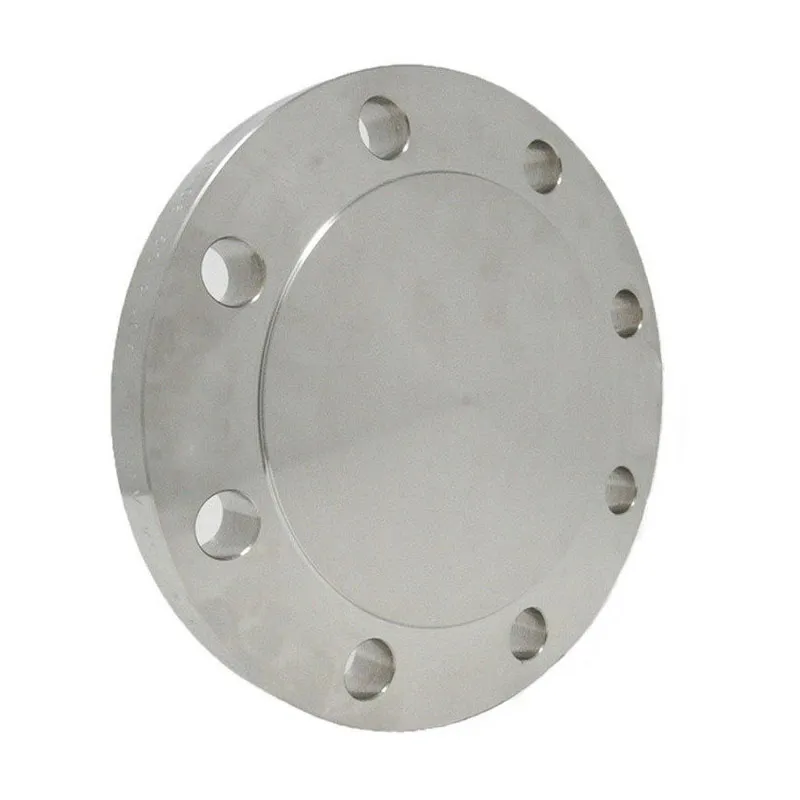 Blind flanges Class 150
 -
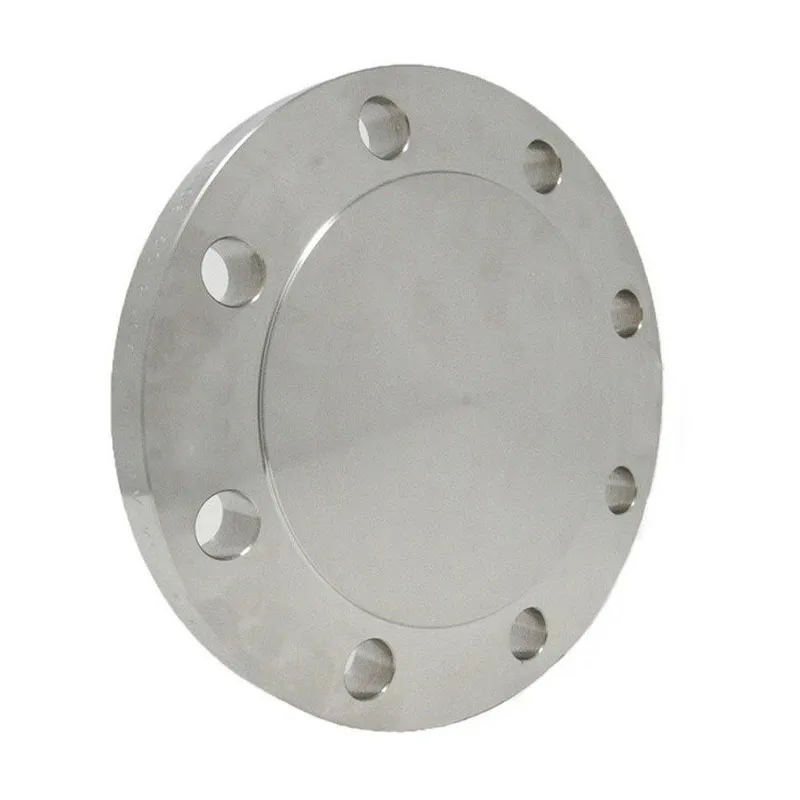 EN 1092-1 Blind flanges Type 05, PN10
 -
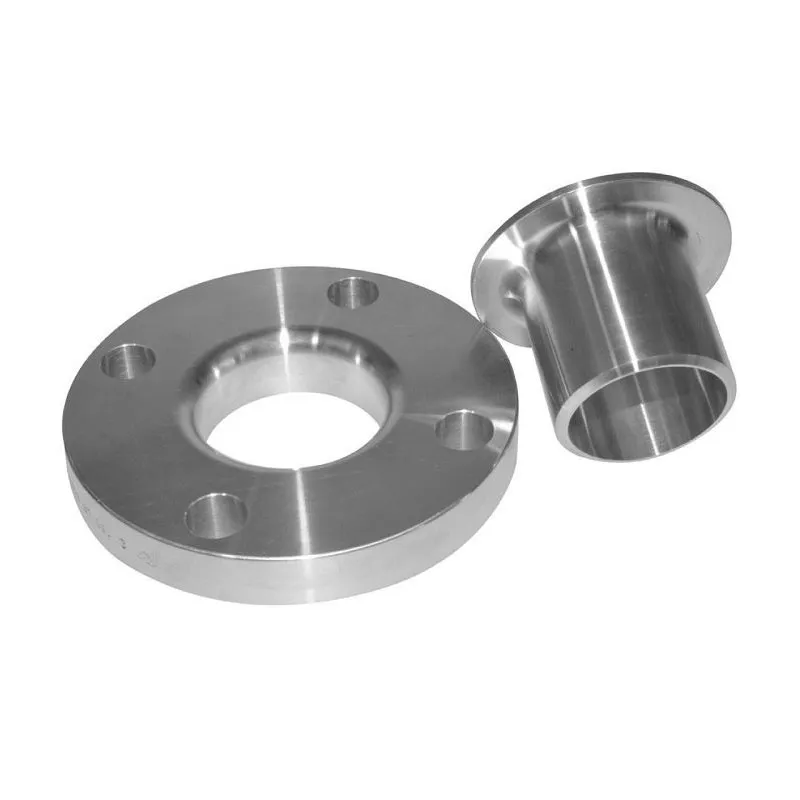 ANSI B16.5 Loose Ring Flanges Class 2500
 -
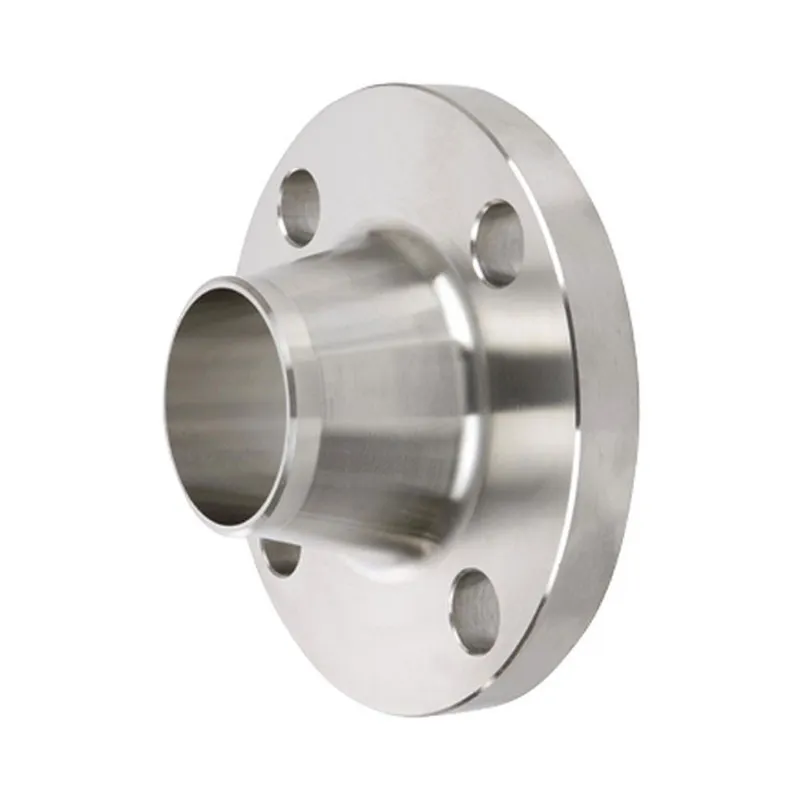 EN 1092-1 Butt weld flanges Type 11, PN25
 -
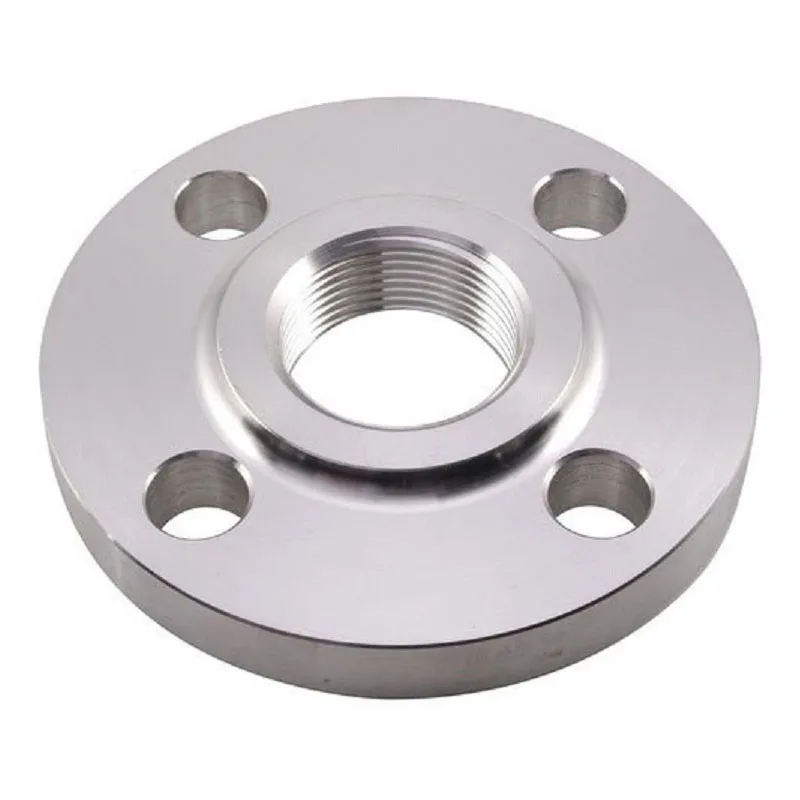 DIN 2566 Threaded flanges PN16
 -
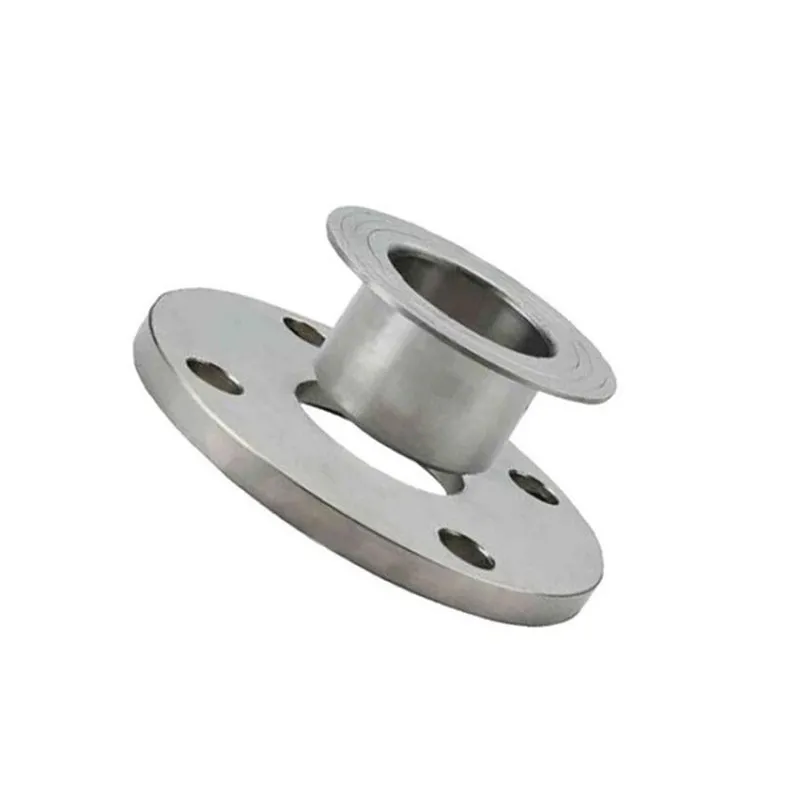 JIS 10K Loose Ring Flanges
 -
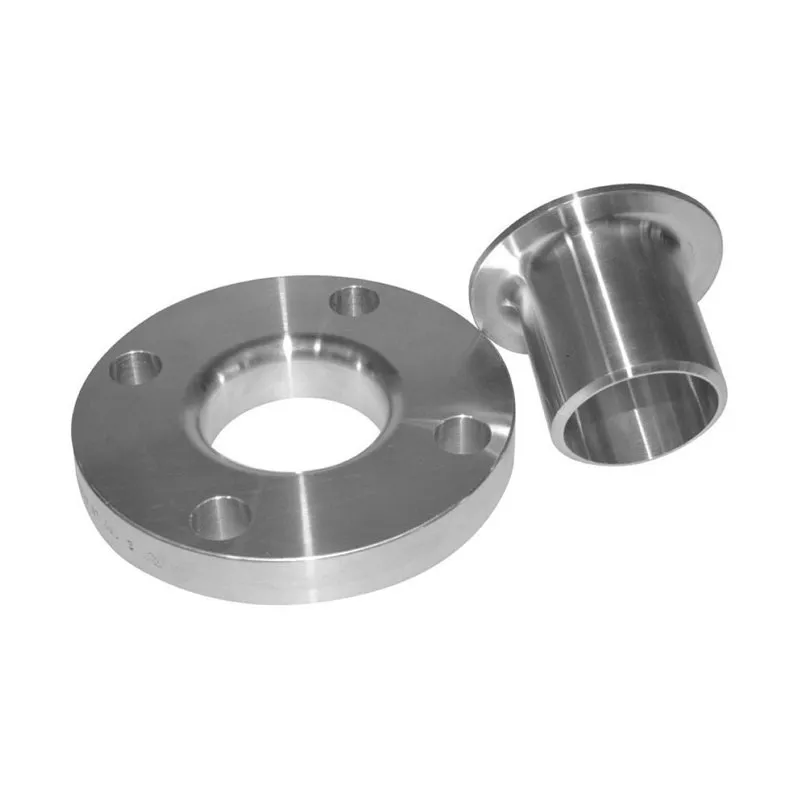 Free ring flanges Class 150
 -
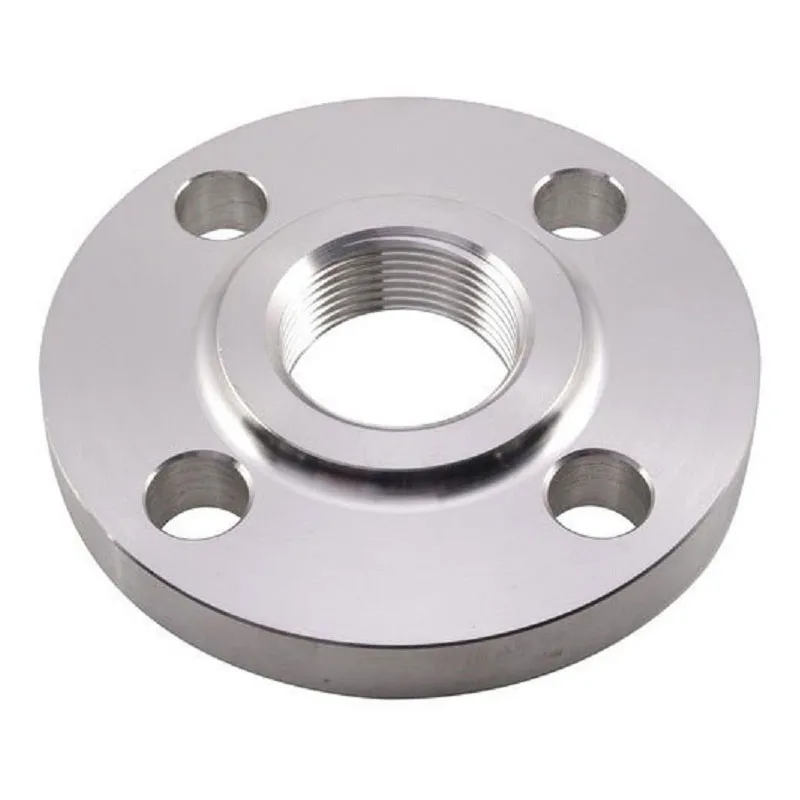 EN 1092-1 Threaded flanges Type 15, PN16
 -
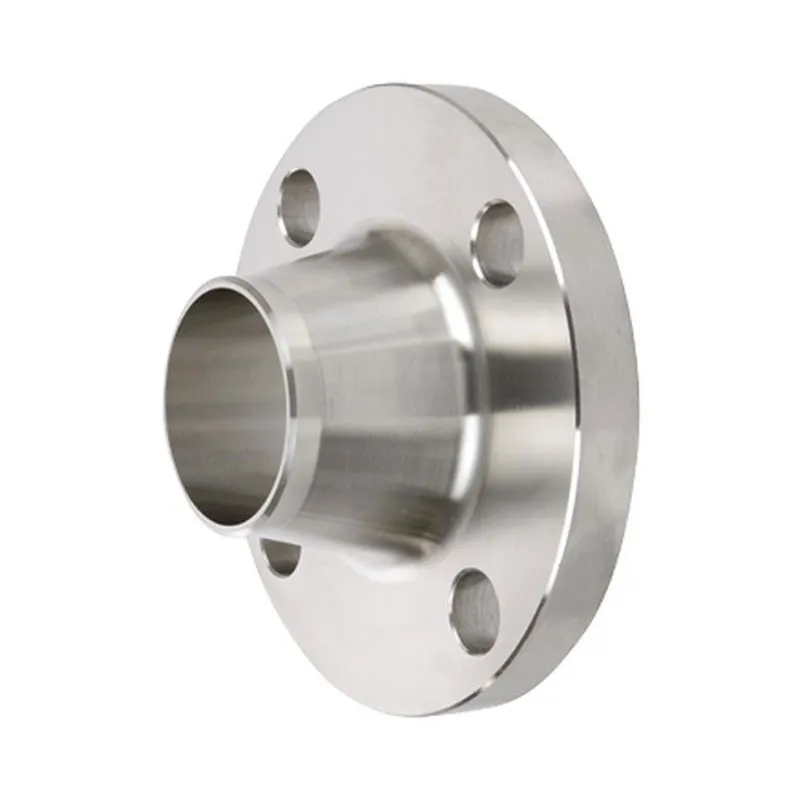 Ser.A Butt Weld Flanges Class 400
 -
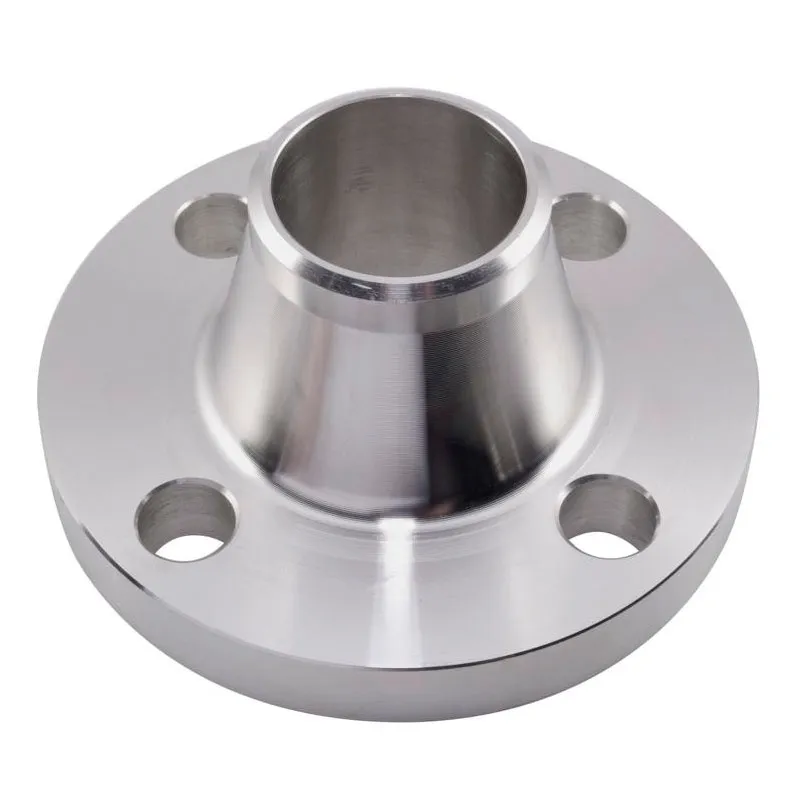 Butt weld flanges Class 900
 -
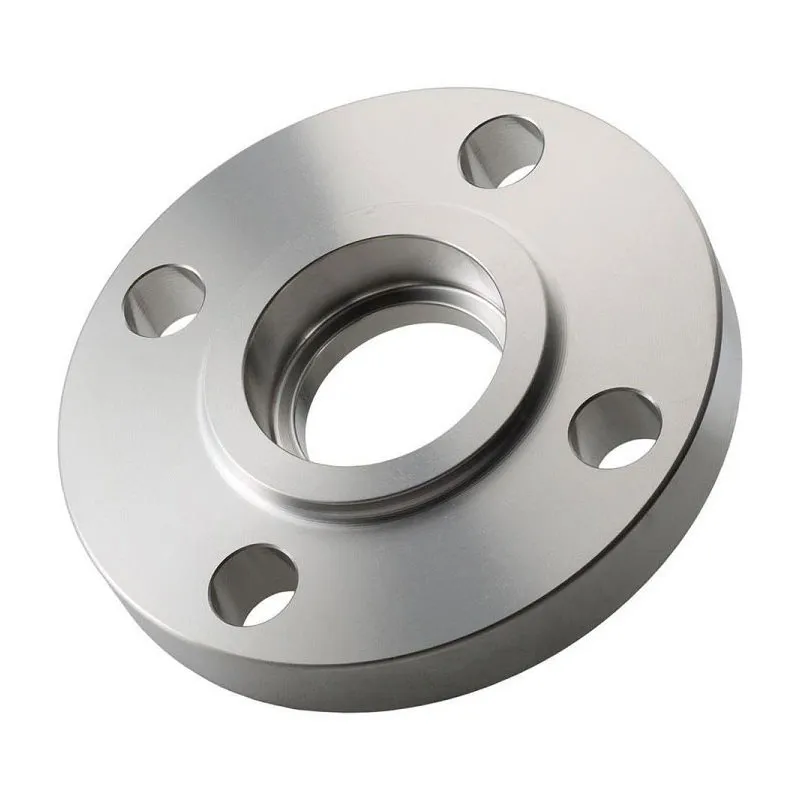 Flanges for socket welding