
-
-
Phone
+86-13623462298



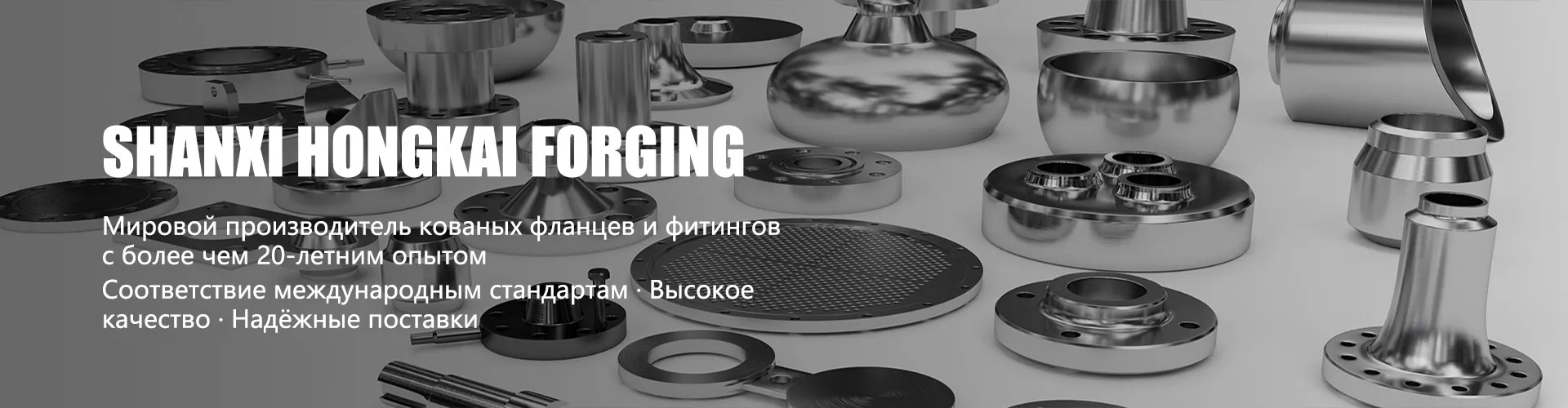
steel flange Ekaterinburg
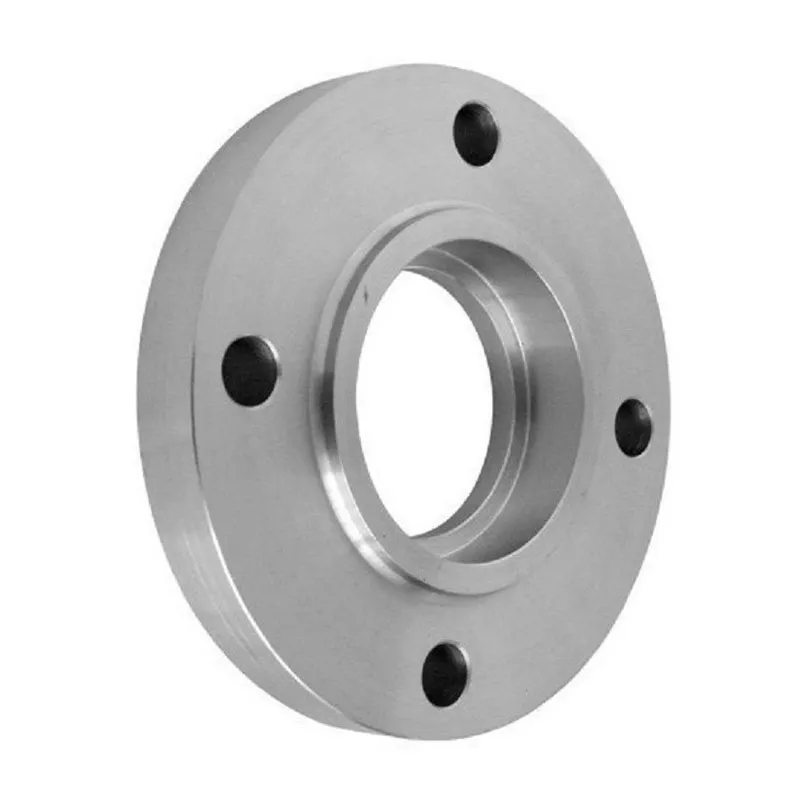
When you hear the request “steel flange Yekaterinburg?”, the first thing that comes to mind is simply a sales point, a warehouse or a transshipment hub. Many customers, especially those who are faced with the installation of serious pipelines in the Urals for the first time, think exactly this way: they found a local supplier in Yekaterinburg - and that’s it. But here lies the first pitfall. Yekaterinburg is a powerful industrial hub, yes, but it is not always a source of production. This is often a place where products made thousands of miles away are simply stored or repackaged. And here the most interesting part begins: where do these steel flanges actually come from, which are then sent to facilities in the Sverdlovsk region and throughout the Ural Federal District? Quality, geometry, traces of processing - they can tell a lot about the origin. And my experience is that the difference between ?manufactured for? and ?manufactured in? - This is often the difference between a problem-free installation and a rush job with on-site fitting.
Why origin matters for Yekaterinburg
When working with facilities around Yekaterinburg - whether it is the modernization of heating mains, the construction of new production workshops or repairs at petrochemical plants - you are faced with the same problem. The fact that the goods are available in a warehouse in the city is important to the customer, especially the general contractor. Deadlines are pressing, logistics are a headache. And he takes what is “at hand”. But when installation begins, it turns out that the batch of flanges is not uniform: somewhere there is a deviation in thickness, somewhere the holes for the bolts are shifted by a couple of millimeters, and somewhere the steel grade itself does not quite correspond to the declared certificate. At best, it’s a waste of time sorting through and documenting inconsistencies. At worst - rejection on the spot, a simple and urgent search for a replacement.
I went through this at one of the factories in Pervouralsk. We ordered a batch of flanges according to GOST 12820-80, flat, for a pressure of 1.6 MPa. According to the documents, everything is clean, the warehouse is in Yekaterinburg. They brought it in and started tackling it - the welder immediately noticed that the edge for welding was looser somewhere, and the metal behaved differently. Later, already in the laboratory, it turned out that part of the batch was made of steel that had not undergone proper normalization. Manufacturer? A certain small workshop that bought blanks from somewhere unknown and simply processed them. Since then, I have always asked the same question to the supplier in Yekaterinburg: “Show not only the certificates for the finished product, but also for the steel, and, preferably, photographs of the forging or stamping process?” This cuts off 80% of problems.
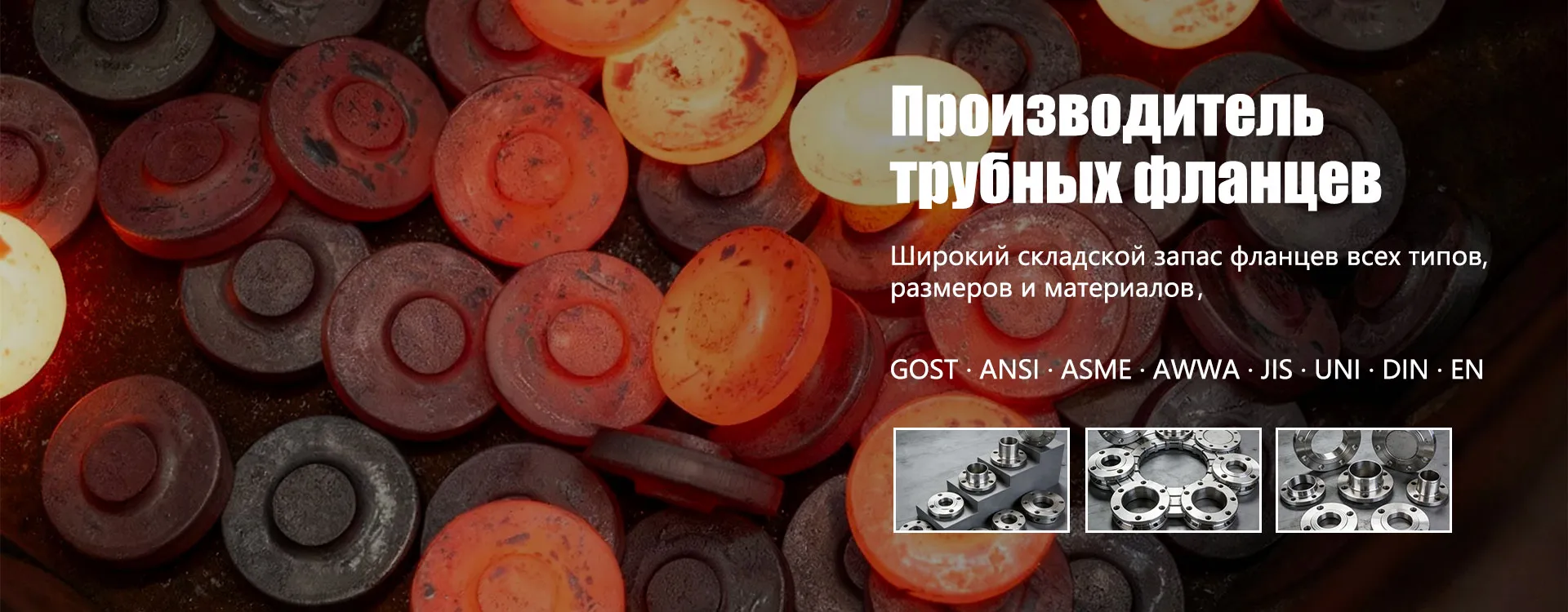
That is why I began to pay more attention not so much to the geographical location of the warehouse, but to the chain “manufacturer - warehouse - object”. If the manufacturer has a name, its own serious production and, importantly, works according to international standards, then even if its logistics warehouse is located in Yekaterinburg, and the plant, say, in China, is often a more reliable option than a “local” one. product of dubious origin. For example, if we takesteel flangefrom the companyShanxi Hongkai Forging Co.,Ltd(their website ishkflange.ru), then this is exactly the case. They are not traders, but a manufacturer, moreover, from the region of China (Shanxi), which historically is one of the centers of the forging and pressing industry. This is important. They do not have a makeshift workshop, but a full-fledged production of forgings and flanges. And when such a manufacturer delivers its products to a warehouse in Yekaterinburg, it accompanies it with a full package of documents, including material certificates and test reports. For a responsible facility, this is not just convenient, it is a necessity.
Standards and reality on site
In Yekaterinburg and the region they often work according to Russian standards - GOST. It's common. But the world is wider. Many modern projects, especially those involving foreign capital or technology, require compliance with ASME, EN, DIN. And this is where the confusion begins. A supplier in Yekaterinburg can say: “Yes, we have DIN flanges.” But what is hidden behind this? Is this exactly a flange manufactured according to all DIN canons, with appropriate control at all stages, or is it a product made according to specifications, but with “about the same” ones? size? The difference is colossal.
I remember the story of the supply of flanges for a compressor station. The specification was clear: EN 1092-1, Type 01, PN40. Found it in a warehouse in Yekaterinburg and delivered it. And when docking with imported equipment, there was a discrepancy in the diameter of the sealing surface of a fraction of a millimeter. It would seem nonsense. But at a pressure of 40 bar, this was not nonsense - it started leaking during hydrotesting. It turned out that the flange was made in a similar way, but not according to the original standard drawing. I had to urgently look for a replacement. Now I always ask for not only a general certificate of conformity, but also protocols for measuring critical parameters: collar thickness, bevel angle, hole alignment, sealing surface roughness.
In this context, manufacturers who are initially designed to work in different standards look advantageous again. Let's go back toShanxi Hongkai Forging Co.,Ltd. On their websitehkflange.ruit is expressly stated that they work in accordance with GOST, ASME, EN, DIN and others. For me, as a specialist, this means that, firstly, they have technical documentation and equipment that meets these standards, and secondly, they have a production culture that implies that a product labeled DIN will exactly comply with DIN, and not be its “analog”. This is critically important for Yekaterinburg as a hub where projects of different levels and origins flock. When you needsteel flangefor repairing an old boiler room according to GOST - please. When you need a batch for a new workshop with German DIN lines, that’s also no problem, and you don’t have to look for another supplier.
Nomenclature: from standard to non-standard
Another point that is often underestimated in Yekaterinburg is the supplier’s willingness to work with non-standard items. Standard flanges - butt welded, flat, loose - are the basis, they can always be found. But the industry of the Urals is diverse. Often we have to deal with the repair or modernization of old equipment, Soviet or even earlier installations. There may be flanges with unique dimensions that are no longer listed in modern catalogs. Or in a new project, engineers have a specific solution that requires a flange with an unusual fastener location or a special material.
I had an incident at one of the machine-building plants in Yekaterinburg itself. The big one had to be replacedsteel flange(somewhere on DN1200) on the drum of the drying unit. The drawing was old, Soviet, with tolerances that are not used now. Local warehouses threw up their hands: “Only on order, and wait 3-4 months?” The repair period was 6 weeks. I had to look for a manufacturer who would take on such a piece of work quickly. The key question turned out to be: does the manufacturer have the opportunity and desire to work according to the customer’s drawings, and does he have flexibility in the production of forgings.
And here is the information from the sitehkflange.ruaboutShanxi Hongkai Forging Co.,Ltdhits the spot again. They directly indicate that they manufacture non-standard products according to customer drawings. And they have a wide range of sizes - right up to DN4000. These are not just words for a catalogue. For a practitioner, this means that they most likely have powerful forging and pressing equipment (it’s not for nothing that they are in the name “Forging?”), which allows you to make not only serial stampings, but also unique forgings. This is exactly what is needed for complex tasks in the industrial heart of Russia, which is Yekaterinburg. Not every local warehouse or even plant in the Urals can boast such flexibility and scale.
Logistics and “last mile” in the Sverdlovsk region
Of course, all discussions about quality and standards are broken by the harsh reality of logistics. Having goods in stock in Yekaterinburg is a huge plus. But what is a “warehouse in Yekaterinburg”? This could be a warm hangar with shelving and an accounting system, or it could be an open area on the outskirts where pallets are stored under the snow. For a steel flange, especially if it is coated (galvanized, primed), storage conditions are important.
I always try to personally or through trusted people visit the supplier’s warehouse before concluding a contract for a large shipment. You need to see how the flanges are stored: are they packaged, are they protected from precipitation, are there tags with markings. I once received a shipment where, due to storage in the rain, traces of surface corrosion appeared on the mounting holes. I had to clean everything before installation, wasting time.
The ideal scheme for Yekaterinburg, in my opinion, looks like this: a large, proven manufacturer (for example, the sameShanxi Hongkai Forging Co.,Ltd) has long-term contracts with a reliable logistics company in Yekaterinburg, which provides not just storage, but responsible storage. Then you get the best of both worlds: guaranteed quality from the manufacturer and speed of delivery “to the site?” thanks to local warehouse. At the same time, you can request a photo report on the condition of the goods in the warehouse before shipment. This is already a level of service that distinguishes just a seller of metal products from a partner for industrial construction.
Result: Yekaterinburg as a decision-making point
So what does “steel flange Yekaterinburg” ultimately mean?? For me, after many successful and not so successful projects, this is primarily not a point on the procurement map, but a point for making responsible decisions. This is where you have to filter the marketing promises from the actual production capabilities. Where you need to look not at the city in the name of the warehouse, but at the name and reputation of the manufacturer who stands behind the products.
There is always a choice. You can take something cheaper and closer, risking installation problems. Or you can build a chain with a manufacturer who, even being far away, provides predictable quality, a complete package of documents and flexibility for tasks. For serious facilities in Yekaterinburg and the region, the second way, as a rule, turns out to be both faster and cheaper in the full life cycle. Because the cost of downtime, rework and emergency search for a replacement is not comparable to the small difference in price per kilogram of steel.
Therefore, when people call me now and ask: “Where in Yekaterinburg can I get reliable flanges for a critical facility?”, I don’t just name a couple of local offices. I start the conversation with questions: “What object?” What standards? Are there any special requirements??. And often during this conversation a name comes up likeShanxi Hongkai Forging Co.,Ltd. Not because I advertise them, but because their model of work - a full-cycle manufacturer, working according to world standards and supplying products, including to warehouses in Yekaterinburg - just closes the very pain points that we encounter in practice. And ultimately, for Yekaterinburg as an industrial capital, it is not so much warehouses that are important, but reliable supply channels for high-quality metal, of which this city has always consisted.
Correspondingproducts
Related Products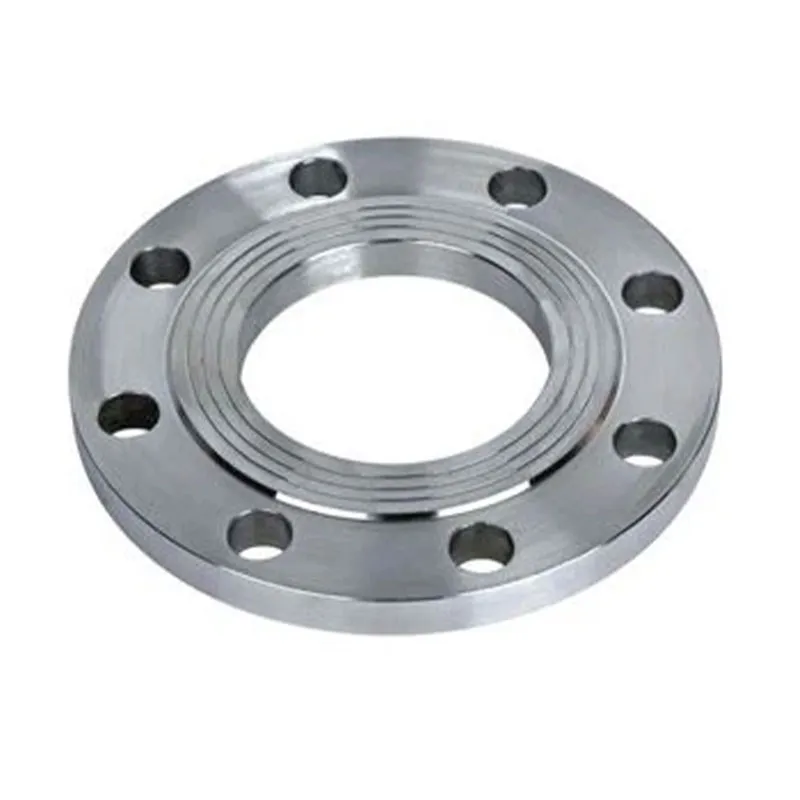
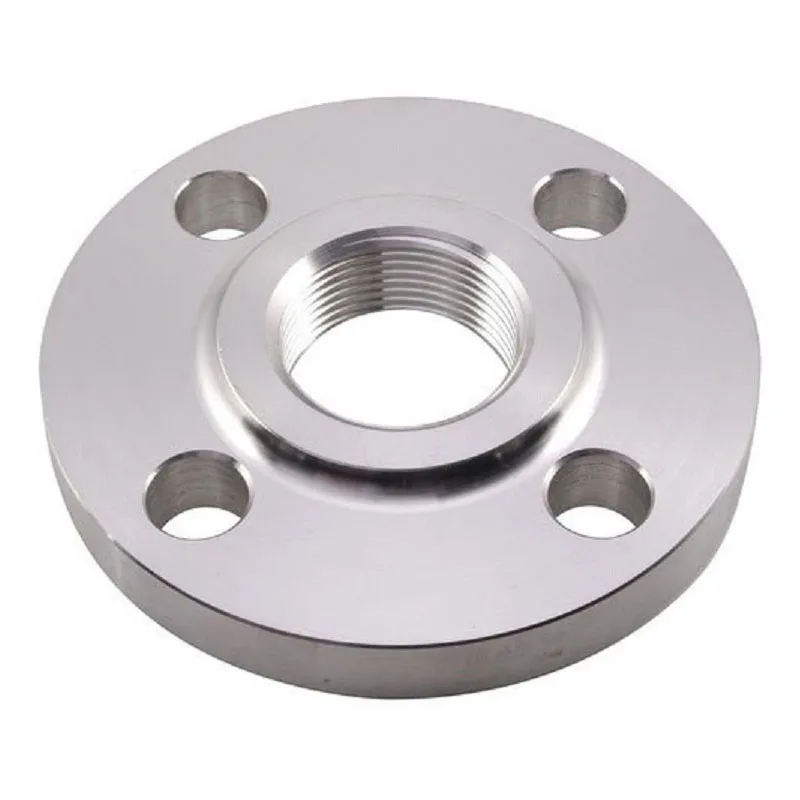
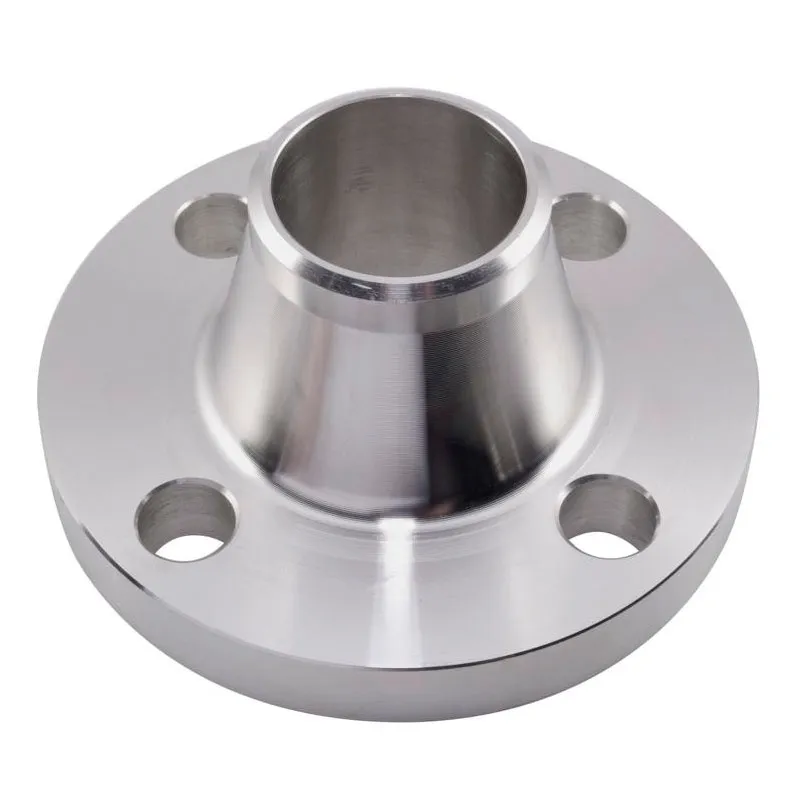
Best Sellingproducts
Best Selling Products-
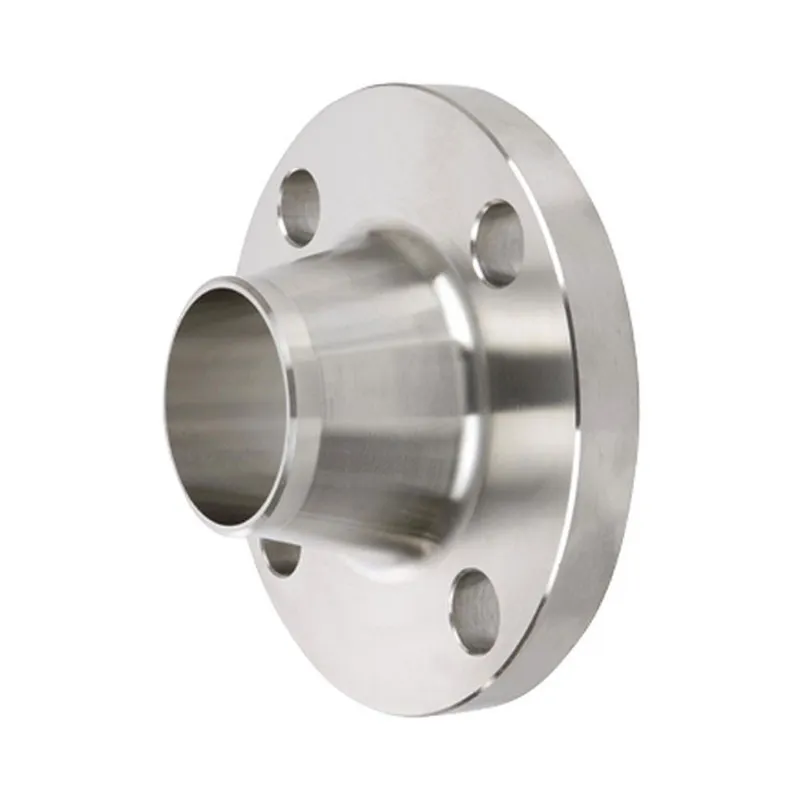 EN 1092-1 Butt weld flanges Type 11, PN25
 -
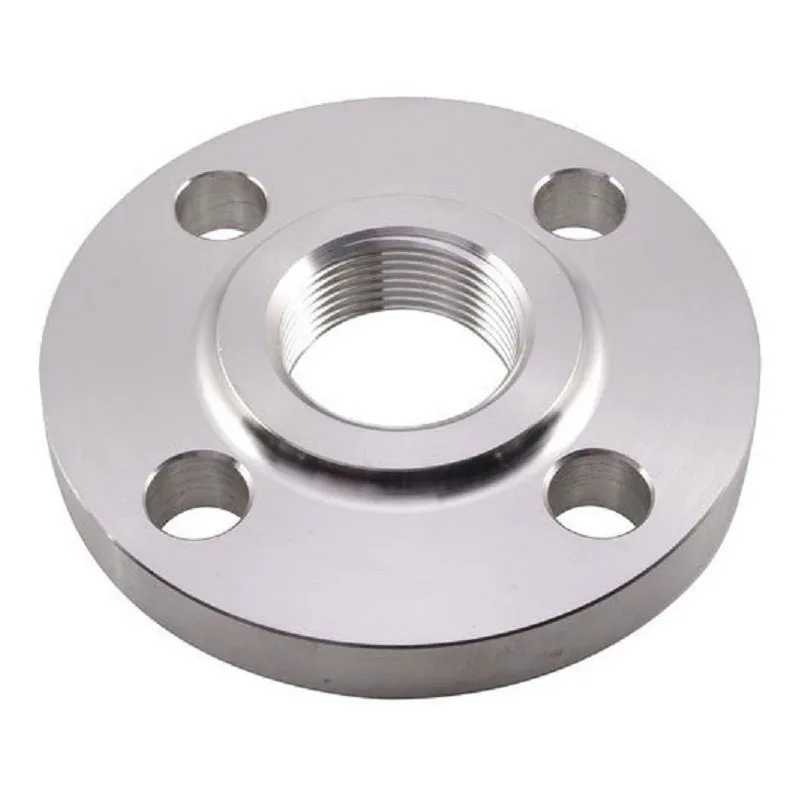 ANSI B16.5 Threaded Flanges Class 600
 -
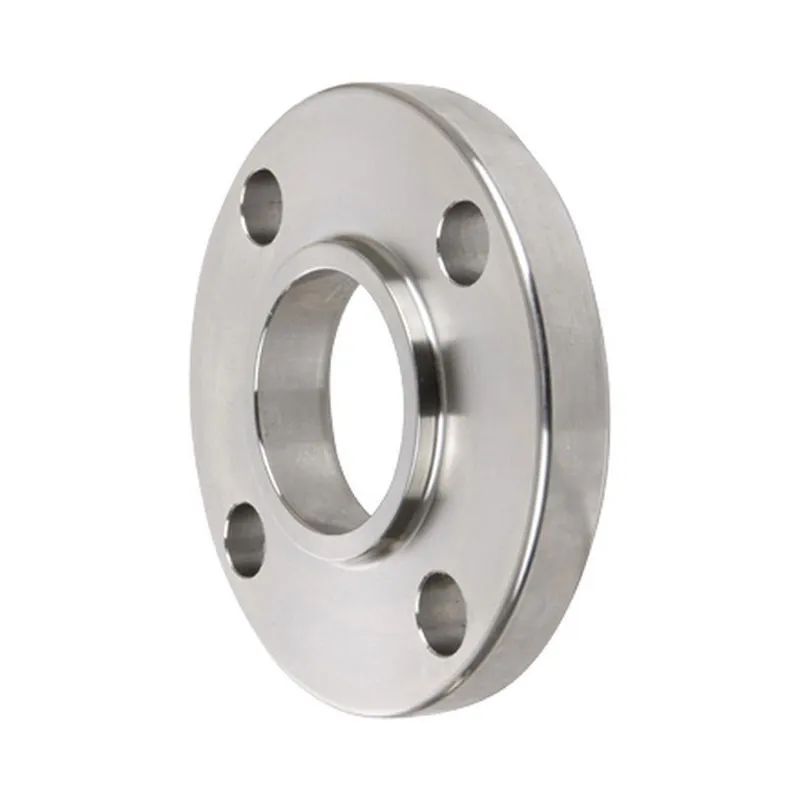 DIN 2501 Overlay flanges PN16
 -
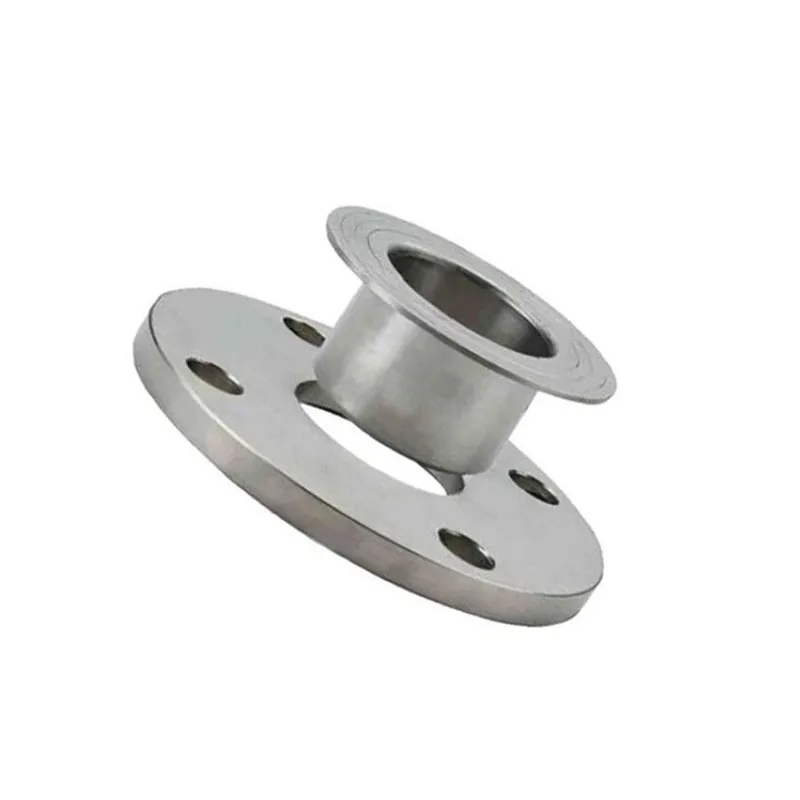 Free ring flanges Class 400
 -
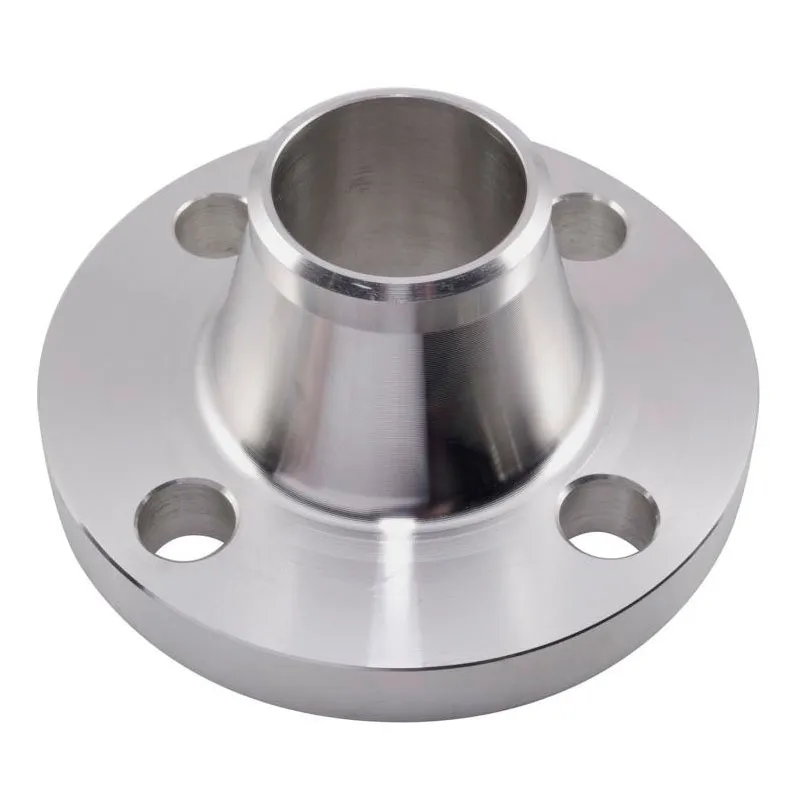 DIN Butt weld flanges PN10
 -
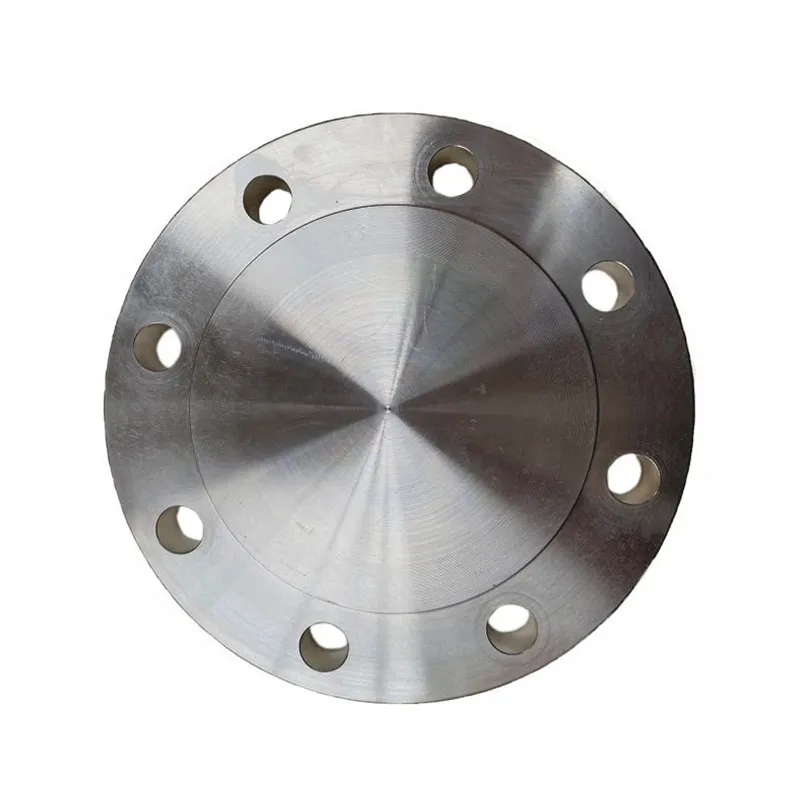 DIN 2527 Blind flanges PN10
 -
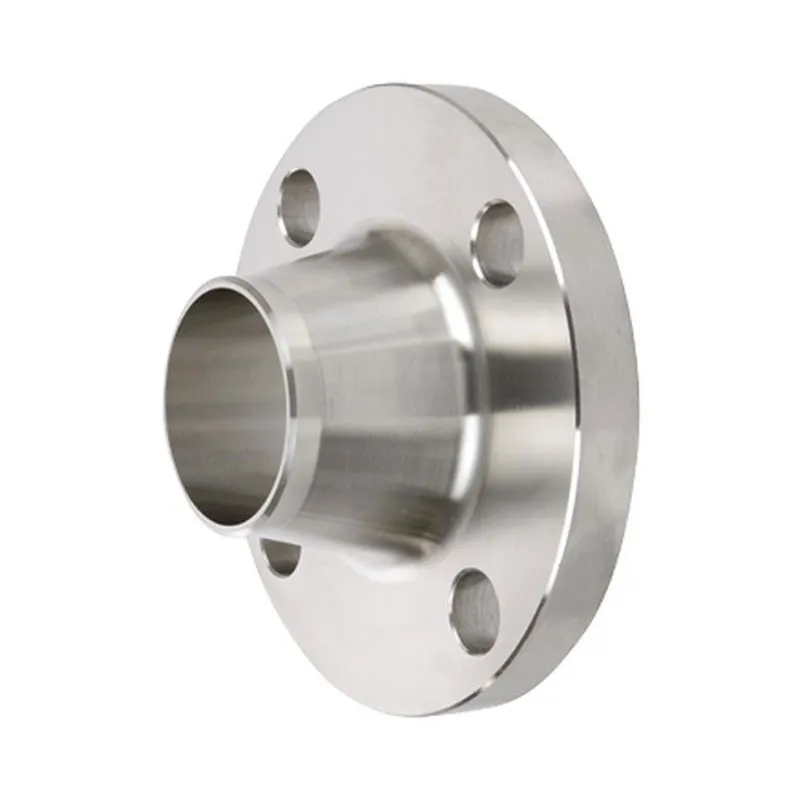 Ser.A Butt Weld Flanges Class 400
 -
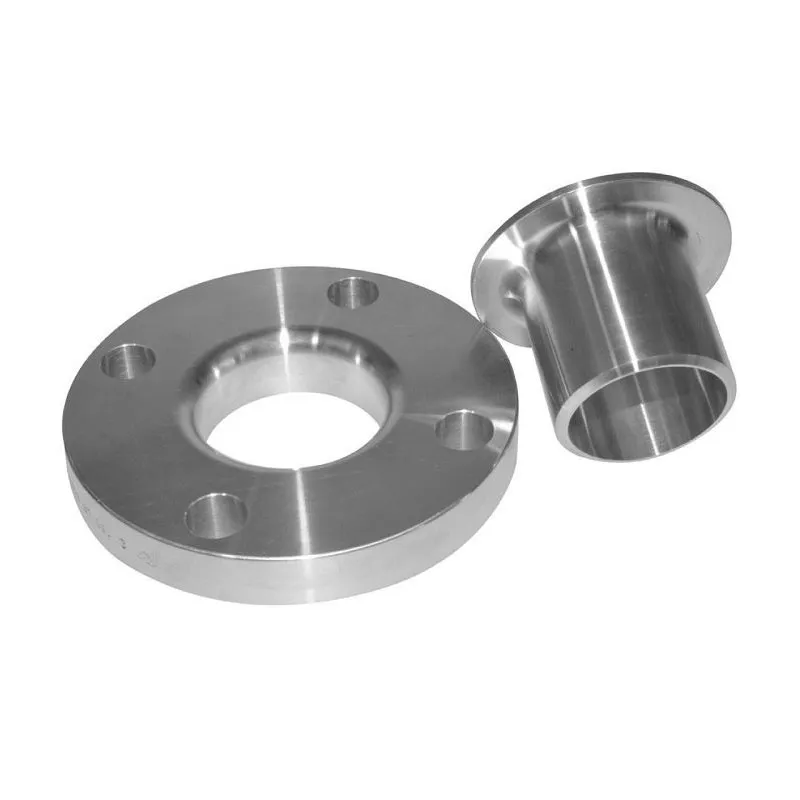 ANSI B16.5 Loose Ring Flanges Class 2500
 -
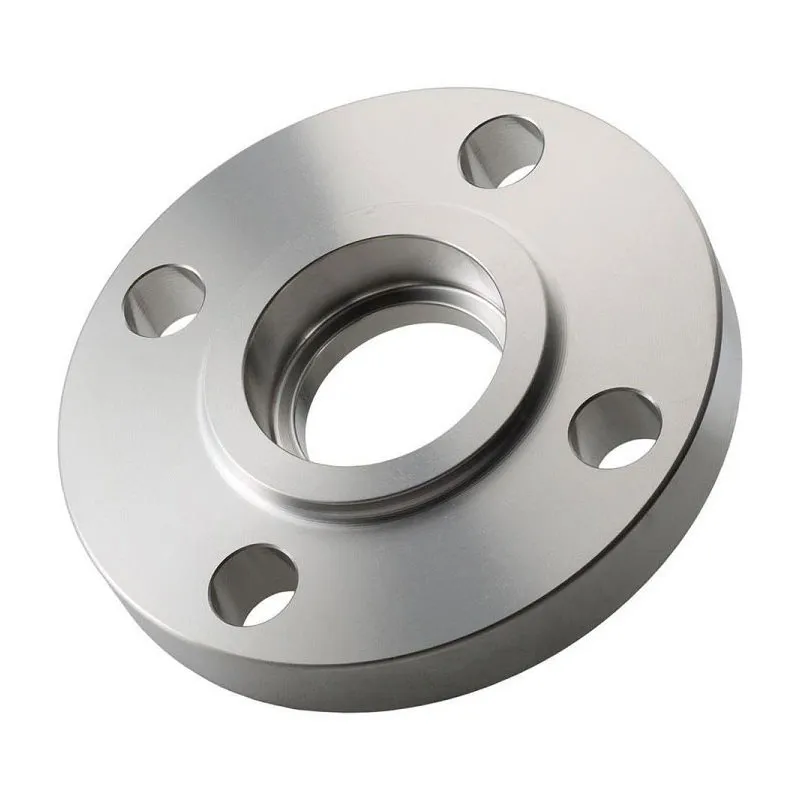 Flanges for socket welding
 -
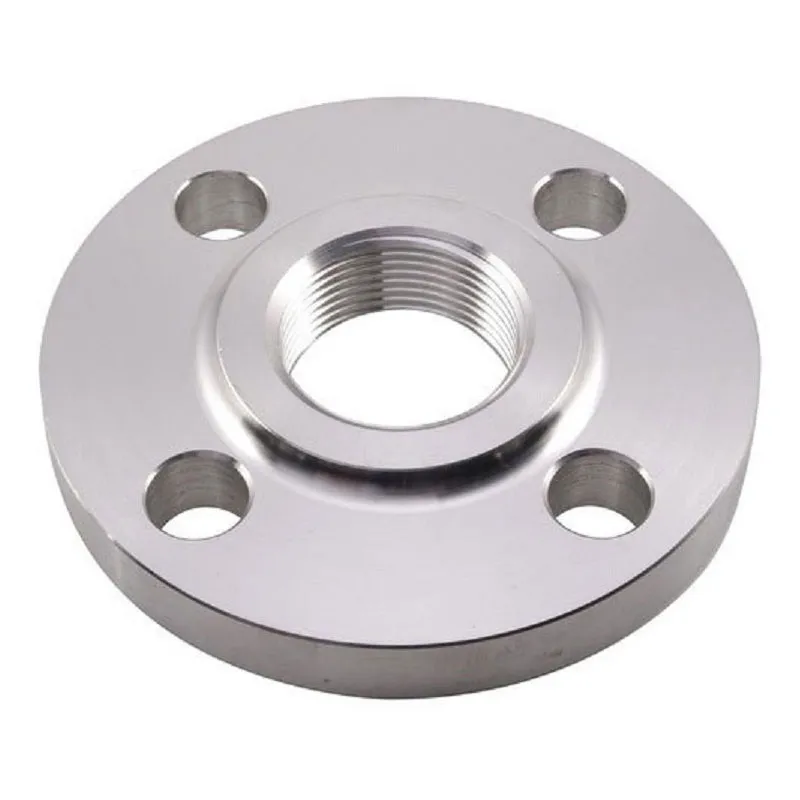 DIN 2565 Threaded flanges PN6
 -
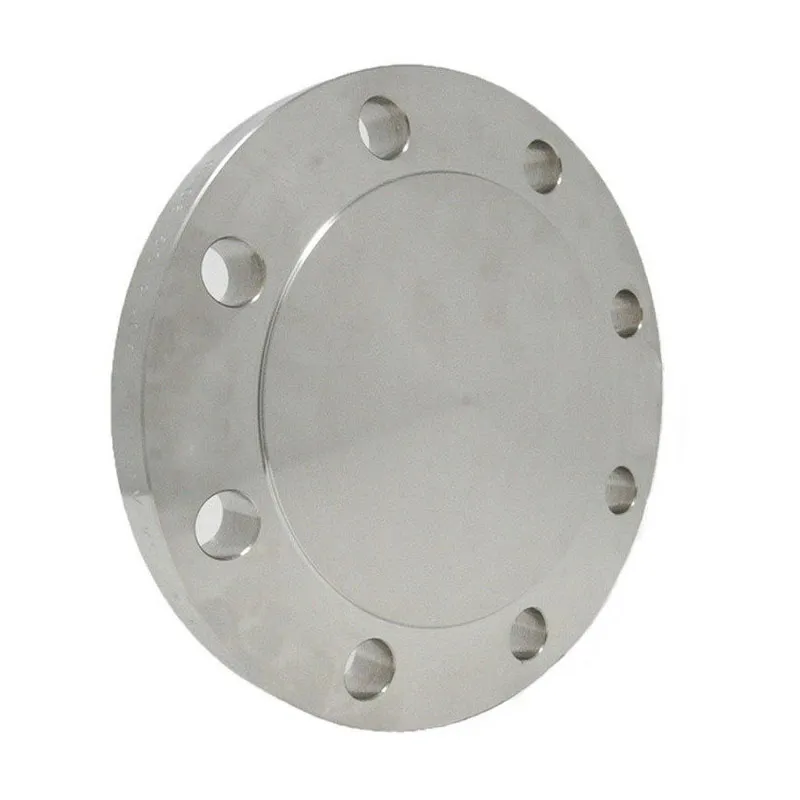 AWWA Blind Flanges Class D (Tables 1, 2, 3)
 -
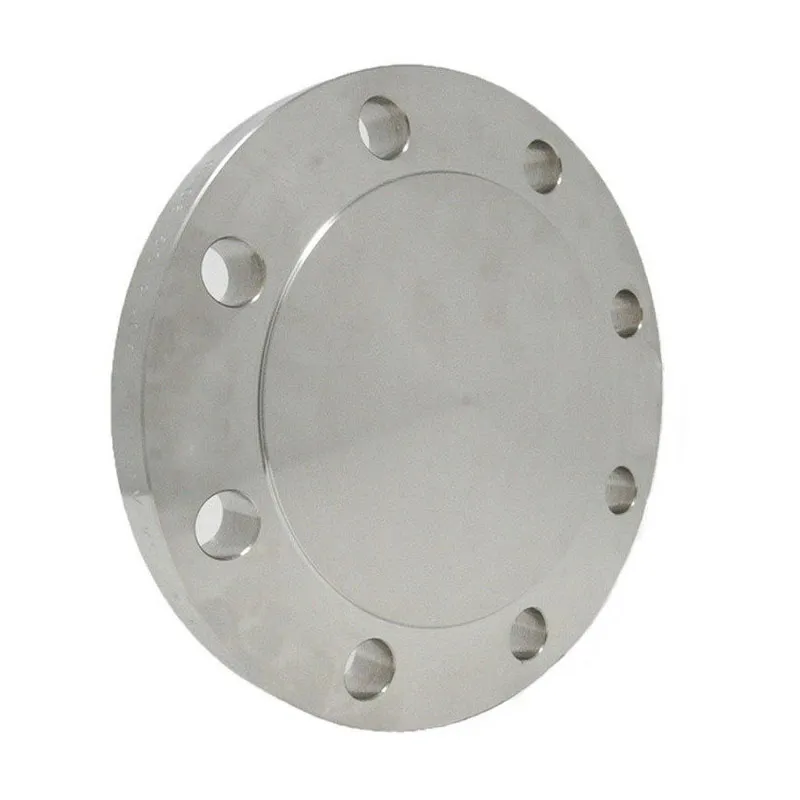 Blind flanges Class 150