
-
-
Phone
+86-13623462298



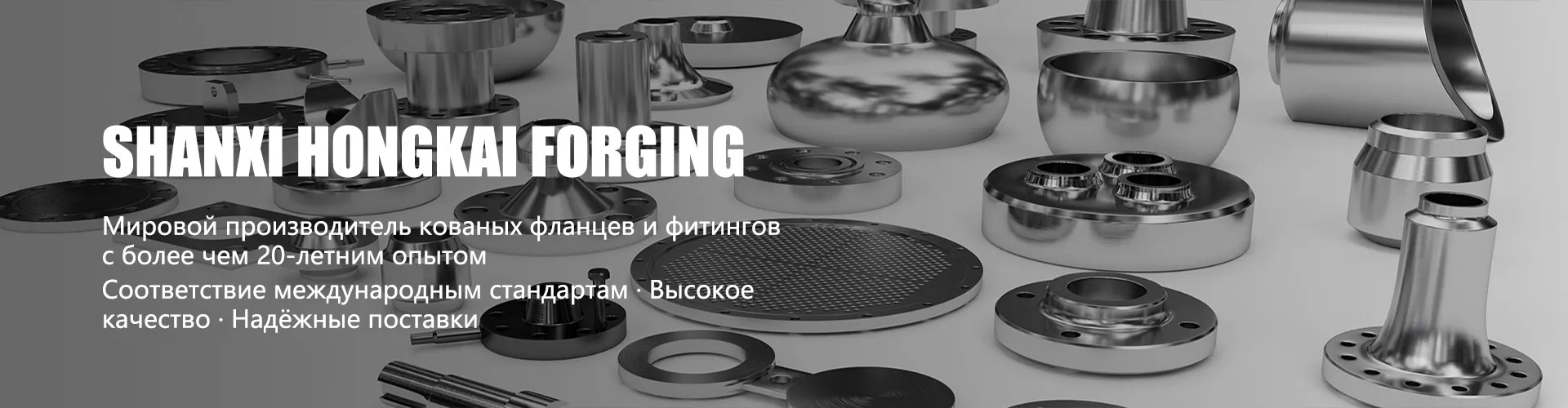
welded steel flange 50
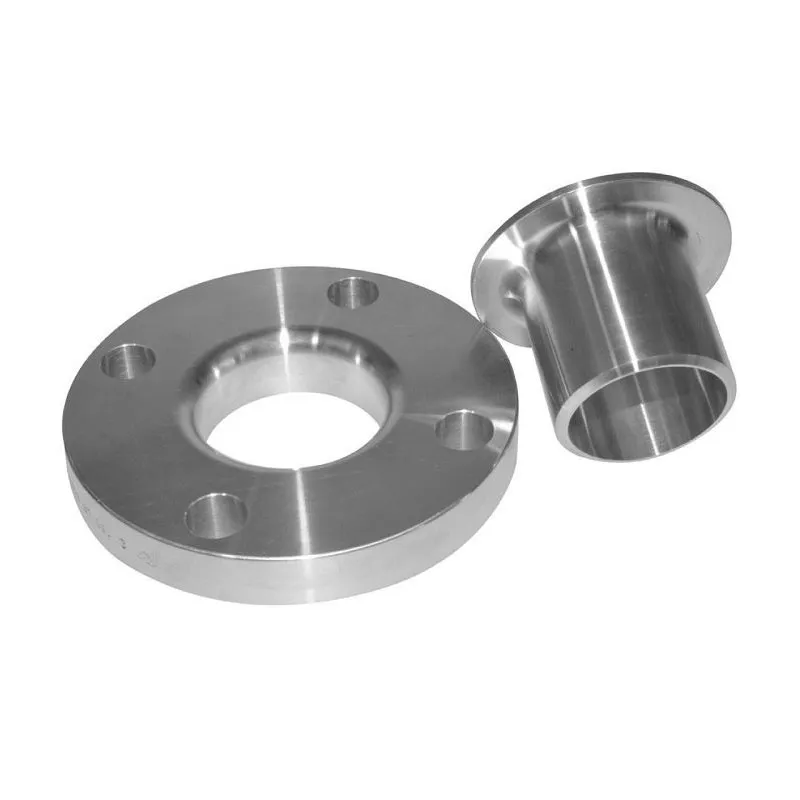
When you hear “welded steel flange 50”, many people immediately think of a simple ring for a half-inch pipe. In practice, it's a whole story. The diameter of the nominal diameter is yes, 50 mm, but behind this there is a choice of material, type of execution, pressure, medium temperature and, what is often overlooked, the quality of the chamfer for welding. A common mistake is to take the first one you come across according to GOST, without looking at the steel grade. St20 will also work for water, but for steam or aggressive media you need 09G2S or 12Х18Н10Т. It happened in our warehouse, they brought a batch, everything seemed to be according to the standard, but when preparing for installation you noticed that the chamfer was removed unevenly, or there were small holes on the surface. This is not a defect, but extra work for the welder. Therefore, now I always look not only at the certificate, but also at which manufacturer.
Where it's thin, it breaks: key selection parameters
With dimensions, it would seem that everything is simple: DN50, a range of pressures. But here is a point that is not always obvious when ordering. Execution 1 or 2 according to GOST is not just “holes in a different way?”. Version 2, with a connecting lip, is often required for tongue-and-groove seals. or “protrusion-recess?”. If according to the project this is exactly what is required, but version 1 with a flat surface was delivered, the installers will face the problem of sealing. Such stories happened when an order was made according to an old drawing, but the specifications were not specified.
Another nuance is the thickness of the disk. For Ru16 and Ru25 it is different. Sometimes, in an attempt to save money, they order PN16 flanges for all lines, and then when pressing at a higher pressure they get leaks at the flange connection. Savings come at a cost. I always advise clients to clearly indicate the working and test pressure in the technical specifications. It is better to take it with a reserve, especially for dynamic loads.
Surface quality is a separate issue. Scale, residual stresses after stamping. A good manufacturer does heat treatment (normalization) to relieve stress and sandblasting. This is visible to the naked eye. Smooth, clean surface, uniform color. UShanxi Hongkai Forging Co.,LtdIn this regard, the approach is serious. I looked at their products at the exhibition - it’s clear that they control the process from forging to packaging. On their websitehkflange.ruIt is directly stated that they are manufactured according to international standards, including GOST, ASME, EN. For DU50 this may not be so critical, but when it comes to large diameters or special steels, such control is a must-have.
Welding: the moment of truth for the weld flange
This is where the theory from the standards collides with the reality of the workshop.Welded steel flangeDU50 is one of the most popular, and tons of it are brewed. The main mistake is improper preparation of the pipe edge and flange chamfer. The gap should be uniform. Often welders, especially when installing in hard-to-reach places, undercook the root of the seam from the inside, especially if the flange is butt welded (butt welded, also known as Weld Neck). Then during hydrotesting - drops. You have to cut it off and cook it again.
More from practice: it is important that the end of the pipe is strictly perpendicular to the axis. If there is a misalignment, the flange will be welded crookedly, and it will be impossible to screw the second half of the connection (matching flange or fittings) without creating dangerous stresses in the studs. We had a situation during the installation of a chemical resistance pipeline: a crookedly installed DN50 flange led to misalignment and leakage through the gasket already during operation. The whole assembly was dismantled.
The choice of electrodes or wire is based on the flange steel grade. If the flange is made of 12Х18Н10Т (stainless steel), and was welded with ordinary carbon wire, expect corrosion cracking in the heat-affected zone. Manufacturers typeShanxi Hongkai Forging Co.,Ltd, who work with a wide range of materials, usually provide welding recommendations for their products, which is very helpful.
Non-standard situations and adaptation
Sometimes under ?DN50? a non-standard task is hidden. For example, you need a flange with a non-standard arrangement of holes for studs, because it fits with imported equipment according to DIN or ASME B16.5. Or, increased disc thickness is required to compensate for the high bending moment. Here catalog products do not always help.
In such cases, manufacturers who undertake production according to drawings help out. On the samehkflange.ruThe nomenclature directly indicates non-standard products based on customer sketches. Once they made a DN50 flange for us with a transition to a square flange for attaching to a tank. It was important to maintain alignment and parallelism of the sealing surfaces. It turned out well, but the production time, of course, was longer than for a standard one.
Another point is coverage. Flanges are usually supplied uncoated (black) or galvanized. Some chemical environments require a special coating, such as a PTFE lining. This is rare for DN50, but in the food or pharmaceutical industries it may be necessary to polish the surface to a certain Ra. This is a piece of work, almost a piece of jewelry.
Inspection and acceptance: what to look for first
When a shipment arrives, even from a trusted supplier, you cannot relax. The first is checking the markings. On everywelded steel flangeThe following must be clearly marked: nominal diameter (DN50), pressure (Ру), steel grade, manufacturer's mark. Lack of markings is a red flag.
The second is geometry. We take a caliper, measure the thickness of the disk, the diameters of the holes and centers. We check the perpendicularity of the end surface to the axis of the hole. A simple way is to attach a square. It happened that deviations of a couple of degrees were found, which could create problems during installation.
Third - visual inspection for the absence of cracks, holes, burrs on the chamfer. Especially at the junction of the bushing and the disk at the end-to-end flange, this is a high-stress zone. High-quality forging, like those of manufacturers with a forging bias (in the nameShanxi Hongkai Forging Co.,LtdIt’s not for nothing that there is a word “Forging?”), usually gives a more dense and uniform metal structure compared to cast flanges, which is critical for critical objects.
Instead of a conclusion: thinking out loud about little things
Working with such seemingly simple things aswelded steel flange 50, you understand that the reliability of a pipeline often depends on these very “little things”. It depends on how well the material is chosen, how well the chamfer is made, how carefully the welding is carried out. This is not a detail that you should thoughtlessly skimp on. It is better to pay a little more, but get the product from a manufacturer who controls the entire cycle - from the selection of the workpiece to packaging. Like for exampleShanxi Hongkai Forging Co.,Ltd, which positions itself as a manufacturer of forged flanges, and not just a reseller. Their range up to DN4000 speaks of serious power. For DU50 this may not be so important, but when you need a batch of hundreds of pieces with a guarantee of the same quality, this approach inspires confidence. After all, a flange is more than just a connecting part. This is a security element. And it must be treated accordingly.
Correspondingproducts
Related Products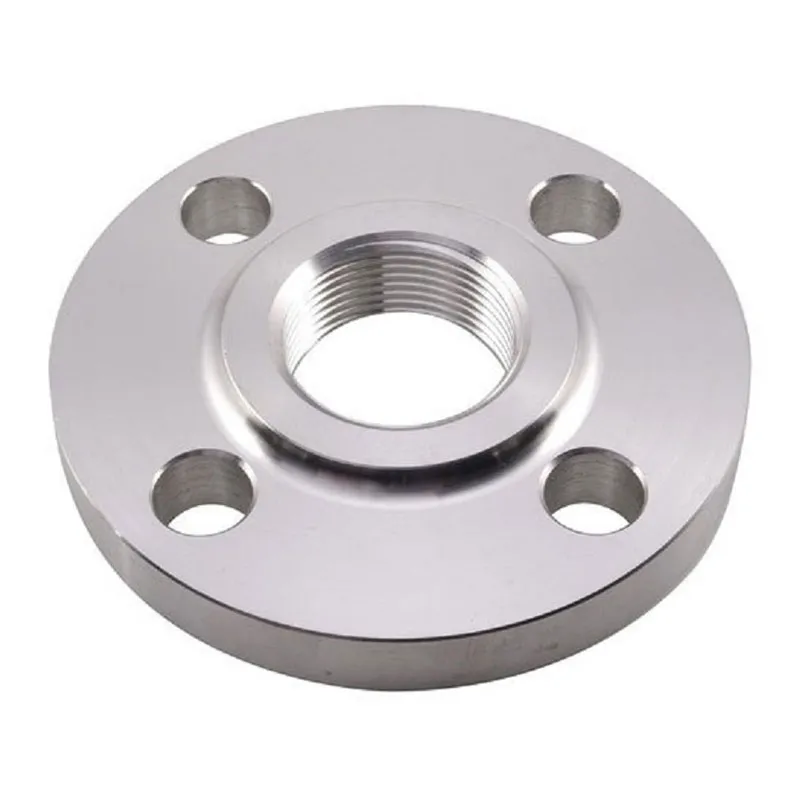
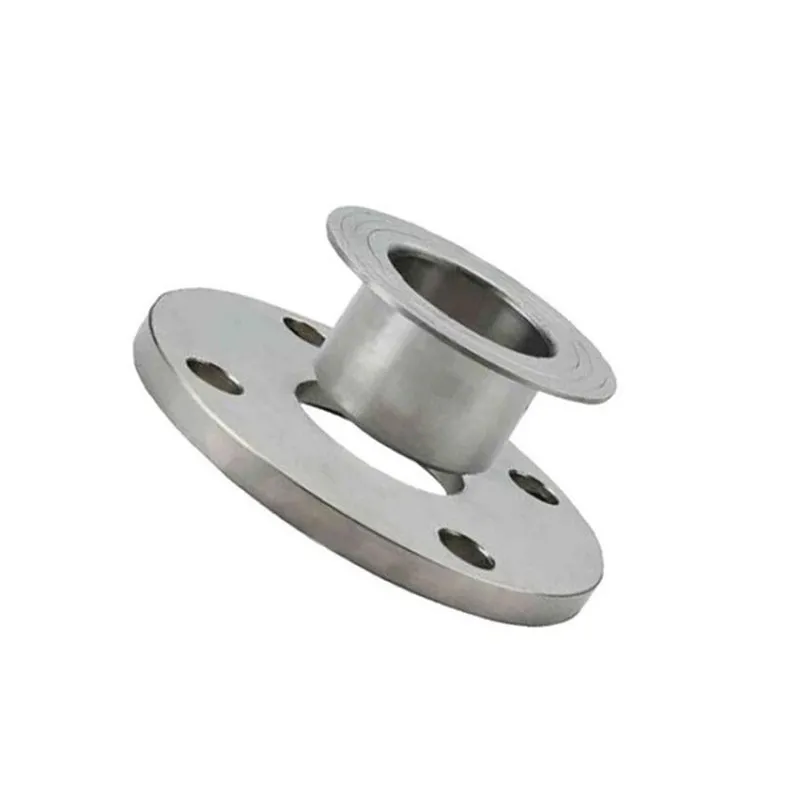
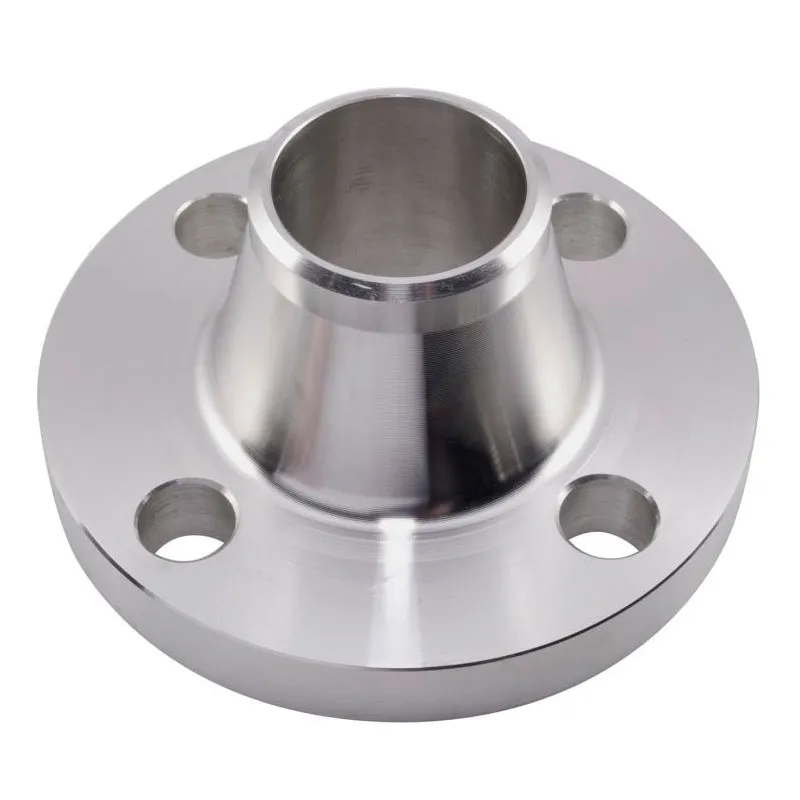
Best Sellingproducts
Best Selling Products-
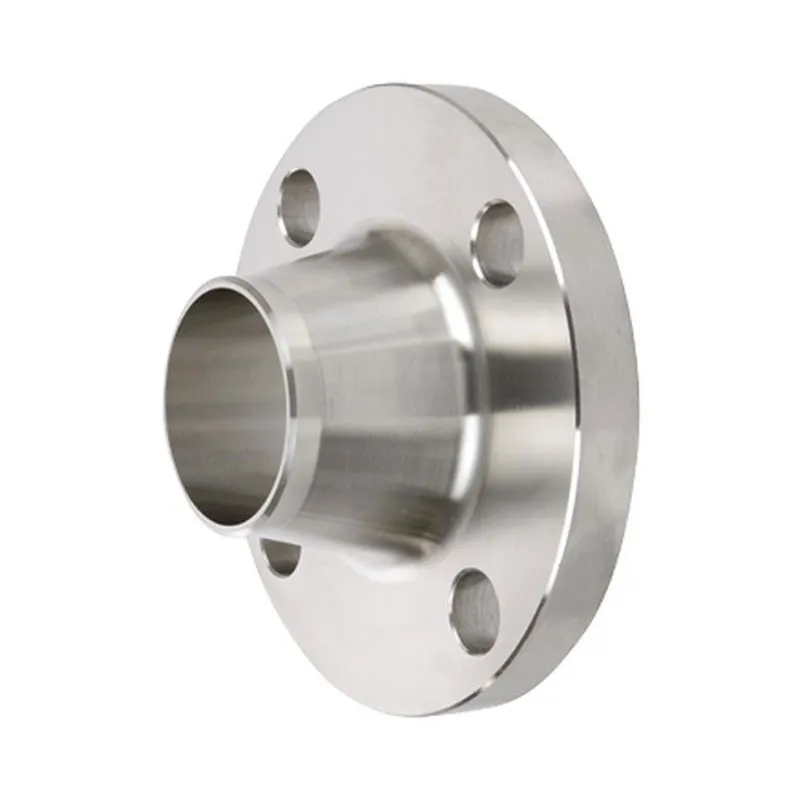 Ser.A Butt Weld Flanges Class 400
 -
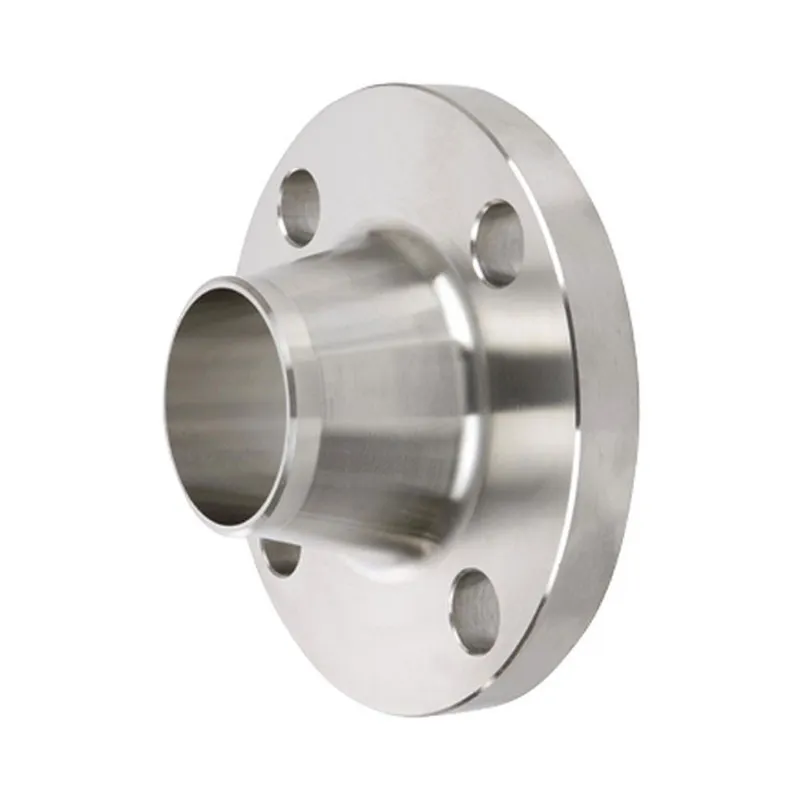 EN 1092-1 Butt weld flanges Type 11, PN25
 -
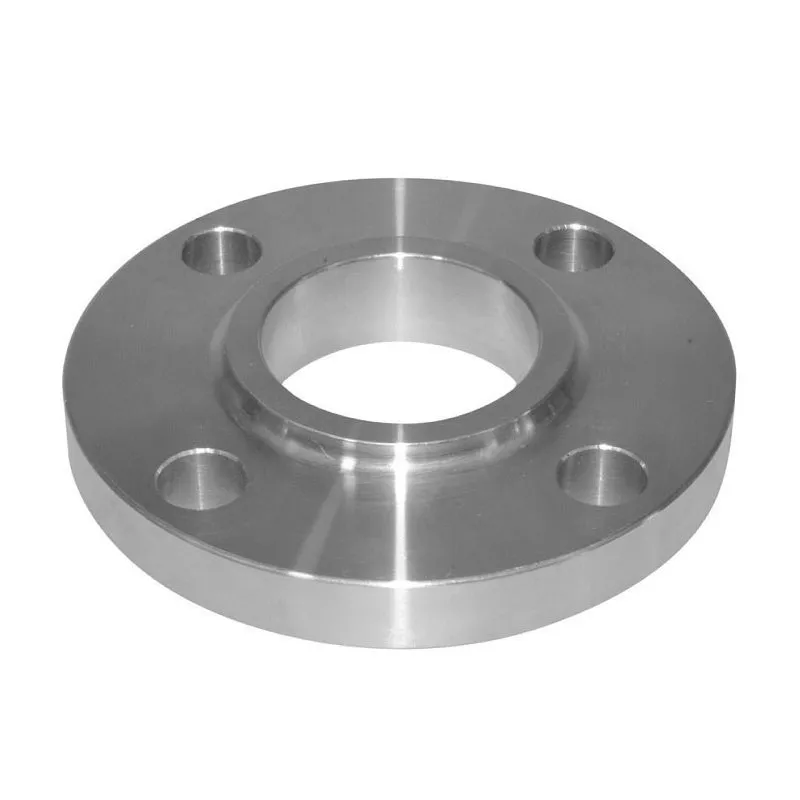 ANSI B16.5 Lap-on flanges Class 1500
 -
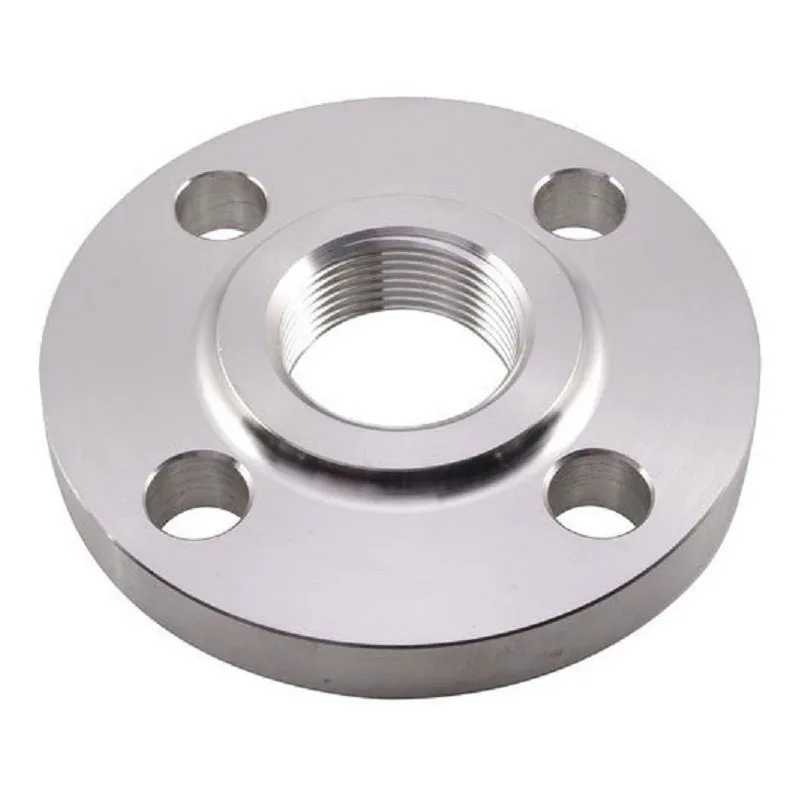 ANSI B16.5 Threaded Flanges Class 600
 -
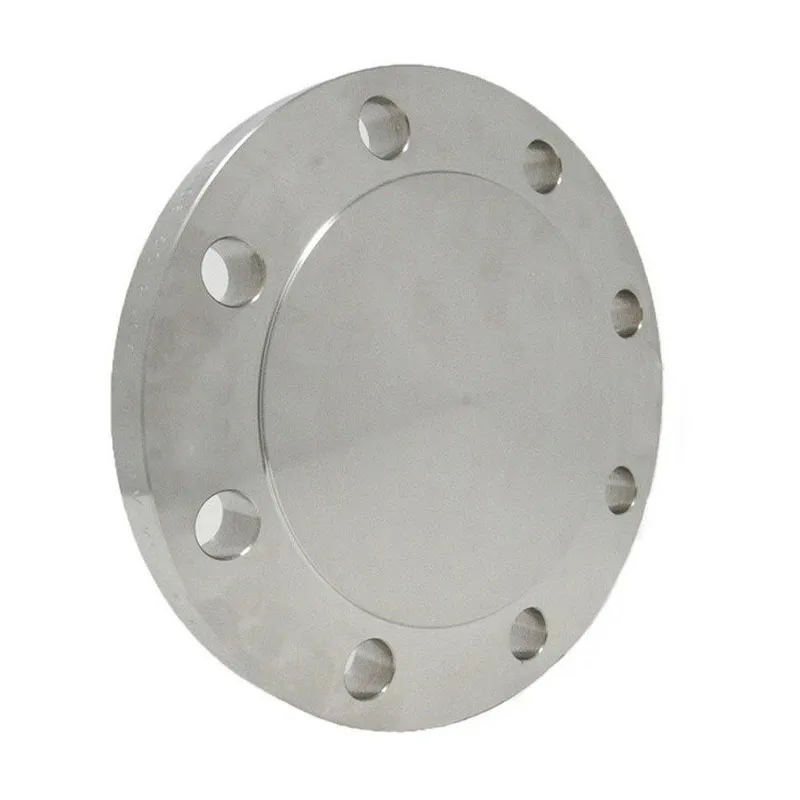 EN 1092-1 Blind flanges Type 05, PN10
 -
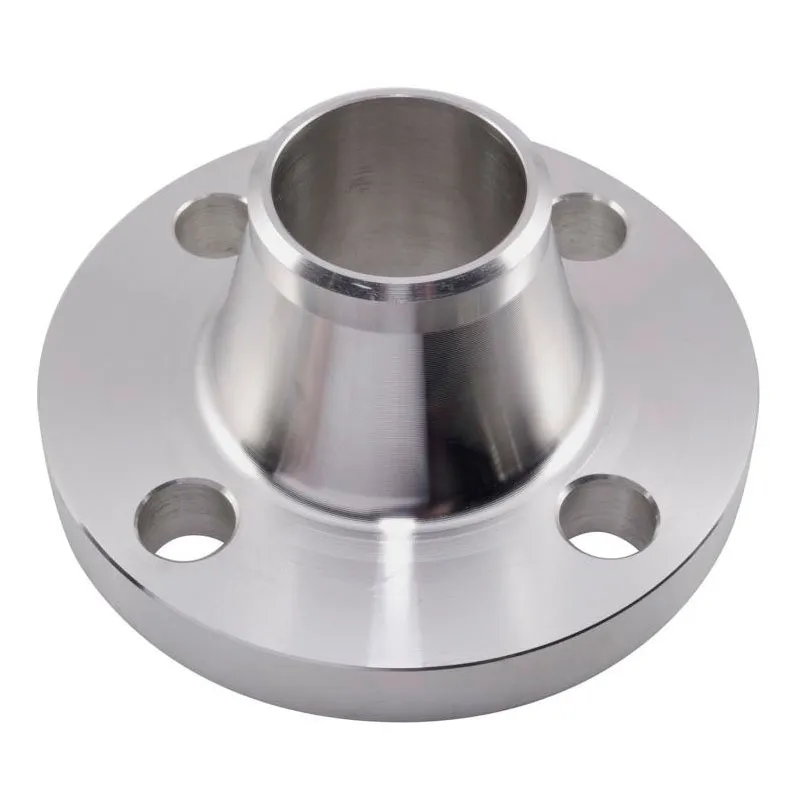 DIN Butt weld flanges PN10
 -
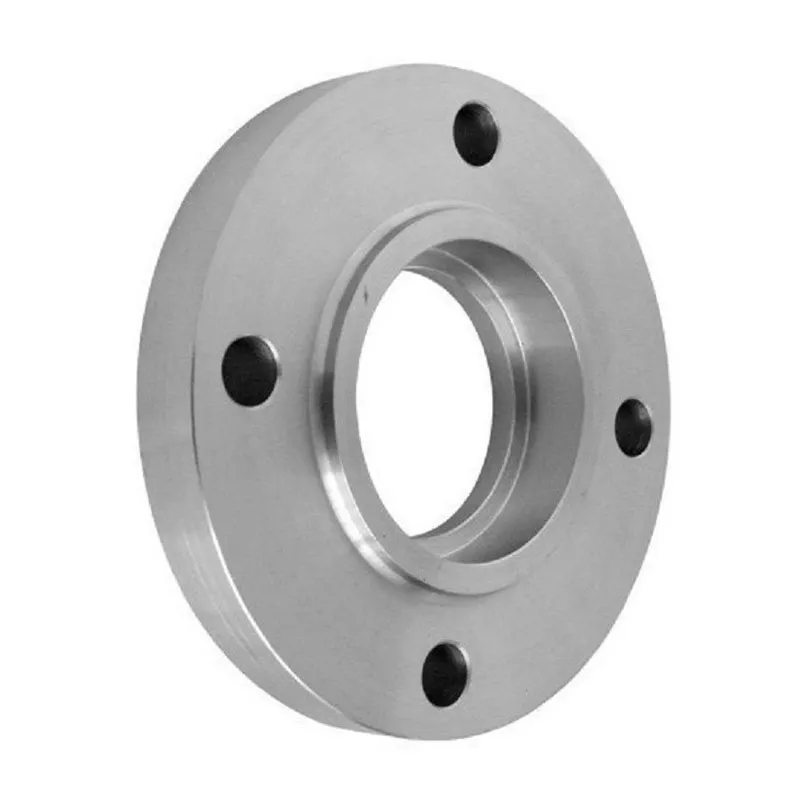 Socket Weld Flanges Class 300
 -
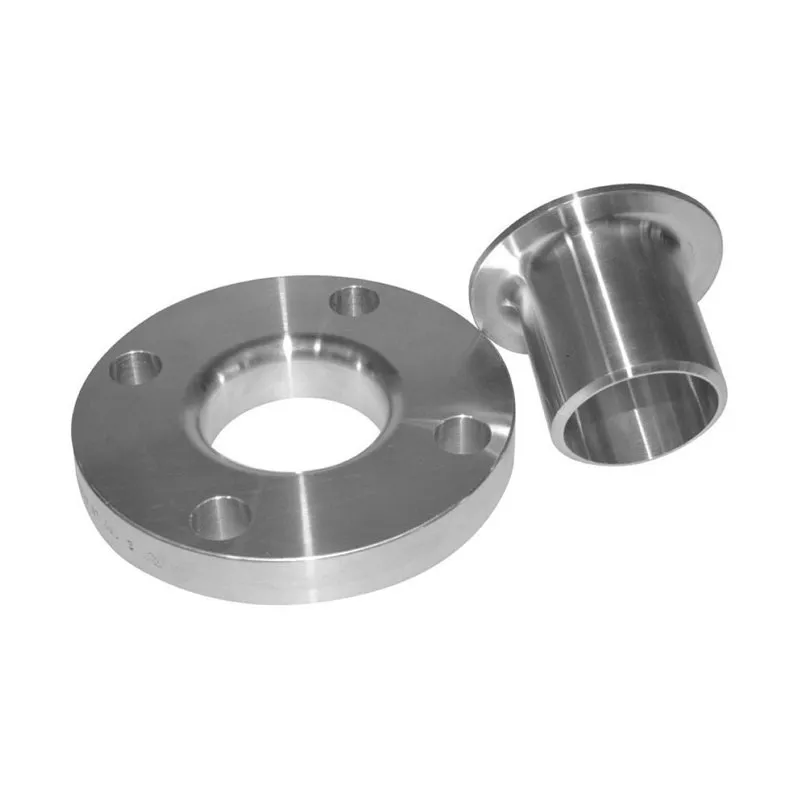 Free ring flanges Class 150
 -
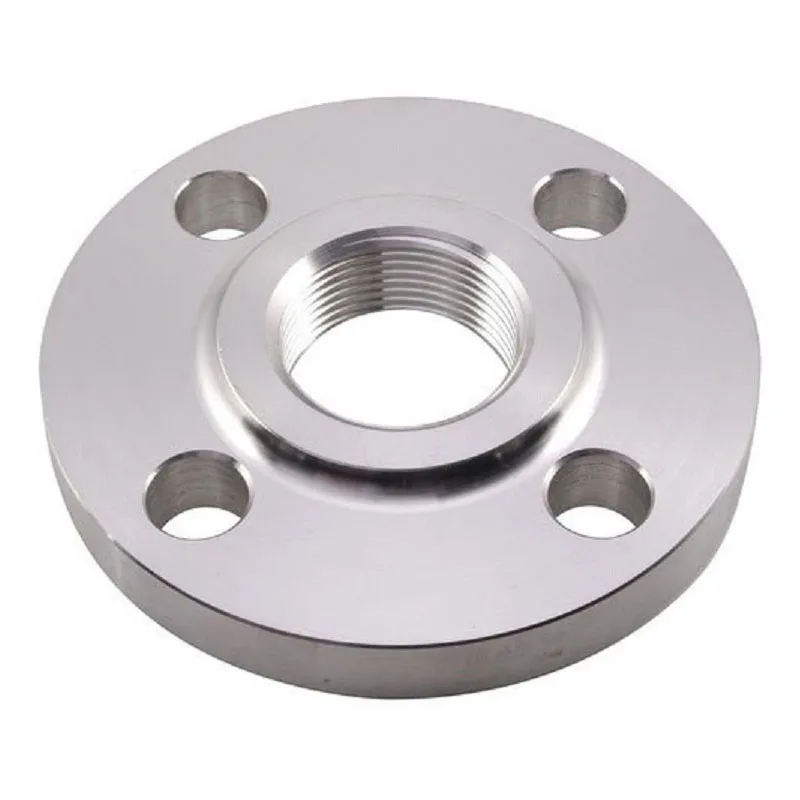 DIN 2566 Threaded flanges PN16
 -
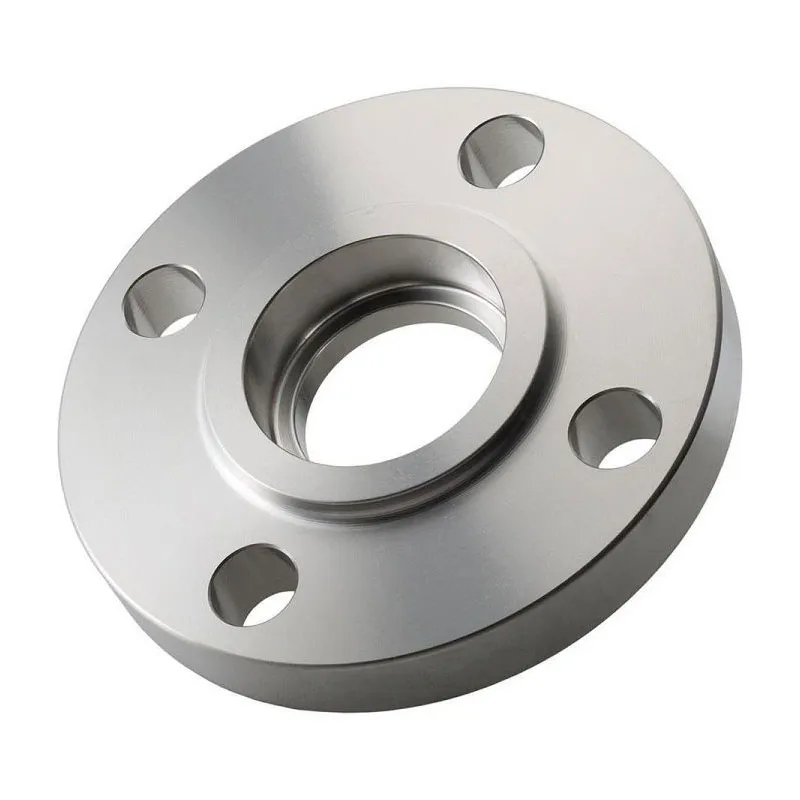 ANSI B16.5 Socket Weld Flanges Class 1500
 -
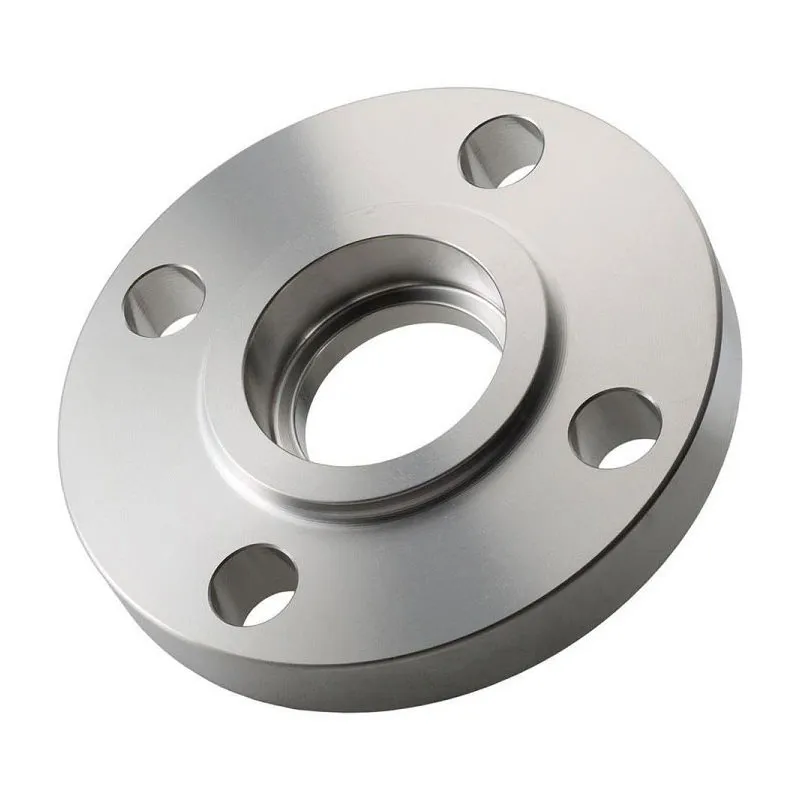 Flanges for socket welding
 -
 ANSI B16.5 Loose Ring Flanges Class 2500