
-
-
Phone
+86-13623462298



flange steel 150
When you hear “steel 150 flange”, the first thing that comes to mind is pressure, right? But here’s the catch: many people immediately go to catalogs to look for the number 150, thinking that this is some kind of separate grade of steel or type of flange. But in fact, this is a conditional pressure, PN 150, and the material for it is selected based on the conditions. I often encounter that customers confuse this with the steel grade, and then problems with selection begin. I once got burned by this myself when, in my youth, I accepted an application without specifying the medium - I thought that since the pressure was 150 atm, then steel 20 would be suitable. It didn’t fit, of course, for the aggressive environment it was necessary to urgently redo it at the station. 12Х18Н10Т, fortunately, a supplier like Shanxi Hongkai Forging LLC (their website, by the way, is https://www.hkflange.ru) then cooperated and quickly forged it to the required chemical composition. But the deadlines still missed. So what is this ?150? - it is like a starting point, and not the final answer.
Not just a number: understanding pressure and material
So, if we talk aboutflange steel 150, then the key here is a connection designed to operate at a nominal pressure of 150 atmospheres (or, more precisely, PN150 according to standards such as GOST or EN). But steel... Steel can be different. For non-aggressive environments, water, moderate temperatures, carbon steel, such as St20 or analogues, is often used. But if we are talking about chemistry, about high temperatures, then we cannot do without alloyed grades - 09G2S, 12Х18Н10Т, 15Х5М. This is where the difference between just a catalog and understanding the process is visible. The same website hkflange.ru shows that they work in accordance with GOST, ASME, EN - and for each standard and environment they probably have their own proven solutions for the material. For example, for one petrochemical project, I took flanges from them for just 150 atm, but made of 15X5M steel - for a high-temperature hydrogen sulfide-containing flow. Initially they offered 12Х18Н10Т, but after discussing the technical conditions and my doubts about thermal shock, the technologist from there himself suggested revising towards 15Х5М - it was clear that the person was in the know, and not just a sales manager.
A common mistake is to think that since the pressure is high, the flange must be massive and heavy. This is partly true, but the main thing is the quality of the forging. A cast product for such parameters is a risk; internal shells may come out. Therefore, forged flanges are practically a must-have. In the description of Shanxi Hongkai Forging LLC there is an emphasis on forged products, and this is not without reason. Forging gives better metal density, a fibrous structure that works better under load. I remember that we once tried to save money and bought supposedly forged flanges from another supplier, cheaper. According to the documents, everything was fine, steel 09G2S, but during installation at a pressure of about 120 atm, one flange began to leak along the body, not along the weld! They opened it - there was heterogeneity inside, similar to a casting defect. I had to stop the line. Since then, I have looked not only at certificates, but also at the manufacturer’s reputation in forging. Chinese manufacturers, concentrated in such industrial centers, often have a very serious forging fleet, as can be seen from their equipment and capabilities in sizes up to DN4000.
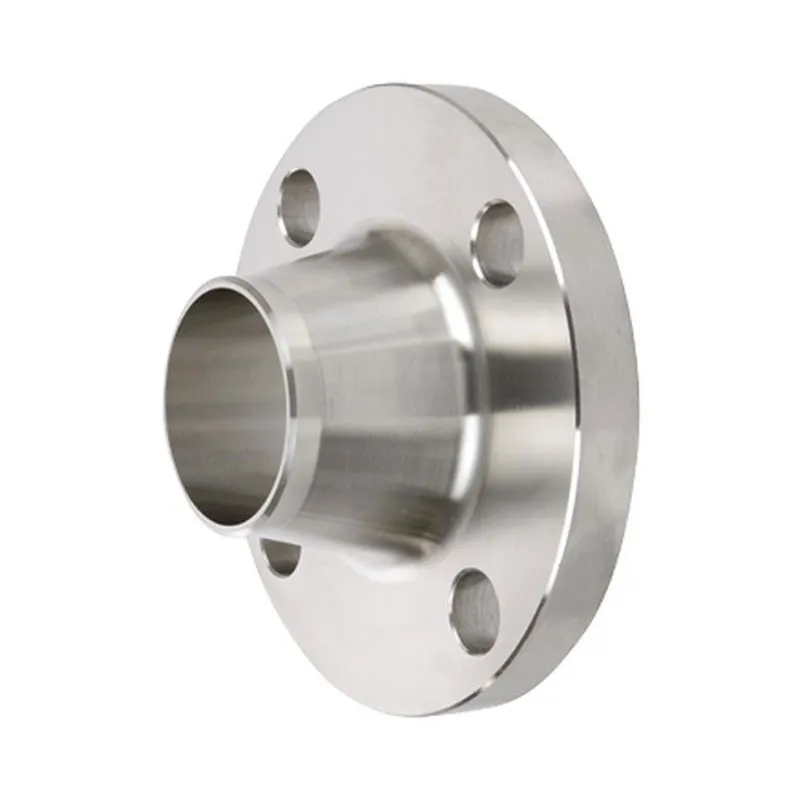
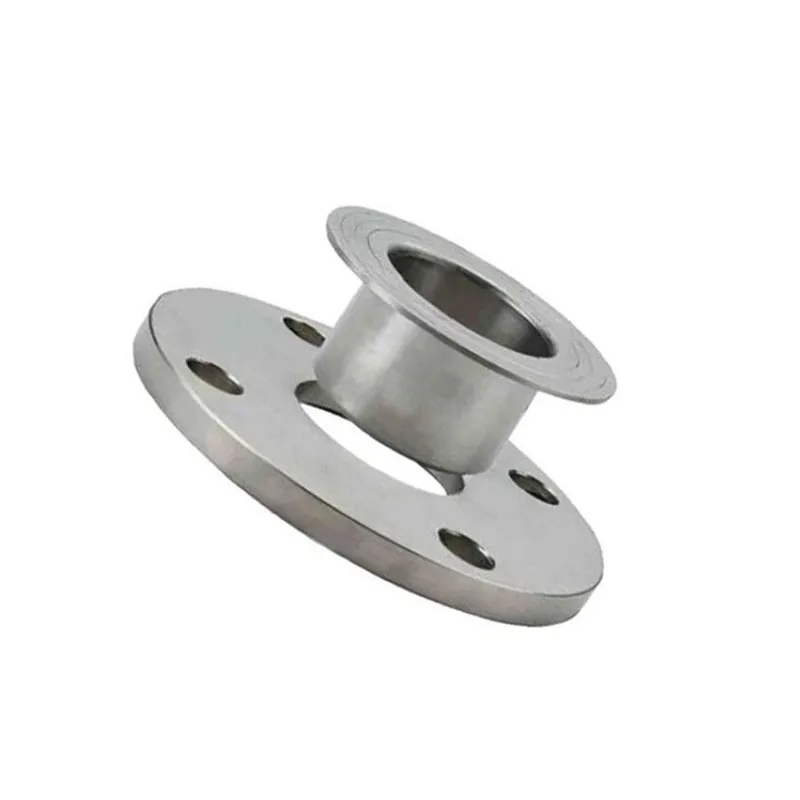
Another nuance is the design of the sealing surface. PN150 often requires higher quality processing, especially when it comes to connections with metal gaskets (tongue-to-groove type, tongue-to-groove connection). Sometimes, in a hurry or due to inexperience, they order flanges with a smooth surface, and then struggle with the selection of gaskets to keep them under high pressure. It is important to immediately include this in the technical specifications. The same Hunkai, judging by the nomenclature, has all the main types - butt welded, flat, free. For high pressures, in my opinion, a welding neck is the most reliable option; the load is distributed better.
From practice: selection and non-standard situations
In real life, things rarely go strictly according to the textbook. I had a project, I neededflanges steel 150for the reconstruction of an old installation. The old flanges were according to Soviet GOST, but with a non-standard center-to-center distance of the holes. The new equipment is European. The challenge is to make the transition. Standard products were not suitable. We contacted several companies with drawings, including hkflange.ru. They responded quickly, but the main thing is that their engineers not only accepted the drawing, but asked a bunch of clarifying questions: about the temperature of the environment (it turns out that in the old specifications it was underestimated), about the type of gaskets that we plan to use, about the installation method. This is the sign of practitioners. As a result, they proposed not just copying the old flange, but slightly changing the design of the collar to reduce local stresses, and made it from 09G2S steel, but with enhanced ultrasonic control. The product arrived perfect, fit without adjustment. This is the case when the ability to manufacture according to customer drawings is not just a line in the description, but real work.
But it happens the other way around - it seems that everything is standard, DN150, PN150, steel 20. You order, receive, start installation - but the holes for the studs do not coincide by half a millimeter. A trifle, but a stop. The reason may be trivial - different standards for tolerances, or even different machines in production. Nowadays, especially when joining equipment from different manufacturers, I always require control cards with dimensions, especially for bolt patterns, from the flange supplier. Large manufacturers that export and claim compliance with international standards (like the same company from Shanxi) are usually stricter with this, their metrology is well established. But you still need to check.
And one more thing about temperature. The number is ?150? - this is pressure at a certain, usually room, temperature. As the temperature rises, the permissible pressure drops. Everyone knows this in theory, but in practice they sometimes forget. There was a case when 150 atm flanges were installed on a line where the operating temperature was under 400°C. According to calculations, the operating pressure there should have been no higher than 90-100 atm, but due to an error in the design they were operated at full design pressure. Fortunately, there was no accident, but during the first planned shutdown, metal creep was discovered. The flanges had to be changed. Therefore, now for high-temperature applications, I always separately calculate and indicate both pressure and temperature in the order so that the manufacturer can choose the correct steel grade and calculate the thickness.
Inspection and acceptance issues
Qualityflange steel 150It starts not in the warehouse, but in the workshop. And here it is not only forging that is important, but also subsequent heat treatment (normalization to relieve stress) and machining. The smoothness of the sealing surface and the accuracy of the holes are a must. I am always interested in what kind of control the products go through. Serious factories have ultrasonic inspection, hardness control, and chemical testing. smelting analysis. The website of Shanxi Hongkai Forging LLC states that they produce according to international standards - this implies just such a control system. For critical objects, we sometimes even went to reception or requested video inspection reports. This is especially important for non-standard large-diameter products.
Another point is labeling. It would seem like a small thing. But clear, indelible markings with heat number, steel grade, pressure and size are the face of the manufacturer. You can then track everything using it. I have seen flanges where the markings were applied with paint and were erased during transportation. We had to do a metal analysis to understand what kind of material it was. Of course, there is no trust in such a supplier. Therefore, now we always specify the marking method (branding) in the requirements.
And packaging. For flanges, especially those with a carefully treated surface, it is important that they do not bump against each other and do not rust during sea transportation. Good anti-corrosion lubricant and wooden packaging are signs that the product has been taken care of. I remember how we received a batch from one supplier - the flanges were simply in stretch film, without gaskets. Half had chips and burrs on the joint surface. I had to return it. Since then, packaging has also been a point of evaluation.
Instead of a conclusion: simple selection rules
So what is itflange steel 150in the end? This is not just a product item. This is a technical decision that requires understanding. My rules, hard-earned in practice, are now the following: first, never separate pressure from the environment and temperature - consider the complex. Secondly, for high parameters, choose a trusted manufacturer of forged flanges, who can provide a full package of documents and has experience working in accordance with international standards. Companies like Shanxi Hongkai Forging LLC, being part of a large forging industry, often have this advantage by default. Thirdly, for non-standard conditions, do not be lazy to make a detailed technical specification and consult with the plant’s technologists - this will save time and money. And fourthly, there are no trifles - from labeling to packaging, everything speaks about quality.
The market is now saturated with offers, you can find cheaper ones. But when we are talking about pressures of 150 atmospheres, saving a couple of dollars per piece can result in millions of losses from downtime or an accident. Therefore, my choice is to work with manufacturers who rely on technology and control, and not just on price. And judging by the experience of interacting with some of them, including Chinese specialized factories, this is exactly the way that allows you to sleep peacefully after the launch of the line.
In general, a flange is just a flange, but behind this simple detail there is a whole history of metallurgy, mechanics and engineering. And ?150? - this is just the beginning of this story. All other chapters are written during the selection, production and installation process. And it’s better that they are written by professionals on both sides—the customer and the manufacturer.
Correspondingproducts
Related Products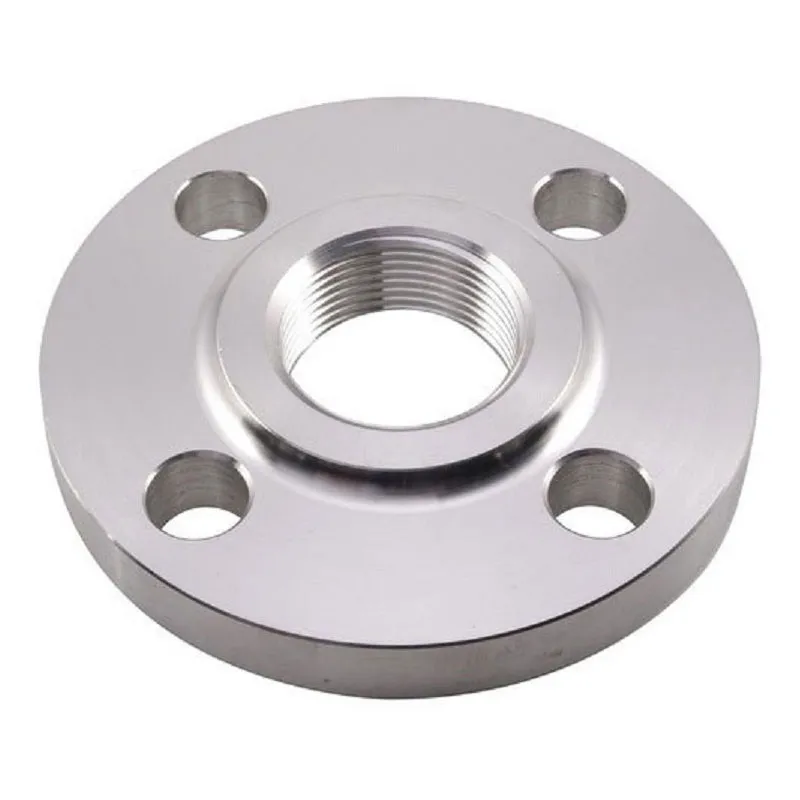
Best Sellingproducts
Best Selling Products-
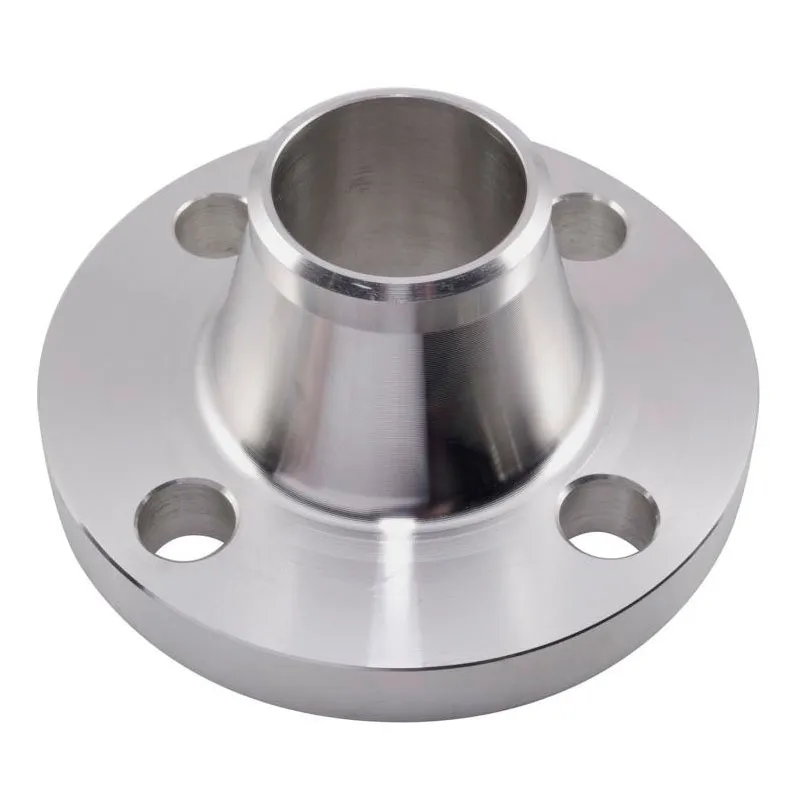 DIN Butt weld flanges PN10
 -
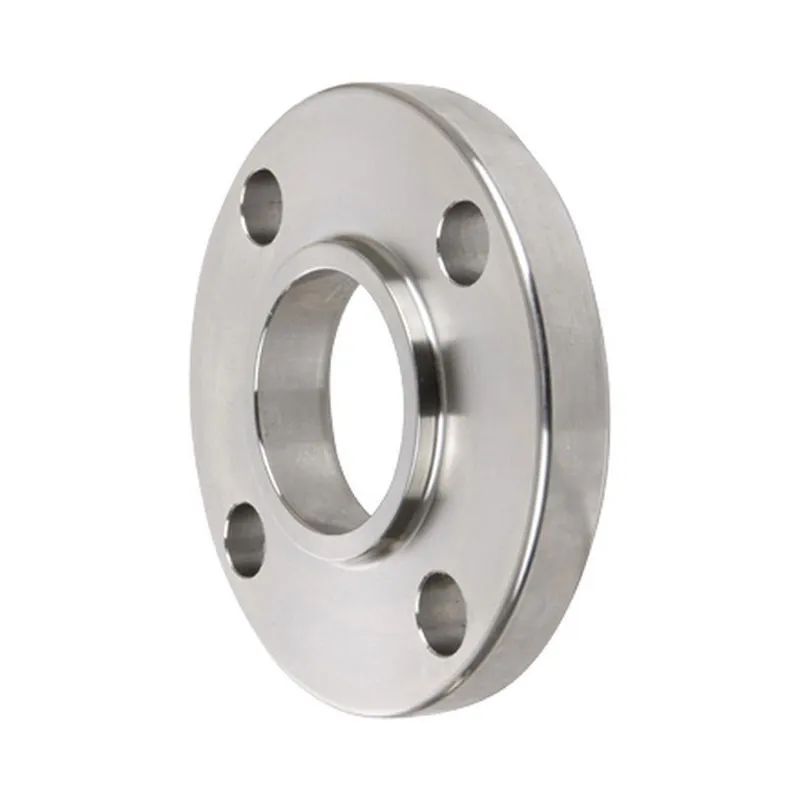 DIN 2501 Overlay flanges PN16
 -
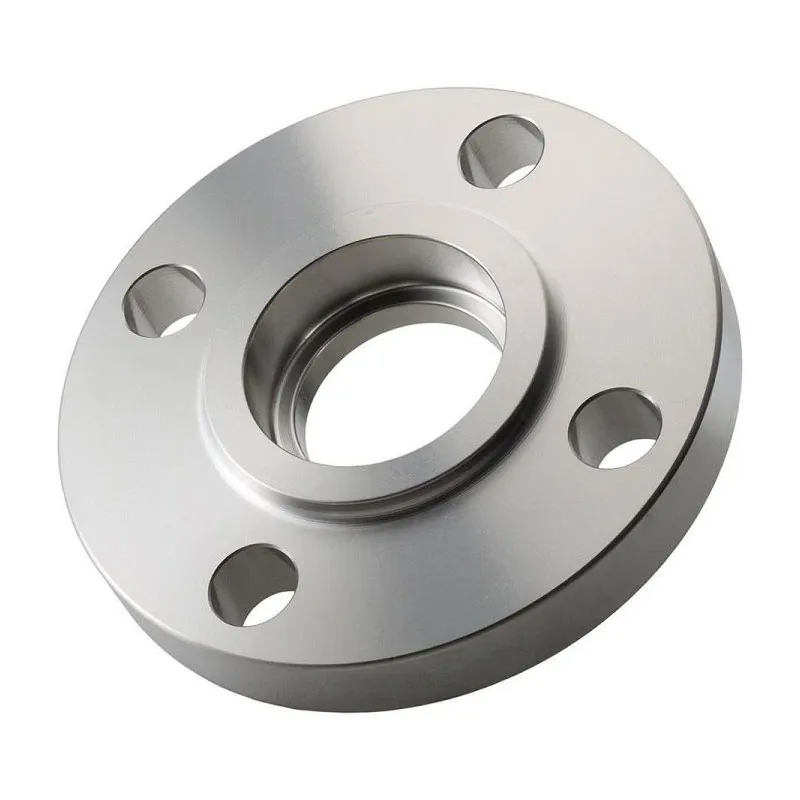 ANSI B16.5 Socket Weld Flanges Class 150
 -
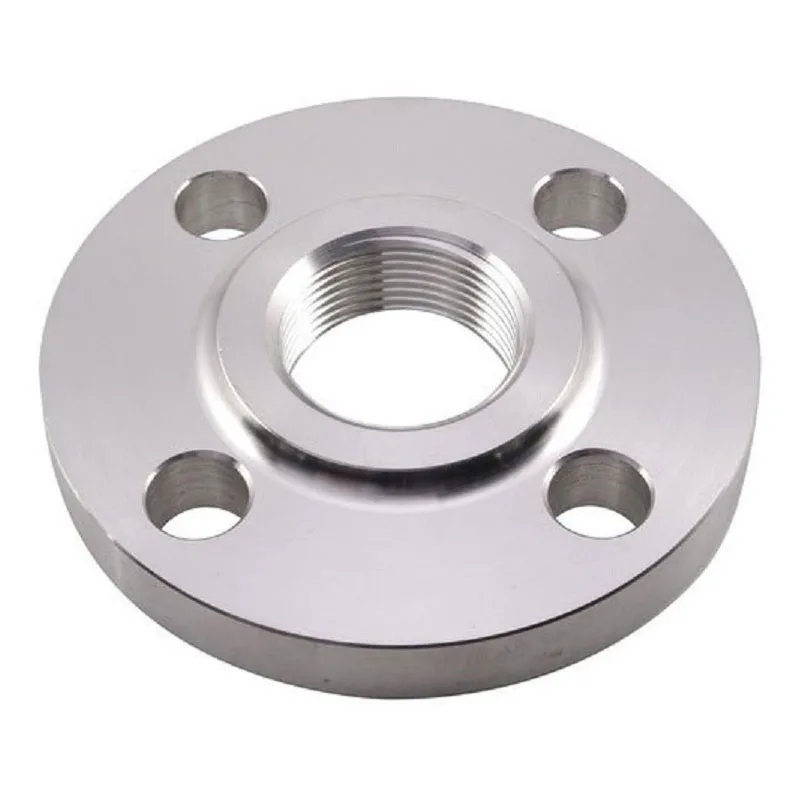 JIS 10K Threaded Flanges
 -
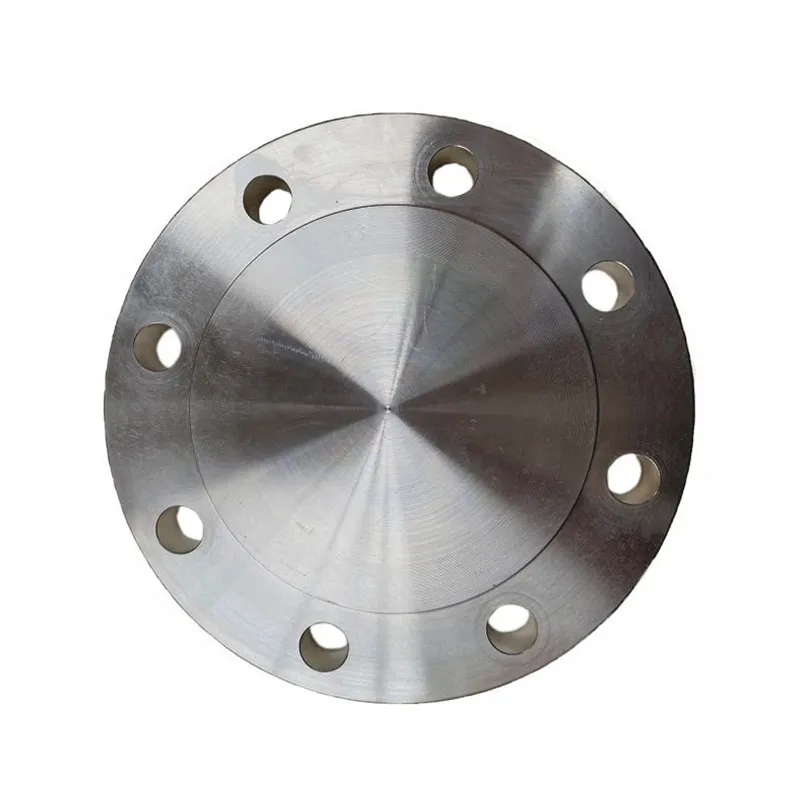 DIN 2527 Blind flanges PN10
 -
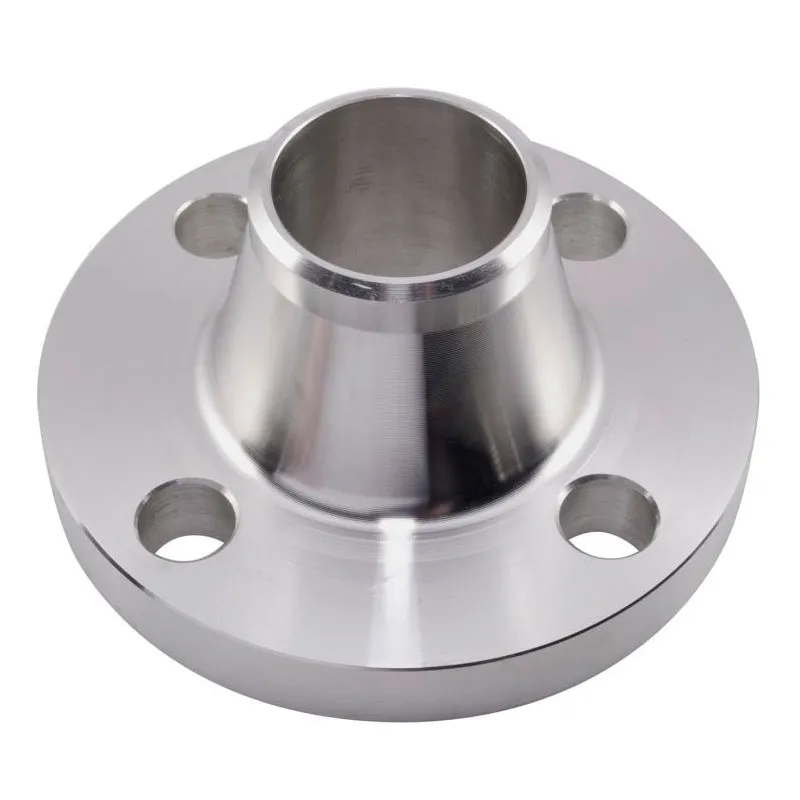 UNI 2281 Butt weld flanges PN10
 -
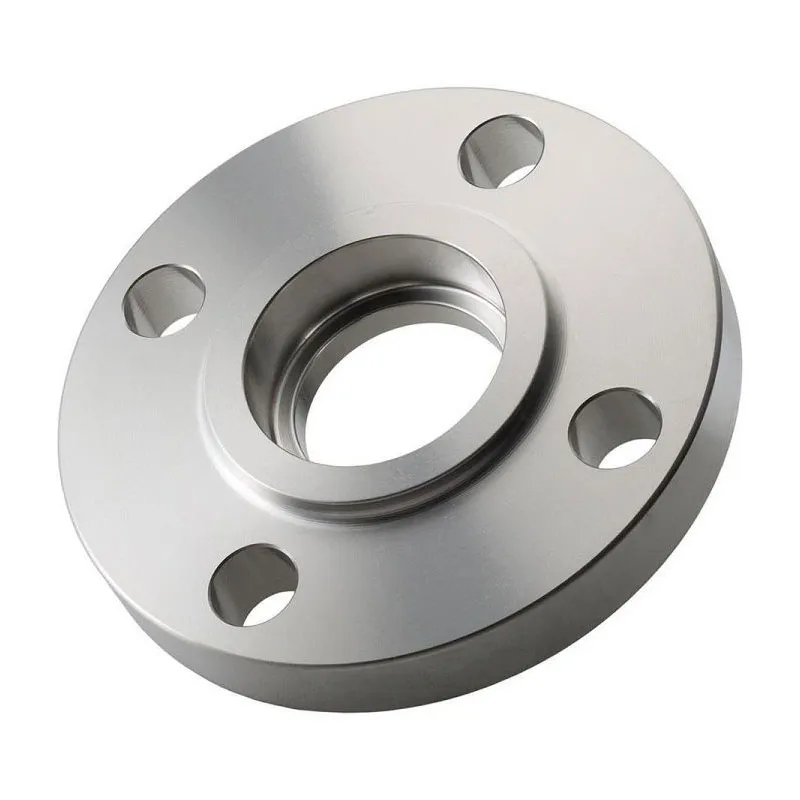 ANSI B16.5 Socket Weld Flanges Class 1500
 -
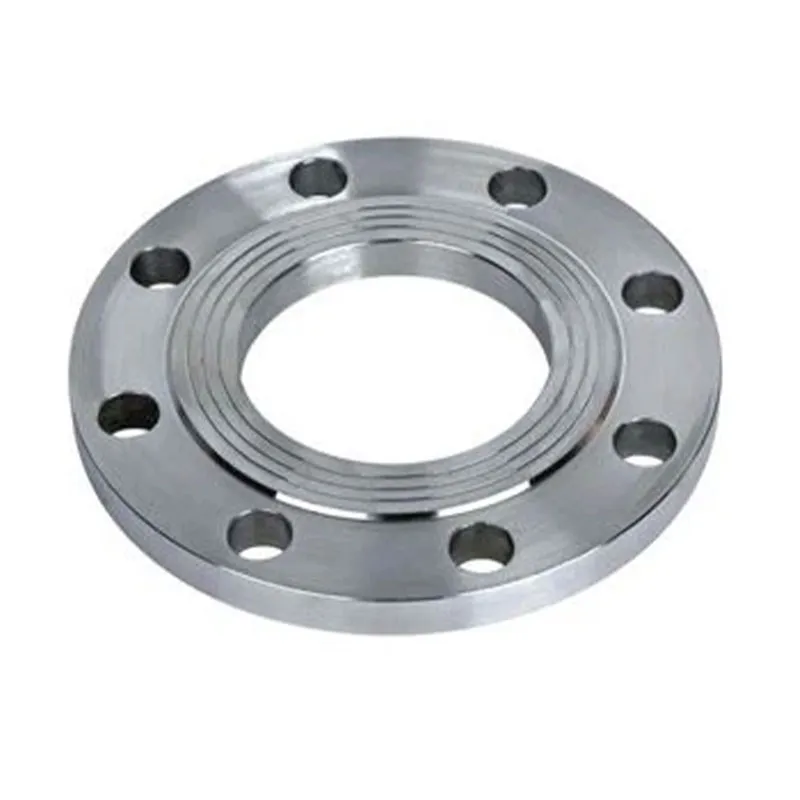 Butt weld flanges Class 150
 -
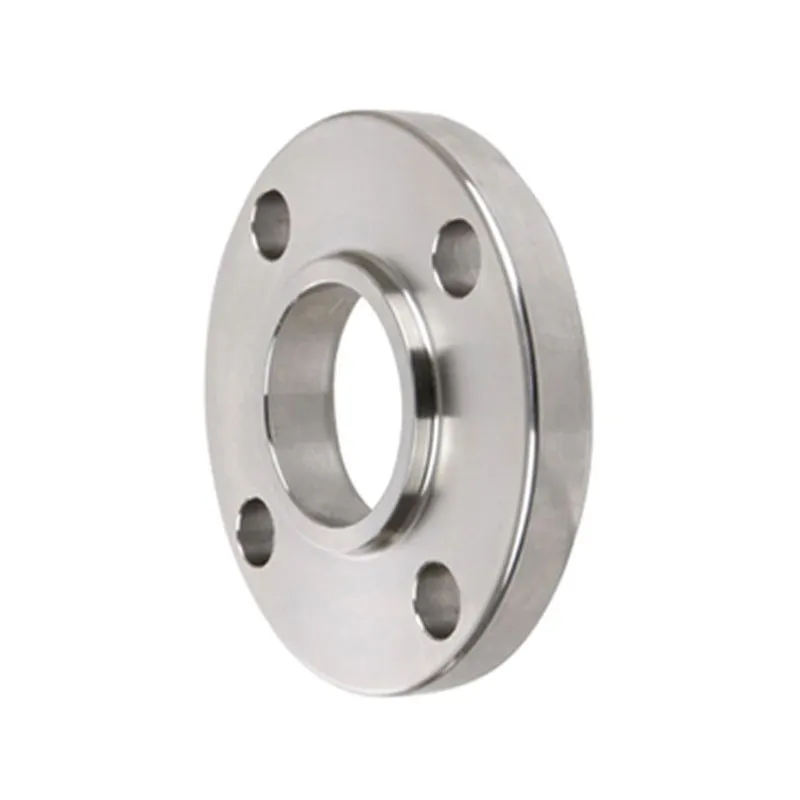 ANSI B16.5 Lap-on flanges Class 300
 -
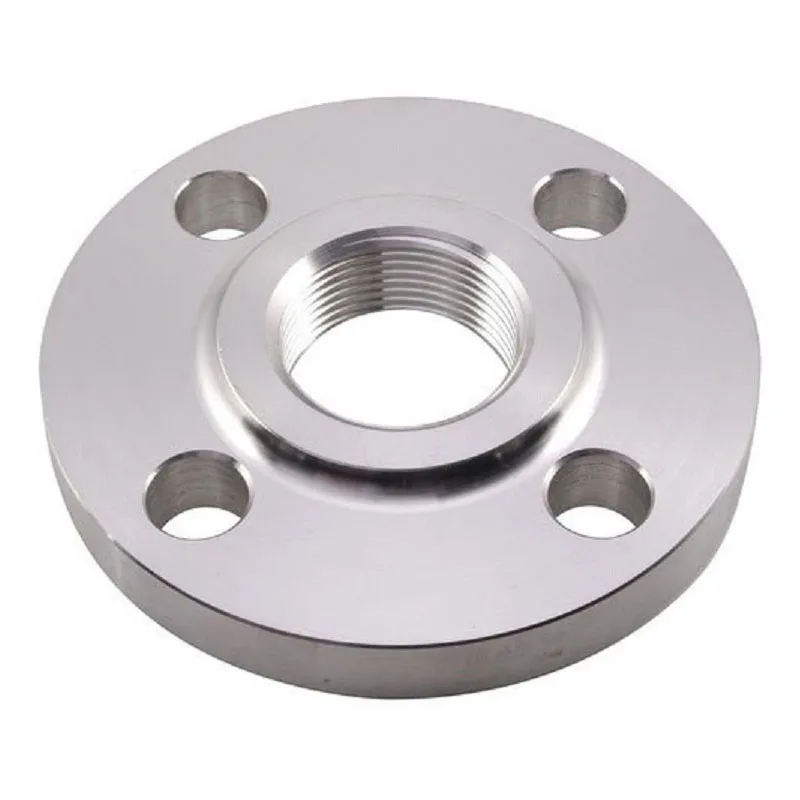 DIN 2566 Threaded flanges PN16
 -
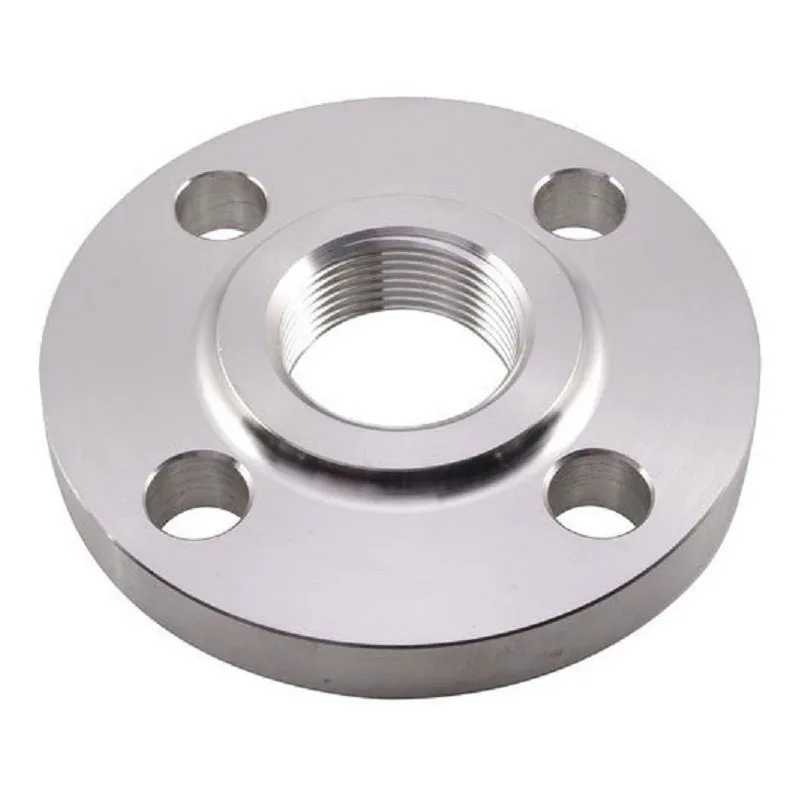 ANSI B16.5 Threaded Flanges Class 600
 -
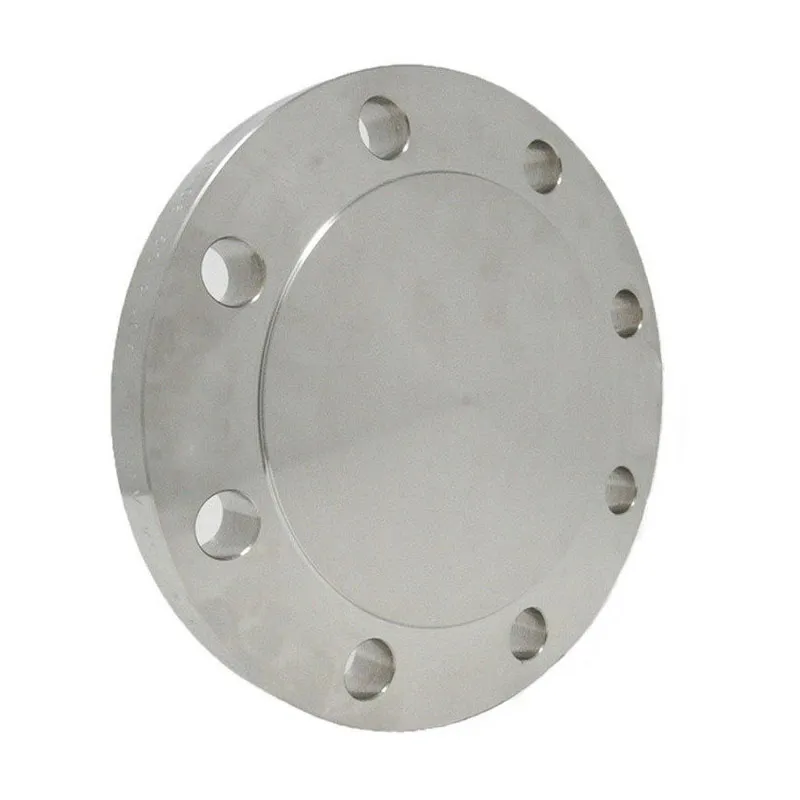 Blind flanges Class 150