
-
-
Phone
+86-13623462298



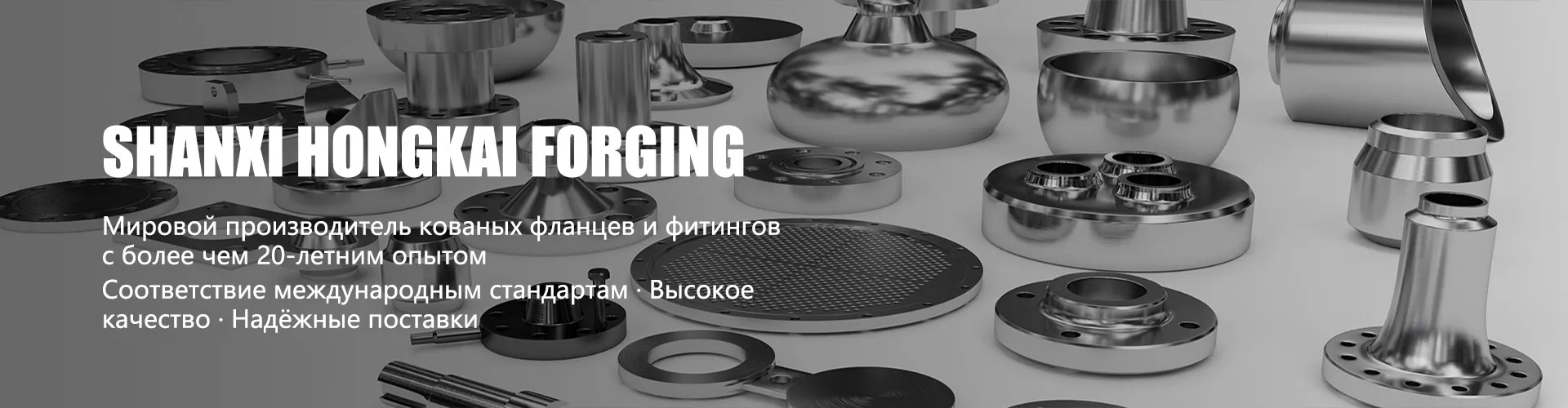
welded steel flanges certificate
When you hear the request “welded steel flanges certificate?”, you immediately imagine a pile of papers with stamps. But in reality, especially when working with imports from China, everything depends not so much on the document itself, but on what is behind it. Many people mistakenly think that a certificate is just a formality for customs. In fact, especially for critical facilities, this is a story about the traceability of each batch, from steel chemistry to ultrasonic testing. Without this, even the best-looking flange can cause downtime.
Certificate: not a piece of paper, but the history of the product
So you pick up a certificate for, say,welded steel flangesaccording to GOST (this is our analogue of EN 1092-1). The first thing you look at is not at the beautiful stamps, but at the link to the heat number. This is the basis. If it is not there, the document is almost useless. Because next comes the comparison of the mechanical properties and chemical composition with this melt. I remember a case when a batch of flanges arrived from China with certificates, but without connection to the melt. We had to do unscheduled input control - spectral analysis, hardness tests. Time and money, but they could have simply provided a normal package.
This is where manufacturers who operate transparently are valued. For example, on the siteShanxi Hongkai Forging Co.,Ltd (https://www.hkflange.ru) it is expressly stated that the products are manufactured according to international standards. But the key thing is that they, as a manufacturer of forged flanges and forgings, usually provide a complete set: a certificate of conformity, test reports (mechanical, chemical), and an ultrasonic testing report. For buttweld flanges (WN), this is critical because the neck transition area is a high-stress area.
A common mistake customers make is to simply demand a “GOST R certificate”. But GOST R is a certification system in Russia, and the product itself must be manufactured according to a specific product standard. That is, it is correct to request a certificate of conformity for flanges manufactured, for example, according to GOST 33259, or according to ASME B16.5. A manufacturer in China, such as the one mentioned, usually has certificates specifically for the production system or product types, which already provides a basis for trust.
Practical difficulties with certification of imported flanges
When working with deliveries, you are faced with the fact that even if you have all the documents, nuances may arise. Let's say the flange is supplied according to the customer's drawing (non-standard). What type of certificate should it have? Often this is a certificate from the manufacturer, where all the parameters are indicated, but there is not always a mark from the certification body. This may raise questions from technical supervision services. You have to negotiate this point in advance and sometimes order additional examination from an accredited laboratory here.
Another point is labeling. A certified product must have indelible markings: standard, steel grade, nominal pressure, size, manufacturer's mark, heat number. If this information is on the flange, and it matches in the certificate, this is a good sign. It happened that I received a batch where the markings on the product and in the documents differed in one digit of the heat number. We had to suspend acceptance until we found out that there was a typo in the electronic version of the certificate. It’s a small thing, but in facilities with high demands, such little things make all the difference.
They are now looking especially closely at certificates for large diameter flanges, such as DN2000-DN4000. Here, in addition to standard tests, it is often necessary to provide a report on macrostructure control (etching) and test results for impact strength at subzero temperatures, if we are talking about northern projects. Not every manufacturer is ready to promptly provide this as part of a package of documents.
Choosing a supplier: how a certificate becomes a criterion
When you evaluate a potential supplier, for example, the sameShanxi Hongkai Forging Co.,Ltd, you immediately look at the nomenclature. The declared range is up to DN4000 and work according to drawings - this already speaks of production capabilities. But then the fun begins: you request standard samples of certificates. Not just beautiful PDFs, but with real data. You pay attention to the presence in them of references to international standards (ASME, EN, DIN), which they declare on their website.
A good sign is when the manufacturer indicates in the certificate not only the final parameters, but also the test methods (for example, ASTM A370 for mechanical tests). This shows a systematic approach. The mentioned company, as a manufacturer in one of the main forging centers of China, usually understands these subtleties. Their certificates forwelded flangesbutt joints often contain toughness data, which is important for critical applications.
However, you should not be fooled by the package of documents alone. You always ask to provide photos or videos of key control stages. For example, how is ultrasonic testing of the neck area of WN flanges performed? Or how products are marked after testing. Is this the same “alive” one? a practice that differentiates a supplier who simply sells metal products from one who actually produces critical piping components.
Personal experience and “pitfalls”
I had the experience of ordering a batch of flat flanges (PL) according to DIN 2576. The certificates from the manufacturer were ideal. But during installation, problems arose with the compatibility of the holes for the studs with the counter flanges made in Europe. It turned out that everything in the certificate was correct: the diameter of the holes, their number. But the rotation tolerance (angular displacement) of this circle was not specified. The manufacturer worked within tolerances according to its national standard, which was different from what we were used to. Since then, for any non-standard or rarely used standard, we always request a drawing with applied tolerances and check it with the certificate.
Another stumbling block is the material certificate. Often, a flange manufacturer buys a blank (forging) from another company. Ideally, there should be a certificate for this forging, and then a certificate for machining and inspection of the finished flange. Complete chain. Not everyone is ready to show it. On the websitehkflange.ruthe company positions itself as a full-cycle manufacturer of forged flanges and forgings. This should theoretically simplify traceability, since both forging and machining are carried out in one place. In practice, this needs to be clarified in each specific request.
And, perhaps, the main conclusion: by itselfcertificatefor steel welded flanges - no guarantee. This is a tool. Its value is revealed only in the complex: competent technical specifications from the customer, understanding of standards, clear incoming control and the choice of a supplier who perceives documentation not as a burden, but as an integral part of a quality product. When you see in the certificate notes on non-destructive testing of specific zones, data on tensile tests from real witness samples, then you become confident that the flange will withstand both pressure and testing.
Instead of a conclusion: what to look for today
Now the market is saturated with offers. The mark of a good supplier is its willingness to discuss certification details before concluding a contract. It’s not easy to say “all certificates are available?”, but specifically: according to what standard the batch will be manufactured, what tests will be carried out, in what form the protocols will be provided (with translation, certified, etc.).
For products such aswelded steel flanges, increasingly, not just paper, but electronic, traceable certificates with the ability to verify authenticity through the manufacturer’s database are required. This is a trend.
One last thing: never be lazy to do a spot check. Even if you have a perfect certificate in your hands fromShanxi Hongkai Forging Co.,Ltdor another large plant, a few random flanges from the batch should be submitted for independent analysis. This is not about mistrust, this is about professional responsibility. Because there are no trifles in our work, especially when it comes to welded joints on a pipeline.
Correspondingproducts
Related Products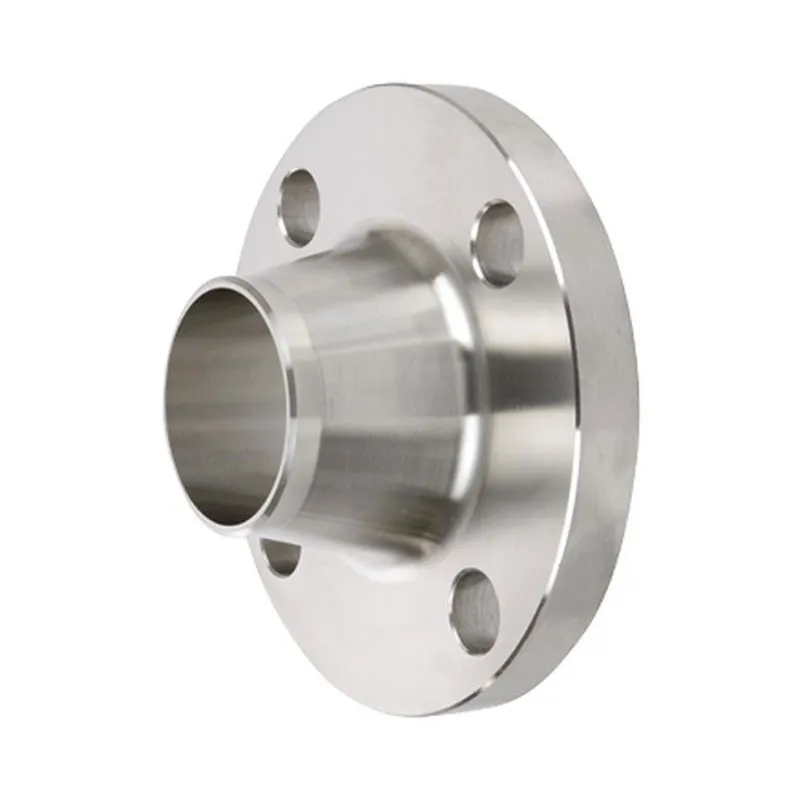
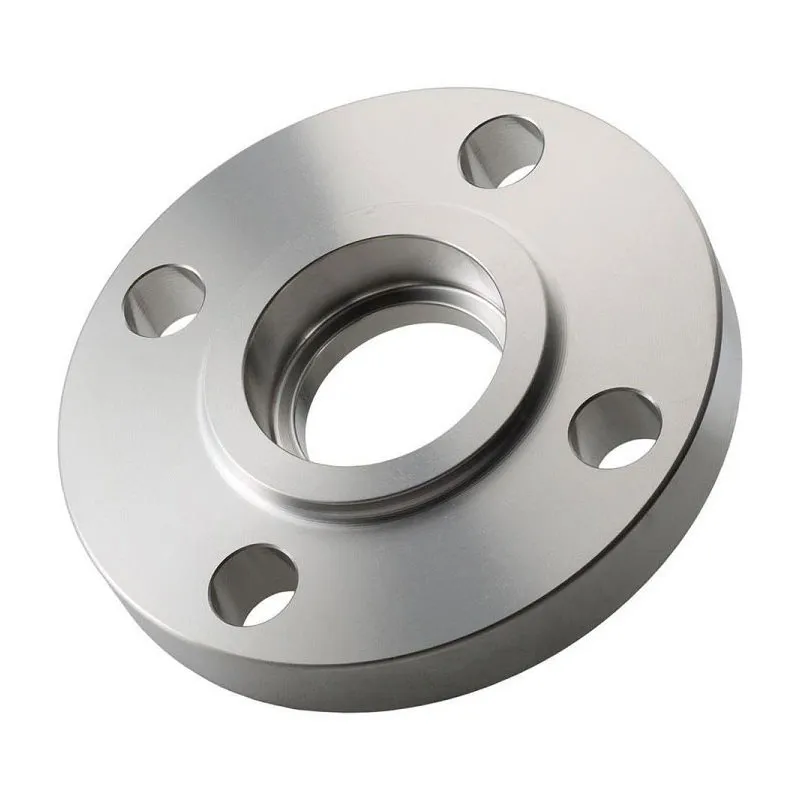
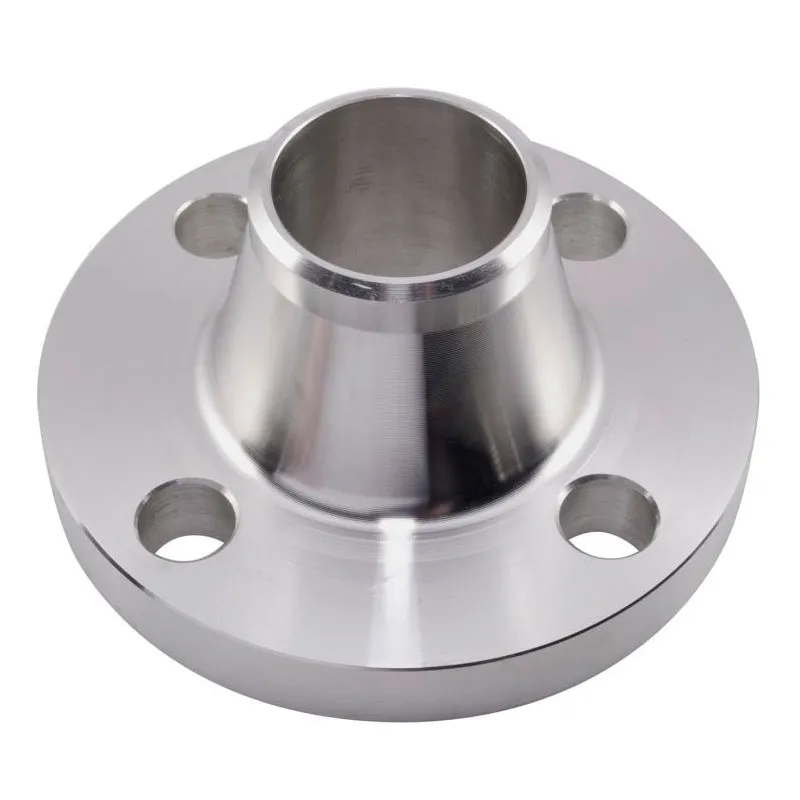
Best Sellingproducts
Best Selling Products-
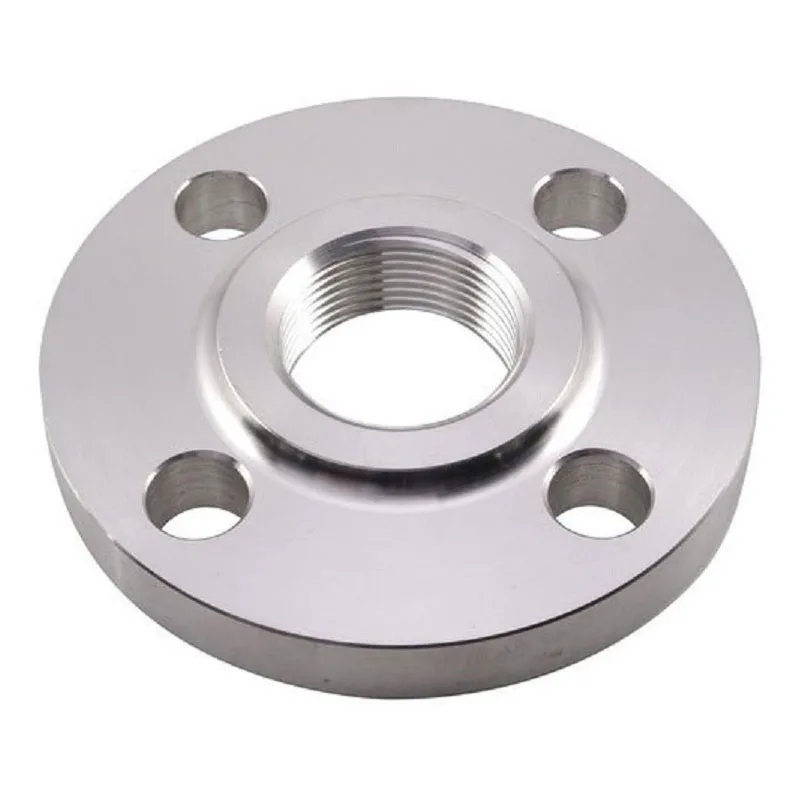 JIS 10K Threaded Flanges
 -
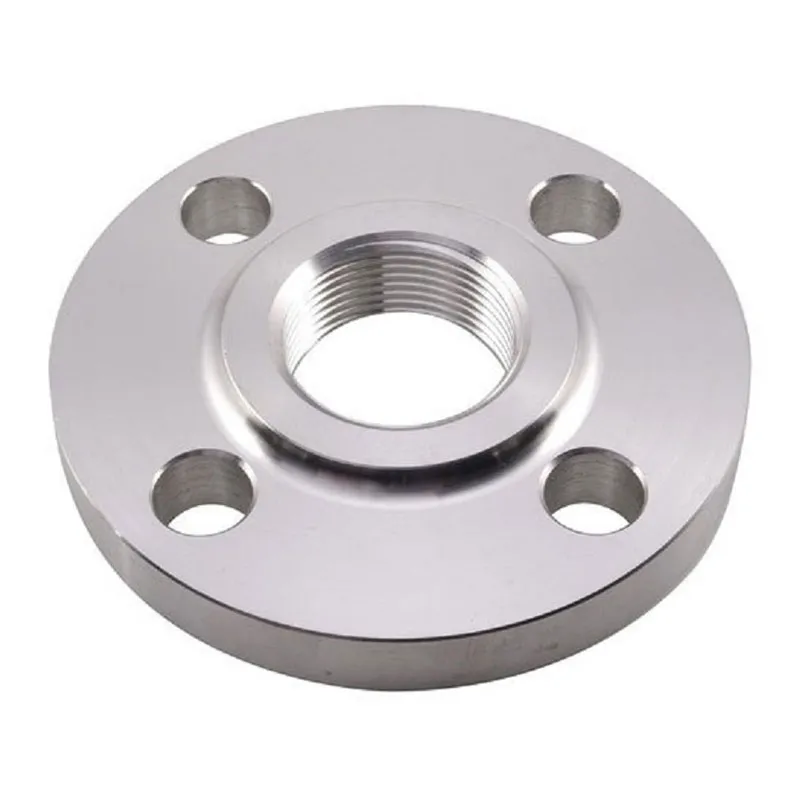 JIS 10K Overlay flanges
 -
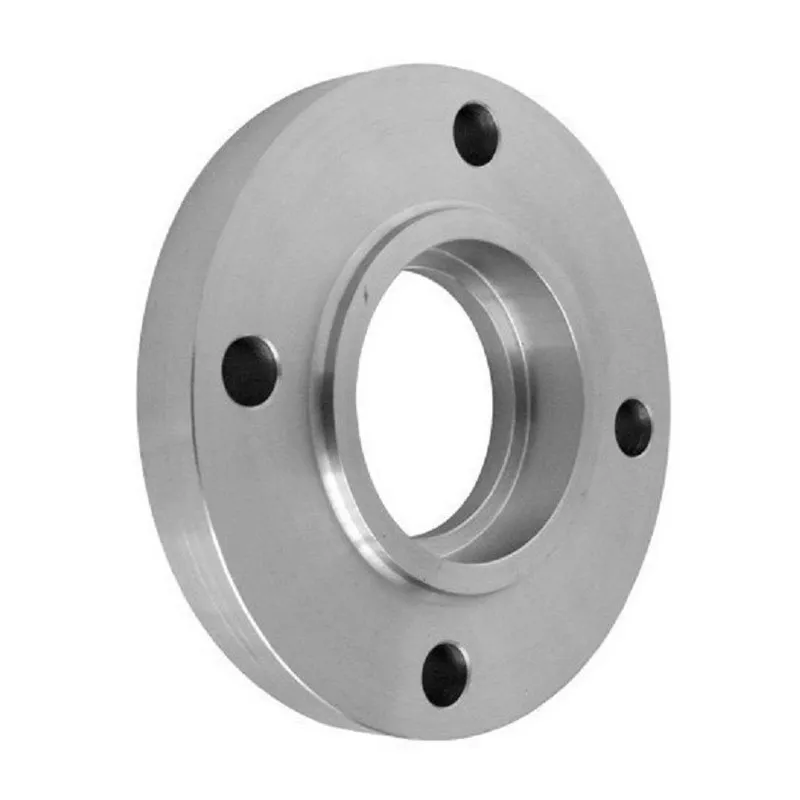 JIS 5K Socket Weld Flanges
 -
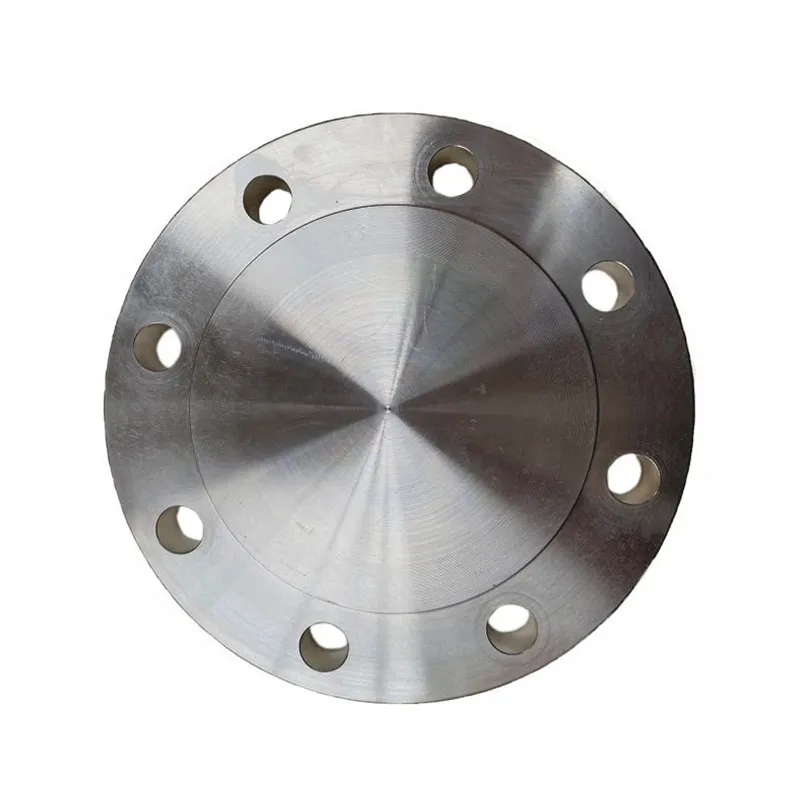 DIN 2527 Blind flanges PN10
 -
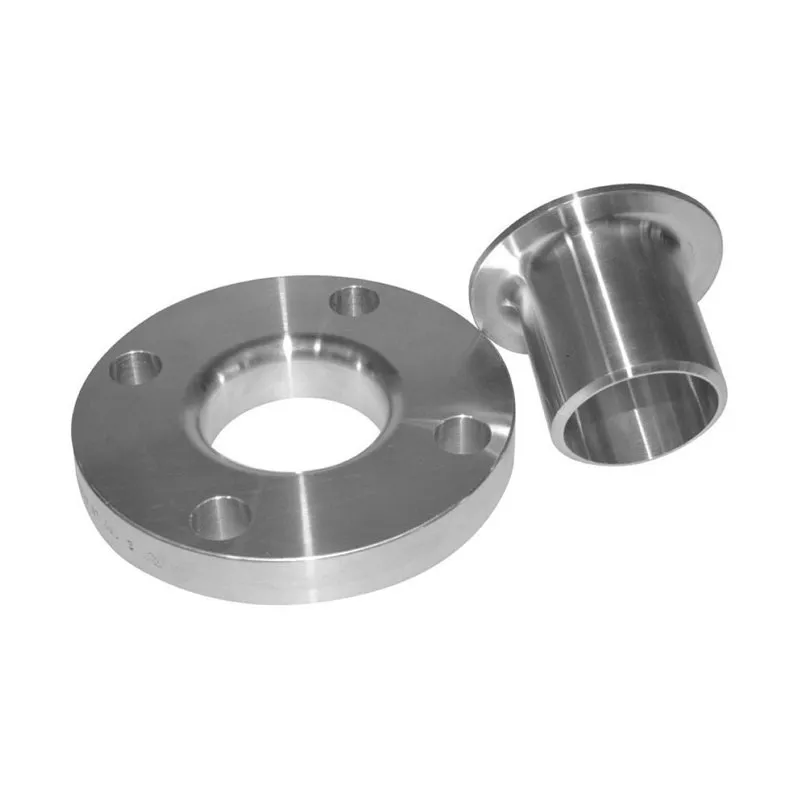 Free ring flanges Class 150
 -
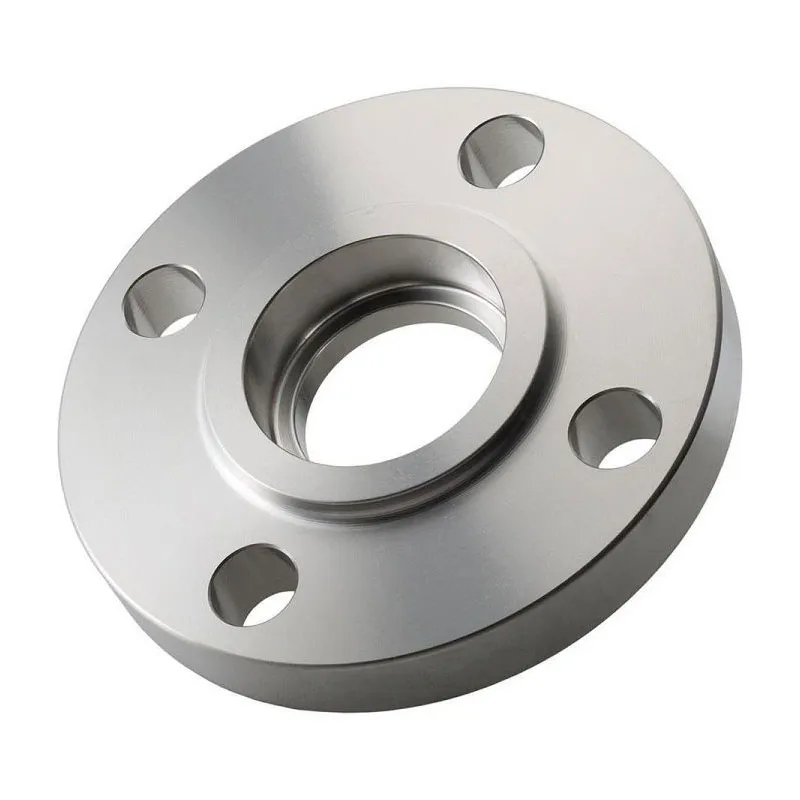 ANSI B16.5 Socket Weld Flanges Class 1500
 -
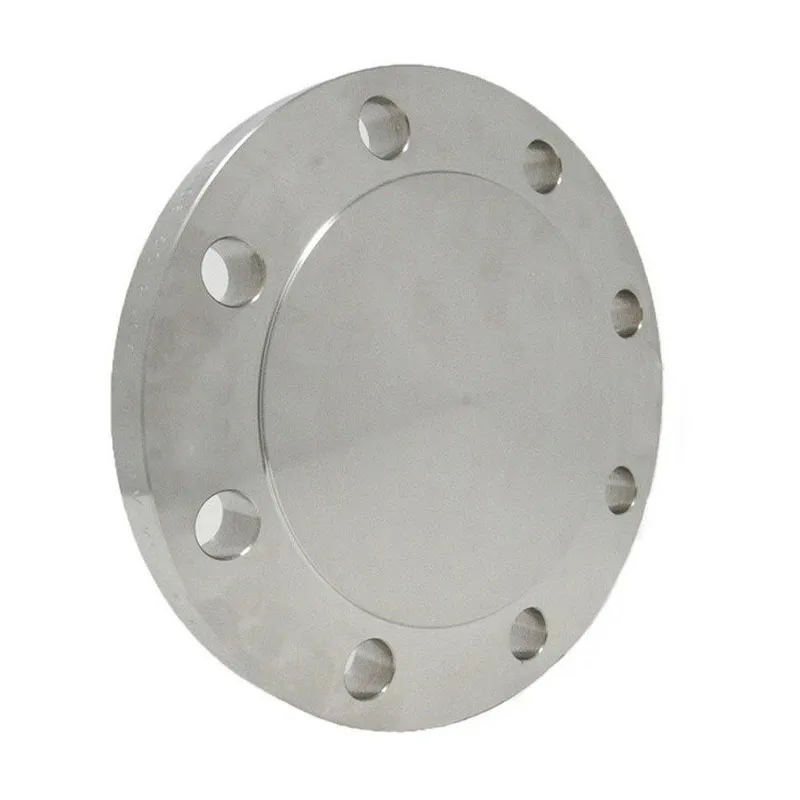 EN 1092-1 Blind flanges Type 05, PN10
 -
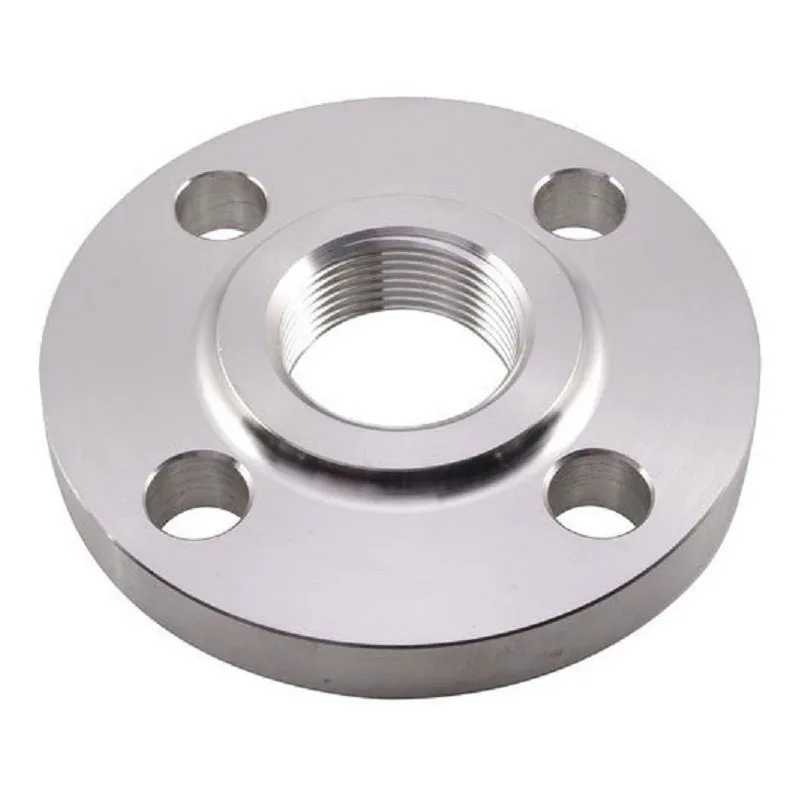 ANSI B16.5 Threaded Flanges Class 600
 -
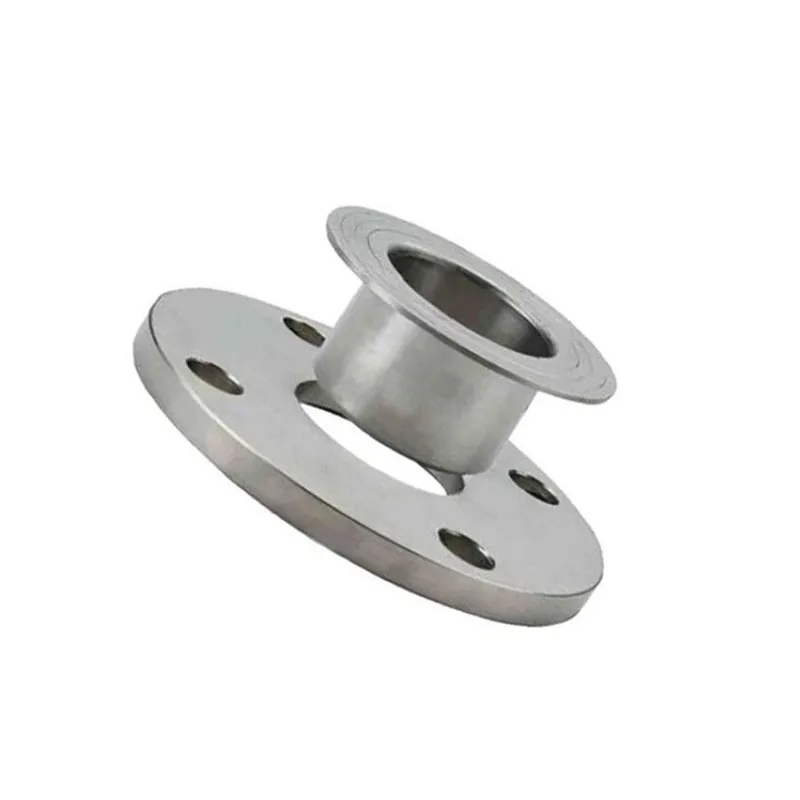 Free ring flanges Class 400
 -
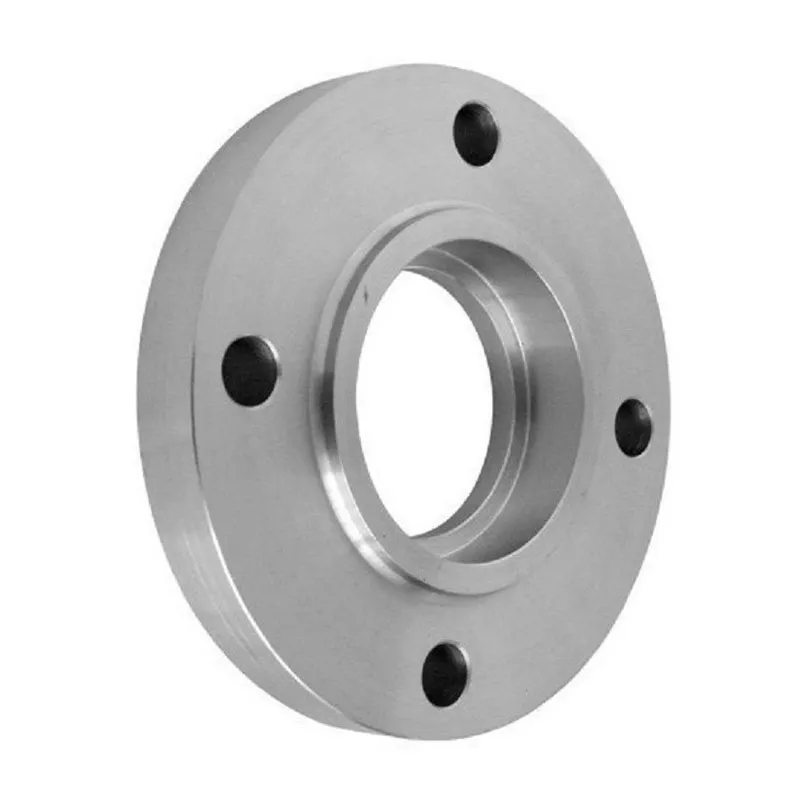 Socket Weld Flanges Class 300
 -
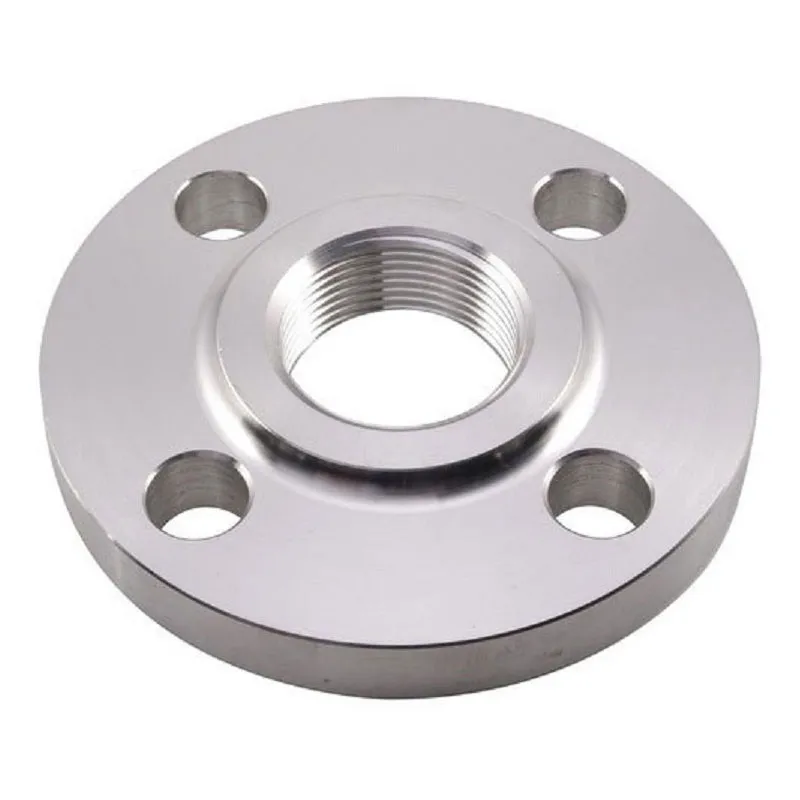 DIN 2565 Threaded flanges PN6
 -
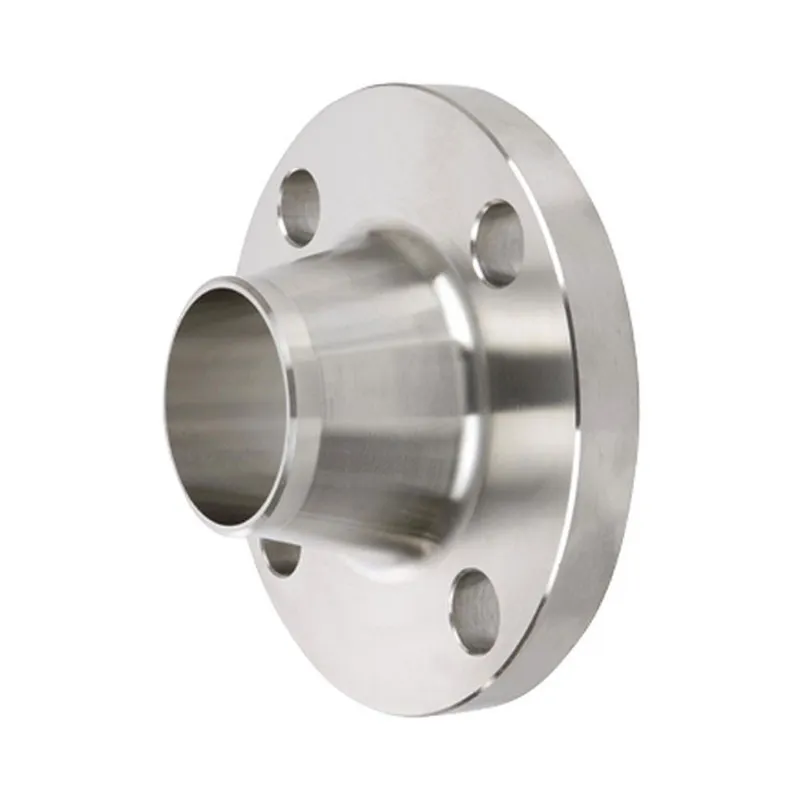 EN 1092-1 Butt weld flanges Type 11, PN25