
-
-
Phone
+86-13623462298



flange 100 10 01
This is a combination of numbers -flange— to the uninitiated it looks like some kind of code. Many people, especially at the start, think that this is an article number or an internal factory code. In fact, most often this is a designation according to the old Soviet GOST or TU, where 100 is the nominal diameter (DN), 10 is the pressure (PN), and 01 is the design, usually relating to the type of sealing surface. But here's the catch: without reference to a specific standard, it's just a set of numbers. I myself was confused for a long time until I came across real drawings and specifications where it came to life.
From designation to real detail
When you start looking for or ordering oneflange, you understand that the key is the standard. A nominal diameter of 100 mm is one thing, but what version is according to GOST 12820-80 or, say, 12821-80? Version ?01? usually means a flat sealing surface. But if you need an oval-section gasket, that’s different. An error in this execution number at the ordering stage later results in problems during installation, when the flanges are joined and tightness is not achieved.
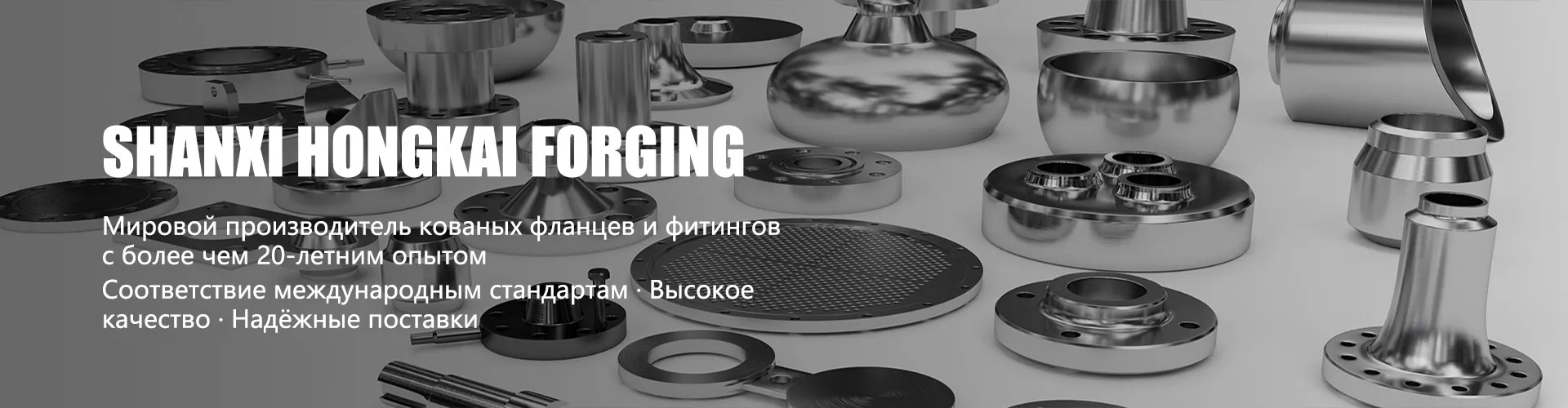
Working with suppliers likeShanxi Hongkai Forging Co.,Ltd(their website ishkflange.ru), it is important to immediately give a full transcript. They are both a manufacturer of forgings andforged flangesare guided by international standards. And if you send a request simply for a “flange?”, a good manager will definitely clarify: “By what standard?” GOST, ASME, DIN??. Their range, from DN15 to DN4000, covers almost all needs, but the accuracy of the specification is the responsibility of the customer.
I had a case at one thermal power plant. The specification contained exactly this designation, but the standard was indicated as outdated. The flanges were delivered, they seemed to fit, but during pressure testing they leaked at the seal. It turned out that in the new edition of the standard, the requirements for the roughness of that very surface “execution 01” have changed. We had to urgently look for someone who could quickly finalize the batch. That’s when I paid attention to manufacturers like Hunkai, who work according to current standards, be it GOST, ASME or EN.
Material and forging: what is behind the numbers
The numbers don't say anything about the material. And this is perhaps the most important thing. For Ru10, you can use steel 20, 09G2S, and 12Х18Н10Т, depending on the environment. Forged flange that makesShanxi Hongkai Forging Co.,Ltd, here it has an advantage - the metal fibers repeat the shape, there is no casting with its possible hidden defects. This is critical for critical pipelines.
A common mistake is to order by price, looking only at the size. But a carbon steel flange for water and a stainless steel flange for an aggressive environment are different budget items and, most importantly, different safety. The company description states that they make forgings according to customer drawings. This is the very case when you need to not just poke at the catalog, but send a technical specification indicating the material in accordance with GOST or ASTM.
I remember purchasing flanges for the nitrogen line. The specification indicated only the size and pressure; the material was stated as “stainless steel”. When the shipment arrived, the passports were in order, but the welders complained that the metal was “heavy” and did not weld well. We looked into it - it turned out that the supplier, saving money, provided steel with a high carbon content. It was formally suitable, but for welded joints it was not optimal. Since then, I have entered a specific brand into the technical specifications, for example, 08Х18Н10Т, and demanded certificates with chemical composition and mechanical tests.
Field experience and installation subtleties
Even perfectly made to standardflangemay create problems on site. This is the flattest end of execution ?01?. It would seem that it couldn’t be simpler - put a gasket and tighten it with studs. But if installers overtighten, warping may occur. Or, on the contrary, if they are not tightened enough, it will leak. This is especially sensitive for large diameters.
Working with largeforged flangeslarge diameter (and the same Hunkai has a stated range up to DN4000), it is important to check not only the geometry, but also the perpendicularity of the end to the axis. It happens that you receive a product, the measurements according to GOST are normal, but during installation you see that the bolt holes are shifted by half a degree. On DN100 this is not a problem, but on DN1000 it’s already a disaster; it won’t be possible to combine. Therefore, for large sizes we always request a control report indicating actual measurements, and not just a “complies” stamp.
Another practical point is coverage. Ferrous metal, even 20 steel, quickly rusts in a warehouse. Often flanges simply come from the manufacturer with a preservative lubricant. If they are not installed immediately, but stored, this lubricant must either be renewed or immediately ordered with a primer. Some manufacturers, and I have seen this in practice, offer galvanizing or even RAL painting. This adds to the cost, but for long-term projects or outdoor installations it's worth it.
Non-standard situations and working with the manufacturer
Standards are good, but life is richer. Sometimes you need a transition from one standard to another, or a flange with a non-standard arrangement of holes for a specific device. This is where the ability to manufacture according to drawings, which it declares, is importantShanxi Hongkai Forging Co.,Ltd. The main thing is to draw up this drawing correctly.
We had a project where it was necessary to connect a new pipeline to an old German installation. There was a DIN flange with metric holes, and we installed everything according to GOST with inch studs. The standard adapter was not suitable in thickness. I had to develop my own drawing onflange- an adapter, where on one side there were dimensions and holes according to DIN, on the other - according to GOST. We sent a request to several manufacturers, including the mentioned company. It was important not only to manufacture, but also to correctly calculate the stresses, because the geometry was asymmetrical.
In such cases, dialogue with plant technologists is invaluable. They may advise, for example, increasing the radius in the transition zone or changing the grade of steel to a more ductile one. An experienced forging manufacturer, seeing the drawing, will immediately ask questions about loads, temperature, and environment. This is the very “professional kitchen” that distinguishes a simple metal products seller from an engineering-oriented partner.
Instead of a conclusion: a thought afterward
So, going back toflange. These numbers are just a starting point. Behind them there is a whole world of standards, materials, manufacturing technologies (the same forging versus casting or stamping) and installation practices. Now, looking at such markings, I automatically mentally complete: “GOST 12820-80, steel 20, version 1 with a flat surface?”. And the next question immediately arises: what are the operating conditions? Temperature, environment, load cycle?
Choosing a supplier, be it a large manufacturer likeShanxi Hongkai Forging Co.,Ltdfrom a Chinese forging center or a local firm, it often comes down to their willingness to delve into these details. Can their technical department advise on high temperature materials? Will they provide a full package of documents, including the results of ultrasonic inspection of the forging? This is more important than a small difference in price per ton.
Therefore, my advice, hard-earned in practice: never limit yourself to dry digital code. Expand it into a complete technical specification. And find manufacturers who speak the same technical language as you and are able to not just sell, but jointly select or design the optimal solution. After all, in the end, what is at stake is not just a part, but the reliability and safety of the entire assembly.
Correspondingproducts
Related Products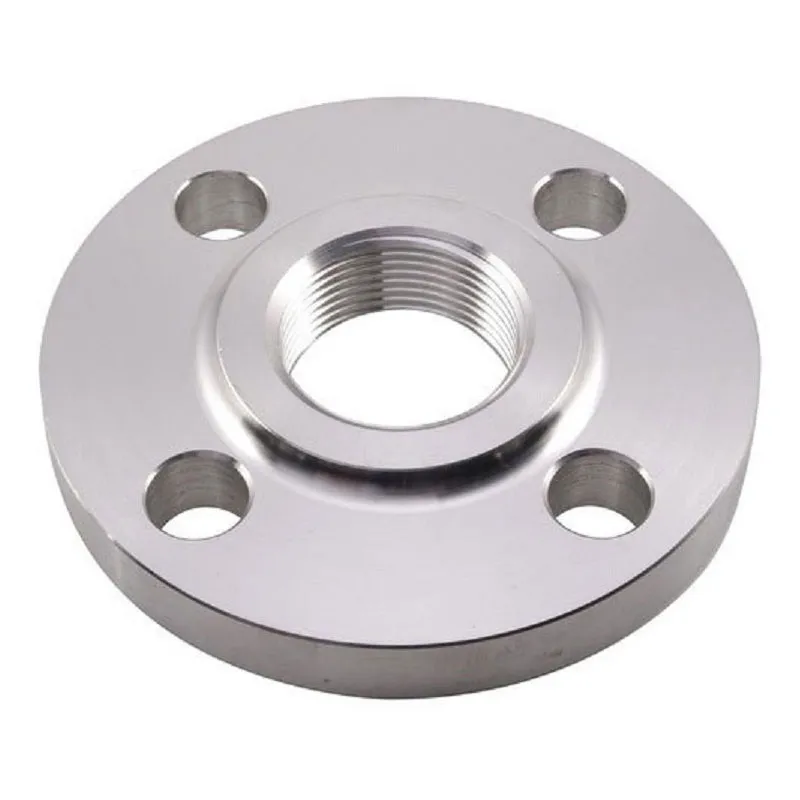
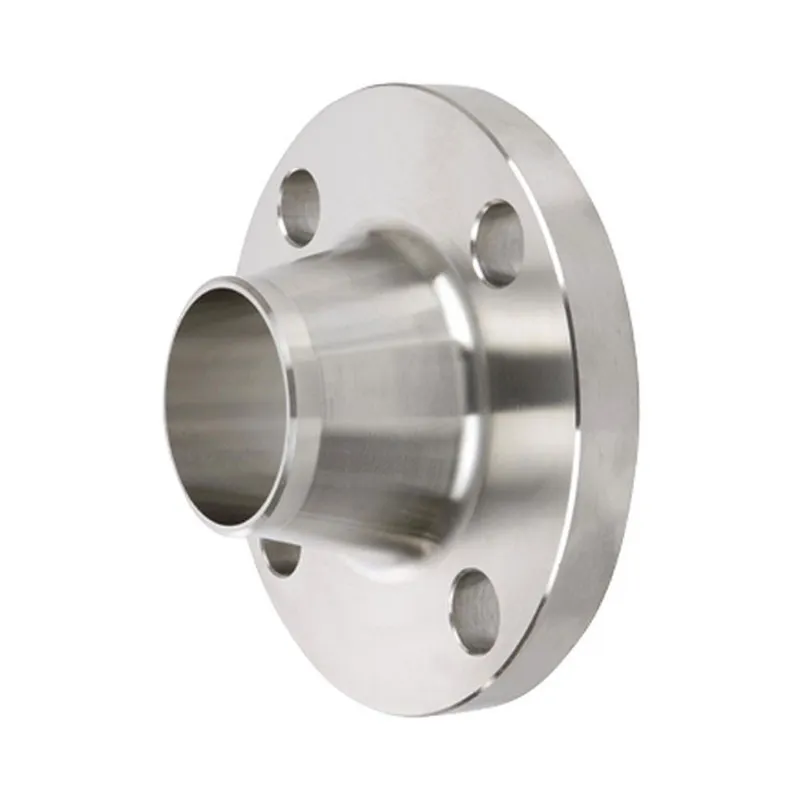
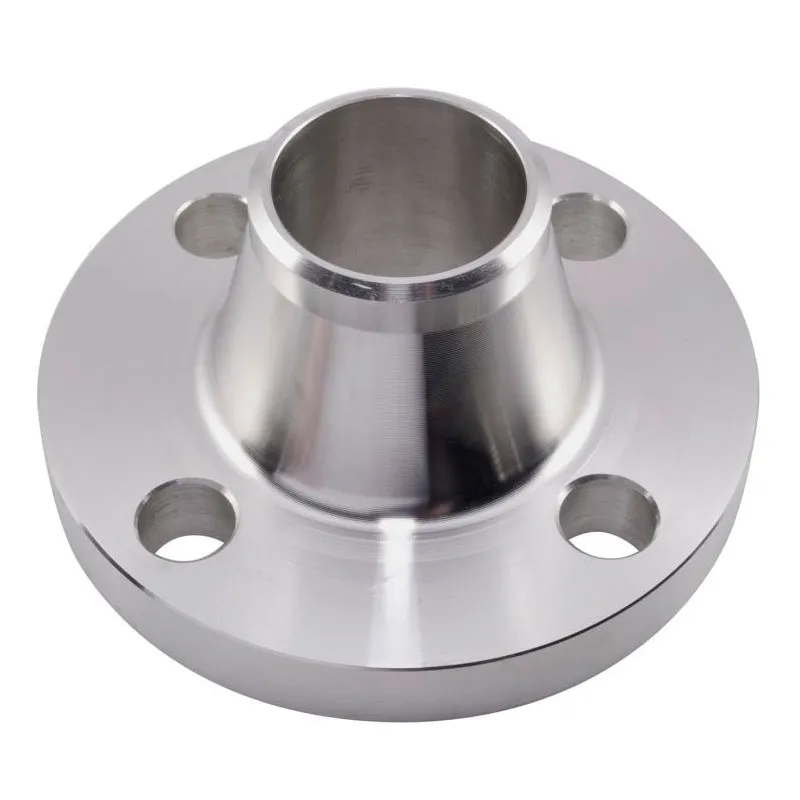
Best Sellingproducts
Best Selling Products-
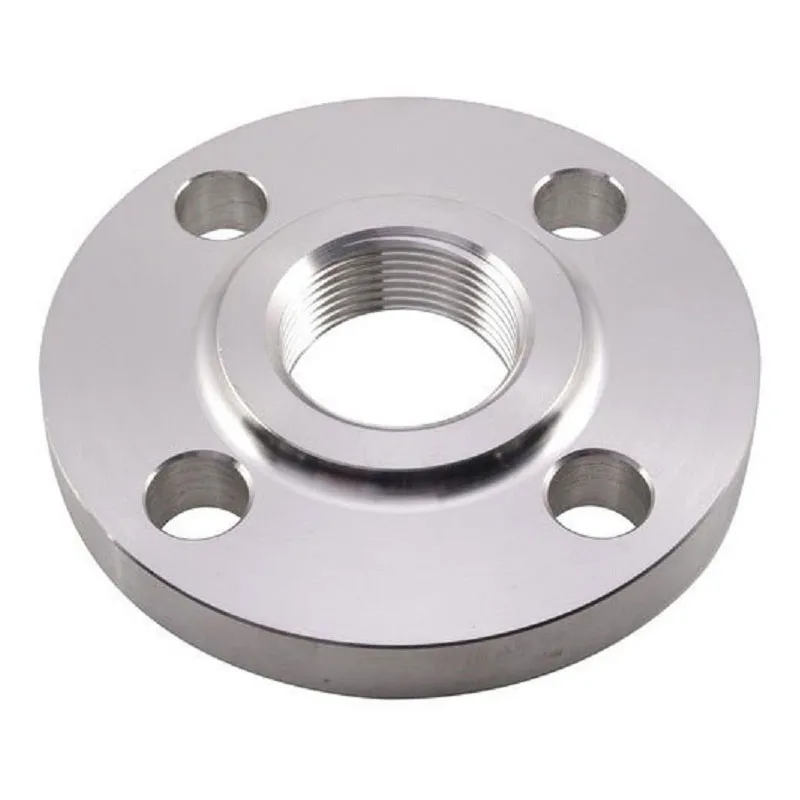 EN 1092-1 Threaded flanges Type 15, PN16
 -
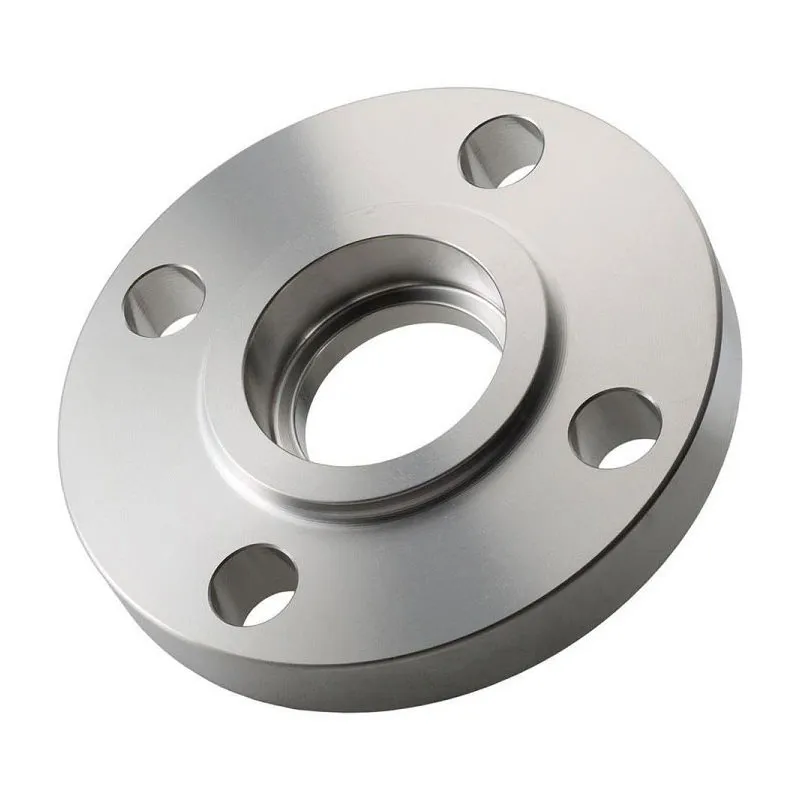
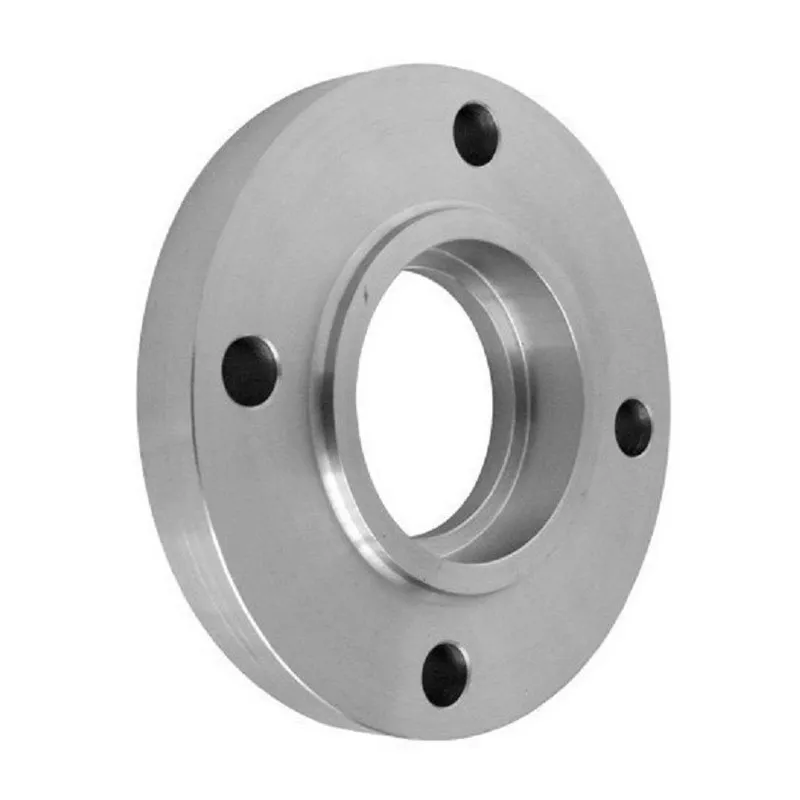 JIS 5K Socket Weld Flanges
 -
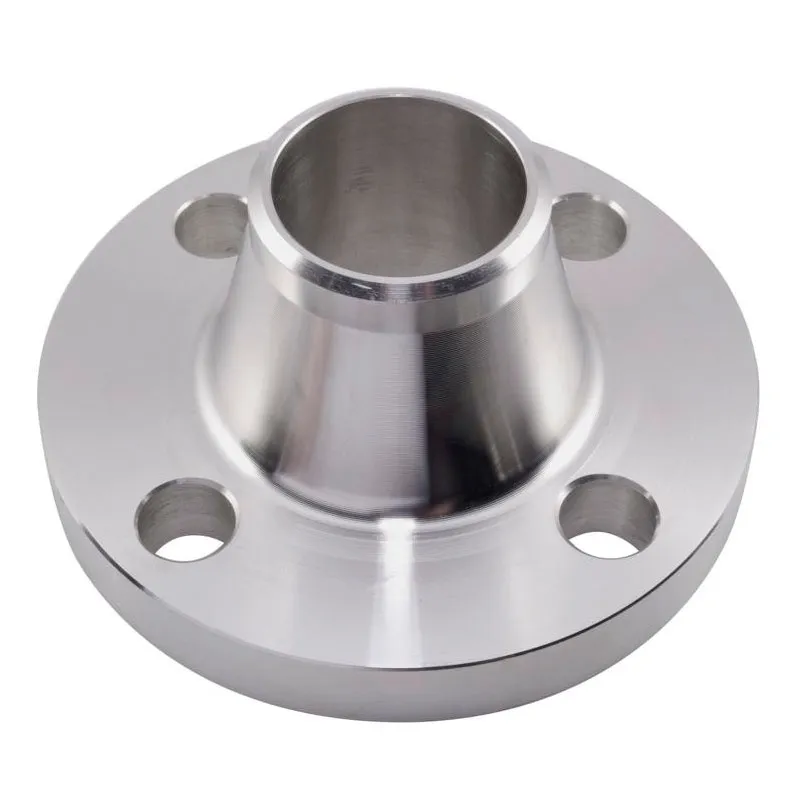 Butt weld flanges Class 900
 -
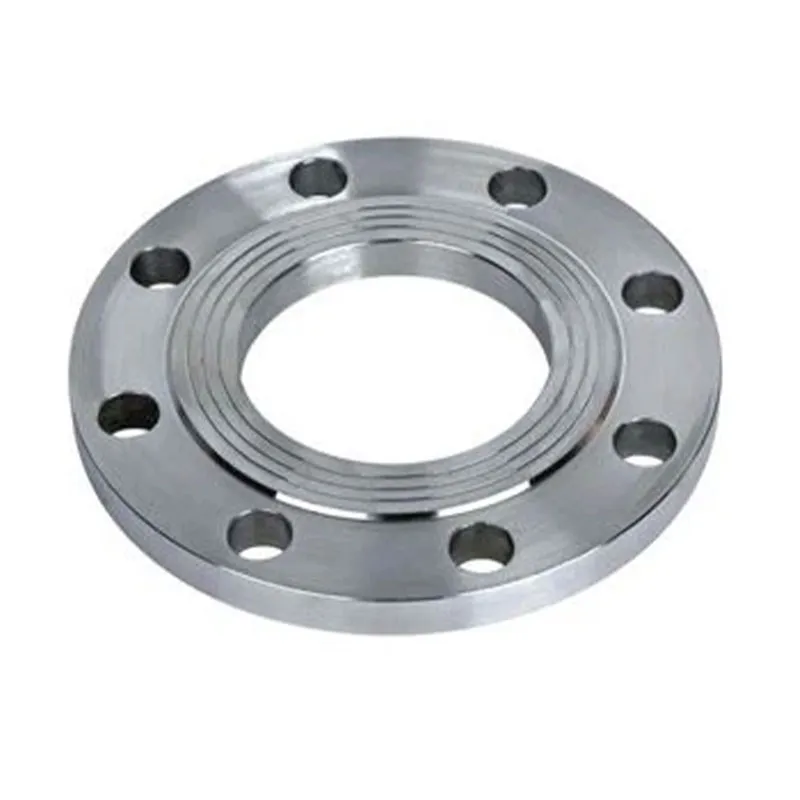 Butt weld flanges Class 150
 -
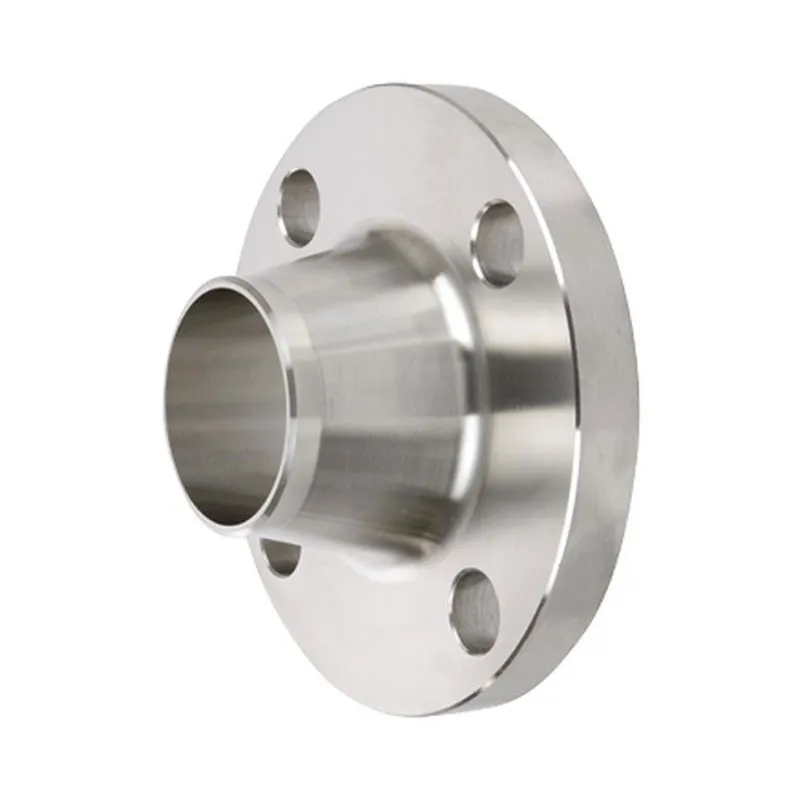 Ser.A Butt Weld Flanges Class 400
 -
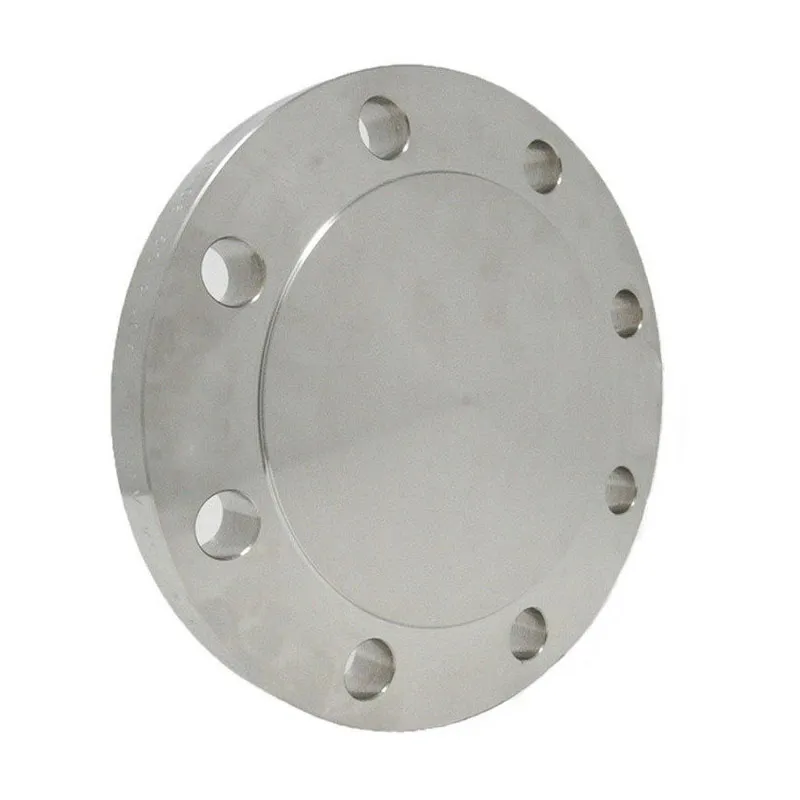 Blind flanges Class 150
 -
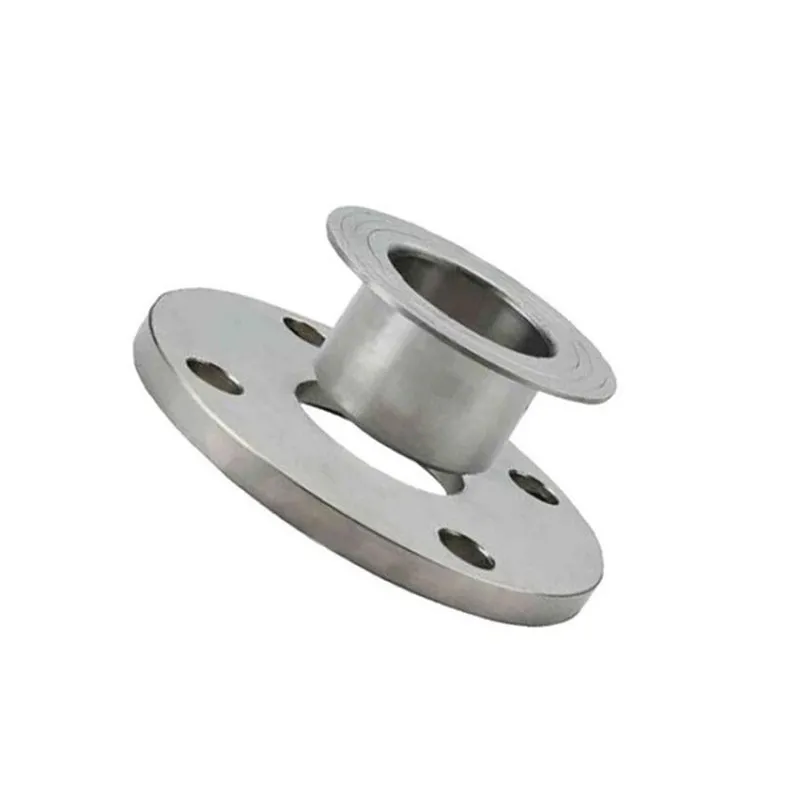 JIS 10K Loose Ring Flanges
 -
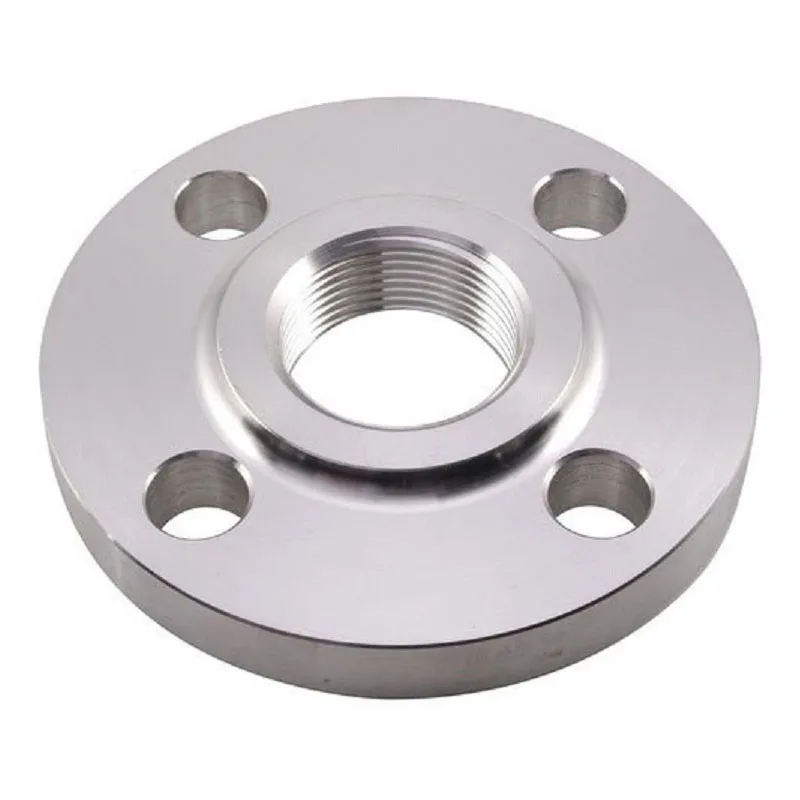 DIN 2566 Threaded flanges PN16
 -
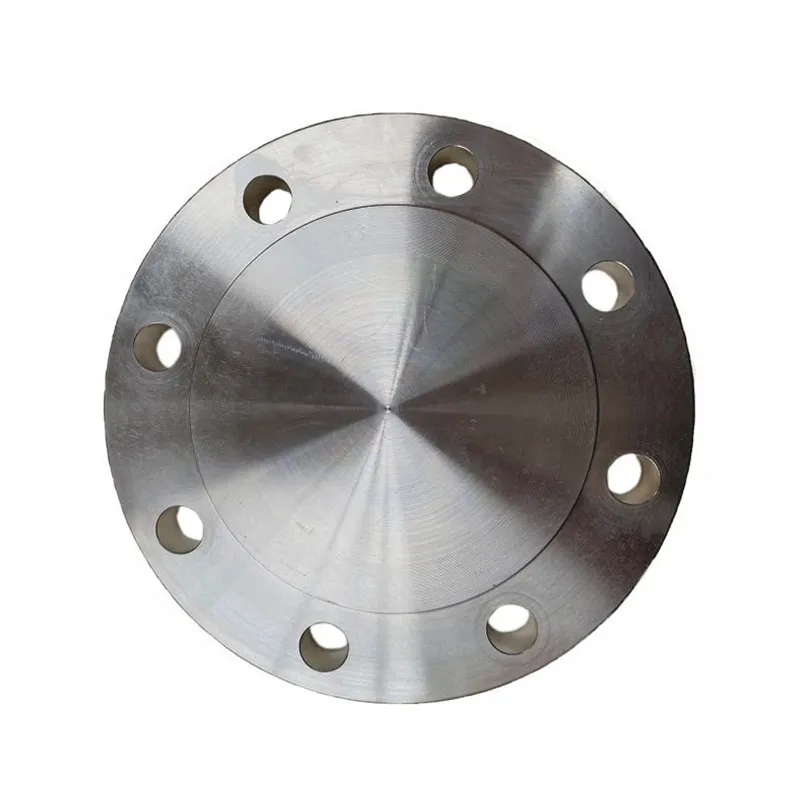 DIN 2527 Blind flanges PN10
 -
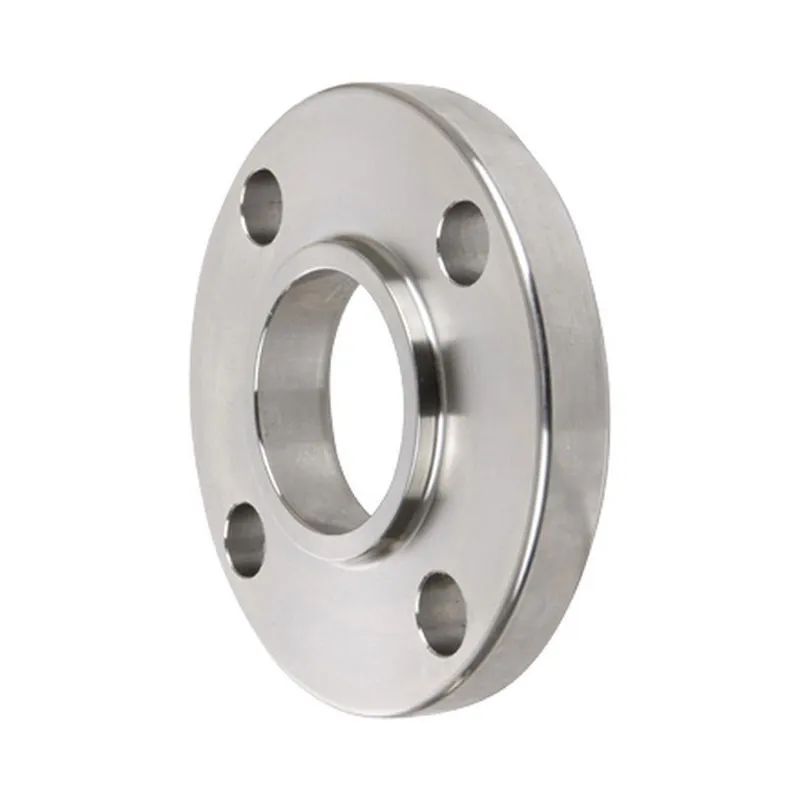 DIN 2501 Overlay flanges PN16
 -
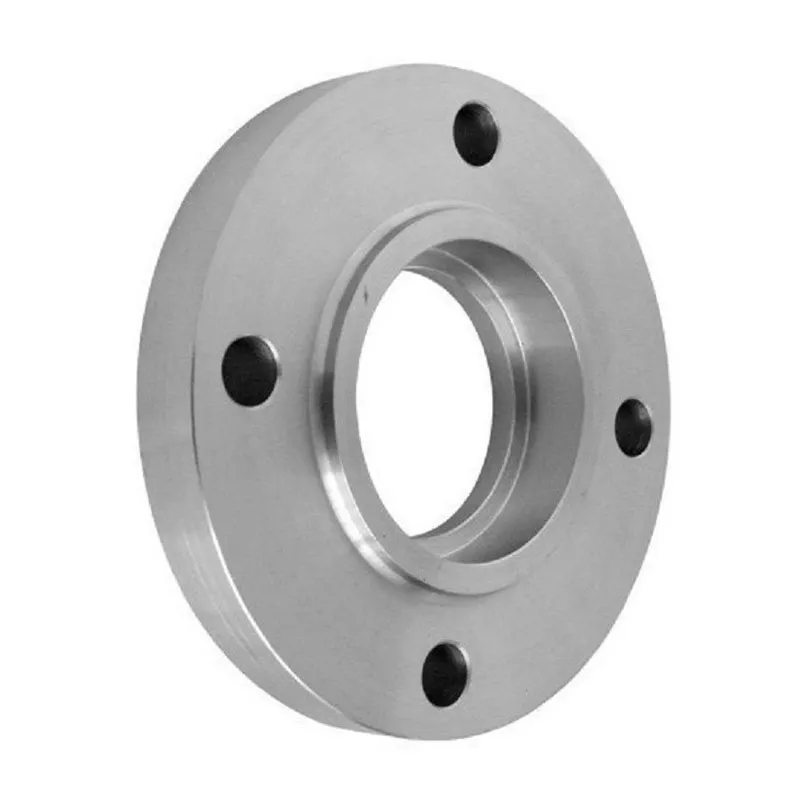 Socket Weld Flanges Class 300
 -
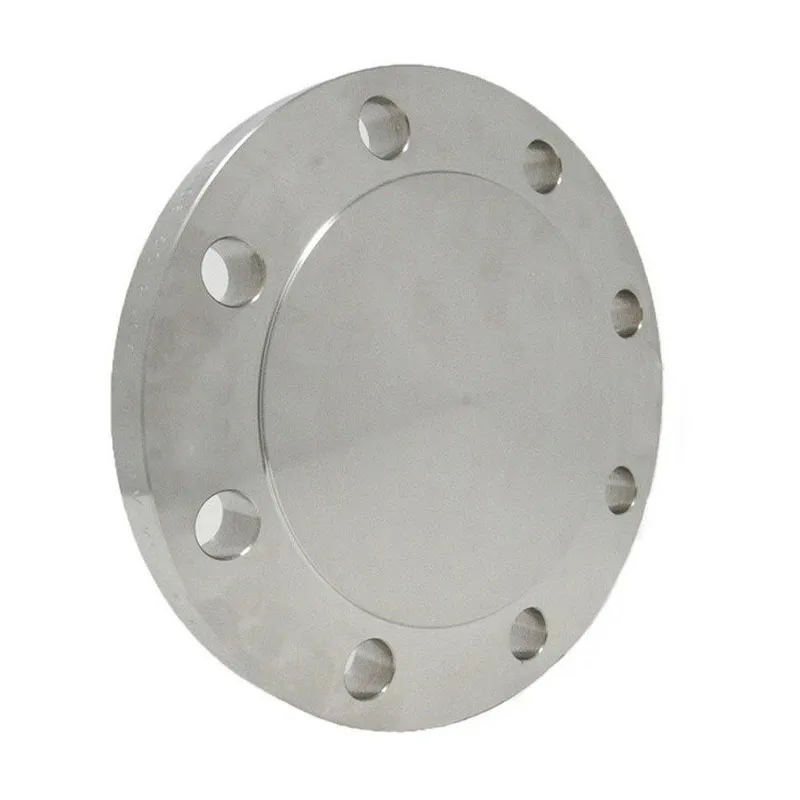 EN 1092-1 Blind flanges Type 05, PN10