
-
-
Phone
+86-13623462298




steel flange material
When they talk aboutsteel flange material, many people immediately jump into standards to look at steel grades - and this is correct, but incomplete. In fact, especially in projects under high pressure or aggressive environments, the key becomes not just “steel 20 or 09G2S”, but the entire chain: from the selection of the workpiece and the method of obtaining it to heat treatment and control at each stage. A common mistake is to think that if the certificate says “steel 12Х18Н10Т”, then the flange will be equally good, regardless of whether it is cut from a sheet, cast or forged. In practice, the difference is colossal, especially in the service life under cyclic loads. This is what I want to speculate on, based on what I saw in production and installation.
Forging versus cutting: why the structure of the metal is everything
Let's take, for example, critical pipelines for thermal power plants or petrochemical plants. There, flanges often operate under changes in temperature and pressure. If the flange is made from cut and then machined sheet metal, the fibers of the metal are cut. Under load, microcracks can occur in these places. A forged flange is a completely different story. During forging, the metal is compacted, the fibers seem to flow around the contour of the product, creating a continuous structure. Strength and toughness increase before our eyes. We once carried out an experiment on a batch for one plant in Perm - we compared the service life of flanges made of the same grade of steel (A350 LF2), but made by different methods. Forged ones withstood 40% more cycles of heating-cooling-pressure. before the first signs of fatigue appear.
That is why in companies that specialize in critical products, forging is not marketing, but a basic technology. Here, for example,Shanxi Hongkai Forging Co.,Ltd(their website ishkflange.ru) - they are just one of those. The description clearly states that they are a manufacturer of forged flanges and forgings, and they are based in one of the centers of the forging industry in China. This is an important point: location often determines access to powerful presses and production culture. They make flanges according to GOST, ASME, EN and other standards, and their size range is solid - right up to DN4000. For large diameters, forging or stamping is often the only way to obtain a reliable product.
But even with forging, not everything is simple. It is not only the fact of forging that is important, but the technological map: the heating temperature of the workpiece, the degree of compression, and the deformation rate. If you overheat the steel, overburning will occur - the grain will become large and brittle. If the compression is not sufficient, segregation (inhomogeneity of the chemical composition of the ingot) will not be eliminated. Therefore, a good manufacturer always provides not only a certificate forsteel flange material, but also heat treatment protocols (normalization, tempering). Without this, the documents are incomplete.
Steel grade is not just numbers, but a history of application
We all look at the standards: for moderate temperatures - carbon steels like St20, 09G2S; for low temperatures - steel types 09G2FB, 10G2FB; for corrosive environments - stainless steel 12Х18Н10Т, AISI 304/316. But there is a nuance that is often not written in catalogs. For example, the same 09G2S. An excellent, proven brand for northern conditions. However, its weldability strongly depends on the silicon content (the letter “C” comes from it) and on the method of steel deoxidation. If welding is carried out without the correct selection of electrodes and modes, hardening structures that are prone to cracking can form in the heat-affected zone. I observed this at one of the facilities in Siberia - the flanges seemed to be according to the standard, but after installation, microcracks appeared along the welds. We looked into it - it turned out that the problem was the combination of the flange material and the pipe material, plus the low temperature during installation.
Therefore, now, when ordering, I always specify not only the brand, but also the welding and heat treatment procedures recommended by the manufacturer after it. By the way, the sameShanxi Hongkai Forging Co.,LtdThe product range includes a full range - from butt-welded and flat flanges to loose and blind flanges, and according to different standards. This is convenient when, say, a project is assembled from equipment from different manufacturing countries. You can order flanges under GOST for a section with a Russian pump and under ASME B16.5 for an American heat exchanger, but at the same time be sure that the base workpiece is forged and its quality will be comparable.
Another point is non-standard environments. Let's say a hydrogen sulfide-containing environment (sour service). It’s not enough to just take stainless steel. We need steel with special requirements for hardness (usually Brinell no higher than 22 HRC) and microstructure control to avoid corrosion cracking. Or alkaline environments at high temperatures - they have their own requirements. For such cases, manufacturers who work seriously offer manufacturing according to customer drawings, where all these details can be included in the specifications. This is already aerobatics.
Control: without flaw detection and testing - it’s just a piece of metal
The most beautiful certificate is worth nothing if it is not confirmed by real control. It's always a red flag for me if the supplier is not willing to provide ultrasonic inspection (UT) or radiographic inspection (RAI) protocols for the weld joints (for composite flanges) and the forging body. Especially for large diameter flanges (DN600 and above). Internal lack of penetration, shells, flakes - all this can sit inside and appear only under pressure.
I remember an incident during the construction of a boiler house. Flange on DN300, steel 20, everything seems to be in order. When pressing with water at 1.5 working pressure - silence. And during commissioning, due to thermal expansion, a drip leak appeared on it along the body, not along the weld! They cut it open and there was a slight looseness inside, not visible from the surface. Apparently, the workpiece was cast and not forged, or the forging was of poor quality. Since then, I have required ultrasonic inspection of the entire volume for critical components. And you know, not all manufacturers do this as standard. Often this is an option for which you have to pay extra. But this is the option that saves millions on possible downtime and accidents.
In this regard, it is interesting how the process is built on the samehkflange.ru. They are positioned as a manufacturer in the forging center, and this usually means a full cycle: from ingot acceptance to machining and control. For such enterprises, built-in control at every stage is the norm, otherwise the defect will spread further down the shop floor. The mention in their description of international standards (GOST, ASME, EN, DIN, etc.) indirectly indicates this - compliance with these standards almost always requires mandatory non-destructive testing.
The price of the issue: when saving on material backfires
Often buyers, especially during tenders, chase the lowest price. And they find suppliers who offer flanges made of steel 09G2S? 20% cheaper. The question is - due to what? There are several options: savings on the production method (cutting instead of forging), on control (lack of ultrasonic inspection, simplified chemistry and mechanics), on heat treatment (or lack thereof), or on the material itself (use of substandard or over-marked steel). The last one is the most dangerous.
I had a sad experience with a batch of flanges for water supply. We took it “cheaper”. According to the certificate - steel 3. Upon visual inspection - it seems normal. But when they started welding, the metal behaved strangely - it splattered a lot. Laboratory analysis revealed elevated levels of unknown impurities. As a result, the entire batch was rejected, the deadlines were missed, and we had to urgently look for a replacement. Since then, my priority is not price, but predictability and proven quality. It’s better to pay 15% more, but get the product with a full package of documents from a trusted manufacturer, who, asShanxi Hongkai Forging Co.,Ltd, specializes in forged products and works according to international standards. Their range, by the way, from DN15 to DN4000, suggests that they cover both small needs and large projects where there are no trifles.
The result of my experience is simple: talking aboutsteel flange material- this is not a conversation about a table from a reference book, but about a comprehensive understanding of technology, control and application. You can take the best grade of steel and ruin it with poor forging or heat treatment. Conversely, a good forged billet, even 20-grade steel, can produce a flange that will last for decades. It all depends on the competence and responsibility of the manufacturer. Therefore, now when choosing, I first look not at the price tag, but at how the company talks about its process, what standards it refers to, and whether it is ready to provide detailed control reports. This is the only way to somehow minimize the risks in our work.
Correspondingproducts
Related Products
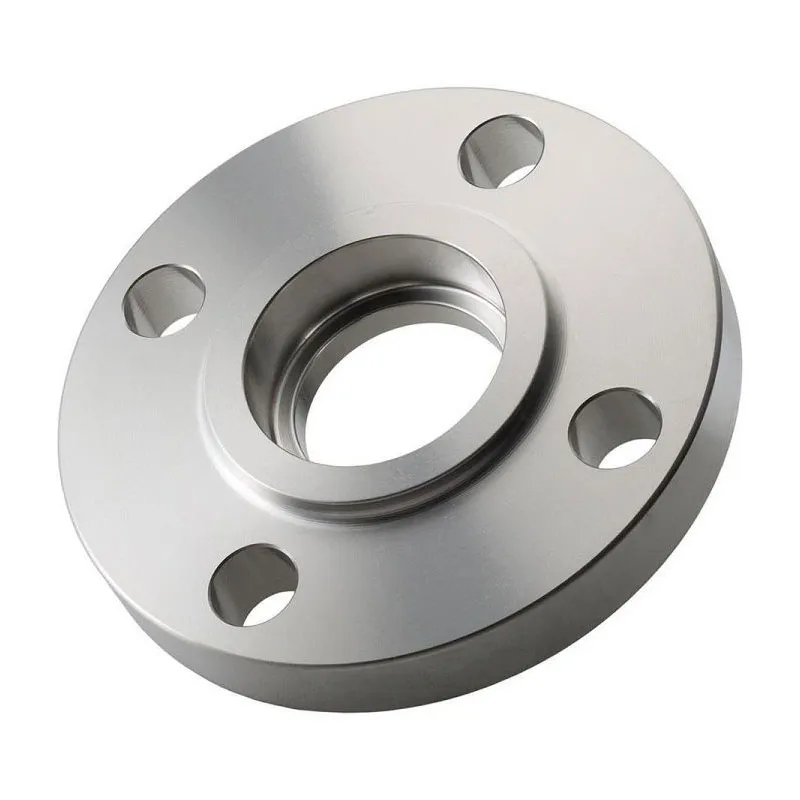
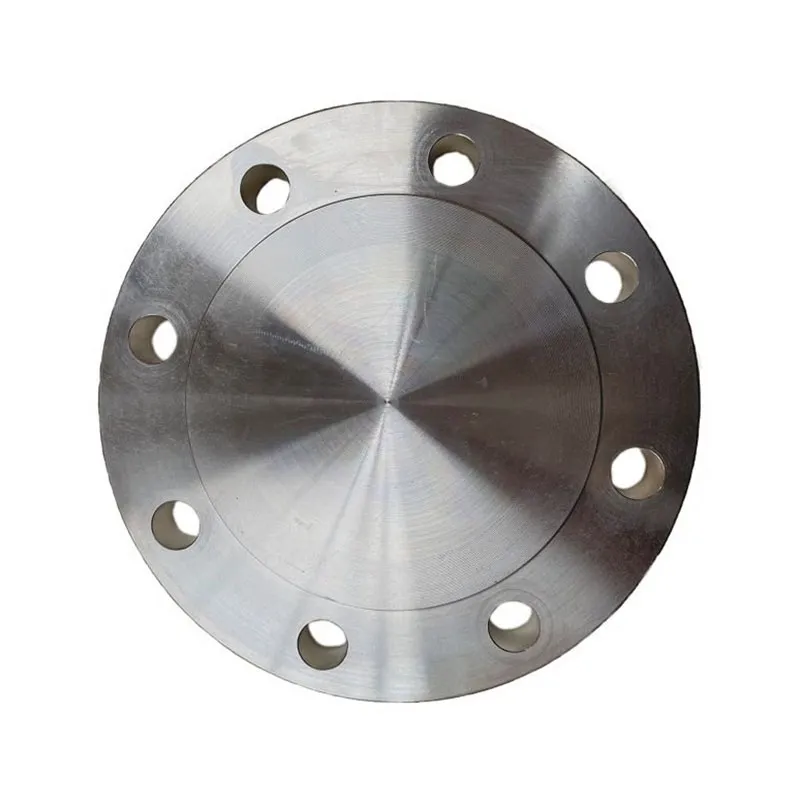

Best Sellingproducts
Best Selling Products-
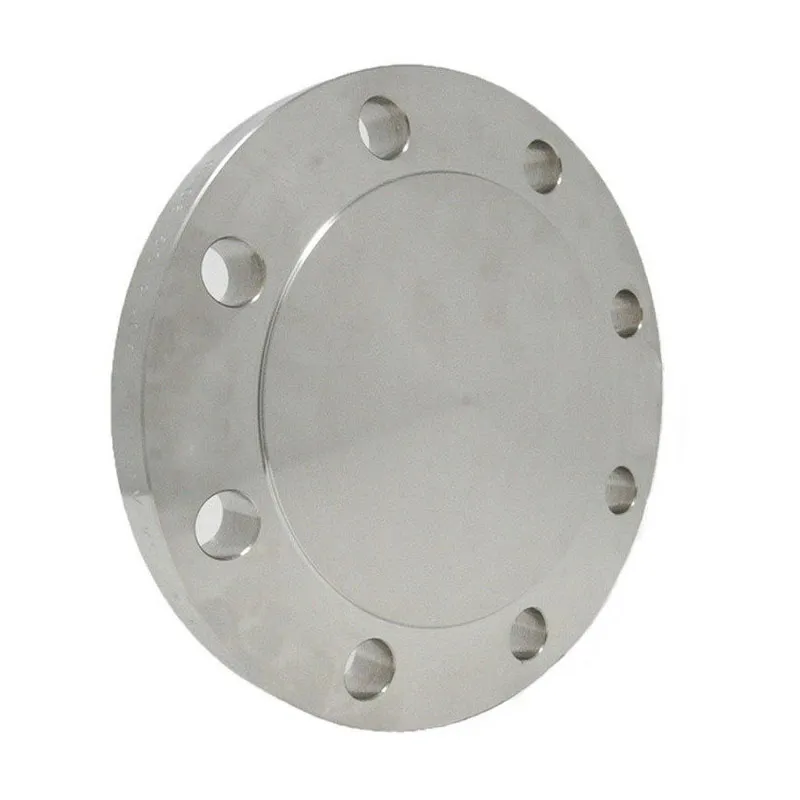 AWWA Blind Flanges Class D (Tables 1, 2, 3)
 -
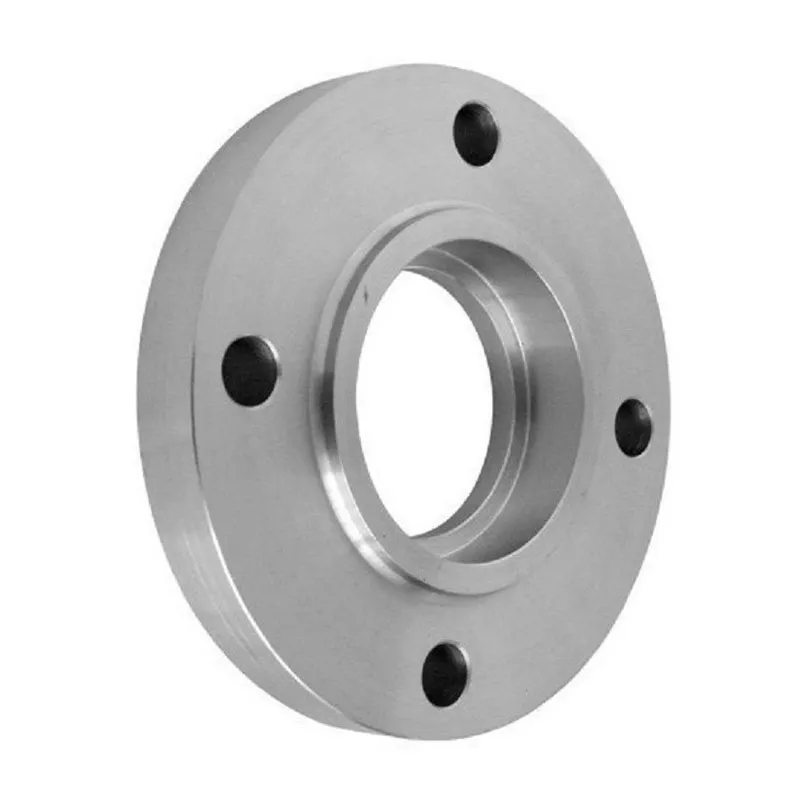 Socket Weld Flanges Class 300
 -
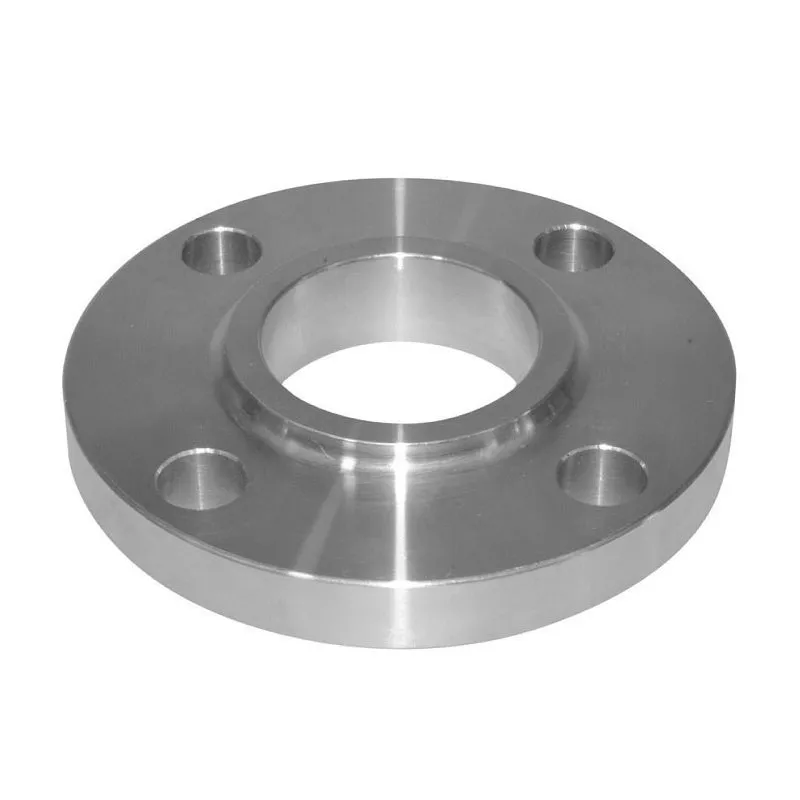 ANSI B16.5 Lap-on flanges Class 1500
 -
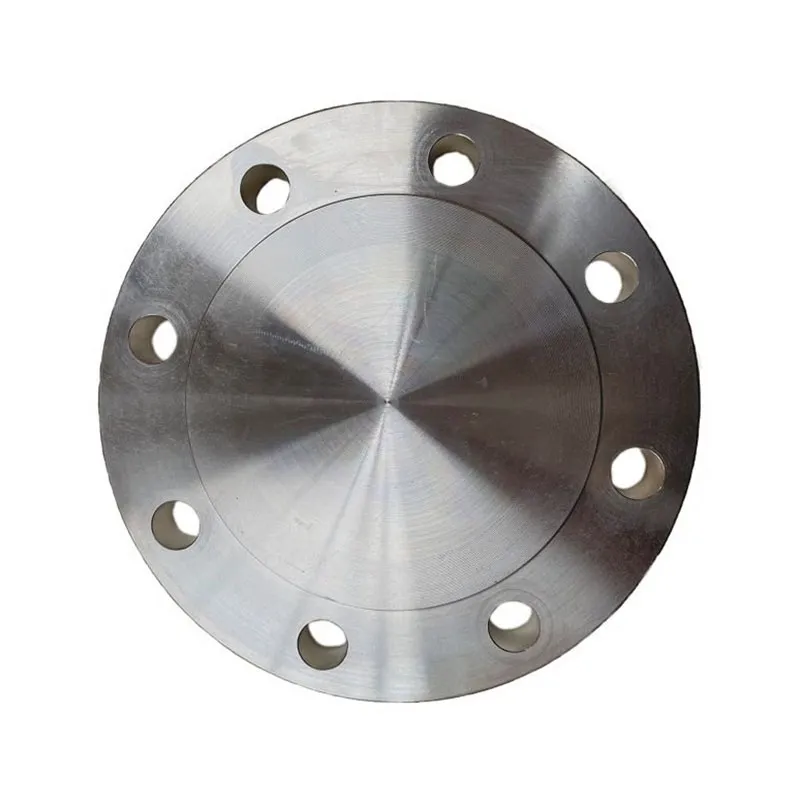 UNI 6092 Blind flanges PN10
 -
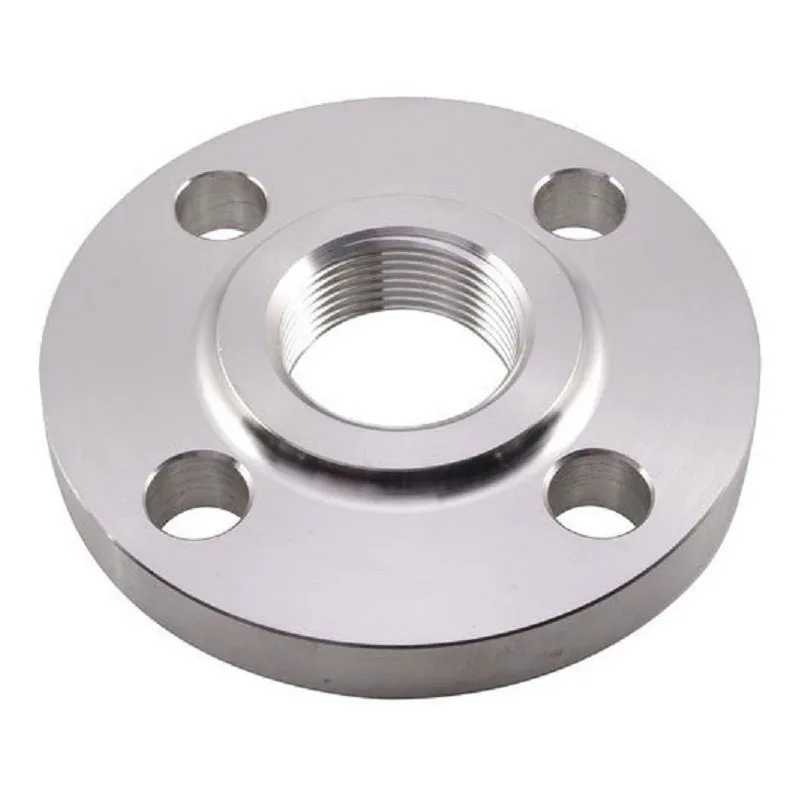 ANSI B16.5 Threaded Flanges Class 600
 -
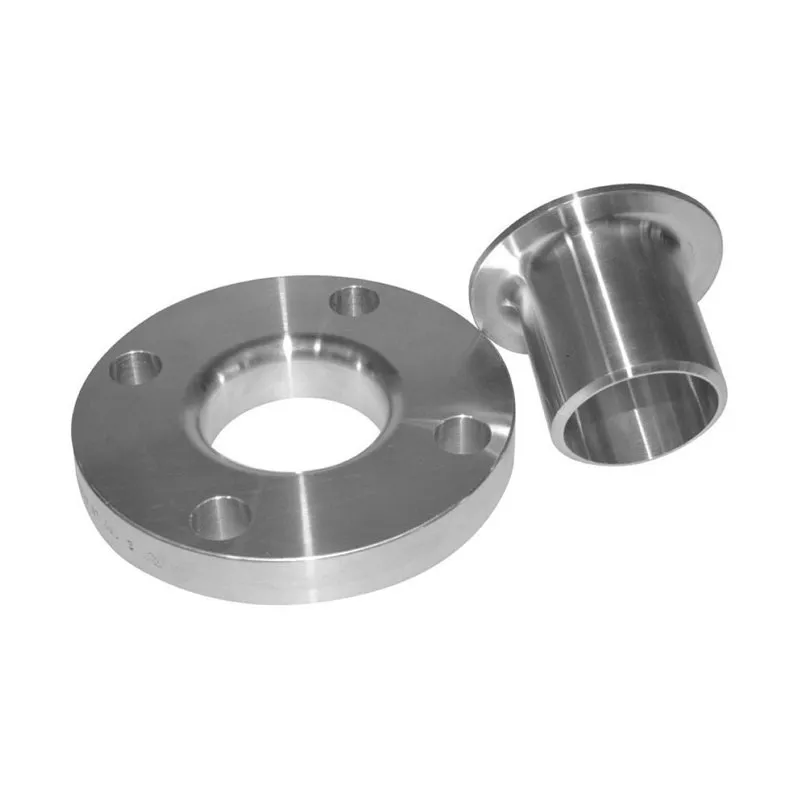 Free ring flanges Class 150
 -
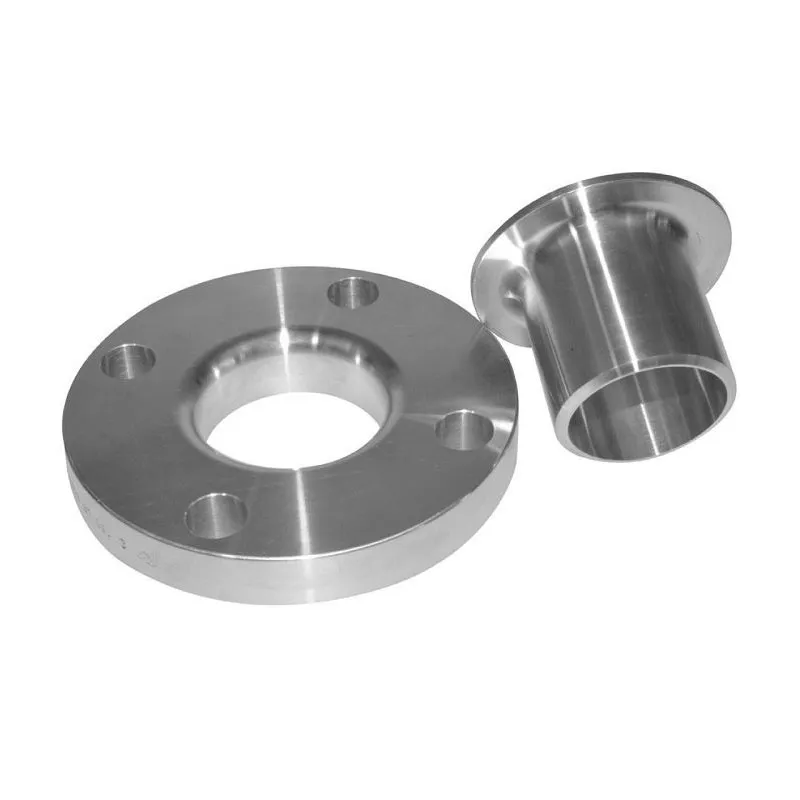 ANSI B16.5 Loose Ring Flanges Class 2500
 -
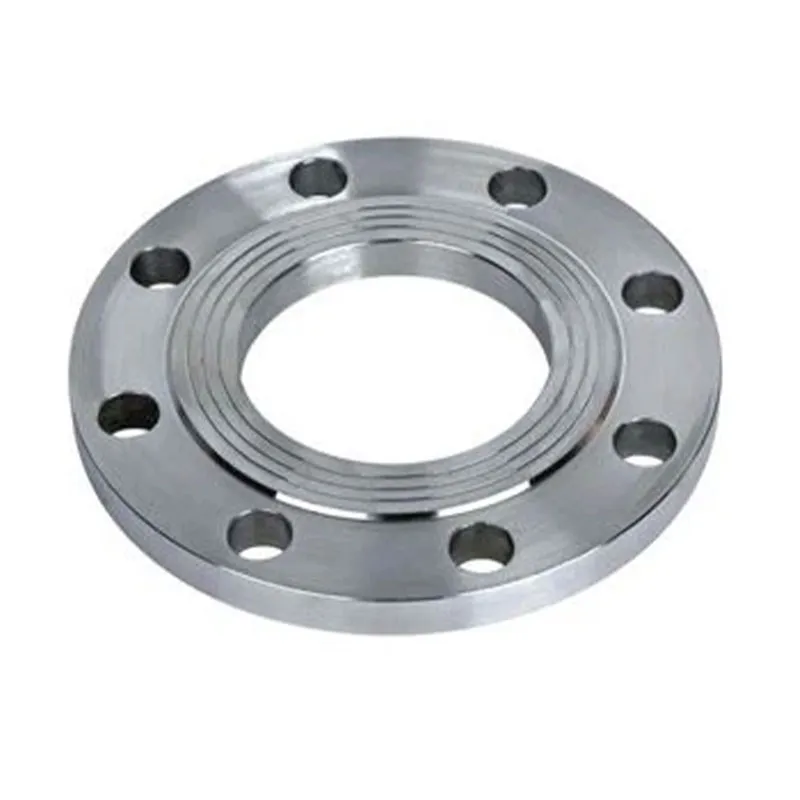 Butt weld flanges Class 150
 -
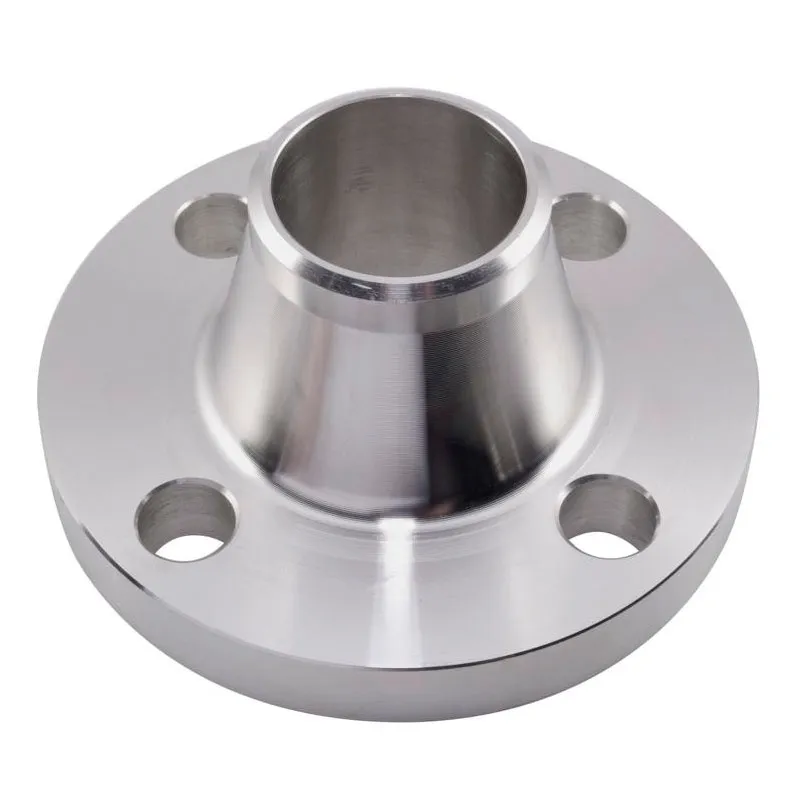 Butt weld flanges Class 900
 -
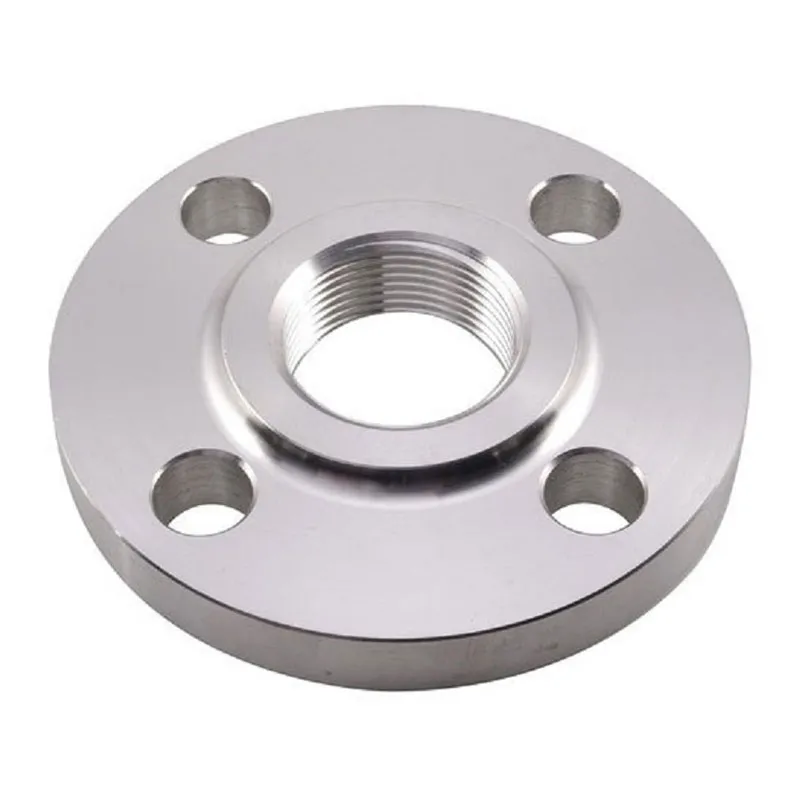 JIS 10K Overlay flanges
 -
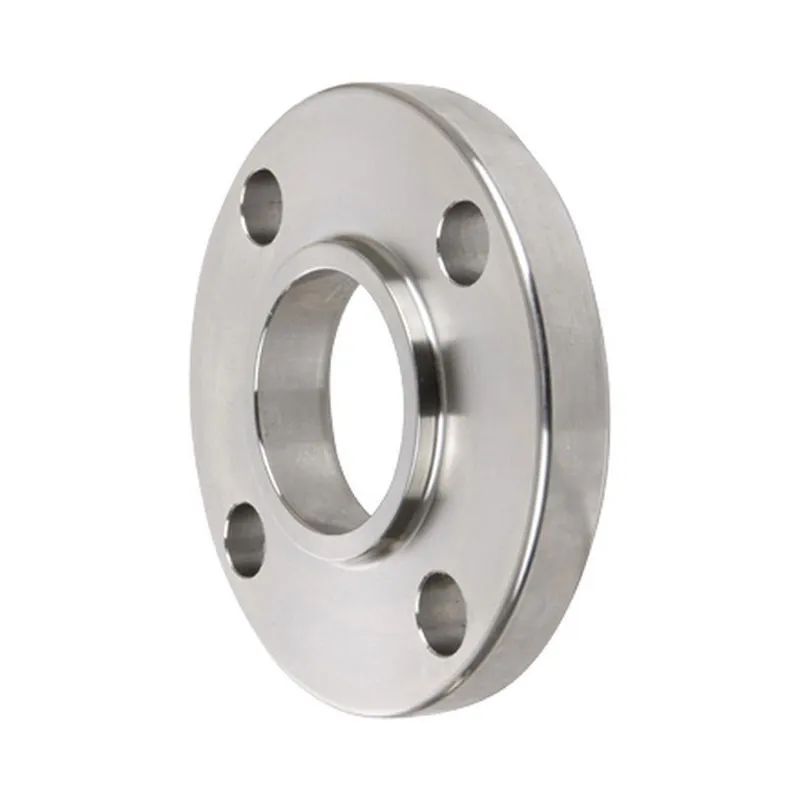 DIN 2501 Overlay flanges PN16
 -
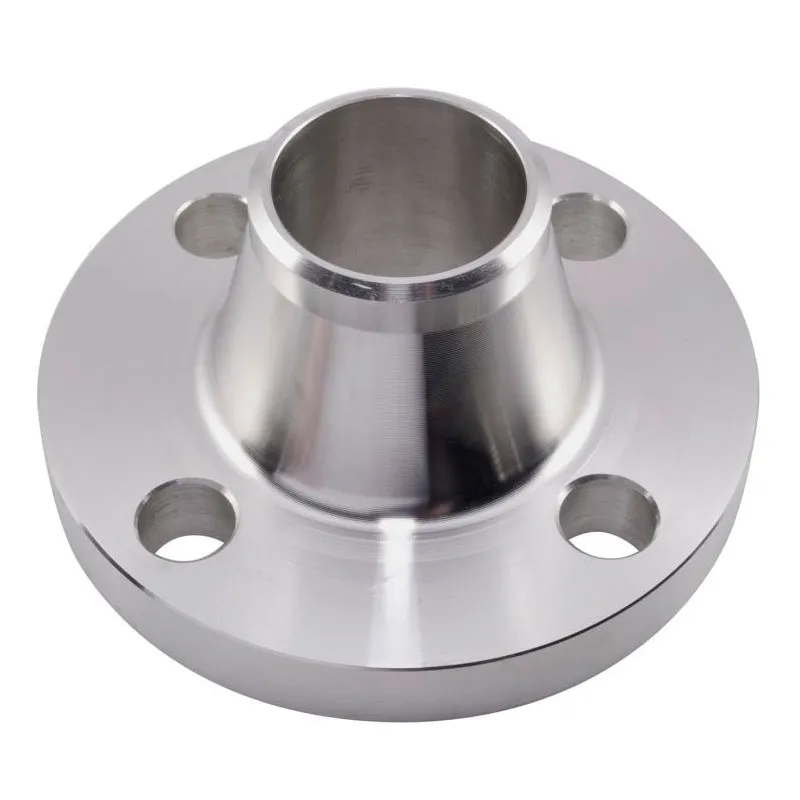 UNI 2281 Butt weld flanges PN10