
-
-
Phone
+86-13623462298



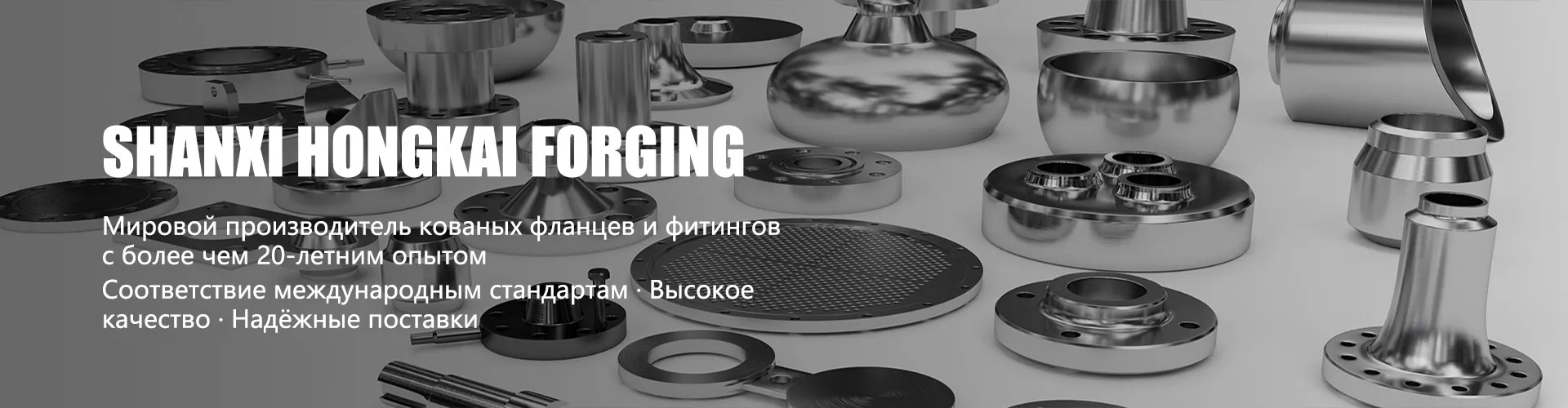
flange 3d
When you hear “3D flange”, the first thing that comes to mind is probably a beautiful three-dimensional model for a catalog or presentation. Many people think so, especially those who are indirectly connected with production. But in reality, if you are engaged in pipeline design, installation or, as in my case, selection and supply of forgings, a 3D flange model is not a visualization, but first of all a file for the machine, a basis for strength calculations and a way to avoid costly mistakes at the joint. It’s this practical side that I want to talk about, without gloss.
From drawing to metal: where a 3D model becomes a necessity
Previously, about ten years ago, we often worked the old fashioned way: a two-dimensional drawing, a specification, and forward. Until I came across an order for a non-standard large-diameter flange, it seems, for DN1200, with an unusual arrangement of holes for the studs and additional technological grooves. We sent the usual drawings to the factory - like, Shanxi Hongkai Forging LLC? it was - and received a polite request in response: “Send the 3D model to STEP or IGES?”. It turned out that to program a modern CNC machining center, engineers need a three-dimensional model. 2D views left too much room for variation, especially in the interface areas.
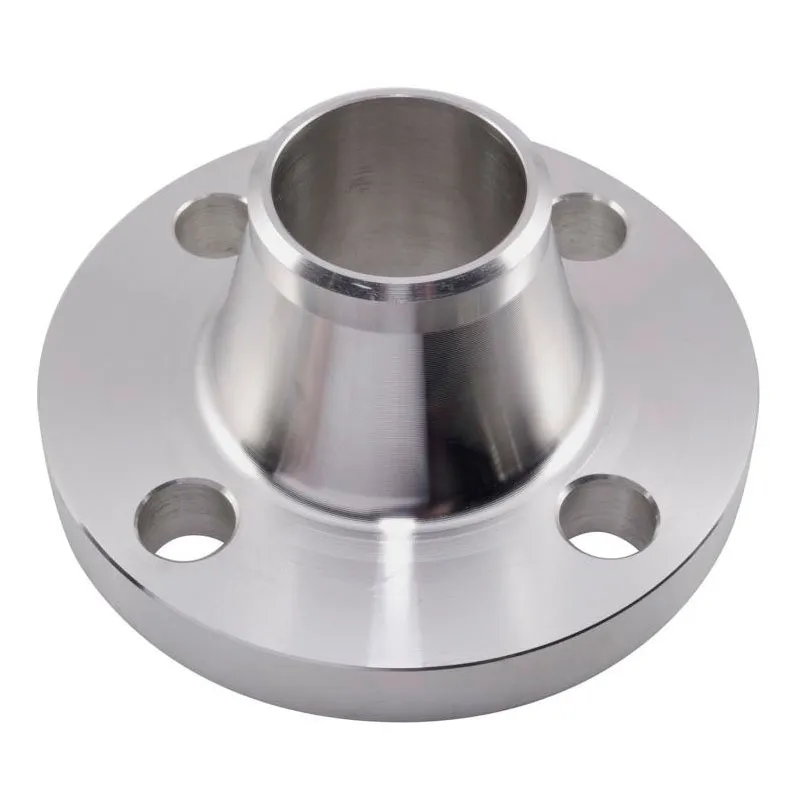
This was the first call. It became clear that 3D is not a fad, but a language of communication with modern production. Especially when it comes to collar flanges (butt weld flanges), where the transition from neck to plane is critical. In a 2D drawing, the geometry of this fillet or corner can be drawn, but the machine will “read” it. it without distortion only from the 3D model. Without it, the risk of getting a part with a stress riser, which then bursts under pressure, increases significantly.
Now, looking at manufacturers’ websites like hkflange.ru, I see that many are already posting libraries of 3D models of standard flanges for download. This is a huge help for designers. But with non-standard products the story is always individual. And here you can see the difference between suppliers: some are ready to accept your sketch and build a model based on it for approval, others require a ready-made file. In my experience, a company that is willing to dive into the modeling process with the client is often a more reliable partner. Just on the website of Shanxi Hongkai Forging LLC. in the section about manufacturing according to customer drawings this is implied, although it is not directly said “we make 3D models?”. In fact, if you send them a complex sketch, their engineers usually ask for clarification specifically in the context of building a three-dimensional model.
Mistakes that cost a lot: personal experience with “paper” approach
I had one unpleasant incident related precisely to the underestimation of 3D. The customer sent a drawing of a GOST flange, but with a special requirement for a chamfer on the inner diameter - not standard, but for a specific weld. Out of habit, we sent a drawing with dimensions to production. They made it and delivered it. And during pre-installation preparation, it turned out that due to this non-standard chamfer and the wall thickness of the pipe being welded, a discrepancy occurs - the edges for welding do not match. I had to urgently, urgently, redo the part. Wasted time and money.
If from the very beginning the customer’s engineers and I had exchanged not drawings, but 3D models of the entire assembly (flange + pipe section), this problem would have surfaced at the stage of virtual assembly. Modern CAD software immediately shows collisions. But the culture of working with three-dimensional models is taking root slowly in our industry. Many still believe that these are “extra body movements?” for simple parts. However, there are no simple details - there are standard and non-standard working conditions.
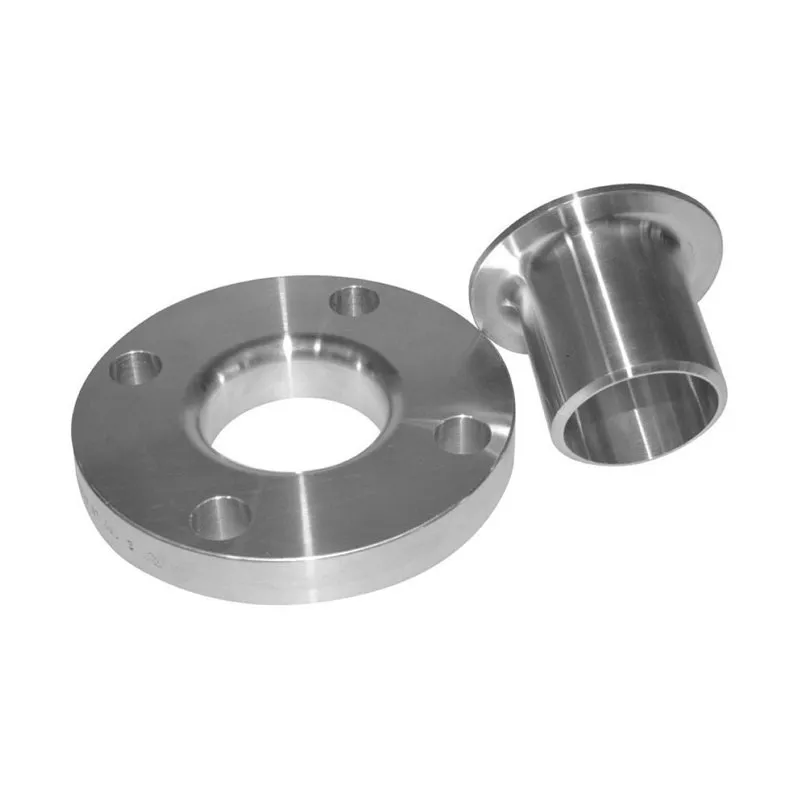
After that incident, I insisted that for all non-standard and critical positions we must require or develop a 3D model. This added more work to our technologists, but reduced the number of claims and complaints by an order of magnitude. This is especially important for loose flanges on a welded ring, where the gap between the ring and the flange needs to be accurately modeled.
Why a 3D model is good for a buyer and installer
From a procurement perspective, having a 3D flange model is not just a technical issue. It's a matter of trust and transparency. When you receive from a supplier not only a commercial proposal, but also a file with a model, this indicates that they understand the essence. You yourself, without being an engineer, can estimate the dimensions and visually check the presence of all the necessary elements - the same holes, grooves, chamfers.
In addition, this model can be immediately delivered to the installers on site. Believe me, it’s easier for them. Especially when it comes to large-sized flanges, say, from the DN2000-DN4000 series, which are produced, among other things, by the Chinese plant I mentioned. Imagine: instead of sorting through a stack of drawings, a master on a tablet or laptop will twirl the part in 3D, understand how it is oriented in space, and which side to bring the pipe from. This reduces the risk of assembly errors.
Another practical point is weight. A good 3D model, built with the correct material density (and this is important for forgings), allows you to fairly accurately calculate the mass of the product. This is critical for logistics and for the selection of lifting equipment. When working with manufacturers like these, who claim a wide range of sizes and work to international standards, precision in these details is a sign of professionalism.
Programs and formats: without fanaticism
A dispute often arises here: in which program and in what format should the ideal file be? I can tell you from my own experience: there is no ideal. Some work in SolidWorks, others in KOMPAS-3D, Autodesk Inventor or Creo. The main thing is a neutral exchange format. STEP (STP) and IGES are our main friends. They convey geometry quite reliably.
An important nuance that is little talked about: the flange model should not only be “bare”? geometry, but also the coordinate system is correctly set. Ideally, it coincides with the technological bases for processing. This is already top-notch, and not every supplier pays attention to this. But when you send a model for production, it’s worth clarifying this point. Sometimes a simple note in the letter: “Model of the flange in a coordinate system linked to the end and the central hole?” — saves you from unnecessary questions from production.
I'm not a fan of overcomplication. There is no need to require photorealistic rendering or assembly animation from the model. This is unnecessary. What is needed is “bare” but accurate geometry, preferably without unnecessary construction history (this is why parametric files of native .sldprt or .ipt formats are often less convenient for exchange than neutral STEP).
Looking into the future: 3D model as part of a digital twin
There is a lot of talk these days about digital twins. For a part like a flange, this may still seem redundant. But if you look more broadly - at a unit or an entire pipeline system, then having a library of accurate 3D models of all components, including flanges according to GOST, ASME or DIN, is the basis. This allows you to conduct virtual strength tests, analyze thermal expansion, and vibration.
For a manufacturer that, like Shanxi Hongkai Forging Co., Ltd., works to a wide range of standards, creating and maintaining such a library of models is a competitive advantage. These are not just files on the site. This is a tool that integrates the manufacturer into the customer’s digital chain. If I, as a specialist, know that I can quickly obtain an accurate flange model from the supplier for my design in ANSYS or another analysis package, this solves many issues.
In the end, back to the beginning.Flange 3D- this is not about the picture. This is about accuracy, error prevention and effective communication between all participants in the process: from the designer and technologist to the buyer and installer. This is that practical tool that is in the “nice to have” category. is gradually moving into the “must have” category. And those who have already understood this and implemented it in their work process - be it a giant factory or a small design office - simply work faster and more reliably. And in our business this is the main thing.
Correspondingproducts
Related Products
Best Sellingproducts
Best Selling Products-
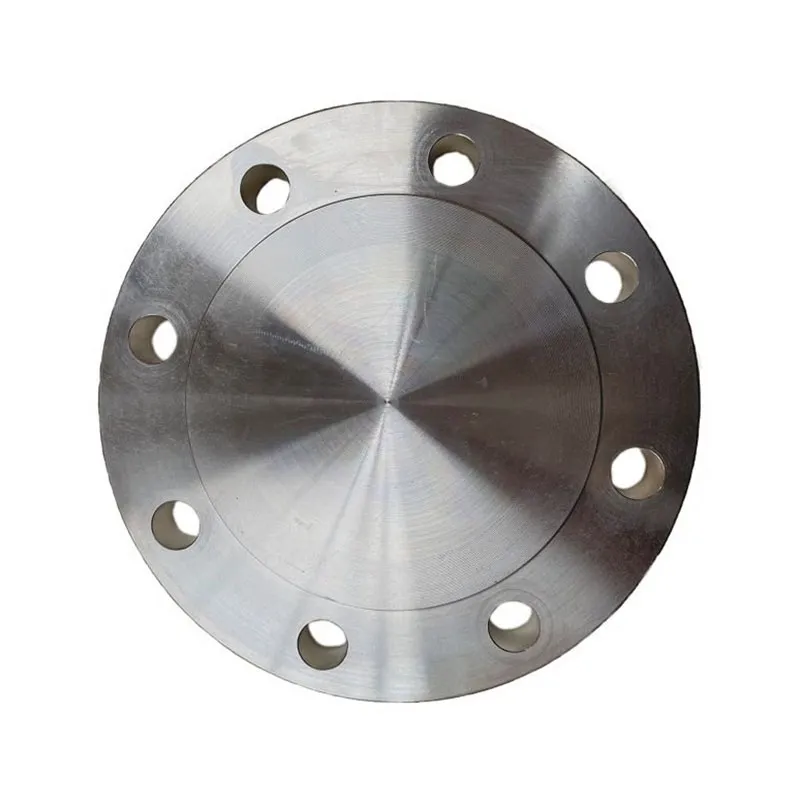 ASME B16.47 Ser.A Blind Flanges Class 400
 -
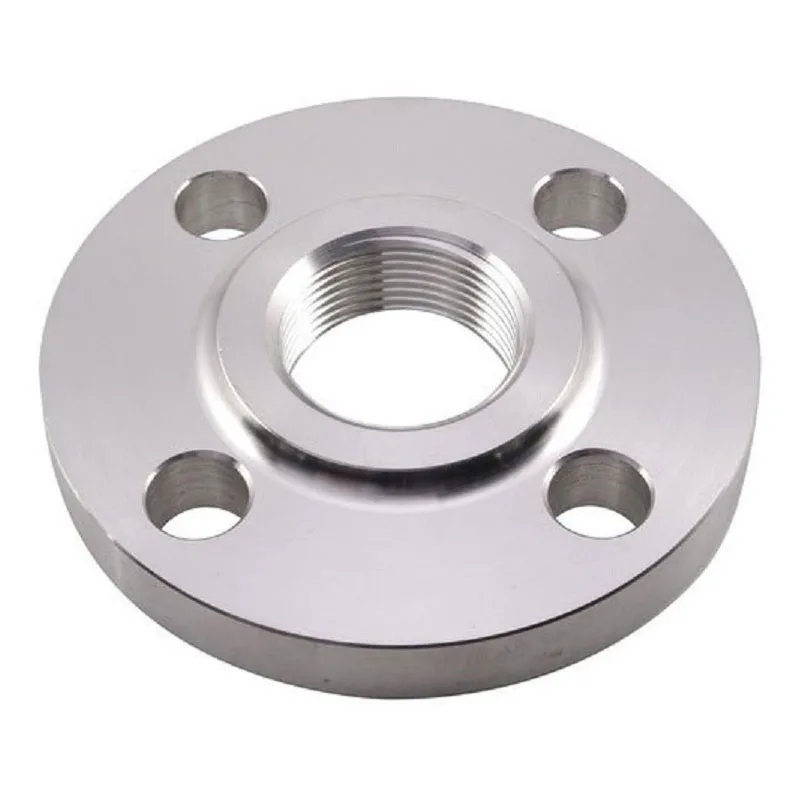 JIS 10K Threaded Flanges
 -
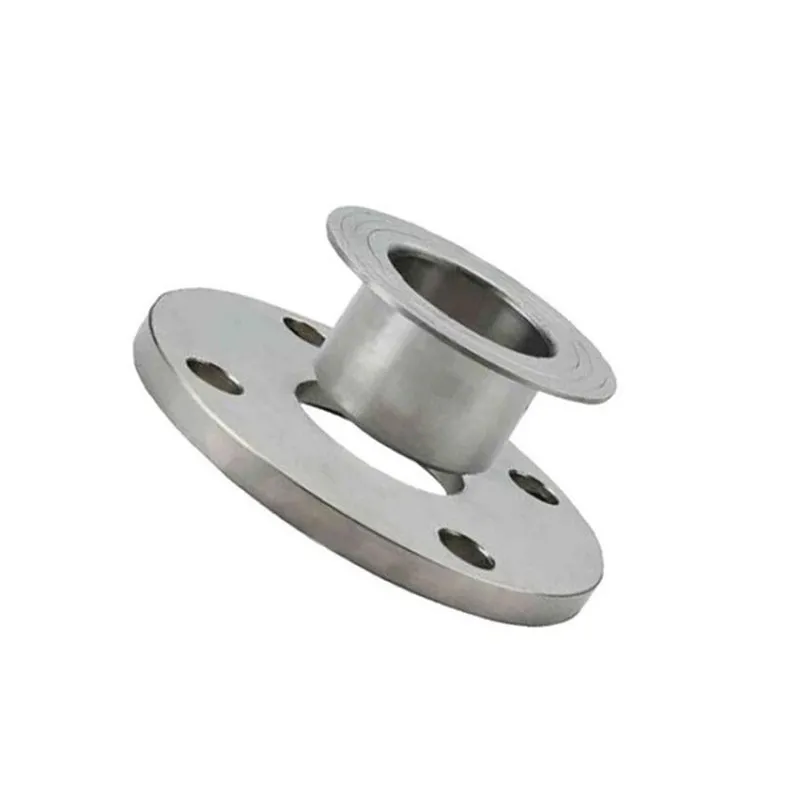 JIS 10K Loose Ring Flanges
 -
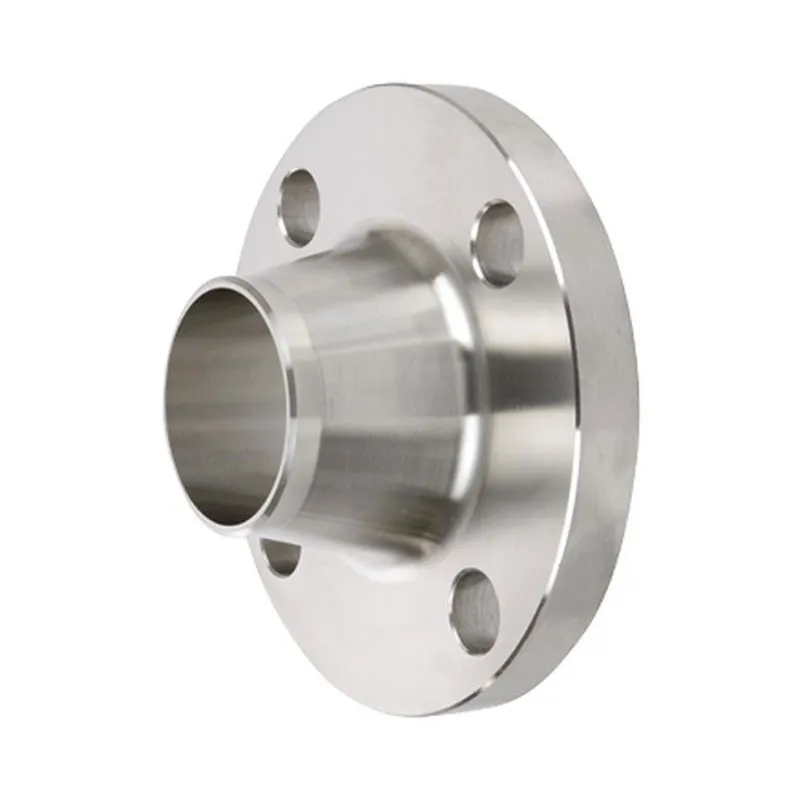 Ser.A Butt Weld Flanges Class 400
 -
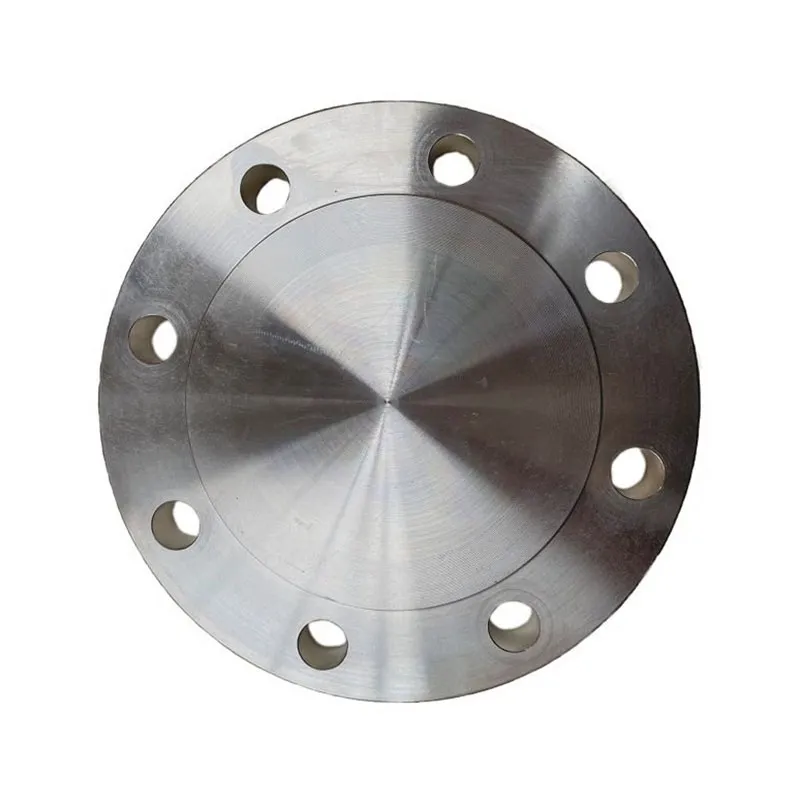 UNI 6092 Blind flanges PN10
 -
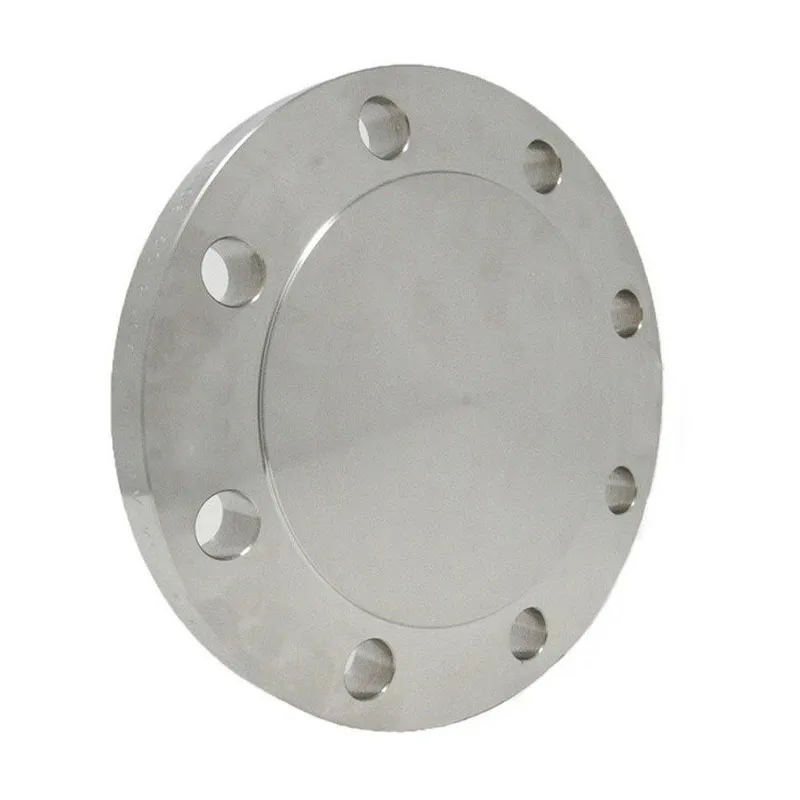 EN 1092-1 Blind flanges Type 05, PN10
 -
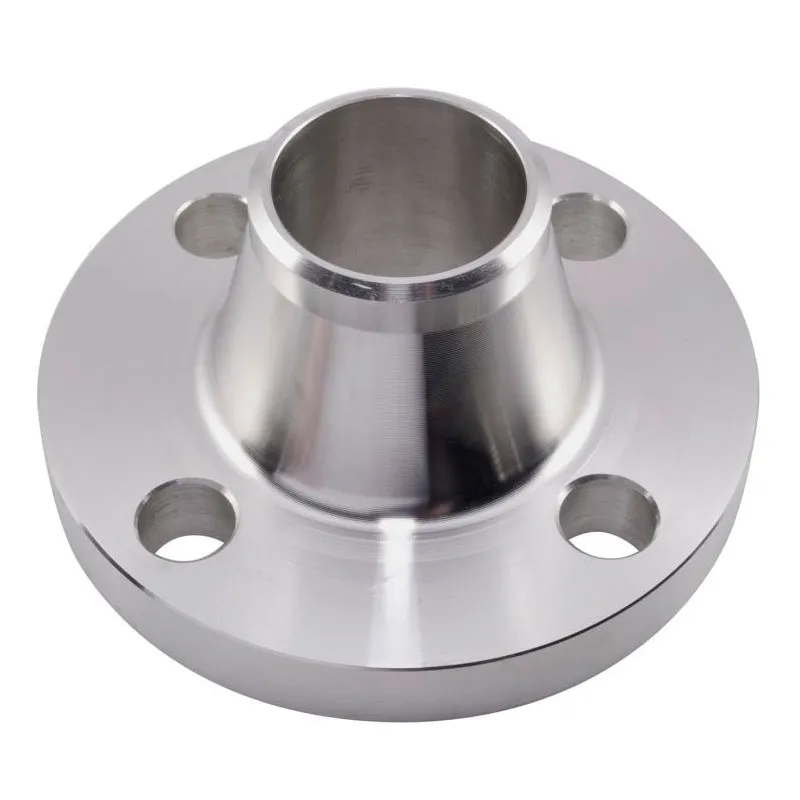 UNI 2281 Butt weld flanges PN10
 -
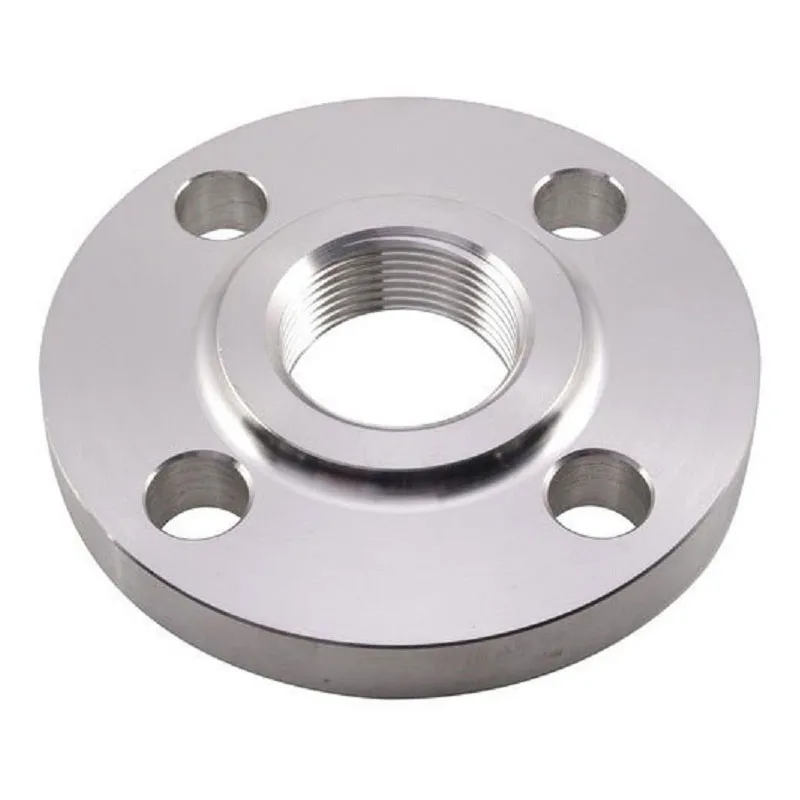 EN 1092-1 Threaded flanges Type 15, PN16
 -
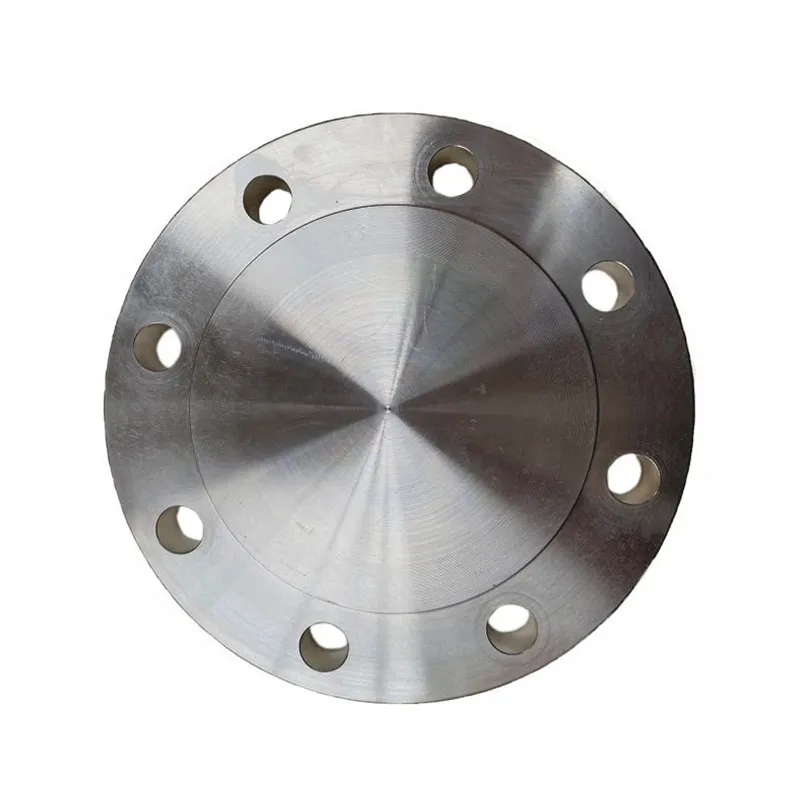 DIN 2527 Blind flanges PN10
 -
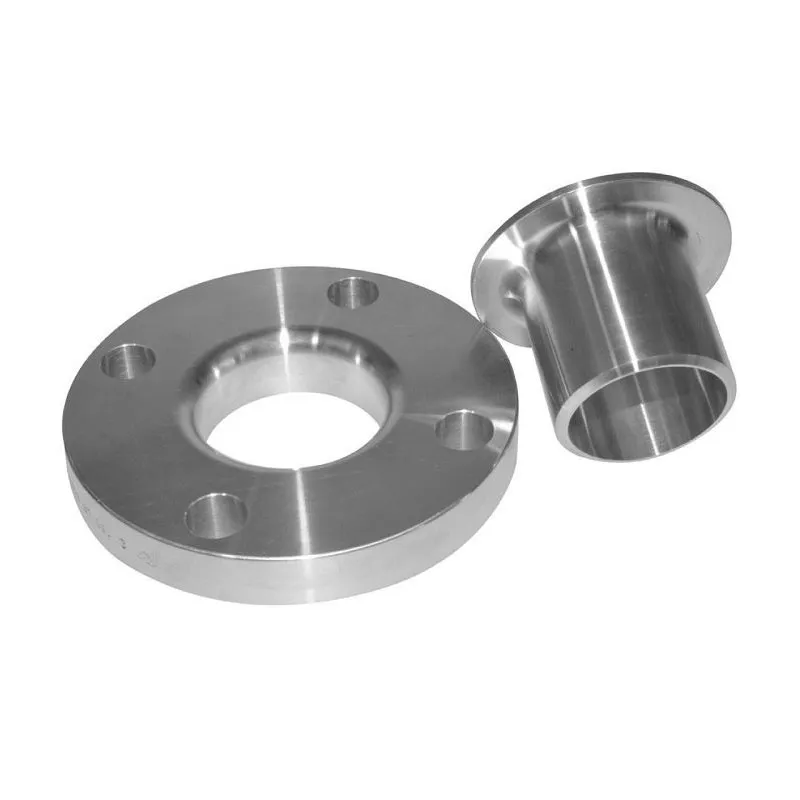 ANSI B16.5 Loose Ring Flanges Class 2500
 -
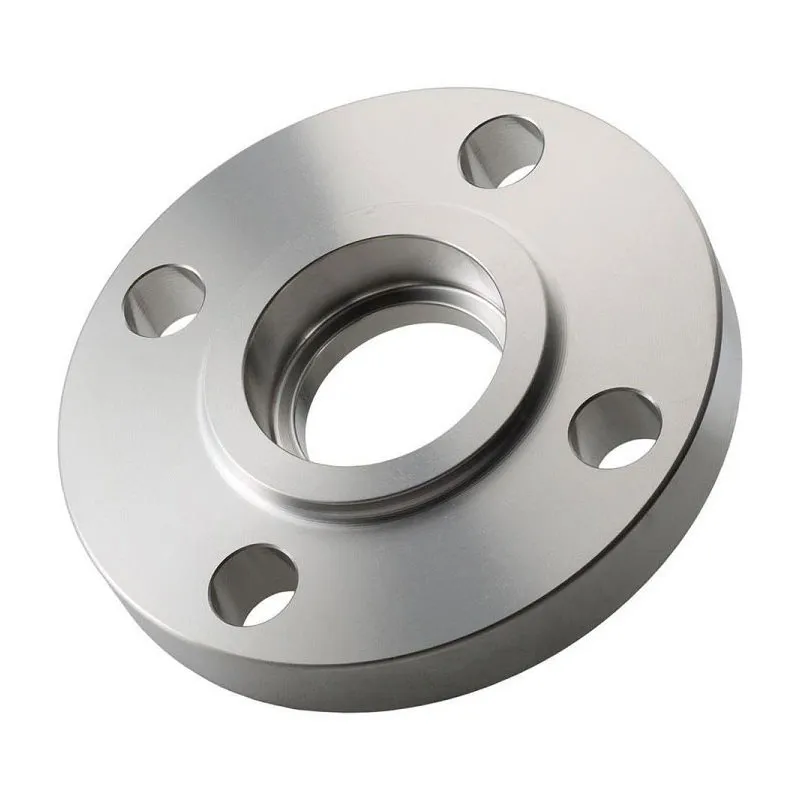 Flanges for socket welding
 -
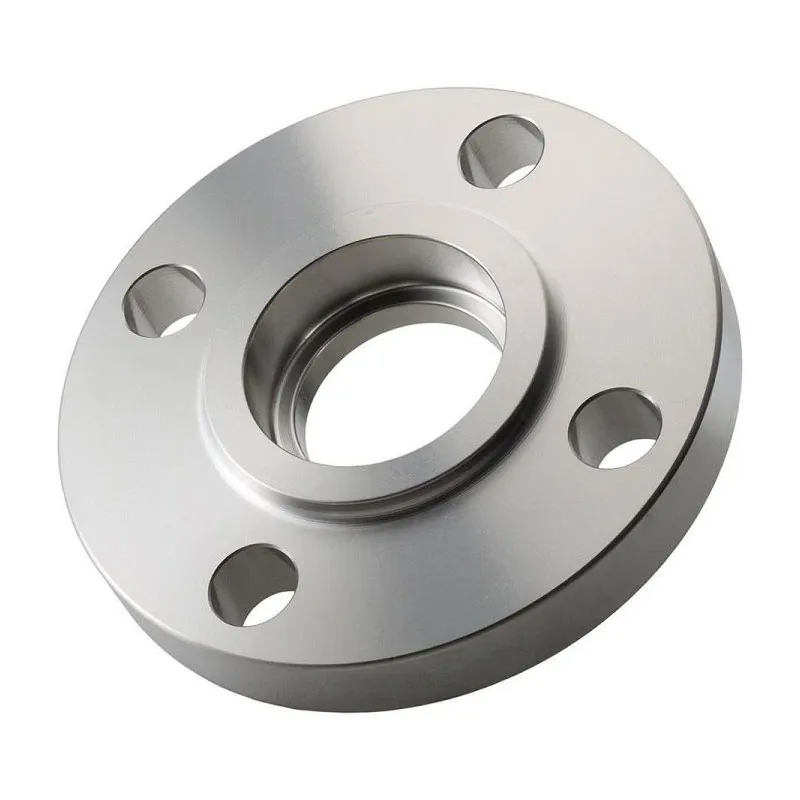 ANSI B16.5 Socket Weld Flanges Class 150