
-
-
Phone
+86-13623462298




flange 4 sizes
When you hear the request “flange 4 sizes?”, it’s immediately clear that a person is most likely looking for something specific, but the term itself can be misleading. In practice, I often come across the fact that this can mean the fourth standard size according to some internal catalog, and flanges for DN 4 (which is rare, but it happens), and even a symbol for a group of products under a pressure of 4 MPa. You have to clarify right away. The request itself is exactly the case when, without the context of a standard or at least a conditional pass, you can waste a lot of time.
What is hidden behind the number 4? in flange sizes
If we put aside abstractions, then in most of the serious projects I worked on, ?4? - it’s stillDN (nominal diameter). But DN 4 mm is practically a pipe thread; a full-fledged flange is a rarity here. You see it more often when they say “row 4?” or “type 4”, referring to the design according to GOST or ASME, where this figure may indicate the type of sealing surface or design. For example, according to GOST 12821-80 version 4 is with a connecting protrusion. This is where the specifics begin.
I remember one project for piping boilers, where the specification simply stated “Flange 4, GOST 12820?”. The designers had in mind a flat flange for a pressure of 0.4 MPa (nominal pressure Ru 4). And the supplier, without thinking twice, shipped flanges for DN 4 according to the same GOST. The discrepancy was revealed only during installation - we had to urgently look for a replacement and delay the launch. This is precisely the case when the ambiguity of the wording in the documentation affects the budget and deadlines.
Therefore, now I always insist on writing in full:nominal diameter (DN), nominal pressure (PN), standard and version, if any. This saves a lot of problems. For particularly critical components, especially in the energy sector or chemical plants, I even attach a drawing with dimensions to the order - it’s more reliable.
Practical difficulties with non-standard and large sizes
When it comes to really large sizes, for example from DN 500 and above, the story with ?sizes? it gets even more interesting. This is no longer just numbers in a table, but real production capabilities. Geometry, sink marks during forging, heat treatment - all this affects the finalflange dimensionsand, most importantly, their stability from batch to batch.
We were once working on the reconstruction of the main gas pipeline. We needed butt weld flanges, DN 1200, for high pressure. The main difficulty was not even in the diameter itself, but in ensuring the flatness and accuracy of the location of the holes for the studs. At one of the original suppliers, the ?velo? product—micro-stresses arose due to the non-ideal structure of the metal after forging. I had to look for a manufacturer with a more controlled process.
This is where the manufacturer’s experience in the field of forged products comes to the fore. Stamping is one thing, but volumetric forging, especially for critical parts, is another level of control. It is necessary that the metal is not just cut and drilled, but that the fibers are directed correctly so that there are no internal holes. This is exactly what distinguishes a quality product from a simply made one.
Experience with specific manufacturer: Shanxi Hongkai Forging Co.,Ltd
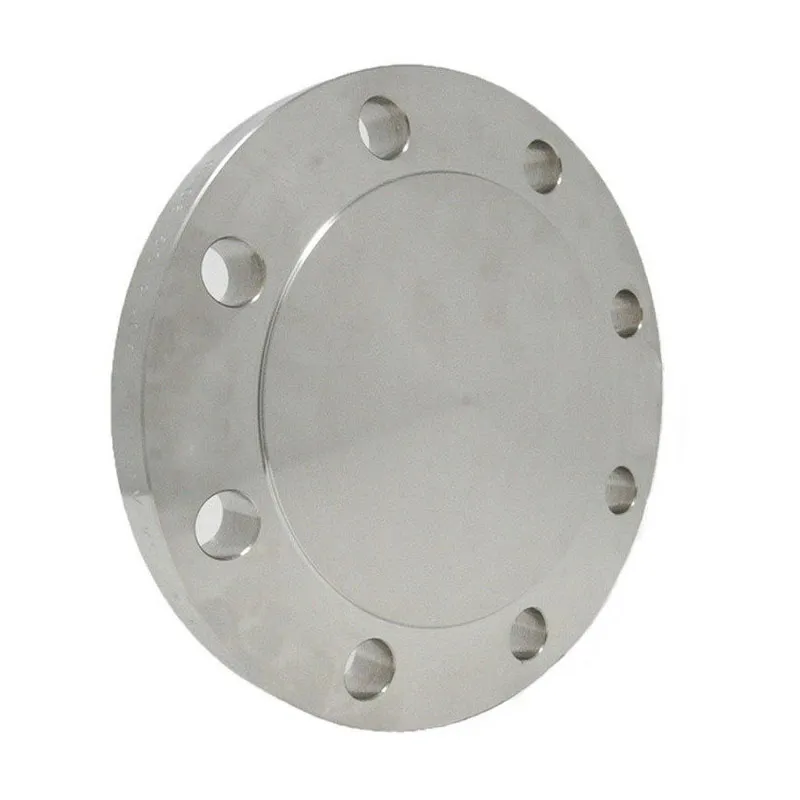
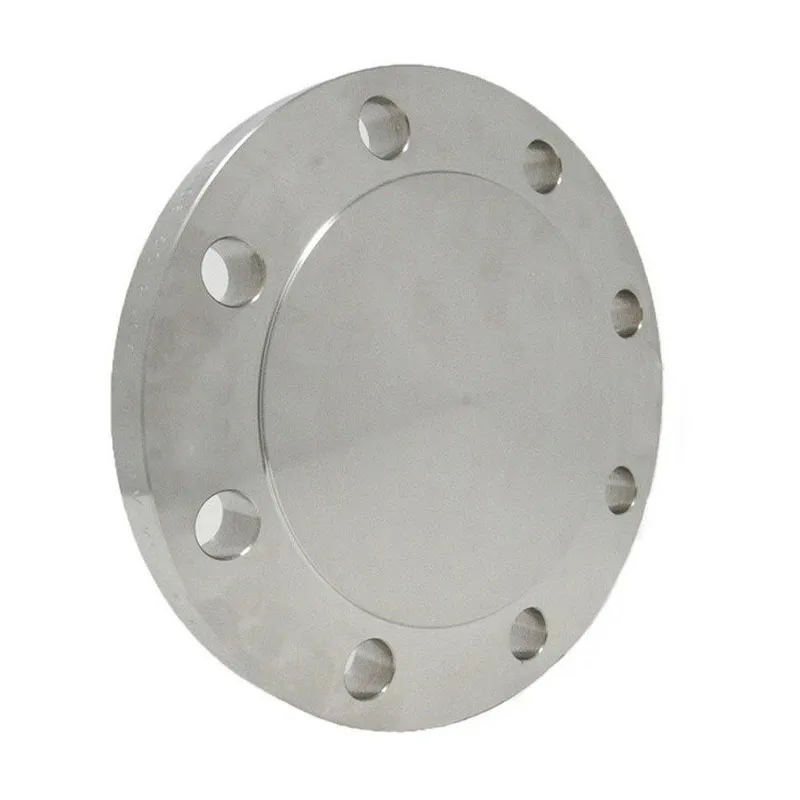
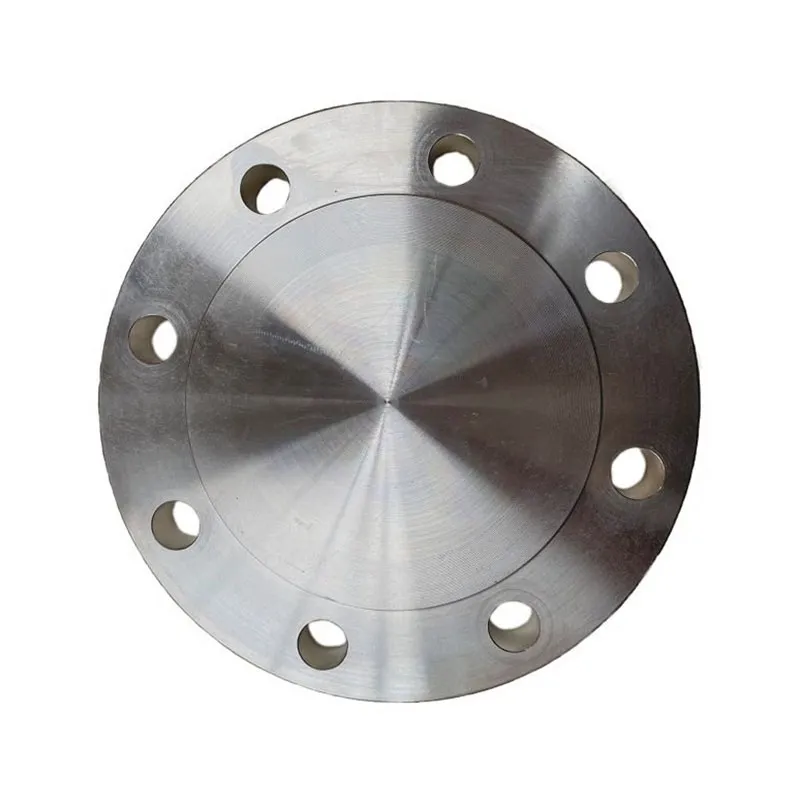
With the manufacturerShanxi Hongkai Forging Co.,Ltd(their website ishkflange.ru) encountered when custom large diameter blind flanges were required according to our drawings. The company description states that they work according to international standards (GOST, ASME, EN) and make forgings, and not just cut from sheets. This was the key. Many offer “flanges”, but in fact these are products made from bent and welded steel, which is not suitable for high parameters.
We sent them a request. I was pleasantly surprised by the detail in the dialogue: they immediately requested not only a drawing, but also the operating environment, temperature conditions, and load cycles. This is a professional approach. As a result, a flange with a reinforced hub (neck) and non-standard thickness was made for one unit, deviating from the standard tables, but justifying it with calculations. BysizesIt came out within the tolerance, but in terms of mass it was heavier than the standard one - precisely due to optimization for our conditions.
From their nomenclature, by the way, it is clear that the rangeflange sizesthey have a wide range - from DN15 right up to DN4000. But, importantly, for large diameters they directly indicate forging. It's fair. For DN 4000, a cast or welded product is one class of responsibility and price, while a forged product is completely different, and the requirements for metal are stricter there.
Key parameters besides ?size?
Focusing only on overall dimensions is a mistake. No less critical are the parameters, which in the drawing may be small numbers in the corner. The material used is the basis. Not every steel 20 or 09G2S is suitable for corrosive environments or low temperatures. Here you need to look at the grade of steel and its chemical analysis, especially at impurities.
Type of sealing surface. The same number ?4? in some systems it may indicate a tongue-and-groove or a protrusion-recess. A mismatch here will lead to the fact that the flanges simply will not fit together, no matter how perfectly the externaldimensions. I once saw beautiful, accurate ASME B16.5 Class 300 flanges lying in a warehouse for six months, which did not fit the already installed fittings due to differences in the chamfer design.
Tolerances. Especially on bolt pattern (PCD) and hole misalignment. It would seem like a small thing. But when you install a dozen flanges on a long pipeline, even a slight deviation of half a millimeter can lead to the studs not falling into place and having to be drilled out in place, which weakens the structure. Therefore, in the order now I always specify in a separate line the tightness of the tolerances in accordance with GOST 12815 or ASME B16.5, depending on the standard.
Final thoughts and how not to make mistakes
So, returning to the original request “flange 4 sizes?”. The main conclusion is that the task needs to be as detailed as possible. If this is a purchase, then the technical specification must clearly indicate the standard, DN, PN, material, type of execution, and, preferably, a drawing with maximum deviations. If this is a search for information, then it is better to look not for abstract “dimensions”, but for a specific standard - “GOST 12820 flat flange DN 100 PN 4”.
As for choosing a supplier for critical applications, here, as practice shows, it is worth looking towards specialized manufacturers of forgings and forged flanges, such as the one mentionedShanxi Hongkai Forging Co.,Ltd. Their profile is forged, which means the metal structure will be better, and the product will be more reliable under conditions of vibration and pressure changes. Their ability to work from drawings and make customflange sizes- a big advantage.
After all, a flange is not just a piece of metal with holes. This is a connecting element on which the tightness and safety of the entire system often depends. And there are no trifles here. Even in such a seemingly simple thing as indicating sizes.
Correspondingproducts
Related Products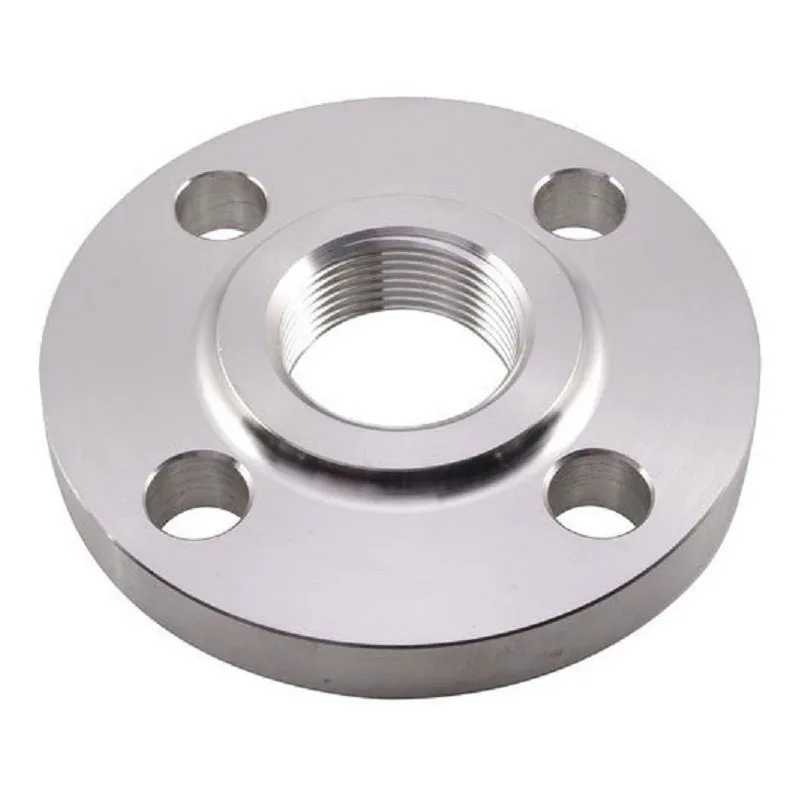
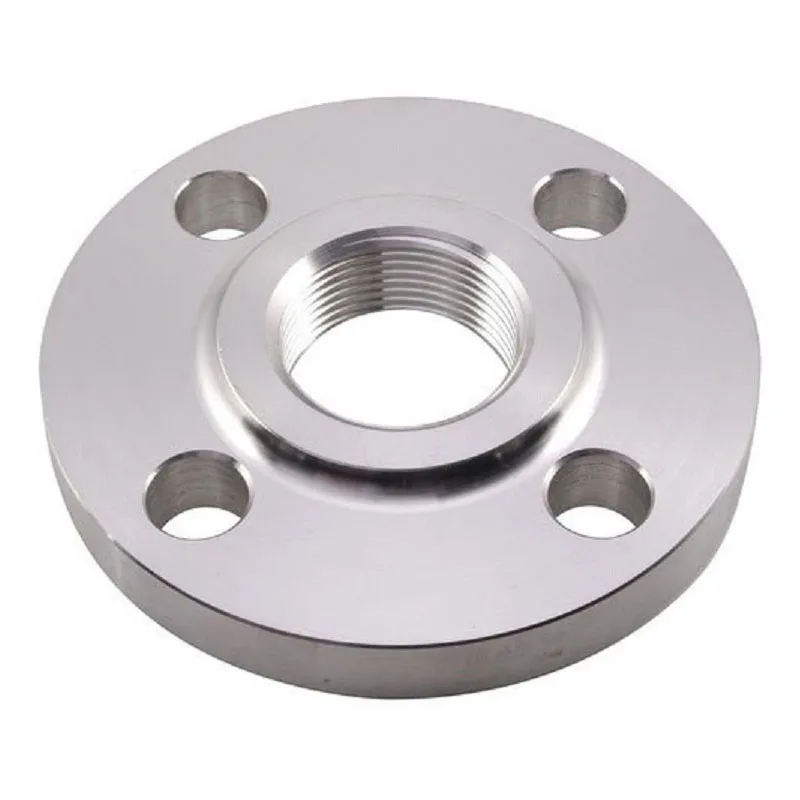
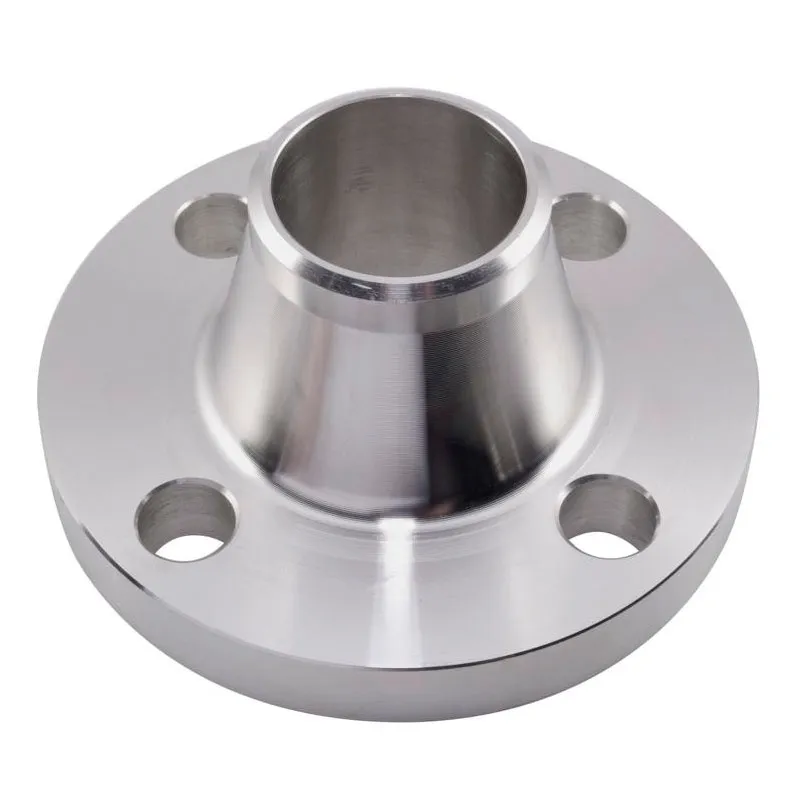
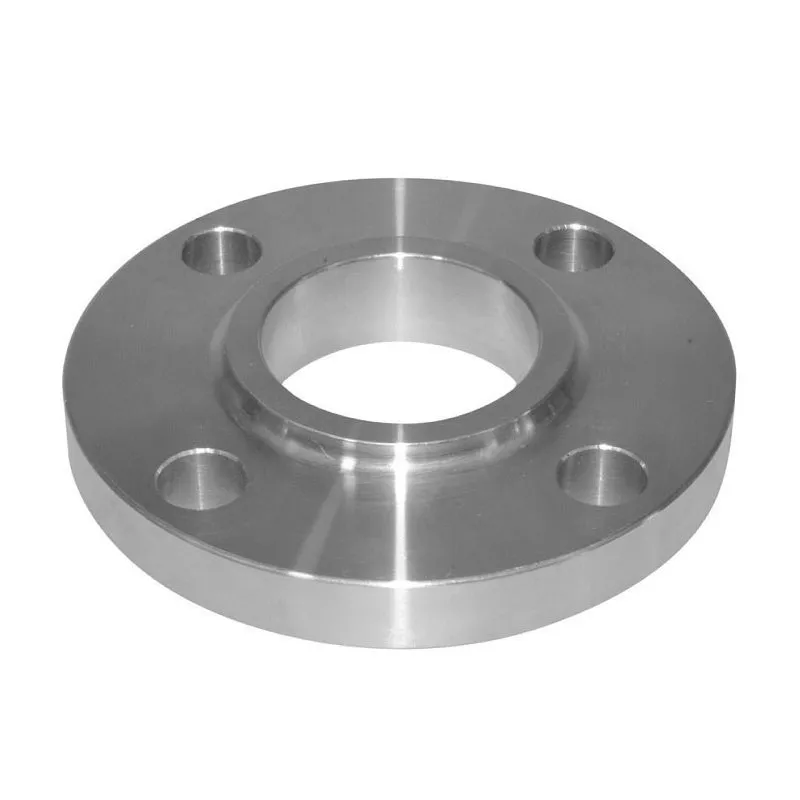

Best Sellingproducts
Best Selling Products-
 EN 1092-1 Blind flanges Type 05, PN10
 -
 DIN 2565 Threaded flanges PN6
 -
 Flanges for socket welding
 -
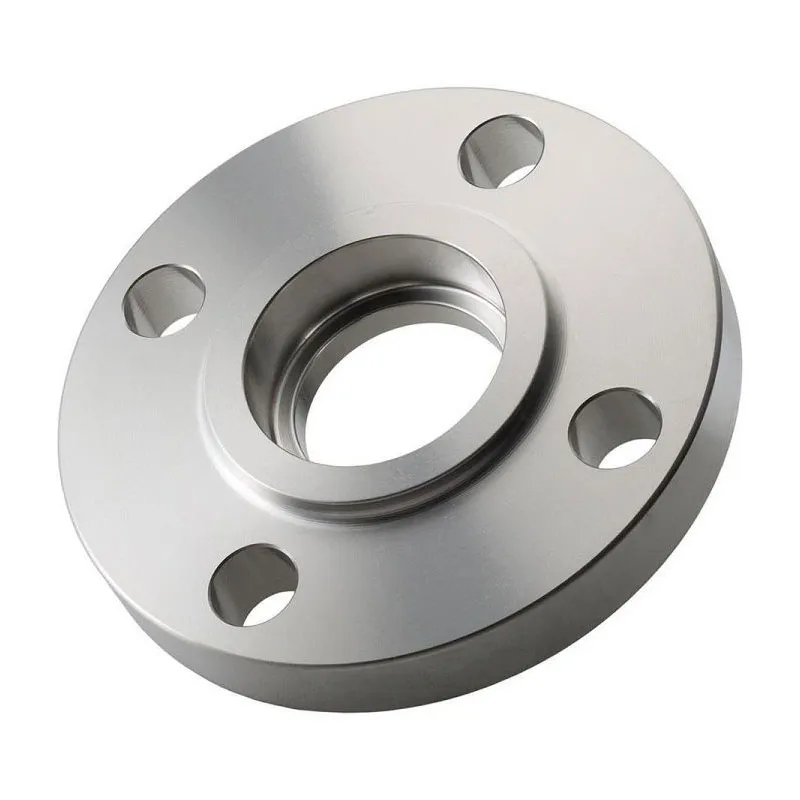 ANSI B16.5 Socket Weld Flanges Class 1500
 -
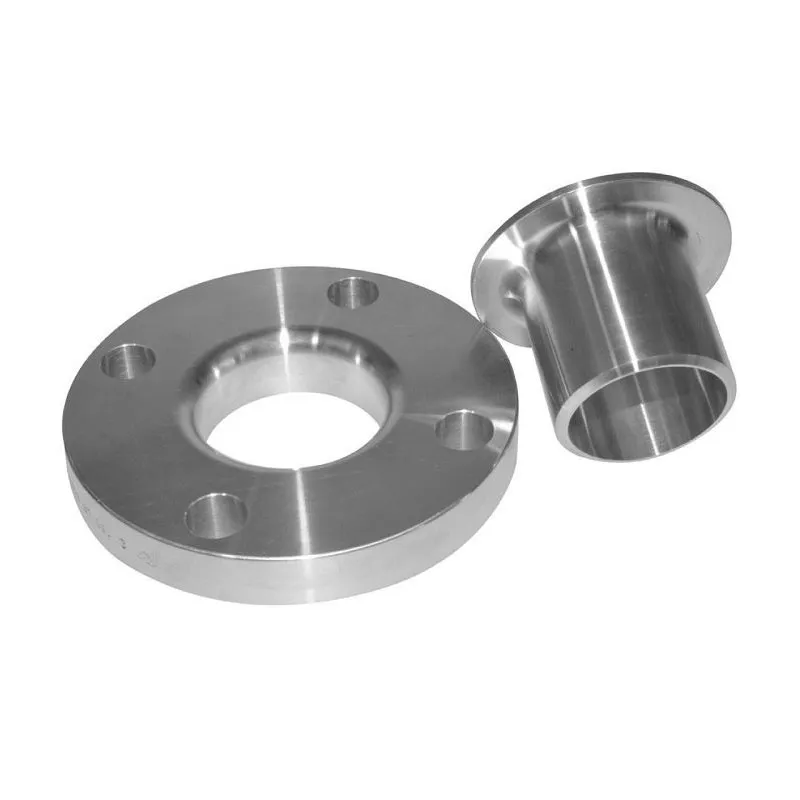 ANSI B16.5 Loose Ring Flanges Class 2500
 -
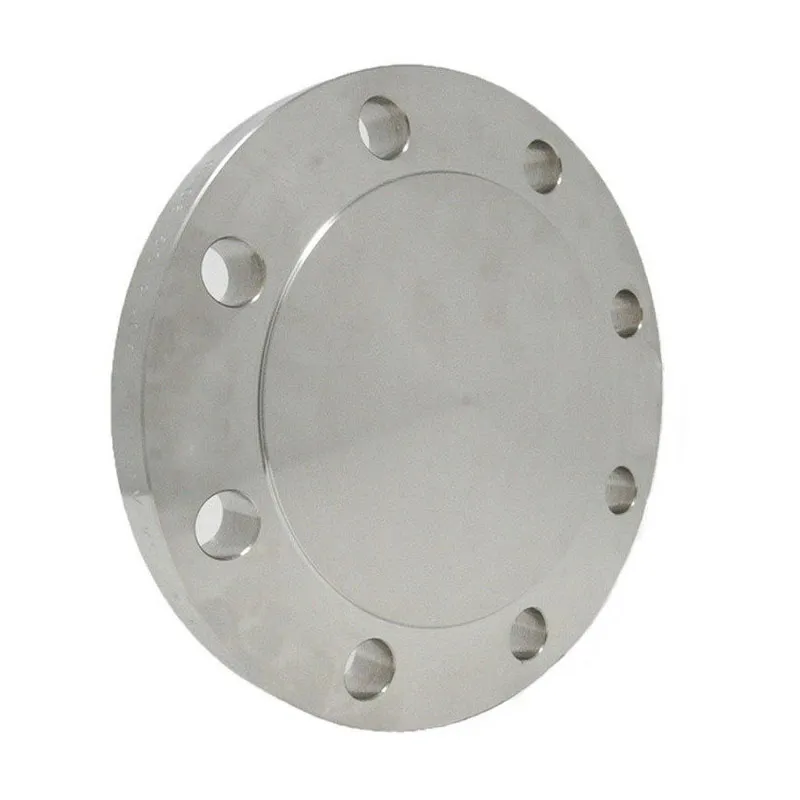 Blind flanges Class 150
 -
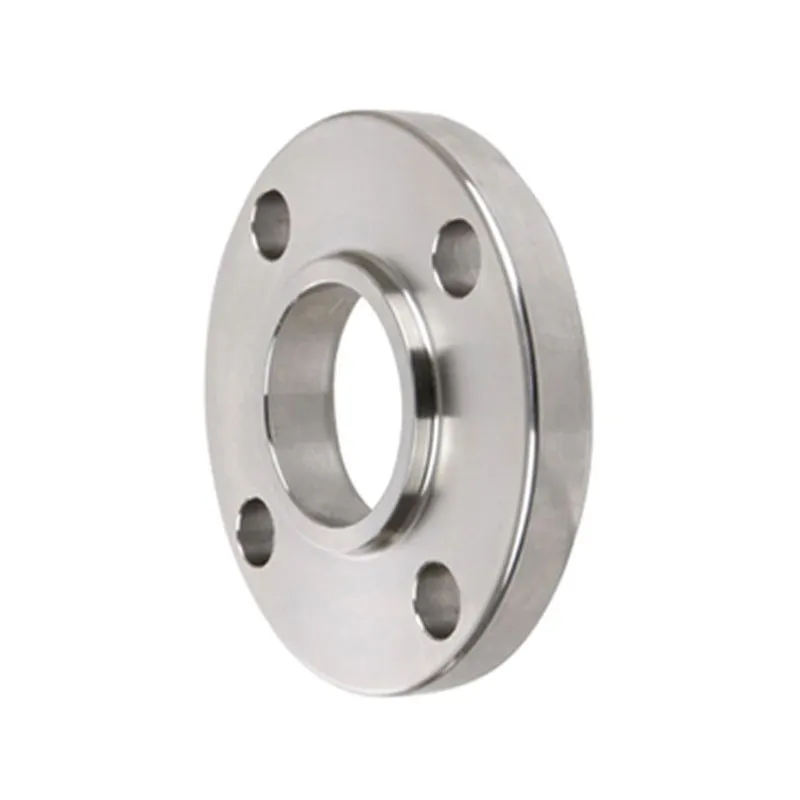 ANSI B16.5 Lap-on flanges Class 300
 -
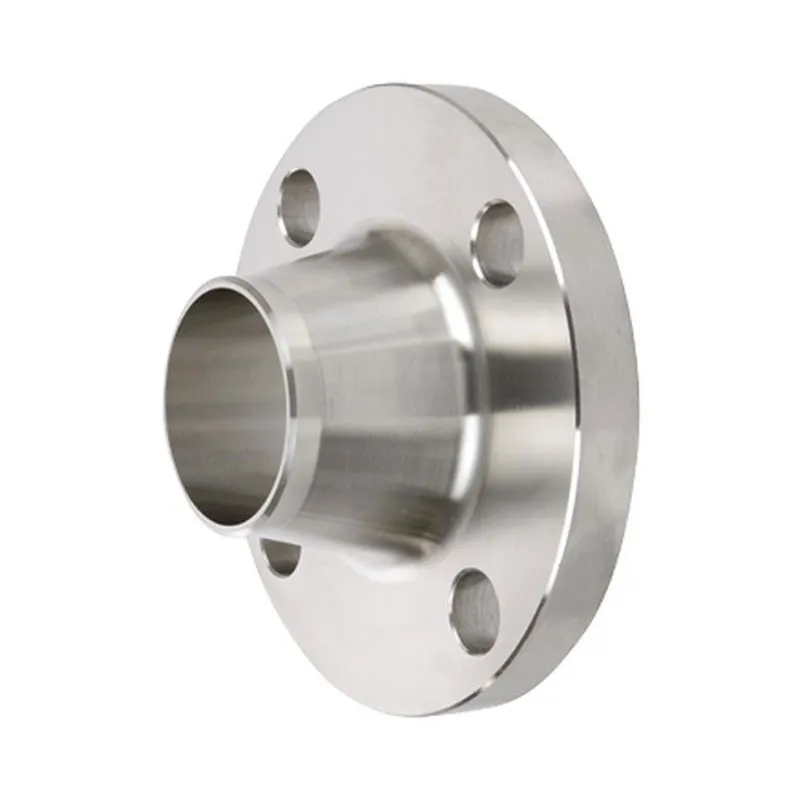 Ser.A Butt Weld Flanges Class 400
 -
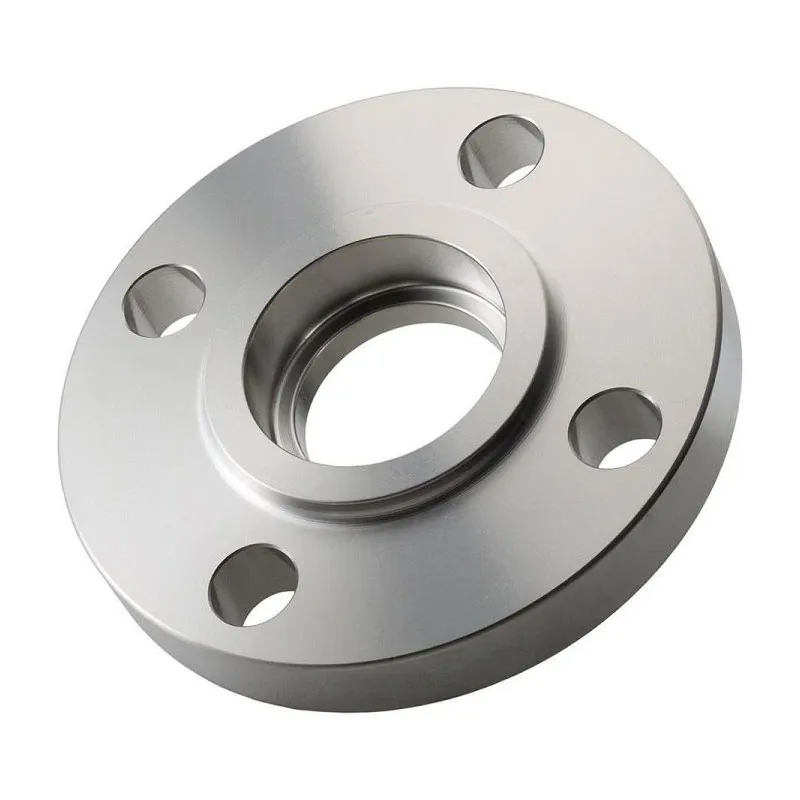 ANSI B16.5 Socket Weld Flanges Class 150
 -
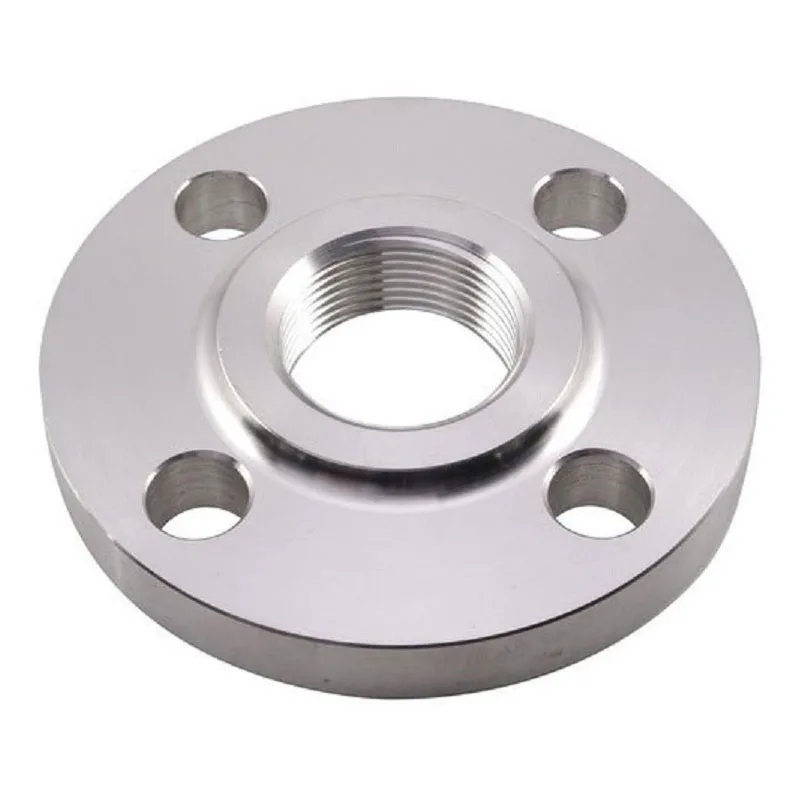 JIS 10K Threaded Flanges
 -
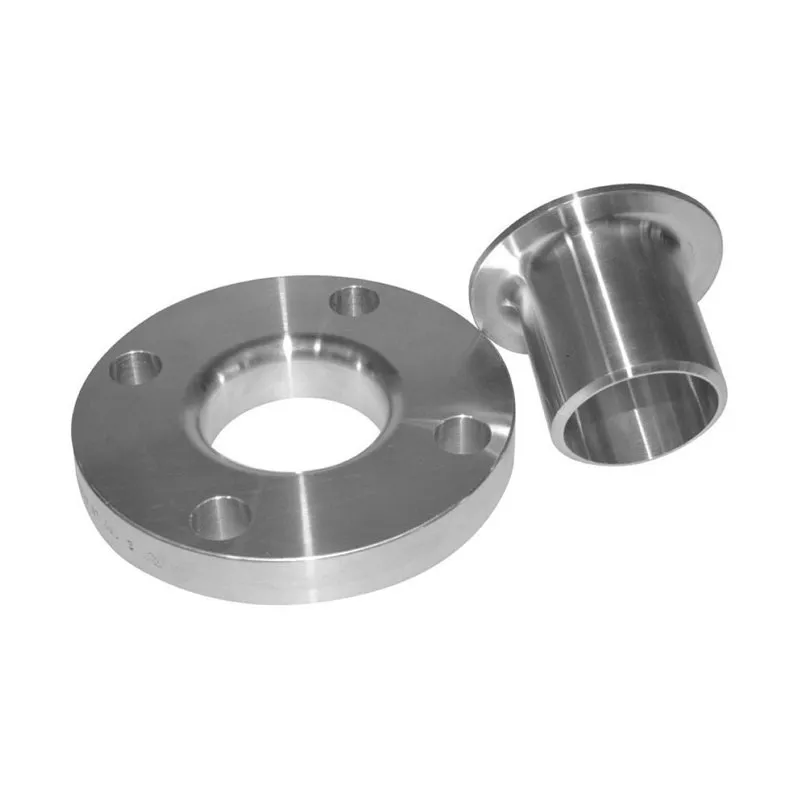 Free ring flanges Class 150
 -
 UNI 6092 Blind flanges PN10