
-
-
Phone
+86-13623462298



flange 48
When they say “flange 48”, many people immediately imagine a specific size, most often according to GOST 12820 or 12821. But here’s the catch - this figure can refer to the nominal diameter, the outer diameter, and sometimes even to a specific pressure range. I myself encountered confusion in warehouses when a “flange 48” arrived on the invoice, but in fact it turned out to be DN40 according to ASME B16.5, because one of the suppliers mixed up the standard systems. This is not just a detail, this is a story about how important it is to understand the context - for what pressure, under what pipe, according to what drawing.
From size to material: what DN hides
If we take our, so to speak, native GOST, then a flange with the designation 80 usually corresponds to a nominal diameter of DN 80 mm. But with ?flange 48? everything is not so clear. In some old specifications or in conversations with installers, this may be the name for a flange for a pipe with an outer diameter of about 48 mm, which is often found in certain industry standards or in non-standard equipment. It is on such little things that projects are punctured.
Working with suppliers like Shanxi Hongkai Forging LLC, you see their approach: they always clarify. Not just “flange 48”, but a complete package of data - standard, pressure, surface design, material. Their website https://www.hkflange.ru shows that the range from DN15 to DN4000 is not just for show. Each size, including non-obvious ones like our “48”, has its own forging technology, especially when it comes to high pressures.
I remember an incident at a thermal power plant where flanges were needed for piping the impulse lines of the boiler. The documentation simply stated “flange 48”. It turned out that a product was required according to the customer’s drawing, with special dimensions for butt welding and high pressure. A standard flat flange would not fit - it would not withstand vibration. I had to order production according to an individual drawing, and here the experience of the manufacturer, who makes non-standard forgings, was decisive.
Pressure and standards: where it’s thin, it breaks
The main mistake is to ignore the pressure series. You can takeflange 48on Ru 10, and the system is designed for 16 or 25. Visually, the difference may be minimal - a couple of millimeters in thickness, but in operation this will lead to leakage or, worse, rupture. Particularly critical for energy and chemistry.
Companies that specialize in forging, like the mentioned Shanxi Hongkai Forging LLC, usually have a clear gradation in standards. They have GOST, ASME, and EN in their nomenclature. And for each standard the ?flange has 48? will have their own geometric and weight characteristics. For example, a flange according to ASME B16.5 Class 150 on NPS 2' is one set of sizes, and according to GOST 12821-80 on Ru 16 it is completely different, although both can be referred to colloquially as “forty-eighths”.
In practice, most often under the ?flange 48? still mean a product with a nominal bore close to this value in the DIN system or for specific pipelines of small diameter but high pressure. This is where the material plays a key role. Steel 20, 09G2S, 12Х18Н10Т - everything depends on the choice. Forging, which the manufacturer uses, gives a better metal structure compared to casting or stamping, especially for critical components.
Installation nuances: what is not written in the instructions
When installing such a flange there are some subtleties. First, alignment. A small diameter like 48 mm requires care - a misalignment of even a couple of millimeters creates an uneven load on the bolts. Secondly, compaction. For small diameters, metal lenses or oval sections are often used rather than standard gaskets, especially in thermal power engineering.
One of the common problems I encounter is access for tightening. If the flange connectionflange 48is located in cramped conditions, a standard key may not be suitable. You have to either pre-order flanges with a reduced bolt circle diameter, or use a special tool. This is the moment when working with a manufacturer who can produce a forging according to a non-standard drawing saves time.
Another point is welding. For butt-welded flanges of small diameter, the welding mode is important so as not to “lead” plane. Sometimes it is better to use a loose flange on a weld ring, especially if frequent disassembly for inspection is required. But this increases the cost and requires more space.
Non-standard solutions and savings
It happens that the standardflange 48does not suit some parameters - for example, a non-standard thickness is needed due to an aggressive environment or special temperature cycles. Then the only way is to manufacture according to the drawing. Yes, it is more expensive and takes longer, but it is reliable.
Here you can see the difference between a simple warehouse supplier and a blacksmith manufacturer. The first one will offer what is available, the second one will design and forge it. The website https://www.hkflange.ru directly states that this is one of the main enterprises in the forging and pressing industry, and they work according to customer drawings. For critical facilities, such an opportunity is not a luxury, but a necessity.
Savings often turn out to be imaginary. We tried to save some money by using a cheaper cast flange to replace a forged one in a system with pressure drops. Six months later, cracks appeared along the studs. We had to stop the line and change all connections. Since then, for any dynamic loads - only forging. The microstructure of the metal after forging is more homogeneous; there are no internal cavities that are present in casting.
Choosing a supplier: not only price
When you need reliableflange 48, whether according to GOST, ASME or a special drawing, I look at several things. Firstly, the presence of our own forging and pressing production, and not just trade. Secondly, the range of standards. If a company like Shanxi Hongkai Forging LLC claims to work according to GOST, ASME, EN, DIN and others, it means they have the technical base and understanding of the differences.
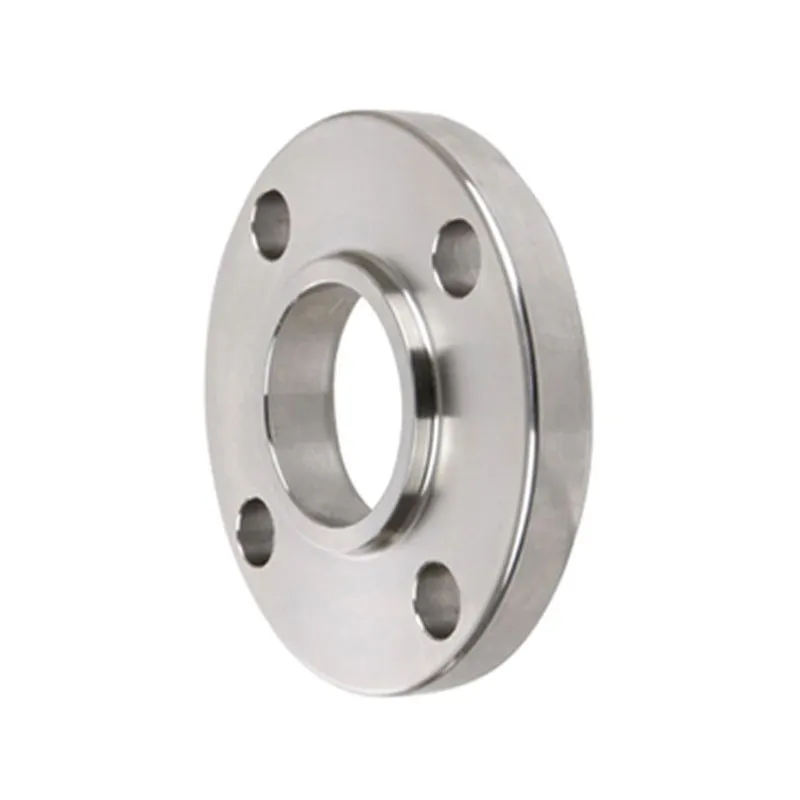
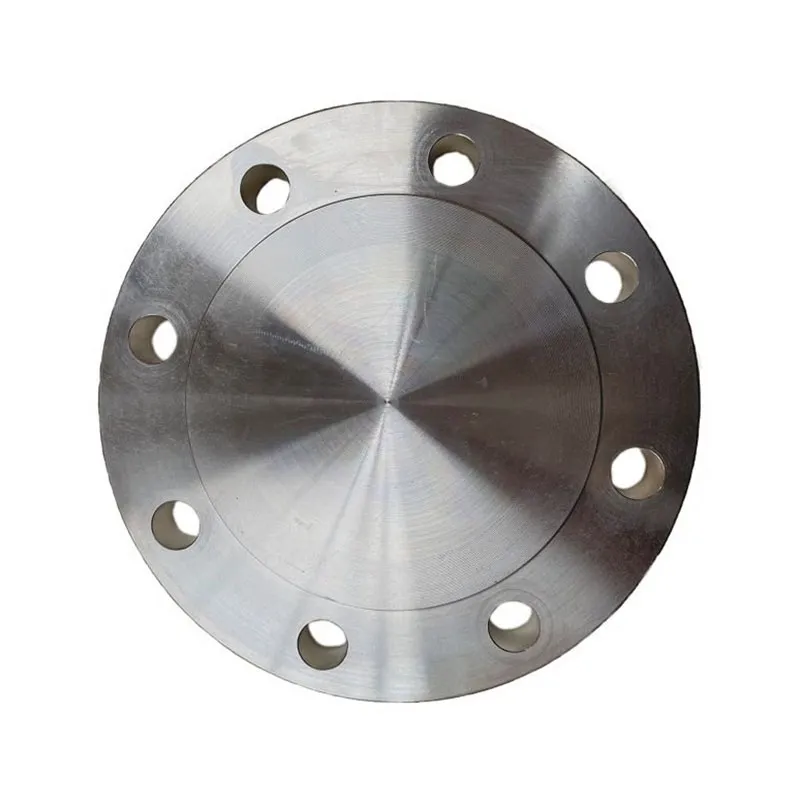
Nomenclature is also important. The ability to make not only flat or butt flanges, but also loose, threaded, blind flanges in such a seemingly small size speaks of flexibility. The range up to DN4000 indicates that they can handle both small and huge diameters, which require different equipment and experience.
As a result, “flange 48” is not just a line in the specification. This is a competency test for the engineer and supplier. Understanding what's behind the numbers, asking the right questions, and choosing the right manufacturing technology is what separates a working connection from a problem waiting to happen. And experience, often bitter, suggests that there are no trifles in this matter.
Correspondingproducts
Related Products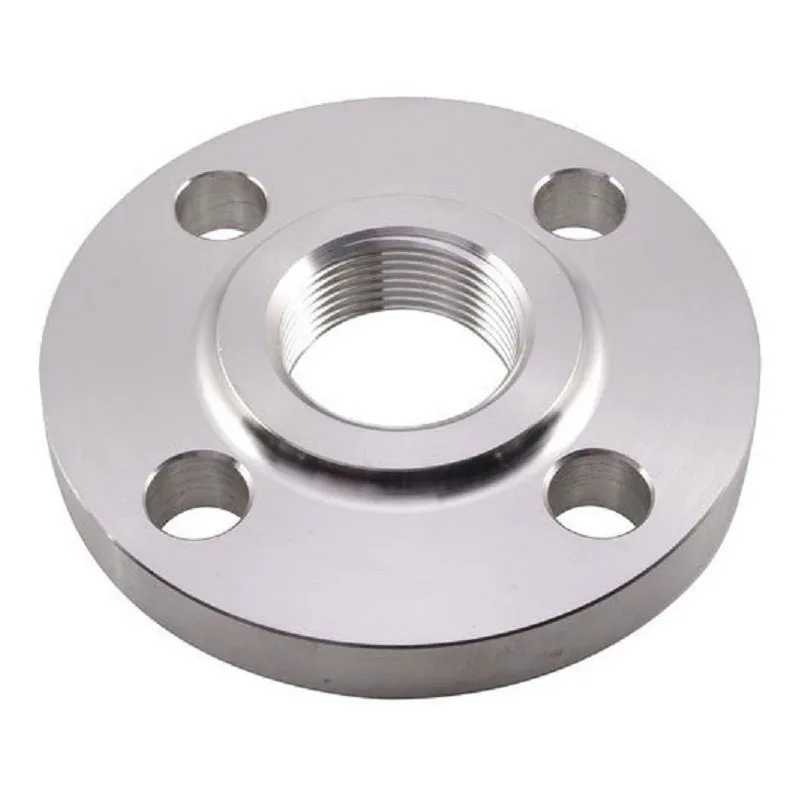
Best Sellingproducts
Best Selling Products-
 ANSI B16.5 Loose Ring Flanges Class 2500
 -
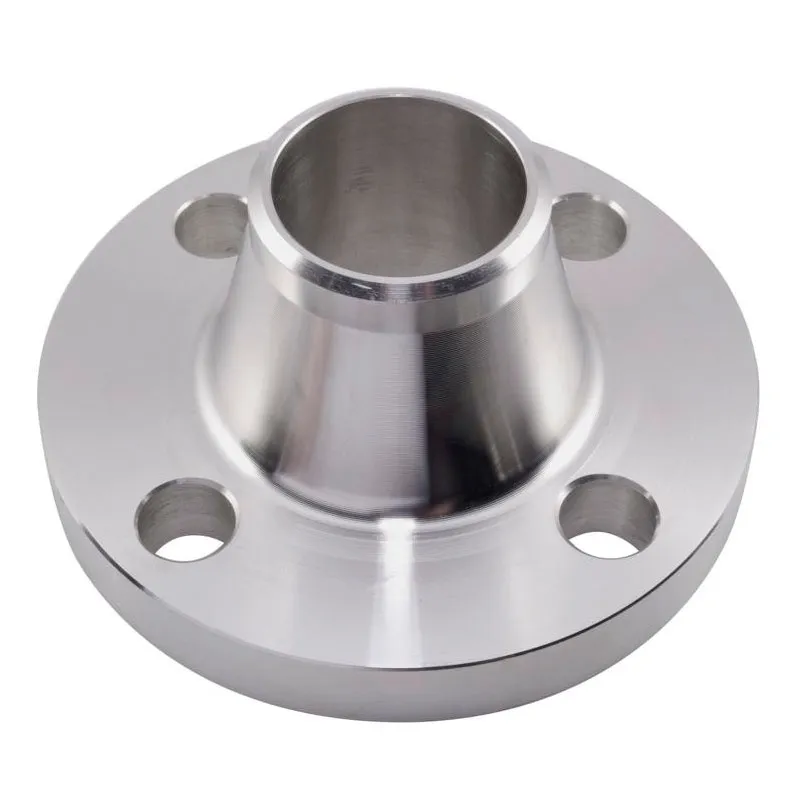 Butt weld flanges Class 900
 -
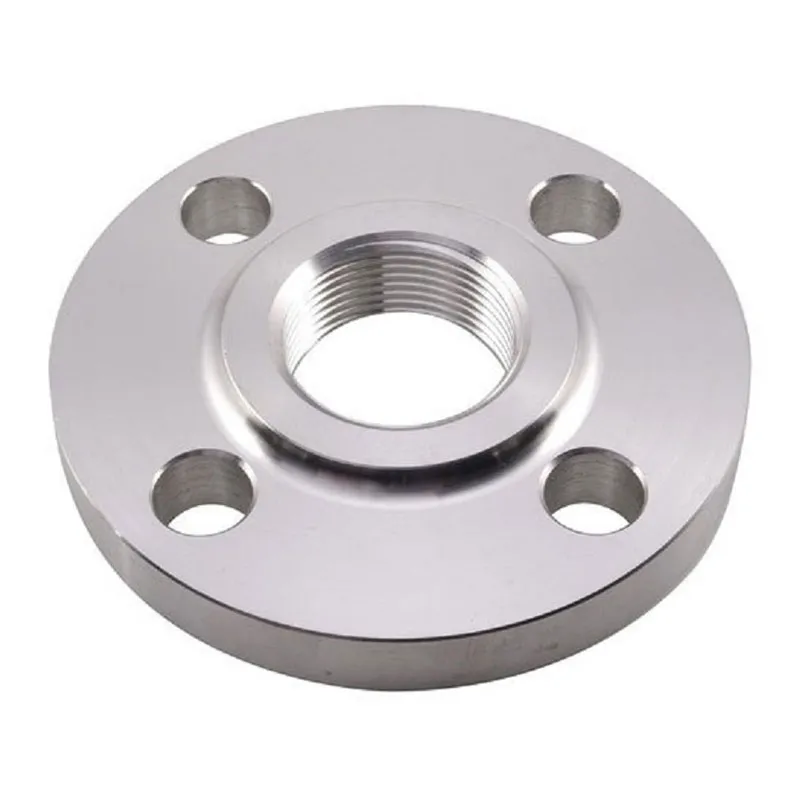 JIS 10K Overlay flanges
 -
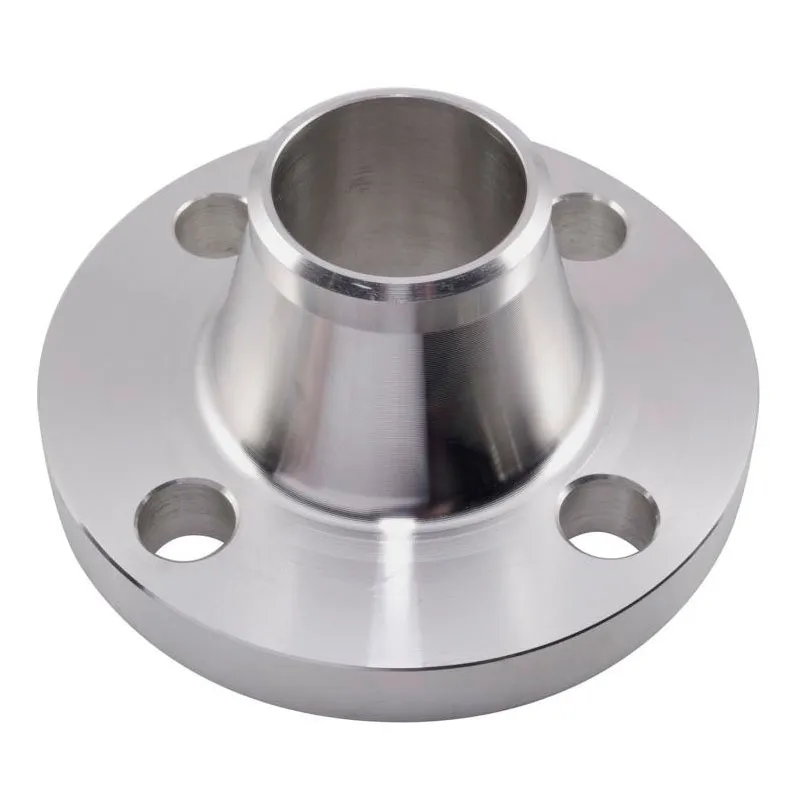 DIN Butt weld flanges PN10
 -
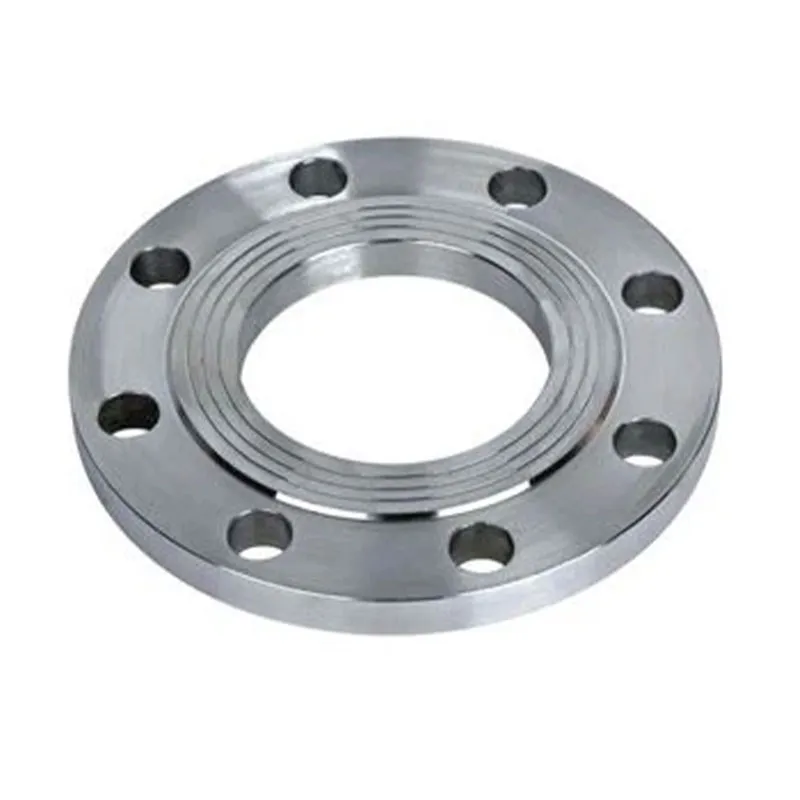 Butt weld flanges Class 150
 -
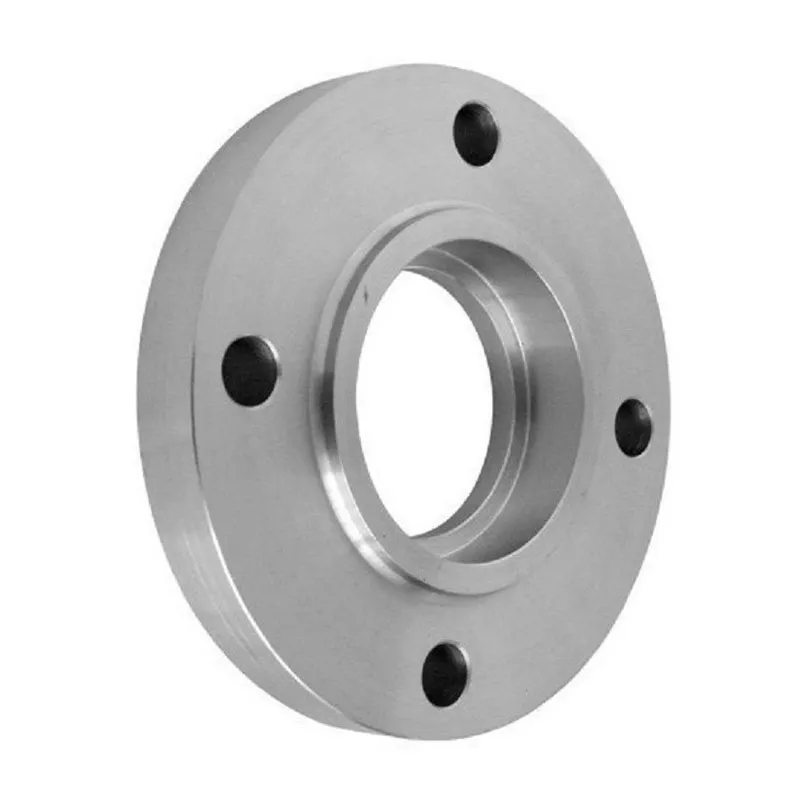 Socket Weld Flanges Class 300
 -
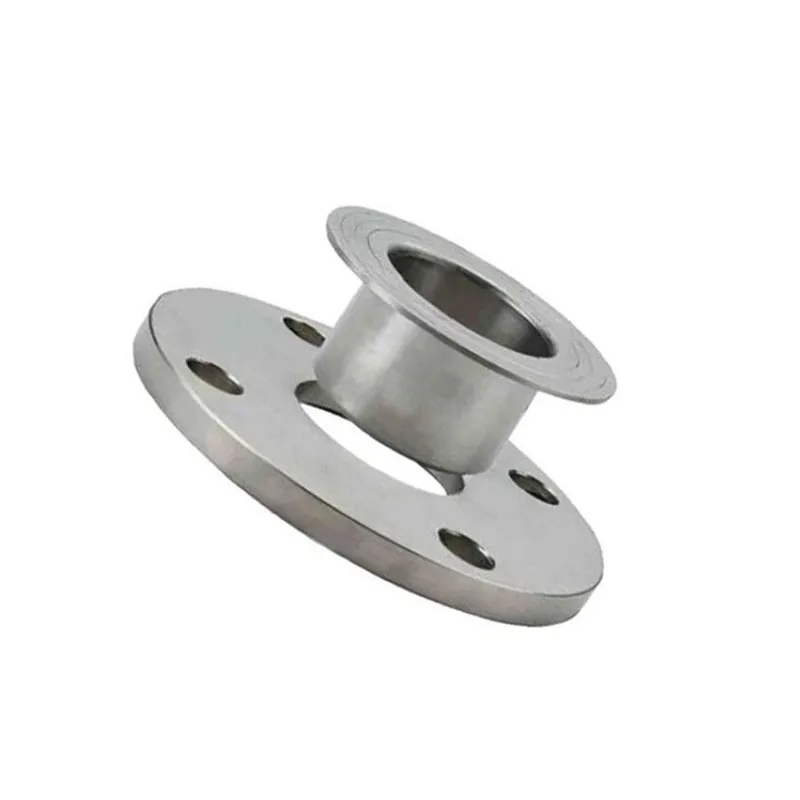 Free ring flanges Class 400
 -
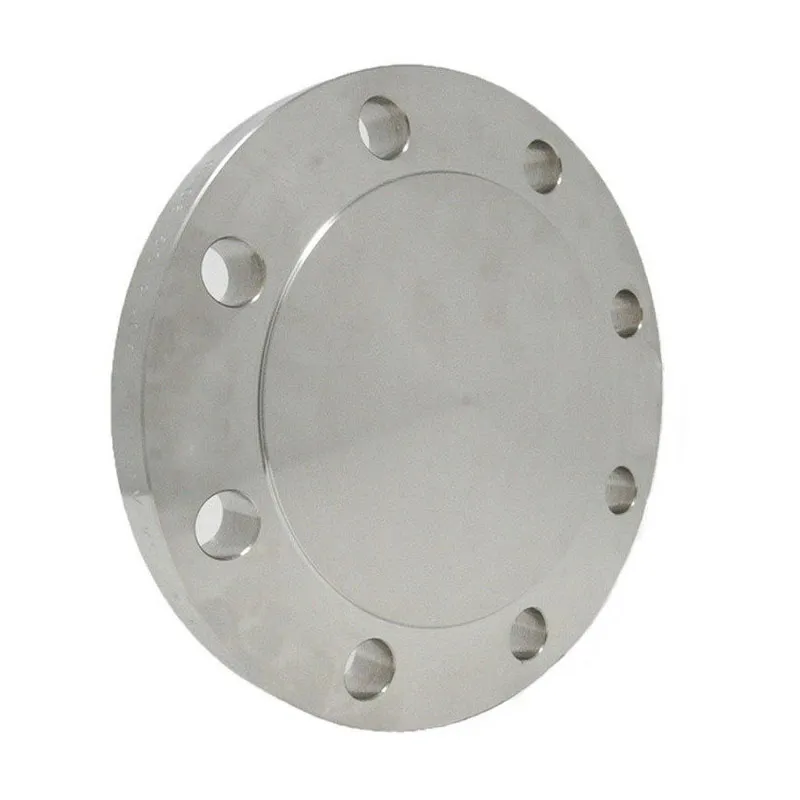 Blind flanges Class 150
 -
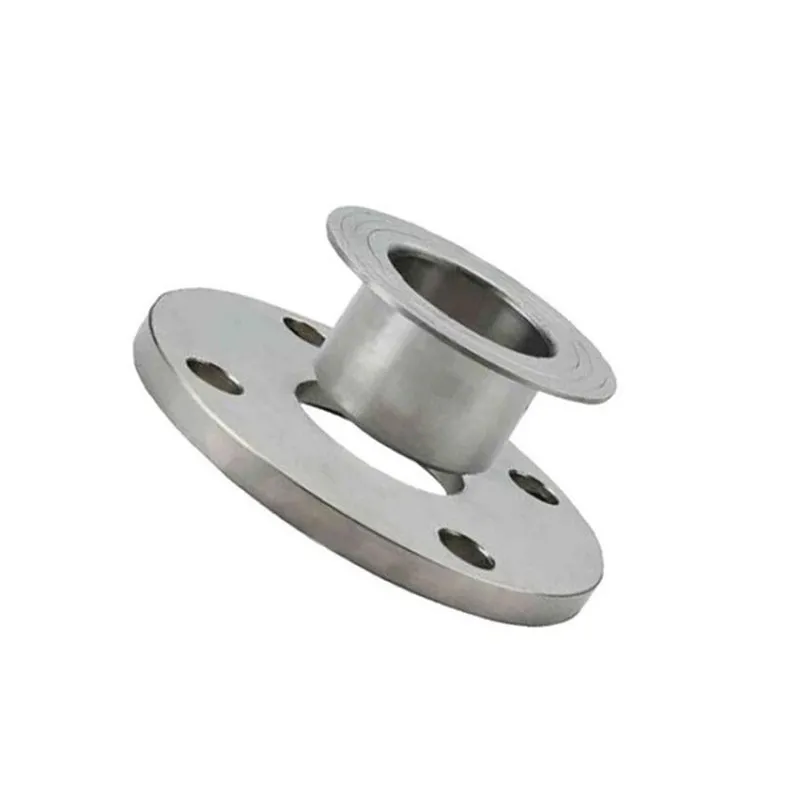 JIS 10K Loose Ring Flanges
 -
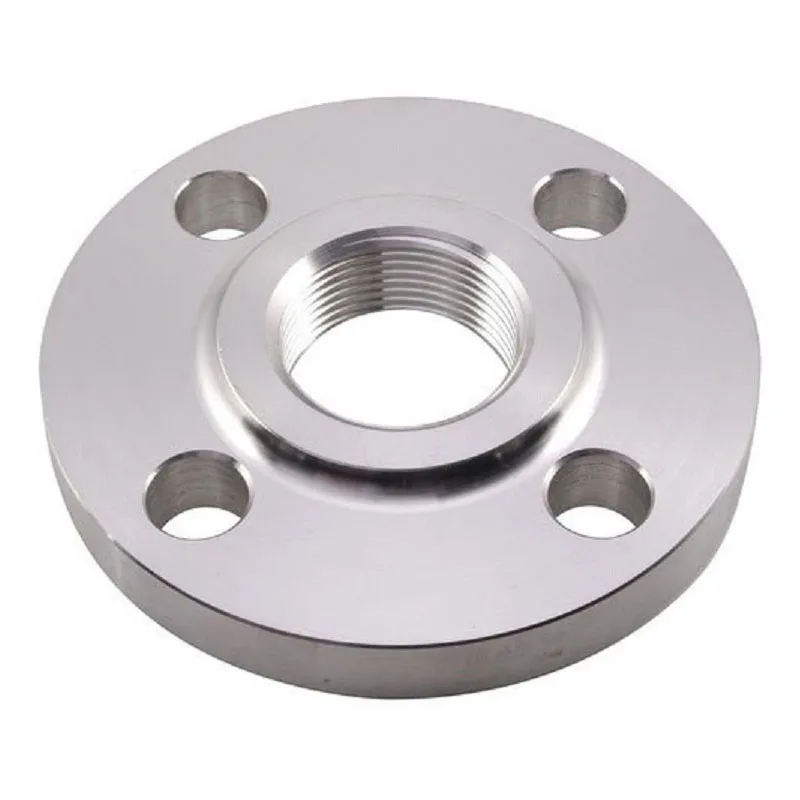 DIN 2566 Threaded flanges PN16
 -
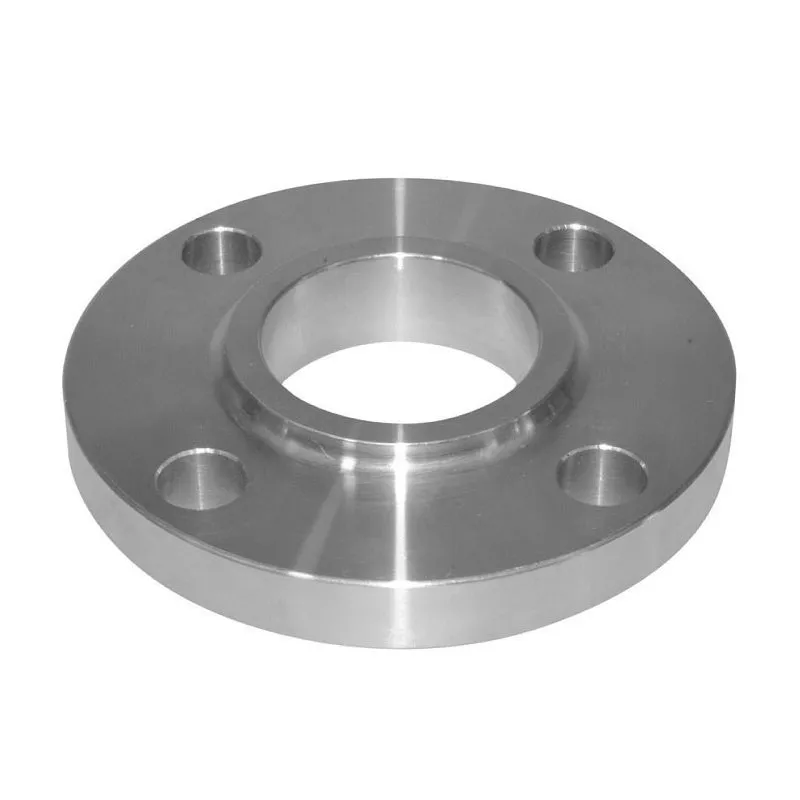 ANSI B16.5 Lap-on flanges Class 1500
 -
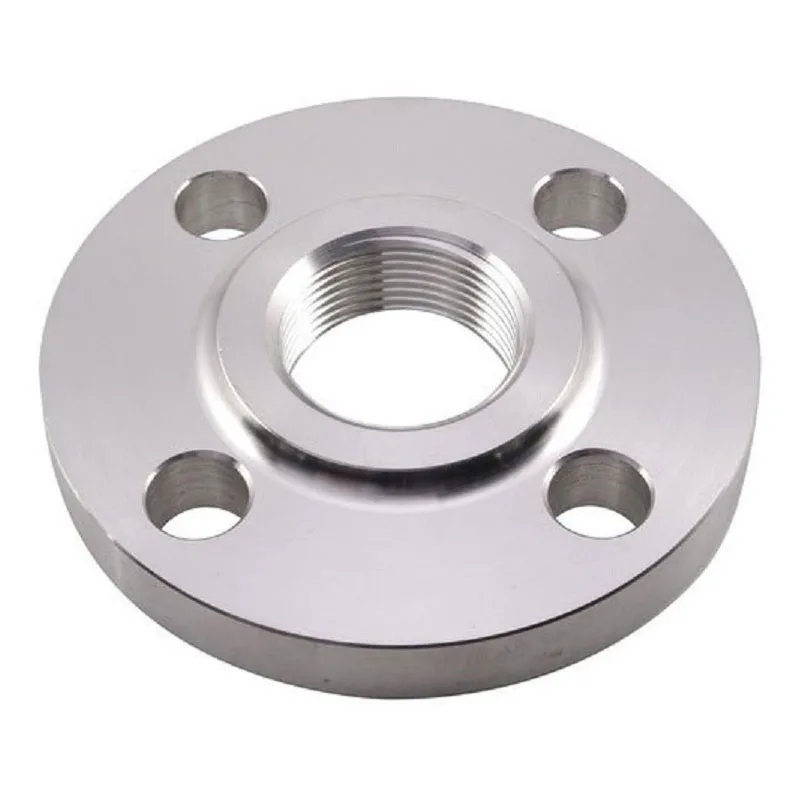 JIS 10K Threaded Flanges