
-
-
Phone
+86-13623462298



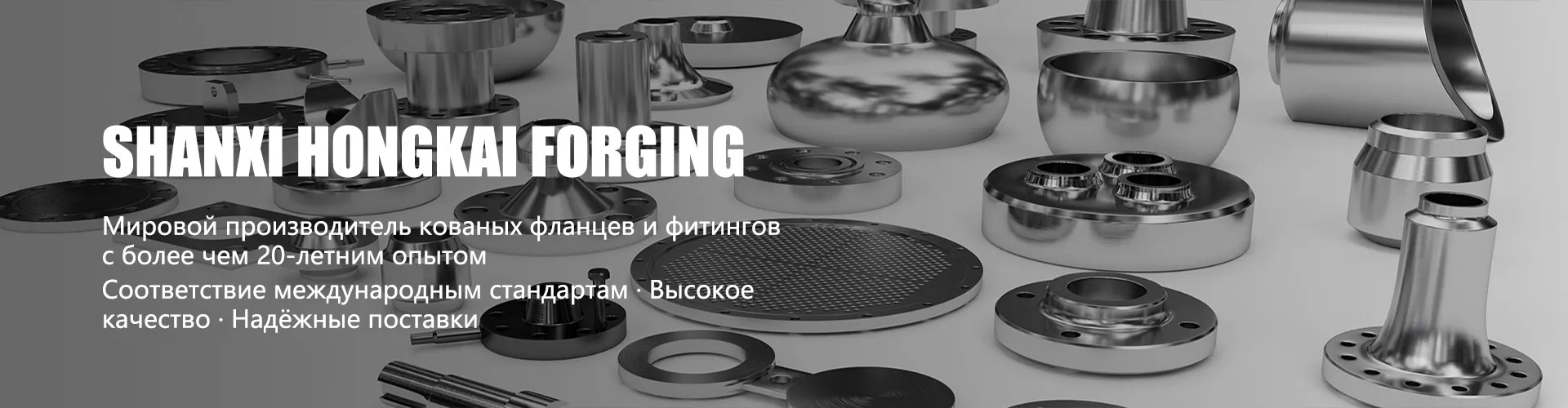
flange 60mm
When you hear “60mm flange,” many, especially those who are just starting to work with pipeline fittings, think that this is some kind of standard, simple part. Like, I found it in the table, ordered it, installed it - and that’s it. In practice, there are many subtleties associated with this nominal diameter that emerge during installation or, worse, during operation. I myself have stepped on this rake more than once, especially at the beginning of my career. It would seem that what could be difficult? But here is the material, the type of seal, and most importantly, the standard by which this sameflange 60mmmanufactured. The difference between the nominal diameter DN and the outer diameter for welding sometimes leads to the fact that the delivered part simply does not fit into place. And it begins: checking the drawings, calling the supplier... And time goes by.
Why 60 mm? Specifics from practice
This size is often found on auxiliary lines, connections to devices, and in systems that are not of the highest pressure. But “not the highest?” - doesn’t mean you can mess around. Once at one of the objects they installedflange 60mmflat welded according to GOST 12820-80, for water. The pressure seems to be low, the temperature is room temperature. But the system worked with pulsations, there were vibrations from the pumping equipment. In six months there will be a leak around the perimeter. The reason is trivial: for such conditions, a flat flange is not the best choice; a butt (collar) was needed, also known as a welded butt. It distributes stress better, especially under dynamic loads. Replaced it and the problem went away. That's the whole difference: not just a hole in the metal, but an engineering product.
Another point is the sealing surfaces. For the same DN60 there is both smooth (type 1), and with a projection (type 2), and with a groove, and with a tenon. If it is not specified in the specification, and the flanges with a raised part were in the warehouse, and the mating flanges were smooth, then a normal seal cannot be ensured. You have to either urgently look for adapter rings or order new ones. Now I always double check: the drawing, the standard, and the type of surface. Especially when you work with equipment, say, made in Europe, where the EN 1092-1 standard may be laid down. They have their own dimensions for the bolts, their own thicknesses.
It is in such situations that you begin to appreciate suppliers who can provide prompt and, most importantly, competent advice. Not just to sell, but to suggest: “For your environmental parameters, it is better to take 09G2S steel, not St20, and a surface design for a spiral wound gasket?” Now I often turn to specialized manufacturers who forge and process everything themselves. For example, on the siteShanxi Hongkai Forging Co.,Ltdit is clear that they deal specifically with forged flanges - this immediately speaks of the quality of the workpiece. Forging gives a better metal structure, especially for critical components. And what’s important is that they have exactly this range in their nomenclature, including our Du60, and according to different standards. This is convenient when the project is prefabricated, part of the equipment is on DIN, part is on GOST.
Material: what does the choice depend on?
With the material for 60 mm flanges, not everything is clear either. Often customers, trying to save money, ask for “the simplest steel 3”. But steel 3 (St3) is for non-aggressive environments, water, low pressure steam. If we are talking about, say, a weak alkali solution or a line where condensation with impurities is possible, then corrosion will eat up such a flange faster than we would like. I had to convince one customer to take 12Х18Н10Т stainless steel for flanges on a chemical washing line. He resisted and said that it was expensive. But when they calculated the cost of a possible production stop due to repairs and replacement of rusted fittings, the decision changed.
Here again, manufacturers with a wide range of brands come to the rescue. In the sameShanxi Hongkai Forging Co.,LtdIt is indicated that they work according to international standards - ASME, EN, DIN, GOST. This means that for the sameflange 60mmthey can offer carbon steel according to GOST (for example, 20 or 09G2S), alloy steel, and stainless steel according to AISI 304/316. This is critically important for import substitution now: it is often necessary to select an analogue for a flange that previously came from Europe. It is necessary not just to match in size, but also in the mechanical properties of the material.
Personal experience: once a DN60 flange was required for a repair insert on a steam line (pressure 16 atm, temperature 200°C). Only St20 were available. They installed it, but during the startup process they put a small load on it—microcracks appeared in the weld area. The metal was “shrunken” and could not withstand thermal expansion. I had to urgently look for flanges made of steel 15X5M. Found, replaced - everything works. Conclusion: nominal diameter is only one characteristic. Without taking into account the pressure, temperature and chemical composition of the environment, the choice of material is a lottery.
Standards and interchangeability: an installer's headache
This is perhaps the most common problem. There may be some in stockflange 60mmwith marking DN60 PN16 according to EN, and the project requires a flange DN60 Ru1.6 MPa according to GOST. They are similar in appearance, the holes for the bolts seem to match, and there is a centering projection. But when joining, it turns out that the thickness of the flange itself is different, or the diameter of the circle for the bolts differs by a couple of millimeters. And that’s it, it’s impossible to tighten it properly, there’s a skew. You have to either drill it out, which is not always possible, or look for exactly the same one.
Therefore, now I have clearly learned for myself: when ordering, I always indicate not only DN/DN and pressure, but also a specific standard (GOST 12820, GOST 12821, ASME B16.5, EN 1092-1 Type 11, etc.), and preferably the type of connection and sealing surface. This is especially true for loose flanges on a welded ring - there you generally need to order a set, ring and flange from the same manufacturer, otherwise misalignment is guaranteed.
In this context, manufacturers’ websites, where the nomenclature of standards is clearly stated, are a great help. It is clear that the companyShanxi Hongkai Forging Co.,LtdAs a manufacturer of forged flanges and forgings, we manufacture products in accordance with GOST, ASME, EN, DIN. If you need, for example, to select a flange for a German pump with a DIN 2635 PN16 connection, then you can immediately check whether one is in production. This saves a lot of time on approvals.
Non-standard situations and custom forgings
It happens that the standardflange 60mmdoesn't fit. For example, you need not a round, but a square adapter flange for attaching to a non-standard container. Or increased thickness is required due to high bending moments. Or do you need non-standard holes for studs? Previously, it was a disaster - looking for a workshop that would take on a single product, waiting, paying exorbitant prices.
Now many manufacturers, especially large forging centers, offer manufacturing according to customer drawings. This really helps. On the same sitehkflange.ruthe description directly states that the company produces non-standard products according to customer drawings, and their size range is up to DN4000. This speaks of serious power. For our size of 60 mm, this may not be so critical, but when you need a whole batch of non-standard adapters with special requirements for impact strength (for example, for the northern version), then you need to turn to such specialized factories.
Once I ordered a batch of DN60 flanges with a reinforced collar for a special seal for a vacuum system. The thickness was almost twice the standard. Made from a forging, processed, all the holes are to size. The vacuum held perfectly. If I tried to take a standard one and build up the collar by welding, there would be trouble, deformation and leakage are guaranteed. Therefore, for special cases, forging and machining from scratch is the only sure way.
Instead of a conclusion: thinking out loud
So, back to the beginning.Flange 60mm- this is not just a line on the invoice. This is a unit on which the tightness of an entire section of the pipeline depends. His choice is always a compromise between cost, delivery time, project standard and real working conditions. An error in selection can cost many times more than the part itself.
Now, before ordering something, I always look through the catalogs or websites of trusted suppliers and look at the technological capabilities. If I see that a manufacturer, like Shanxi Hongkai Forging LLC, works with forgings and covers all the basic standards, that’s already half the confidence. This means that they understand the difference between a blank simply cut from a sheet and a forged product with the correct fibrous structure. Especially for diameters that seem “frivolous”. These are the ones that break down most often.
The main lesson is not to be lazy about clarifying details. Not a “Du60 flange”, but a “Du60 butt welding flange Ru2.5 MPa, version 2 (with a projection), steel 09G2S, according to GOST 12821-80”. Then there will be fewer problems during installation and you will sleep more peacefully. And in our work this is perhaps the most valuable thing.
Correspondingproducts
Related Products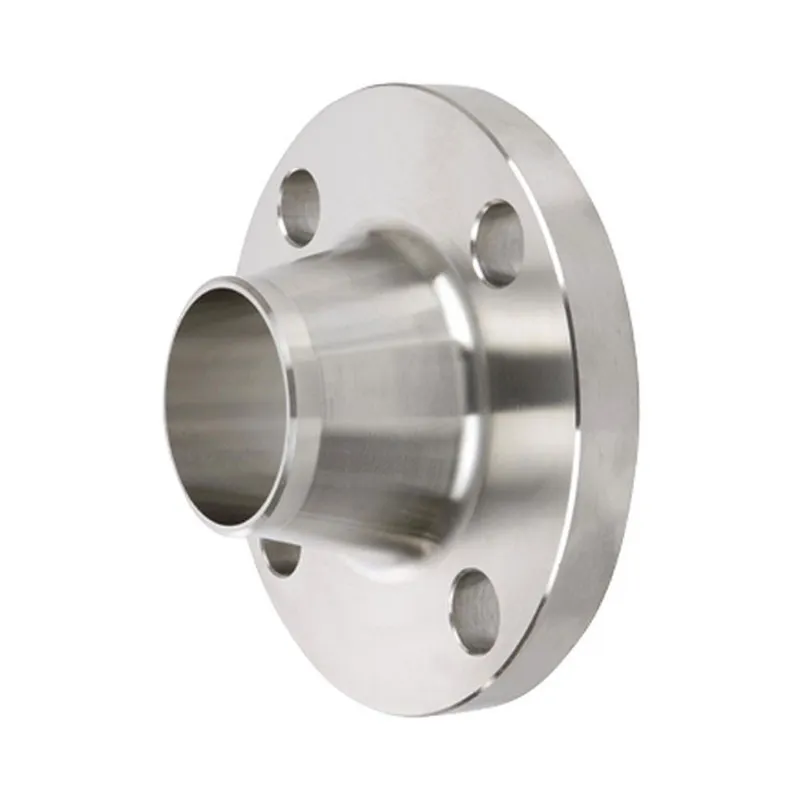
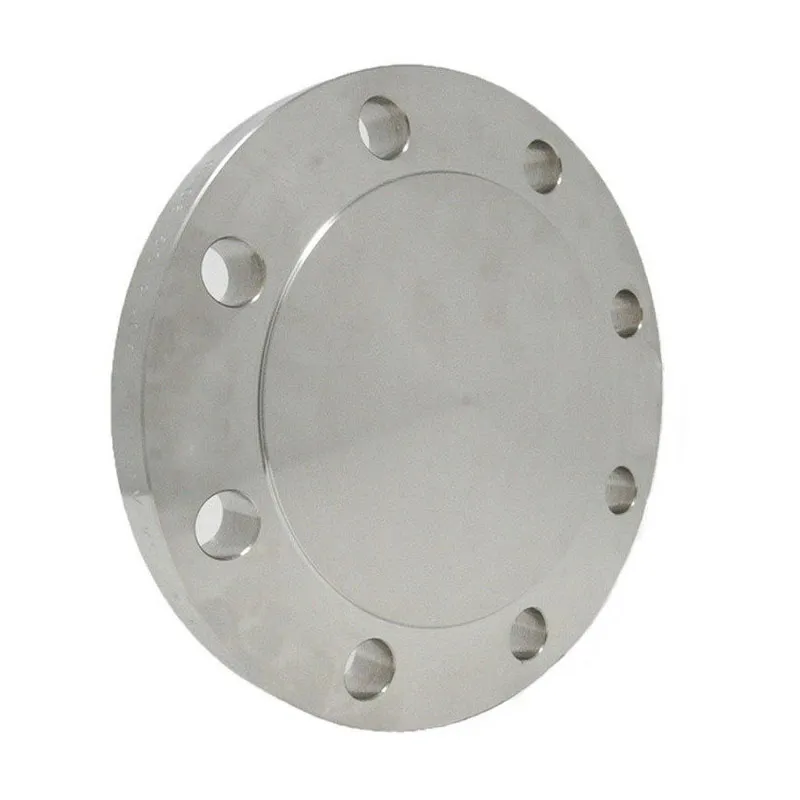
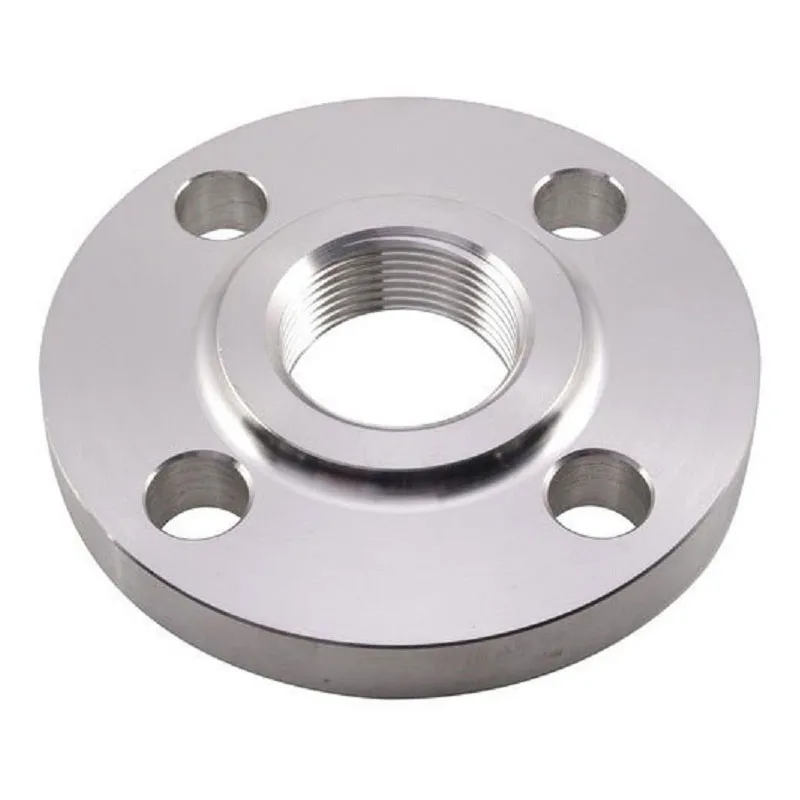
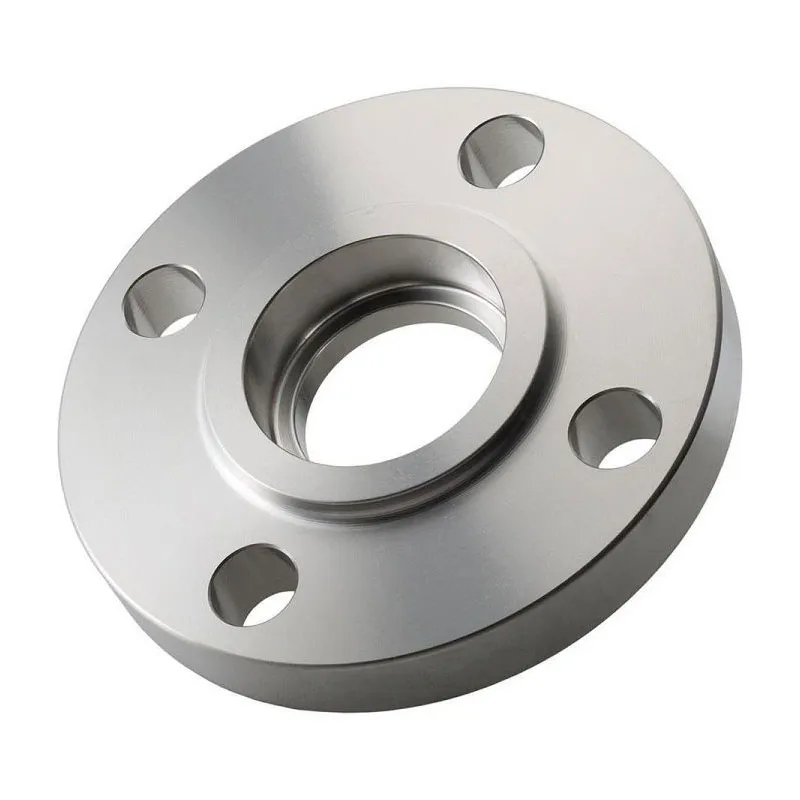
Best Sellingproducts
Best Selling Products-
 Socket Weld Flanges Class 300
 -
 Free ring flanges Class 150
 -
 DIN 2501 Overlay flanges PN16
 -
 Free ring flanges Class 400
 -
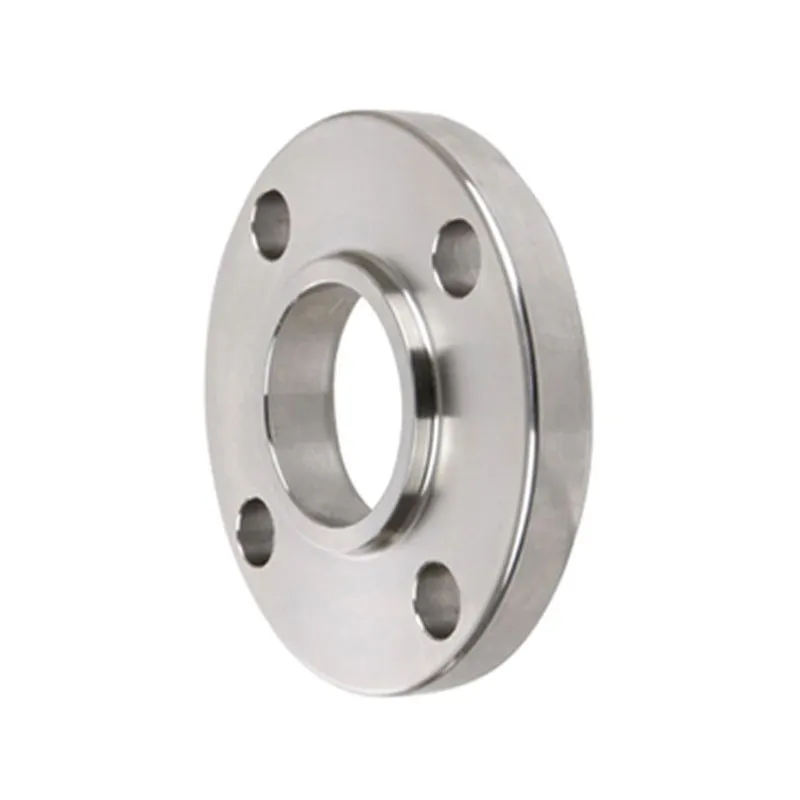 ANSI B16.5 Lap-on flanges Class 300
 -
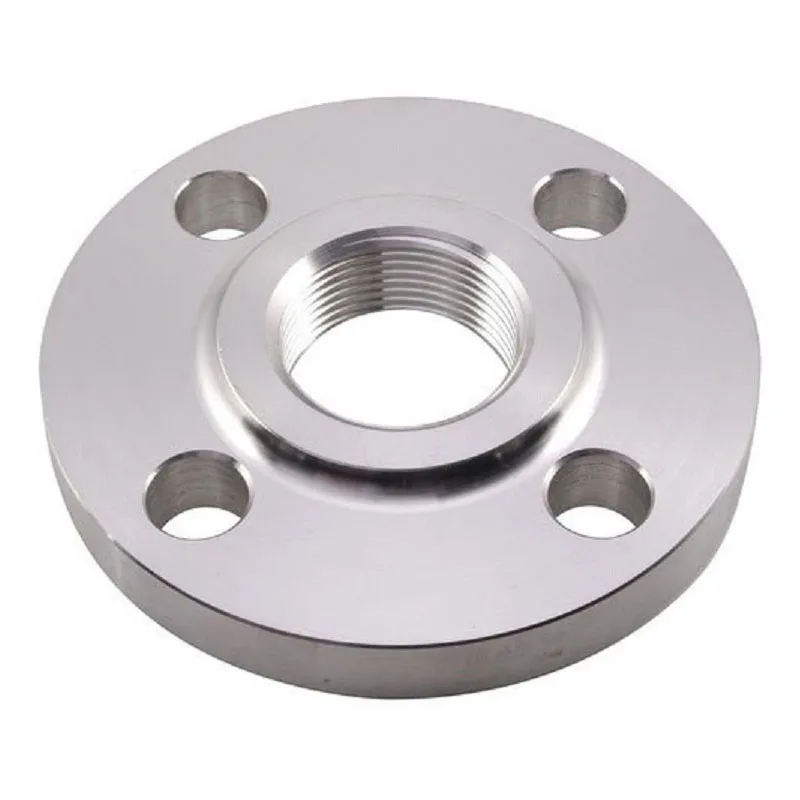 DIN 2566 Threaded flanges PN16
 -
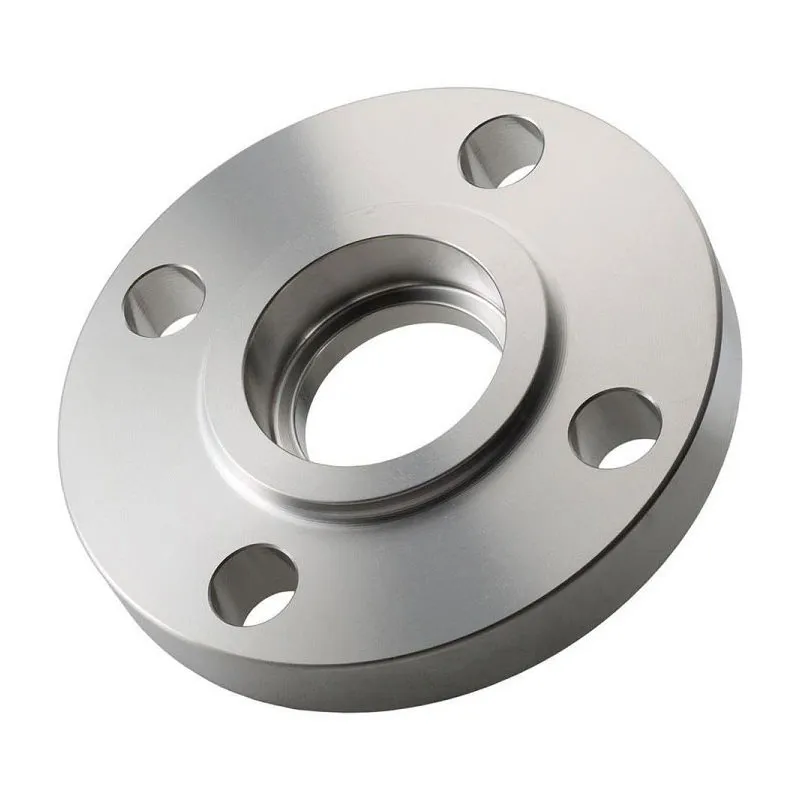 Flanges for socket welding
 -
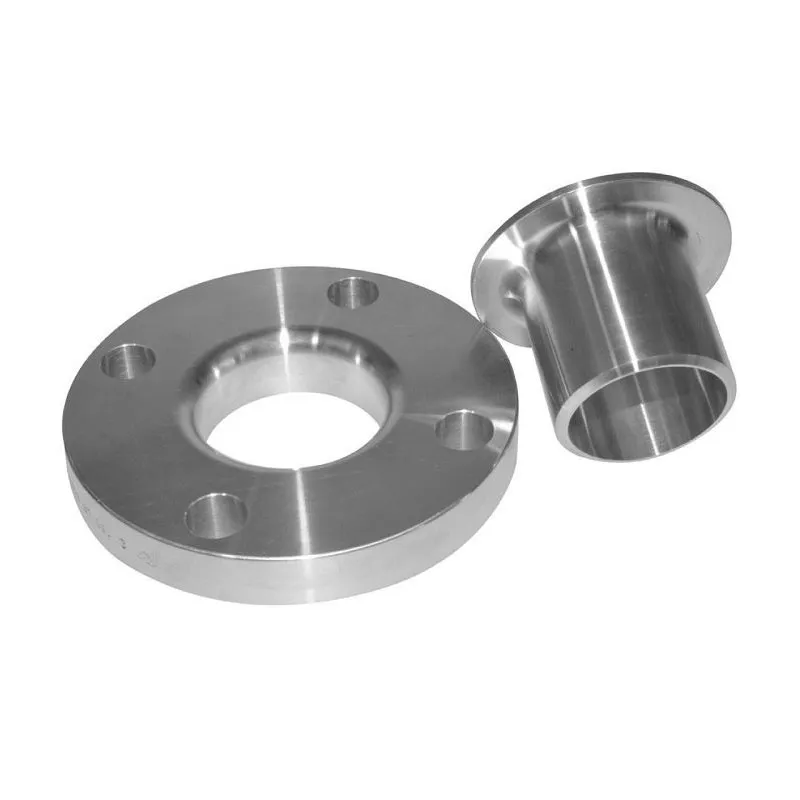 ANSI B16.5 Loose Ring Flanges Class 2500
 -
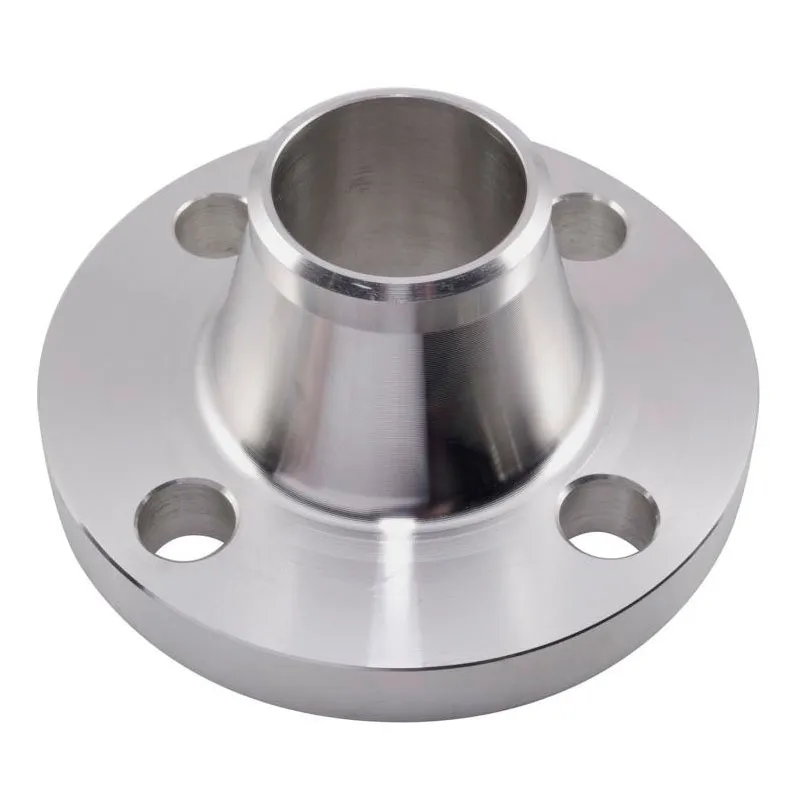 DIN Butt weld flanges PN10
 -
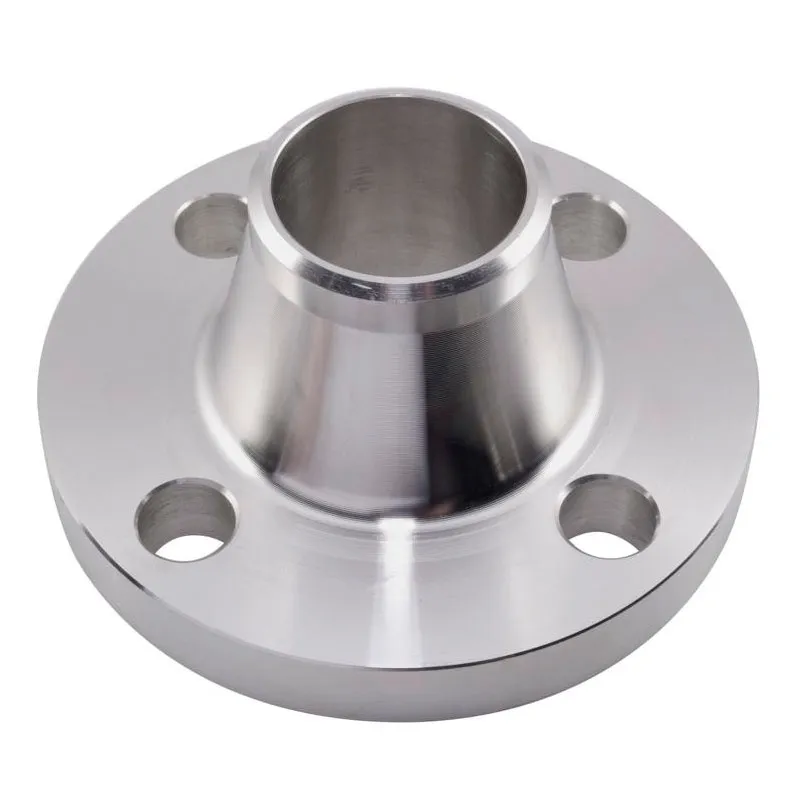 Butt weld flanges Class 900
 -
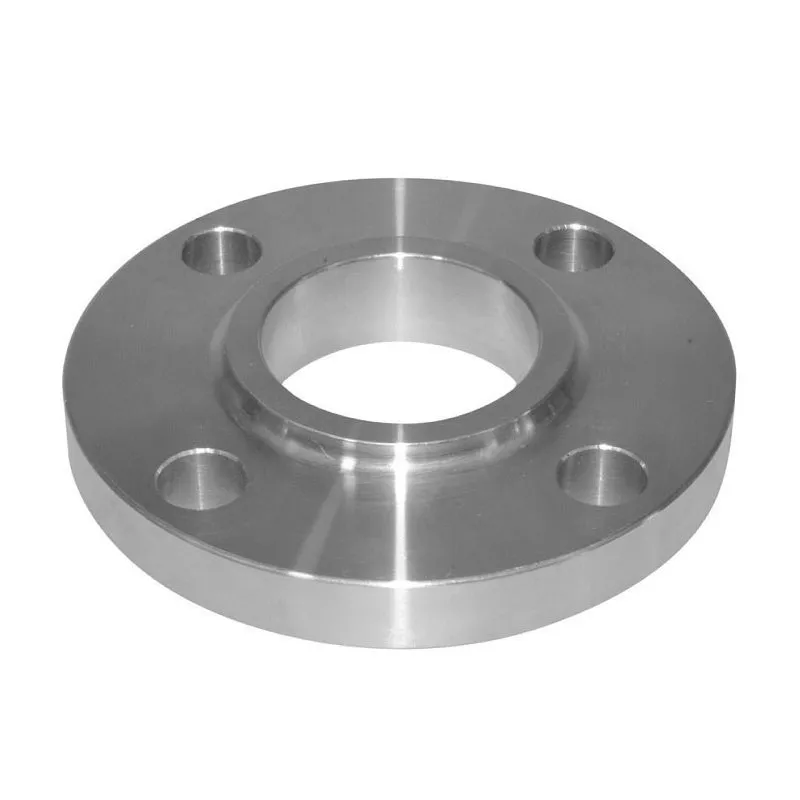 ANSI B16.5 Lap-on flanges Class 1500
 -
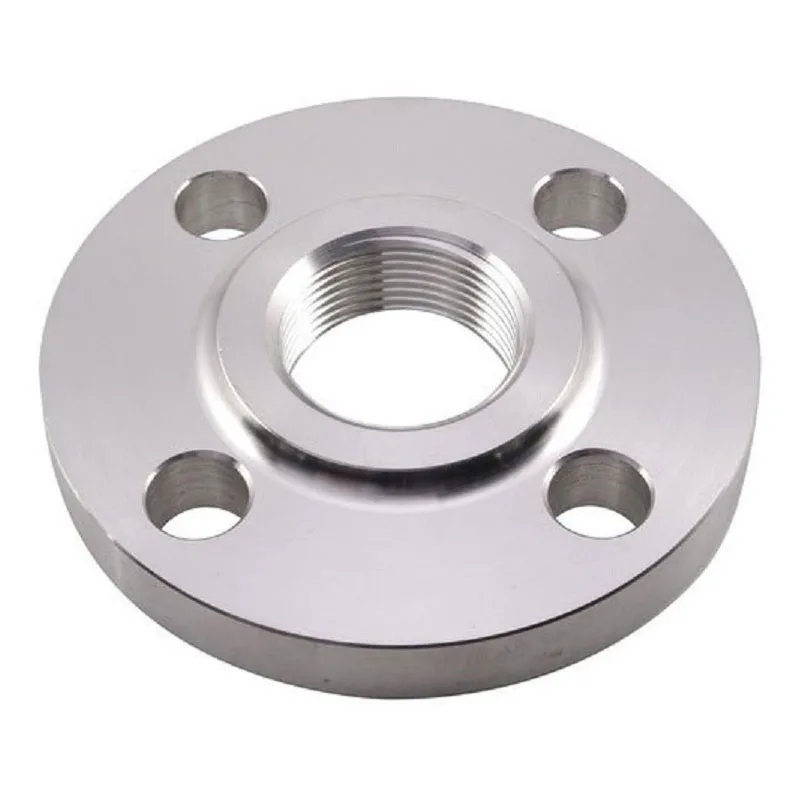 JIS 10K Threaded Flanges