
-
-
Phone
+86-13623462298



flange 2123
When appears in a specification or requestflange 2123, many, especially those who have not encountered this on a daily basis, immediately go to catalogs to look for it as a separate standard size. And this is the first mistake. In practice, in my experience, this is rarely an independent number according to GOST or ASME. Most often, this is an internal article number, a factory batch code, or, most likely, a reference to a drawing or technical specifications of a specific customer. I myself fell for this about five years ago, trying to find it in standard tables - I spent a lot of time until I contacted production directly.
Where do these numbers come from and how to work with them?
Look here. Working with different suppliers, including Chinese manufacturers likeShanxi Hongkai Forging Co.,Ltd(their website ishkflange.ru), I understood one simple thing. Large factories that make forgings and flanges in accordance with GOST, ASME, EN often have their own internal coding system for non-standard products or for easy tracking of large projects. The numbers 2123 can mean, for example, project No. 21, modification 23. Or a material code. Or just a serial number in the drawing archive.
Therefore, the first thing I do now when I see such a request is not look in catalogs, but ask clarifying questions. What is the conditional pressure? Connection type? Material - steel 20, 09G2S, stainless steel? Without this dataflange 2123- just a set of numbers. One day we almost got a flat flange instead of a butt flange, because the application only had this number, and the attached drawing was “forgotten?” send. It’s good that the manager on the other side was attentive and called back.
By the way, aboutShanxi Hongkai Forging Co.,Ltd. They are just one of those manufacturers with whom it is relatively easy to work with on such issues. Their website shows that they specialize in forged flanges and forgings, working to international standards. It is important that they openly indicate the possibility of manufacturing according to customer drawings. This is exactly the case when they will most likely perceive the request with code 2123 correctly - not as a standard, but as a starting point for requesting specifications or a sketch.
Practical case: when ?2123? turned out to be a flange for a welded ring
I had a project for a petrochemical complex near Astrakhan. The equipment list includedflange 2123. No other data. They began to figure it out. It turned out that it was a loose flange with a weld-on collar according to an old Soviet design for a high-pressure pipeline. The diameter was non-standard - about DN870. By modern standards, you won't find anything like this ready-made.
We entered several factories, including the aforementioned Chinese one. Their engineers requested scans of the old drawing (barely found in the archives) and confirmed that they could forge both the ring and the free flange itself. But here’s a caveat: the material on that project was outdated. We had to jointly recalculate the equivalent according to GOST. It was a different story, almost a month of approvals.
The most difficult thing was not the production itself, but the certification. Since the product is non-standard, additional testing of the forging was required - ultrasonic testing, hardness control.Shanxi Hongkai Forging Co.,Ltdit worked well here - they provided test reports from their technology center. This is an important point: when you are dealing with articles like 2123, you always need to set aside time and budget for certification, especially if it is for critical objects.
Errors and pitfalls when ordering ?unclear? flanges
The main stone is saving time on clarifications. Sometimes you are in a hurry and think: “Oh well, everything is clear, it’s just a flange?” I sent a request with number 2123 and are waiting for a commercial offer. As a result, you get a gearbox for a standard butt flange DN200 in accordance with GOST 33259, because this is the most popular. But you needed a blind flange on DN1500 to plug the device. The discrepancy is revealed at the acceptance stage, and this is where problems, missed deadlines, and complaints begin.
The second point is geometry. Even if you guessed the type of flange, there are subtleties: the thickness of the collar (hub), the size of the chamfer, the diameters of the holes for the studs. For standard flanges this is regulated. At the conditionalflange 2123- depending on your luck. Once we received a batch where the holes were designed for inch studs, but in the project there were metric ones. I had to drill it on site, which is not always permissible according to technical regulations.
And the third, most unpleasant stone is logistics and installation. A non-standard, heavy flange, made to order, arrives on site. And for example, you need a counter flange, which must be perfectly mated. If both were manufactured using the same article number 2123 from the same supplier, there are fewer problems. But if the second flange or equipment with a mating flange was made by another plant, inconsistencies on the seating surfaces are possible. This should be checked at the stage of control assembly at the manufacturer, and not at the construction site in thirty-degree frost.
Role of the producer in transcription and production
It all comes down to the competence and flexibility of the plant. Manufacturer seems to beShanxi Hongkai Forging Co.,Ltd, which claims to work from drawings and a wide range of sizes (and they claim DN15–DN4000), is the right partner for such tasks. But it’s important not just to send a request, but to establish a dialogue with their technical department.
From my experience, the optimal algorithm is: 1) Send all available data to ?2123? - even scraps of old specifications, photos, sketches from installers. 2) Be sure to hold an online meeting or at least a detailed chat with an engineer to discuss all the operating conditions of the flange: pressure, temperature, environment. 3) Request and agree on a 3D model or at least a detailed drawing before production begins. This protects against mistakes.
This is exactly how we worked with one of the chemical plants in Tatarstan. They had equipment with flanged connections according to the old German standard, and in the repair list they appeared as “Flange 2123-G”. Chinese colleagues not only made the forging, but also offered a version made of more modern steel, which was better suited for aggressive environments, while maintaining all the geometric parameters. This saved the customer money on future repairs.
Conclusions and final recommendations
So what is itflange 2123? This is not a title, but a pointer. An indication that this is most likely a non-standard or specific product that requires immersion in the context. Working with it is not a simple purchase, but a small project task.
My main advice is to never be shy about asking for details. It’s better to spend two days on clarification than two months on fixing a defect or finding a new supplier. And always choose manufacturers who are technologically ready for dialogue and have experience working according to specifications, and not just according to standards tables. Factory ability, whether in China, howShanxi Hongkai Forging Co.,Ltd, or in Russia, quickly request the missing data and offer an engineering solution - the main criterion when choosing.
After all, any number in a specification is just code. Reality is the metal, the accuracy of the processing, the quality of the forging and its compliance with the conditions at the site. And this is not a question of numbers, but of the professionalism of those who make it and those who order.
Correspondingproducts
Related Products
Best Sellingproducts
Best Selling Products-
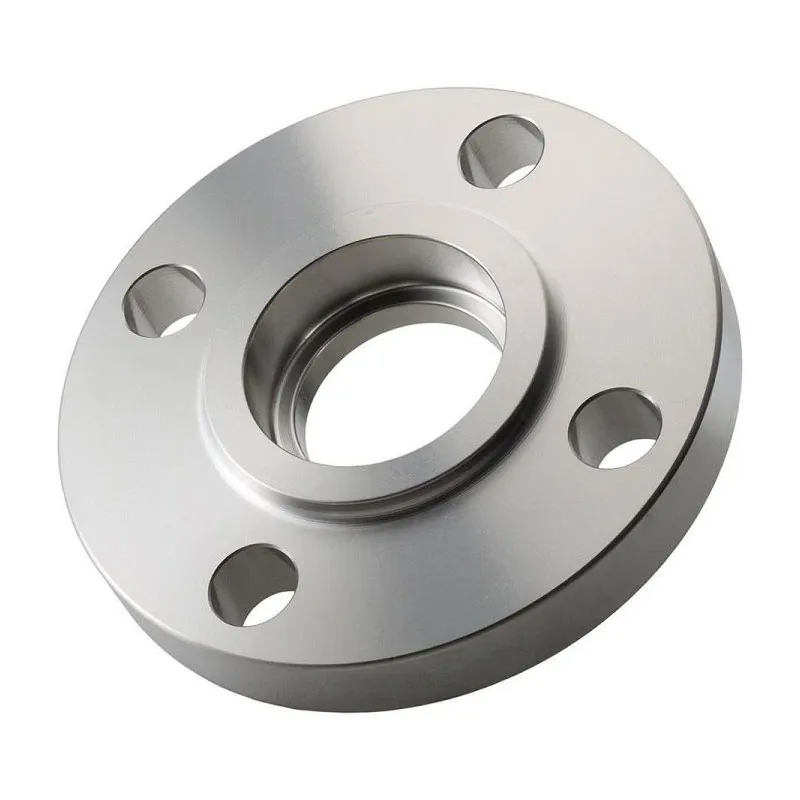 ANSI B16.5 Socket Weld Flanges Class 150
 -
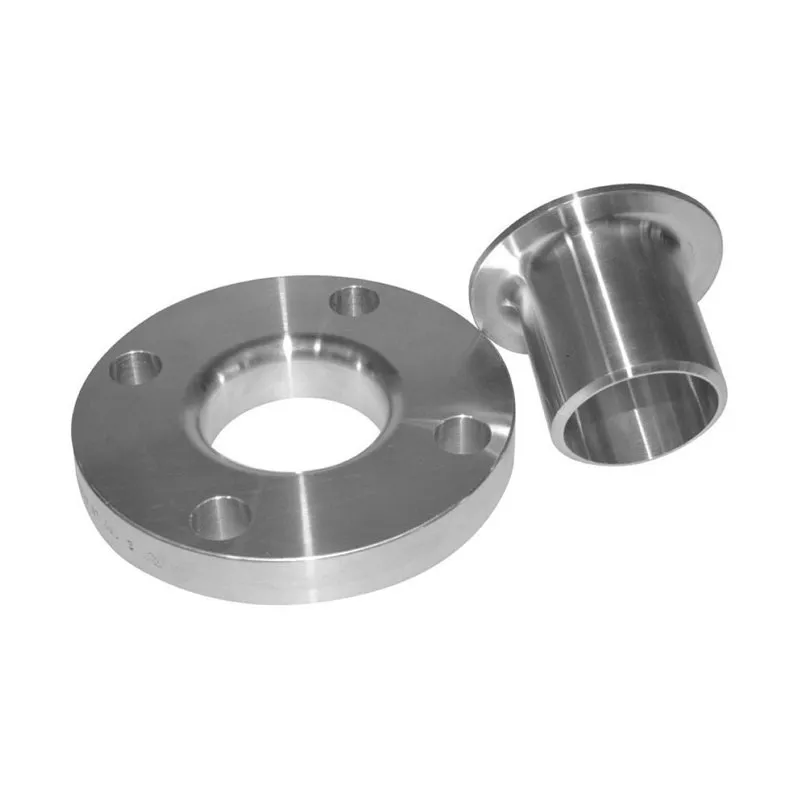 Free ring flanges Class 150
 -
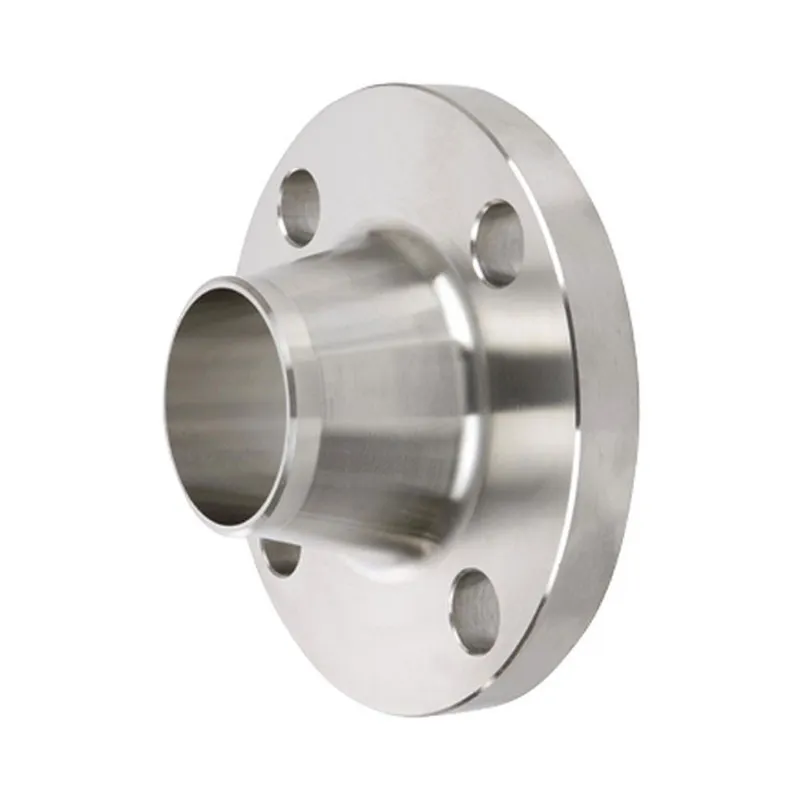 EN 1092-1 Butt weld flanges Type 11, PN25
 -
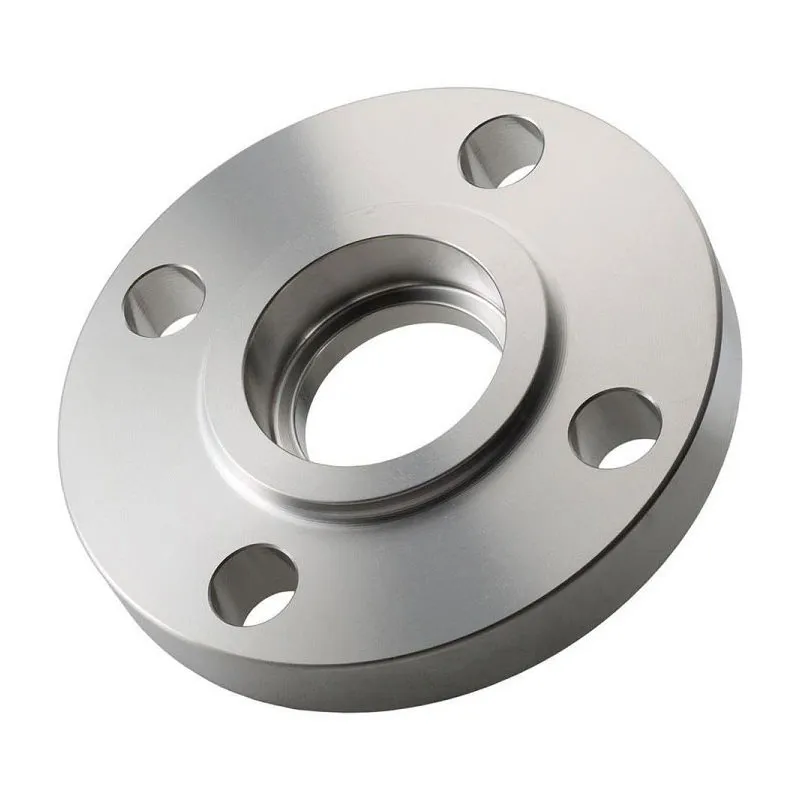 Flanges for socket welding
 -
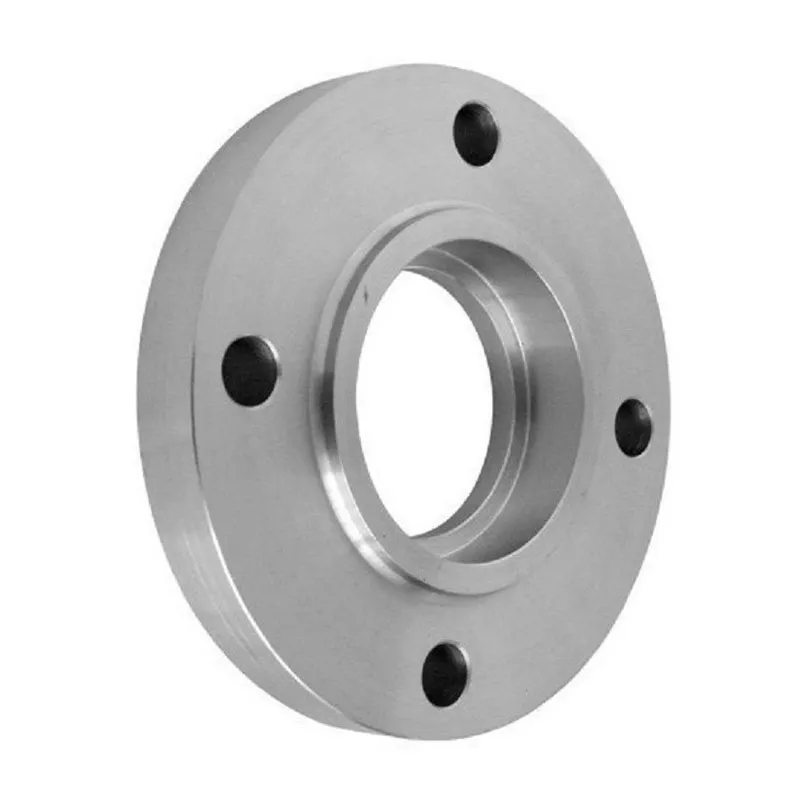 Socket Weld Flanges Class 300
 -
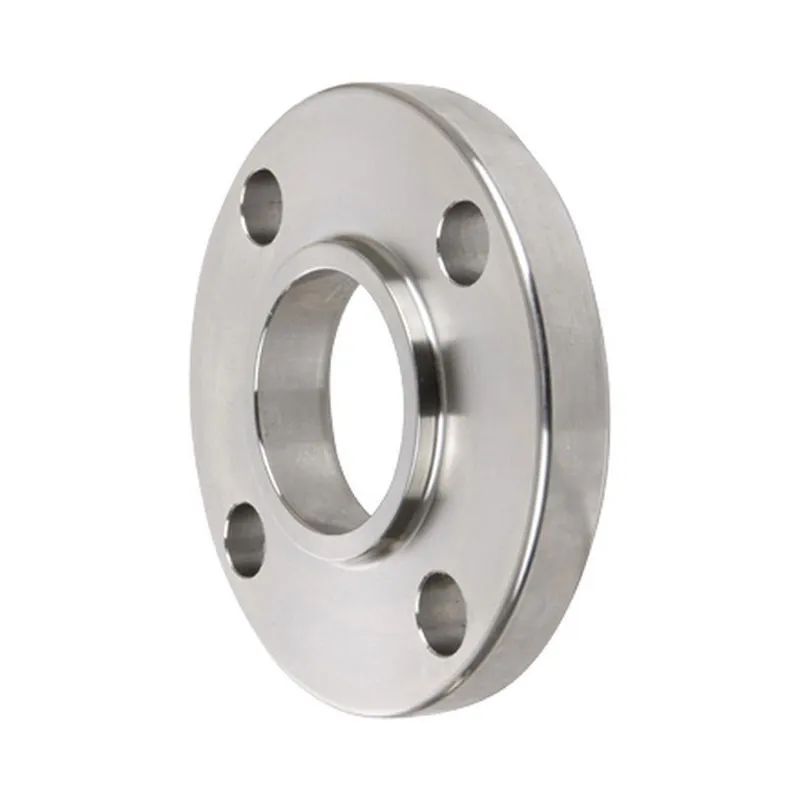 DIN 2501 Overlay flanges PN16
 -
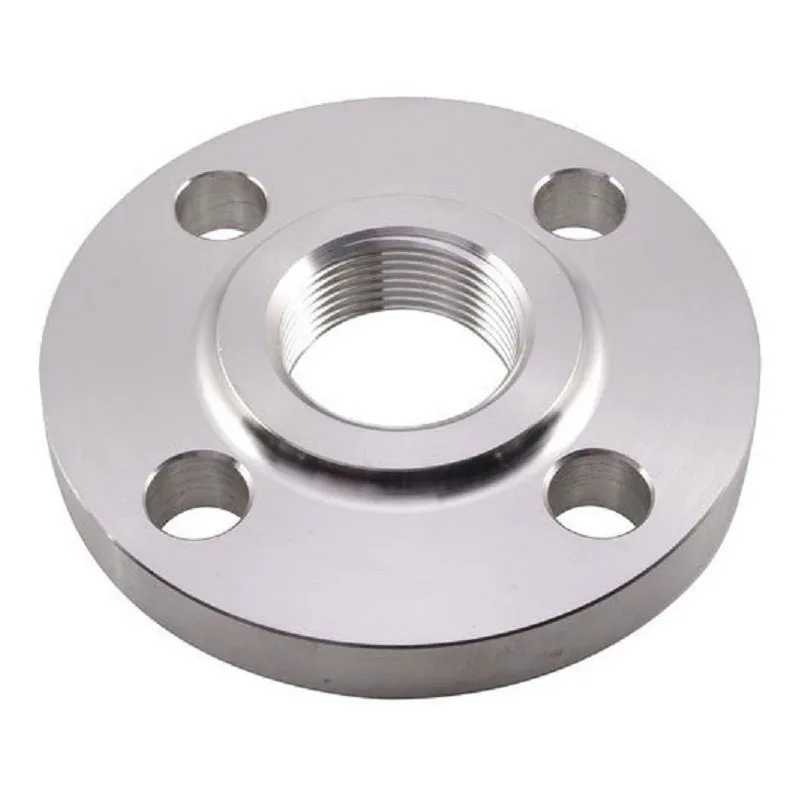 ANSI B16.5 Threaded Flanges Class 600
 -
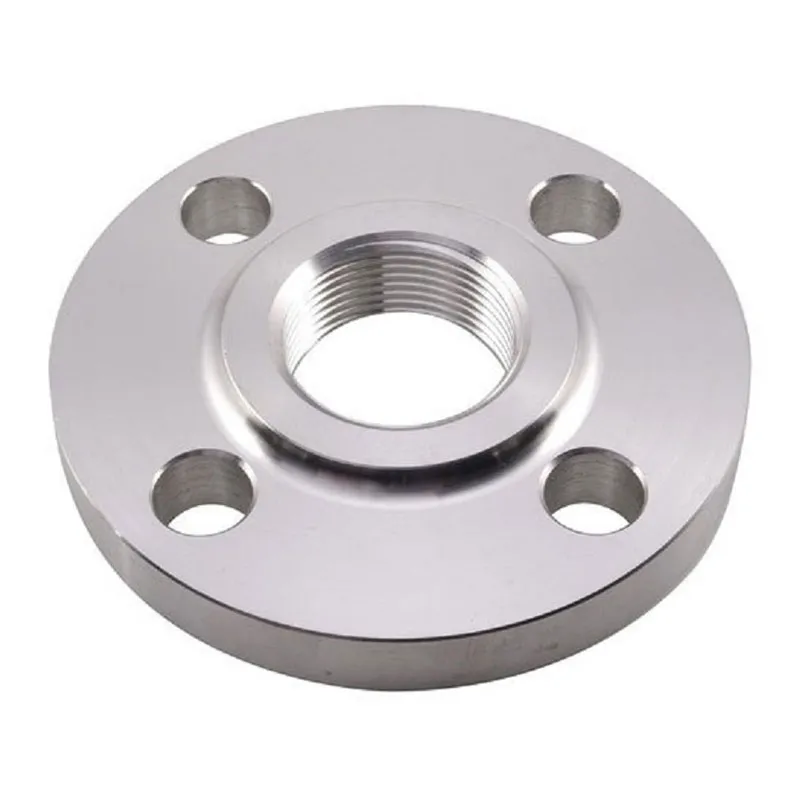 JIS 10K Overlay flanges
 -
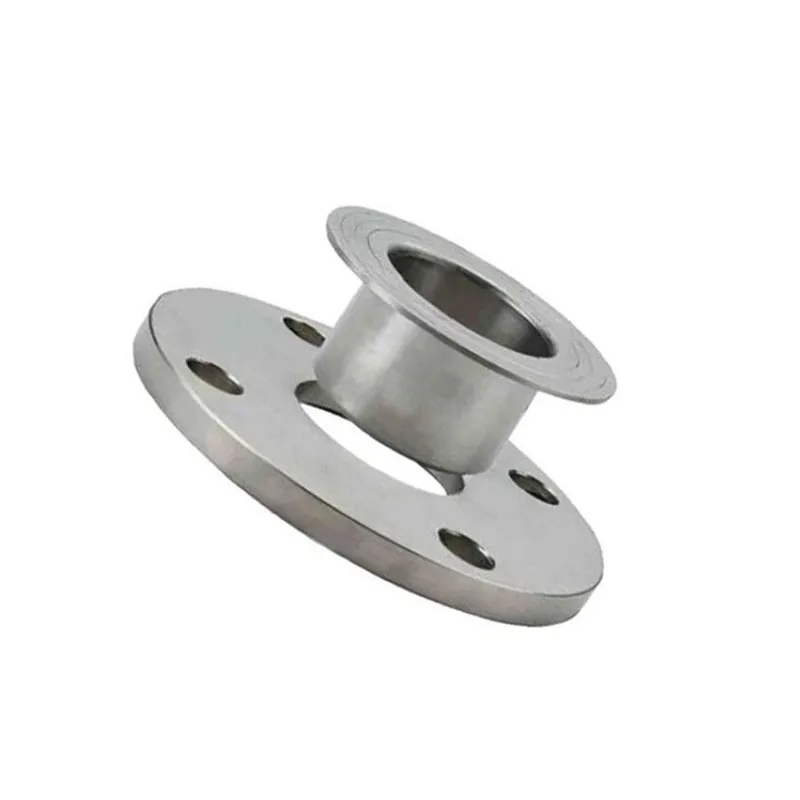 Free ring flanges Class 400
 -
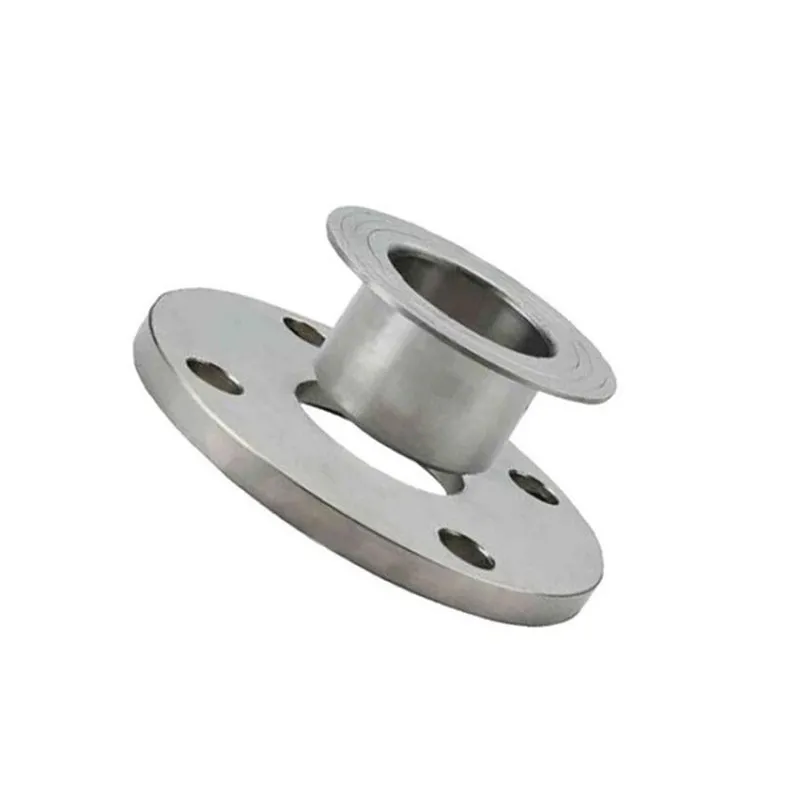 JIS 10K Loose Ring Flanges
 -
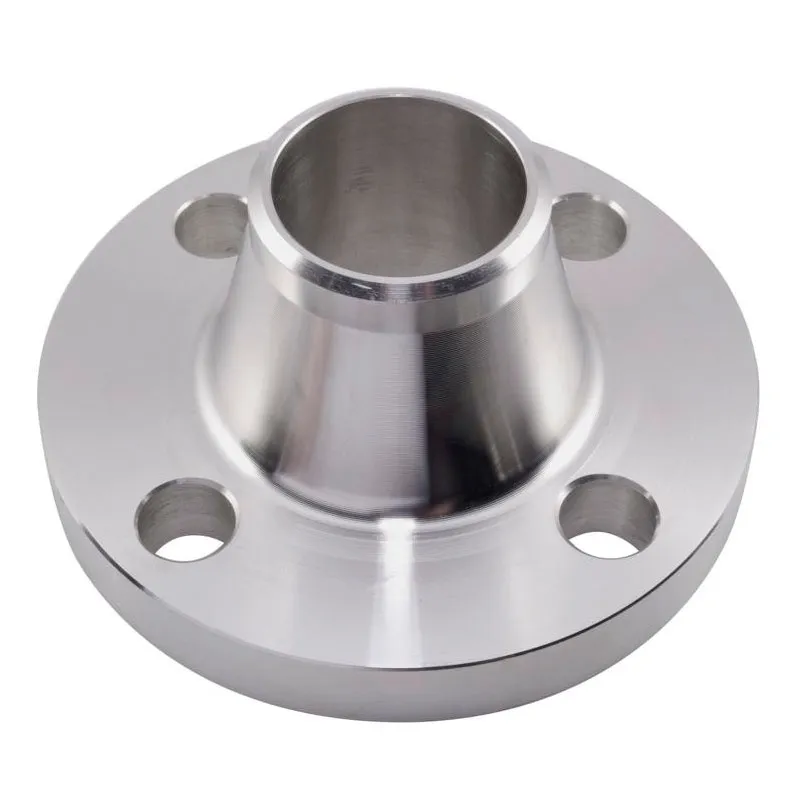 Butt weld flanges Class 900
 -
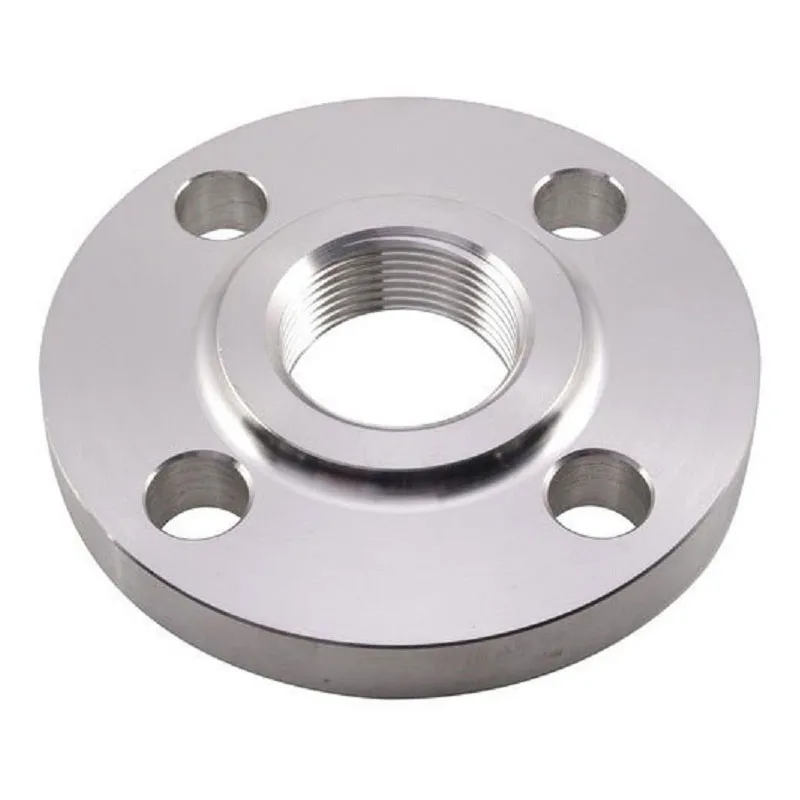 EN 1092-1 Threaded flanges Type 15, PN16