
-
-
Phone
+86-13623462298



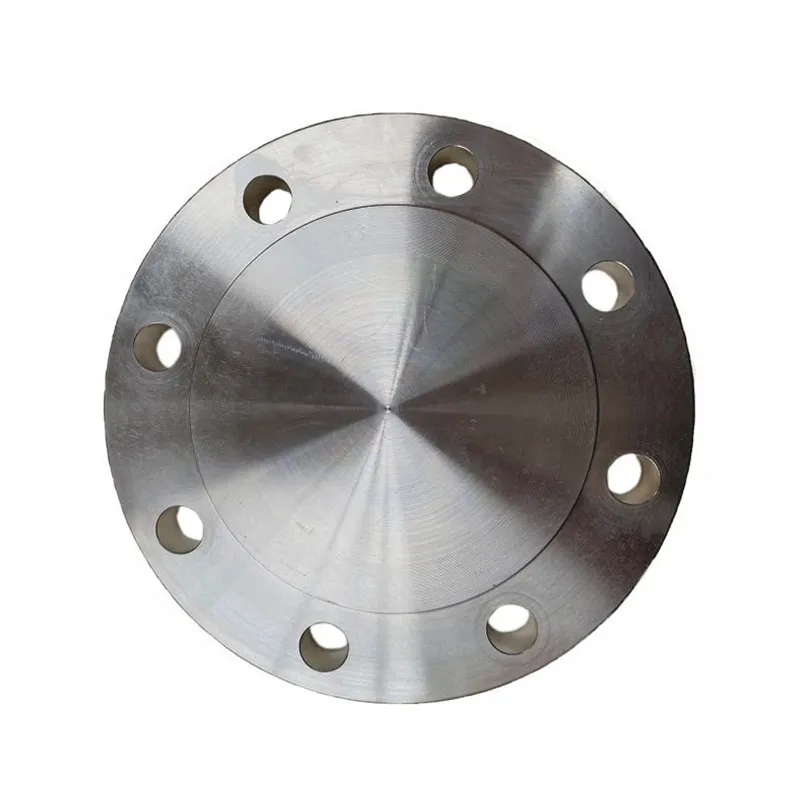
flat steel flanges DN 50
When you hear “flat steel flanges DN 50”, many immediately imagine a simple disk with holes, almost a consumable. But in practice, there are so many nuances associated with this standard size that not taking them into account is a direct path to leaks or unnecessary costs. I went through this myself: I ordered a batch, it would seem, according to GOST 12820-80, and when connecting with imported fittings, discrepancies in the thickness or diameter of the hole circle emerged. And this is with DN 50, one of the most popular sizes! The main lesson is that a flat flange for pressure PN 10 or PN 16 is not just a piece of hardware, but a part that must fit perfectly into a specific assembly, taking into account the gasket material, tie method and even the temperature conditions of the line.
Why does Du 50 cause problems so often?
It's a matter of versatility. DN 50 (about 2 inches) is a mainline workhorse in a variety of systems: from water supply to medium-aggressive process lines. Accordingly, the flanges for this diameter are supplied with a shaft, but the quality and geometry “float” greatly. One of the common mistakes is not paying attention to the design of the sealing surface. For flat flanges this is usually design 1 (smooth) or 2 (raised). If the specification says “flat steel flange DN 50 Ru 16”, but the version is not specified, and on site it turns out that it needs to be connected to a flange for a lens gasket, there will be a discrepancy in the literal sense.
Another point is the material. St20sp steel is a classic, but for aggressive environments, even slightly aggressive ones, you need to look at 09G2S or 12Х18Н10Т. I have seen cases where, to save money, they placed carbon steel in a line with hot water, and after a couple of years, red streaks began to appear around the perimeter of the holes for the studs - corrosion began. And this is on a seemingly simple site.
That is why now, when ordering, I always specify not only GOST or TU, but also the specific manufacturer that provides stable geometry. For example, I paid attention to the productsShanxi Hongkai Forging Co.,Ltd(website -hkflange.ru). They are positioned as a manufacturer of forged flanges and forgings, and what is important is that they work according to a wide range of standards: GOST, ASME, DIN. For DN 50 this is critical if the project is international. Their approach - forging, rather than cutting from sheets - gives a better metal structure, especially at critical nodes.
Installation subtleties that are not written about in textbooks
The theory goes: install the gasket, align the holes, tighten the studs crosswise. In practice, flat flanges DN 50 have their own specifics. Firstly, due to the relatively small diameter and, as a consequence, the small width of the ring, there is a risk of 'overtightening'. Using a wrench at high speeds, you can overload the connection so much that the flange moves and a microscopic gap appears. I checked it with a thermal imager on the steam circuit - it is in such places that cold 'bridges' later appear, and then leaks.
Secondly, the tightening sequence. For flanges of PN 16 and higher with a diameter of DN 50, for five years now I have been using not the classic cross, but the “star” method with a large number of passes and control with a torque wrench. This is especially important if the flanges are from different manufacturers, even if both comply with GOST. There may be a difference of a couple of tenths of a millimeter in thickness - and the load will be distributed unevenly.
And the third point that is often overlooked is the condition of the threads on the studs and nuts. It would seem like a small thing. But if you put studs with torn threads on a flat DN 50 flange, due to thermal expansion, the nut may “hang” in one position, and the tightness of the connection will be broken. Now I always require that the studs be supplied complete with flanges or be from the same supplier, who guarantees compatibility.
Case from practice: when standards do not save
We had a project to modernize a site at a chemical plant. Specification -flat steel flanges DN 50Ru 16, version 1, material - 20. Everything according to GOST. We ordered from a local factory, received it, and installed it. After hydraulic tests, everything is perfect. But when starting the technological process, where the temperature jumped from 20 to 150 degrees cyclically, a “rosinka” appeared on several connections after a month. We disassembled it - and on the surface of the flange seal, on the media side, there was a barely noticeable hole. Apparently a hidden casting defect.
This is where knowledge about manufacturers who focus on forging quality control comes in handy. They began to look towards full-cycle companies, such asShanxi Hongkai Forging Co.,Ltd. Their description specifically states that they are a manufacturer of forged flanges and not just a machining company. Forging, especially for such critical but massive sizes as DN 50, minimizes the risk of internal defects. We re-ordered a replacement batch from them - indicating the additional requirement for ultrasonic testing (UTS) selectively. Since then, for cyclic loads I prefer forged options, even if stamped ones are also suitable according to the standard.
Choosing a supplier: not only the price per kilogram
The market is flooded with offers for DN 50 flanges. Prices may vary significantly. Previously, the main criterion was the price per piece. Now I look at it more comprehensively. Firstly, the availability of a complete package of documents: material certificate, product passport, test reports (if required). From a reputable manufacturer, the sameShanxi Hongkai Forging Co.,Ltd, this is usually in the standard offer. Their website shows that they work with international standards, which means strict internal controls.
Secondly, flexibility in the little things. Are the same ones needed?flat steel flanges DN 50, but with a non-standard number of holes? Or for studs of a different diameter? Large forging manufacturers often have the ability to manufacture according to customer drawings without huge markups. As indicated, their product range also includes non-standard products. This is a lifesaver when you need to fit into the existing frame of old equipment.
Thirdly, logistics and packaging. It would seem that iron disks - what will happen to them? But if DN 50 flanges were brought in bulk in a container, without gaskets between them, you can get scratched sealing surfaces. This will then result in additional machining on site or the risk of leakage. Now I always specify wooden lattice packaging.
A look into the future: what else could change for DN 50 flat flanges
The trend is towards greater standardization and at the same time towards greater 'individualization' for specific conditions. On the one hand, more and more projects require compliance not only with national GOST, but also, say, EN 1092-2 or ASME B16.5. Therefore, manufacturers who want to be on the market have to certify production under several standards at once. Just an example of a company from Shanxi - they manufacture products in accordance with GOST, ASME, EN, DIN - this indicates a serious approach.
On the other hand, there is a growing demand for flanges with protective coatings, even for sizes such as DN 50. Not only galvanization, but also more resistant options for specific environments. Perhaps 'smart' flanges with tightening control sensors built into the design will soon appear, but this is still futuristic.
I personally came to a conclusion: even for such a simple and common element assteel flat flange DN 50, you can’t act according to a template. You need to understand the context of its application, carefully look at the quality of workmanship and choose a supplier who does not just sell metal, but is responsible for the functionality of the assembly. And in this regard, the experience of working with full-cycle manufacturers who control the process from procurement to packaging, like the mentioned Chinese company, turns out to be more profitable in the long run than one-time purchases from resellers.
Correspondingproducts
Related Products
Best Sellingproducts
Best Selling Products-
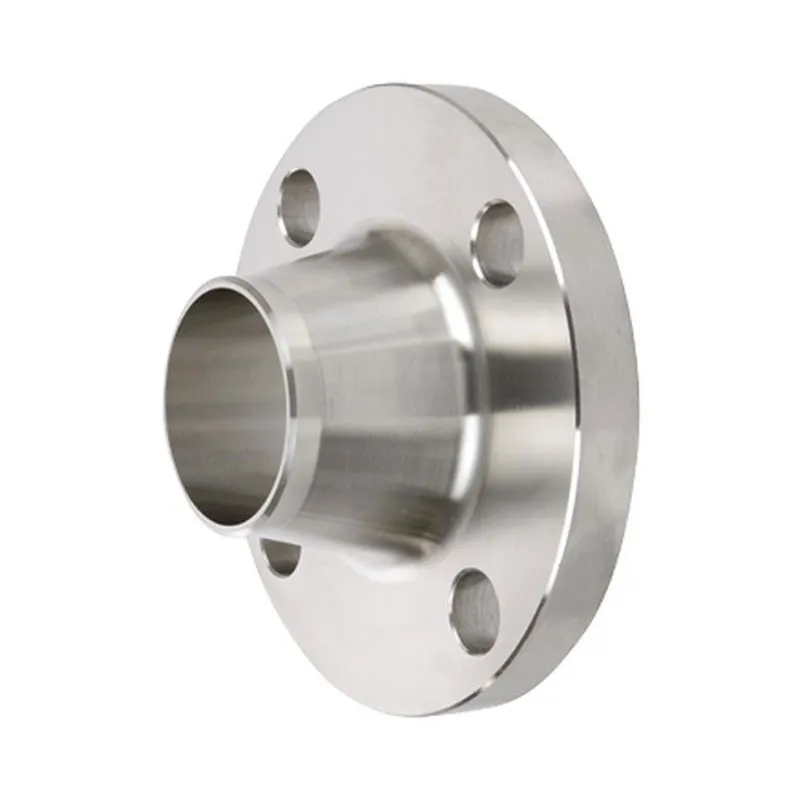 Ser.A Butt Weld Flanges Class 400
 -
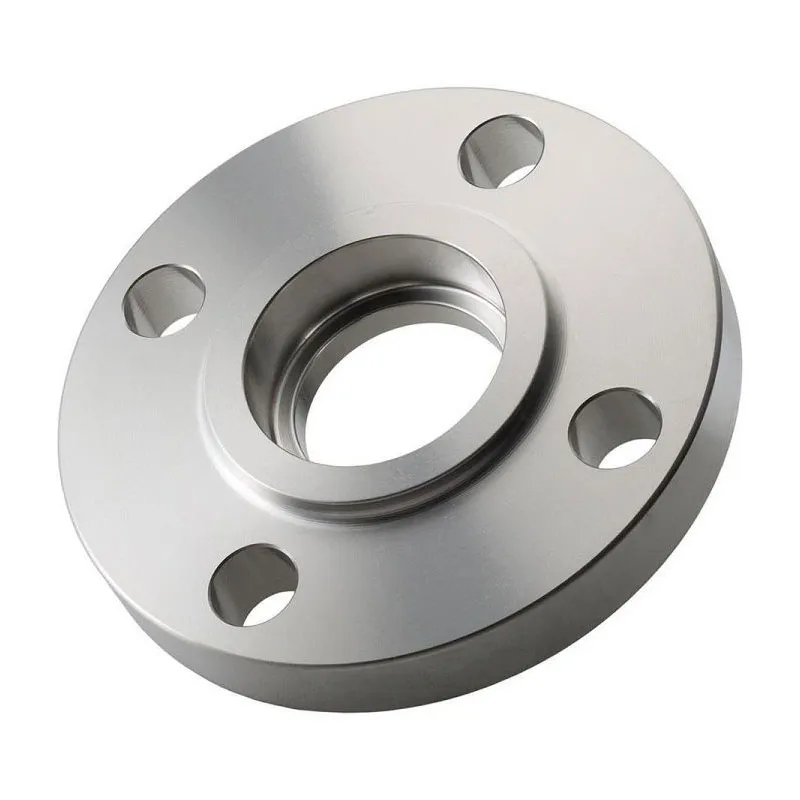 ANSI B16.5 Socket Weld Flanges Class 1500
 -
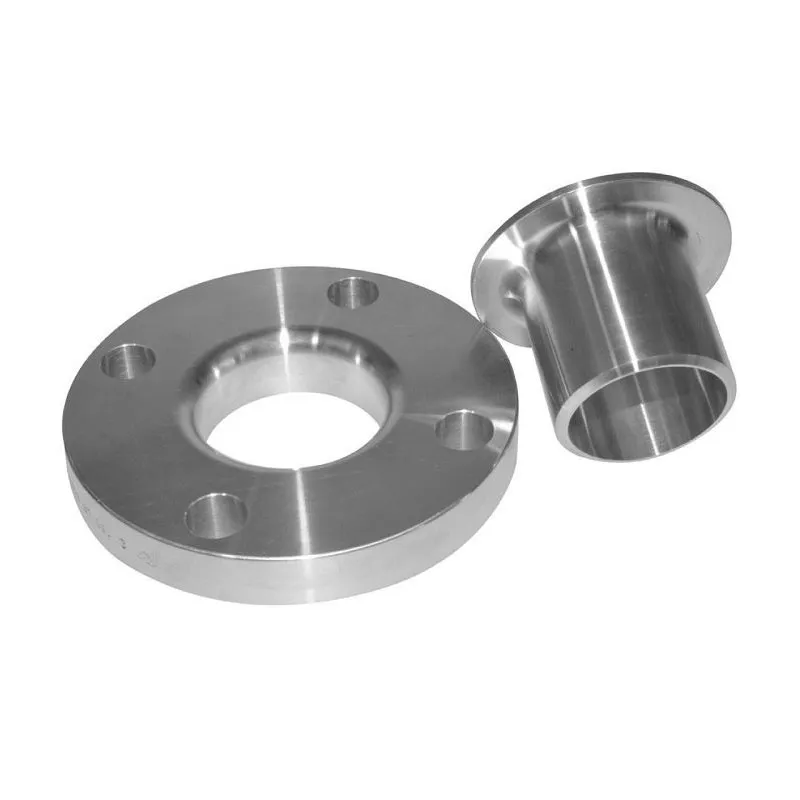 ANSI B16.5 Loose Ring Flanges Class 2500
 -
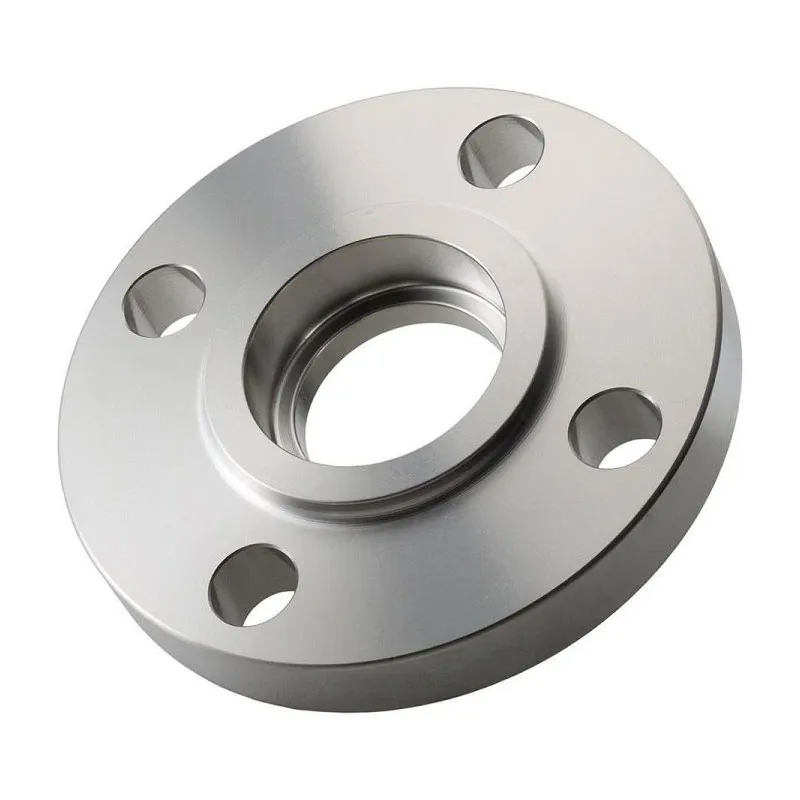 ANSI B16.5 Socket Weld Flanges Class 150
 -
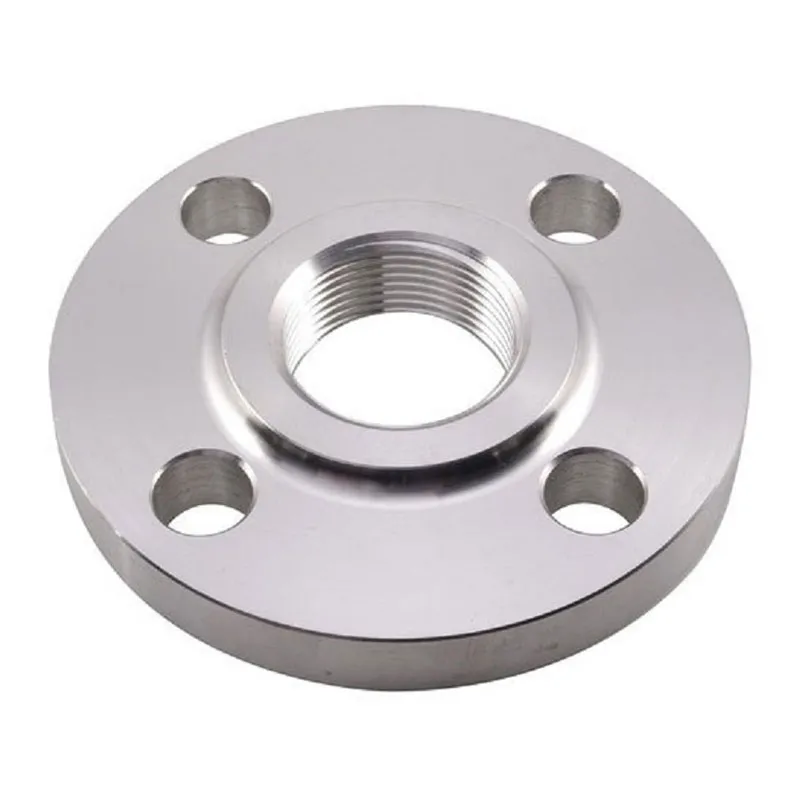 JIS 10K Overlay flanges
 -
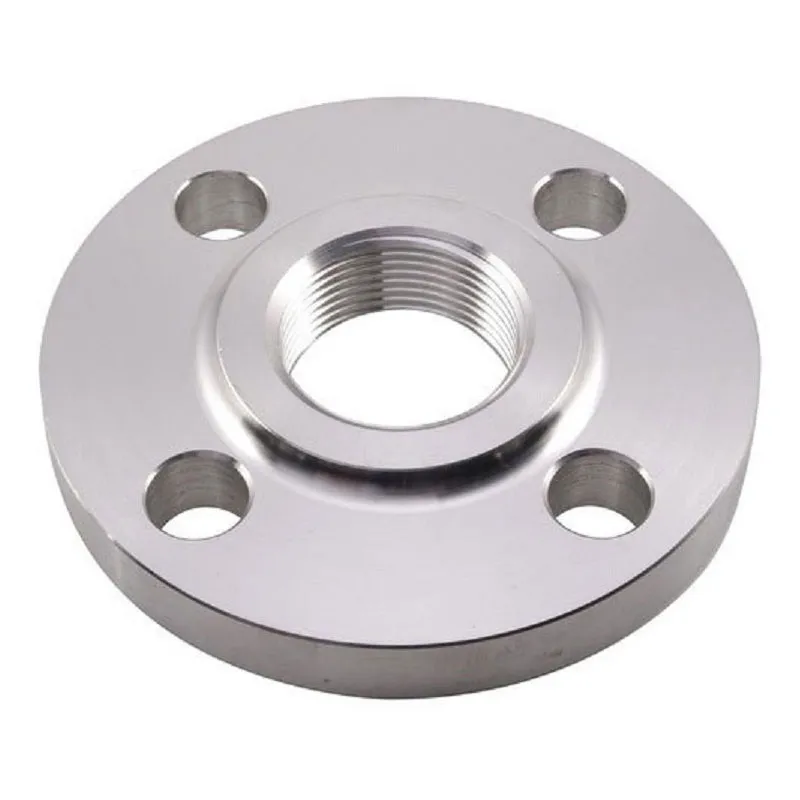 DIN 2565 Threaded flanges PN6
 -
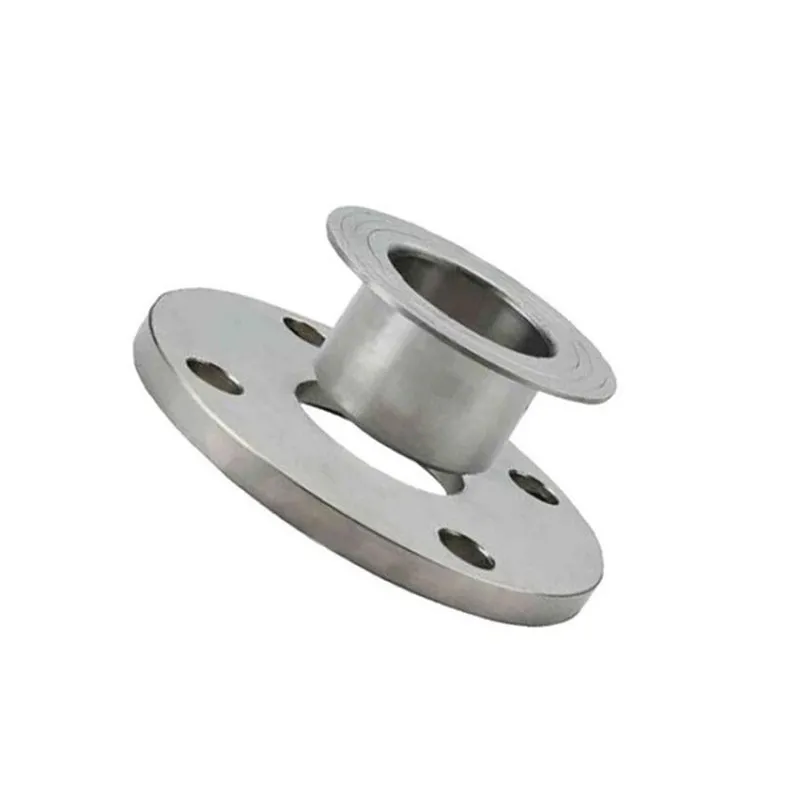 JIS 10K Loose Ring Flanges
 -
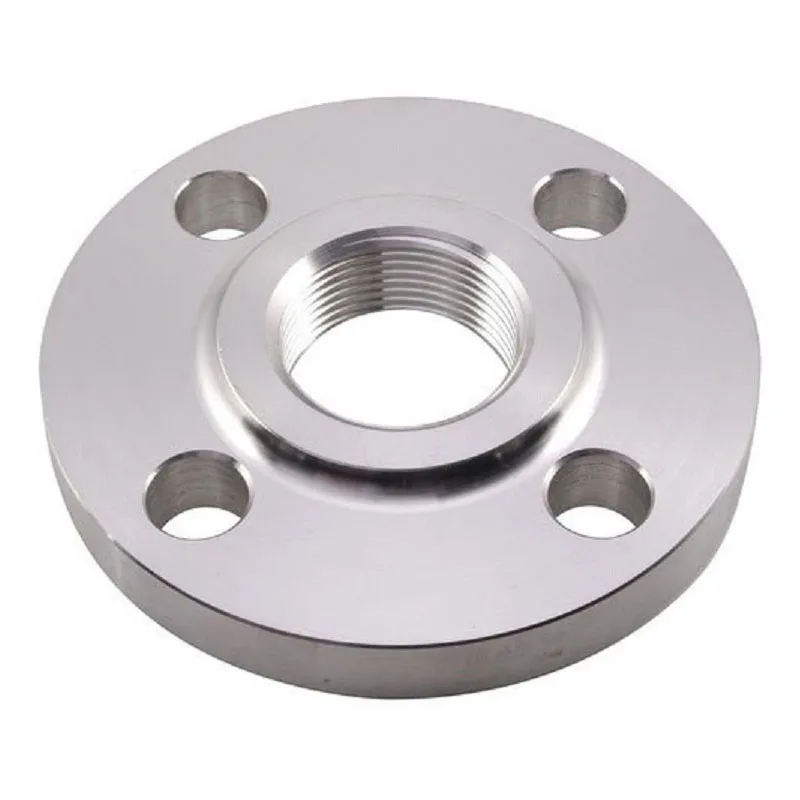 DIN 2566 Threaded flanges PN16
 -
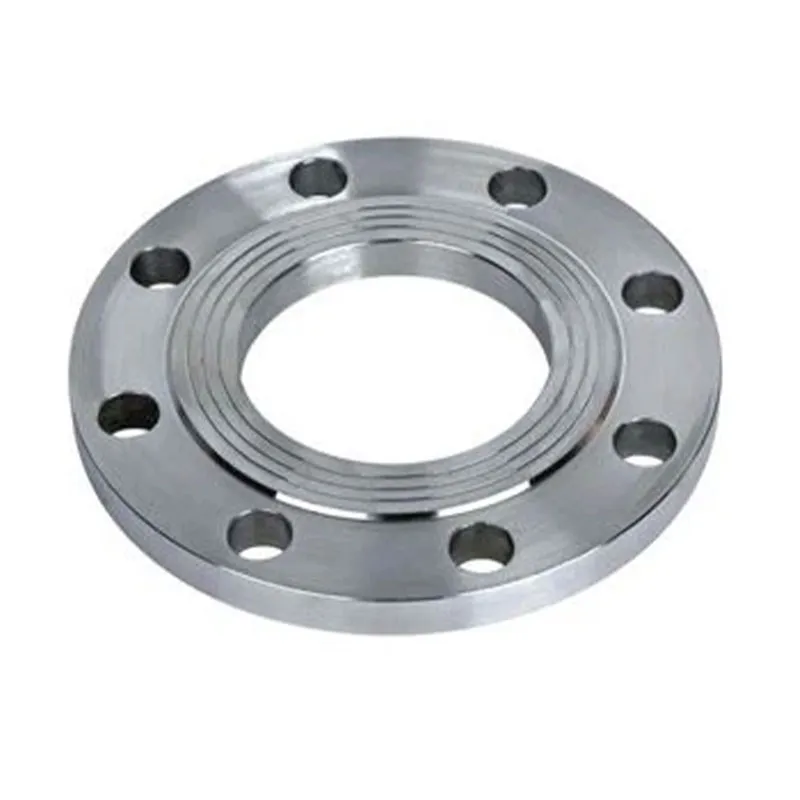 Butt weld flanges Class 150
 -
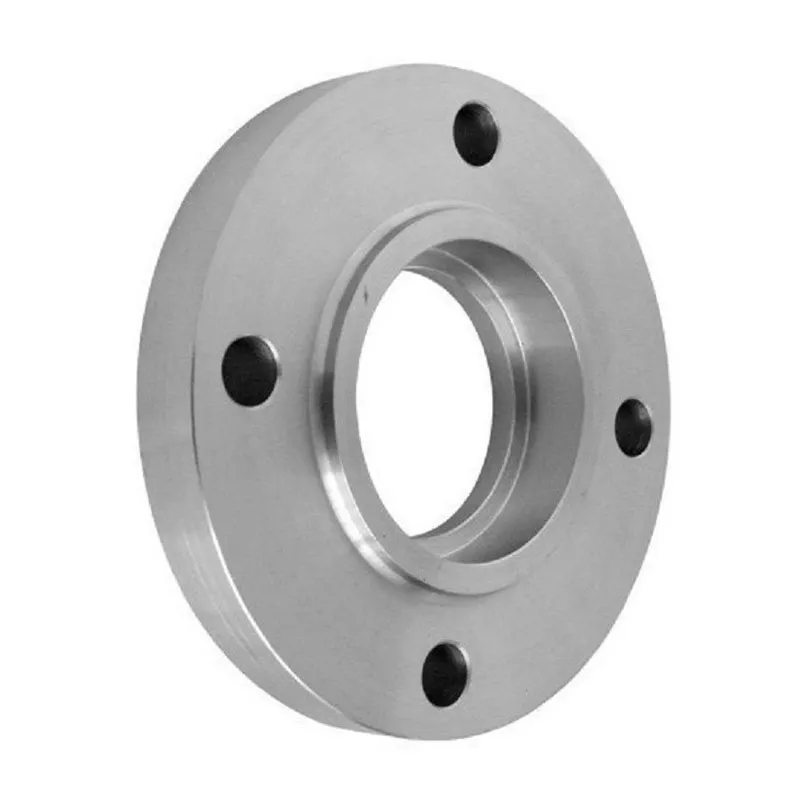 Socket Weld Flanges Class 300
 -
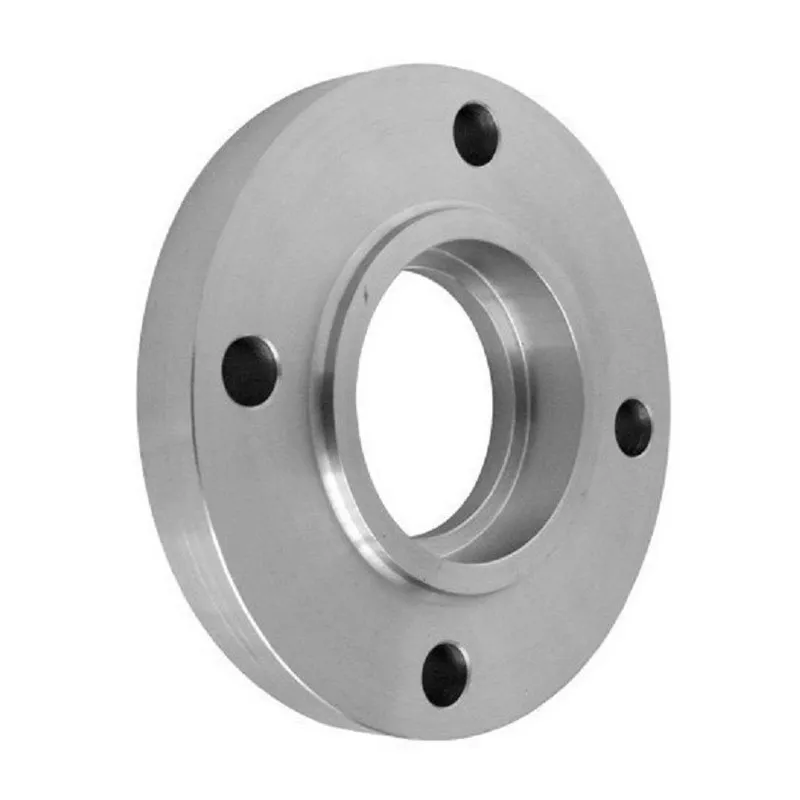 JIS 5K Socket Weld Flanges
 -
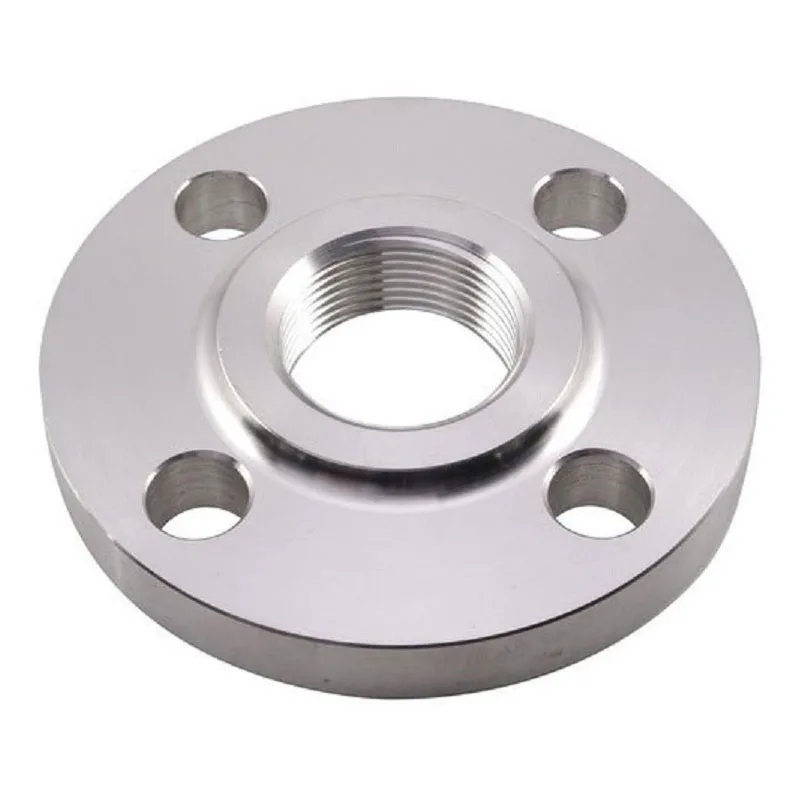 JIS 10K Threaded Flanges