
-
-
Phone
+86-13623462298



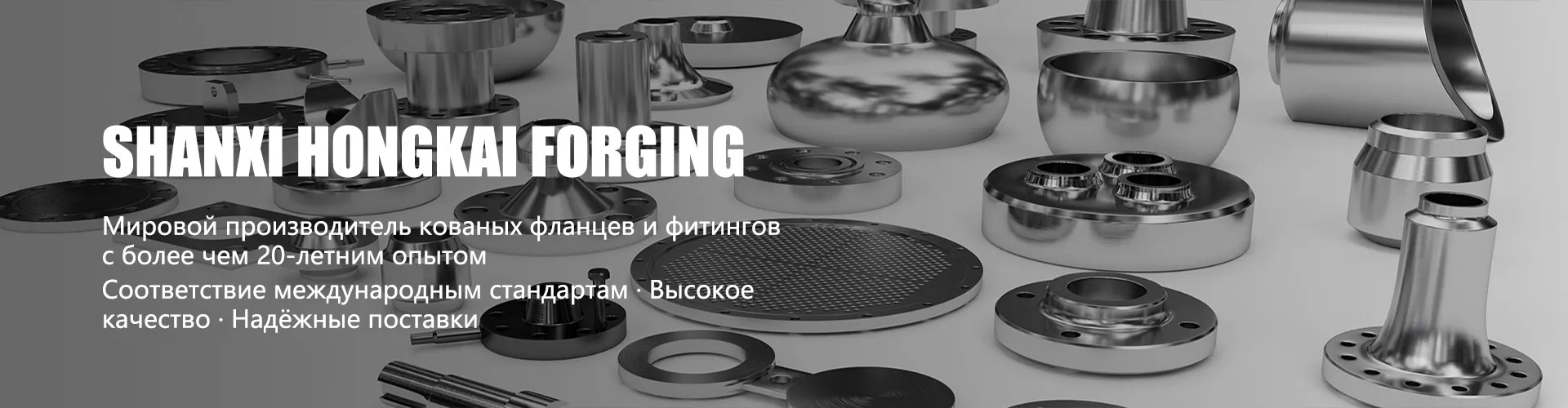
flange 51
When you hear “51 flange”, many people immediately think of a simple two-inch adapter. But this is where the first pitfall lies. In practice, especially when working with imported specifications or old Soviet pipelines, this designation can hide both DN50 according to GOST and 2' according to ANSI. The difference in millimeters, especially in the diameter of the nominal bore and the distance between the holes, sometimes leads to a real headache at the site. I myself found myself in a situation a couple of times when the brought “standard” one. flange 51 did not mate with the already installed fittings. It turned out that the customer in the technical specifications referred to an outdated drawing, where the GOST series was indicated, and we, out of habit, shipped according to the more common ASME B16.5. Since then, the first question has always been not the size, but the standard of execution and the complete passport of the unit.
Where does the size problem arise?
The main confusion arises from the conversion of inch sizes to metric. The nominal diameter 2' is approximately 50.8 mm, hence the rounding to 51 mm in some domestic documents and colloquial speech. But if we take, for example, a flat flange GOST 12820-80 for Dy 50, then its outer diameter and the diameter of the circle of holes for the studs will be the same. But if you take a 2' flange according to ASME, then the geometry will be different. Not to mention the thickness and projection of the sealing surface.
Therefore, when you come to our company,Shanxi Hongkai Forging Co.,Ltd, a request comes forflange 51, technologists immediately clarify: for which system? Will this be a connection with a German-made pump (then most likely DIN), with a valve on an oil pipeline (here often ASME) or for repairing a city heating network (there may be both GOST and ST TsKB). On our websitehttps://www.hkflange.ruWe specifically made detailed standards comparison tables because we know this problem from the inside.
There was a case with one of our regular customers from Kazakhstan. They were repairing a section of the highway that had been inherited from Soviet times. It was mentioned in the specificationflange 51. We, seeing the history of their orders, proposed an option in accordance with GOST 12821-80 (butt welded). But the on-site engineer sent a photo of the mating part - it was clearly a flange with an RF (Raised Face) ring connection. We had to urgently redo the order for flanges according to ASME B16.5 Class 150. It’s good that we have it in productionShanxi Hongkai Forging Co.,Ltdflexible system, and we were able to quickly reconfigure the line to the required standard without missing deadlines. That's why ?just a number? is always a mini-investigation.
Material and pressure: what else is important to remember
Size is only half the battle. The second critical parameter is the material and, as a result, the operating pressure. Flange 51 made of carbon steel St20 will easily withstand one set of parameters, but made of alloy steel 09G2S or stainless steel 12Х18Н10Т - completely different ones. In boiler room practice, for example, for low-pressure steam, carbon steel was often used, but if the temperature was above 400°C, then other grades of steel were needed.
We produce forgings from different grades, and here it is often not only the standard for the flange that is important, but also the standard for the material itself. Some require strictly according to GOST 8479-70 for forgings, others - according to EN 10222. One of our clients from the UAE once requestedflange 51according to ASME, but with the mandatory provision of a certificate for the material according to ASTM A105 standard. This is the standard specifically for forgings in flanged connections. We had to coordinate in detail the entire certification chain with our metal warehouse.
And pressure. Class 150, 300, 600 are not just numbers. For the same DN50/2', the Class 150 flange will have one thickness and diameter of the bolt circle, and the Class 300 will have a different, more massive one. I saw how during installation they tried to connect flanges of the same nominal diameter, but different pressure classes. The bolts, of course, did not align. And all because the invoice simply said “flange 51, 2 pcs.”, without indicating the class. Now in our documentation we always duplicate the full designation, for example: “Flange 2' ASME B16.5 Class 150 RF from A105?”.
Non-standard situations and production capabilities
Often request forflange 51comes as part of a non-standard product. Let's say you need a transition from DN50 to DN80, but not through a concentric adapter, but through a flange connection with an eccentric, in order to take into account the displacement of the pipeline axes. Or a flange is needed with a non-standard arrangement of holes for the studs - say, offset by 15 degrees for docking with old equipment.
BShanxi Hongkai Forging Co.,LtdThey specialize in such tasks. We have a workshop that works according to customer drawings. I remember that for a metallurgical plant they made a batch of flanges with a nominal bore of 51 mm, but with a reinforced neck design and additional welds for attaching sensors. In fact, it was no longer a standard part, but a small assembly unit. It was important not only to forge the flange itself, but also to accurately calculate the shrinkage of the metal during heat treatment, so that after machining all dimensions, including the same 51 mm in internal diameter after boring, would converge.
Our size range from DN15 to DN4000 covers almost any application. But it’s interesting that even in large sizes this “modest” one sometimes pops up. 51 mm. For example, when a multi-stage reduction unit is made, and one of the intermediate stages has exactly this diameter. It is important to ensure the alignment and parallelism of the sealing surfaces of all flanges in the assembly, otherwise leaks are inevitable.
Packaging, labeling and logistics nuances
It would seem that what is difficult about shipping a batch of flanges? But there are some subtleties here too. 51mm flanges, especially stainless steel, require surface protection from mechanical damage and corrosion during sea transportation. We pack them in anti-corrosion paper and wooden boxes with a rigid frame. Labeling each flange is not just a formality. The following must be clearly visible: material grade, nominal diameter (we always pack both DN50 and 2' if it complies with the standard), pressure class/standard and manufacturer's mark.
There was an unpleasant experience when, due to poorly marked markings on flange 51 (erased during transportation), acceptance at the customer’s warehouse was stalled. We had to promptly send scans of certificates and photographs of the production process. Since then, we have paid special attention to labeling. On the websitehkflange.ruin the company sectionShanxi Hongkai Forging Co.,LtdWe specifically indicate that the marking is carried out in accordance with customer requirements and standards.
Logistics. A batch of 100 pieces of flanges 51 is not that big in weight, but very voluminous in geometry. You can't just throw them into a container; they can become deformed. We use special racks and spacers for fixation. Large projects often require delivery in time for installation, so coordinating delivery schedules is part of our daily work.
Instead of a conclusion: thinking out loud
So,flange 51is a great example of how a seemingly simple detail requires a deep understanding of the context of its application. This is not just a ring with holes. This is a unit that must ensure the tightness, strength and durability of the connection under specific conditions.
My advice to colleagues and customers: never limit your application only to size. Please provide complete data: standard, seal type, material, pressure class/PN rating, and if available, a drawing or sketch. This will save a lot of time and eliminate problems on site.
And for us, as a manufacturer, each such request is a reason to once again check and hone our processes, from choosing an ingot toforginguntil final packaging. After all, even the smallest flange is the face of the company and a guarantee that somewhere far away, on some pipeline, everything will work like clockwork.
Correspondingproducts
Related Products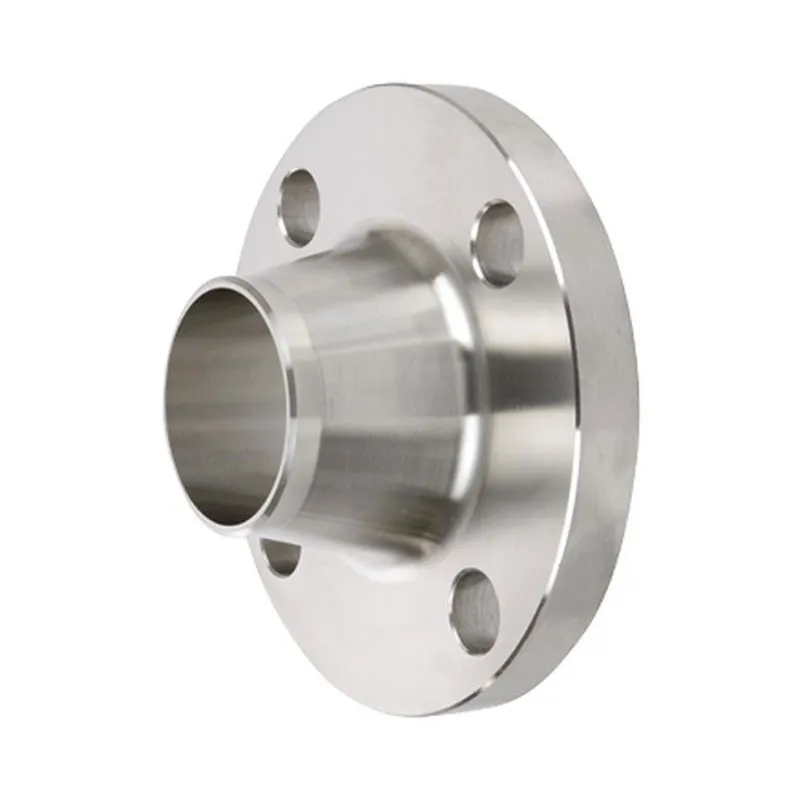
Best Sellingproducts
Best Selling Products-
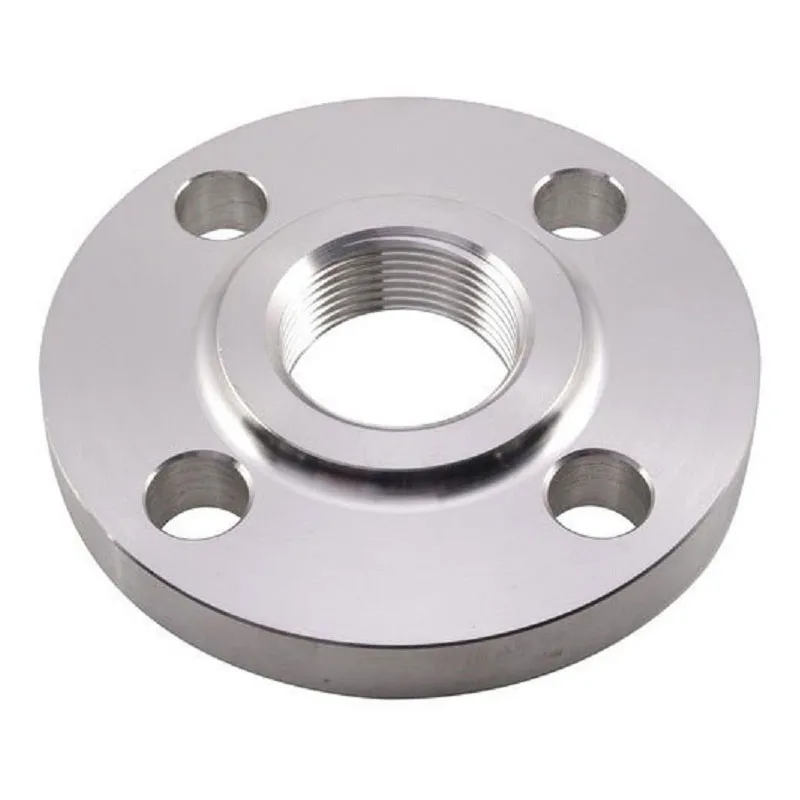 EN 1092-1 Threaded flanges Type 15, PN16
 -
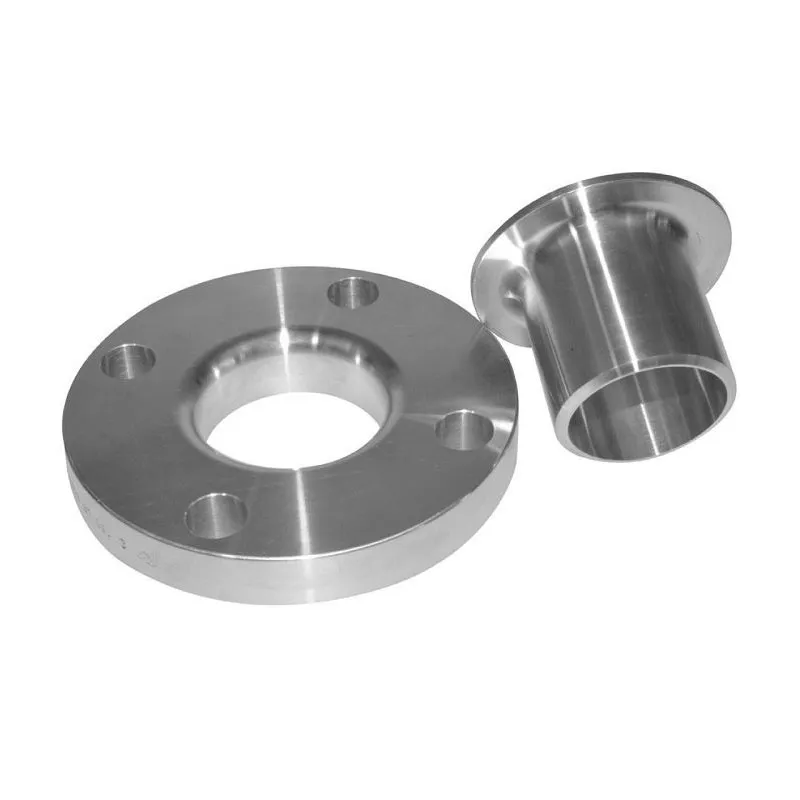 ANSI B16.5 Loose Ring Flanges Class 2500
 -
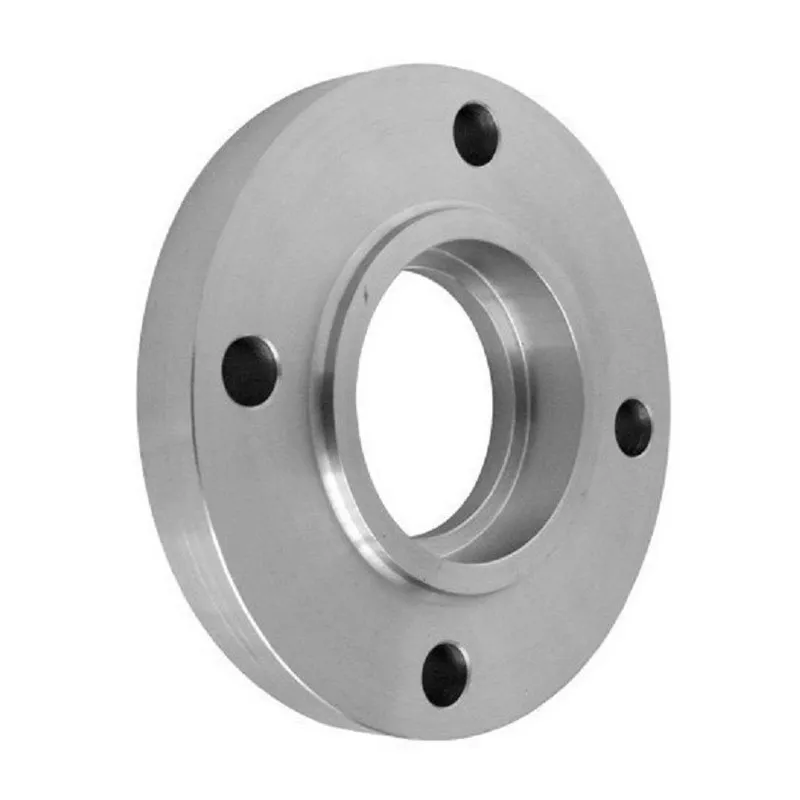 JIS 5K Socket Weld Flanges
 -
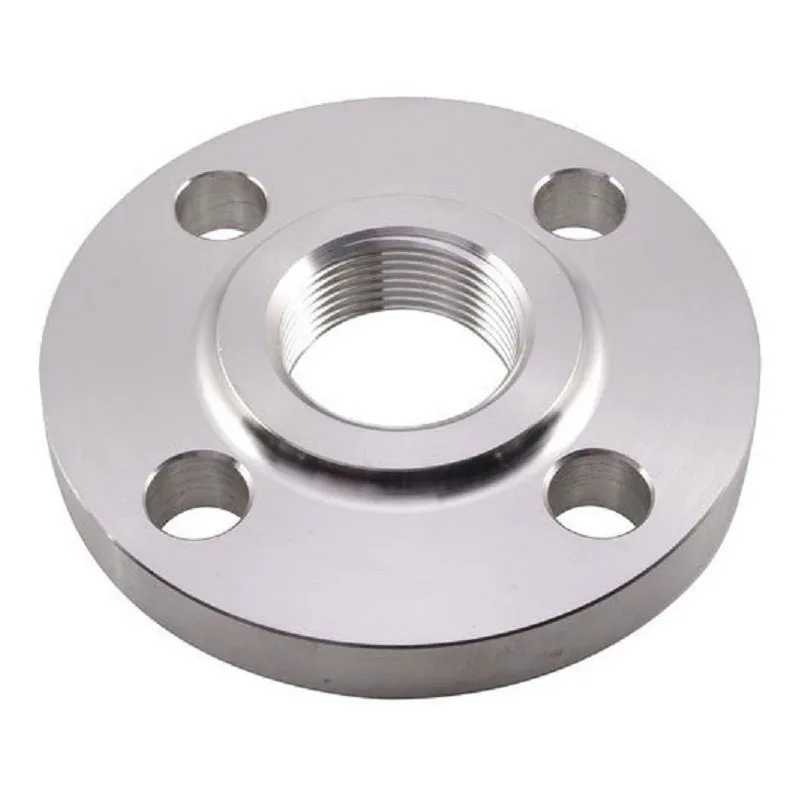 ANSI B16.5 Threaded Flanges Class 600
 -
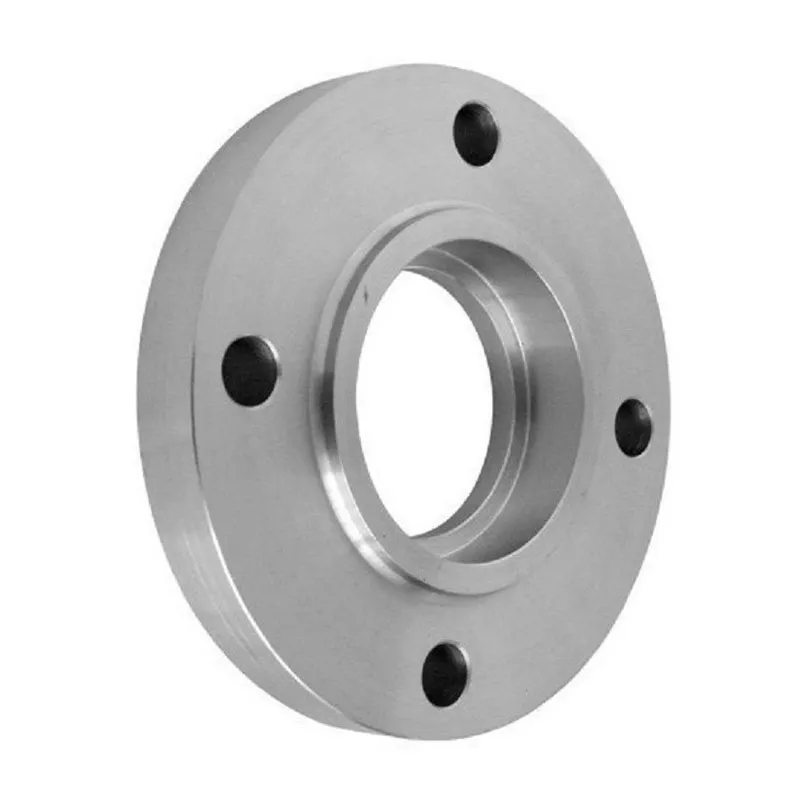 Socket Weld Flanges Class 300
 -
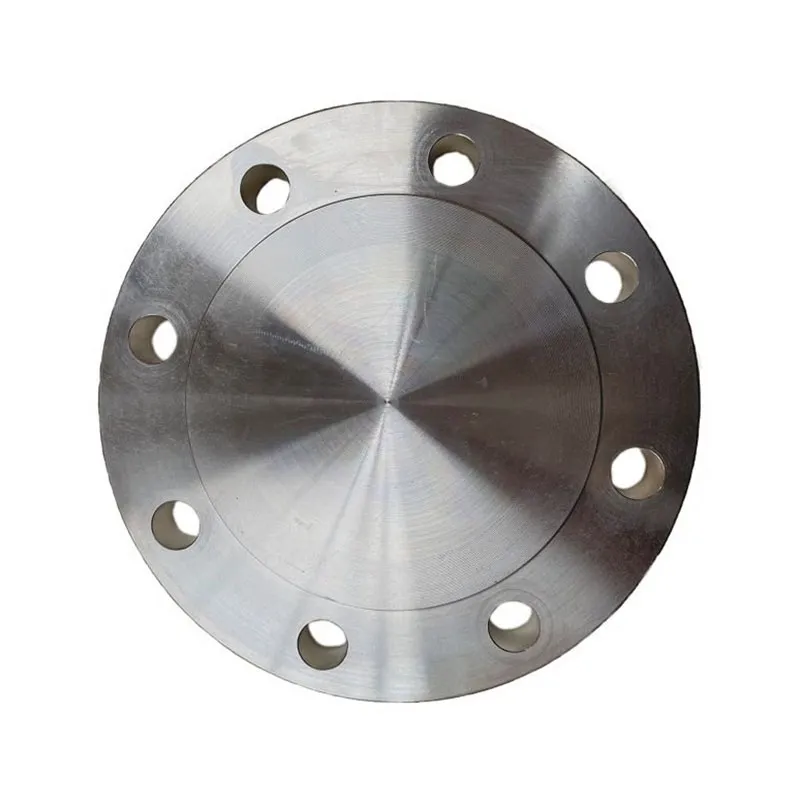 ASME B16.47 Ser.A Blind Flanges Class 400
 -
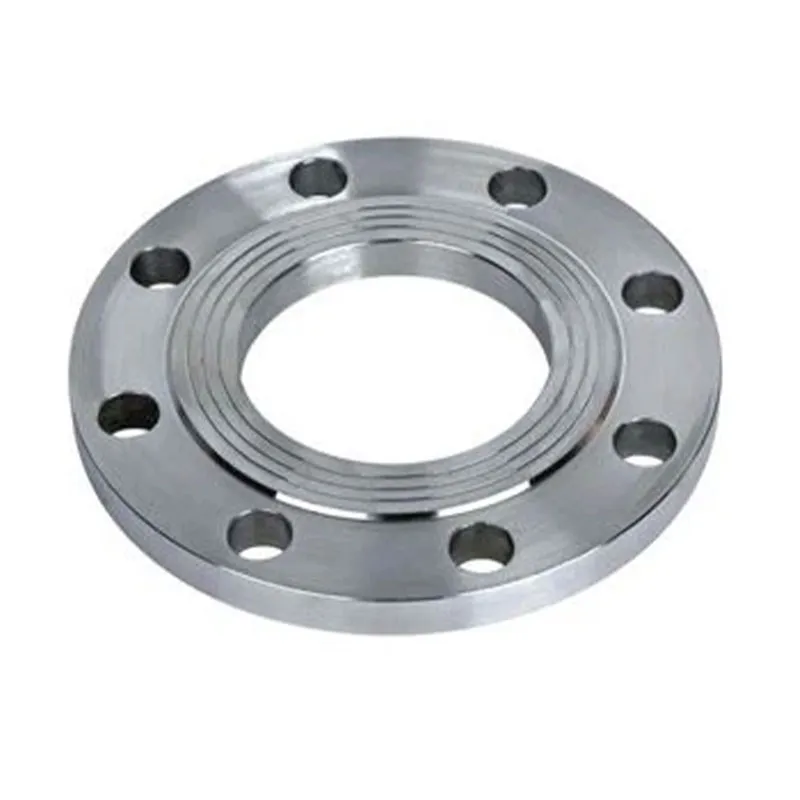 Butt weld flanges Class 150
 -
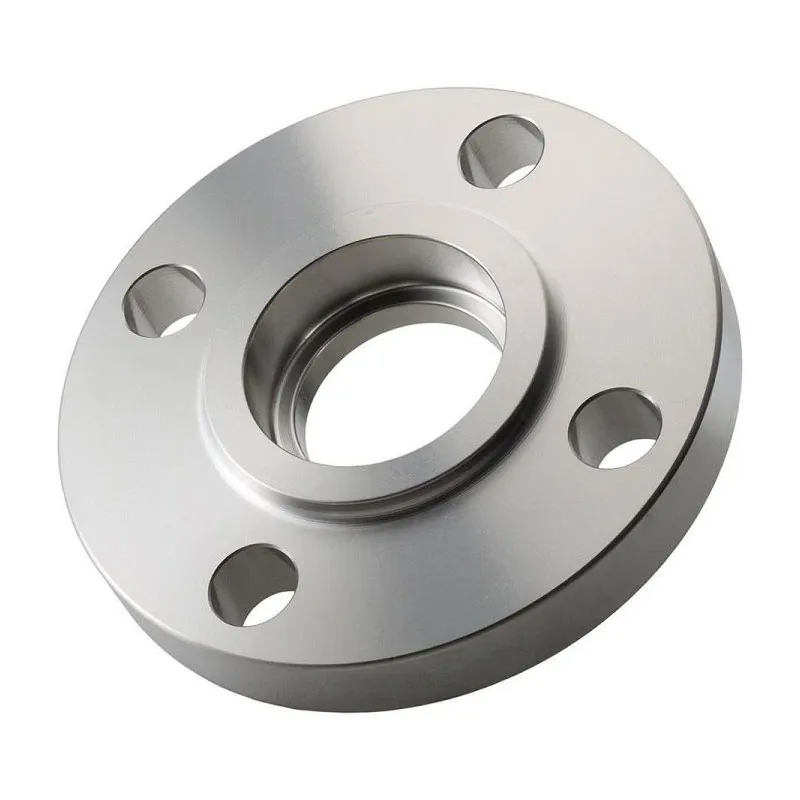 ANSI B16.5 Socket Weld Flanges Class 150
 -
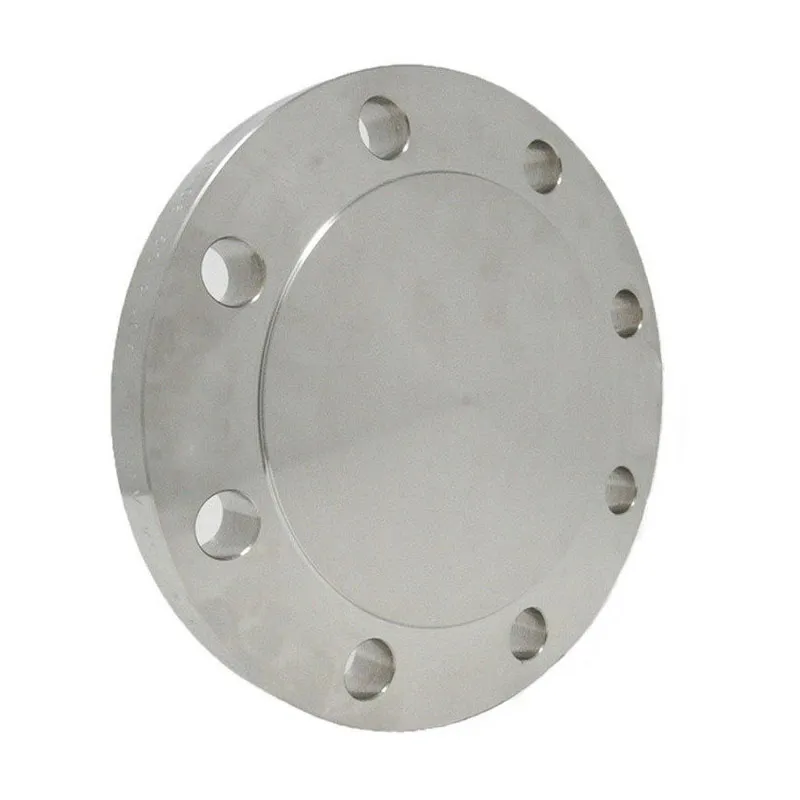 Blind flanges Class 150
 -
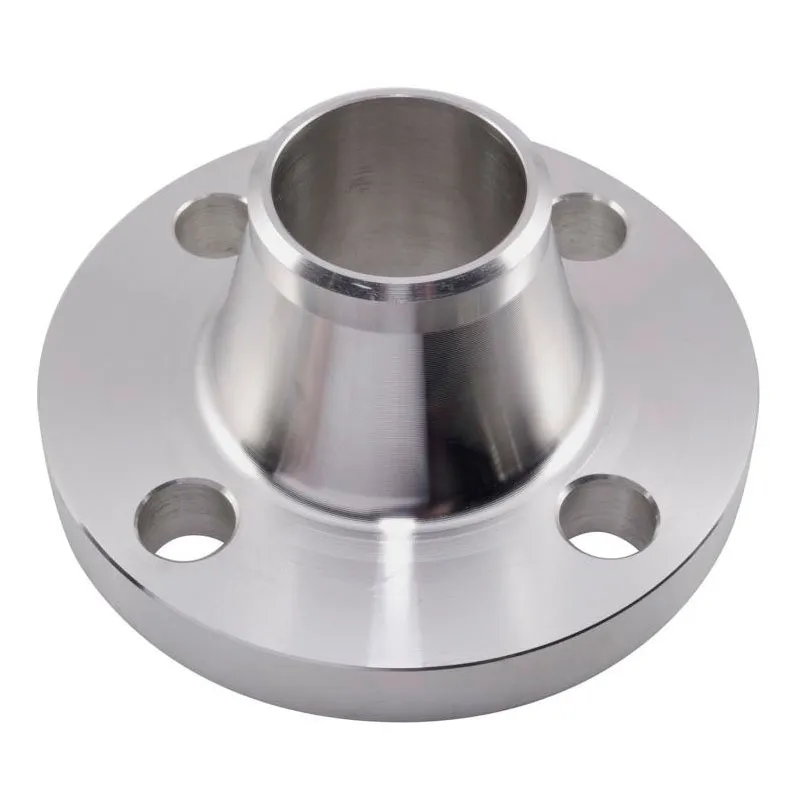 DIN Butt weld flanges PN10
 -
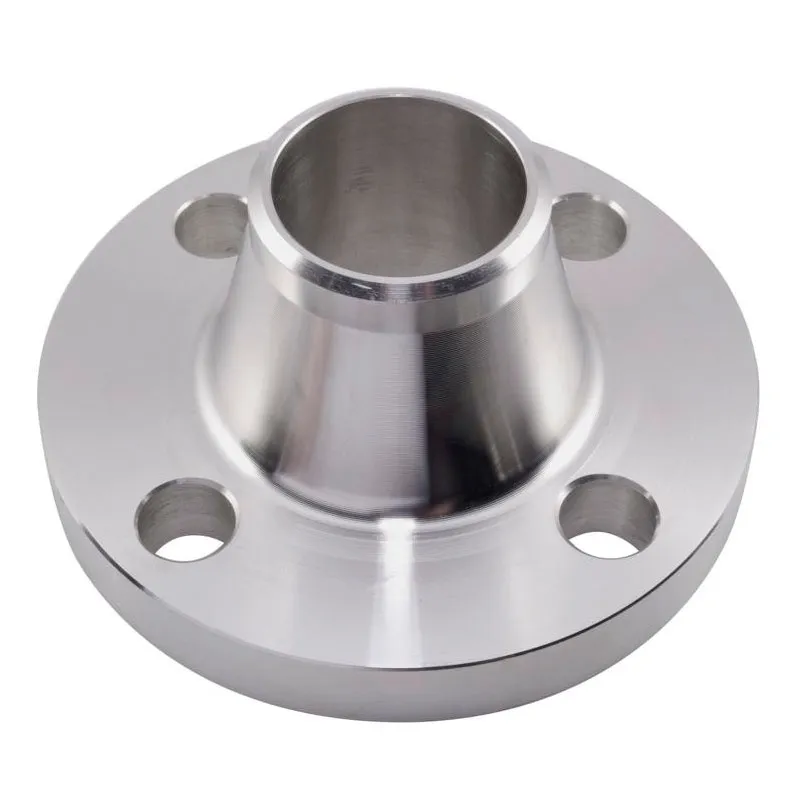 Butt weld flanges Class 900
 -
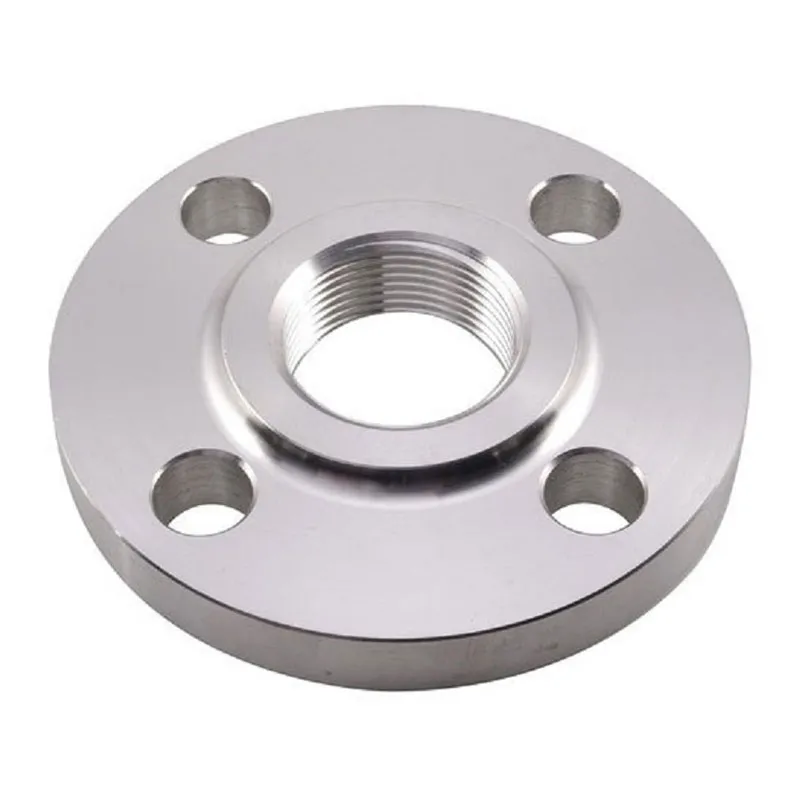 JIS 10K Overlay flanges