
-
-
Phone
+86-13623462298



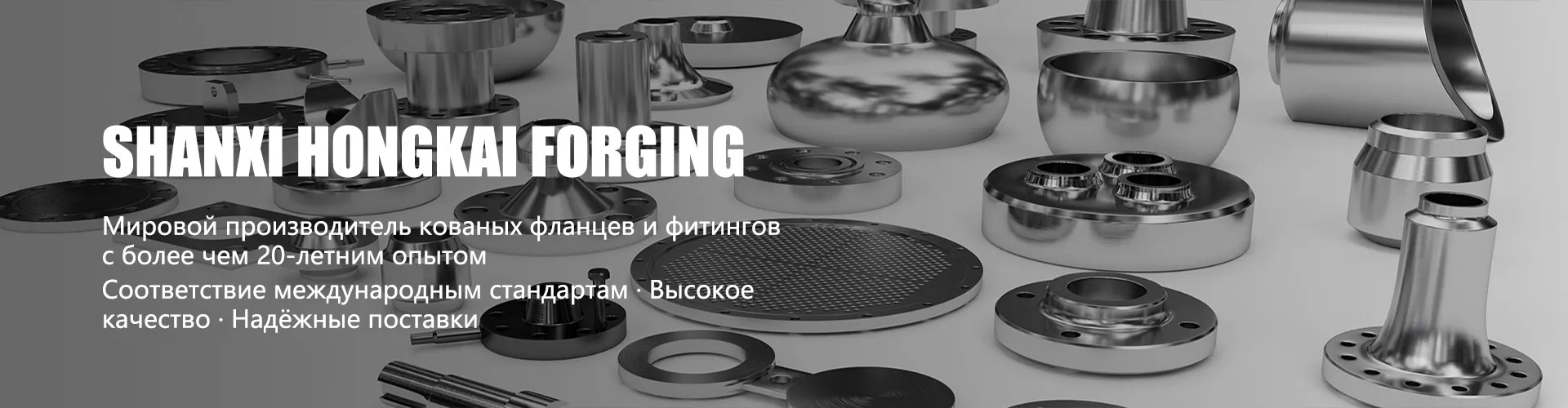
flanges dn 20
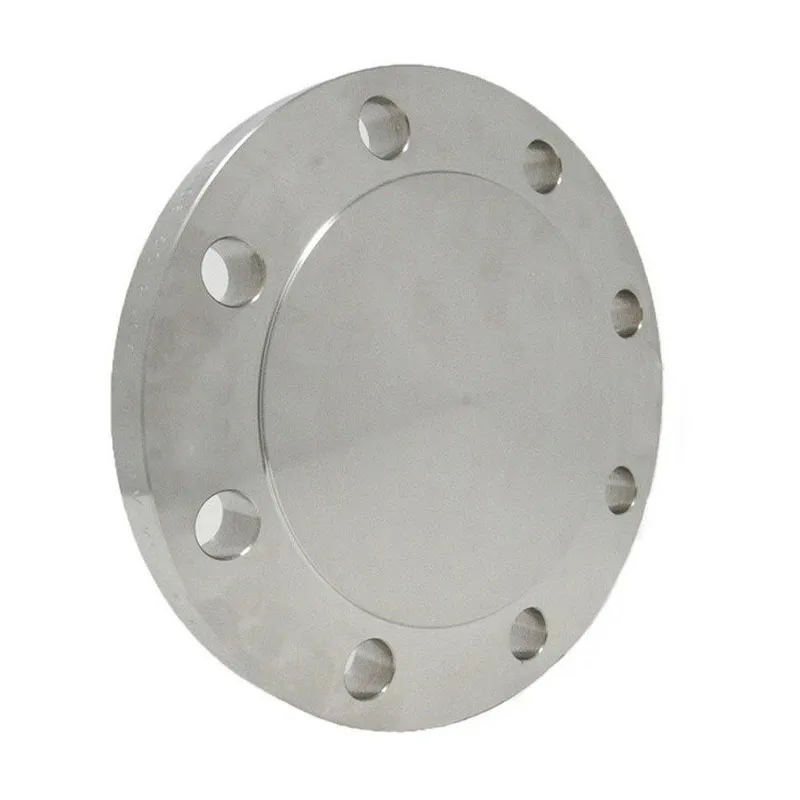
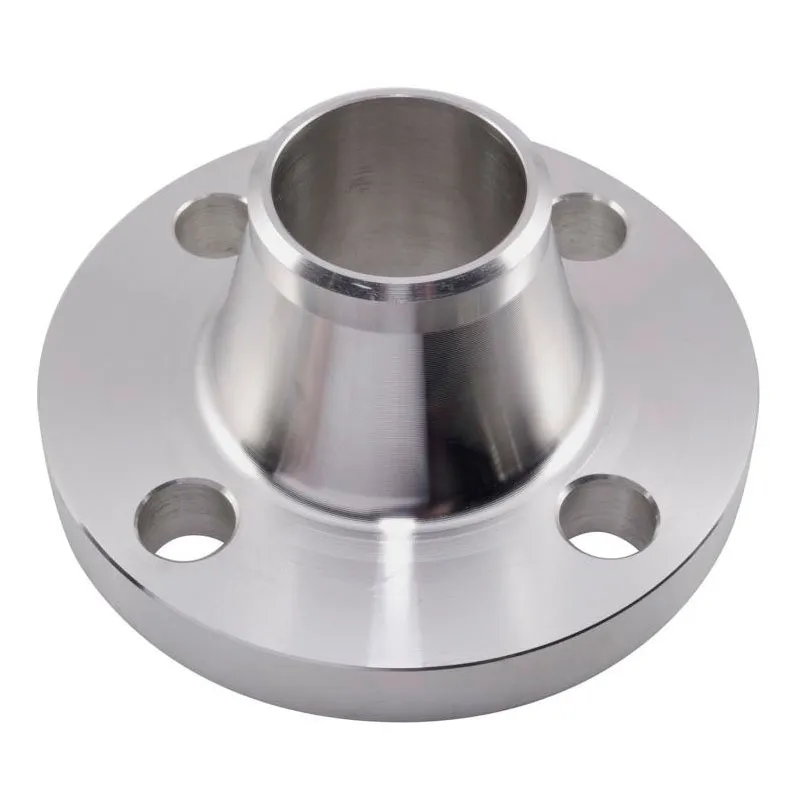
When they say “flanges dn 20”, many people think: “Oh, a trifle, the simplest position?”. This is the first pitfall. Yes, the nominal diameter is small, but it is precisely at these sizes that all the problems in materials, geometry and, most importantly, in the approach to selection often appear. Because the customer, considering it simple, sometimes does not pay due attention to the specification, and then during assembly he gets either inconsistencies in the holes or problems with the seal due to an incorrect surface.
Why DN 20 is not just a number
I'll start with something trivial but important. DN 20 is about an inch and a quarter using the old system. But switching to metric threads or selecting gaskets is already a moment where you can make a mistake. I have often seen how in a project there is a “flange dn 20 pn 16”, but in fact they are delivered with standard holes for M12 bolts, although according to the wiring diagram they needed M10 for a tighter arrangement. This is about the issue of standards. If we take GOST (old 12820-80), then it is clearly stated there. But many suppliers, especially those who work on a “stream” basis, may ship something average, especially if the order was made without detailed technical specifications.
It’s worth mentioning the material here. For conditionally non-aggressive environments at temperatures up to 200°C, St20 is often used. But if we are talking about steam or some kind of chemical aqueous solutions, even at low pressure, you already need to look at 09G2S or 12Х18Н10Т. And on these small flanges, saving on material provides minimal cost benefits, but maximum risks in the future. Once there was a case at a small boiler room - they installed dn 20 flanges made of ordinary carbon steel on the condensate line, and after six months there were fistulas. The rework cost many times more.
That is why I always advise looking not just at the catalog, but at the manufacturer, who is ready to provide a full package of documents and clarify working conditions. For example, on the siteShanxi Hongkai Forging Co.,Ltd (https://www.hkflange.ru) it is clear that they work in accordance with GOST, ASME, EN. To me this is an indicator that there is probably a technical department there that understands the differences between the executions. The company positions itself as a manufacturer of forged flanges and forgings in one of the centers of the forging industry in China, which means that the emphasis is on the forging process itself, rather than on sheet stamping, which is critical for critical applications.
Forging vs. Stamping: what's the difference for small sizes
It may seem that for DN 20 it makes no difference whether the flange is forged or cut from sheet metal. In practice the difference is huge. Forging produces a fibrous metal structure that follows the contour of the product. This increases mechanical strength and fatigue resistance, especially during vibration. But small pipelines are often susceptible to vibrations from pumps and compressors.
Here is a concrete example from practice. They installed the piping on the pumping units. The dn 20 flanges were purchased as “standard”, in fact they were laser cut from a sheet of 20 gauge steel. After six months of work, a crack appeared at one of the joints, not along the weld, but along the body of the flange, between the bolt hole and the inner diameter. The reason is microcracks from thermal effects during cutting and heterogeneity of the structure. After that we switched to forged analogues. Yes, it’s 15-20% more expensive, but it’s a question of reliability.
Manufacturer seems to beShanxi Hongkai Forging Co.,Ltdjust focuses on forged products. Their product range includes butt weld, flat, loose flanges - all in the range from DN15. That is, they, in principle, consider small sizes as full-fledged products, and not as a by-product. This is a good sign. This means that there is probably equipment and technology specifically for high-quality forging of small forgings, and not just pressing blanks on a press “how will it turn out?”.
Moments that are not visible in the catalog
Working with flanges is always about details. Let's take the sealing surface. For DN 20, the tongue and groove type is often used. or ?protrusion-recess? (RF). But the quality of processing of this surface is a key point. The roughness should be within Ra 3.2-6.3, no more. It happened that we received a batch where the surface seemed to be polished, too smooth, and the paronite gasket began to “creep”. when tightening. Or vice versa, marks from the cutter and risks are visible - and tightness is not achieved the first time.
Another nuance is the alignment of the holes for the studs. It is more difficult to check on small flanges than on large ones. And if somewhere there is a misalignment of even half a millimeter, tension arises during installation, which then leads to leakage. A good manufacturer controls this on the press or during milling. In the descriptionhkflange.ruit is indicated that they work according to the customer’s drawings. This indirectly indicates the possibility of controlling non-standard parameters. If they can make something according to a custom drawing, then the quality control system must be set up.
And of course, heat treatment. After forging, the flanges must be normalized to relieve internal stresses. Stainless steel grades sometimes require hardening and tempering. This is rarely written about in open catalogs, but when requesting specifications or certificates, this should be reflected. Missing heat treatment data is a red flag.
Standards and actual deliveries
In the application they often write “flanges dn 20 GOST 33259”. But GOST allows for different designs in terms of thickness, hole circle diameter, and surface type. If you need complete interchangeability with existing equipment, you must indicate the version (1, 2, 3...). Once there was a story when, to repair a site, the factory ordered flanges simply according to DN and PN. They brought it and they seem to fit. But during installation it turned out that the old flanges were of increased thickness (according to the specifications of the equipment manufacturer). New, standard, did not fit - there was not enough space for tightening. I had to urgently look for non-standard ones.
In this context, the manufacturer's ability to make products according to drawings such asShanxi Hongkai Forging Co.,Ltd, is a big advantage. Especially for enterprises that work with outdated or specific equipment, where hybrid standards are often found. Their range of sizes up to DN4000 indicates wide technological capabilities, which means there should be no problems with a small diameter of DN 20 - the equipment is configured for more complex tasks.
It is also important what standards the manufacturer works with. GOST, ASME, EN, DIN mentioned on their website are not just words for SEO. This means that the production has an appropriate set of equipment and, critically, metrological support for control. A flange according to DIN EN 1092-1 will differ from a GOST flange according to the same DN 20 and PN 16. And if the plant can do both, it means they understand the differences.
Final Selection Considerations
So, what have I learned from experience with such seemingly simple products asflanges dn 20? Firstly, never consider them to be a “simple position”. Requirements for material, processing, control should be the same as for large ones. Secondly, preference should be given to forged flanges, especially for systems with variable loads. The mechanical properties of the forging are higher.
Thirdly, the key is documentation and technical dialogue with the supplier. It is necessary to request not only a certificate of conformity, but also test reports of mechanical properties specifically for the batch, if we are talking about critical applications. A manufacturer's ability to promptly respond to technical questions is a good filter.
Finally, it is worth considering manufacturers who specialize in forging and have a wide range of standards, such asShanxi Hongkai Forging Co.,Ltd. Their presence in China, a major forging center, often means good technological equipment and experience in working with international orders, where the requirements are strict. For DN 20 this may be overkill, but such a basis ensures that the small size is not treated as an afterthought, but with a full understanding of the technology. As a result, the reliability of pipeline fittings begins with its smallest links.
Correspondingproducts
Related Products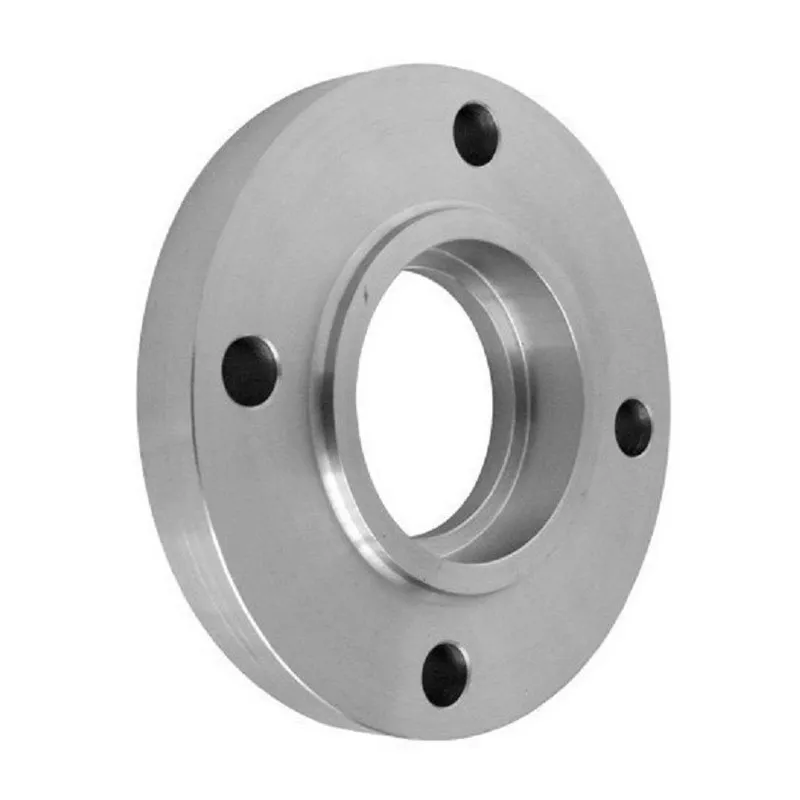
Best Sellingproducts
Best Selling Products-
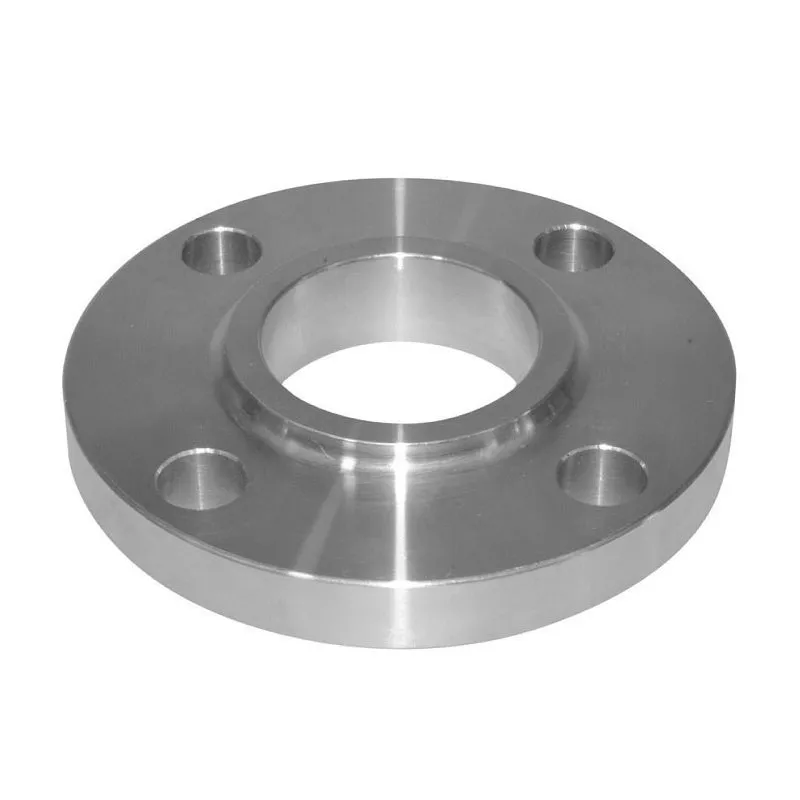 ANSI B16.5 Lap-on flanges Class 1500
 -
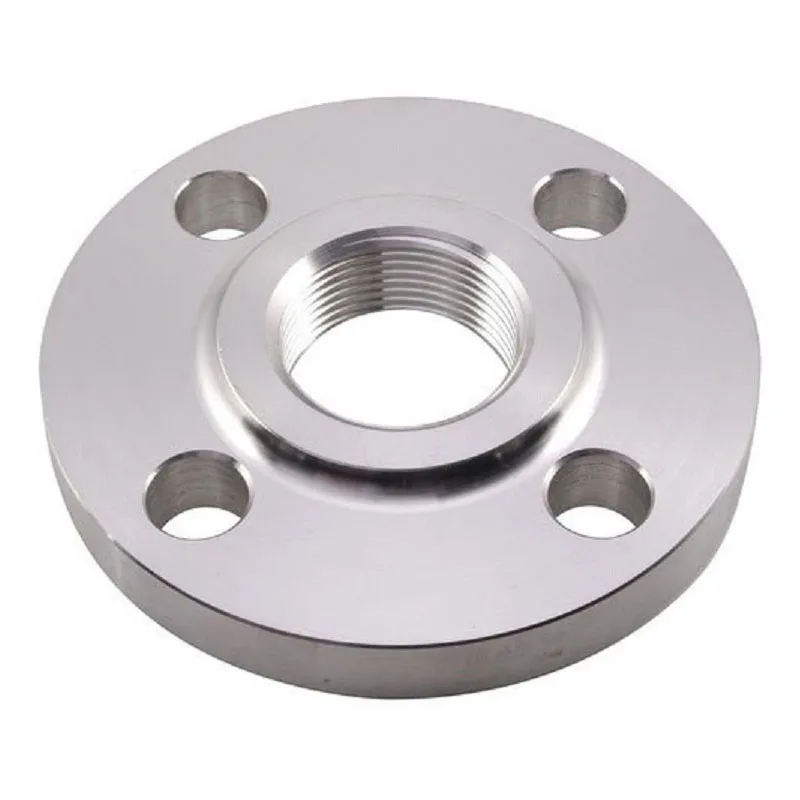 DIN 2566 Threaded flanges PN16
 -
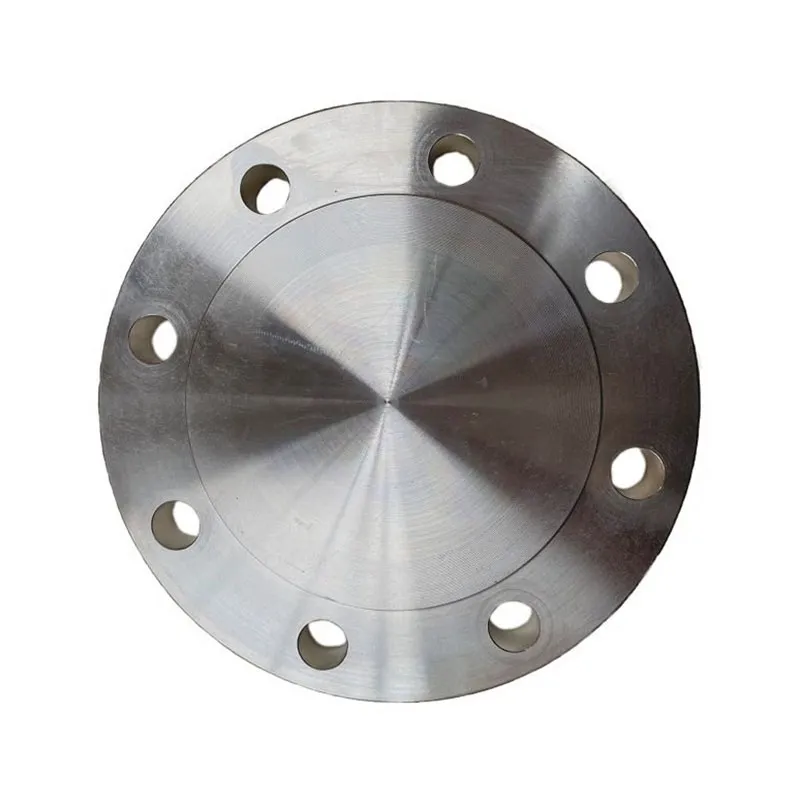 ASME B16.47 Ser.A Blind Flanges Class 400
 -
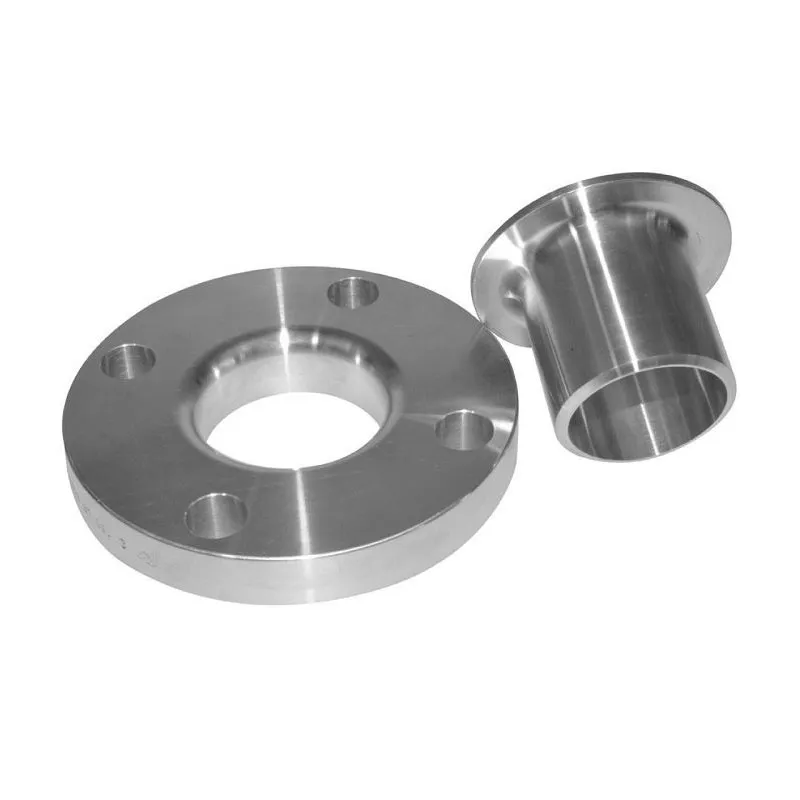 ANSI B16.5 Loose Ring Flanges Class 2500
 -
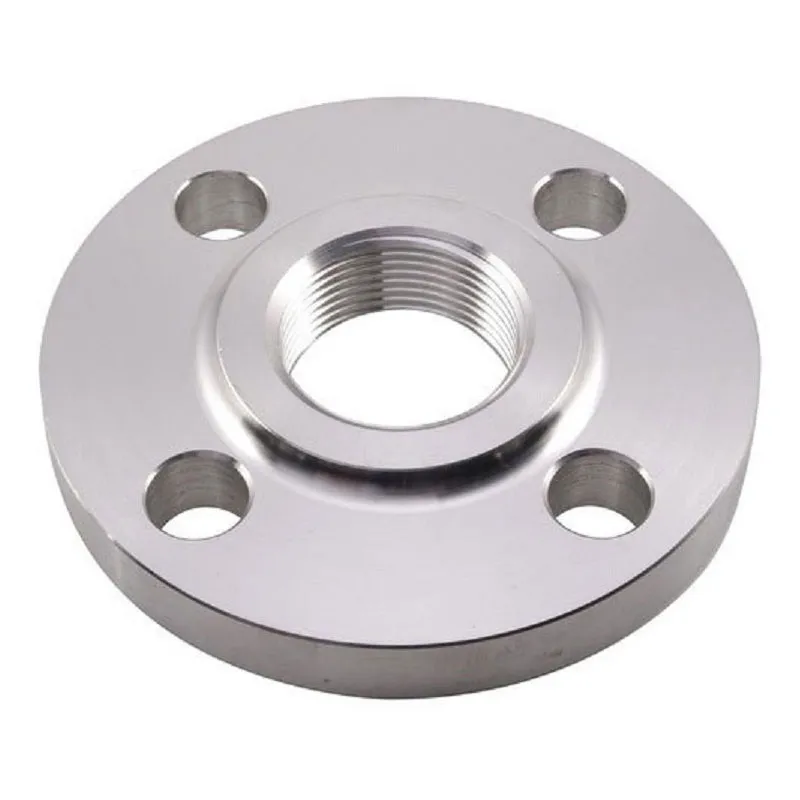 DIN 2565 Threaded flanges PN6
 -
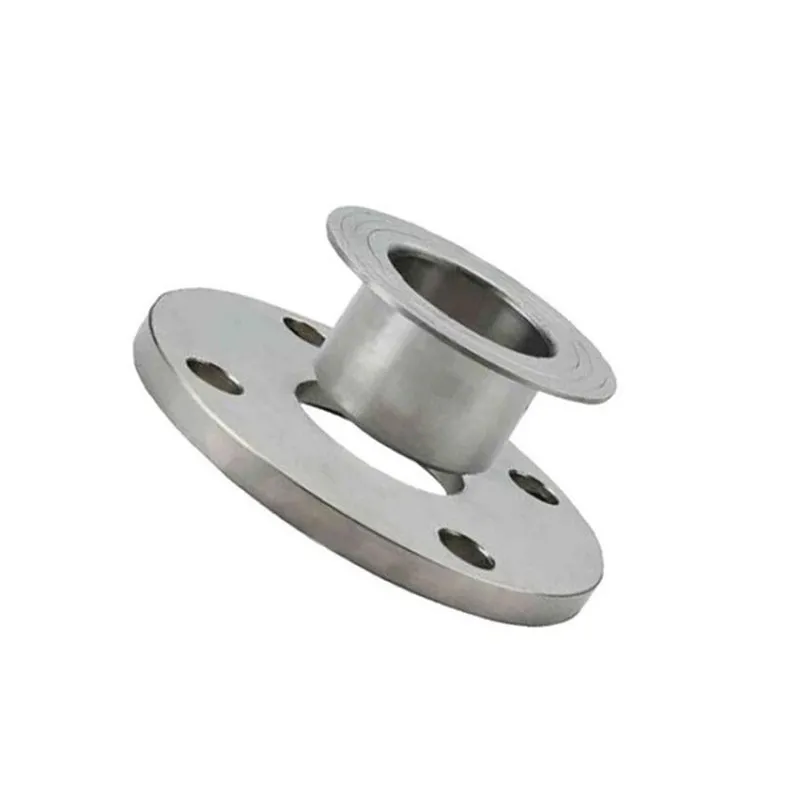 JIS 10K Loose Ring Flanges
 -
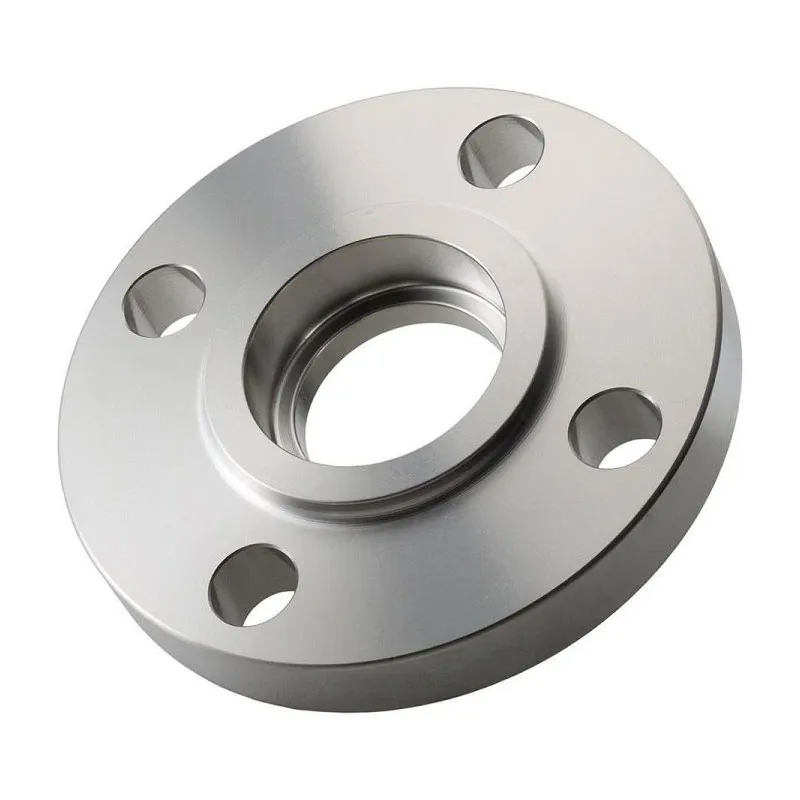 ANSI B16.5 Socket Weld Flanges Class 150
 -
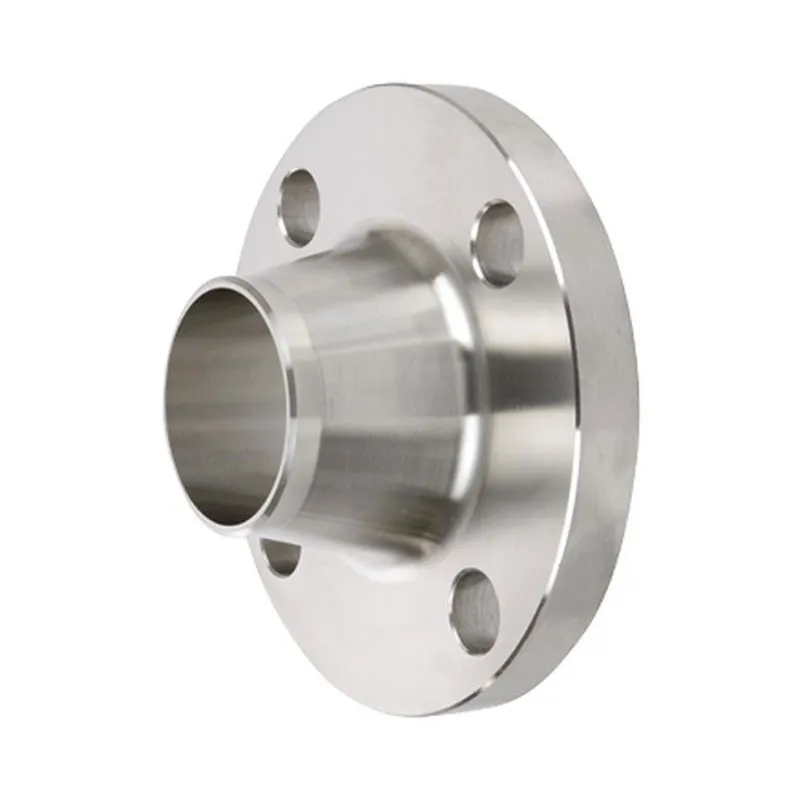 Ser.A Butt Weld Flanges Class 400
 -
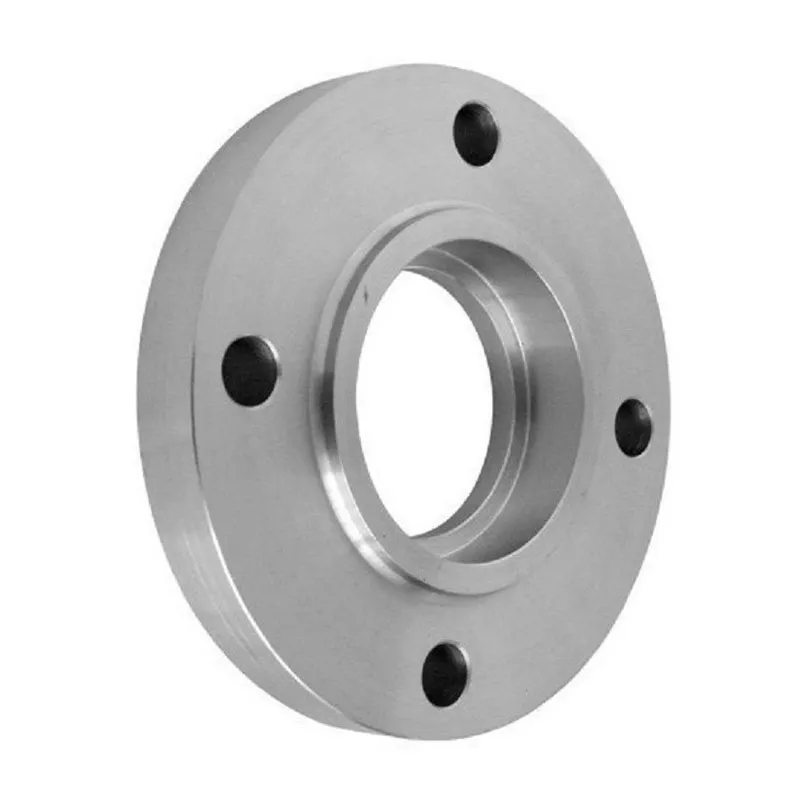 Socket Weld Flanges Class 300
 -
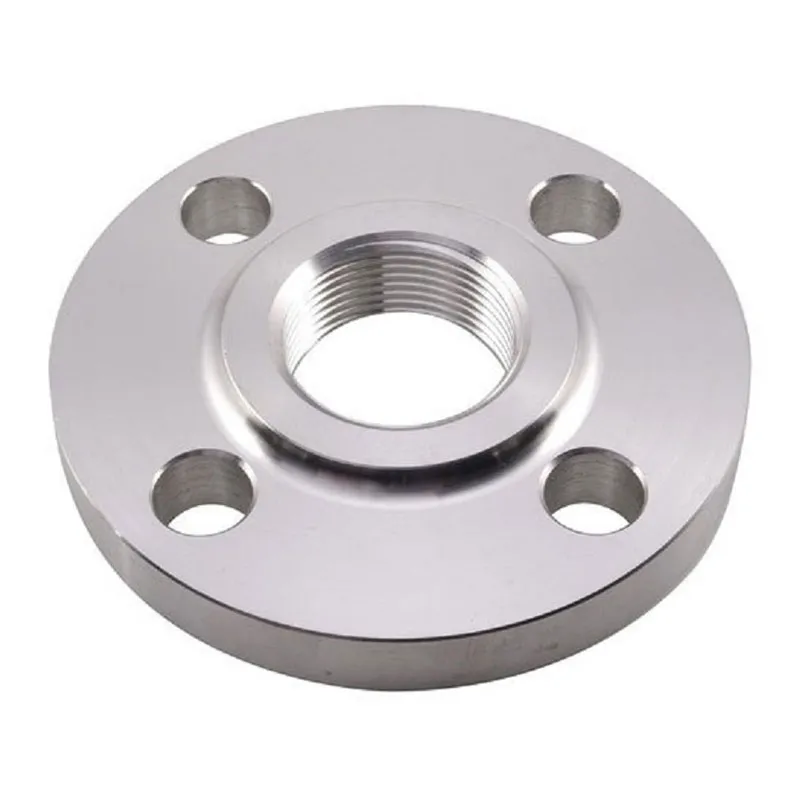 JIS 10K Overlay flanges
 -
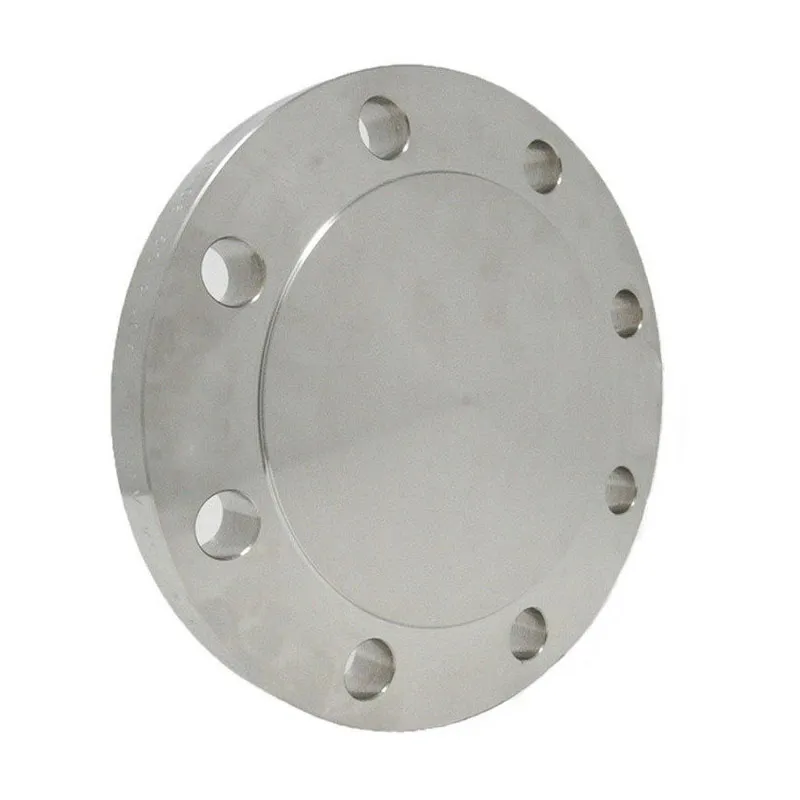 Blind flanges Class 150
 -
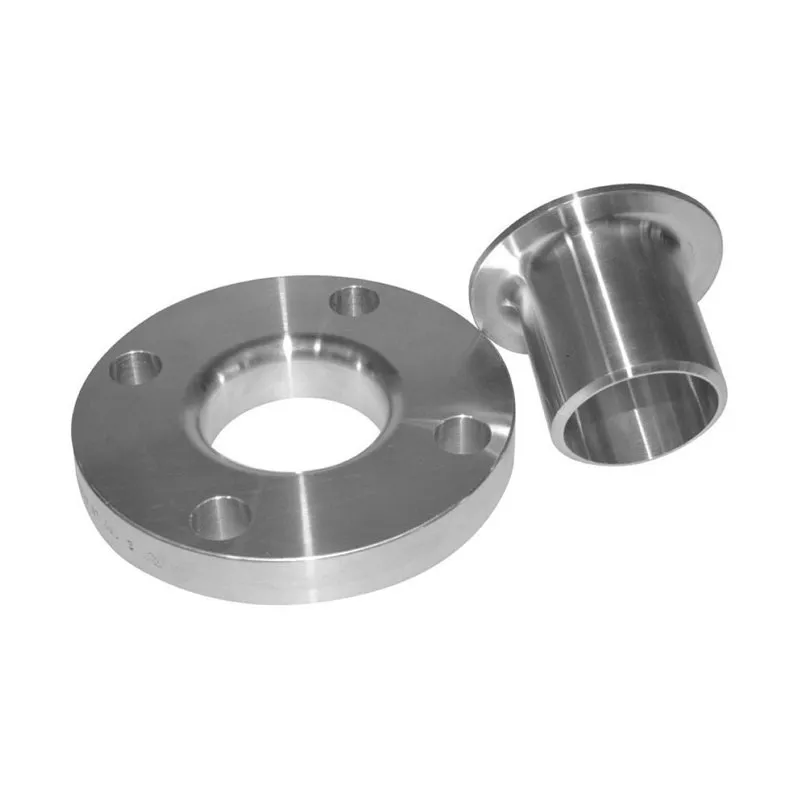 Free ring flanges Class 150