
-
-
Phone
+86-13623462298



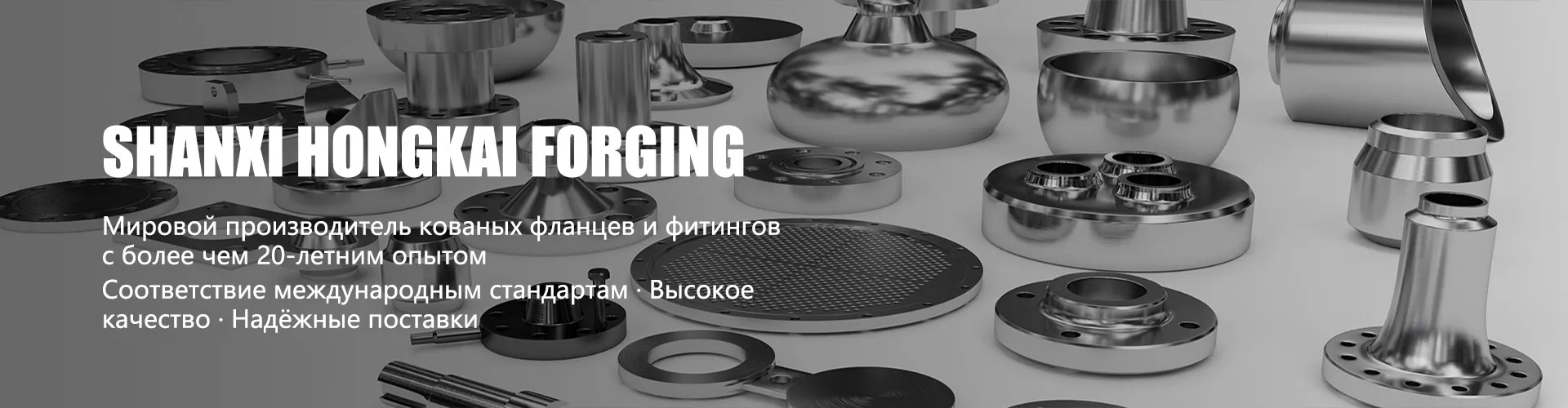
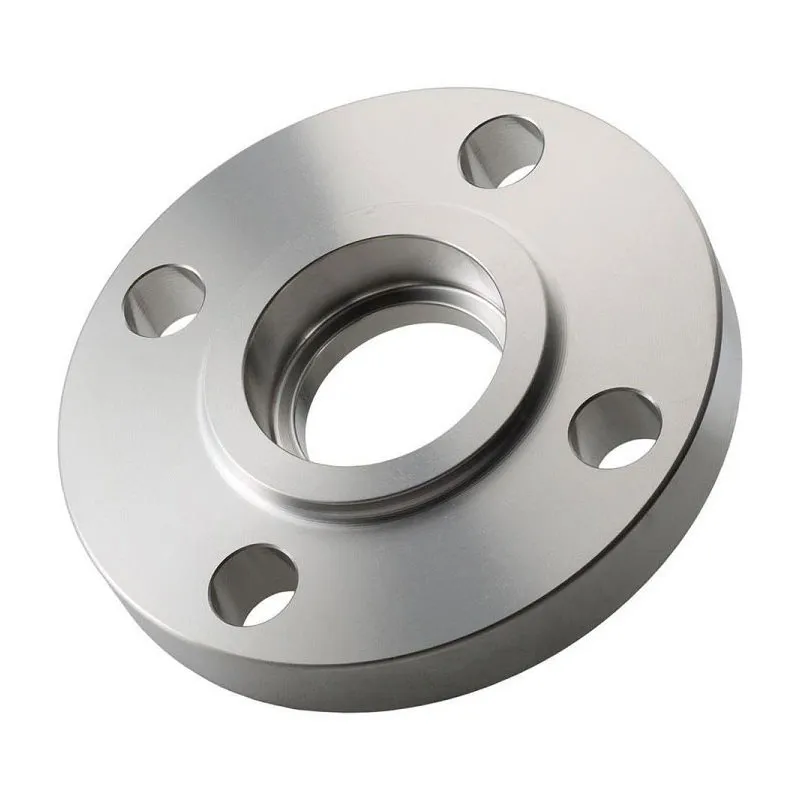
flanges dn50 pn16
When they talk about dn50 pn16 flanges, many people immediately think - well, it’s a standard thing, what’s so complicated about it. But in practice, it is with such seemingly simple positions that nuances most often arise that cannot be taken into account in the project. I myself have encountered situations where everything is clear according to the specification, but at the site, when joining, questions arise regarding the material of the gaskets or the tightening torque - especially if the pipeline transmits a non-standard medium.
Basic parameters and standards: not just numbers
Let's take specifically DN50 PN16. The nominal diameter is 50 mm, the nominal pressure is 16 bar. It would seem that everything is clear. But here’s the point: PN16 is according to the European classification, and we often work with GOST (formerly GOST 12820-80) or ASME B16.5. And here discrepancies in size already begin, especially in the thickness and diameter of the bolt circle. For example, according to GOST for a dn50 pn16 flange the thickness will be the same, according to EN 1092-1 it may be slightly different. It is important not to confuse, otherwise during assembly we will get a discrepancy literally by millimeters, and this is already a potential leak.
Material is a different story. For water or steam, steel 20 or 09G2S is often used, and for aggressive environments - already 12Х18Н10Т or even AISI 316. I remember a case at one chemical enterprise where they ordered flanges made of ordinary carbon steel for a conditionally neutral environment, but during operation the temperature rose above the design one, and microcracks appeared in the weld area. I had to urgently change to alloyed ones with a higher chromium content. This is to the question that only pressure and diameter are not enough - you need to look at the entire technical process.
As for manufacturers, it is important to pay attention not only to certificates, but also to manufacturing technology. For example,Shanxi Hongkai Forging Co.,Ltd(website -https://www.hkflange.ru) specializes in forged flanges, which is preferable to cast ones for critical pipelines. Forging gives a more uniform metal structure and less internal stress. Their assortment includes items for GOST, ASME, EN standards, which is convenient when the project is multi-standard. I ordered a batch of dn50 pn16 flanges from them according to EN 1092-1 Type 11 - they arrived exactly according to the drawing, with a full package of documents, including ultrasonic testing.
Installation and common mistakes: from personal experience
With the installation of flange connections DN50 PN16, it would seem that everything is simple: bolt it together and you’re done. But no. The first is surface preparation. They need to be cleaned of scale, rust, and ensure that there are no burrs. I saw how installers neglected this and placed the gasket on an uncleaned end - as a result, during hydrotests, it started leaking along the entire perimeter. I had to disassemble, clean, waste time.
The second point is the tightening. For dn50 pn16 flanges, 4 M16 bolts are usually used. You need to tighten it crosswise, gradually, with a torque wrench. A common mistake is to tighten it in a circle, which leads to misalignment and uneven pressure on the gasket. I usually recommend doing three passes: first hand tightening, then 50% of the torque, then 100%. The tightening torque depends on the class of bolts and the type of gasket - for spiral wound gaskets it is one, for paronite gaskets it is different. If you don’t have a torque wrench, you can use the “angle tightening” method, but this requires experience.
Gaskets are a separate matter. For PN16, PON paronite, fluoroplastic or metal spiral wound are often used. Here it is important to take into account the environment: for steam - paronite, for acids - fluoroplastic. Once we put a fluoroplastic gasket on a pipeline with a high temperature (above 150°C) - it simply lost its elasticity and began to leak. I had to change it to graphite. So you should always check the temperature-pressure chart for the selected type of gasket.
Non-standard situations and adaptation
It happens that the design includes a dn50 pn16 flange, but on site it turns out that it needs to be mated to equipment that has a different connection - for example, with a threaded fitting. In such cases, adapter flanges or combined connections are used. At the sameShanxi Hongkai Forging Co.,LtdThe range includes threaded flanges that can solve the problem. But it is important to remember that the threaded connection for a pressure of 16 bar must be of high quality, with sealing paste or tape.
Another point is corrosion. If the pipeline is external, then even for dn50 pn16 flanges made of carbon steel it is necessary to provide a protective coating - galvanizing or painting. At one of the facilities in the coastal zone, this was neglected, and six months later rust appeared on the bolted connections, which complicated subsequent disassembly for inspection. Nowadays, flanges with a factory-applied coating are increasingly being ordered - this is more reliable.
As for quality control, for critical lines I always insist on conducting not only a visual inspection, but also checking the hardness of the material, and for welded flanges - radiographic inspection of the weld. This is especially true for flanges operating under cyclic loads (vibration, temperature changes). I remember that on a heating main, one dn50 pn16 flange cracked precisely along the weld seam after several years of operation - the defect was internal, not visible from the outside. After this incident I always require a full package of tests.
Supplier selection and logistics
When ordering flanges, even such standard ones as dn50 pn16, it is important to understand who the manufacturer is. Large companies like the one mentionedShanxi Hongkai Forging Co.,Ltd, usually have stable quality because they work on CNC equipment and have multi-stage control. Their websitehttps://www.hkflange.ruIt’s useful to study - there are technical catalogs, drawings, you can check the availability of exactly the required standard. By the way, they also make non-standard products according to drawings, which can be a lifesaver when you need to replace an outdated unit.
Logistics is another practical aspect. Flanges dn50 pn16 are not heavy products, but bulky, especially if the order is large. It is necessary to correctly calculate the packaging to avoid damage during transportation. It is better when the supplier uses individual packaging for each flange (wooden boxes or thick cardboard with spacers), rather than lumping everything into one box. This way there is less risk of getting a product with damaged bolt holes.
Price is a factor, but not a determining one. Cheap flanges are often made from substandard workpieces with deviations in geometry. Savings of 10-15% can result in downtime at the site and costs for rework. I usually compare offers from several trusted suppliers, look at the availability of certificates, production times and warranty conditions. It often turns out that it is a little more expensive, but it comes with documents and confidence in quality.
Final Thoughts and Trends
As a result, dn50 pn16 flanges are not just a piece of hardware with holes. This is a design connection on which the tightness and safety of the entire system depends. It is important to consider everything: from the standard and material to the nuances of installation and operating conditions. Experience shows that there are no trifles here - every millimeter, every Newton meter of tightening torque matters.
More and more projects now require flanges with additional treatments, such as antistatic coatings for oil and gas applications or improved surface finishes for the food processing industry. Manufacturers who can respond flexibly to such requests are the ones who win. The ability to make not only according to GOST or EN, but also to the specific conditions of the customer is an indicator of the level.
For me personally, the key criteria remain: geometry accuracy (I check with calipers and templates), surface quality (absence of cavities, burrs), completeness of documentation. And, of course, the reputation of the supplier. When you know that the flanges are made on a modern forging press and have undergone heat treatment and ultrasonic testing, you sleep more peacefully. Even for such seemingly simple things as dn50 pn16.
Correspondingproducts
Related Products
Best Sellingproducts
Best Selling Products-
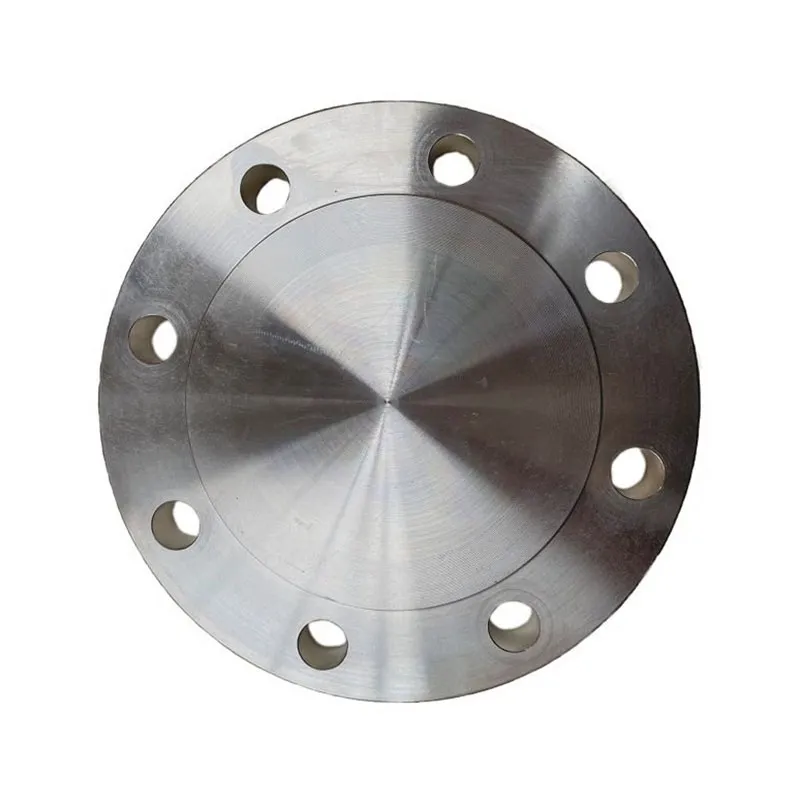 UNI 6092 Blind flanges PN10
 -
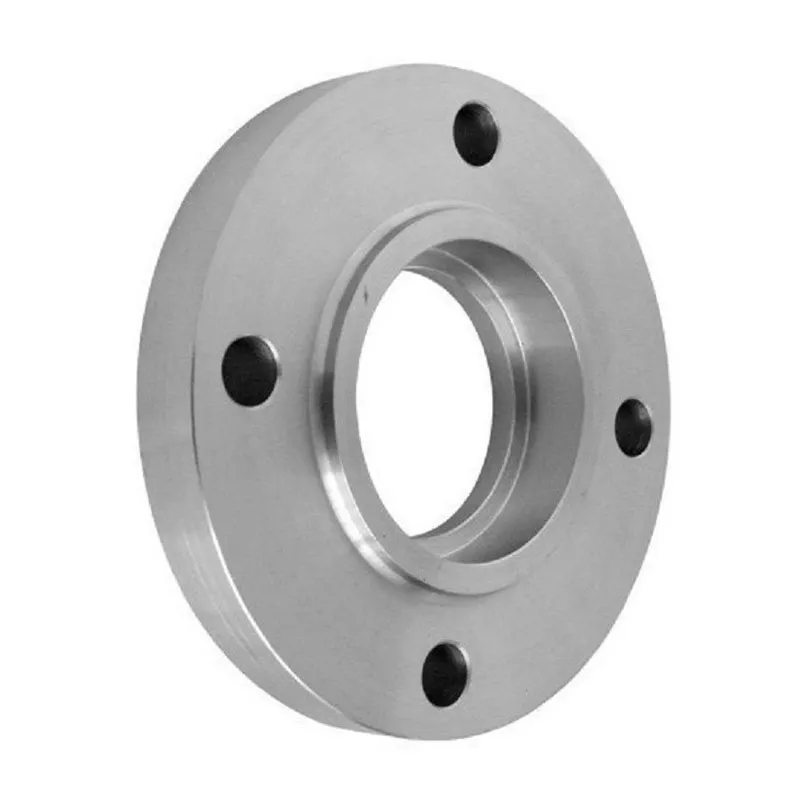 Socket Weld Flanges Class 300
 -
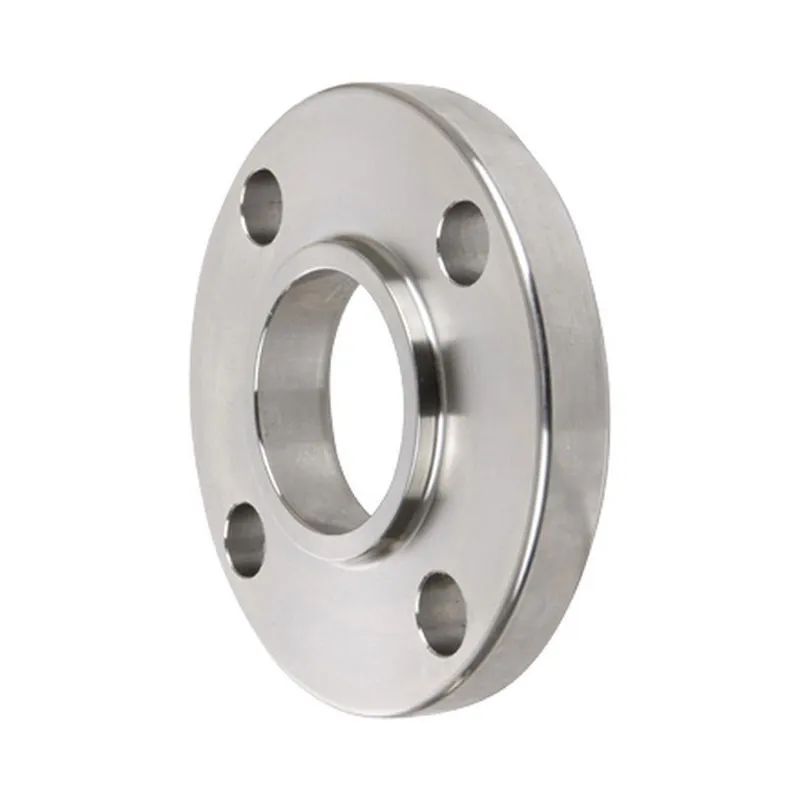 DIN 2501 Overlay flanges PN16
 -
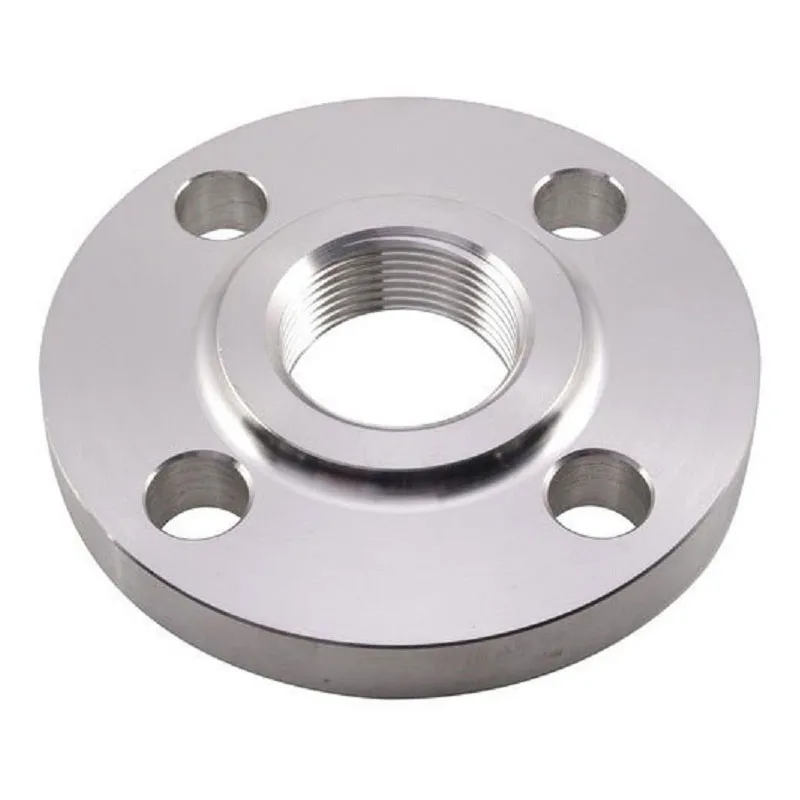 EN 1092-1 Threaded flanges Type 15, PN16
 -
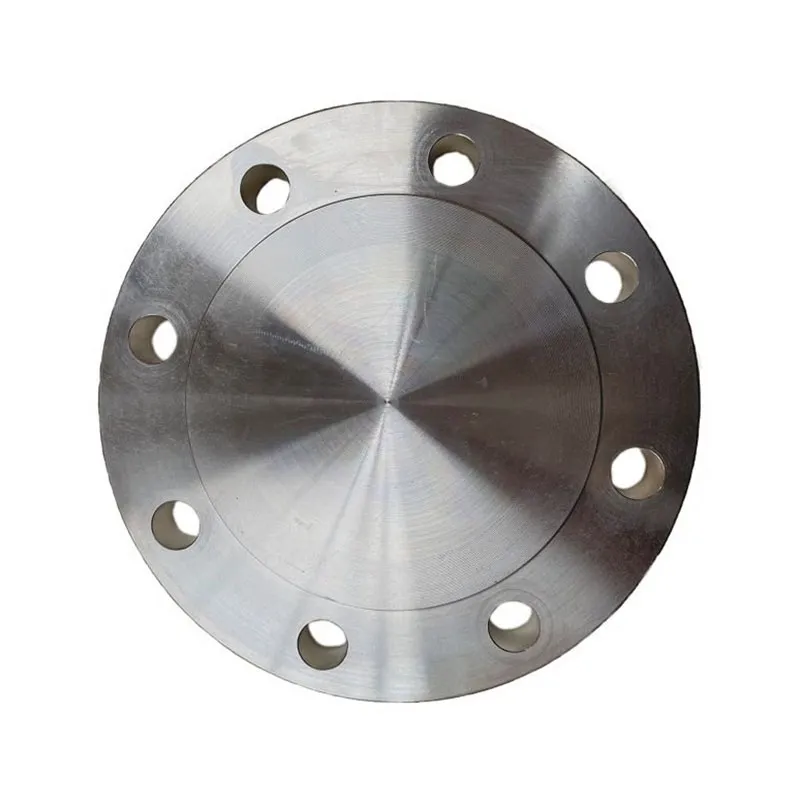 ASME B16.47 Ser.A Blind Flanges Class 400
 -
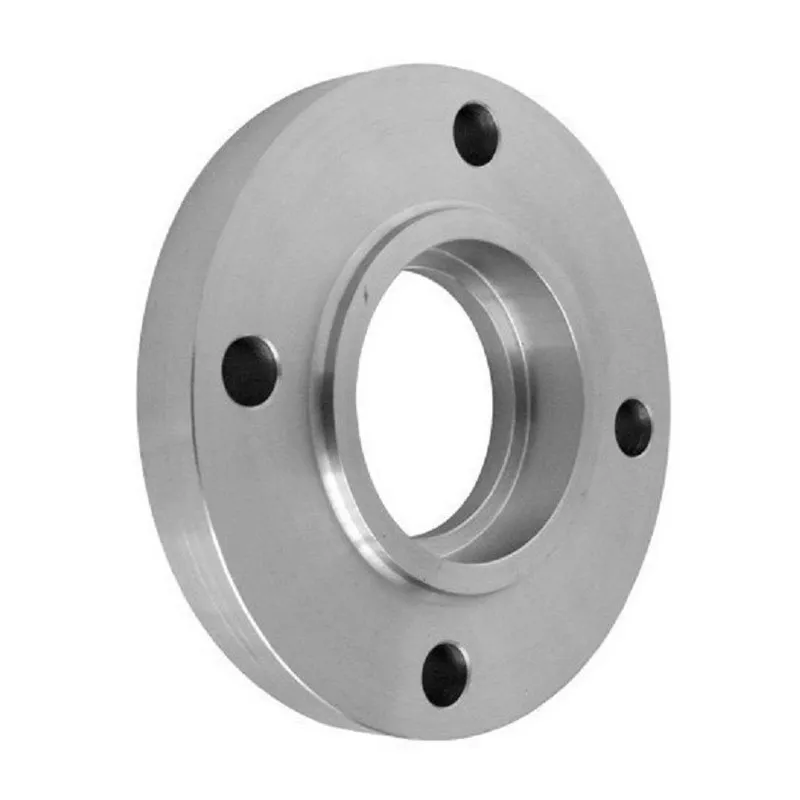 JIS 5K Socket Weld Flanges
 -
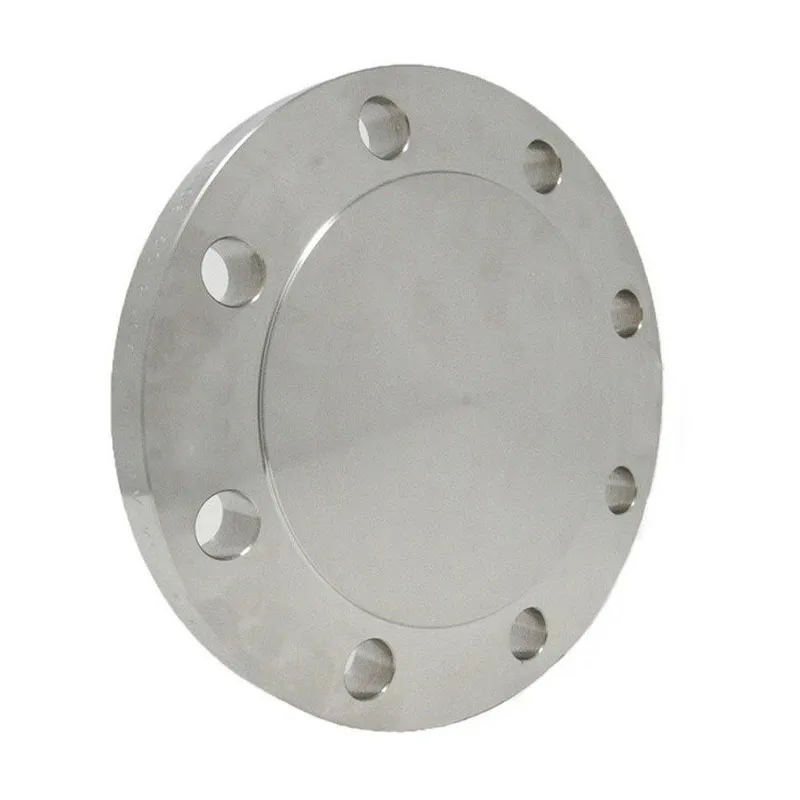 EN 1092-1 Blind flanges Type 05, PN10
 -
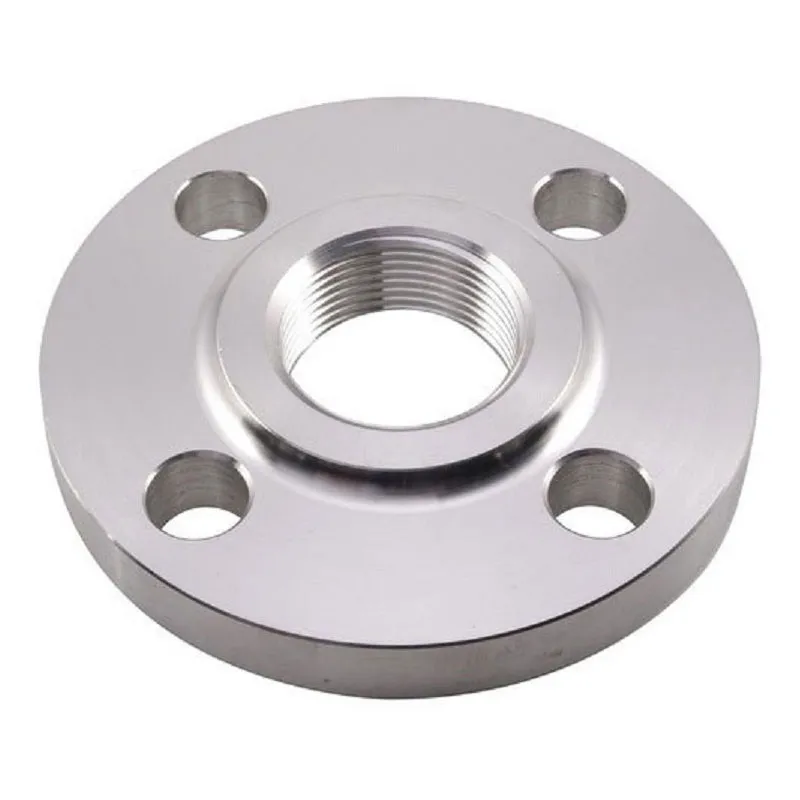 DIN 2565 Threaded flanges PN6
 -
 JIS 10K Overlay flanges
 -
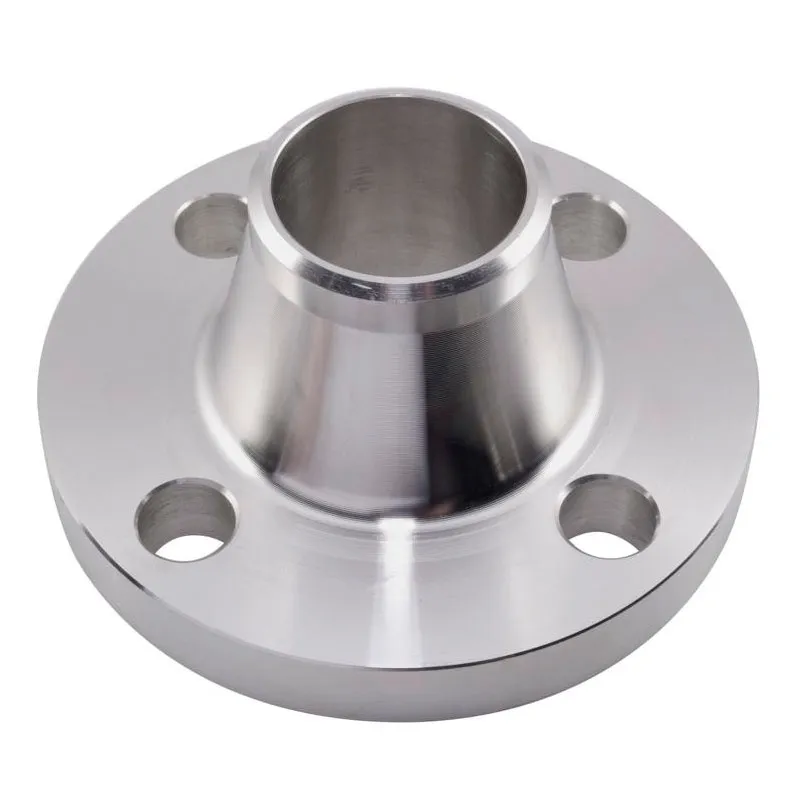 Butt weld flanges Class 900
 -
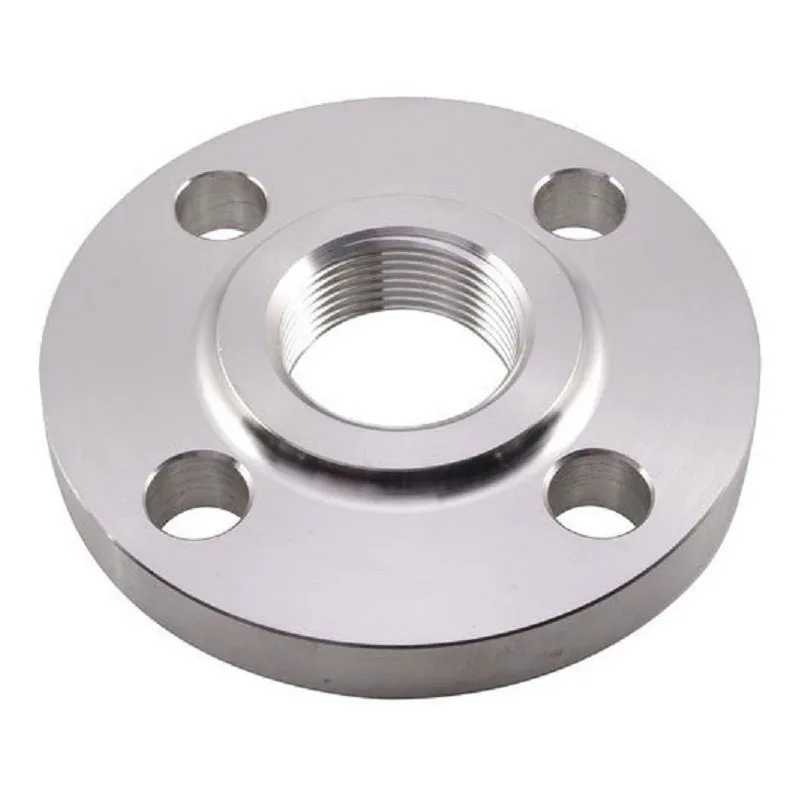 ANSI B16.5 Threaded Flanges Class 600
 -
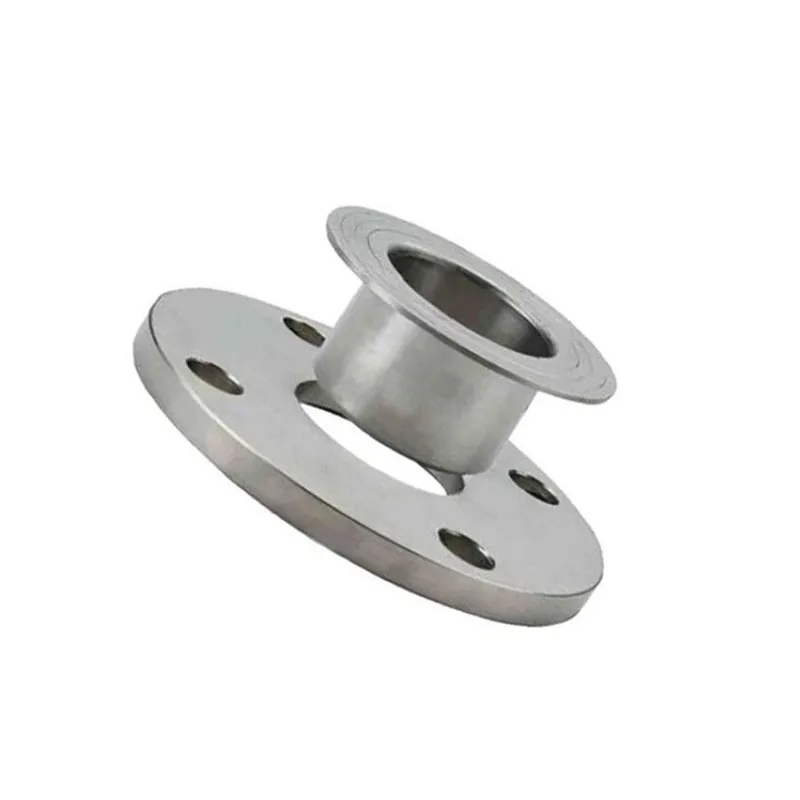 Free ring flanges Class 400