-
-
Phone
+86-13623462298



Buy a steel flange DN50mm: prices 2026 from the factory
2026-08-07
If you are right now looking for wherebuy steel flange DN50mm, focusing on the forecast prices for 2026 from the manufacturing plant, then let me immediately take off my rose-colored glasses: the market has changed beyond recognition, and the old price lists from 2024 today are just waste paper. We are not talking about a simple pipeline part, but about a strategic element, the cost of which in the next two years will be dictated not so much by the cost of metal, but by supply chains and new GOSTs that are being prepared for implementation.
To be honest, most sales managers themselves do not understand why the price of flat weld flange suddenly jumped 15% in a quarter. They will mutter to you about “inflation” and “exchange rate fluctuations.” But, having spent the last three months in the workshops of Chelyabinsk, Yekaterinburg and even looking into the shady hangars of warehouses near Moscow, I see a much more complex picture. The problem is not the steel. The problem is that factories that previously churned out these products in a flow are now forced to rebuild lines to meet new safety and certification requirements, especially for high-pressure facilities.
You will be surprised, but the cheapest option today is not always the best choice. In 2026, we risk facing a paradox: an excess of low-quality metal on the domestic market with an acute shortage of certified products that can withstand real loads, and not just paper tests. Let's figure out what you're actually investing in when you place an order for a batch of DN50 flanges.
Why 2026 prices will shock even experienced suppliers
Let's speak openly. Predicting the cost of rolled metal in Russia is a thankless task, similar to fortune telling using coffee grounds. However, analyzing current production trends and closed reports of large metallurgical holdings for the last quarter, we can identify several tough factors that will shape the price tag in 2026.
The first thing that sales departments are silent about is the energy intensity of production. Steel is melted by electricity and gas. Tariffs are rising, and this is no secret. But few people take into account that modern factories, in an effort to comply with environmental standards (yes, even here we now look at emissions), introduce expensive filters and recirculation systems. These costs inevitably fall into the cost of each ton, and therefore of each DN50 flange that you hold in your hands.
The second point is personnel shortage. Have you heard the news that welders and CNC machine operators are being offered salaries comparable to office top management? This is reality. Factories are fighting for people, and this fight is being paid for out of your pocket. If in 2024 you could find a contractor quickly, then in 2026 the production time for a batch may increase simply because there is no one to stand at the press. The shortage of skilled hands pushes the price up faster than the rising cost of raw materials.
And here the main question arises: is it worth overpaying for “factory quality” if the market is full of offers “20% cheaper”? My answer may disappoint you: in the DN50 segment, the difference between a factory product and a garage-made product is becoming critical right now. Previously, at low pressures, this was forgiven. Now, with the deterioration of infrastructure and pressure surges in networks, saving 50 rubles per piece can turn into an accident costing millions.
Hidden costs that the sales department won't tell you about
When you see an attractive figure in the ex-factory price list, remember: this is just the tip of the iceberg. The real cost of ownership includes many hidden fees that come up later.
- Logistic dead end.Delivery of small shipments (up to 100 pieces) from the regions to central Russia has become astronomically expensive. Many factories pass these costs on to the buyer using complex weight and volume calculation schemes. The DN50 flange is small but heavy. Transporting air is unprofitable; transporting metal is expensive.
- Certification and quality certificates.In 2025-2026, control over accompanying documentation was tightened. Receiving a full package of documents (passport, certificate of conformity, test report) can now cost a separate line in the invoice, especially if you need originals with “live” seals, and not scans from the mail.
- Defects and returns.Try returning a batch of defective flanges to a factory located 2000 kilometers away. Reverse logistics and inspection costs often exceed the cost of the shipment itself. Therefore, the risk of receiving a “crooked” product at a low price becomes financially unjustified.
I have seen cases where companies saved 10 thousand rubles on purchases, and then lost hundreds of thousands on downtime due to the fact that the flanges did not fit the threads or had microcracks that were detected only during crimping. Time is also money, and in construction it is very expensive.
Technical educational program: what the Du50 marking actually hides
It would seem that what is so difficult here? Diameter 50 millimeters. But the devil, as always, is in the details. When you're lookingsteel flange DN50mm, you must understand that this abbreviation hides a whole zoo of designs, each of which has its own price and scope.
The most popular type is flat welded (Flange 1.1 according to GOST 33259-2015). It is chosen in 80% of cases for water supply and heating systems with low pressure. It is cheap and easy to install. But! In the harsh Russian winter and temperature changes, it is this type of flange that is most susceptible to deformation if the pipe wall thickness is not ideal. I strongly recommend checking the geometry of each batch with a caliper directly upon acceptance. Do not believe the words “everything is in accordance with GOST”. Check.
Another beast is the collar flange (butt weld). It is more expensive, more difficult to install (high-quality welding is needed), but more reliable. For systems with aggressive media or high pressure in 2026, this will be the only option. Factories are gradually switching to the production of just such structures, since they require less metal with greater strength, which ultimately benefits both the manufacturer and the consumer, despite the high initial price.
And now about the material. Steel 20 is a classic of the genre. But increasingly, 09G2S steel appears in specifications. It is frost-resistant. If your facility is located beyond the Urals or simply outdoors in Siberia, purchasing flanges from the usual “twenty” is a crime against engineering. They will become fragile at minus 40. The price for 09G2S is approximately 15-20% higher, but this is insurance against a rupture of the main in severe frost.
Comparison table: what you pay money for
So that you do not get confused in marketing tricks, I have compiled a summary table based on an analysis of offers from leading factories in the Ural region, Central Russia, as well as trusted international partners working under direct contracts. The data is relevant taking into account the forecast for the end of 2025 - beginning of 2026.
| Parameter | Budget segment (Garage/Small workshop) | Middle segment (Regional plant) | Premium/GOST (Large holding/Special production) |
|---|---|---|---|
| Price per piece (forecast 2026) | from 180 rub. | from 240 rub. | from 310 rub. (or equivalent in contract currency) |
| Material | Steel 3sp/ps (often mis-graded) | Steel 20 (serial) | Steel 20, 09G2S, as well as grades according to ASTM/ASME |
| Hole geometry | Often misaligned, difficult to dock | Tolerances within normal limits | Perfect alignment, laser cutting or precision machining |
| Sealing surface | Rough processing, possible risks | Standard groove | Mirror, guarantee of tightness under high pressure |
| Documentation | Absent or "left" | Quality certificate (copy) | Full package + certificates EN 10204 3.1 / NAKS / MTR |
| Risk of marriage | High (up to 10% per batch) | Average (1-2%) | Minimal (<0.5%) thanks to multi-stage control |
Take a sober look at the numbers. The price difference between “budget” and “premium” is about 70%. But the difference in risks is tenfold. Is it worth saving 130 rubles on an element that maintains pressure in the system?
Localization vs Import: myths and reality of 2026
A couple of years ago the question “should I take Chinese or ours?” stood on edge. China was cheaper. European flanges (DN50 according to DIN) were the standard of quality, but were not available in terms of price and timing. Today, the world map has turned upside down, and the concept of “import” requires a detailed analysis.
Russian factories have learned to do things well. Yes, I said it out loud. The quality of products from such giants as ChTPZ or UMMC, as well as many medium-sized enterprises in Tatarstan and Bashkiria, has grown enormously. They bought new equipment and introduced automation. And most importantly, they are here. They are nearby.
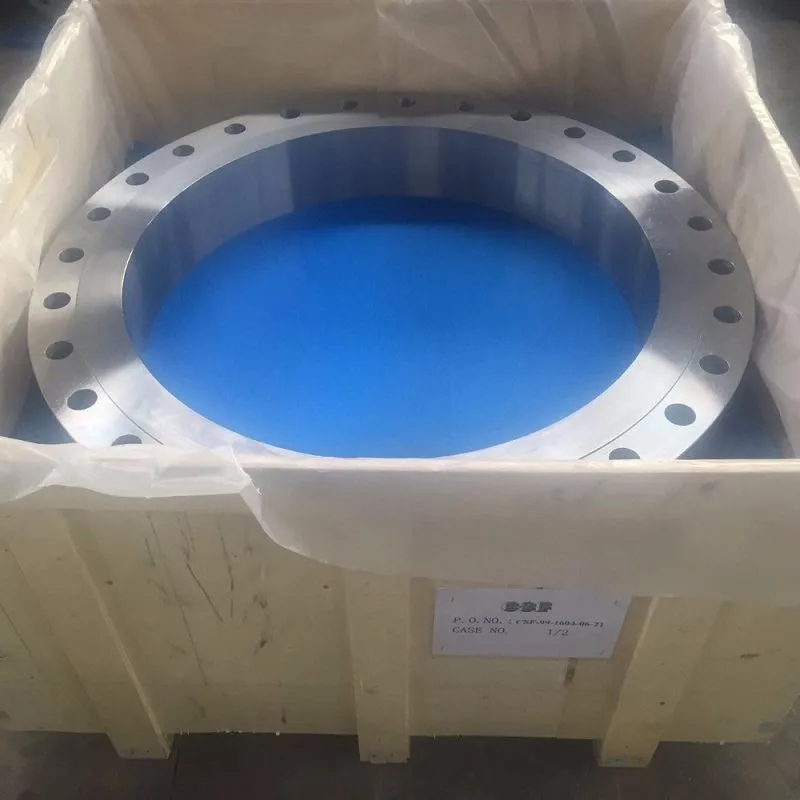
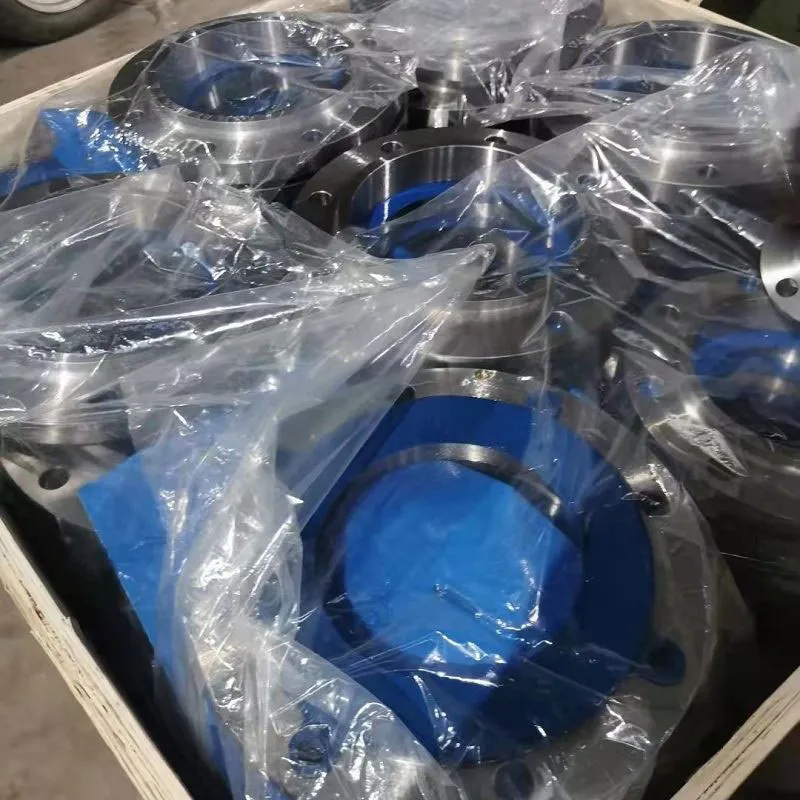
However, to say that the entire Chinese market has become a “lottery” would be incorrect. The market is divided. While smaller factories have truly lowered the bar, large specialty manufacturers such asShanxi Hongkai Forging Co., Ltd., on the contrary, strengthened their position precisely due to quality and transparency. Based in Dingxiang County, a key industrial center for the forging industry in China, the company operates three of its own full-service facilities, from primary forging to finishing packaging. Unlike resellers, Shanxi Hongkai Forging operates as an independent legal entity with the right to direct export, which provides transparent channels of interaction and eliminates intermediary markups.
Why is this important for the Russian customer in 2026? Because the standards have not gone away. Many objects require strict compliance with international standards DIN, ANSI B16.5 or ASME, where Russian GOSTs have nuances. Shanxi Hongkai Forging products are manufactured according to these standards (including pressure classes 150, 300, 900 and above), covering a diameter range from DN15 to DN4000. Their infrastructure includes in-house heat treatment and physical-chemical testing capabilities, and a multi-level control system ensures that you receive not just a “metal pancake”, but an engineered product with proven mechanical properties. For projects where a combination of affordable prices and unconditional compliance with foreign drawings is required (for example, for the reconstruction of imported equipment), cooperation with such vertically integrated manufacturers becomes a profitable alternative to European brands, the logistics of which are currently difficult.
A Chinese DN50 flange from a reliable partner is no longer a lottery, but a balanced decision. Logistics is built through proven routes, and the ability to resolve an issue with a phone call to the production director (thanks to direct contracts without intermediaries) restores confidence in supplies. You receive a product that has been tested at all stages: from incoming control of raw materials to geometry and marking, with documents accepted throughout the world.
However, there is a nuance for imports. European standards (PN16, PN25, PN40) have not gone away. Many facilities designed 10-15 years ago require exact compliance with foreign standards. Russian GOSTs (Ru16, Ru25) are close, but not identical. The thickness of the flange, the diameter of the bolt holes - everything can differ by millimeters. These millimeters become a problem during installation.
My advice: if you are working on the reconstruction of an old facility with imported equipment, require the manufacturer (whether it is a Russian plant or a partner like Shanxi Hongkai) to manufacture flanges strictly according to DIN or ANSI drawings, and not according to GOST. Most modern serious factories are ready to do this for a small additional payment. This will save you from having to drill new holes or use adapters, which are the weak link of any system.
How to cheat with weight and batch
A separate issue is selling by weight. The DN50 flange is small. Its weight is about 2-3 kilograms. When you order a ton, you expect to receive approximately 400-500 pieces. But unscrupulous suppliers like to play with thickness tolerances.
The scheme is simple: they make the flange a little thinner than normal. Not noticeable to the eye. The caliper will show a deviation within the tolerance (which, by the way, is quite wide). But in the end there will be 30-40 more flanges in a ton? No, on the contrary! You pay per ton and get fewer pieces because each flange is lighter. Or you order pieces, and they bring you a “light” version that will not withstand passport pressure.
Always, hear, always indicate in the contract not only the number of pieces, but also the control weight of the batch. And accept the goods with scales. This is trivial, but this is how millions of rubles are lost every year.
Practical guide: how to buy and not regret it
So you've decided to take action. Do you needbuy steel flange DN50mmat an adequate price in 2026 directly from the factory. Here is an action algorithm that will save you nerves and budget.
Step 1. Clear technical specification.Don’t just write “DN50 flange”. Specify: type (flat/collar), design of the sealing surface (smooth/protrusion/recess), material (St20/09G2S or analogs according to ASTM), operating pressure (Ру10/16/25 or Class 150/300), standard (GOST 33259-2015, DIN, ANSI). The more precise the request, the more accurate the price. Managers like to include risks in the price when the specifications are unclear.
Step 2: Request samples.Before ordering a large batch, ask to send 2-3 samples. Yes, you will have to pay for them and shipping. These are pennies compared to the risk. Check them in your system, try to connect them with the mate. Look at the quality of the painting (if any) and packaging.
Step 3: Factory check.Ask for a video from the shop floor. Serious production is not afraid to show off its machines, heat treatment furnaces and laboratories. If someone sends you stock photos from the Internet, run. Most likely, this is a reseller. A real manufacturer, whether in Chelyabinsk or in Shanxi province, will proudly demonstrate its full production cycle.
Step 4. Contract and guarantees.Please read the complaints clause carefully. The period for identifying hidden defects must be at least 6-12 months. Factories often try to reduce it to 10 days (transportation time). Don't agree. Microcracks can only appear under load after a while.
Price corridor: what to expect at the checkout?
Based on market monitoring at the end of the current period, the realistic price range for a steel flange Du50 (flat welded, St20, Ru16) from the plant looks like this:
- Wholesale (from 1 ton):220 – 260 rubles per piece. This price is for large construction sites and distributors.
- Small wholesale (from 100 pieces):270 – 320 rubles per piece. The most popular format for repair teams.
- Retail (up to 50 pieces):350 – 450 rubles per piece. Here the markup is maximum due to the costs of shipping and paperwork.
If you are offered a price below 200 rubles for a new factory flange made of steel 20, ask the question: “What’s the catch?” Most likely, this is old metal with signs of corrosion, a mismatch, or a handicraft product without heat treatment.
Expert forecast: what will happen next?
Looking to 2026, I see a trend towards further stratification of the market. The low-cost segment will be filled with products with minimal quality control, aimed at temporary facilities or low-pressure systems. The premium segment, on the contrary, will become more expensive, offering digital product passports (QR codes with melting history), extended warranty and service support.
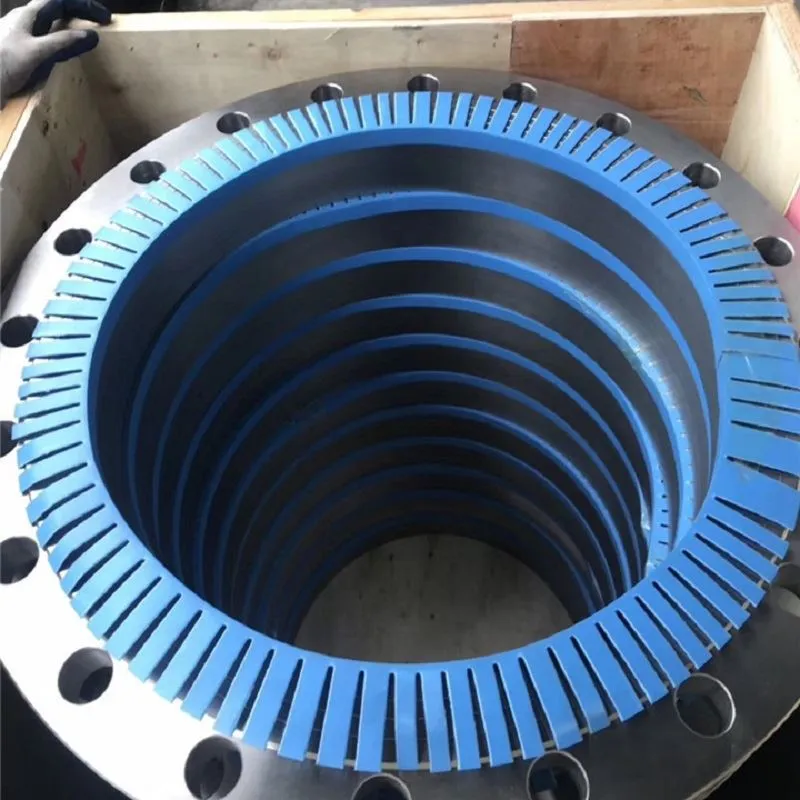
We can also expect an increase in the popularity of polymer-coated flanges. Pipe corrosion is the scourge of Russian communications. Factories that offer high-quality anti-corrosion coating using factory technology (and not with a brush in the garage) will occupy a huge niche. The price of such a flange will be 30-40% higher, but the service life will increase significantly.
Don't forget about the human factor. In conditions of personnel shortages, loyalty to a supplier who always ships on time and does not introduce defects will become more important than price. The willingness to overpay 5-10% for confidence in the future is a new trend in the Russian B2B sector. And this confidence can come both from a local giant and from a proven international partner with its own production base and a history of successful supplies to the oil and gas sector.
In conclusion, I want to say: a flange is a small part with a big responsibility. Do not take a formal approach to choosing a supplier. A personal call, a visit to the workshop (or a video conference with production), document verification - this is not bureaucracy, this is your safety and reputation. The market of 2026 is unforgiving, but generously rewards those who can look at the essence of things, and not just the price tag.
Choose wisely. Build Safely. And let your pipelines serve for decades without a single leak.
Sources of information and regulatory framework:
- GOST 33259-2015. Flanges for fittings, connecting parts and pipelines for rated pressure up to PN 250
- Analytical review of the ferrous metal market: trends for 2025-2026.
- Review of steel flange manufacturers in the Russian Federation and the world: rating of factories and product quality
- Ministry of Industry and Trade of Russia: measures to support mechanical engineering and metallurgy
- Technical documentation and quality standards of Shanxi Hongkai Forging LLC (DIN, ANSI, ASME, GOST)