-
-
Phone
+86-13623462298



Welding ring for a loose flange: prices 2026 – Factory
2026-08-07
- Why prices for welded rings in 2026 will shock even experienced suppliers
- Technical trap: why geometry is more important than steel grade
- Comparative analysis: Factory GOST versus specifications and imports
- Where to look and how to buy: a practical guide for 2026
- Hidden threats: what sellers are silent about
- Future of the market: forecast until 2027
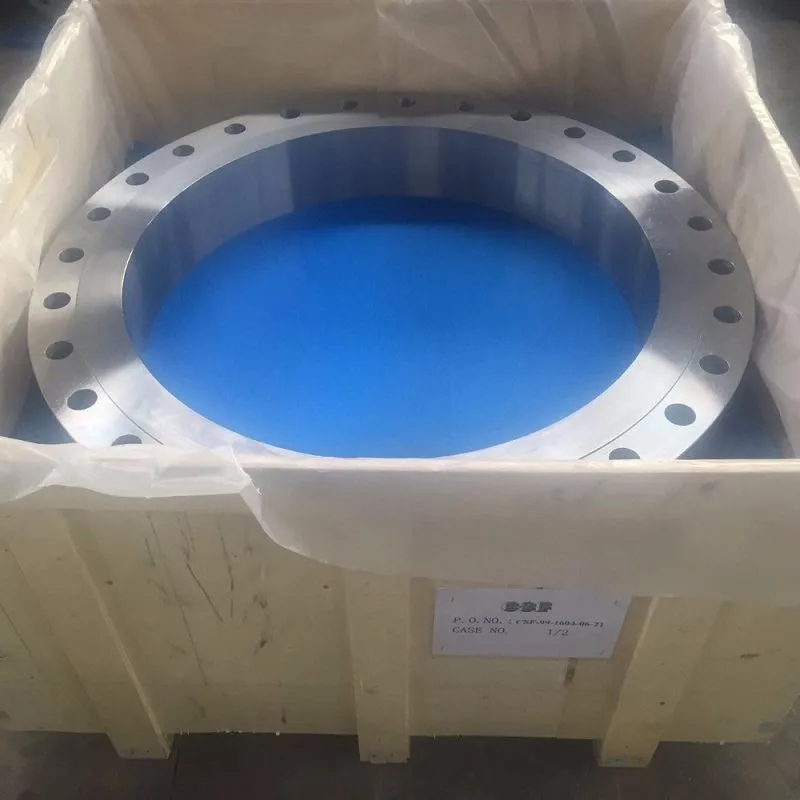
If you are looking for relevant ones right nowprices for a welded ring for a loose flange in 2026, then, most likely, you have already encountered the fact that the price lists of factories look like encryption for the initiated. The market has changed. What worked in 2024 may cost one and a half times more today or, conversely, turn out to be a useless piece of metal that will not pass Rostechnadzor’s acceptance. We have sifted through dozens of specifications, talked with the chief technologists of pipeline systems from the Urals to the Far East, and are ready to tell you what sales managers are silent about: chasing the lowest figure in the estimate now is a direct path to an emergency shutdown of production in six months.
Why now? Because 2026 became a turning point for Russian industry. Imported analogues, which previously saved the situation, either disappeared from warehouse shelves, or their price in rubles became astronomical due to supply chains through third countries. Factories producingwelding ring for loose flange, operate at maximum capacity, but the quality of raw materials varies. And here lies the main question: how not to buy a defect disguised as GOST?
Why prices for welded rings in 2026 will shock even experienced suppliers
Let's be honest. If you open any aggregator or factory website today, the numbers may be puzzling. A couple of years ago we got used to stability. Now the costwelding ring for loose flangedepends not only on the weight of the metal. This is a myth that needs to be dispelled immediately.
There are so many hidden factors included in the price that a regular metal calculator will simply go crazy. First of all, it's steel. Not just “steel”, but a specific grade that can withstand the aggressive environments faced by modern chemistry and oil and gas. Steel 20, steel 09G2S, stainless steel grades 12Х18Н10Т - the price range between them is enormous. But the fun begins next.
Factories are reviewing their pricing logic. Previously, there was a formula: the weight of the metal plus an extra charge for processing. In 2026, the coefficient of “urgency” and “certification” was added to the equation. You can find a cheap ring, but try to get a full package of documents for it to hand over the object to technical supervision. The price will increase instantly. Or, worse, they will sell you a product without a normal quality certificate, and then the savings will result in fines that will eat up the entire project budget.
I have personally seen estimates where the cost of one set (flange + ring) differed by three times from different suppliers in the same region. Why? One plant buys strips from local metallurgists, another brings blanks from China, the third uses the remains of Soviet reserves (yes, this still happens, but the risk of cracks there is huge). So when you see a suspiciously low price onwelding ring for loose flange, ask yourself one question: where is the catch here?
Logistics factor and “northern coefficient”
Don't forget that Russia is a huge country. Delivery of heavy metal from the central part to Siberia or the Far East can cost more than the product itself. Many people forget to include transportation costs in the final cost, and then wonder why the project doesn’t come together. In 2026, Russian Railways and motor transport tariffs continue to rise, and this directly impacts the final price for the customer.
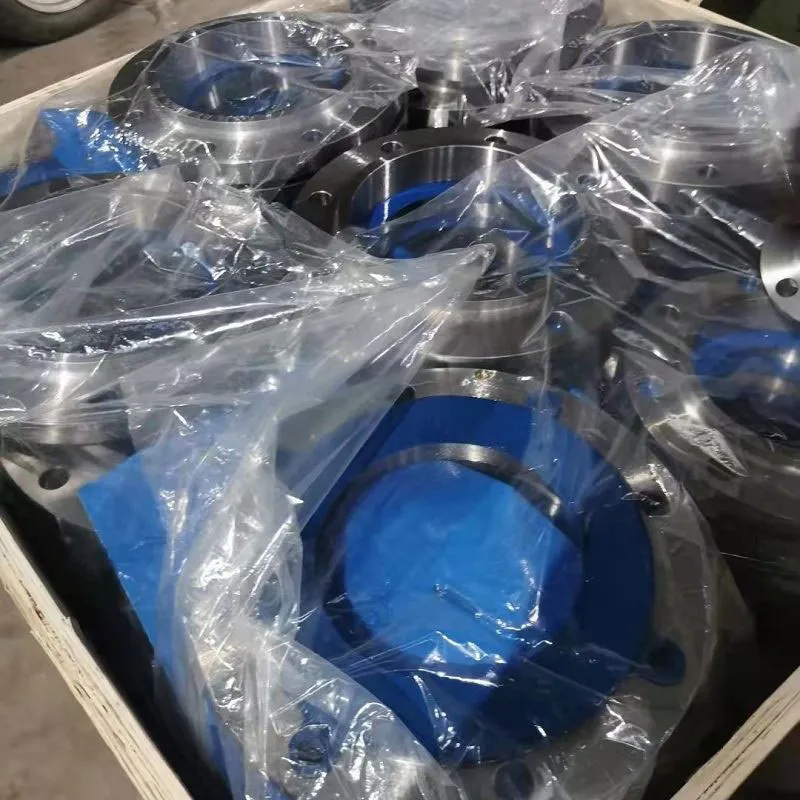
Moreover, there is a nuance with storage. Loose flanges with welded rings are often ordered in batches “for stock”. But if you store them incorrectly - for example, simply throw them in the open air in the humid climate of St. Petersburg or Vladivostok - the corrosion resistance will decrease even before installation. Some factories now include preservation and special packaging services in the price. It's a small thing, but it affects the check.
Technical trap: why geometry is more important than steel grade
Here we come to the most painful place. To a topic that most articles avoid, for fear of scaring off the reader with its complexity. We are talking about tolerances.
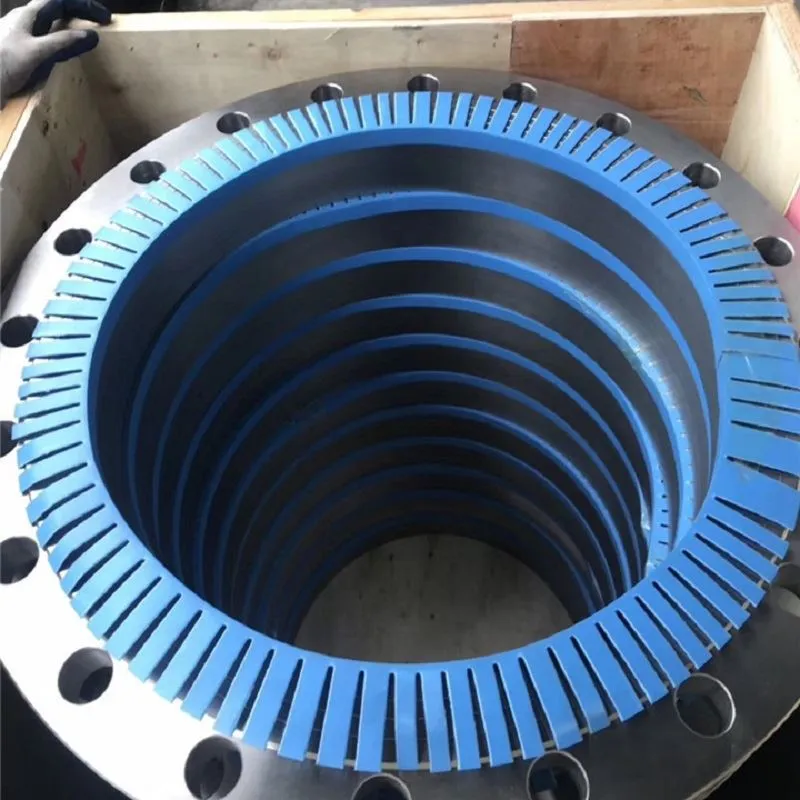
It would seem that what is so complicated about the ring? A piece of pipe cut at an angle. But no.Welding ring for loose flange- This is a high-precision element. Its outer diameter should fit perfectly into the throat of the free flange. If the gap is too large, the flange will wobble and the connection will lose its tightness due to vibration. If it’s too small, you simply won’t be able to put the flange on the pipe after welding the ring, especially if you take into account the thermal expansion of the metal during welding.
In 2026, many products from small workshops that operate on old equipment appeared on the market. They cut the rings with plasma or gas, and then lightly clean the edges. Result? Oval. Yes, ordinary ovality, which is not visible to the eye, but which becomes critical when assembling a high-pressure unit.
I strongly recommend requesting an incoming geometry inspection report from the supplier. This is especially true for large diameter rings (from DN 300 and above). There, an error of a few millimeters can lead to the bolts simply not aligning during installation. Imagine the situation: a team of installers is standing in the cold, the crane is holding a ton of pipe, and the flange does not fit on the ring. Downtime equipment costs money. Huge money.
Bevel angle problem
Another point at which many projects fall apart. The welding ring has a bevel for welding. Usually it is 30 or 45 degrees. But standards (GOST 9399-81 or DIN/ANSI) require a certain accuracy of this angle. If the corner is cut incorrectly, the welder will have to spend extra time preparing the edge, and in the worst case, the penetration will be incomplete.
Given the shortage of qualified welders (and this problem has not gone away in Russia), any additional operation at the site is a risk. It's better to pay the factory a little more for a perfectly machined edge than to hope for a miracle in the field.
Comparative analysis: Factory GOST versus specifications and imports
So that you do not get confused in terms, I have prepared a comparison table. It is based on real data on the markets of Moscow, Yekaterinburg and Novosibirsk for the first quarter of 2026. Please note the difference in guarantees and terms.
| Parameter | Large federal plant (GOST) | Small shop / Repurchase (TU) | Import (China/Türkiye via parallel import) |
|---|---|---|---|
| Price per kg | High (stable) | Low (may change daily) | Very high (depending on the course) |
| True to size | Strict compliance with GOST 9399-81 | Frequent deviations (+/- 2-3 mm) | ANSI/DIN compliant, may not fit Russian flanges |
| Documentation | Full package (passport, certificate, ultrasonic testing protocol) | Often only a certificate of quality | Certificates of origin, translations (risk of errors) |
| Delivery time | From 2 to 4 weeks (on order) | “In stock” (often stale goods) | From 1 to 3 months (logistics) |
| Risk of marriage | Minimal (< 1%) | High (up to 15% per batch) | Medium (problems with returns) |
| Warranty | Official factory warranty 12-24 months. | Formal or absent | Complicated complaint procedure |
As you can see, saving at the stage of purchasing from “gray” suppliers or choosing cheap imports can result in a headache at the stage of installation and operation. For critical facilities (oil and gas, energy), the choice is obvious: only large plants with a full control cycle.
Where to look and how to buy: a practical guide for 2026
Let's say you have decided on the technical requirements. Where can I get it? The Internet is full of offers. But let's turn on critical thinking.
First rule: ignore one-page sites with beautiful pictures and a “Buy in one click” button.Welding ring for loose flange- This is not a phone case. This is a critical part of the pipeline. You need the manufacturer’s website, which contains the real addresses of workshops, machine numbers and, most importantly, contacts of the technical control department (QC).
Second rule: call. Do not write applications by email and do not wait three days for a response. Call a process engineer. Ask awkward questions:
- What melt will my ring be made from?
- Do you carry out ultrasonic testing (UT) of each batch?
- Can you provide a sample for chemical analysis?
- What is the real shipping time if I need it tomorrow?
By the way they answer you, you will immediately understand the level of the company. If a manager starts floating around in terms or promises “mountains of gold” without specifying details, run. In 2026, the market is left with professionals who value their reputation, and temporary workers who want to make quick money and disappear.
However, the search for a reliable partner is not limited only to Russian sites. In the context of globalization of supply chains, it is important to consider trusted international manufacturers who can provide a full cycle of quality control. A striking example of this approach isShanxi Hongkai Forging Co., Ltd.is a professional manufacturer of forged flanges and forgings based in Dingxiang County (Shanxi Province, China), one of the key industrial centers of the forging industry in China. This company operates as an independent legal entity with the right to carry out import and export operations, which provides direct and transparent channels of interaction with international partners, including Russian customers.
Unlike many resellers, Shanxi Hongkai Forging LLC operates three of its own production sites, covering the full production cycle - from primary forging to final packaging and multi-level quality control. Their core range includes all six types of forged flanges, including those critical to our topicflanges for free ringclasses 400 and 2500, as well as butt-welded and other modifications. The nominal diameter range covers DN15–DN4000, which allows you to meet the requirements of both compact technical solutions and large-scale industrial projects.
What is especially important in the context of the article: the company’s products are manufactured in strict accordance not only with international standards (ASME, EN, DIN, ANSI B16.5), but also according to specificationsGOST. The implemented quality control system guarantees the stability of technical characteristics, and the geographical location in Dingxiang County provides convenient transport accessibility and effective interaction with port areas, influencing the reliability and timeliness of deliveries to Russia and the CIS countries. By choosing such a partner, you get not just hardware, but an engineering solution with a proven history of deliveries to the oil, gas and energy sectors.
Price ranges: what to expect in rubles
It’s difficult to give specific numbers due to market volatility, but the estimated sure bets for mid-2026 are as follows:
For rings made of carbon steel (St20, 09G2S) with a diameter of up to DN 100, the price can start from 300-500 rubles per piece for wholesale purchases. But already at diameters DN 300-500 the bill runs into thousands of rubles per unit. Stainless steel rings (12Х18Н10Т) are 3-4 times more expensive due to the cost of nickel and chromium.
It is important to understand: the price is often indicated “excluding VAT” and “pickup”. Add 20% tax and shipping costs to your location. And only then will you get a real picture of the budget.
Hidden threats: what sellers are silent about
Now let’s move on to that very “anti-consensus” part, for which it is worth reading this article to the end. There is one problem that almost no one talks about out loud. This is a problem of compatibility between old and new standards.
In Russia, pipelines designed according to Soviet GOST standards of the 60-70s are still in operation. Modern factories are switching to new specifications or adapting production to international standards (even under sanctions). Sometimes it happens that something newwelding ring for loose flange, purchased in 2026, does not physically fit with the old flange, which lies in the company’s warehouse. Wall thickness, bore diameter, collar height - everything can differ by fractions of a millimeter, which is enough to break the seal.
My recommendation: Before bulk ordering, be sure to take one sample and try to assemble a test connection with your flange. Right on the shop floor. To the cold. This will save you weeks of downtime. I know of a case at one of the refineries in the Volga region, where a batch of 200 rings had to be sent back for regrinding because they did not fit into the existing PN-6 flanges. The loss of time was three weeks. And in pipeline repair, three weeks is an eternity.
You should also be wary of “reclaimed” metal. Some unscrupulous manufacturers use scrap for melting. Visually, the ring may look great, but its structure will be heterogeneous. When welding, such a ring may lead, or microcracks may appear in the heat-affected zone. Require certificates for the original rolled metal (pipe or sheet) from which the ring is made. It's your right.
Future of the market: forecast until 2027
What lies ahead? Prices forwelding rings for loose flangeunlikely to fall. The Russian metallurgical industry is faced with rising energy and equipment costs. Replacing Western machines with Chinese or domestic analogues requires time and money, which is inevitably included in the cost of production.
However, I see a positive trend in quality. Russian factories, left without competition from European brands like Biffi or Bonomi, were forced to raise the level of their production. Competition has shifted inland and to the market of reliable Asian partners. Now the struggle is not for the availability of goods on the shelf, but for manufacturability and service. Those who can offer not just hardware, but engineering support for the project, will occupy the market.
We should also expect an increase in the popularity of online configurators. Already, some leading factories allow you to calculate the cost of a ring by downloading a drawing or selecting parameters in the browser. This speeds up the approval process significantly. If your supplier still asks you to send an application in Excel and waits a week for payment, think about changing your partner.
Final checklist before payment
Before you sign an agreement and transfer money, check yourself against this list. It’s trivial, but it’s at these points that the biggest deals fall through:
- Has the counterparty been checked in the register of unscrupulous suppliers?
- Is there a clause in the contract regarding the acceptance of products with the right to return if the geometry does not conform?
- Is a specific steel grade and GOST/TU number indicated?
- Is packaging included in the price to prevent edge damage during shipping?
- Do you understand the actual shipping date and not the “planned” one?
The pipeline valve market in 2026 is a minefield of opportunity. Here you can either save millions by properly organizing logistics and choosing a reliable partner (be it a Russian giant or a specialized plant like Shanxi Hongkai Forging LLC), or lose everything due to the desire to cut corners.Welding ring for loose flangeseems like a small detail. But the safety of entire enterprises depends on such little things.
Don't blindly believe the numbers in price lists. Believe only what you can touch with your hands, measure with a caliper and confirm with documents. And remember: a good thing is never cheap, but an expensive thing is not always good. Look for balance. Look for those who are willing to take responsibility for their product. It is these factories that will remain afloat in the coming years, and it is with them that you will have to build the future of Russian industry.
In conclusion, I want to say: do not put off purchasing until the last minute. Shipping lines at good factories are scheduled a month in advance. Plan your projects with plenty of time, take into account the human factor and the peculiarities of the Russian winter. Good luck with your projects and may your flange connections be tight and long lasting!
Sources of information and data for verification:
- Current specifications of GOST 9399-81 and changes in 2025:docs.cntd.ru
- Monitoring prices for rolled metal and pipe billets (Q1-Q2 2026):metalinfo.ru
- Register of certified manufacturers of pipeline fittings in the Russian Federation:rusregister.ru
- Industry reports and logistics indices:rbc.ru
- Technical specifications for flange connections (updated plant specifications):meganorm.ru