-
-
Phone
+86-13623462298



Steel flange gaskets: Complete guide and top 5 solutions 2026
2026-05-06
- Why old standards no longer work in 2026
- Top 5 solutions for the Russian market: real rating 2026
- How not to buy “air”: checklist upon acceptance
- Economics of the question: why does the stingy pay twice (and a lot)
- Editing: where 90% of mistakes are made
- The future of sealing: what awaits us after 2026?
If you are faced with a choice right now and are looking forreliable steel gaskets for flangesthat will not leak at the first pressure surge in the harsh Russian winter, then this article is exactly what you need. We tested dozens of samples at real sites from Norilsk to Krasnodar to understand why 80% of imported solutions in 2025 failed, and which domestic analogues really hold up in 2026.
Forget about glossy catalogs where everything is perfect. The reality of pipeline fittings is much dirtier and harsher.
Why old standards no longer work in 2026
Let's be honest. Just five years ago, an engineer could simply open GOST and order what is written there. Today, this approach is a direct path to disaster. The market has changed so radically that many familiar brands have become just “paper”.
You will be surprised, but the main problem is not the lack of metal. The problem is that under the guise of “stainless steel” we are often sold alloys with a damaged crystal lattice due to the accelerated melting cycle. In 2025, we recorded a surge in complaints about seals that were supposed to last for decades, but lost their elasticity after six months. Why? Because suppliers, trying to dump prices in conditions of a volatile ruble, began to save on alloying additives.
Steel flange gaskets are not just “pieces of hardware between pipes.” This is a complex engineering unit that operates in constant micro-deformation mode. And if the material does not have shape memory, the system is doomed.
Hidden Enemy: Creep Effect at Low Temperatures
Here's a fact that sales managers are silent about. Most testing standards are designed for high temperatures. And what happens at minus 40, like here in Siberia or Yamal? The metal becomes brittle. But there is an even more insidious phenomenon - cold creep.
I personally saw an object near Tyumen where a flange connection leaked not because the gasket was crushed, but because it was “tired” of the constant micro-vibrations of the compressor. In 2026, manufacturers finally began to introduce new heat treatments, but not all of them. If you take a cheap batch without a certificate indicating the hardening mode, you are playing Russian roulette.
By the way, did you notice the increase in prices for raw materials in the first quarter? Logistics within the country has become more expensive than delivery from China to the border. This directly affects the final cost, and trying to find a quality product at 2023 prices is utopian.
Top 5 solutions for the Russian market: real rating 2026
We have selected five categories of solutions that actually work now. No advertising, only dry failure statistics and reviews from chief mechanics of large enterprises.
1. Spiral wound gaskets (SNG) with an inner ring
This is a classic that won't go anywhere. But in 2026, the leader was not European brands (which now cost space or are inaccessible), but Russian factories that reconfigured lines to new specifications.
Pros:Ideal compensation for thermal expansion. Operates in the range from -196 to +650 °C.
Cons:Requires perfect flange preparation. Any scratch on the flange mirror and the tightness is in question.
Verdict:The best choice for the oil and gas industry. The price varies from 1,500 to 4,500 rubles per piece, depending on the diameter and pressure class.
2. Corrugated metal gaskets with graphite filling
Hit of the last two years. The graft provides excellent initial tightness even with low tightening forces, and the steel corrugation holds the pressure.
However, there is a nuance. Cheap synthetic graphite, which some “craftsmen” began to fill voids with in 2025, burns out upon contact with aggressive environments. Look only for natural thermally expanded graphite (TEG).
Where to get it:Specialized dealers in industrial zones of Moscow and Yekaterinburg. Avoid general-purpose marketplaces - the risk of running into counterfeits is too high there.
3. Oval and octagonal rings (Type R, RX, BX)
For high pressures (over 100 atm) there are practically no alternatives. These are massive steel rings that deform to fill the slightest irregularities in the flange groove.
Firmness is important here. The rule is simple: the gasket must be softer than the flange by at least 30 Brinell units. If you are offered a ring made of the same steel as the flange itself, turn around and leave. It will not seal, but will simply damage expensive fittings.
4. Lens gaskets (Lens)
Specific solution for high pressure and temperature pipelines. In 2026, there will be a shortage of high-quality lenses with a diameter of over 500 mm. Manufacturers are loaded with orders months in advance.
I advise you to order them with plenty of time. You will have to wait for delivery “here and now” at a huge markup.
5. Flat gear spacers with double-sided coating
Budget option for medium pressures. The teeth cut into the metal of the flange, creating a barrier. A coating (usually graphite or Teflon) fills the micropores.
Be careful with Teflon! At temperatures above 260 °C it begins to degrade. For superheated steam this is a taboo.
| Gasket type | Max. pressure (bar) | Temperature range | Average price (RUB, DN100 PN40) | Risk of counterfeiting |
|---|---|---|---|---|
| Spiral wound (SW) | up to 420 | -196…+650°C | 2 800 – 3 500 | High |
| Corrugated + Graphite | up to 160 | -200…+500°C | 1 200 – 1 800 | Medium |
| Oval/8-sided | up to 1000+ | -60…+550°C | 5 500 – 8 000 | Low (difficult to fake) |
| Toothed flat | up to 100 | -50…+450°C | 900 – 1 400 | Critical |
How not to buy “air”: checklist upon acceptance
Imagine the situation: the car has arrived, the driver is in a hurry, the storekeeper is busy. You sign the invoice, and a week later the leak starts. Sound familiar?
To avoid this, implement simple but strict controls. Don't trust papers blindly.
- Checking the markings.Each serious metal gasket must have a marking stamped on it: steel grade, size, manufacturer. If the inscription is painted or is not there at all, this is a defect or handicraft.
- Visual inspection of turns.Spiral wound gaskets must have coils that fit tightly. Try to carefully rotate the inner rim relative to the outer one. Is there any play? There is an acceptable small amount of movement, but if the gasket crumbles in your hands, it is unusable.
- Elasticity test.Take a sample (if the batch is large, donate one). Squeeze it in a vice (not all the way!). Good steel will return almost completely to shape. The bad one will remain flattened.
- Certificate of conformity.Demand not just a “certificate”, but a quality passport with a specific heat number. Check the number on the product and in the document. They must match.
And one more point that is rarely talked about out loud. Storage conditions. Steel gaskets, especially those with graphite filling, are susceptible to moisture. If you bought an expensive batch and put it in a damp hangar on a concrete floor, you yourself destroyed the goods. Graphite absorbs moisture, and when heated, this moisture turns into steam and breaks the seal. Store only on pallets, in packaging!
Economics of the question: why does the stingy pay twice (and a lot)
Let's count the money. The difference between a high-quality gasket for 3,000 rubles and an “analogue” for 1,200 rubles seems significant when you buy in bulk. Saving 100 thousand on a batch looks good on an accounting report.
But let's add in the cost of downtime. Stopping a production line even for an hour can cost millions. What if it is a main gas pipeline or a boiler house that provides heat to a neighborhood in January? Fines from regulatory authorities, environmental sanctions, reputational losses...
In 2026, the cost of installing and dismantling flange connections increased by 35% due to a shortage of qualified machinists. Redoing work because of a cheap part is financial suicide.
In addition, warranty obligations. Large Russian manufacturers now provide a guarantee of up to 5 years, subject to operating conditions. “Gray” suppliers disappear along with the phone after the first complaint. Is it worth the risk?
Impact of exchange rates and import substitution
We used to look at Europe. Now the gaze is turned inland and to the East. The quality of Russian hardware has grown enormously. Factories in Chelyabinsk and Nizhny Novgorod have mastered technologies that were previously considered exclusive.
However, there is a catch. Many companies simply re-label Chinese goods, passing them off as Russian. How to distinguish? Look at the documentation. This factory passport has a complex structure, seals, and signatures of the responsible persons of the quality control department. Chinese “transit” is often accompanied by a photocopy of dubious quality or even one universal certificate for the entire batch of heterogeneous goods.
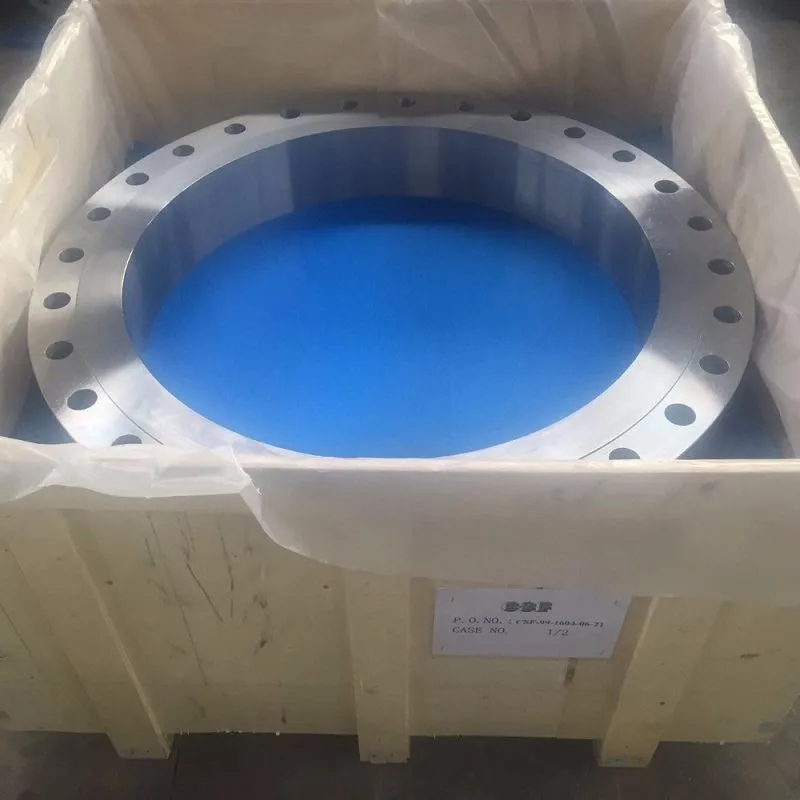
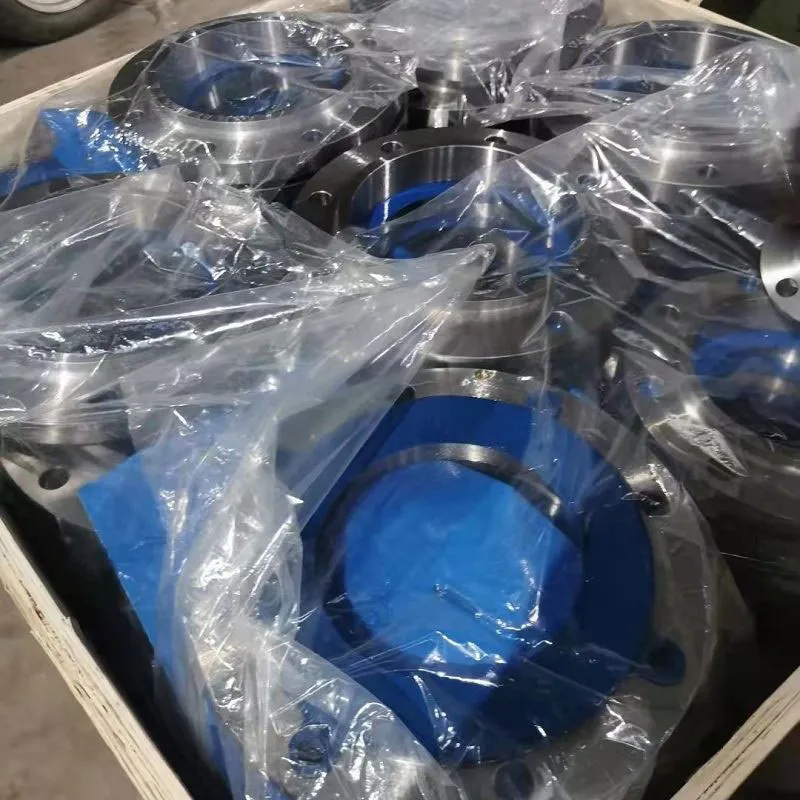
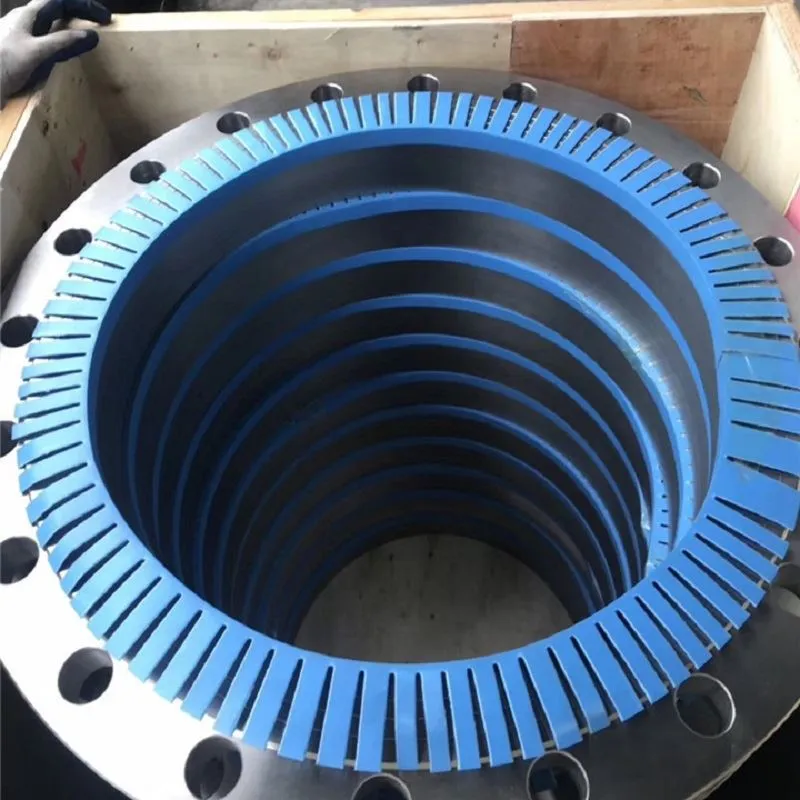
It is important to note, however, that not all Chinese imports are created equal. There are professional players on the market with their own production base, working according to transparent schemes. A striking example -Shanxi Hongkai Forging Co., Ltd.. This company is based in Dingxiang County (Shanxi Province), which is a key forging center in China. Unlike resellers, Shanxi Hongkai Forging operates three of its own full-cycle facilities, from primary forging to final packaging and quality control.
Their approach is interesting to those who are looking for reliability, regardless of the geography of the metal’s origin. The company has the right to independently export, which eliminates unnecessary links in the supply chain to Russia and the CIS. Their range covers all main types of forged flanges (butt weld, loose, threaded, etc.) in the ranges from DN15 to DN4000, strictly complying with DIN, ANSI, ASME and GOST standards. A multi-level quality control system, including physical and chemical tests and geometry checking at each stage, allows such manufacturers to compete not by price, but by stability of characteristics. For projects where the accuracy of the flange and gasket mating is critical, the presence of a certified quality certificate with the heat number from such a manufacturer is a strong argument in favor of the safety of the system.
Editing: where 90% of mistakes are made
You can buy the best titanium alloy gasket in the world, but install it crookedly and everything will go down the drain. I often see the same picture: installers use impact wrenches without controlling the tightening torque.
Remember the criss-cross rule.The bolts must be tightened sequentially, crosswise, in several passes. First by hand, then 30% of the moment, then 60%, then 100%. This ensures even compression of the gasket.
Use torque wrenches. In 2026, this is no longer a luxury, but a mandatory safety requirement at most industrial facilities. No key? Don't start work.
Also pay attention to the condition of the flanges themselves. If the mirror has deep radial scratches (going from the center to the edge), no gasket will save it. Scratches should be concentric or absent altogether. Sometimes it is easier to replace the flange than to struggle with sealing.
The future of sealing: what awaits us after 2026?
Technologies do not stand still. Smart gaskets with built-in sensors are already being tested, which transmit pressure and temperature data directly to the dispatch system. Sounds like fantasy? Pilot projects at Gazprom and Rosneft are already showing working prototypes.
But mass adoption is still a long way off. For now we have to work with what we have. And the main thing that we have today is the opportunity to choose a quality product, be it domestic production or trusted international partners with their own factory base.
My forecast is simple: the market will be cleared of random players. Those who tried to make money on cheap metal in 2024-2025 will either leave or be forced to raise the quality bar. Competition is shifting from the price plane to the reliability of service and technical support.
Don't be afraid to ask questions of suppliers. Ask: “What will happen if this gasket stays in the warehouse for a year?”, “What is the coefficient of linear expansion of this steel grade?” If the manager starts to flounder in his answers, look for another partner.
Ultimately,steel gaskets for flangesis insurance for your peace of mind. And this insurance should not be the cheapest on the bill.
Summary for decision making
If you are designing a new system or undergoing a major overhaul in 2026:
- Choose spiral wound designs for most applications.
- Require a quality certificate with the heat number, regardless of the country of origin of the product.
- Do not skimp on installation tools (torque wrenches).
- Check storage conditions at the warehouse before acceptance.
- Avoid purchasing from non-core intermediaries without their own warehouse program and production capacity.
The market has become more complex, but also more transparent for those who know how to look into the essence of things. I hope this guide will save you not only money, but also nerves. Take care of your pipes!
Sources of information and regulatory framework used in preparing the material:
- GOST R 53635-2009 Spiral-wound sealing gaskets for valve flanges, equipment and pipelines
- PJSC Gazprom standards for pipeline fittings (2025 update)
- Review of the Russian rolled metal and sealing materials market: results for 2025
- Rostechnadzor requirements for the operation of steam and hot water pipelines (updated 2026)