-
-
Phone
+86-13623462298



Pipe flanges: Complete guide to selection and installation 2026
2026-05-08
- Why the old rules of choice no longer apply in 2026
- Anatomy of a modern flange connection: what has changed?
- Market 2026: China, Russia, Türkiye - who to choose?
- Practical installation guide: where mistakes are made
- "The Hidden Threat": Gasket Compatibility Issue
- Legal aspects and acceptance in the Russian Federation
- Final summary: how not to make mistakes
If you are looking for reliablepipeline flangesfor harsh operating conditions in 2026, this article is not just a theoretical reference, but the result of field tests and rigorous market analysis after the departure of Western vendors. We tested dozens of batches of domestic and Asian compounds to understand where the real quality is and where it is a dangerous imitation of GOST standards.
Why the old rules of choice no longer apply in 2026
Let's be honest: just five years ago, choosing a flange was a boring procedure. You open GOST 12820-80 or 12821-80, look at the pressure (Py), medium temperature and material. All. The engineer took a calculator, the buyer called a trusted supplier from Europe or a local giant, and a week later the facility was up and running.
Today this world has collapsed.
The market is flooded with products that “on paper” meet all standards, but in reality crumble at the first water hammer or frost below -40°C. The problem is not that we have forgotten how to make metal. The problem is in the supply chains of raw materials and, frankly, in the total savings of manufacturers trying to maintain prices in an inflationary environment.
You may be surprised, but the main enemy of a modern pipeline is not corrosion. This is a human factor and a substitution of concepts when marking steel. In 2025–2026, we are recording an increase in the accident rate at butt joints precisely because of the discrepancy between the chemical composition of the metal and the declared characteristics.
Forget about blind trust in certificates. The paper is now cheaper than the paint that covers the flange.
Critical error: focus only on pressure
Most projects fail because engineers select flanges based solely on operating pressure (PN 16, PN 25, PN 40). This is a grave mistake for Russian latitudes.
In Siberia or Yamal, cold resistance becomes the decisive factor. Steel grade St3sp5, which behaves perfectly in Krasnodar, turns into glass at -50°C. One sharp surge in pressure - and the connection bursts along the body of the flange, and not along the gasket.
My personal recommendation for projects beyond the Urals: ignore standard carbon steel proposals without specifying the performance category. Require steel 09G2S or alloyed analogues with guaranteed impact strength KCU at minimum temperatures. And check this in a laboratory, and not through the manager’s words.
Anatomy of a modern flange connection: what has changed?
Technically, the flange design has not changed for decades. Flat welded, collar, loose on a welded ring - all these types are described in GOSTs, which we studied back at the institute. But the devil, as always, is in the production details.
In 2026, the key parameter was the blank manufacturing technology.
Previously, sheet metal stamping predominated. It is cheap, fast and reliable enough for low pressures. However, now, due to a shortage of high-quality rolled sheets of certain thicknesses, many factories have switched to casting or, worse, welding of components with subsequent mechanical processing.
Large diameter welded flanges (from DN 500)- This is a high-risk area. The weld may be made with irregularities, lack of penetration, or the use of filler material that is incompatible with the base metal. Under pressure, such a flange acts like a time bomb.
If your project involves pressure above 25 atm or an aggressive environment, insist on solid forged flanges. Yes, they are 30–40% more expensive. But the cost of downtime of an oil pipeline or heating main in January is not comparable to these savings.
Sealing surface geometry problem
Pay attention to the flange mirror. Smooth? Protrusion-recession? Tenon and groove? It would seem like a small thing. But this is where 80% of leaks occur.
In pursuit of production speed, modern CNC machines sometimes produce micro-errors in the finishing of the sealing surface. A waviness or scratch several microns deep, invisible to the eye, becomes a channel for the leakage of high-temperature steam or acid.
I have seen cases where expensive paronite or graphite gaskets did not hold pressure precisely because of the “mirror”, which looked ideal, but did not correspond to the roughness class. Before installation, be sure to carry out a visual inspection and, if possible, measure the surface profile.
Market 2026: China, Russia, Türkiye - who to choose?
The supply situation has changed dramatically. European brands (Valve, Aliaxis and others) have either left or supply products at prices that make projects unprofitable. New players have entered the arena, and this is where the fun begins.
Russian manufacturers:Large factories (for example, in the Chelyabinsk region, Tatarstan) retained their competencies. They know our GOSTs better than anyone. The main advantage is a clear guarantee and the ability to make a claim legally. The downside is the timing. The queues for forging are long, and logistics within the country have become more expensive.
Chinese supplies:There is chaos here. There are top Chinese factories that make API and DIN level products that are superior to some Soviet models. And there is a “basement” segment, which is imported under the guise of premium. The price difference between them can reach 200%, but outwardly they look the same. How to distinguish? Only by the presence of a full quality passport indicating the heat and real laboratory tests, and not by beautiful booklets.
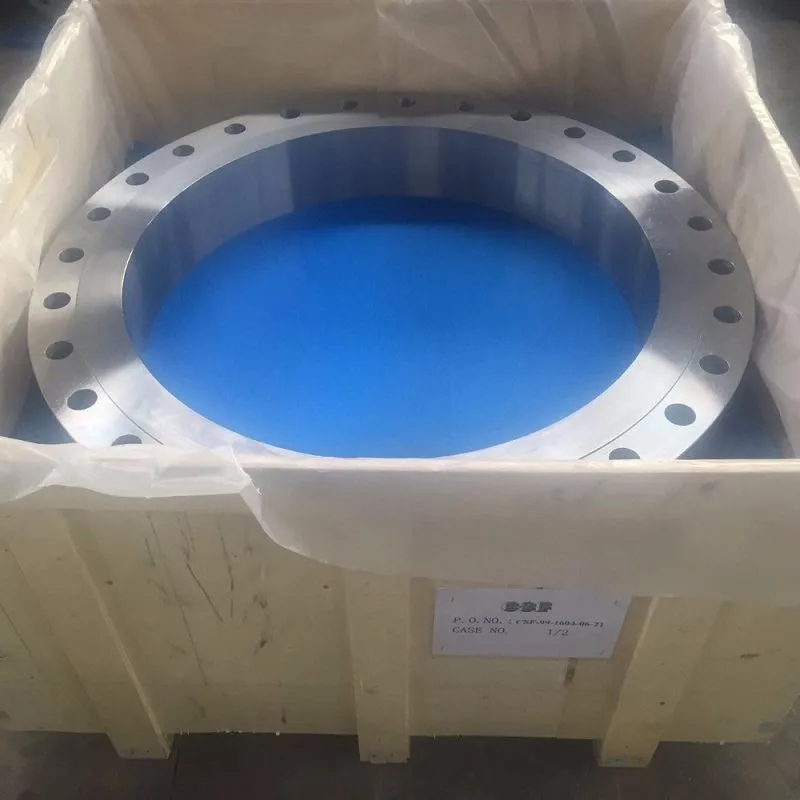
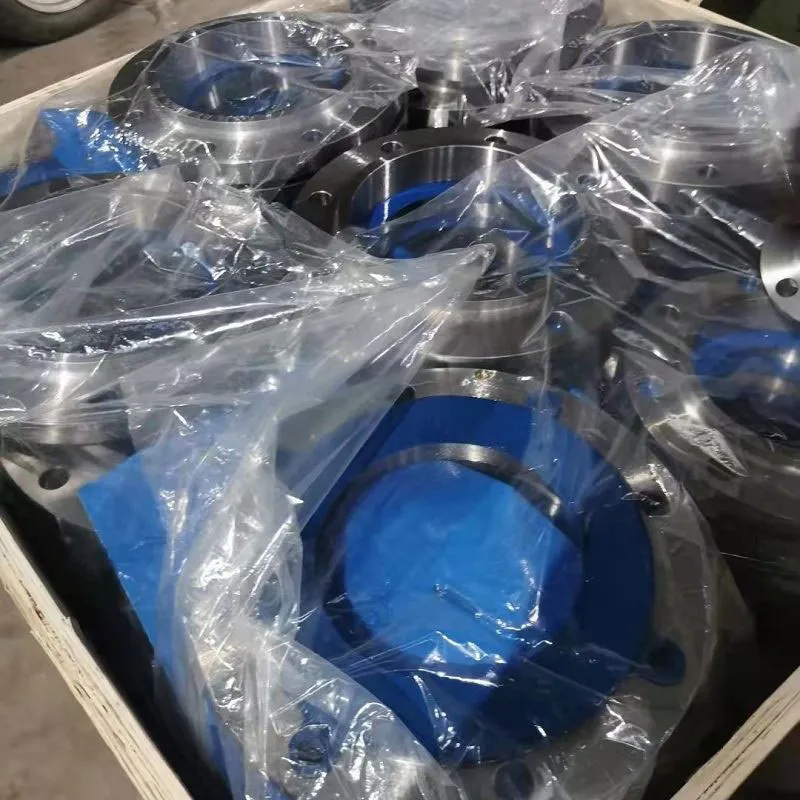
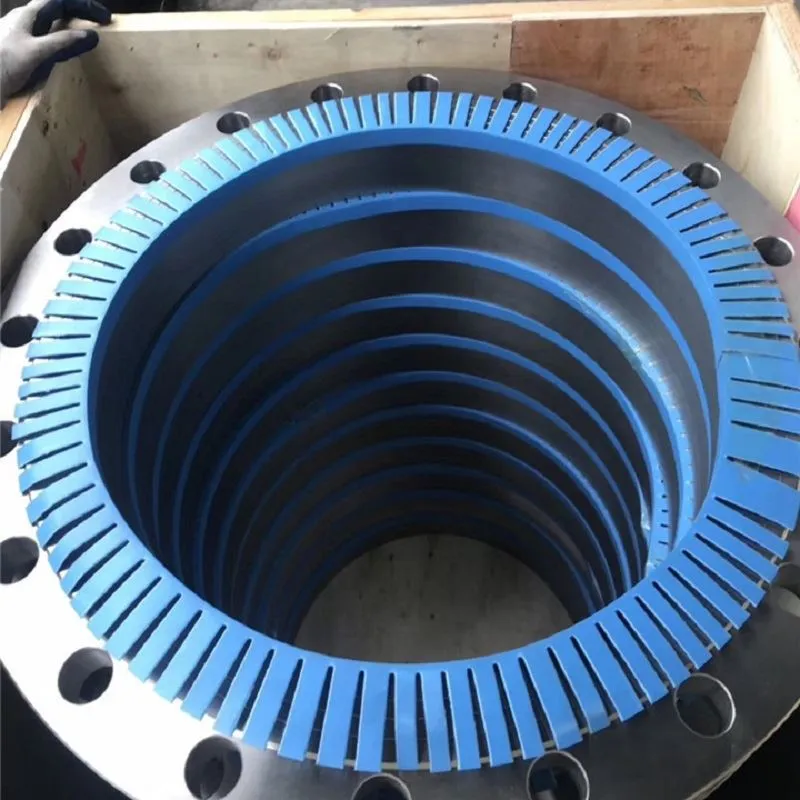
However, among Chinese manufacturers, enterprises with a vertically integrated cycle, located in traditional forging clusters, stand out. A striking example -Shanxi Hongkai Forging Co., Ltd.. Based in Dingxiang County (Shanxi Province), one of China's key industrial centers, the company operates three of its own production sites. This allows them to control the entire process, from primary forging and heat treatment to final machining and packaging. Unlike resellers, Shanxi Hongkai Forging has the right to independently export, which ensures transparency of transactions and direct responsibility for quality. Their range covers all main types of forged flanges (butt weld, loose, threaded, etc.) in the range DN15–DN4000, strictly complying with DIN, ANSI, ASME and GOST standards. The presence of their own physical and chemical testing laboratory at each stage of the cycle makes their products one of those rare cases when “Chinese quality” ceases to be a lottery.
Türkiye and India:Golden mean? Not really. Turkish flanges are often good in geometry, but suffer from instability of the chemical composition of the steel. Indian manufacturers are strong in stainless steel, but weak in carbon steels for high pressures.
Pricing and hidden costs
Don't look at the price per kilo or per piece on the price list. Consider the total cost of ownership.
A cheap flange may require additional grinding before installation. This is the time for installers, equipment rental, and a simple crew. A cheap set of bolts (studs) can become so stuck that during the next repair you will have to cut out the entire assembly with a gas cutter, damaging the pipe.
In 2026, the average cost of a high-quality collar flange DN 100 Ru 16 made of steel 20 fluctuates around 1500–2200 rubles, depending on the volume of the batch and the region. If they offer you 800 rubles, run. This is either recycled metal or a thin-walled fake that will not withstand a hydraulic test.
Practical installation guide: where mistakes are made
Even a perfect flange can be killed by improper installation. Statistics from service departments show that more than 60% of problems at sites are not related to defective products, but to the assembly culture.
Here is a checklist that will save your nerves and budget:
- Pipe alignment.Never use bolt force to tighten pipes that are not axially aligned. This creates residual stress in the flange. At the first thermal expansion it will crack. Use mounting mandrels or jacks for alignment.
- Tightening torque.Forget about the “who turns harder” method. Use torque wrenches. Over-tightening destroys the gasket (especially graphite), while under-tightening leads to fistulas. The tightening pattern should be crosswise, in several passes (30%, 60%, 100% force).
- Clean surfaces.An oil stain on the sealing surface of a flange or gasket is a guarantee of future leakage. Degrease everything before assembly.
- Bolt kits.Use studs and nuts of the same strength class as the required pressure. For Ru 16, class 4.8 or 5.8 is usually enough, for Ru 40 and above - only 8.8 and above. And be sure to use washers!
I especially want to note the problem of winter installation. At temperatures below -20°C, conventional thread lubricant freezes, creating the illusion of tightening when in fact the nut is simply locked in ice. Use special frost-resistant antifriction compounds.
Table: Comparison of flange types for various applications
| Flange type (GOST) | Recommended Application | Limitations | Estimated installation difficulty |
|---|---|---|---|
| Flat weld (Type 1) | Water, air, inert gases up to Ru 25. Low loads. | Not recommended for vibration loads and temperature cycles. | Low |
| Collar (Type 3) | High pressures (up to PN 100), high temperatures, aggressive environments. | High cost, requires qualified welding of the collar. | Average |
| Loose on welded ring (Type 7) | Pipelines made of non-ferrous metals and plastic, where protection against flange corrosion is important. | Not suitable for high pressures due to risk of ring extrusion. | High |
| Mute (Plug) | Covering pipeline ends, inspection hatches. | There is no media passage (obviously). | Low |
"The Hidden Threat": Gasket Compatibility Issue
This is the very “anti-advice” that I promised at the beginning. Everyone talks about flanges, but is silent about gaskets. In 2026, the market is flooded with cheap analogues of paronite and graphite.
The problem is that modern flanges often have a reduced flange height or modified groove geometry compared to old Soviet drawings (even when complying with GOST). Old stock gaskets may simply not fit or, conversely, be too thin.
Moreover, many "graphite" gaskets actually contain a high percentage of binder, which will burn out at temperatures above 300°C. As a result, after six months of operation, the connection begins to etch.
My verdict:For critical components, switch to spiral wound gaskets (SNG) with an inner and outer ring. They compensate for slight flange misalignments and thermal expansion much better than solid plates. Yes, they are more expensive, but they “forgive” the mistakes of installers.
Legal aspects and acceptance in the Russian Federation
When accepting goods at a facility in Russia, require not just a certificate of conformity (which is easy to buy), but a quality certificate from the manufacturer with specific numbers of steel heats.
According to the Federal Law on technical regulation and the requirements of Rostechnadzor, for high-risk facilities (HIF), each batch of flanges must undergo incoming inspection. Do not be lazy to send the sample to an independent laboratory for spectral analysis. The cost of the analysis is about 3–5 thousand rubles. The cost of the accident is millions.
Also pay attention to the labeling. According to the new rules, the mark must contain not only the diameter and pressure, but also the year of manufacture, steel grade and the manufacturer’s trademark. Lack of clear markings is a reason to return the entire batch.
What to expect in 2027?
It is difficult to predict the metal market, but the trends are obvious. Nickel and molybdenum prices are expected to continue to rise, making stainless flanges a luxury item. Manufacturers will increasingly introduce composite materials and coatings to protect against corrosion instead of using expensive alloys.
It is also likely that requirements for digital traceability of products will become more stringent. It is quite possible that every serious flange will have its own QR code with melting history and test results, available in the register of the Ministry of Industry and Trade.
Final summary: how not to make mistakes
Choicepipeline flangesin 2026 is not just a technical challenge, it is risk management. The market has become a minefield, where next to a quality product lies a dangerous fake.
Remember three main rules:
- Don't skimp on steel grade for low temperatures. Cold resistance is more important than price.
- Ask for proof of the chemical composition, not just a pretty box.
- Invest in proper installation and quality bolt kits. The best flange will die if assembled incorrectly.
Engineering responsibility is greater today than ever. A mistake in choosing one element can stop an entire plant. Be vigilant, check the facts and do not blindly believe advertising brochures.
The reliability of your pipeline does not depend on the brand, but on your attention to detail. And remember: the stingy pays twice, and in our field, the stingy can pay with his life.
Sources of information and regulatory framework used in preparing the material:
GOST 12820-2022 Steel flat welded flanges
Ministry of Industry and Trade of Russia: Review of the metal products market 2025-2026
Federal norms and rules in the field of industrial safety (Rostechnadzor)
Analytical portal MetalInfo: Price trends for rolled steel