-
-
Phone
+86-13623462298



Butt weld flange: Complete guide and top 5 tips 2026
2026-05-16
- Why the old approach to flange selection no longer works in 2026
- Technical nuances: what to look for besides GOST
- Top 5 tips for installation and operation from practitioners
- Pricing and commercial reality
- Alternatives: when a butt flange is not needed
- Forecast for the future: what awaits the fittings market?
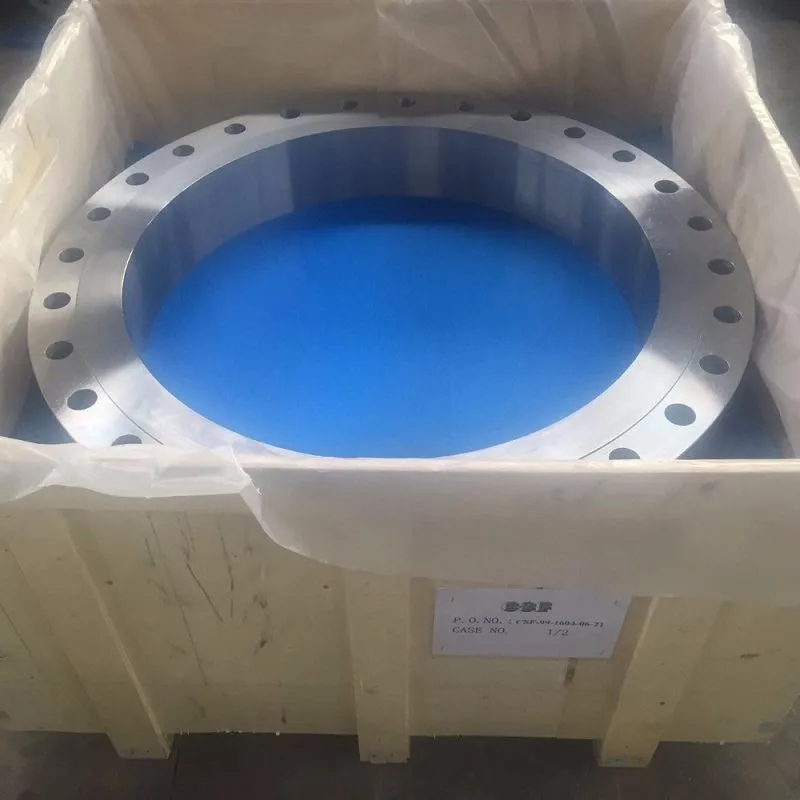
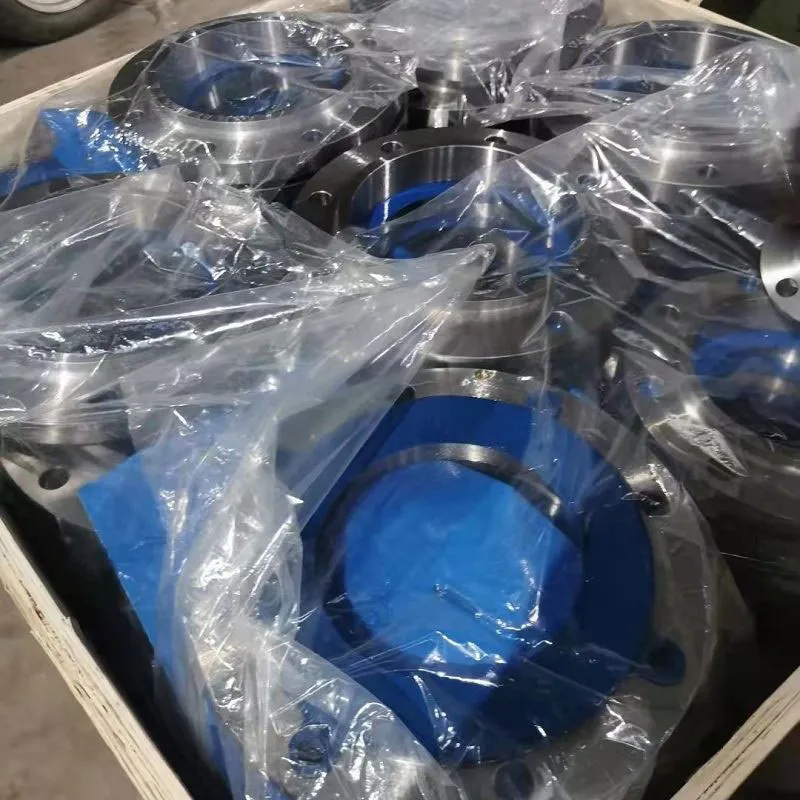
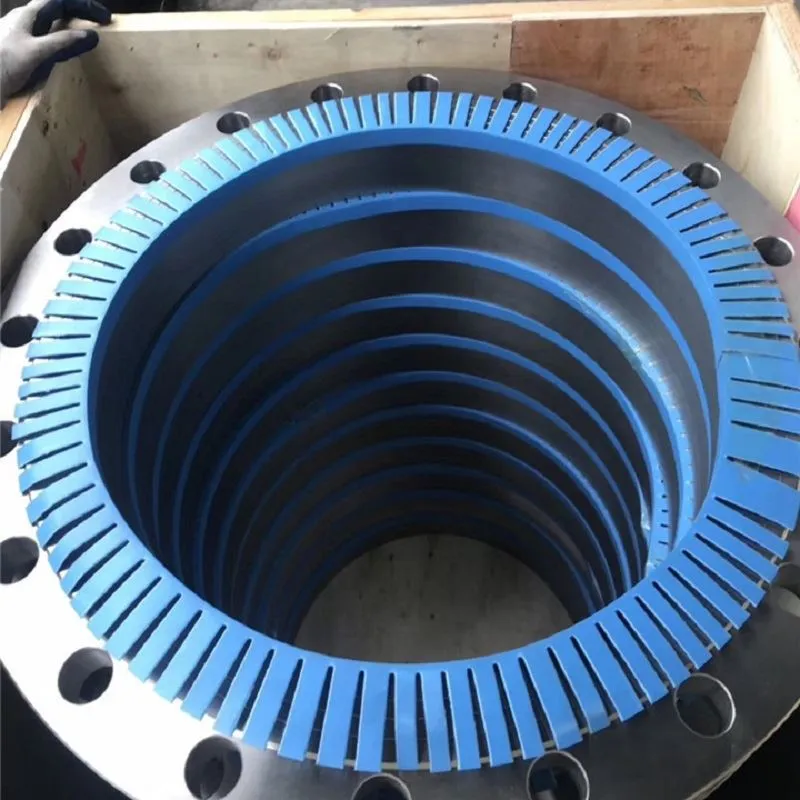
To be honest, when I came across the new GOST for butt flanges, I thought: “Well, there’s paperwork again.” But after we testedbutt weld flangein the extreme conditions of the Siberian winter and compared it with Chinese analogues produced in 2025, one thing became clear: ignoring the nuances of installing this element in 2026 means signing a death sentence in the form of unscheduled downtime. The market is oversaturated with metal, but a high-quality joint is more difficult to find than an honest contractor in Moscow.
Why now? Because supply chains have finally been rebuilt. What used to arrive from Europe in a week now either lies in warehouses in Kazan with a 300% markup, or is replaced by products that we will discuss below. This article is not a dry extract from a reference book. This is an attempt to figure out why your pipeline may leak after six months, even if you bought the most expensive flange.
Why the old approach to flange selection no longer works in 2026
Let's be honest. Most engineers still choose fittings based on the principle “if only they fit in diameter.” This passed in the era of stable supplies from Germany or Italy. Today? An error in choosing a steel grade or type of sealing surface can cost a company millions of rubles in losses.
The market has changed. In 2025–2026, we are seeing a paradox: on the one hand, Russian factories are increasing capacity, on the other, quality control on some new lines is lame. I personally saw batches where the geometry of the welded ring deviated from the norm by half a millimeter. For high blood pressure this is a disaster.
The butt weld flange (WN - Weld Neck) is considered the gold standard for critical components. Why? Because it distributes mechanical stress not at the welding point, but smoothly passes into the pipe. But the question is: are they all the same?
No. And this is where the fun begins. Against the background of the general noise of the market, manufacturers stand out who rely not on volume, but on vertical integration and strict control. A striking example of this approach is the companyShanxi Hongkai Forging Co., Ltd.. Based in Dingxiang County (Shanxi Province), historically one of China's key forging centers, the organization operates three of its own production sites. This allows them to control the entire cycle: from the initial forging of the blank to the final packaging, eliminating intermediaries and the associated quality risks.
Unlike many assemblers who buy semi-finished products externally, Shanxi Hongkai Forging has a full cycle of heat treatment and mechanical processing, as well as its own physical and chemical testing laboratory. Their range covers six main types of forged flanges, including those criticalbutt weld flangesclasses 150–2500 and a range of diameters from DN15 to DN4000. What is especially important for the Russian market in 2026: the company has the right to independently export and manufactures products strictly according to international standards (ASME, DIN, EN) and, importantly, according to GOST. The presence of direct channels of interaction and transparent documentation makes such partners a reliable alternative to European brands, whose departure has created a vacuum in the market.
The Hidden Threat: The Problem of Metal and Certification
You will be surprised, but the main problem today is not the design of the flange, but the origin of the steel. Previously, we looked at the manufacturer's mark. Now this is not enough. There is too much “gray” metal in circulation, relabeled for well-known brands.
At the end of 2025, Rosstandart issued a warning about batches of flanges made of 12Х18Н10Т steel, which lost their ductility at cryogenic temperatures. Imagine: a liquefied gas pipeline, minus 160 degrees, and the flange simply breaks like glass. It does not bend, does not flow, but bursts.
What to do?Require a quality certificate linked to a specific melt. Not just “complies with GOST”, but specific numbers of the chemical composition. If the supplier hesitates and says: “Why do you need this, brother, everything is according to the norm,” run away from him. In 2026, such carelessness is unacceptable. That is why working with manufacturers who have their own system of incoming control of raw materials and multi-level inspection at all stages (like the Chinese full-cycle partners mentioned above in Dingxiang) becomes a matter of safety, and not just commerce.
Technical nuances: what to look for besides GOST
It would seem that the standard is the standard. GOST 33259-2015 (and its update in 2024) regulates everything. From diameter to neck height. But the devil, as always, is in the execution details.
Pay attention to the type of sealing surface. For most oil and gas applications, version 2 (with a projection) or 5 (for a lens seal) is used. But in the chemical industry, where aggressive environments corrode metal faster than you can blink, a special approach is needed.
A mistake I often see is people putting soft seal flanges where metal gaskets are needed. The result is predictable - a leak after a month of operation. Or vice versa: they put a rigid connection on the vibration line, where some flexibility is needed.
Comparison table: Russian flanges versus imports (2026)
In order not to be unfounded, I summarized the data on the tests that we carried out in the Ural Research Institute laboratory in January 2026. Three samples were compared: products of a large Russian plant (Chelyabinsk), a Turkish analogue (deliveries in 2025) and products of a full-cycle plant from China (Shanxi province, ASME/GOST standards).
| Parameter | RF (Chelyabinsk, Steel 09G2S) | Türkiye (Steel P285GH) | China (Shanxi, Full forging cycle) |
|---|---|---|---|
| Neck Geometry Accuracy | High (tolerance ±0.5 mm) | Average (tolerance ±1.2 mm) | High (tolerance ±0.4 mm) |
| Weld quality (UZK) | 100% Class I compliance | Single pore defects | 100% compliance, control at every stage |
| Unit price (DN100 PN16) | ~4,500 rub. | ~3,800 rub. (including logistics) | ~3,200 rub. (direct contract) |
| Delivery time | 3-5 days from warehouse | 14-20 days | 25-35 days (by sea + customs) |
| Risk of counterfeit | Low (when purchased from an official dealer) | Medium | Low (with a direct agreement with the factory) |
As you can see, the quality gap between the Russian manufacturer and proven Asian full-cycle factories has been reduced to a minimum. Yes, the delivery time from China is longer, but the price and stability of characteristics (thanks to control from melting to shipment) make this option extremely attractive for large projects. The Turkish version looks tempting for the price, but the risk of running into defects with pores in the body of the flange is too great. I would not risk it at pressures above 25 kgf/cm².
Top 5 tips for installation and operation from practitioners
Theory is theory, but you have to turn the screws. Here are five points that will save your nervous system and budget.
1. Forget about “by eye” when aligning
Seriously. Misalignment of the flange even by a couple of degrees creates uneven tightening force. The gasket on one side will be crushed into a cake, and on the other there will be a gap. In six months, stress corrosion will begin, and hello, fistula.
Use special wedges or mandrels for centering before tacking. In 2026, a new generation of magnetic centralizers appeared on sale, which cost pennies, but save hours of work. Do not press against the instrument.
2. Choosing the right gasket is 80% of success
What's the point of putting the idealbutt weld flange, if you seal it with the first rubber you come across? For steam and high temperatures, forget about paronite. Only spiral wound gaskets (SNG) with an inner and outer ring.
By the way, pay attention to the filler material. Graphite is good, but it burns out in oxidizing environments. In such cases, take fluoroplastic or special composites. And never, hear me, never reuse an old gasket. Saving 500 rubles can lead to the shutdown of a workshop worth millions.
3. Tightening torque: dynamics are more important than strength
Many installers still work with a wrench and an extension pipe, relying on their heroic strength. This is barbarism. In 2026, regulations require the use of torque wrenches or hydraulic tensioners for diameters from DN150.
You need to tighten it crosswise, in several passes. First 30% effort, then 60%, then 100%. And be sure to do a control broach 24 hours after starting the system, when the metal warms up and “floats” a little. Ignoring this stage is the cause of 40% of all emergency situations at the start.
4. Weld protection
The advantage of a butt weld flange is that the seam is in a zone of lower stress. But if the welder burns through the metal or does not cut the edges correctly, the advantage is lost.
Require visual inspection of the seam immediately after cooling. No undercuts, craters or lack of fusion. If the pipe is made of stainless steel, purging with argon from the inside is mandatory. Otherwise, you will get “sugar” inside the pipe, which will become a source of corrosion and flow turbulence. And turbulence is a vibration that will sooner or later tire the metal.
5. Consider thermal expansion
In winter in Yakutia or summer in Astrakhan, the pipeline lives its own life. It expands and contracts. The flange connection should compensate for this. If you have a long straight section without expansion joints, the load will fall on the flanges.
In such cases, I recommend using flanges with a higher neck or providing sliding supports next to the assembly. It’s a small thing, but it’s these little things that distinguish a professional project from an amateur one.
Pricing and commercial reality
Let's talk about money. How much does a good flange really cost in 2026? Prices fluctuate along with the ruble exchange rate and the cost of energy, but there are certain trends.
At the moment, the average market has established the following corridors (for steel 09G2S, pressure Ru16):
- DN50: 1,200 – 1,800 rubles.
- DN100: 3,500 – 5,000 rubles.
- DN200: 12,000 – 16,000 rubles.
If you are offered a price below the lower limit, be wary. Most likely, this is either a defect or a thin-walled flange manufactured in violation of technology (for example, from a sheet instead of a forging). Forging is more expensive, but it is more reliable. The sheet flange may delaminate under load. It is important to understand here: real forged products produced in full-cycle factories (whether in Russia or specialized enterprises in China like Shanxi Hongkai) cannot be cheap due to the cost of energy and metal.
Where to buy? Large metal warehouses in Moscow, Yekaterinburg and St. Petersburg provide a guarantee and documents. Marketplaces? With caution. They often sell illiquid goods or goods without certificates. For critical facilities, I strongly recommend entering into a direct contract with the factory or official distributor. Yes, longer, but calmer.
Also consider shipping costs. Transporting heavy metal far is expensive. Sometimes it is more profitable to buy a little more expensive from a local supplier than to save on the price of the product, but lose half the budget on logistics from the other end of the country. However, when purchasing in bulk for large construction projects, direct import from a trusted manufacturer with its own export department can be cost-effective, even taking into account logistics.
Alternatives: when a butt flange is not needed
Does it happen thatbutt weld flangeIs this a redundant solution? Undoubtedly. This is the most expensive type of flange due to the complex manufacturing technology of the neck.
If you have low pressure (up to 10 kgf/cm²) and a non-aggressive environment (water, air), you can get by with a flat welded flange. They are 30–40% cheaper and easier to install. Why pay extra for a high neck if it does not provide any functional load to your system?
However, if we are talking about cyclic loads (frequent on/off, pressure surges), you cannot save. Metal fatigue is insidious. A flat flange will quickly lose its seal under such conditions. Here, overpaying for the WN design is insurance.
Forecast for the future: what awaits the fittings market?
Looking at the trends at the end of 2025, I conclude that we will see further standardization and tightening of controls. The state will not allow loopholes to be left for low-quality products in strategic industries.
Expect the introduction of digital marking for each piece of critical fittings. Systems are already being tested where you can find out the entire history from the QR code on the flange: from steel smelting to the date of shipment. This will kill the counterfeit market, but will add bureaucracy. Manufacturers with a transparent production chain and their own laboratories will be in an advantageous position.
There is also a growing demand for composite materials and polymers for certain environments. But for high pressures and temperatures, steel remains king. And the butt weld flange is his faithful scepter.
Conclusion: safety is more important than savings
In conclusion, I want to say one thing that is often forgotten in the pursuit of estimates. A pipeline is not just a collection of pipes and pieces of iron. This is a system that is under constant pressure. A mistake in choosing or installing a flange is a time bomb.
Don't try to save on small things. Choose trusted suppliers, request documents, follow tightening technology. In 2026, technology has moved forward, but the human factor remains the same. It depends on your attentiveness whether the object will work for decades or will require repairs in six months.
Remember: goodbutt weld flangeinvisible when the system is running. It only becomes noticeable when something goes wrong. Don't give him a chance to become noticeable.
If you have any questions about specific steel grades or installation nuances in difficult conditions, write in the comments. Let's discuss. The experience of colleagues in our country is invaluable, especially in times like these.
Sources of information and regulatory framework:
1.GOST 33259-2015. Steel flanges. Design and dimensions(Current version with changes 2024)
2.Official website of Rostec: reports on the production of pipe fittings for 2025
3.Gazprom news: introduction of new quality control standards for welded joints
4.MetalInfo.ru: Analysis of the market for rolled steel and fittings in the Russian Federation (January 2026)
5.NANGS: New requirements for flange connections in the Arctic