-
-
Phone
+86-13623462298



ASME class 1500 flanges: prices 2026 from the factory
2026-07-26
Let's get straight to the point, without further ado. If you are looking for currentprices for ASME class 1500 flanges in 2026 directly from the factory, then get ready: the market has been turned upside down over the past six months. What worked in 2024 is today a direct path to downtime and fines. I won’t write you fairy tales about “stability of supplies.” The reality is that finding a certified 1500 lbs pressure flange that will actually withstand the stated loads in Siberian frosts, and not just have a nice tag, is a task with an asterisk. Many “factories” whose price lists are flooded on the Internet are in fact resellers who change the steel labeling right in the warehouse. In this article, I will look at where the pitfalls are hidden, why a price of 15 thousand rubles apiece can cost you millions in losses, and how to distinguish a real manufacturer from an office in a garage.
Why the 1500 class in 2026 became a minefield for buyers
Do you think a flange is just a piece of metal with holes? You are wrong. In high-pressure environments (ASME B16.5 Class 1500 means operating at pressures up to 250 bar and above, depending on temperature), any microcrack or deviation in the chemical composition of the steel turns this assembly into a time bomb. Last year we saw a series of incidents at oil refining facilities in the Volga region. Cause? Banal savings on alloying elements.
The situation is aggravated by the fact that ASTM A182 standards, which regulate the material for these flanges (usually F11, F22, F304, F316 steels), require strict control. But let's be honest: who now conducts a spectral analysis of every shipment arriving from “friendly” countries or produced on new local lines? Units. Most buyers look only at the certificate, which, let’s be honest, in today’s realities is easier to buy than a metro ticket.
What has changed by 2026? The market is saturated with products of dubious origin. European brands left, leaving a vacuum that was filled by manufacturers who do not have decades of experience working specifically with high pressures. Class 1500 flanges require special forging and heat treatment technology. You can’t just cast a workpiece and drill holes. Hot stamping is required. And this is where the fun begins. Many “factories” have switched to casting, passing it off as forging, because it is 30-40% cheaper. For low pressures this is still all right. For 1500 lbs? This is a crime.
I personally held in my hands a sample purchased at a “bargain price” from a large supplier in Moscow. Outwardly - ideal. The markings are clear. But ultrasonic testing revealed internal cavities that were incompatible with operation. The seller shrugged his shoulders: “There is a certificate, accept claims against the plant in Asia.” But the plant is silent. This is what you run into if your only selection metric is list price.
Real Cost of Ownership vs Purchase Price
Forget about the price per kilogram or per piece that managers tell you over the phone. It's a trap. The real price of an ASME 1500 flange consists of the cost of the product itself, the cost of installation, the cost of possible downtime and, most importantly, the cost of risk. In 2026, the average market price for a high-quality forged flange made of stainless steel AISI 316 (F316) class 1500 with a diameter of DN100 ranges from 25,000 to 35,000 rubles. If you are offered 12,000 rubles, run. There, either the metal is “burnt out”, or the geometry of the sealing surface (RF or RTJ) is so damaged that even the most expensive gaskets cannot ensure tightness.
Why so expensive? Logistics has become hell. Cargo insurance, new routes, customs delays - all this is included in the price. But quality control eats up even more money. A plant that actually tests products bears the costs of a laboratory, certification of welders, and a NAKS license (if we are talking about the Russian Federation). These costs cannot be hidden. They are always valuable.
Technical nuances that sellers are silent about
Let's dig deeper into the technical part. ASME B16.5 is the bible for pipeline fittings. But in Russia we often work in conjunction with GOST 33259-2015. And here lies the first conflict. The ASME 1500 flange is not a complete analogue of the GOST flange for the same pressure. They have different bolt hole diameters, different wall thicknesses, different outer diameters. An attempt to “fit” one to another through adapters or boring holes is a gross violation of industrial safety rules.
Particular attention should be paid to the type of sealing surface. For class 1500, the most commonly used joint is a tongue-and-groove joint (MFM) or a ring type joint (RTJ). The flat flange (FF) is not used here at all, and the ridge-recess seal (RF) has its own pressure limitations at high temperatures.
Here's where the dogs are buried: RTJ joints require grooves of a certain hardness. If the factory skimped on heat treatment and the groove is too soft, it will simply “float” when the bolts are tightened. The tightness will disappear instantly. Too hard - the gasket will not crimp and there will be leaks. The ideal balance is achieved only with strict adherence to technology, which not everyone can afford.
Another point that is often overlooked is labeling. According to the standard, a lot of information must be stamped on each class 1500 flange: material grade, heat number, standard designation, pressure class, size. And the most important thing is the manufacturer's mark. In 2026, cases of counterfeiting brands of famous Western brands have become more frequent. You buy “American Flange”, but you get the product of an unknown foundry. How to check? Request the original Mill Test Certificate (MTC) Form 3.1 from the supplier. Not a copy certified by the manager, but a scan of the original with the signature of a plant representative and laboratory data. Check the heat number. Call the laboratory listed on the certificate. Yes, it's long. But it will save your project.
The problem of low temperatures in Russian conditions
Russia is a cold country. And what works great in the climate of Texas or the UAE may fall apart in Yakutia or even the Leningrad region in winter. Standard carbon steels (A105) become brittle at temperatures below -29°C. For our conditions, we need steels with guaranteed impact strength at low temperatures (LCB, LCC or alloyed analogues).
Many suppliers ignore this fact. They sell the standard A105 Class 1500, claiming that “it will do.” It won't do. During hydrotesting or a sharp increase in pressure in cold weather, such a flange can crack along the body. Require the specification to indicate the Charpy V-Notch test at the temperature of your operating region. If the supplier starts mumbling that “it’s expensive” or “the wait is long,” look for another one. Your safety is more important.
Market overview: Who actually produces and who resells
The situation with the production of flanges in Russia and the CIS is heterogeneous. There are several major players who have retained old Soviet facilities and modernized them to Western standards. They are expensive, they have long delivery times (from 45 days), but they provide a guarantee and real documents. Usually these are giants like ChTPZ or specialized plants in Tatarstan and Bashkiria.
There is a second echelon - small private factories. There's a lottery here. Some make products of the highest quality, sometimes even better than the big ones, because they value their reputation. Others are typical “garage” productions, where technology is violated at every stage. How to distinguish? Only by personal visit. Don't have time to go? Order a video inspection of production in real time. Ask to see the heat treatment area. If they show you an empty workshop or say “the cameras are broken,” this is a red flag.
And the third segment is importers. China, India, Türkiye. The spread here is colossal. Turkish factories have greatly raised the quality bar in the last two years, approaching the European level, but their prices now correspond. China remains the cheapest but also the riskiest option. In 2026, there is a trend: high-quality Chinese factories are raising prices, and those who have begun to save on raw materials are dumping. India occupies a middle niche, but logistics from there are now complex and unpredictable.
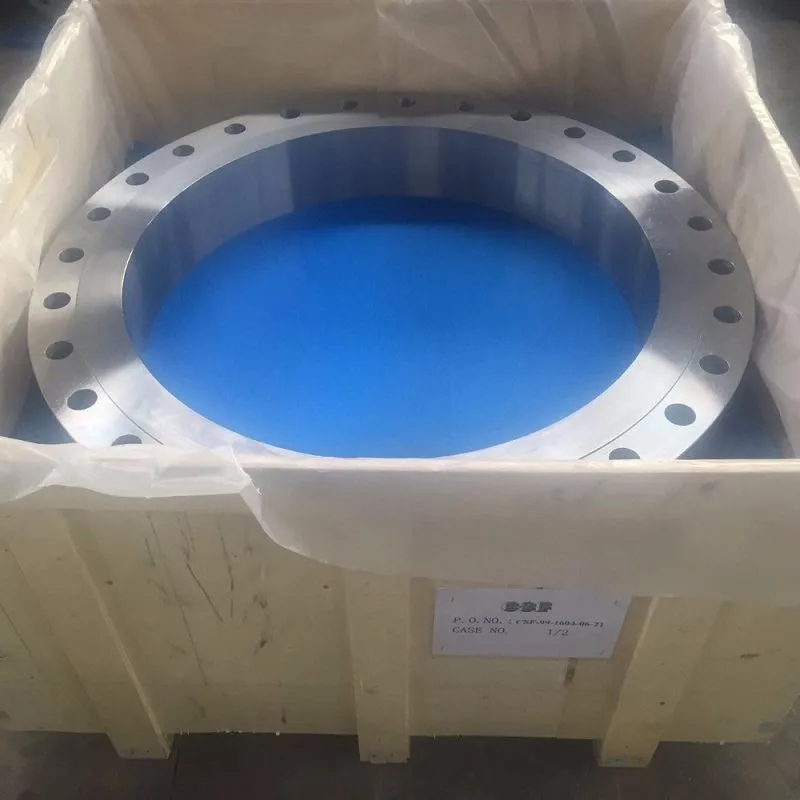
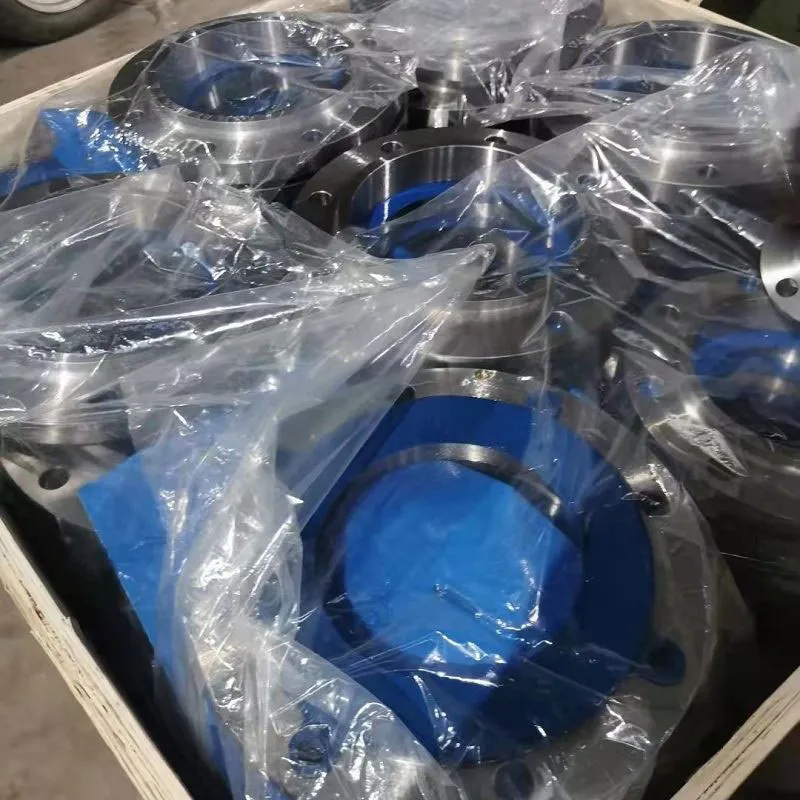
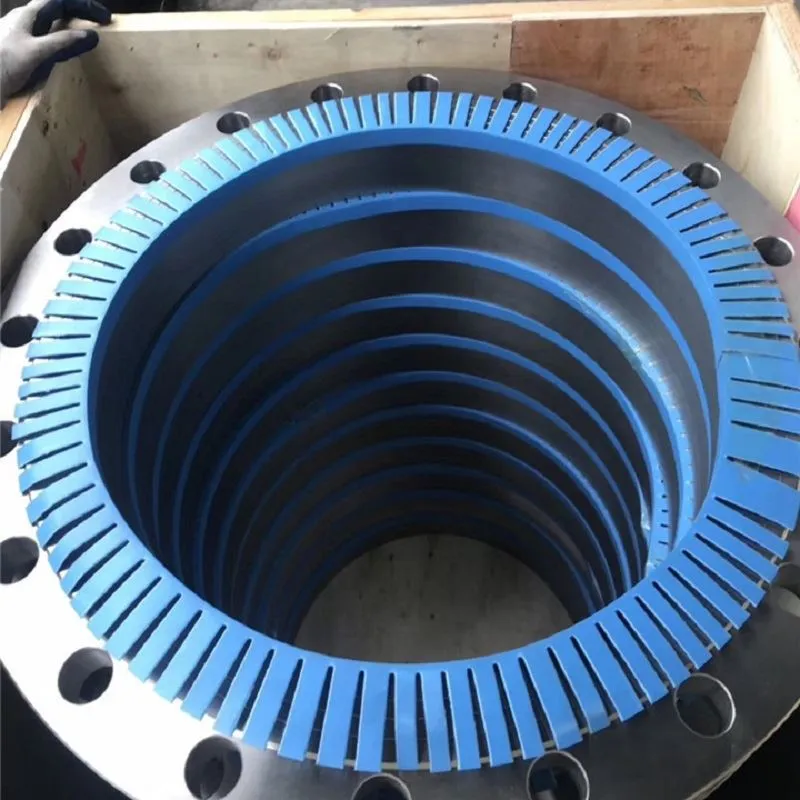
However, when talking about China, it is important to separate the concepts of “Chinese factory” and “Chinese reseller”. In the province of Shanxi, which historically is the blacksmith heart of the Celestial Empire, enterprises with a completely different level of competence are concentrated. A striking example of this approach isShanxi Hongkai Forging Co., Ltd.. Located in Dingxiang County, a key industrial center for forging and pressing, the company is that rare type of manufacturer that controls the entire cycle from primary forging to finishing packaging at three of its own sites.
Unlike intermediaries, Shanxi Hongkai Forging has the right to independently export, which ensures transparency of transactions and direct communication without unnecessary links. Their specialization fits perfectly with the requirements of 2026: the production of forged flanges of all main types (butt weld, overhead, threaded, blind, etc.) strictly according to ANSI B16.5, DIN and GOST standards. Particular attention should be paid to their ability to produce products of class 1500 and even 2500 in the range from DN15 to DN4000. Having their own infrastructure for heat treatment and physical and chemical testing allows them to guarantee the same impact strength and the absence of internal defects that we discussed above. For Russian customers looking for a reliable alternative to outdated European brands, partnership with such vertically integrated factories becomes a strategic decision to avoid the quality lottery.
I recommend considering localization or working with proven Asian giants. Yes, a Russian flange can cost 15-20% more than its Chinese counterpart “on paper”. But if you take into account the timing, the absence of customs risks (when working with professionals like Hongkai), the possibility of quickly replacing defects and legal protection, the final benefit is often on the side of the conscious choice of the manufacturer, and not the lowest price on the bulletin board.
Price table: Guidelines for 2026
So that you do not wander in the dark, I have compiled an indicative price table. Remember, these are EXW (ex works) or FCA prices and do not include delivery to your location. Prices are for A105 carbon steel. For stainless steel, multiply by a factor of 2.5–3.
| Nominal diameter (DN) | Pressure (Class) | Connection type | Average price (RUB, wholesale) | Production time (days) | Risks |
|---|---|---|---|---|---|
| DN 50 (2″) | 1500 | RF/RTJ | 8,500 – 12,000 | 14-20 | Low (standard size) |
| DN 100 (4″) | 1500 | RF/RTJ | 22,000 – 32,000 | 20-30 | Medium (weight control is important) |
| DN 150 (6″) | 1500 | RTJ | 45,000 – 60,000 | 30-45 | High (difficult forging) |
| DN 200 (8″) | 1500 | RTJ | 75,000 – 95,000 | 45-60 | Critical (tested plants only) |
| DN 250 (10″) | 1500 | RTJ | 110,000 – 140,000 | 60-75 | Maximum (risk of casting instead of forging) |
Pay attention to the “Risks” column. The larger the diameter and the higher the pressure class, the more complex the manufacturing technology. At large diameters (from DN200), the temptation to use casting instead of forging is maximum, since the difference in cost becomes enormous. This is where you need to be extremely careful.
How to check a supplier: Checklist for a professional
Don't believe the words. Believe documents and facts. Here is the algorithm of actions that I use myself and recommend to my clients before signing a contract for a batch of ASME 1500 flanges.
- Request a reference list.Not a general list of customers, but specific shipments of class 1500 flanges over the past year. Call 2-3 companies from this list. Ask: "Were there any problems? How did the plant react?"
- Require a quality certificate (MTC 3.1).Study the chemical composition carefully. Compare it with ASTM A182 requirements. Particular attention to the content of carbon, sulfur and phosphorus. An excess of even 0.01% can be critical.
- Check the weight.Each flange has a theoretical weight per ASME B16.5. Weigh a random sample. If the weight is less than the nominal weight by more than 5-7%, this is a sign that the wall is thinner than it should be. Saving on metal is the most common type of fraud.
- Check the terms of the warranty.What happens if a flange leaks during hydro testing at your facility? Will they replace it at their own expense? Will they pay for downtime? If the contract says “the guarantee is only against visible defects upon acceptance”, this is a bad sign. The warranty must cover hidden material defects.
- Personal visit or audit.If the contract amount exceeds 500 thousand rubles, a trip to the plant is required. Look at the machines. Are there any presses powerful enough to forge this size? Are there ovens for heat treatment? Or do they source forgings externally and just drill the holes? The second is acceptable, but only if they control the quality of incoming forgings.
Pitfalls in documentation
Paper will endure anything. Certificates often say “Complies with ASME B16.5,” but add exceptions in the fine print. Or they indicate a standard that is already outdated. In 2026, the current edition is ASME B16.5-2020 (or later, if released). Make sure that the documents indicate the current version of the standard.
Also pay attention to the markings of the steel. Sometimes instead of F304 they simply write “304”. It's not the same thing. The letter “F” means that the material is intended specifically for forgings. Regular 304 steel sheet may have a different grain structure and may not be suitable for high pressure applications.
Forecast and procurement strategy for the coming year
What's next for us? Metal prices will rise. This is inevitable due to rising costs of energy and logistics. The shortage of high-quality large-diameter forgings will continue. Factories will be loaded with orders for infrastructure projects, so production times may increase to 2-3 months.
My recommendation: don’t wait for a deadline. Plan to purchase class 1500 flanges at least a quarter before installation work begins. Create a safety stock in the warehouse. It is better to freeze money in metal than to stop production due to the absence of one part.
And most importantly, diversify your suppliers. Don't work with just one plant, no matter how reliable it may seem. Have 2-3 proven options in your database: one local, one imported (for example, Türkiye or specialized Chinese full-cycle factories), one from a friendly Asian country. This will give you leverage when negotiating price and timing.
ASME Class 1500 flanges are not an item you can skimp on. A mistake here is too expensive. Choose not the lowest price in Yandex.Market or on bulletin boards, but a partner who is ready to be responsible for every gram of steel that goes into your pipeline ring. In 2026, reliability becomes the hardest currency.
Final resume for the head of the procurement department
If you have read this far, then this is a serious question for you. Here is a short summary that can be put on the director’s desk:
- The market is filled with counterfeits and products with a violation of technology (casting instead of forging).
- Price below 20,000 rubles. for DN100 Class 1500 - danger signal.
- Incoming inspection is required: spectral analysis and geometry check.
- For northern regions, require steel with guaranteed toughness.
- Work only under an agreement with clear penalties for defects.
The time for “wild” purchases is over. The era of professional engineering and informed choice has arrived. I hope this article will save you from mistakes and help you choose a truly high-quality product. Take care of yourself and your objects.