
-
-
Phone
+86-13623462298



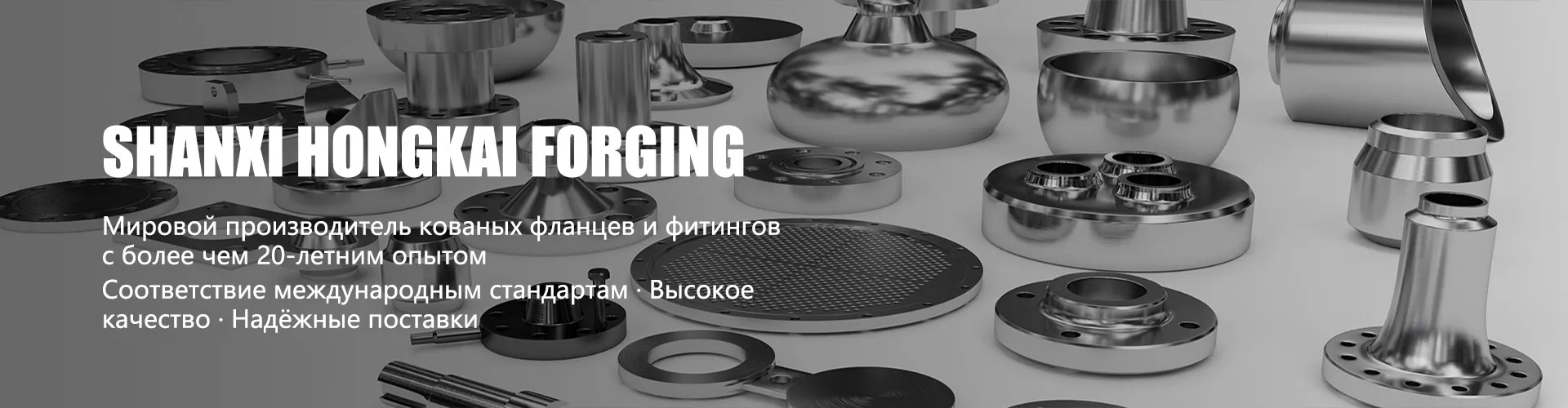
flange Minsk
When you hear the request “Minsk flange”, the first thing that comes to the mind of the uninitiated is just a part that can be bought somewhere in the capital. In fact, behind these two words there is a whole layer of questions: what exactly are they looking for? Is it a GOST steel flange for an old heating unit, or maybe ASME B16.5 for new imported equipment? And most importantly, where will it come from in Minsk, if not from the manufacturing plant? Many people mistakenly believe that there is a large-scale production of forgings of this kind in the city, but most often these are transshipment warehouses or distributors. But the real story begins much further, at the manufacturer’s machines.
From request to invoice: what is Minsk hiding? in the specification
Working with metal, I long ago stopped taking geographical references literally. ?Flange Minsk? - this is most often not the place of manufacture, but the point of destination or shipment. A client from Belarus wants to receive a part here and now, but its roots usually lead to large industrial centers where there is a powerful forging and pressing base. For example, the Chinese company Shanxi Hongkai Forging LLC. (website can be found athttps://www.hkflange.ru). They are not an abstract intermediary, but a manufacturer of forged flanges and forgings, one of the key players in their industry in China. Their products are regularly supplied, including to Minsk, going from the press to installation on site.
Why is this important? Because when you orderflangefor a critical component, say, at a thermal power plant or a chemical plant near Minsk, you need more than just a piece of hardware with holes. You need a guarantee of the material, batch traceability, certificates that meet your specific standard - be it GOST, ASME or EN. And here you can see the difference between “sell from warehouse?” and “manufacture for the project?”. The same ?Hunkai Forging? the nomenclature has exactly the same range - from DN15 to DN4000, and they work according to customer drawings. These are not empty words - I saw their forgings underflangebutt welding on DN600 according to GOST. The metallography was checked - the grain structure was smooth, without burns, which is critical for forging.
I had a case about five years ago. Urgently needed a flat oneflangeon DN800 according to the old Soviet drawing, not quite standard. The locals in Minsk shrugged their shoulders and offered something “roughly similar?” We contacted the manufacturer and sent scans. There, the engineer clarified the radius of rounding and the height of the hub - points that at first glance seem trivial, but directly affect the pressure of 25 atmospheres. Made and shipped. Of course, the logistics took time, but the part arrived exactly as it was on paper. This is the difference - when the request is ?flange Minsk? turns into a specific story with an article and a passport.
Standards and pitfalls: why GOST is not always “native”?
In Belarus, the GOST school is historically strong, especially in government orders and repairs of old buildings. But there is a nuance here that is often forgotten. Modern GOST for flanges, the same 33259, is essentially an adaptation of European standards of the EN series. And many manufacturers, especially large ones like the company mentioned, produce forgings for several systems at once: GOST, ASME, DIN, EN. This means that the same blank on the press can then go to different markets. But! Machining and finishing inspection will vary. For example, under ASME B16.5, the tolerance requirements for sealing surface thickness and roughness may be stricter than some general application GOST interpretations.
An error that I have seen more than once: the customer requires a “flange according to GOST?” and receives a part that formally corresponds to the standard in size, but is made of steel certified according to EN 10222, without the additional necessary for our conditions. testing for impact strength at low temperatures (say, for northern regions). This is not the manufacturer's fault - it is an oversight in the technical specifications. Manufacturer like ?Shanxi Hongkai Forging? I am usually ready to fulfill the requirements for the material - their application indicates compliance with international and national standards. But the dialogue should be conducted at the level of detail: not just “steel 20”, but “steel 20 according to GOST 33259 with certificate 3.1, with tests according to GOST 1497”. When there is such a dialogue, andflangefor Minsk, and for any other point it becomes predictable in quality.
I'll tell you about a bad experience to make it clearer. Once we supplied a batch of loose flanges with a welded ring (according to GOST 12822-80) for the reconstruction of a water pipeline. The order was made through third parties, the specifications were drawn up carelessly. The flanges arrived, everything seemed to fit in terms of geometry. But during installation it turned out that the holes for the studs were machined with a slight offset, plus or minus half a millimeter, but this was enough for the assembly to be tight. I had to countersink on the spot, wasting time. Cause? Probably a failure in the CNC settings during the machining stage somewhere in the factory. The manufacturer, of course, sorted it out later, but the residue remained. Now I always insist on spot checking critical dimensions, especially holes, before shipment. Even if it extends the process by a couple of days.
Logistics and reality: how ?Chinese? the flange ends up in Minsk
Now about the practical side. How does a forging from a factory in China become the same “flange in Minsk”? The scheme is usually as follows: a large distributor or engineering company in Belarus forms a consolidated order. In order not to rush one flange, they are waiting for the accumulation of batches for the project or for warehouse stock. Then the container goes by sea to Klaipeda or St. Petersburg, and from there by road or train to Minsk. Deadlines are a different matter. If you need it urgently, you can agree on air transportation, but the cost will then be equal to or even exceed the price of the part itself. Therefore, proper planning is half the success.
Here again the reliability of the supplier comes to the fore. If a manufacturer, like Shanxi Hongkai Forging LLC, has well-developed channels and experience in exporting to the CIS, he often takes on some of the logistics hassle: correct paperwork, packaging of forgings in wooden boxes with anti-corrosion (this is important, I have seen how flanges arrive with rusty spots simply because of condensation in the container), marking according to GOST or EN. This is not an advertisement, but a statement: when you have a part waiting at your site, such little things determine whether the work will go on schedule or get stuck.
One of the projects where this worked well was the supply of a batch of blind flanges (DN1200, GOST 12836-80) for plugging branches on the main pipeline. The order was voluminous, with a strict schedule for installation windows. The manufacturer provided a detailed shipment plan linked to the ship's departure dates; tracking was online. Everything arrived in Minsk on time, the packaging retained its geometry - not a single bent part. After this, for large orders we always request a logistics plan. This seems like bureaucracy, but in reality it saves your nerves.
Non-standard is not scary if you speak the same language
Often the request is ?flange Minsk? encounters an unusual situation. The equipment is old, the drawings are lost, or adaptation to new fittings is needed. This is where the supplier’s professionalism comes into play. The ability to manufacture products according to customer drawings is not just a line in a catalog. This means having technologists on staff who can read the drawing, ask clarifying questions (on material, heat treatment, tolerances) and translate it into instructions that the shop can understand.
Worked with an order for flange connections for an experimental installation at a research institute near Minsk. They weren't just thereflanges, but entire blocks with channels for supplying coolant, made of forgings. Sent the sketches. The manufacturer sent a list of questions: on the purpose of the surface (what type of sealing gasket will be used), on operating conditions (cyclic loads or static loads), on the possibility of replacing the material from 12Х18Н10Т with an analogue according to ASTM A182 F316L to reduce the cost without losing properties. This was precisely a dialogue, and not just a commercial offer. In the end, they did an excellent job, although I had to tinker with the ultrasonic inspection of the welds on the forging itself (not the flange connection, but on the welded pipe).
The conclusion here is simple: if you need a really complexflangeor forging, look not for someone who “has it in stock?”, but for someone who can competently make it from scratch. Having a complete cycle from forging to machining is key. On the websitehttps://www.hkflange.ruShanxi Hongkai Forging Company, for example, explicitly states that they are a manufacturer, not a trader. This immediately eliminates a lot of problems with quality and responsibility.
Instead of a conclusion: thinking out loud about the market
So what is the bottom line from the request “flange Minsk”? This is not a point on the map, but rather a node where the threads of production, logistics, standardization and specific engineering tasks converge. The market in Belarus, especially in the capital, is saturated with offers, but the quality of these offers is very different. You can stumble upon a warehouse product of unknown origin, or you can enter into a direct relationship with a factory that will make a part for your passport.
My advice based on practice: always dig deeper than the city name in your query. Specify the origin, demand a complete package of documents on the material and manufacturing, do not hesitate to ask questions about the technology. And remember that you are goodflange- this is not a detail that is remembered when everything is working. They remember her when something goes wrong. And in order not to remember, it is better to immediately rely on proven full-cycle manufacturers, be it in China, like the mentioned company, or in another industrial region. Their products, in the end, constitute the very reliable “flange in Minsk” that we all need.
Work continues, facilities are being built, old equipment is being replaced. And for every new project or renovation, someone will enter these two words into the search engine again and again. It would be good if behind them there is not just a line in the search results, but a specific machine, a specific technologist and a specific batch of steel, which will become part of something bigger here in Minsk.
Correspondingproducts
Related Products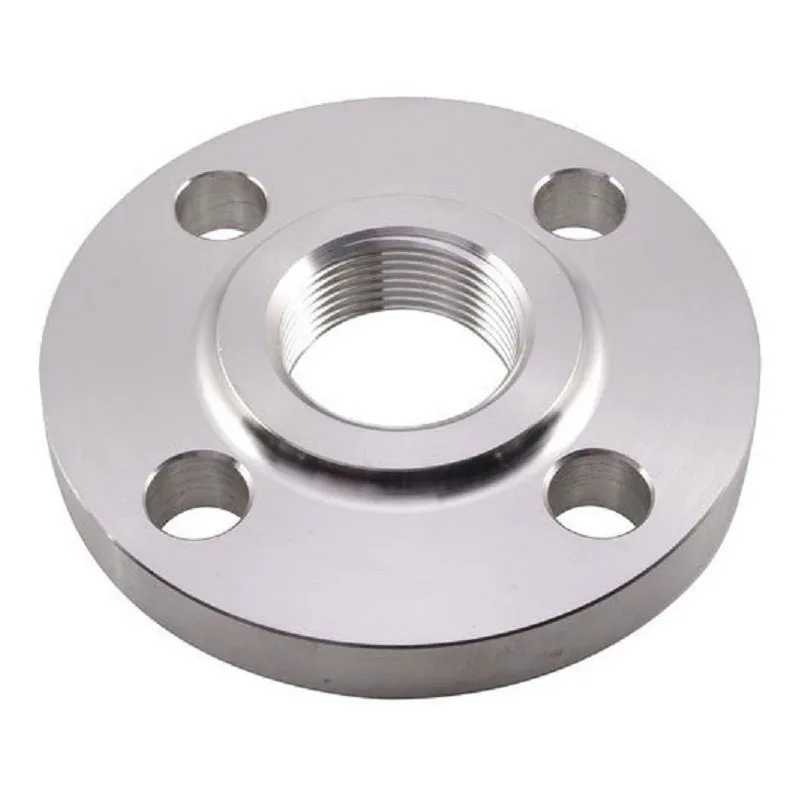
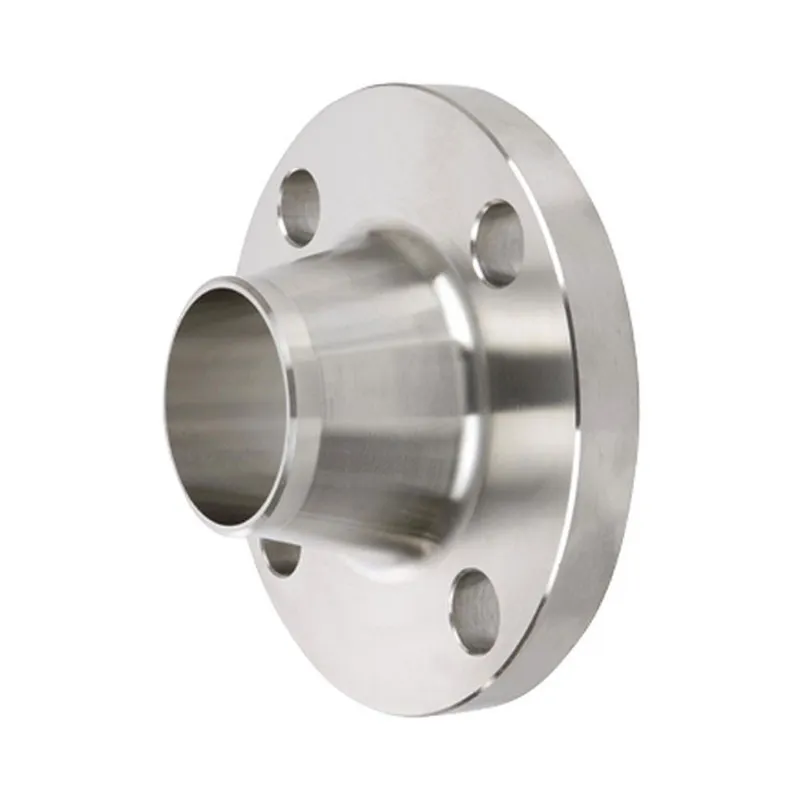
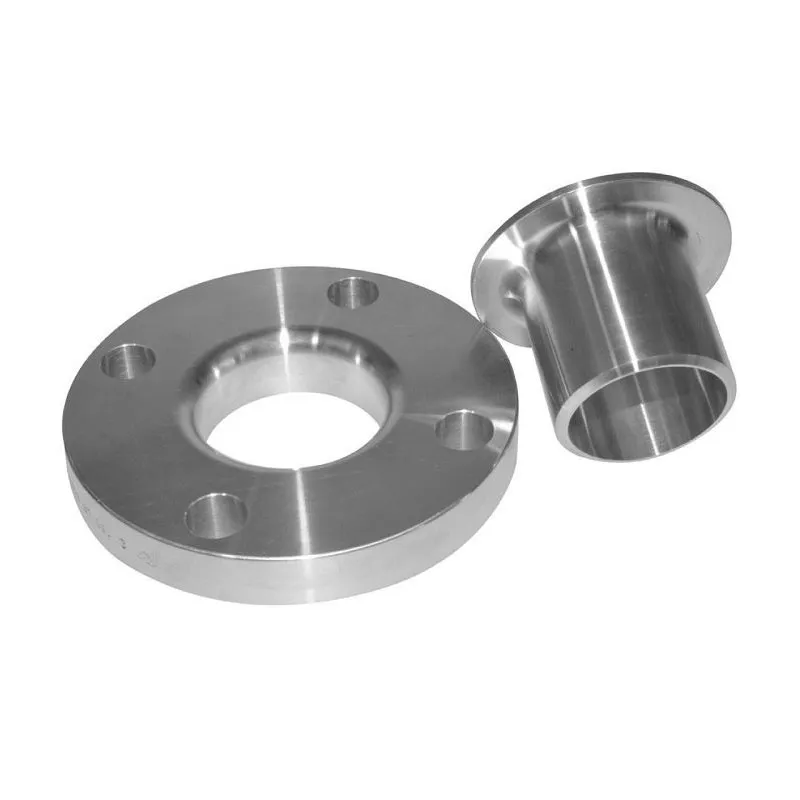
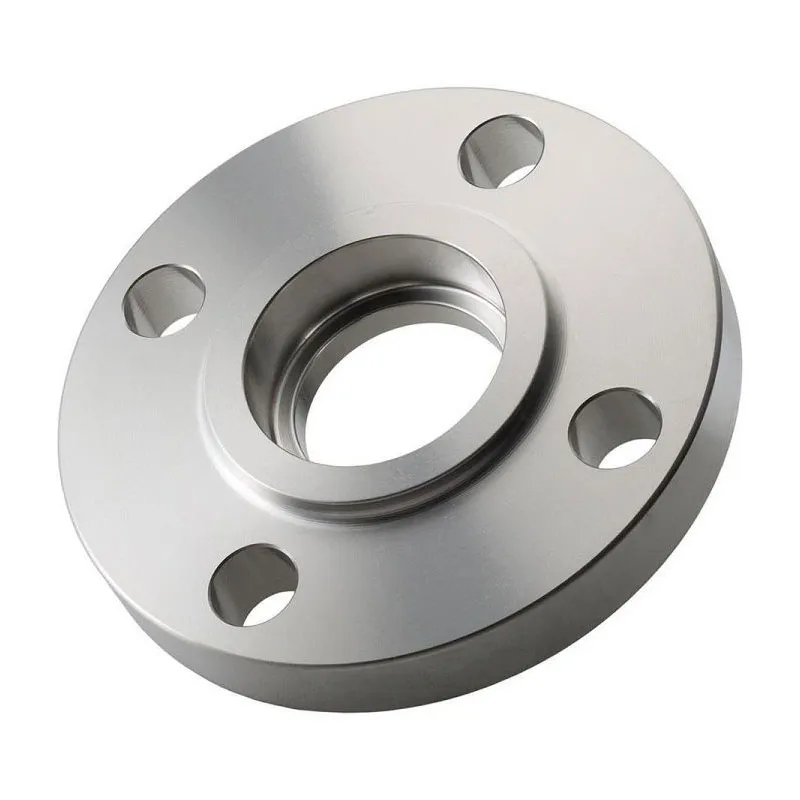
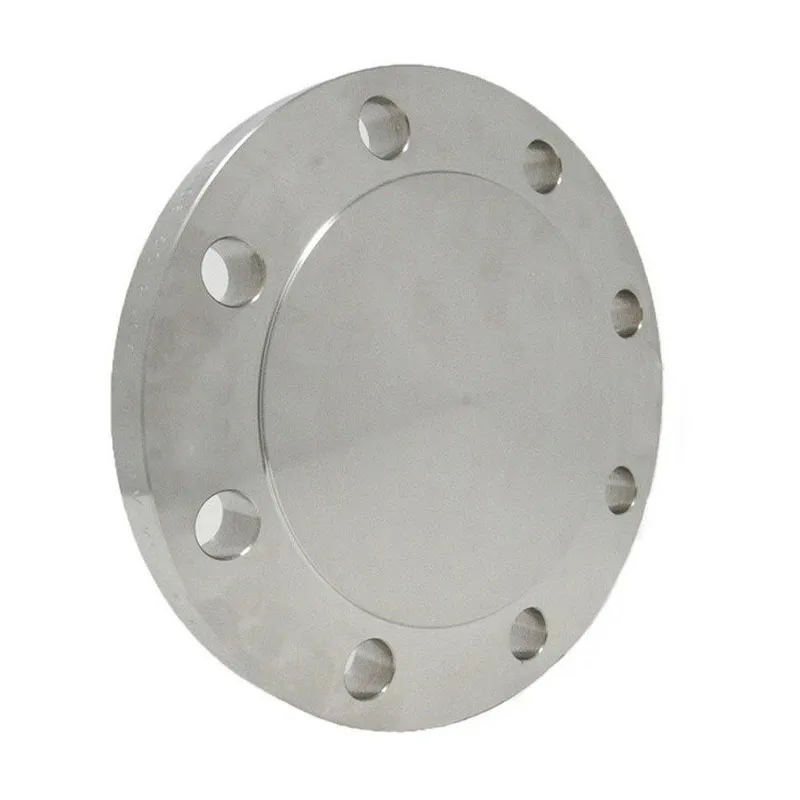
Best Sellingproducts
Best Selling Products-
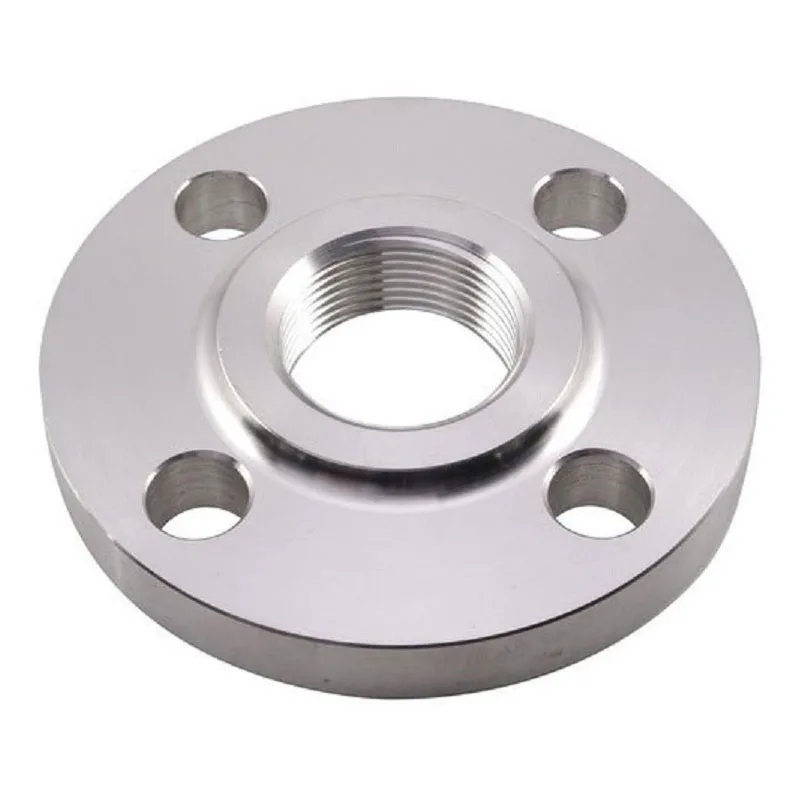 JIS 10K Threaded Flanges
 -
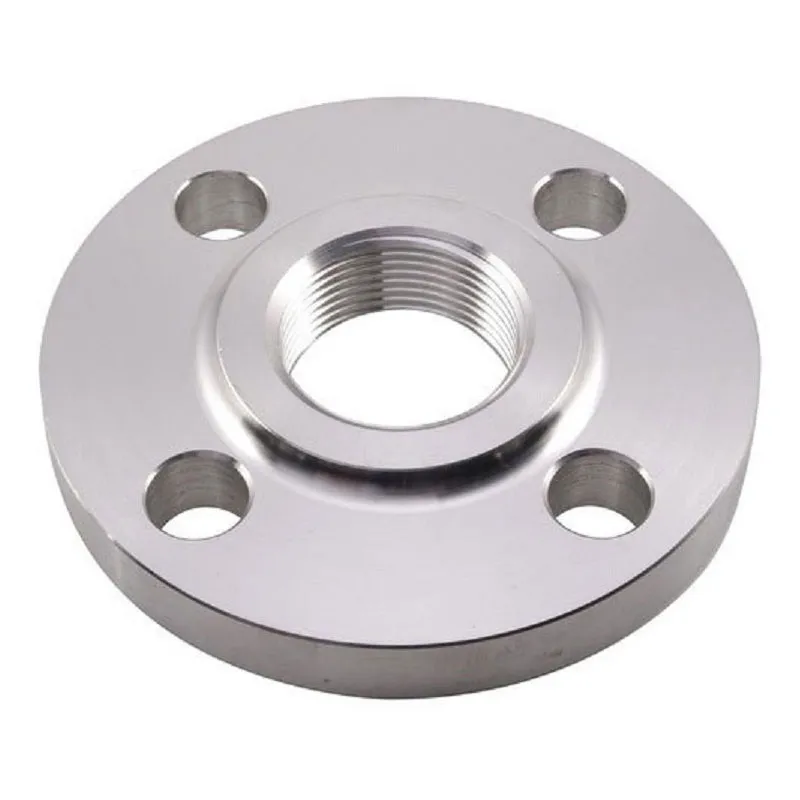 DIN 2565 Threaded flanges PN6
 -
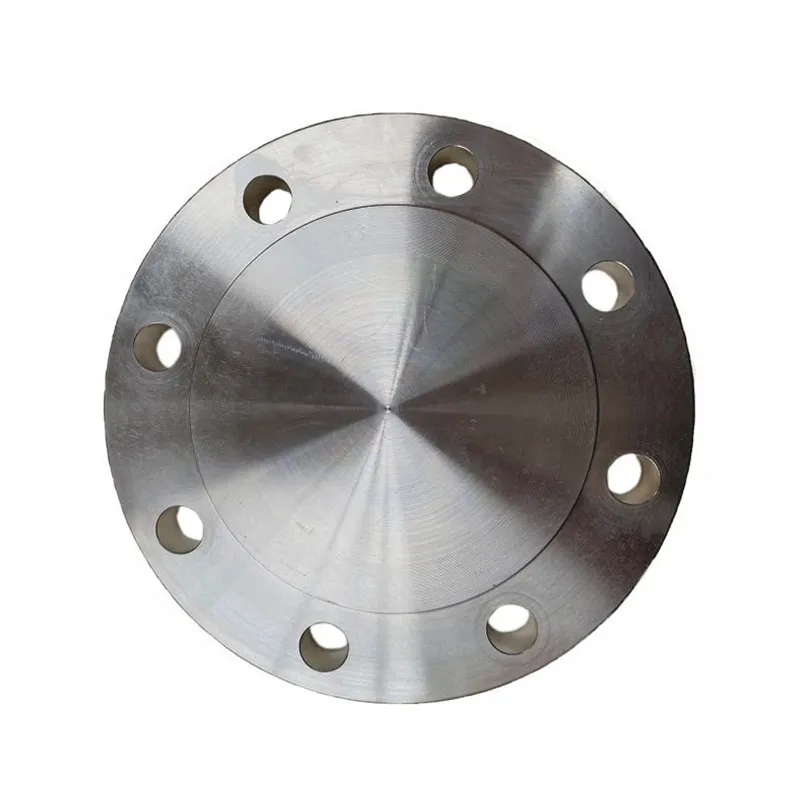 DIN 2527 Blind flanges PN10
 -
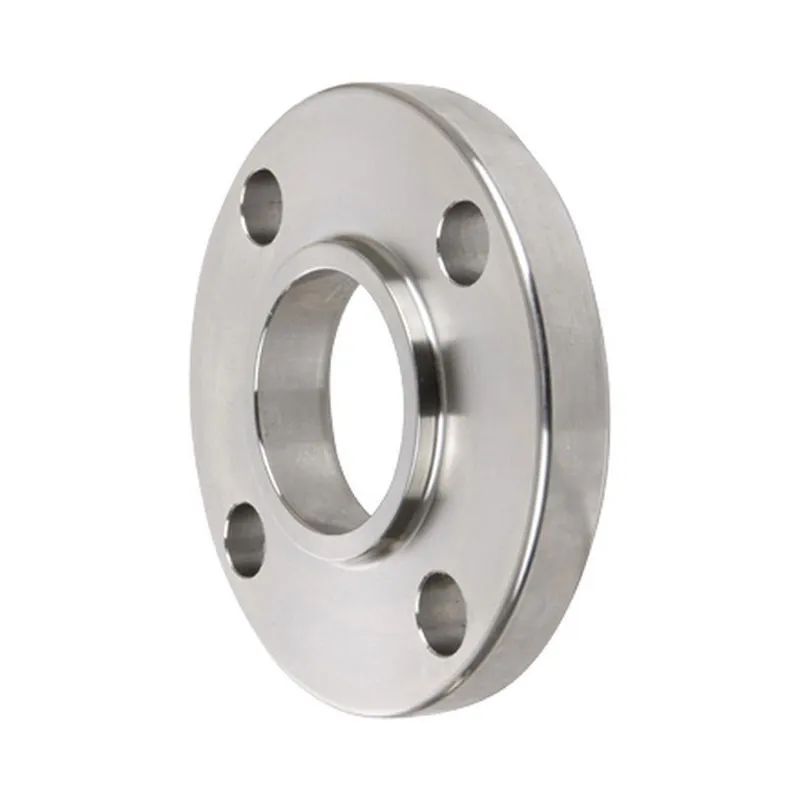 DIN 2501 Overlay flanges PN16
 -
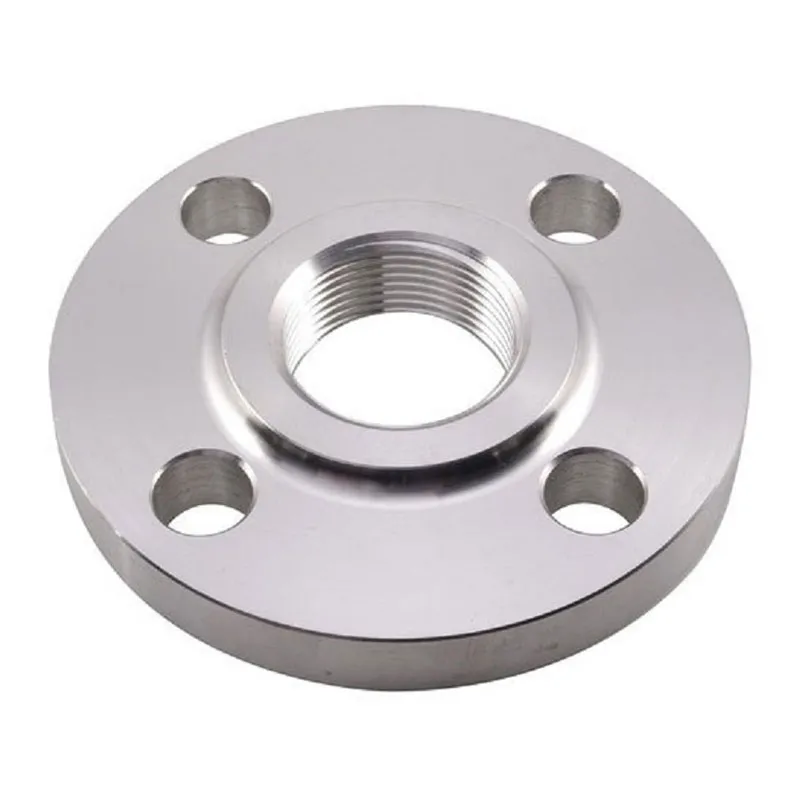 JIS 10K Overlay flanges
 -
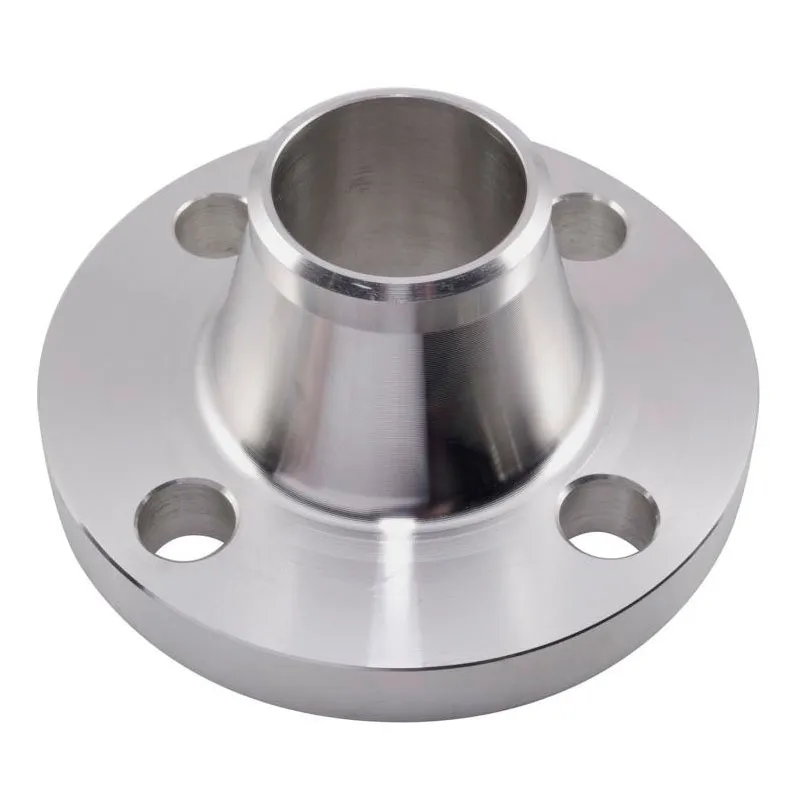 DIN Butt weld flanges PN10
 -
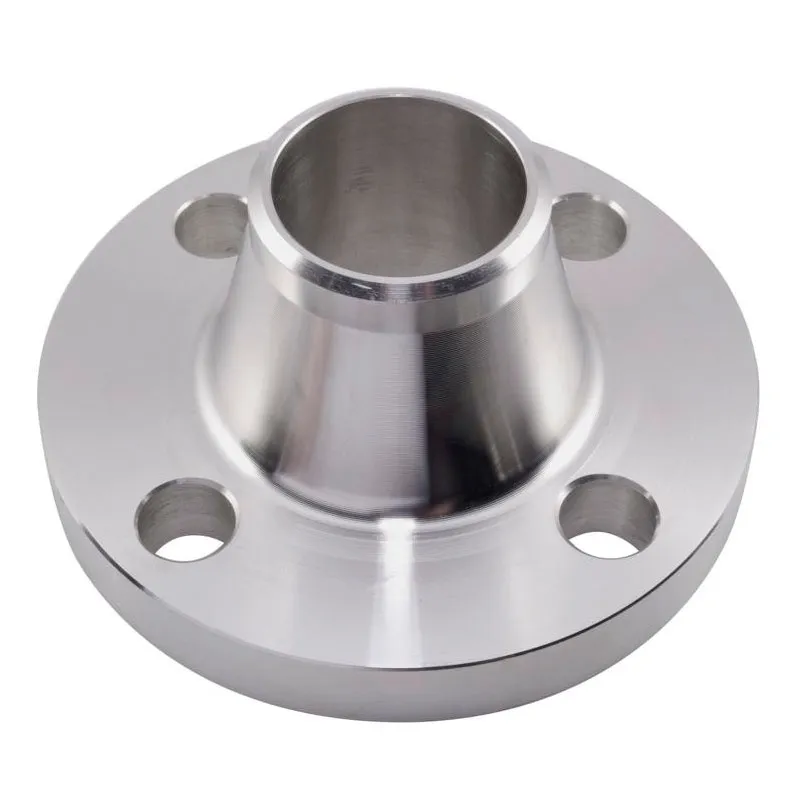 Butt weld flanges Class 900
 -
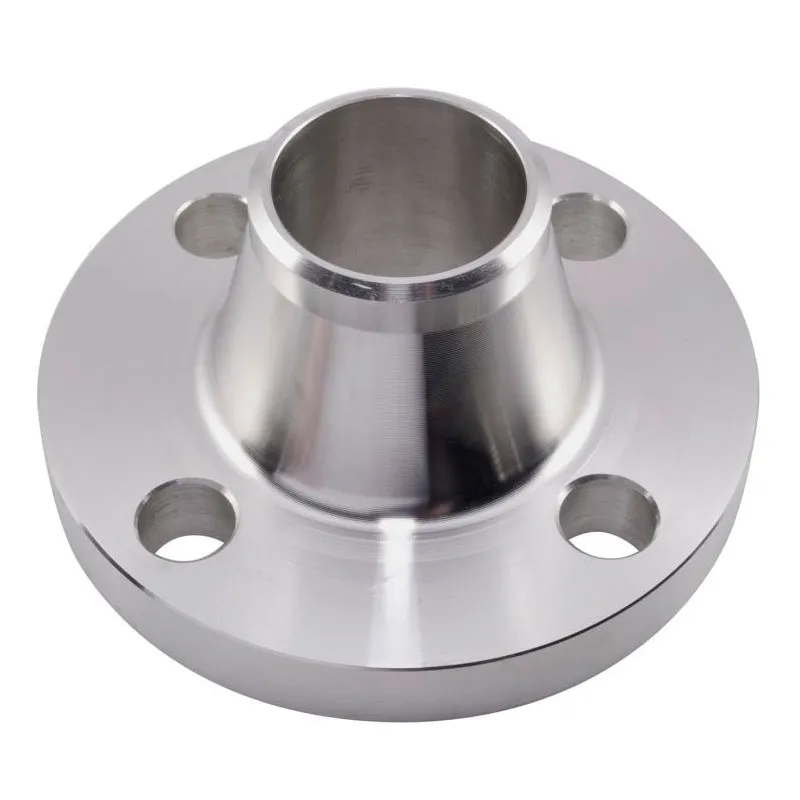 UNI 2281 Butt weld flanges PN10
 -
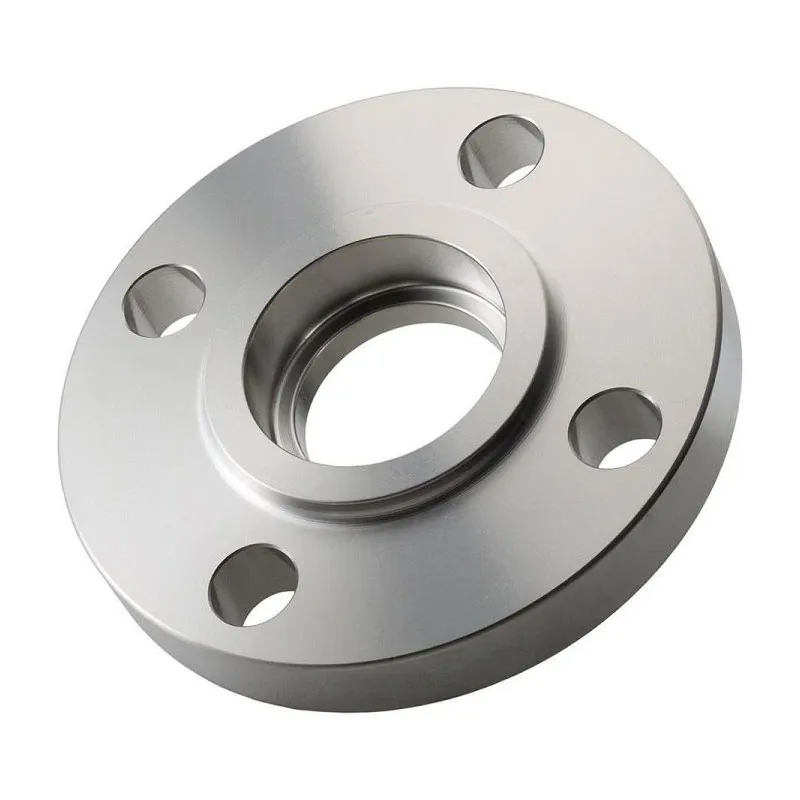 ANSI B16.5 Socket Weld Flanges Class 150
 -
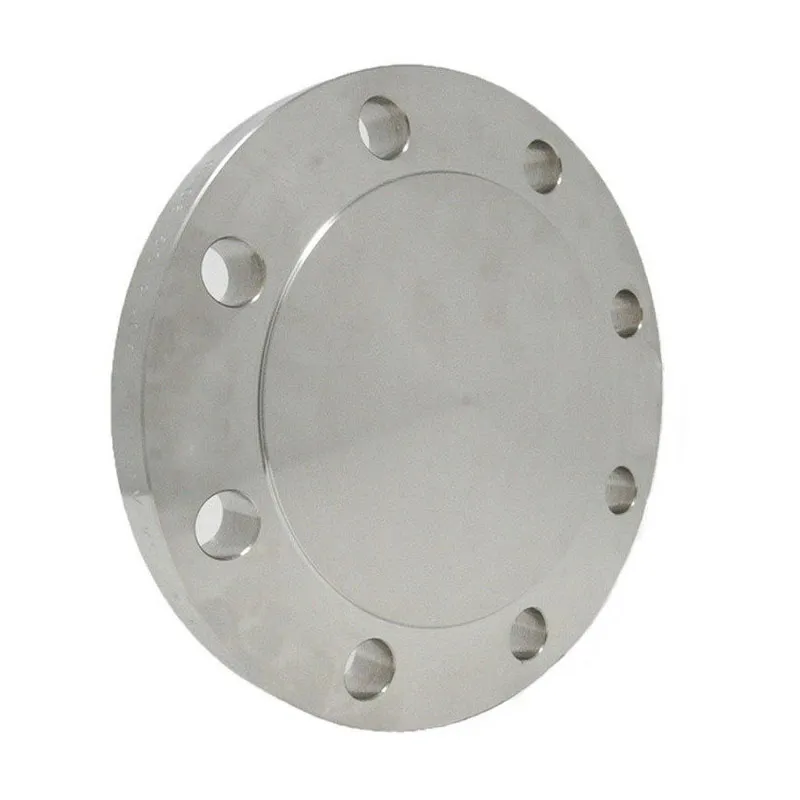 Blind flanges Class 150
 -
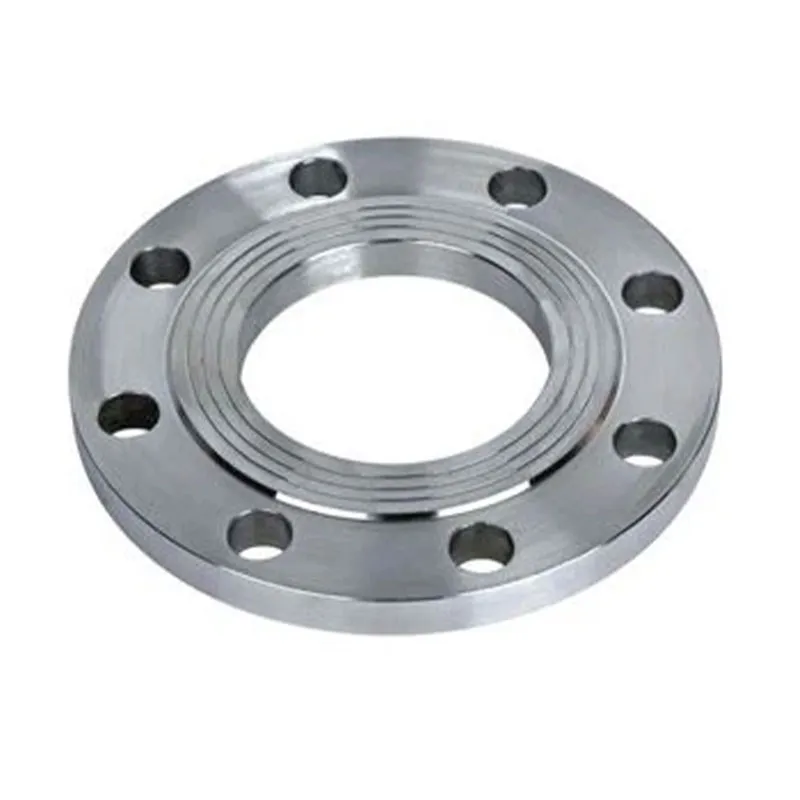 Butt weld flanges Class 150
 -
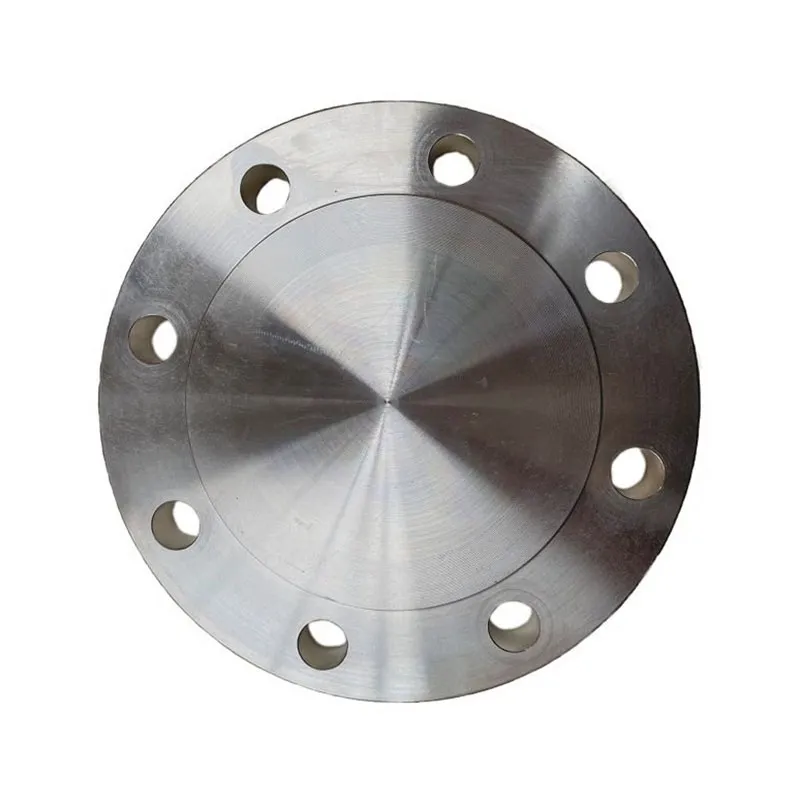 ASME B16.47 Ser.A Blind Flanges Class 400