
-
-
Phone
+86-13623462298



flange 3302
When they say “flange 3302?”, many people immediately go to GOST standards and look for a specific standard. But here’s the catch - you won’t find such a number in direct form in GOST for steel butt-welded flanges. This is rather an internal, factory or project marking that has taken root in circulation. Often this is understood as a flange specifically for a nominal pressure, say, Ru16 or Ru25, made of a certain grade of steel, but with some specific requirements for heat treatment or control. I myself came across an order where the specification said “Flange 3302?”, and according to the drawing - a regular flange 1-16-25 st. 20. The confusion began at the procurement stage; I had to check with the designers - it turned out that they had added this code to track the batch in their system. So the first lesson: always ask for technical documentation or clarification if the marking is non-standard.
Where do these numbers come from and what is behind them?
In my practice ?3302? most often encountered in the context of supplies for the repair or modernization of old facilities where equipment from Soviet times was used. Perhaps this is an echo of some outdated standard or internal standard of a particular equipment manufacturer. Sometimes flanges intended for use in specific environments are marked this way - for example, with increased requirements for impact strength at low temperatures. But without initial delivery conditions or technical specifications, this is just a set of numbers.
We once purchased a batch of flanges according to this specification from a domestic supplier. The metal arrived, everything seemed to be according to the certificates, but when installation began at the site, microcracks appeared in the thermal influence zone after welding. They began to figure it out. It turned out that the supplier, focusing on the general parameters “flange 3302”, supplied products from 09G2S steel without any additional heat treatment, although by default normalization was required for the operating conditions we planned (low temperatures, cyclic loads). That's the whole story - we saved on clarification, lost on downtime and rework.
Therefore, now, when working with such symbols, we always require decoding: material (steel grade, type of forging), mechanical properties, type of heat treatment, test conditions and acceptance. If the supplier cannot provide this, this is a serious reason to be wary. It is in such cases that you begin to appreciate manufacturers who work strictly according to standards and are open to dialogue. For example, on the websiteShanxi Hongkai Forging Co.,Ltd (https://www.hkflange.ru) it is clear that they immediately operate with international standards - ASME, EN, GOST. This removes a lot of questions. Their positioning as a manufacturer of forged flanges and forgings in one of the key forging centers in China indicates serious capabilities. For the ?mysterious? orders like ours ?3302? They would probably have asked for a drawing and done it according to it, which is more logical and reliable.
Practical experience and pitfalls
Returning to the topic. Working with non-standard or poorly deciphered markings is always a risk. It is especially critical for critical components: on high-pressure pipelines, in the chemical or energy industries. We once received flanges that, according to the documents, were similar to ?3302? for Ru16. Installed. After six months of operation, traces of corrosion cracking appeared on one of them. The analysis showed a discrepancy between the chemical composition of the steel and that stated for similar environmental conditions (there was a small but critical impurity). I had to change the entire line at a similar facility.
An important point follows from this: mechanical properties and chemical composition are the basis. For flanges, especially forged ones, which are offered, for example,Shanxi Hongkai Forging Co.,Ltd, the forging process itself improves the structure of the metal. But without proper subsequent heat treatment - normalization, quenching and tempering - even the best forging will not give the required characteristics. By the way, their nomenclature includes a full range - from end-to-end to loose and blind flanges, and what is important is the possibility of manufacturing according to customer drawings. This is exactly the case when it is easier and more correct to provide an accurate drawing indicating all the requirements for material and processing than to operate with dubious codes like “3302”.
Another aspect is testing. For non-standard products or products under special conditions, additional tests are often required: ultrasonic testing, x-rays, tests for resistance to intergranular corrosion (intercrystalline corrosion). When you are dealing with a clear standard - GOST, ASME - everything is spelled out there. And with ?3302? - again a field for interpretation. Who should conduct the tests? What is the volume? What are the acceptance criteria? All this must be discussed separately and included in the terms of reference.
When contacting the manufacturer is the only right way
Now, when faced with a request like this, I immediately refer the client or purchasing department to the manufacturer for technical advice. I explain that the universal ?flange 3302? does not exist, and real parameters need to be determined. The optimal way is to provide the manufacturer with operating conditions: pressure, temperature, medium, connection standard (if any).
For example, if we take a manufacturer likeShanxi Hongkai Forging Co.,Ltd, their website shows that they work with a size range of DN15–DN4000 and to a variety of standards. It will not be a problem for them to produce a flange, which someone calls “3302?”, but in fact is, say, a butt weld flange according to GOST 33259 with Ru16 from steel 20 or 09G2S, with normalization. The main thing is to formulate the request correctly. Their competence in manufacturing according to customer drawings is just for such cases.
Trying to find a finished product on the market with such markings is a game of roulette. You can get a product made according to the residual principle, from unsuitable steel or with violations of technology. Savings at the procurement stage will result in multiple losses later. Verified.
Conclusions and recommendations from experience
So, what can we say in conclusion? The term ?flange 3302? is a historical or internal artifact rather than a technically accurate designation. Its use without reference to specific standards, drawings and specifications is a source of potential problems and inconsistencies.
For engineers and procurement professionals, my advice is clear: avoid working with such vague codes. Request full technical specifications. If we are talking about replacement or repair according to old documentation, initiate the process of translating the requirements to modern, understandable standards - GOST, ASME, EN. This protects against mistakes.
As for production, cooperation with serious factories that, likeShanxi Hongkai Forging Co.,Ltd, have experience working according to international standards and are ready to carry out individual orders - the most reliable option. You send them a drawing or detailed specifications, you receive a product with a full package of documents, where everything is transparent: material, processing, test results. And no mysterious ?3302?. Work becomes predictable and equipment becomes safe. This, in fact, is the professional approach.
Correspondingproducts
Related Products
Best Sellingproducts
Best Selling Products-
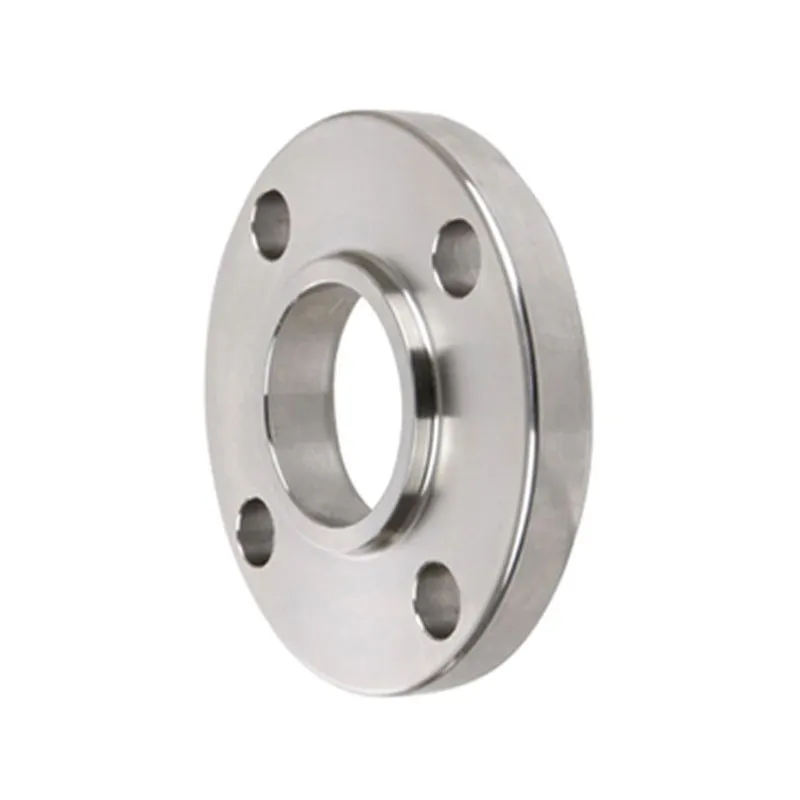 ANSI B16.5 Lap-on flanges Class 300
 -
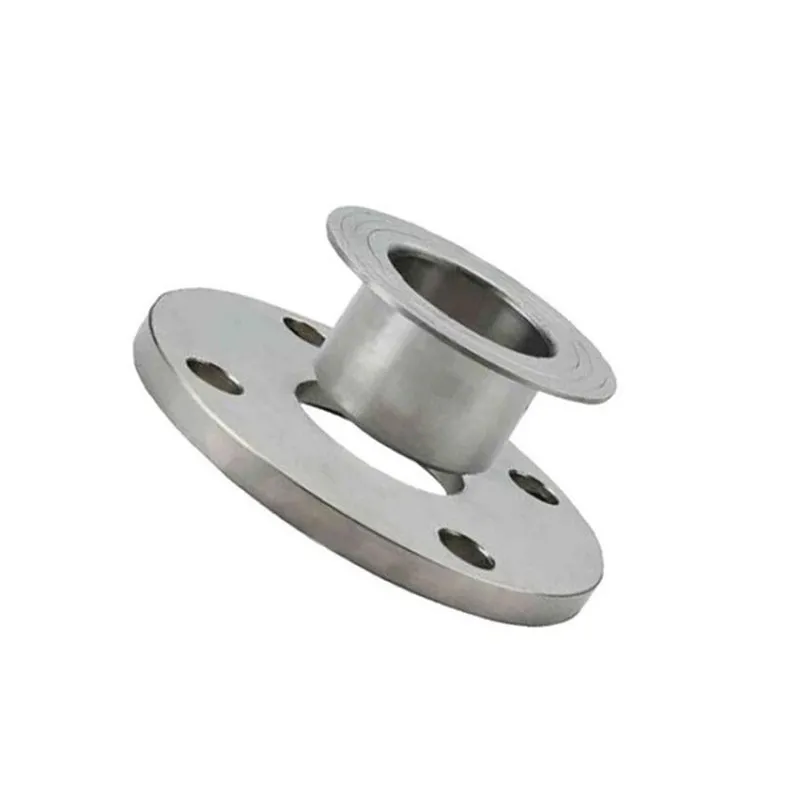 JIS 10K Loose Ring Flanges
 -
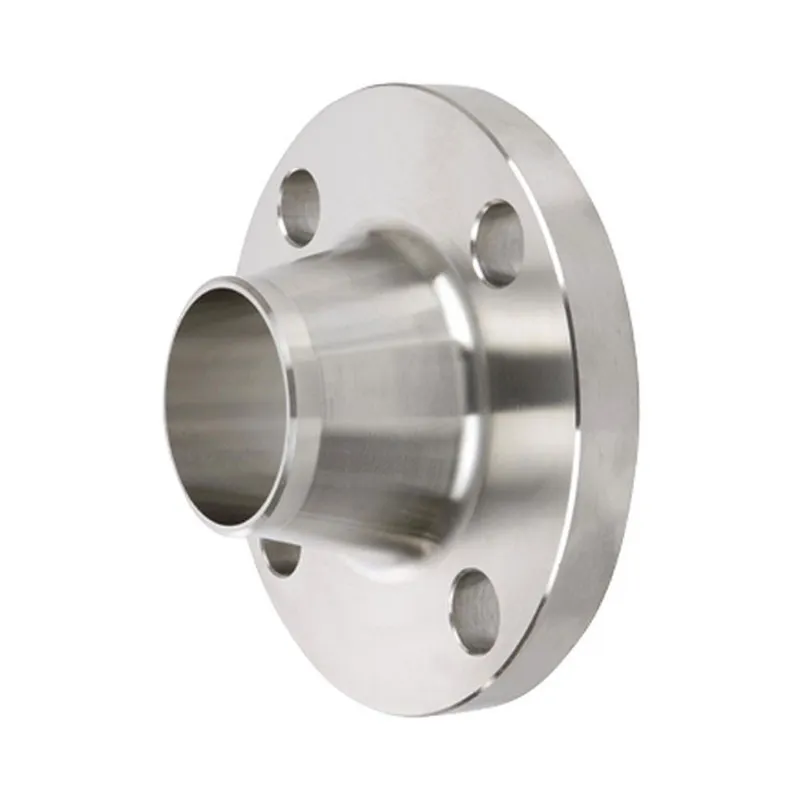 EN 1092-1 Butt weld flanges Type 11, PN25
 -
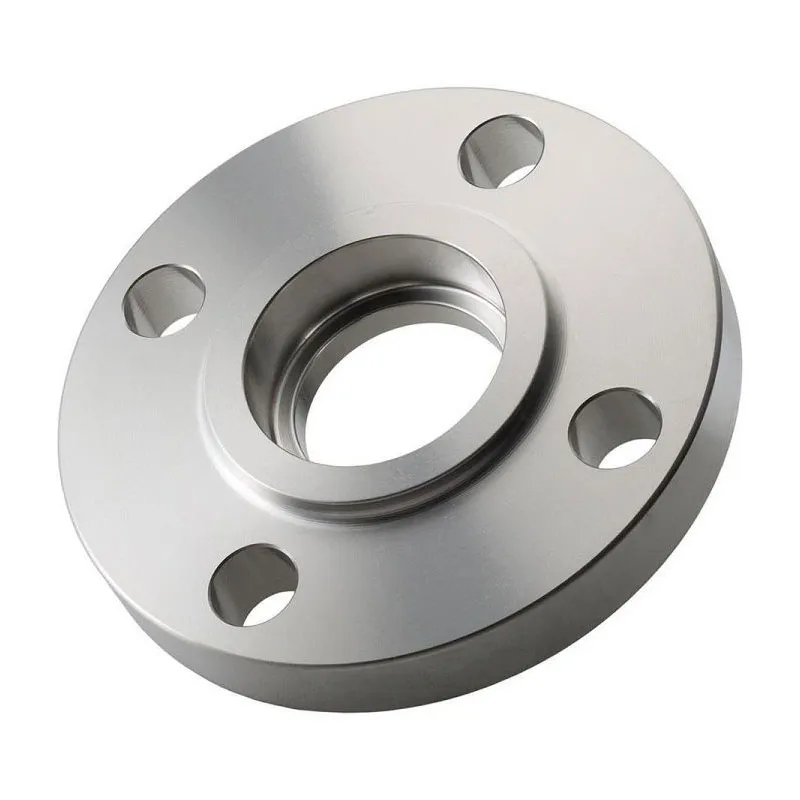 ANSI B16.5 Socket Weld Flanges Class 1500
 -
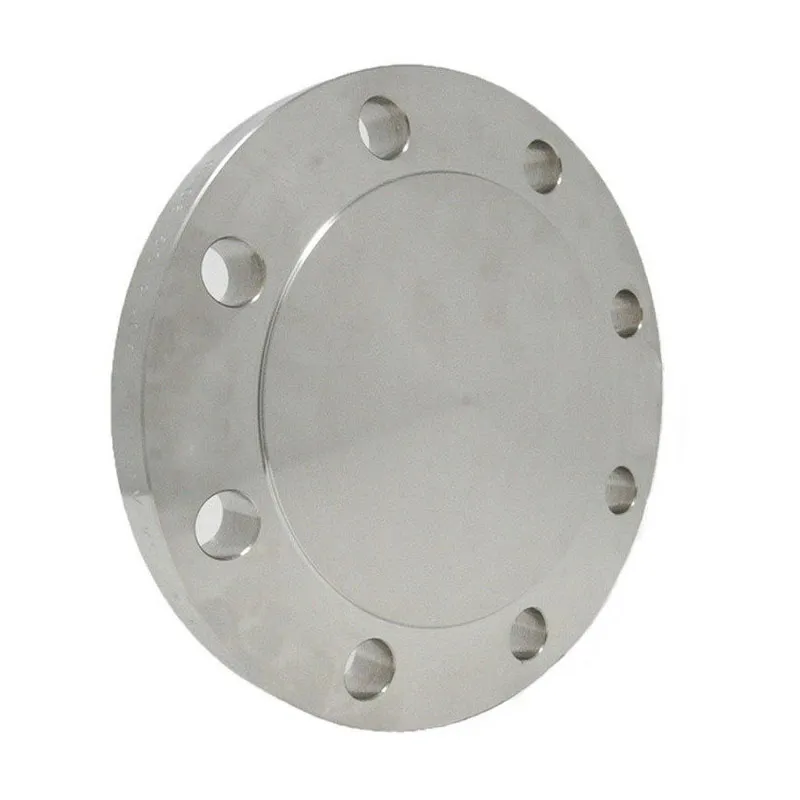 AWWA Blind Flanges Class D (Tables 1, 2, 3)
 -
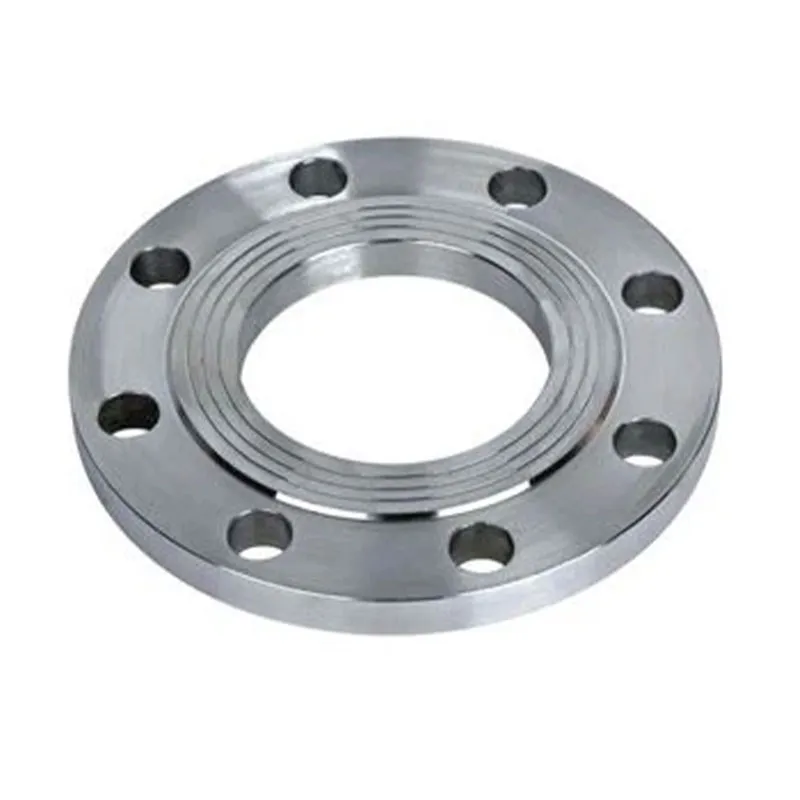 Butt weld flanges Class 150
 -
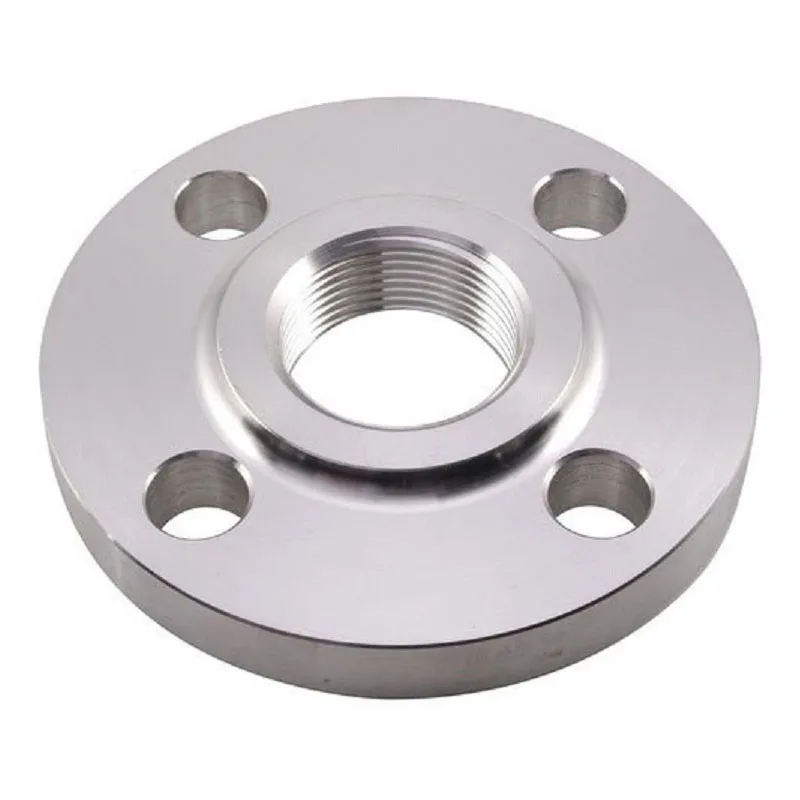 DIN 2566 Threaded flanges PN16
 -
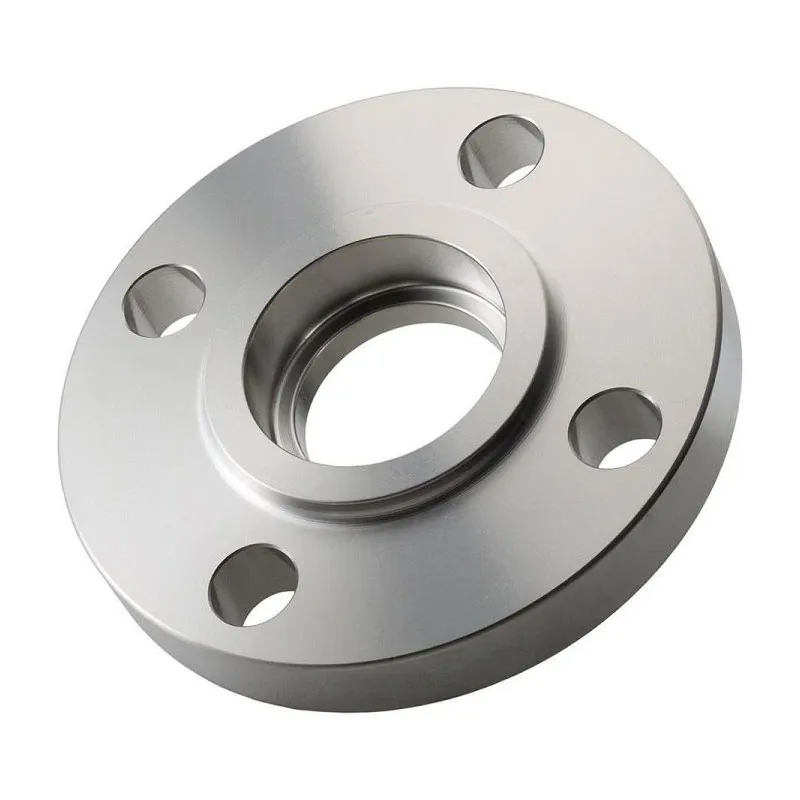 ANSI B16.5 Socket Weld Flanges Class 150
 -
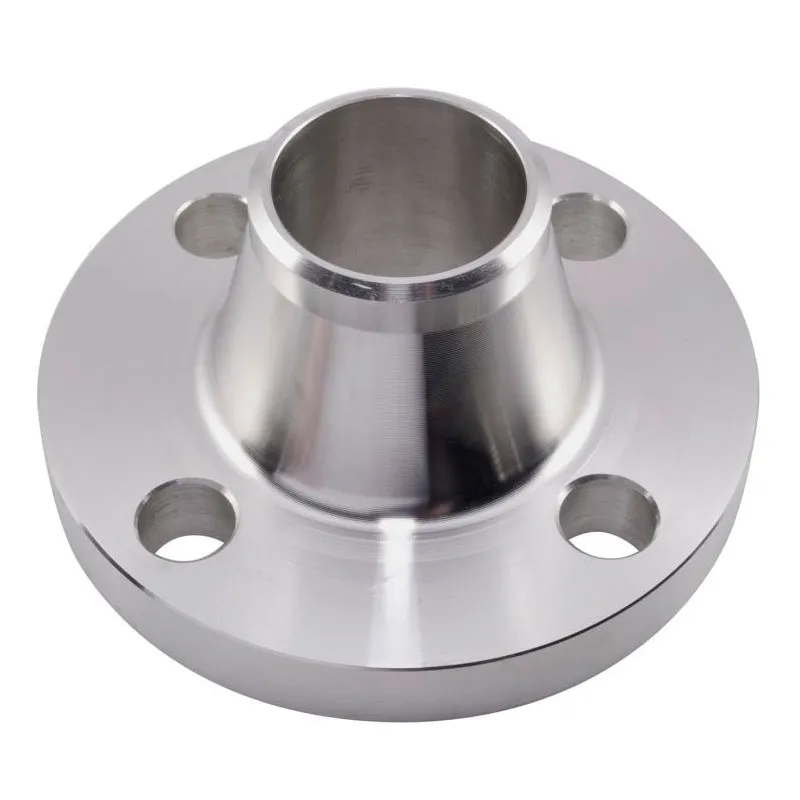 UNI 2281 Butt weld flanges PN10
 -
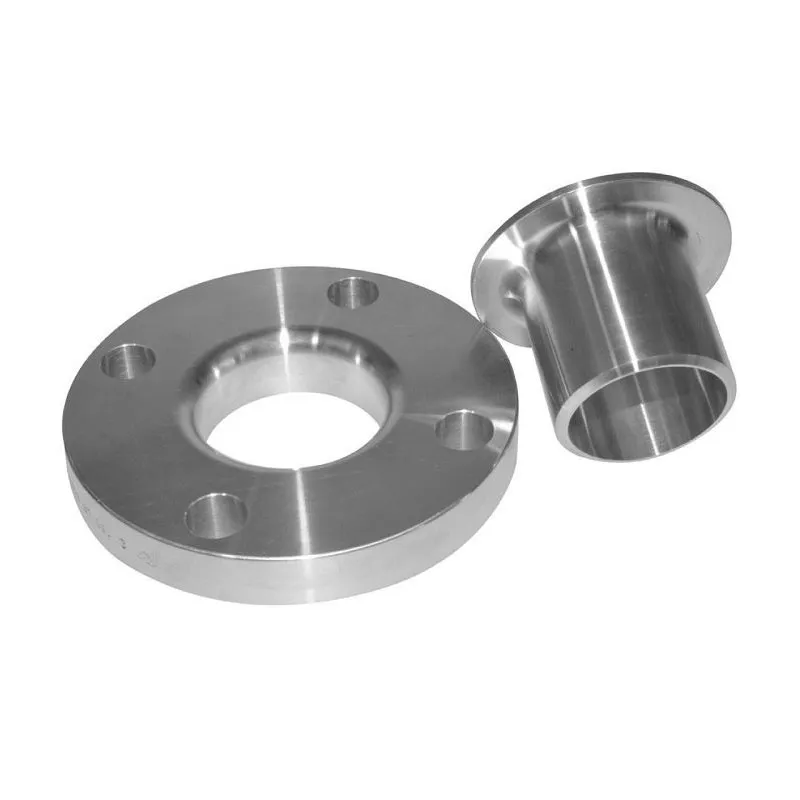 ANSI B16.5 Loose Ring Flanges Class 2500
 -
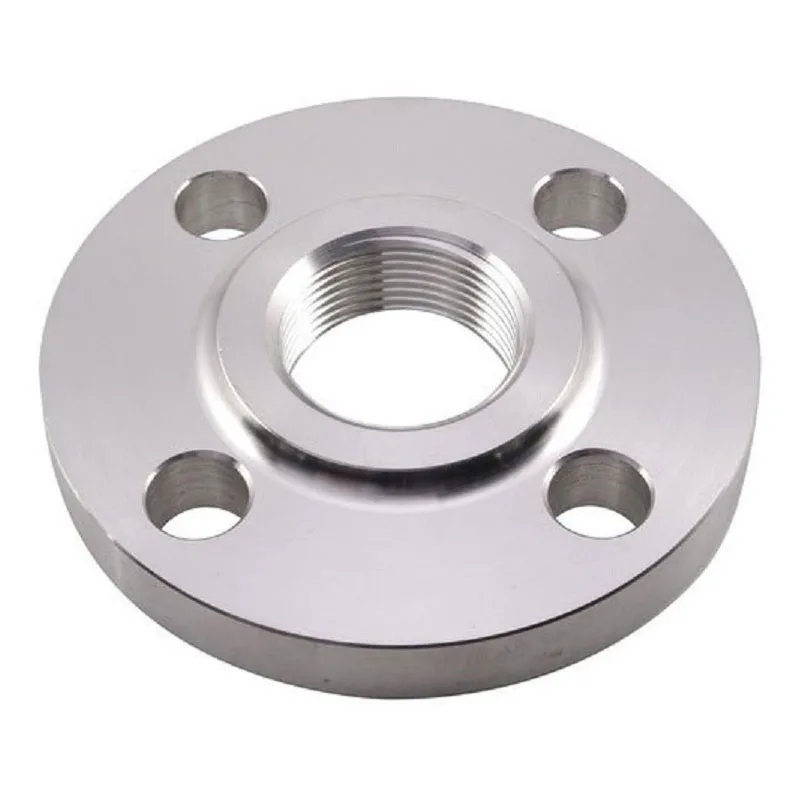 JIS 10K Threaded Flanges
 -
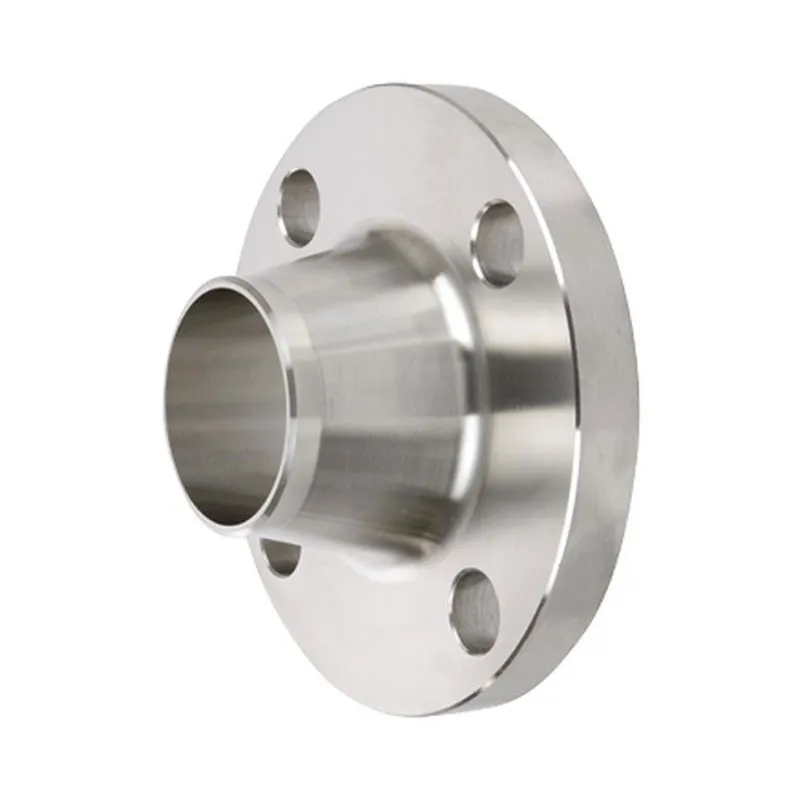 Ser.A Butt Weld Flanges Class 400