
-
-
Phone
+86-13623462298



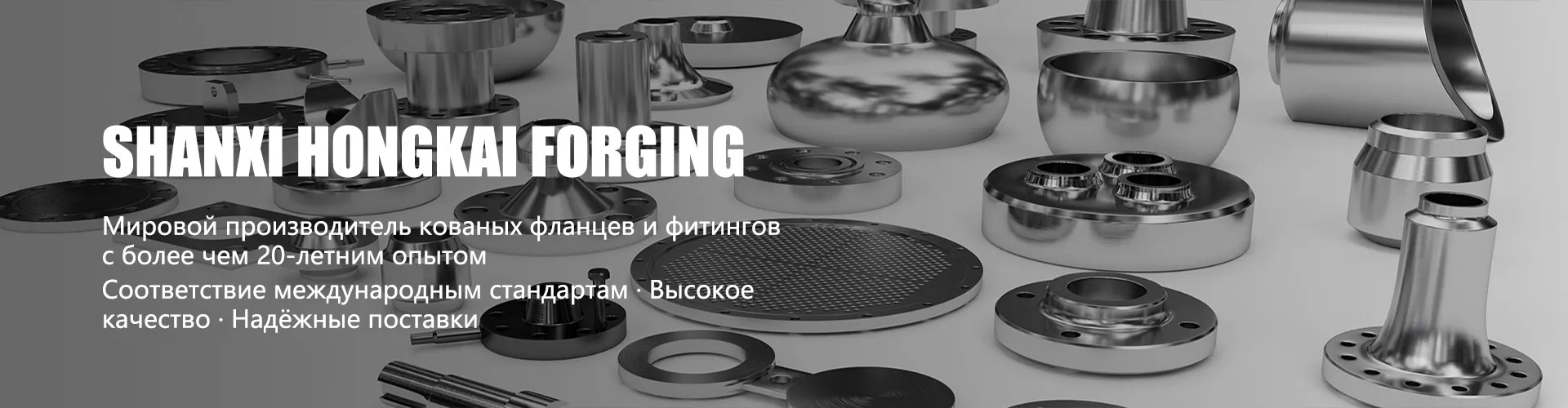
flange 54
When you hear “54 flange”, the first thing that comes to mind is most likely the diameter. And here lies the first pitfall. In practice, especially when working with different standards, this figure can refer to both the nominal bore and the outer diameter, and even be part of the article number of a specific manufacturer. There was a case in our workshop: an order came forflange 54according to GOST 12820-80, and the manager, without going into details, shipped a flat flange for Dy 50, because “it’s about the same thing.” Approximately - doesn't count. Then we figured out why the joint didn’t fit. It turned out that the client needed exactly a 54 mm mounting diameter for a specific, non-standard pipe. So now we always clarify: what is 54? DN, outdoor, or maybe according to the drawing?
From standard to metal: what size hides
If we talk about standardized products, then, for example, in the same GOST 12821-80 (steel butt-welded flanges) of straight size ?54? No. The closest ones are DN 50 or DN 65. But the industry does not stand still, and transitional or non-standard solutions are often required. This is where the real work begins. The most common request forflange 54arises specifically for non-standard pipelines or during the modernization of old equipment, where now rarely used pipe assortments were used.
When producing such piece items, the key is the material and heat treatment. You can’t just take a workpiece and grind it to size. For critical applications, say, in the energy sector or chemical plants, the entire cycle is important: steel grade (20, 09G2S, 12Х18Н10Т), checking metal certificates, correct forging to form fibers, annealing to relieve stress. Otherwise, at the first hydraulic shock or thermal shock, a crack may occur along the body of the flange, and not along the weld - this is the most unpleasant scenario.
We once made a batch of flanges to order for an oil service project in Siberia. The bore diameter of 54 mm was indicated there. The customer sent his technical regulations with requirements for impact strength at low temperatures. We had to select not just 09G2S steel, but a specific melt with confirmed laboratory tests. And the forging itself was done on a more powerful press in order to achieve the required density of the structure. This is the case when the price of the product fades into the background, and the predictability of its behavior in operation comes to the fore.
Practical pitfalls during installation and selection
Let's say the flange is made perfectly. But then - editing. Here, for “near-standard” sizes, like our 54th, there are specifics. Fasteners Standard M12 or M16 studs may not be suitable because the distance between the holes for them (bolt circle) on a non-standard flange is often calculated individually. If you take “what is available?”, you can get a distortion when tightening. It is better to immediately order fasteners as a set with flanges.
Another point is compaction. Gaskets. For standard flanges, serial gaskets (paronite, fluoroplastic) are used. For a diameter of 54 mm, especially if it is not DN 50, there may not be a ready-made gasket. You have to either cut it from a sheet, which is not always good for tightness, or order a stamped one. We usually advise clientsflange 54and seal are treated as a single unit and supplied together. Saves time and nerves during commissioning.
I had a negative experience that I don’t like to remember, but it was instructive. We supplied the flanges to one plant, all according to the drawings. And their environment there is slightly aggressive, but with temperature changes. Standard graphite gaskets were used. In six months it will leak. We took it apart - but the gasket was eaten away? unevenly. It turned out that the surface of the flange, although it had been processed, had micro-roughnesses invisible to the eye, and for a non-standard diameter the pressure was distributed differently. I had to grind the surfaces to order and install a gasket made of spiral-wound metal-graphite tape. Since then, for any non-standard sizes, we always request data on the environment and temperature chart.
Manufacturers and opportunities: a look from inside the industry
When you need a reliable supplier for something as specific as a custom flange, it's important to look not at the pretty pictures in the catalog, but at the manufacturing capabilities. Here, for example,Shanxi Hongkai Forging Co.,Ltd(websitehttps://www.hkflange.ru). This company is not just a trading company, but a manufacturer of forged flanges and forgings, based in one of the key forging centers in China. This is an important marker for me. Why? Because forging is not the processing of a sheet or wheel on a machine. This is precisely the formation of a product under pressure, which radically improves the mechanical properties of the metal, especially for critical parts.
Their stated range of up to DN4000 indicates the presence of heavy equipment - presses weighing several thousand tons. And if they make forgings according to customer drawings, then there is an engineering department that can figure out what it meansflange 54in a specific technical task. Working according to GOST, ASME, EN standards is also a plus. This means they can issue a certificate of conformity, which is critical for most serious projects. Although, to be honest, for truly unique things, certification sometimes follows an individual testing program.
I myself did not personally order 54 mm flanges from them, but my friends in the workshop installed their products on test sections of pipelines. The reviews were generally working: the geometry was consistent, metallography was normal. It was noted that in terms of production time for non-standard products, they are often faster than many European factories. I think this is due to the fact that they have their own complete production - from procurement to machining and control. There is no dependence on subcontractors.
When you need non-standard: economics versus reliability
The question often arises: is it worth messing with a non-standard size, such as a 54 flange? Isn't it easier to redesign the unit for standard DN 50 or 65? The answer is ambiguous. If this is a new construction site, of course, it’s easier and cheaper to go standard. But if we are talking about repairs, modernization or joining with existing old-style equipment, then replacing the entire assembly can cost several times more than manufacturing several batches of non-standard flanges.
This is where the information density factor comes into play. It is necessary to collect all the data: exact measurements of the old flange (don’t forget about the chamfer radius and the type of surface for the gasket), environmental parameters, availability of space for installation. Sometimes it turns out that physically the new standard flange does not fit into the place of the old DN 50 flange due to changes in the design, but a flange with a mounting diameter of 54 mm fits perfectly. This is the very practice that is not described in textbooks.
Therefore, my final advice for working with such dimensions: do not be lazy to make as detailed a sketch as possible. Photos with a ruler are good, but a 3D scan or at least an accurate drawing with specified tolerances is much better. And send it to the manufacturer, something like the sameShanxi Hongkai Forging Co.,Ltd, not just as a price request, but as the beginning of a technical dialogue. Often their engineers can offer an optimal design option from a technical process point of view, which will save time and money while maintaining all the required characteristics. In the endflange 54- this is not a problem, but simply one of many work tasks that can be solved competently with the right contractor and clear technical specifications.
Correspondingproducts
Related Products
Best Sellingproducts
Best Selling Products-
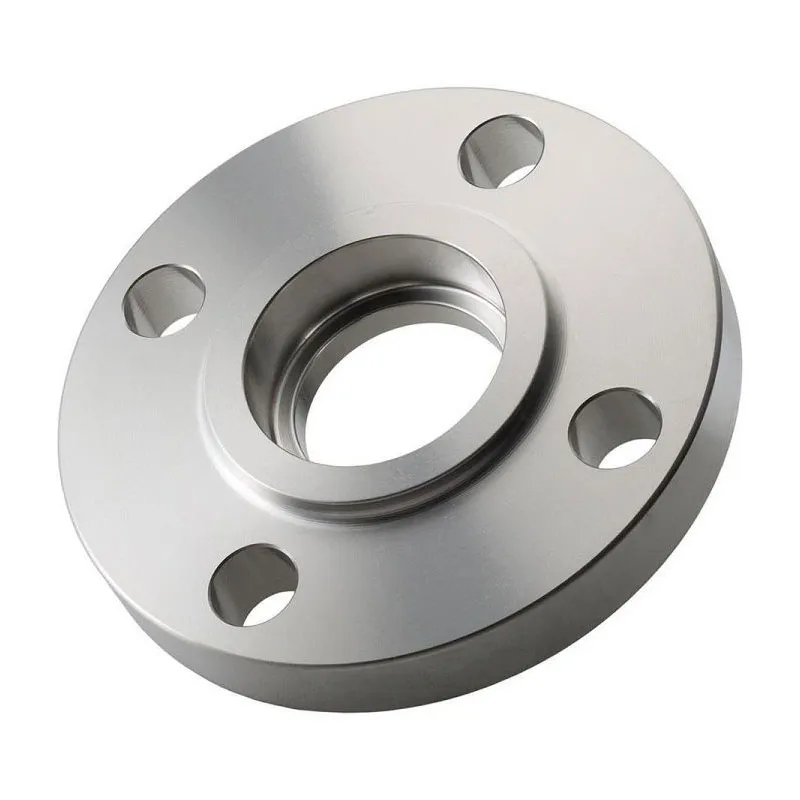 ANSI B16.5 Socket Weld Flanges Class 1500
 -
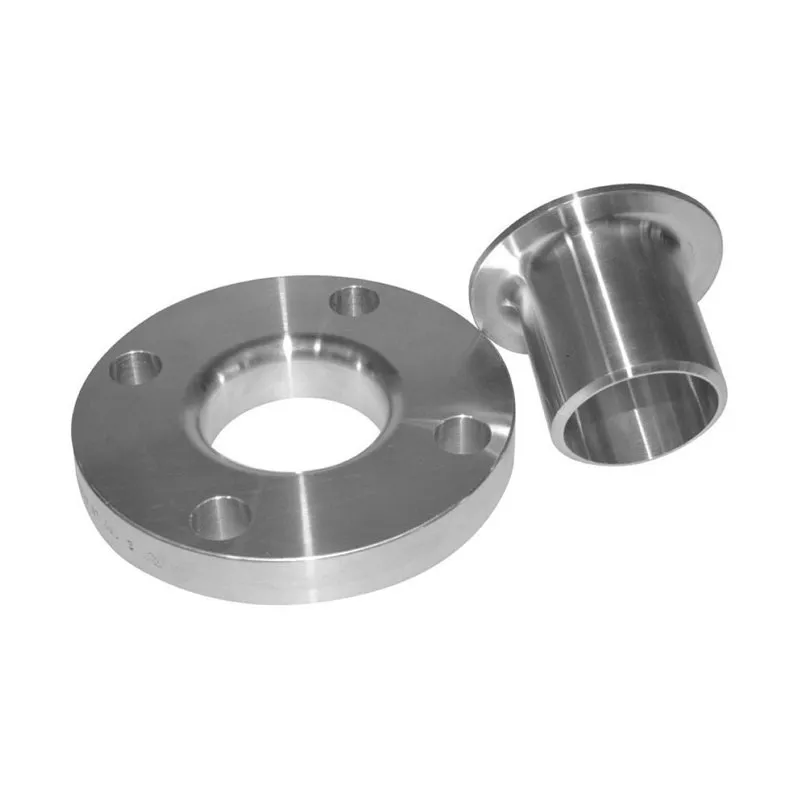 Free ring flanges Class 150
 -
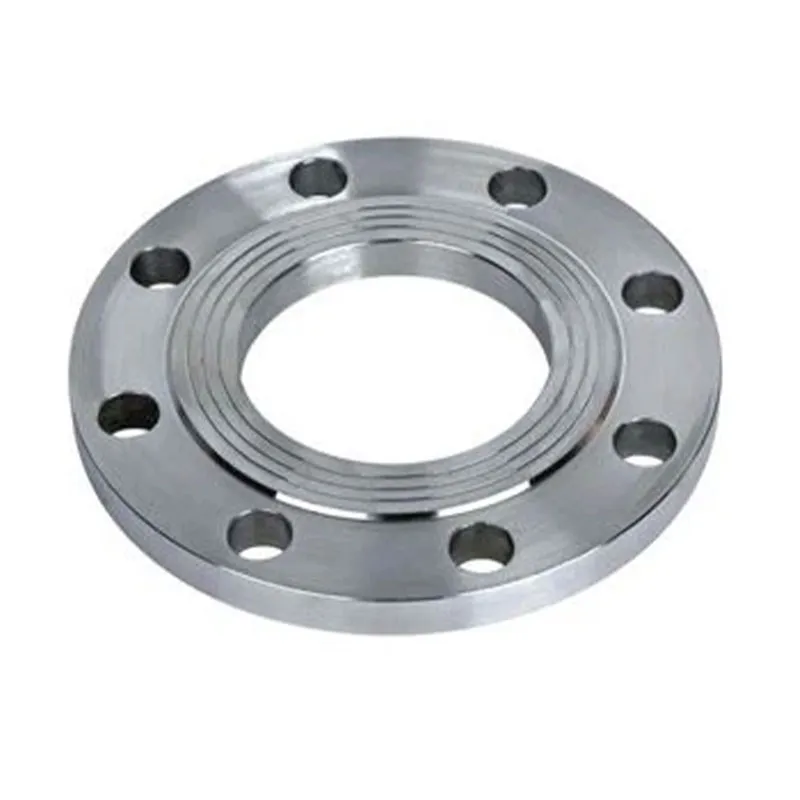 Butt weld flanges Class 150
 -
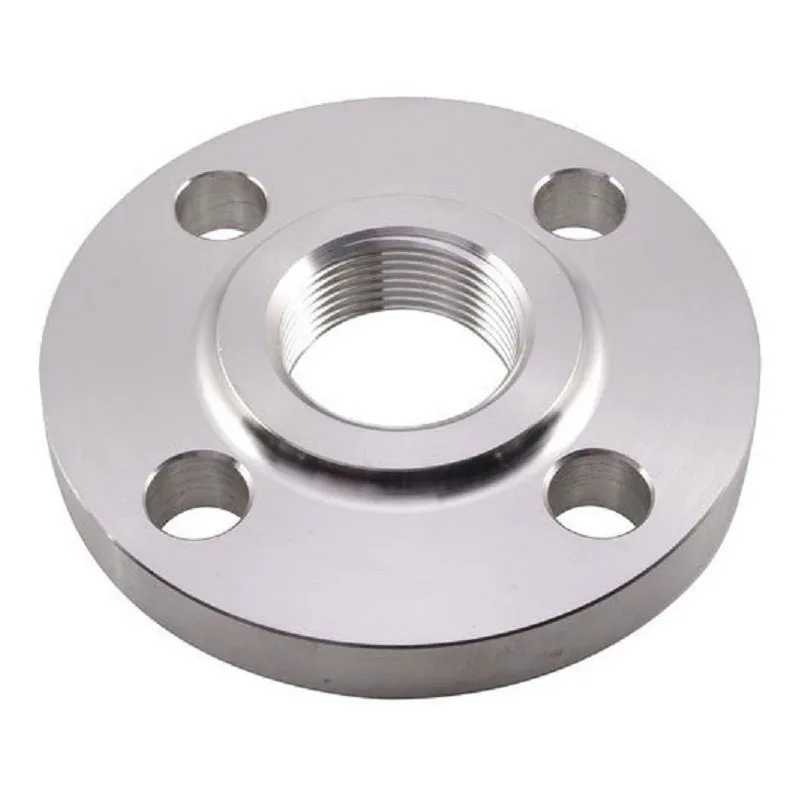 ANSI B16.5 Threaded Flanges Class 600
 -
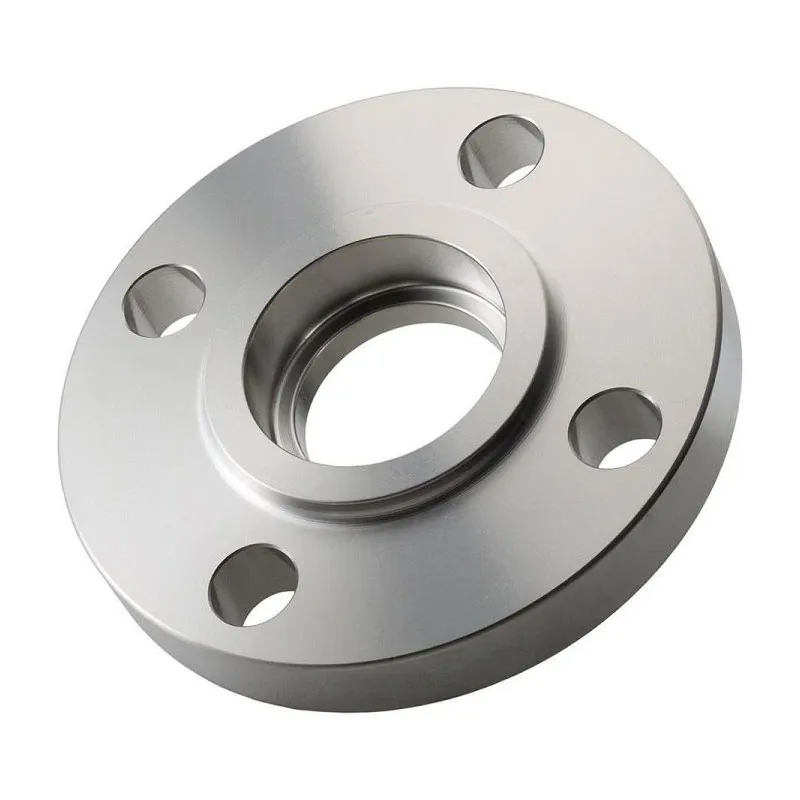 ANSI B16.5 Socket Weld Flanges Class 150
 -
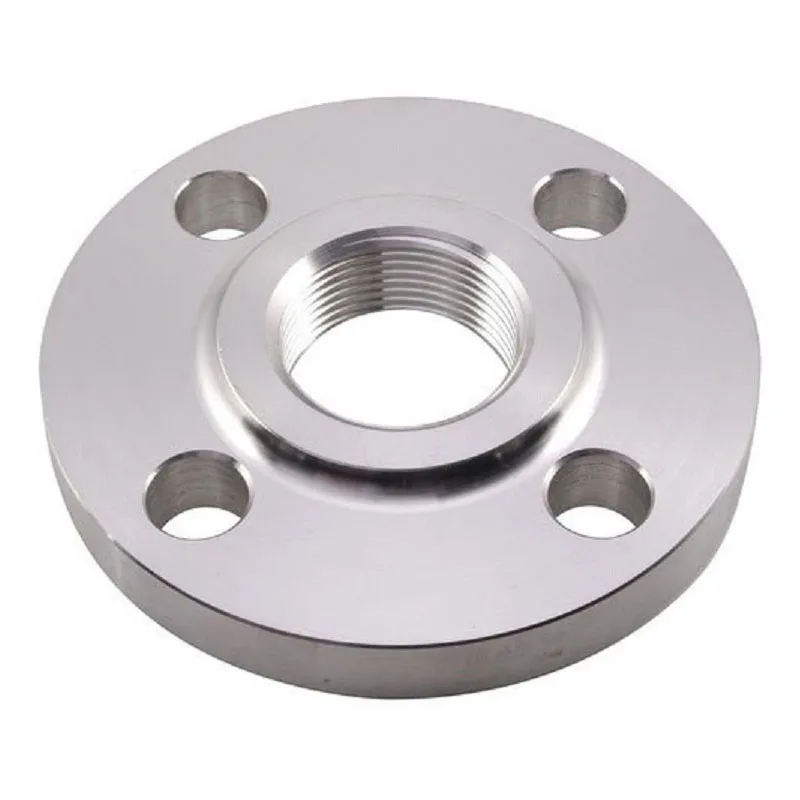 DIN 2566 Threaded flanges PN16
 -
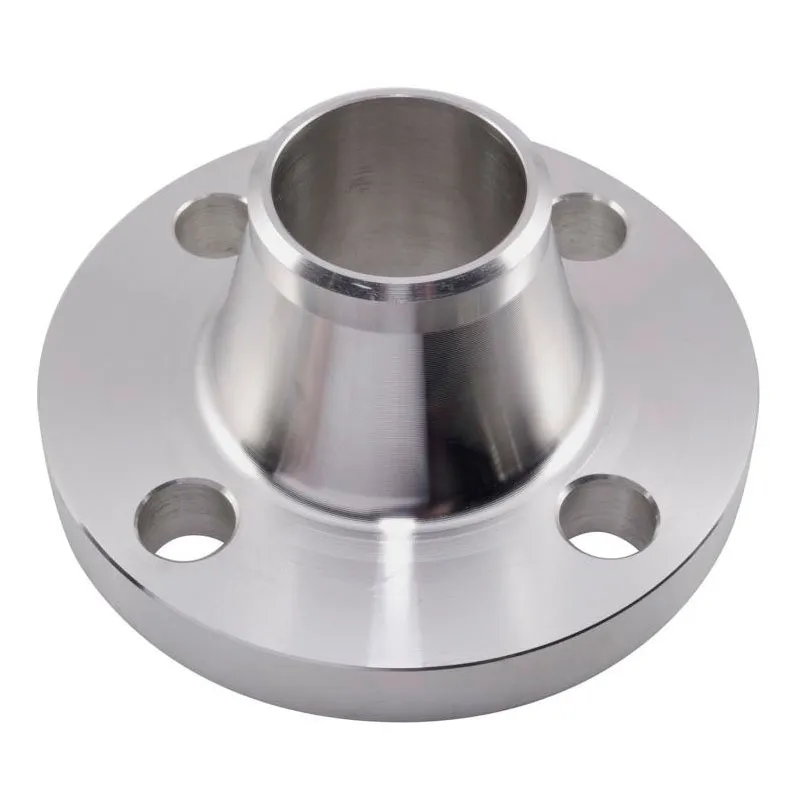 DIN Butt weld flanges PN10
 -
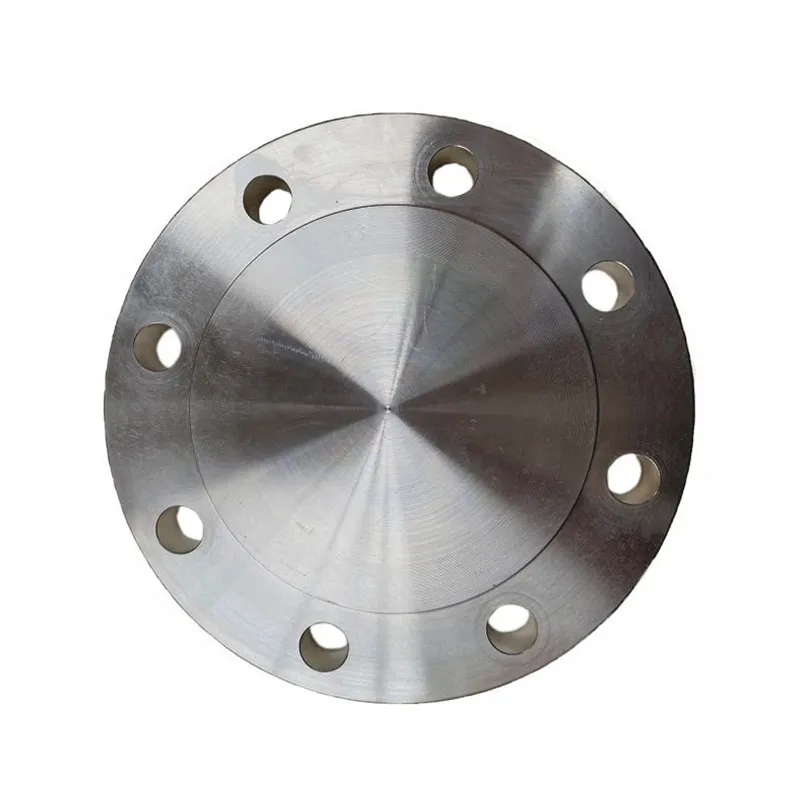 DIN 2527 Blind flanges PN10
 -
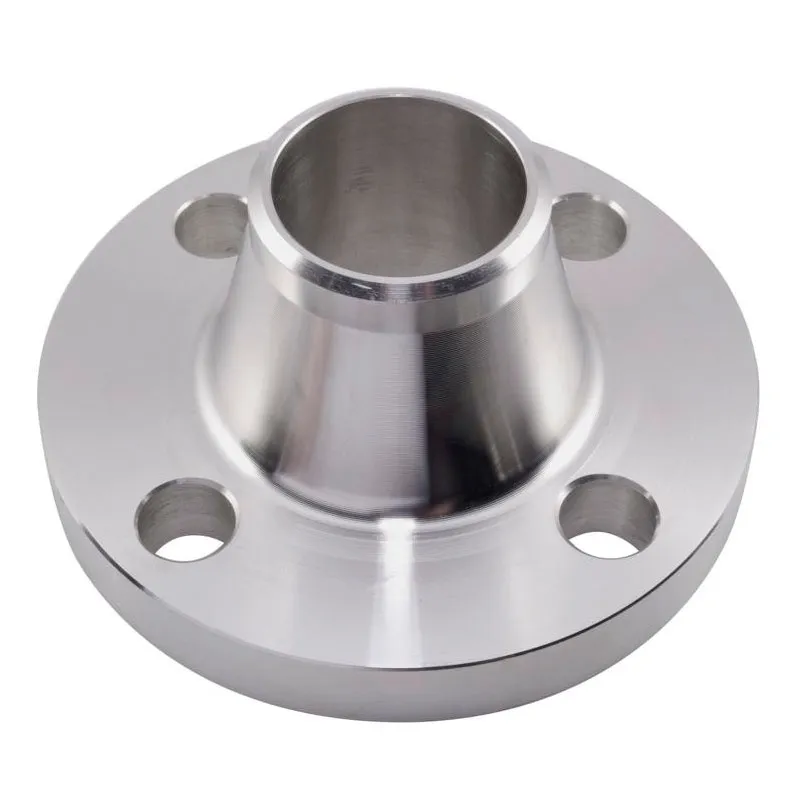 Butt weld flanges Class 900
 -
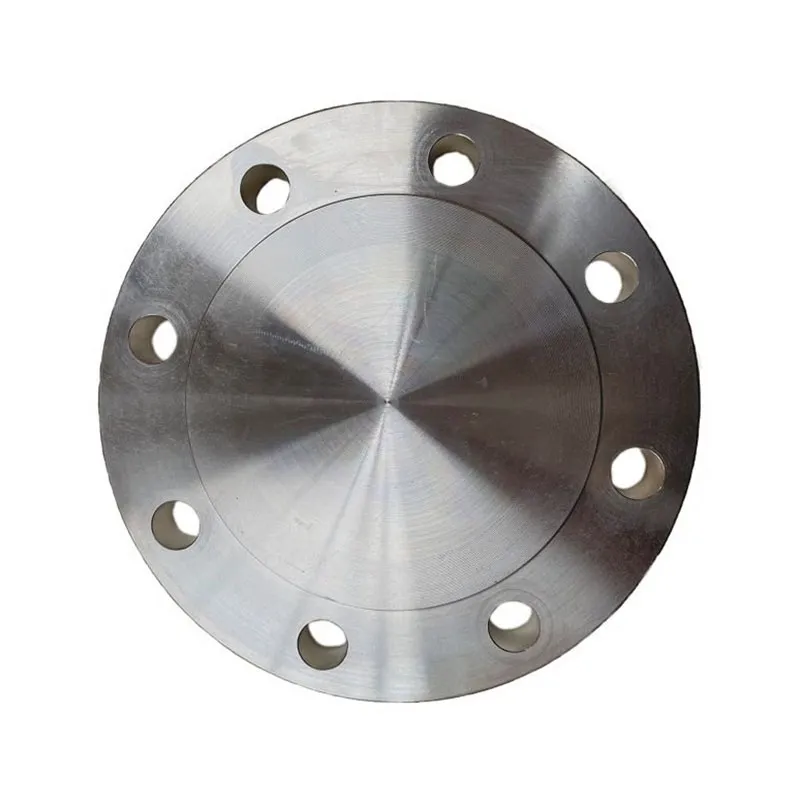 UNI 6092 Blind flanges PN10
 -
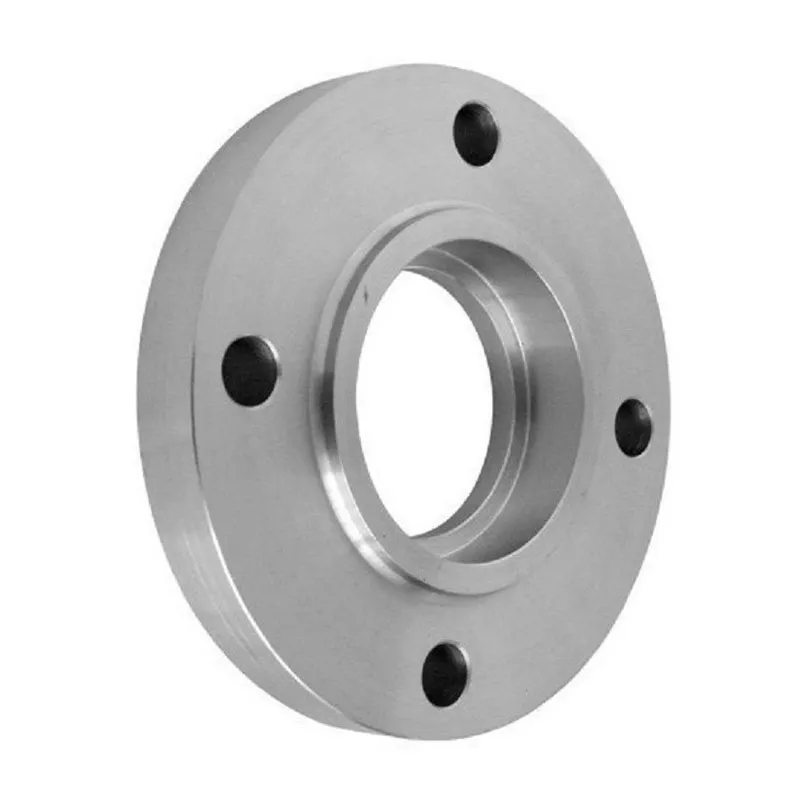 Socket Weld Flanges Class 300
 -
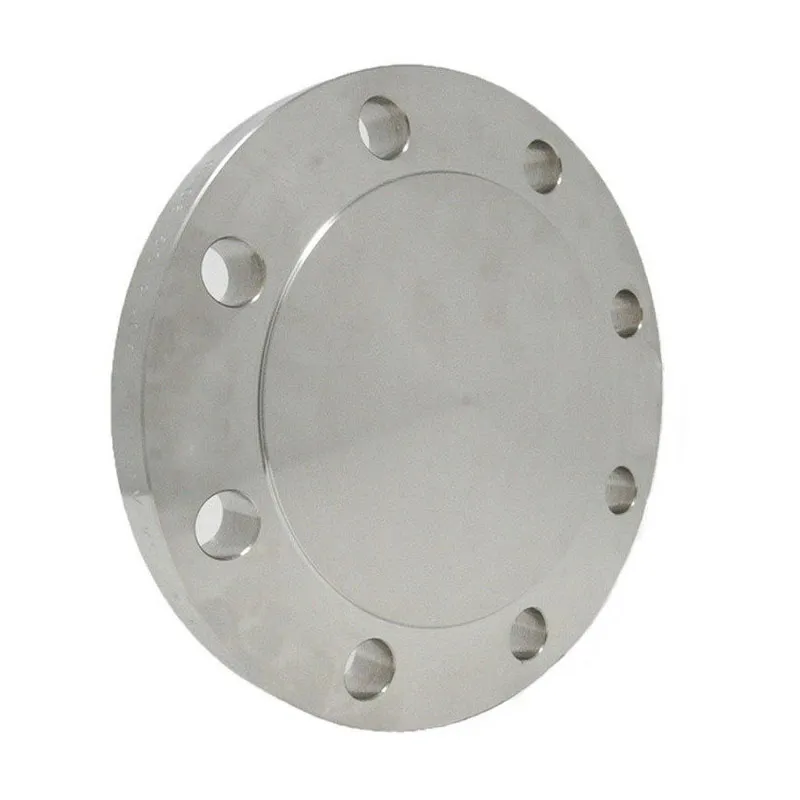 Blind flanges Class 150