
-
-
Phone
+86-13623462298



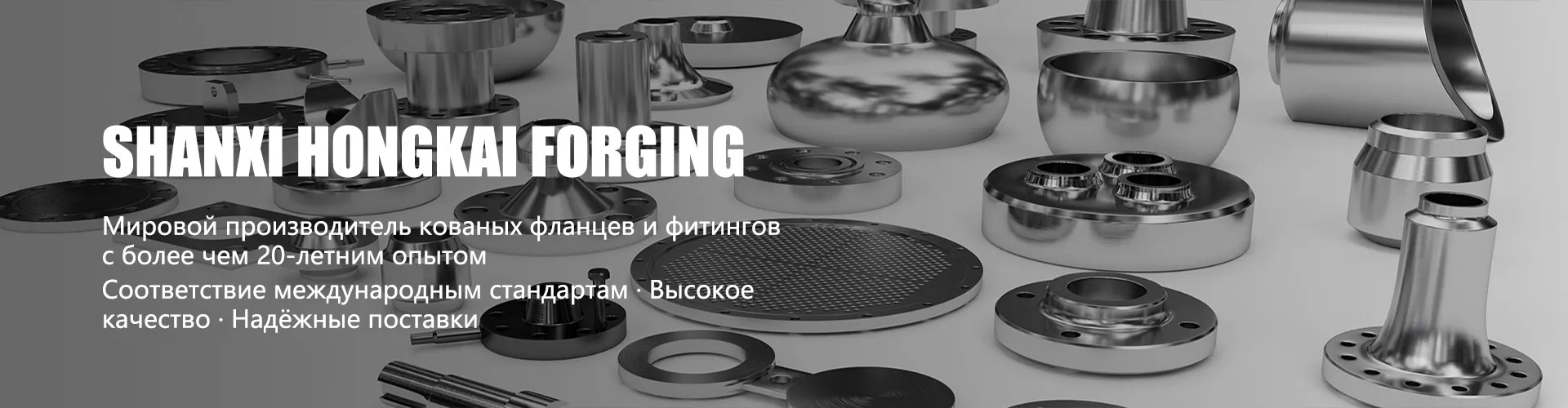
flange 110mm
When you hear “110mm flange”, the first thing that comes to mind is that this is probably the standard size for a medium pressure pipeline. But here lies the first pitfall. Many, especially those who are just starting to work with piping, think that 110 mm is exclusively about sewer systems in accordance with GOST 6942 or something like that. In practice, this nominal diameter comes up in a variety of contexts - from chemical lines to ventilation units in industrial facilities. And each time there is a different story with the material, execution and, most importantly, with the way this flange was made.
Where and why exactly 110?
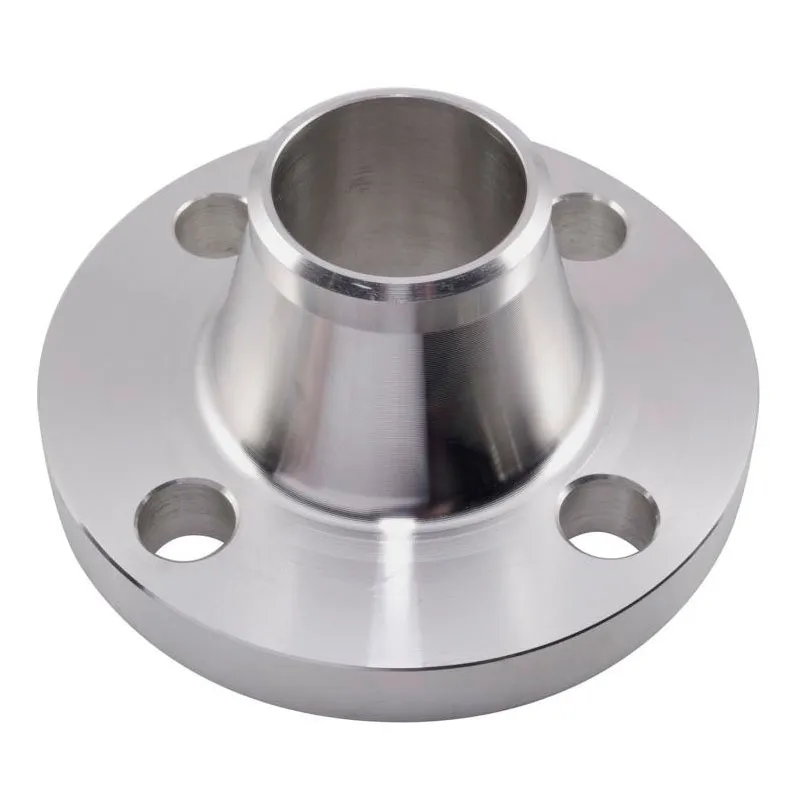
Take, for example, my experience at one of the petrochemical projects near Tomsk. They neededflanges 110mmmade of steel 09G2S for piping auxiliary technological lines. Not the most responsible, it would seem, nodes. The customer initially wanted to save money and installed flat welded flanges in accordance with GOST 12820, but when they started calculating the loads taking into account vibration from pumping units, they quickly switched to butt-welded flanges in accordance with GOST 12821. There was a difference in price, but the margin of safety and, most importantly, the reliability of the welding connection were completely different.
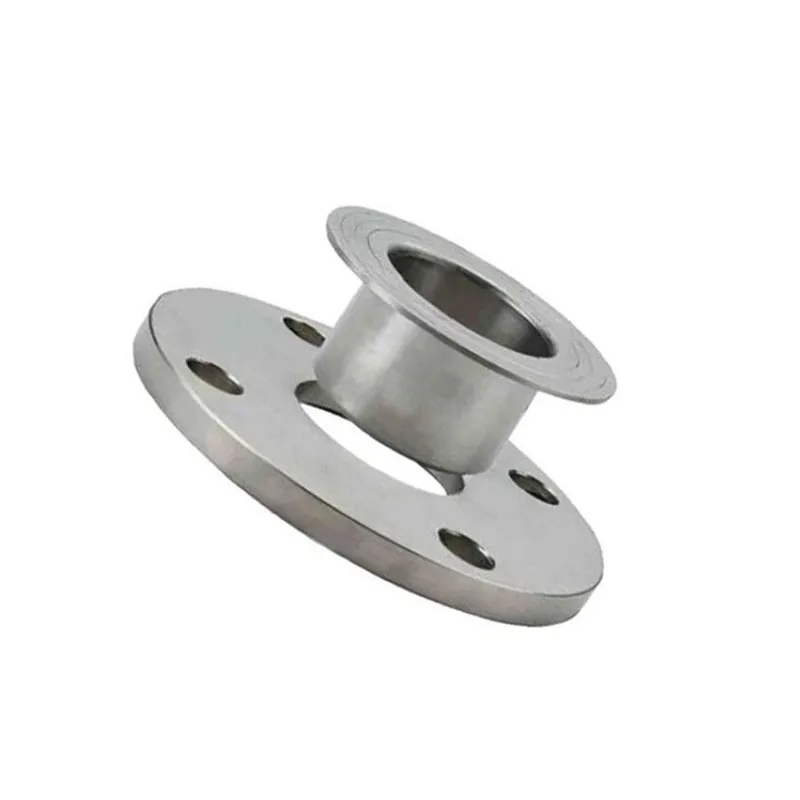
But at the facility for modernizing ventilation in the metal structures workshop near St. Petersburg there was a different task. There they needed free flanges on a welded ring (GOST 12822) exactly 110 mm, but for mounting valves on air ducts. The subtlety was that the flanges had to be paired with rings made of another steel, more resistant to corrosion. And if the ring itself could be found, then choose one that is compatible in geometry and materialflange 110mm- it's still a puzzle. I had to delve into catalogs and check not only DIN, but also tolerances according to EN 1092-1.
It is in such situations that you understand that the key thing is not the size itself, but who produces it and how. I have found a reliable partner for myself - Shanxi Hongkai Forging LLC. (their website ishkflange.ru). They specialize in forged flanges and forgings, and work according to drawings. For that same St. Petersburg project, they made a batch of loose flanges for the ring, and the material chosen was 20X13, which solved the problem of corrosion. It is important that they work not only according to GOST, but also according to ASME, EN, DIN - this immediately eliminates a lot of problems when coordinating technical documentation with foreign equipment.
Forging vs stamping: what's the difference for 110mm?
Here many may say: “Who cares, 110 mm is not such a big size, you can use a stamped one?” In some cases, perhaps it is possible. But I always insist on forged products for any dynamic or cyclic loads. Why? Metal structure. When forging, the fibers run along the contour of the part, there are no internal stresses, as when stamping from a sheet. Forflange 110mm, which will stand on a line with pressure pulsation or temperature changes, this is critical.
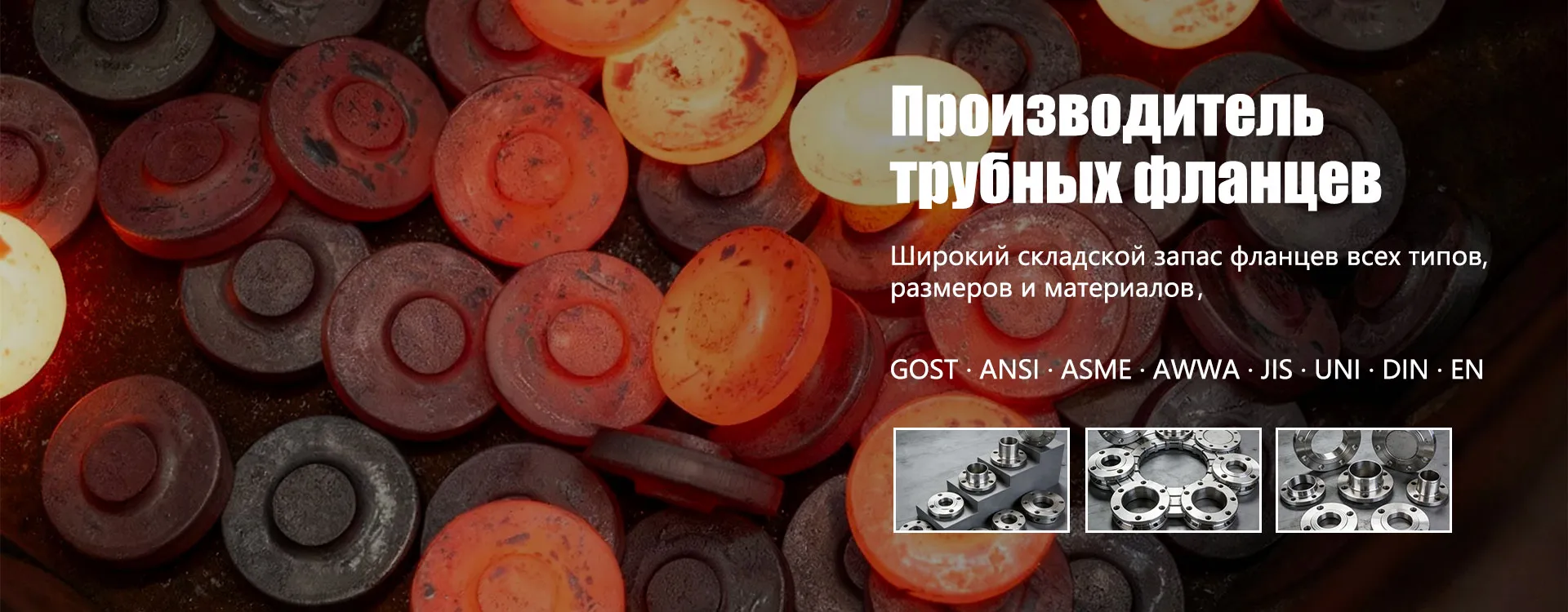
Wu ?Shanxi Hongkai Forging Co.,Ltd. The production is based on forging. I look at their website and it’s clear that this is not a small handicraft production, but one of the centers of the forging and pressing industry. Their size range is up to DN4000, so for our 110 mm this is, one might say, an ordinary product. But this is precisely the advantage - they have developed the technology for such serial, but responsible positions.
I had a negative experience about five years ago with another supplier. We ordered a batch of 110 mm flat flanges made of steel 12Х18Н10Т. Installed and installed. Six months later, a crack appeared on one of the flanges in the drilling area for the stud. We looked into it - it turned out that there were microcracks from stamping, which made themselves felt during vibration. After this incident, for all medium and critical applications I work only with trusted manufacturers of forged products, such as Hongkai Forging.
Standards and non-standards: how not to get confused
Standards are a different matter. The client can simply send a request: “Flange 110mm, 16 atm?”. And then it begins: by what standard? Russian project - probably GOST. But which one exactly? If it’s flat, then GOST 12820, if end-to-end - 12821. And if the project is European, then, most likely, EN 1092-1 Type 01 or 11. It also happens that the equipment, say, is Italian, and it needs a flange according to UNI 2276. And here you can’t do without a manufacturer who keeps all these nuances in his head or in the database.
On the websitehkflange.ruin the description of the company ?Shanxi Hongkai Forging Co.,Ltd. it is expressly stated that they work in accordance with GOST, ASME, EN, DIN, UNI, BS, JIS, GB. This is not just a tick list. When we made a supply for a joint venture with the German side, we needed flanges according to DIN 2635 by 110 mm, but with an additional requirement for impact strength at low temperatures (there was a project for Siberia). Hunkai specialists promptly collected technical data sheets, selected an analogue of steel and carried out all the necessary tests and provided protocols. This saved a lot of time.
And of course, their trump card is non-standard products according to customer drawings. It often happens that the standardflange 110mmnot suitable due to the unusual wall thickness of the pipe being welded or due to the need to make additional holes for fasteners not in a standard circle. There is no way without an individual approach.
Practical details of installation and selection
When working with flanges, I always pay attention to two things that are not always obvious from the drawing. The first is the quality of the seal surface. For 110 mm, especially when using soft gaskets (paronite, fluoroplastic), it is important that the surface is free of marks and perfectly flat. The second is the alignment of the holes for the studs. It would seem like a small thing. But if the holes are offset even by half a millimeter, a misalignment will occur during installation, which is guaranteed to lead to leakage under pressure.
With forged flanges from the same Hunkai, such problems usually do not arise - the technological process provides for this. But one day I came across the fact that the delivered batch of 110 mm flanges had too large a gap between the holes for the studs and the studs themselves. According to the standard, the gap should be about 1-2 mm to compensate. Here it was all 3 mm. When tightening, the gasket could move. I had to contact the manufacturer. It turned out that the error was in the batch of hardware, not in the flanges. But a good manufacturer always makes contact and helps you figure it out.
Another point is coverage. Galvanizing, galvanizing, painting. Forflange 110mm, which will work outdoors or in an aggressive environment, this is important. This must be clearly indicated in the terms of reference. Several times I found myself in a situation where the flanges arrived without coating, but the project required hot-dip galvanizing. Installation stopped for a week.
Instead of a conclusion: why is it not just a piece of hardware?
So, returning to ourflange 110mm. This is not just a circle of metal with holes. This is a unit on which the tightness, safety and service life of an entire section of a pipeline or system depends. His choice is always a compromise between the standard and real operating conditions, between price and reliability.
My advice, based on practice: do not skimp on flanges, especially for medium and critical applications. Look for a manufacturer who doesn’t just sell metal, but understands what it’s for. Like, for example, Shanxi Hongkai Forging LLC, which focuses on forging and work according to international standards. Their approach is when you can discuss not only the price and terms, but also the nuances of steel, heat treatment, and quality control. For an engineer or supplier, this is invaluable.
In the end, a restful sleep after the delivery of the object on which your flanges are located is more valuable than any momentary savings. Tested more than once.
Correspondingproducts
Related Products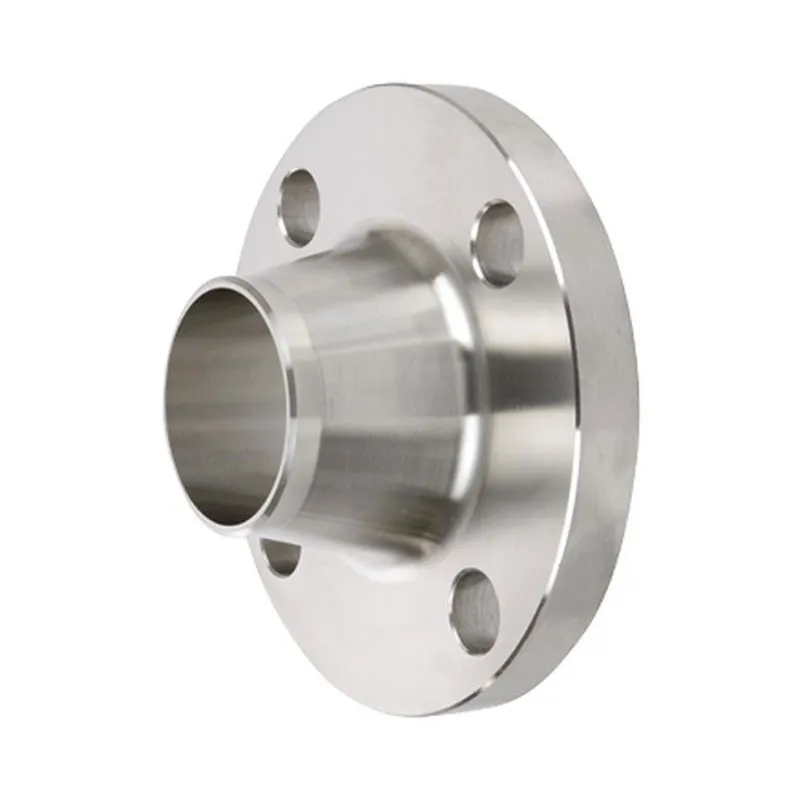
Best Sellingproducts
Best Selling Products-
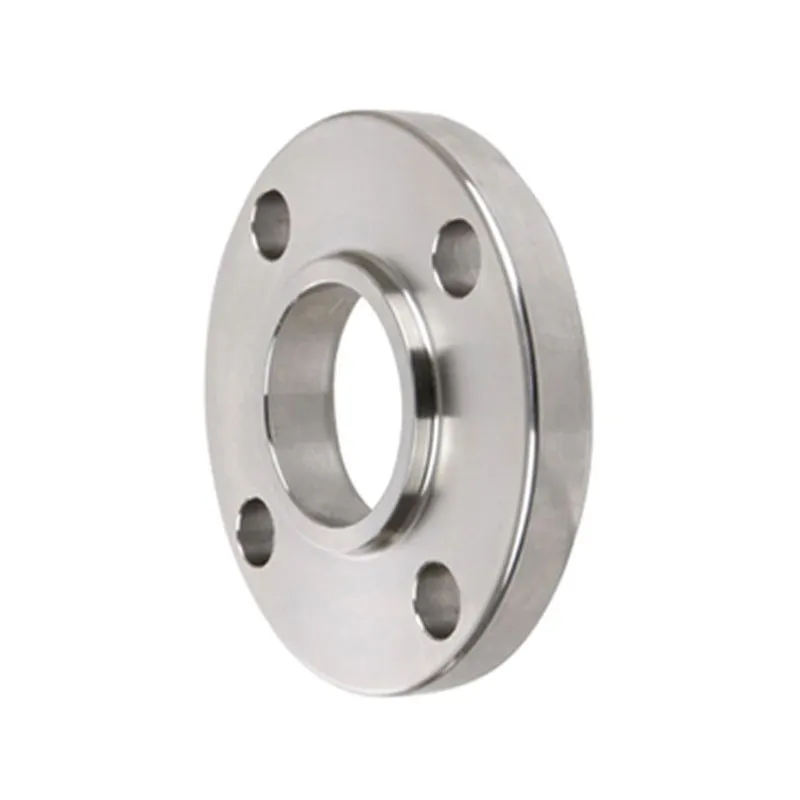
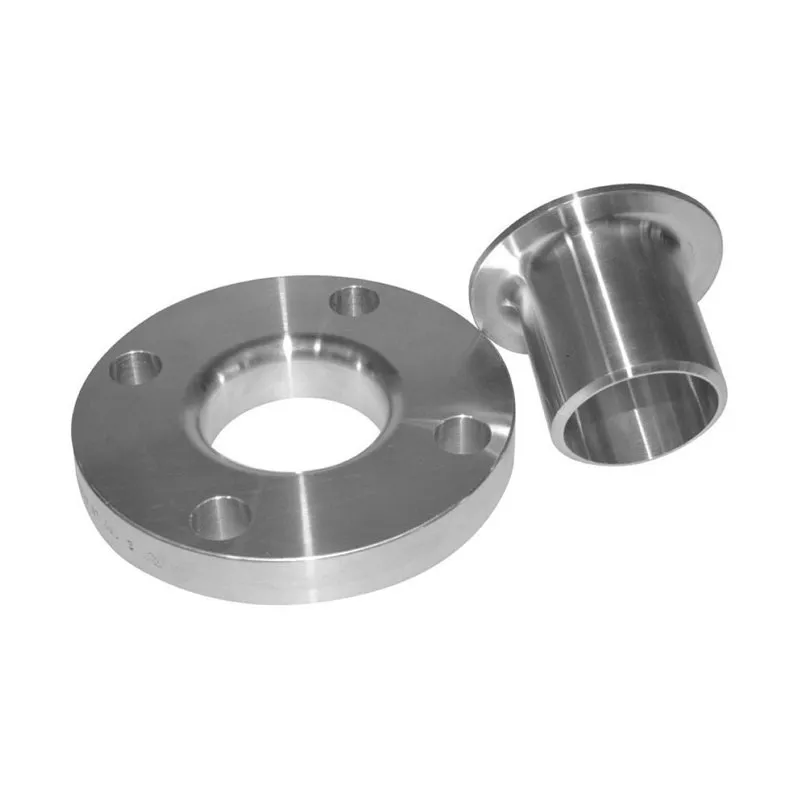 Free ring flanges Class 150
 -
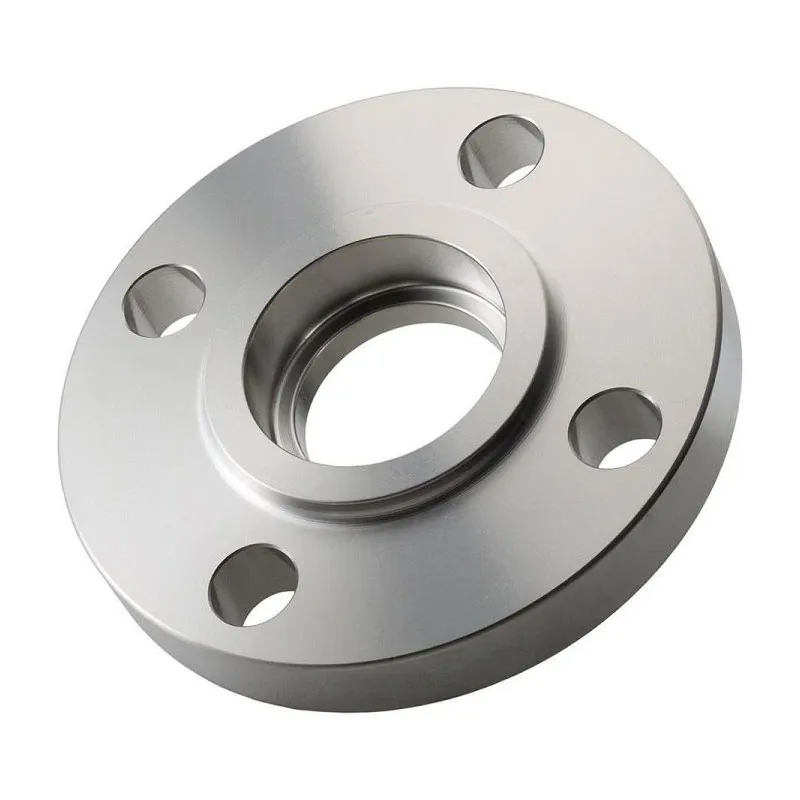
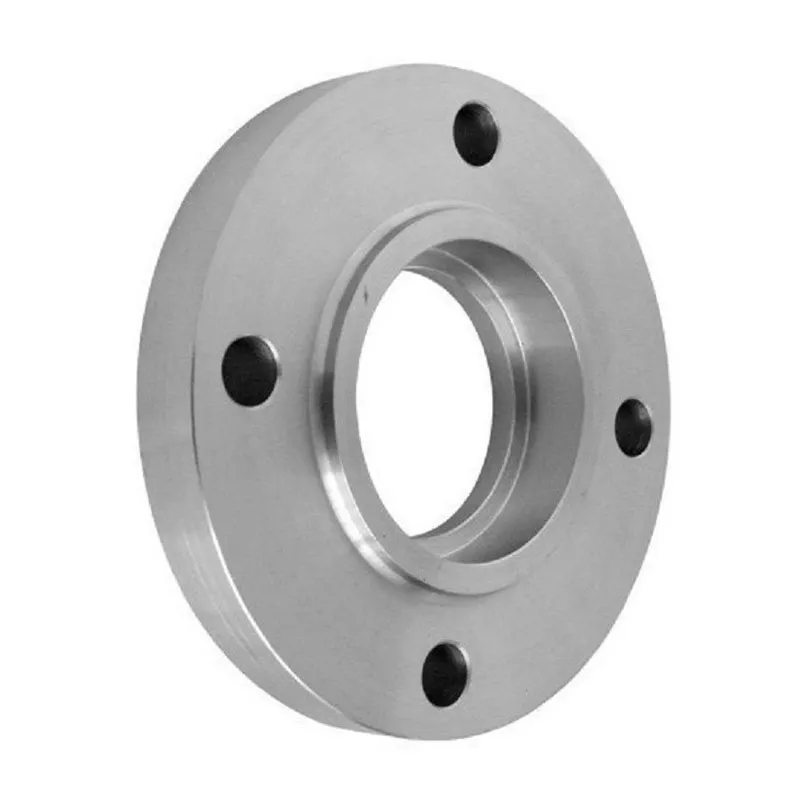 Socket Weld Flanges Class 300
 -
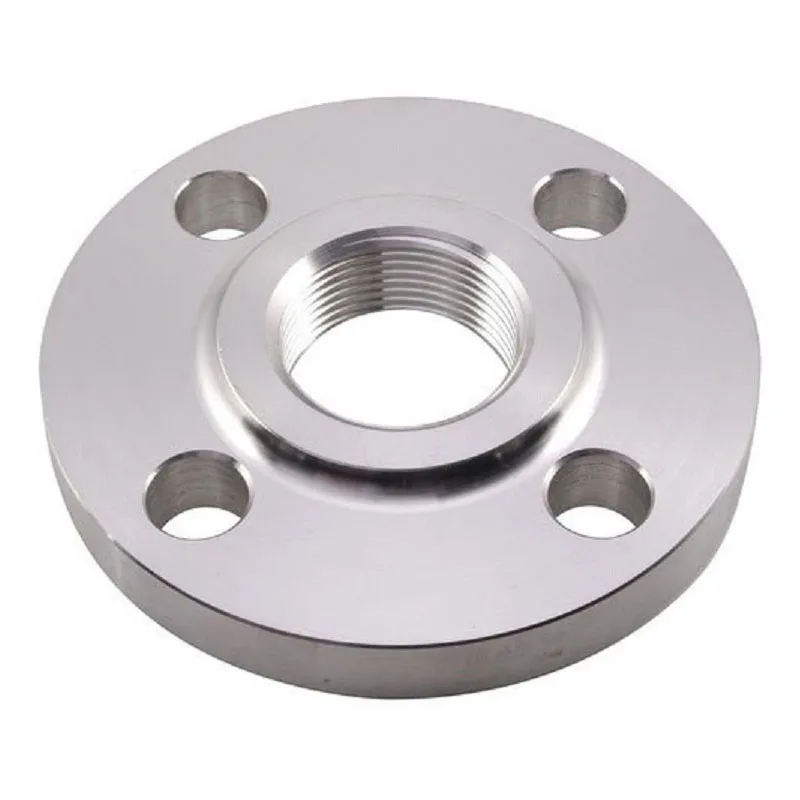 DIN 2566 Threaded flanges PN16
 -
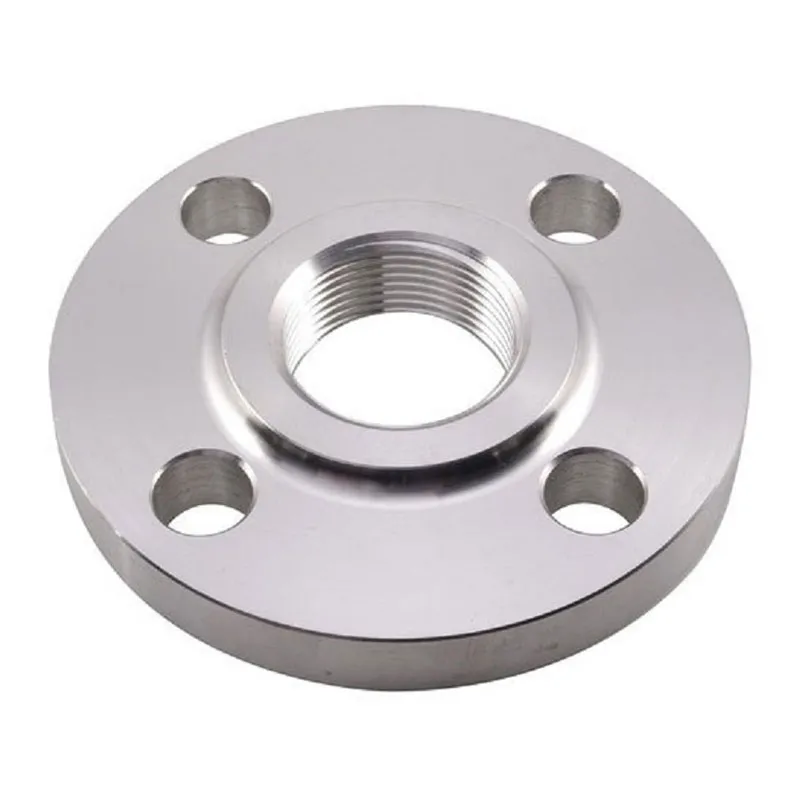 JIS 10K Overlay flanges
 -
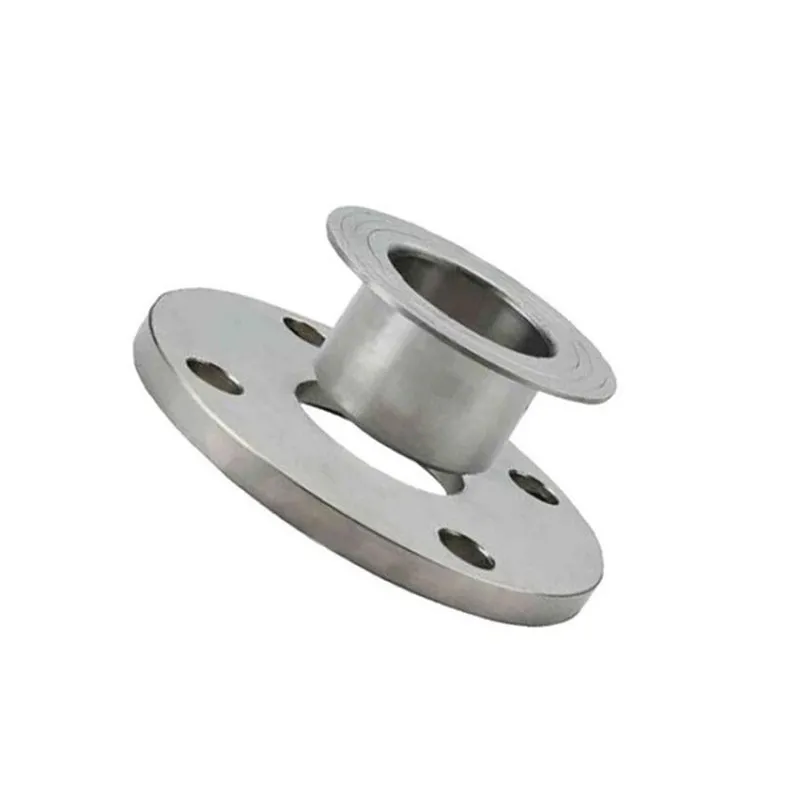 JIS 10K Loose Ring Flanges
 -
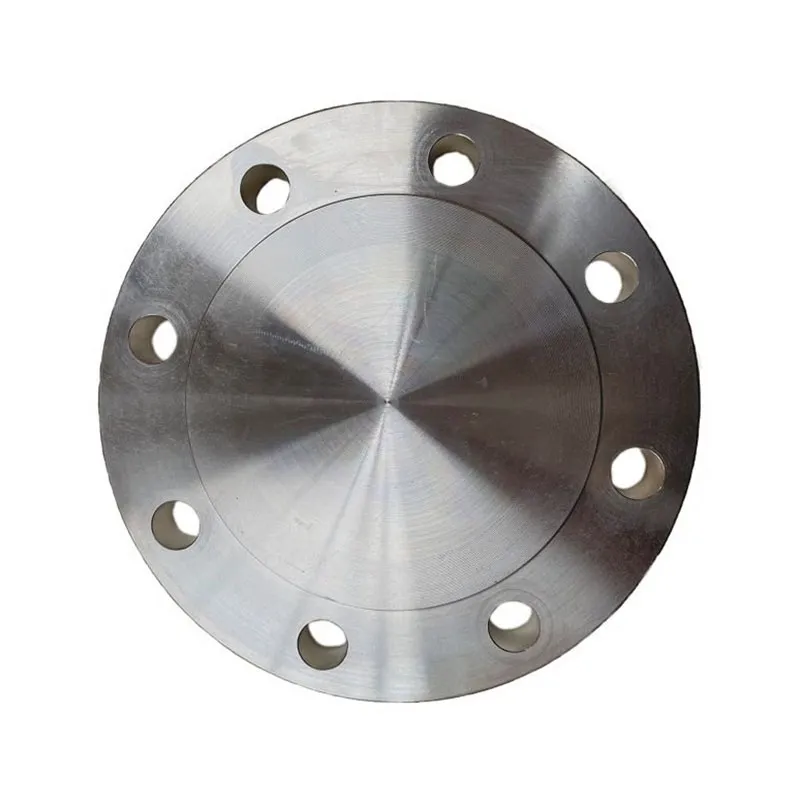 UNI 6092 Blind flanges PN10
 -
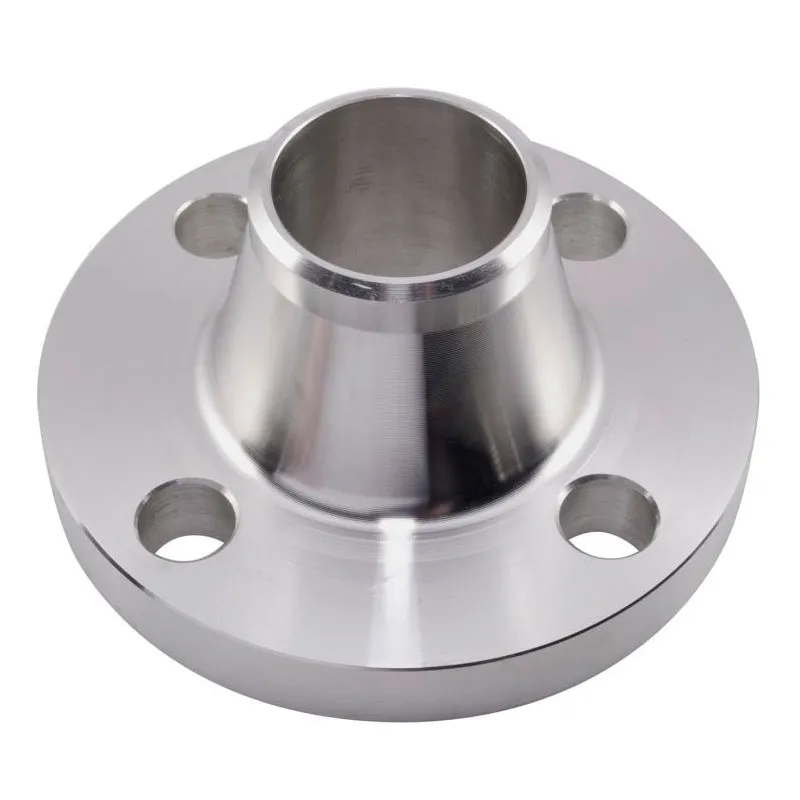 UNI 2281 Butt weld flanges PN10
 -
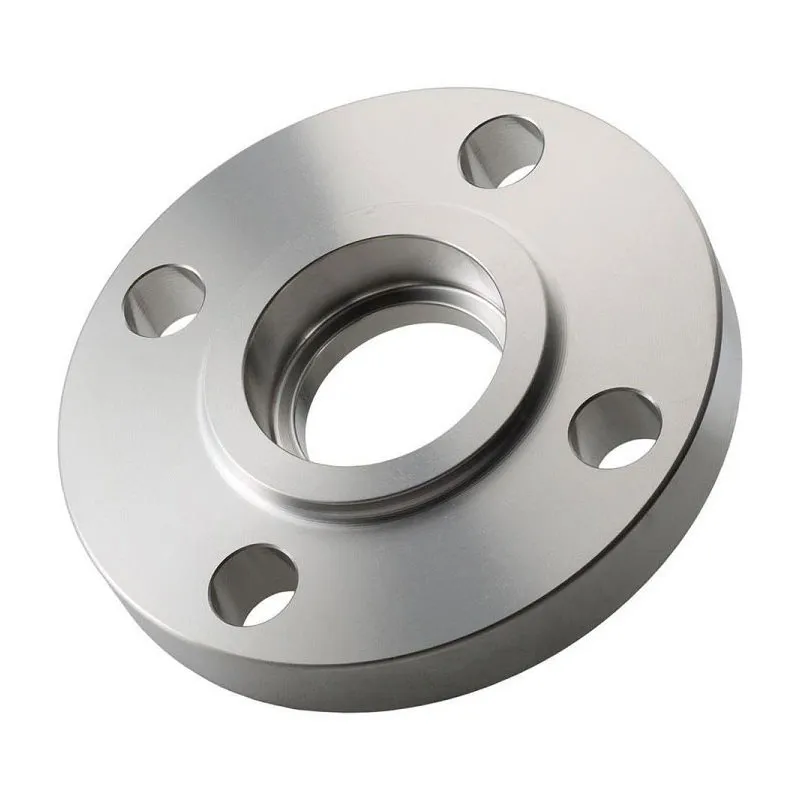 Flanges for socket welding
 -
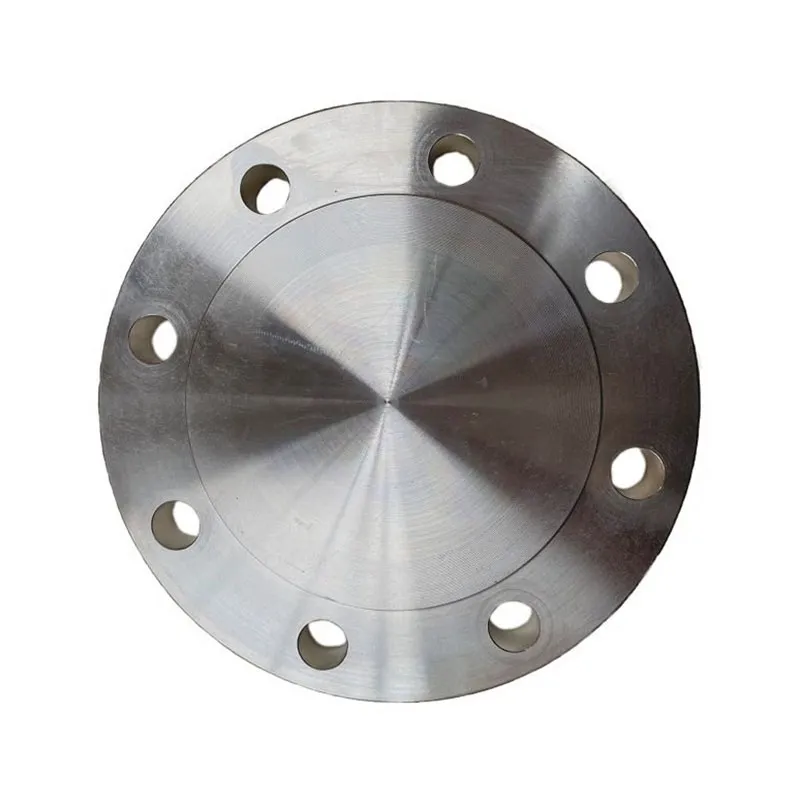 ASME B16.47 Ser.A Blind Flanges Class 400
 -
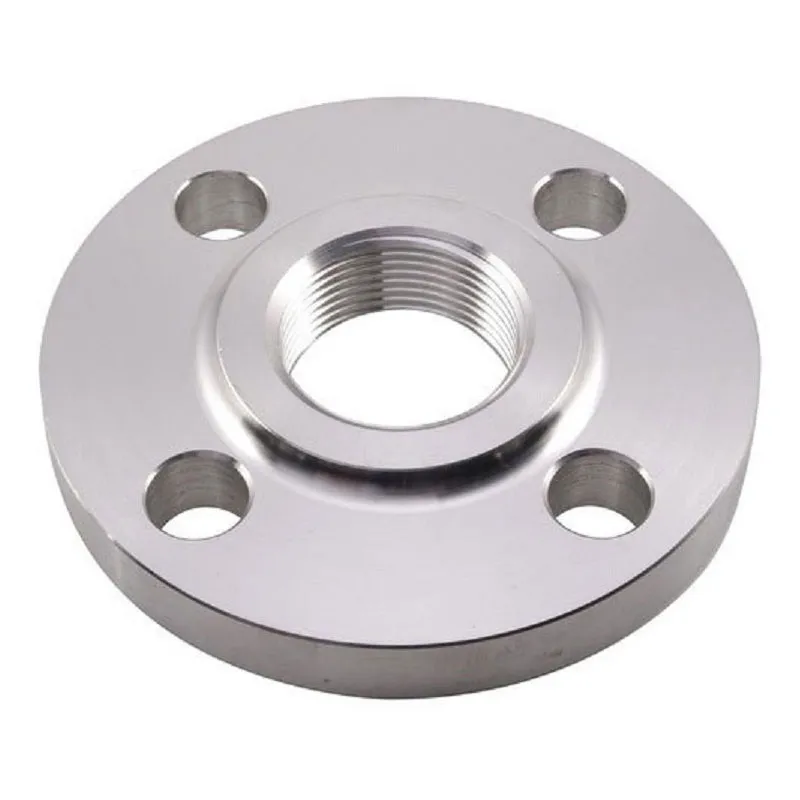 DIN 2565 Threaded flanges PN6
 -
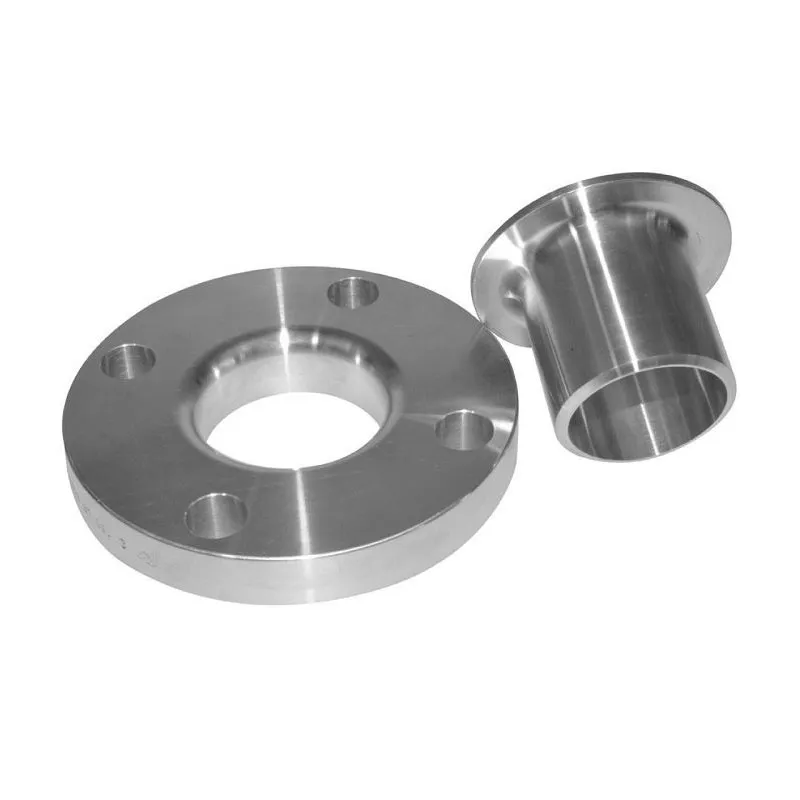 ANSI B16.5 Loose Ring Flanges Class 2500
 -
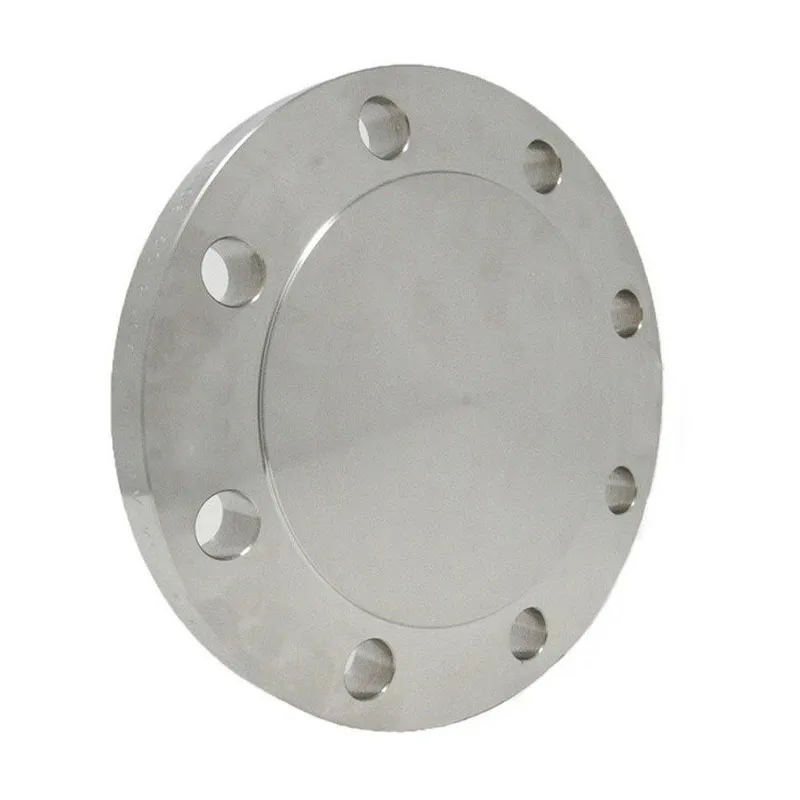 EN 1092-1 Blind flanges Type 05, PN10