
-
-
Phone
+86-13623462298



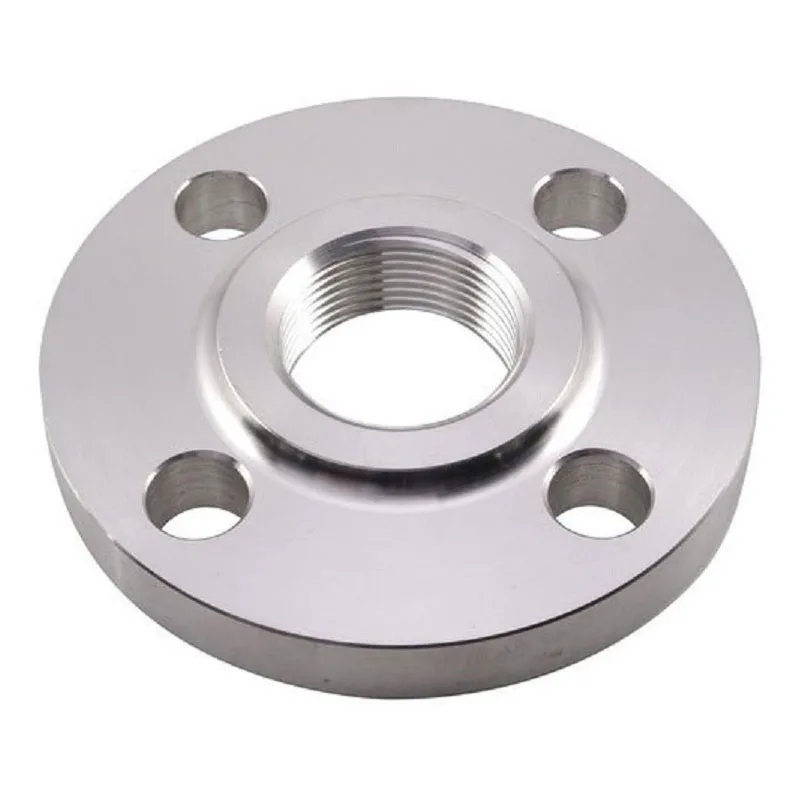
flange sml
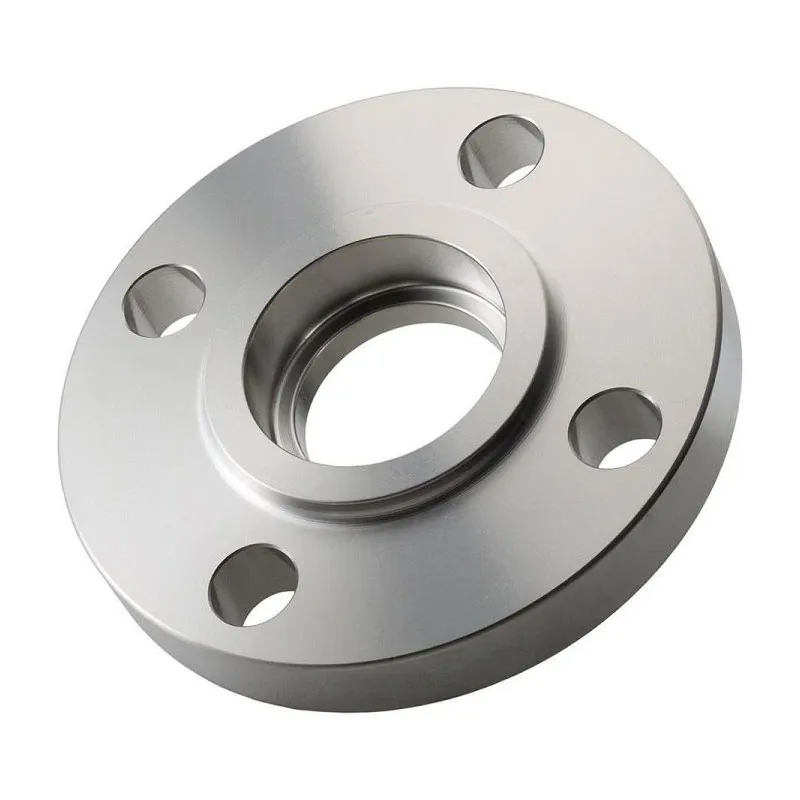
Look at the specification, you seeflange smland you think - well, a standard story, a small assortment. And then problems with fit begin, because not everyone understands that SML is not just a size, but a whole story regarding material and tolerances. They are often confused with conventional flanges of small diameters, but there are more nuances than it seems.
Where did this SML even come from?
If you dig deeper, the SML designation often comes up in the context of specifications for certain process lines, especially where compactness and high installation density are needed. Not GOST, not ASME, but rather an internal designation from some manufacturers or even in design documentation for specific objects. We had a case at one installation - the designers indicatedflange smlDN50, and when the time came for installation, it turned out that the seating surfaces did not coincide with the mating parts of the pumps. I had to urgently look for an alternative.
It turned out that in that specification, SML meant a flange not just of small diameter, but with a reduced thickness and a special arrangement of holes for the studs - something between a flat and a free flange. But there is no clear standard for this. Therefore, now I always double-check: when a customer writes an SML, I immediately ask for a drawing or at least a detailed description of the working conditions.
By the way, Chinese manufacturers sometimes have similar markings in their catalogs, especially those who work to order. For example, on the siteShanxi Hongkai Forging Co.,Ltd (https://www.hkflange.ru) in the non-standard products section you can see that they accept orders based on drawings - this is where these SMLs can appear. The company positions itself as a manufacturer of forged flanges and forgings in one of the main centers of the forging industry in China, and they work according to GOST, ASME, EN and other standards, including manufacturing to specific requirements. For small series or difficult conditions, this is often the only option.
Practical difficulties with search and replace
The main headache is when such a flange fails or is needed for modernization, but there is no original. It would seem that DN80 - buy any. But no, this SML may have a non-standard fillet radius or lip height that is critical to sealing. Once I had to order a whole batch fromShanxi Hongkai Forging Co.,Ltdprecisely because they undertook to make it according to the model. They sent the forging, we processed it on site - it worked, but the time frame increased by two weeks.
Another point is the material. Often SML is used for aggressive environments or high pressures, but in a small-sized design. This means that special steel is needed, and maybe heat treatment. You rarely find this in standard catalogs. This is where specialized manufacturers come to the rescue, as they can forge and process them to the required parameters. On the same sitehkflange.ruthe range of sizes is indicated right up to DN4000 - which means they can handle even small things if there is a clear technical specification.
I had a bad experience when they tried to replace the SML with a standard GOST 12820-80 flange. It seems that the diameter is the same, and the pressure is appropriate. But during hydrotesting, it developed a leak at the joint. It turned out that the number of holes for the studs was different - in SML there were 8, and in GOST there were 4. I had to redo the entire harness. Now I always look not only at DN and PN, but also at the fastening diagram.
When SML is a conscious choice
Despite the difficulties, there are situations where such a solution cannot be avoided. For example, in compact heat exchangers or inside devices where space is limited. A standard flange simply won't fit there. Or when you need to reduce the weight of a structure without losing strength - then thin, but forgedflange smlmade of good steel becomes the best option.
I saw application in the food industry, on lines with frequent disassembly and assembly. Ease of installation is important there, and the low weight of the flange plays a role. But again, the material must be resistant to corrosion, and these are special brands. Manufacturer seems to beShanxi Hongkai Forgingit just declares work according to international standards, including DIN and EN, where there are requirements for such materials. This means they can find an analogue.
Another case is the repair of old imported equipment. Often there are flanges that are no longer produced, and the SML type designations are the only clue. Then you can’t do without making it according to the sample. And it’s good if there are forging and pressing facilities, like the mentioned company, which can make forgings exactly according to the chemical composition and geometry.
About purchasing and communication with suppliers
When you are faced with the need to buy or orderflange sml, the main thing is to detail the request as much as possible. You can’t just send an email with the subject “Need an SML DN100 flange?”. Be sure to include a sketch, working conditions (pressure, temperature, environment), required material and, if available, a sample. Otherwise, you will get something average that may not be suitable.
When working with manufacturers such as Shanxi Hongkai Forging LLC, it is important to immediately clarify the timing and possibility of providing certificates. Judging by the description, they make products according to standards, which means they must provide documents on the material and mechanical tests. This is critical for critical facilities.
The price, of course, will be higher than for standard products from stock. But sometimes it's the only way. I remember one project got stuck because we waited almost three months for a non-standard flange. But they made it exactly to our parameters, and after installation there were no problems. So sometimes it's better to pay and wait than to try to adapt something that doesn't quite fit.
Final thoughts for the practitioner
So what is itflange smlessentially? In my opinion, this is more a designation of a functional niche rather than a specific standard. This is a flange for special conditions, where small dimensions, exact compliance with the drawing and often increased requirements for material are important. Working with them is more difficult, but if you specify everything correctly and find a reliable manufacturer, the problem can be solved.
The key is not to ignore such designations in the documentation, but to immediately delve into the details. And keep in mind trusted suppliers who can make non-standard products. Like the same company from Shanxi, which, apparently, is focused specifically on individual orders and complex forgings.
In general, if you see SML, get ready for additional questions and, possibly, custom-made. But this is not scary if you approach the matter with understanding and clear technical specifications. The main thing is not to try to push a standard one instead of a special one, so as not to redo it later at three times the cost.
Correspondingproducts
Related Products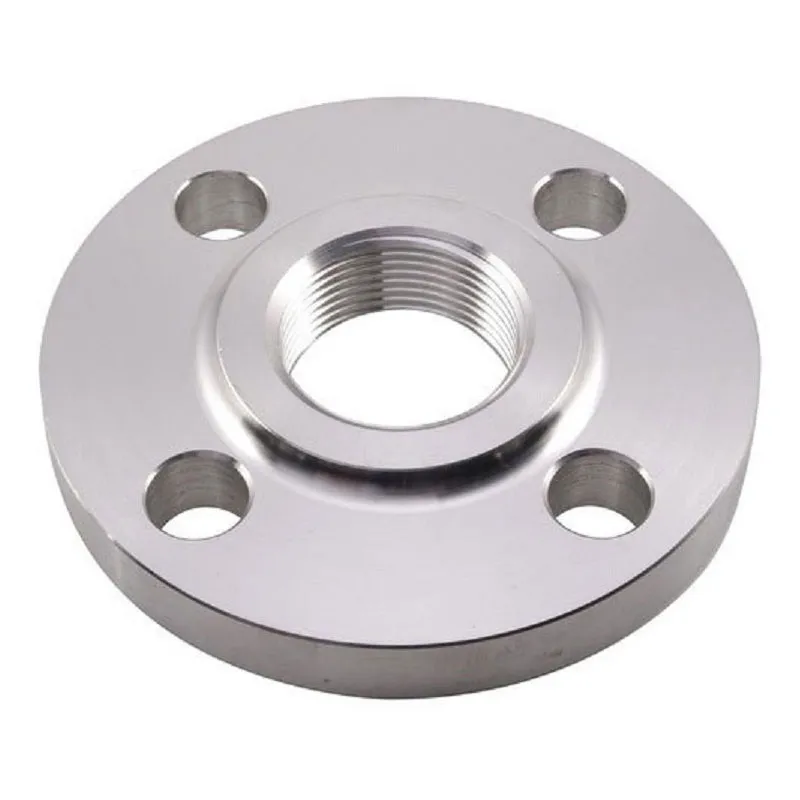
Best Sellingproducts
Best Selling Products-
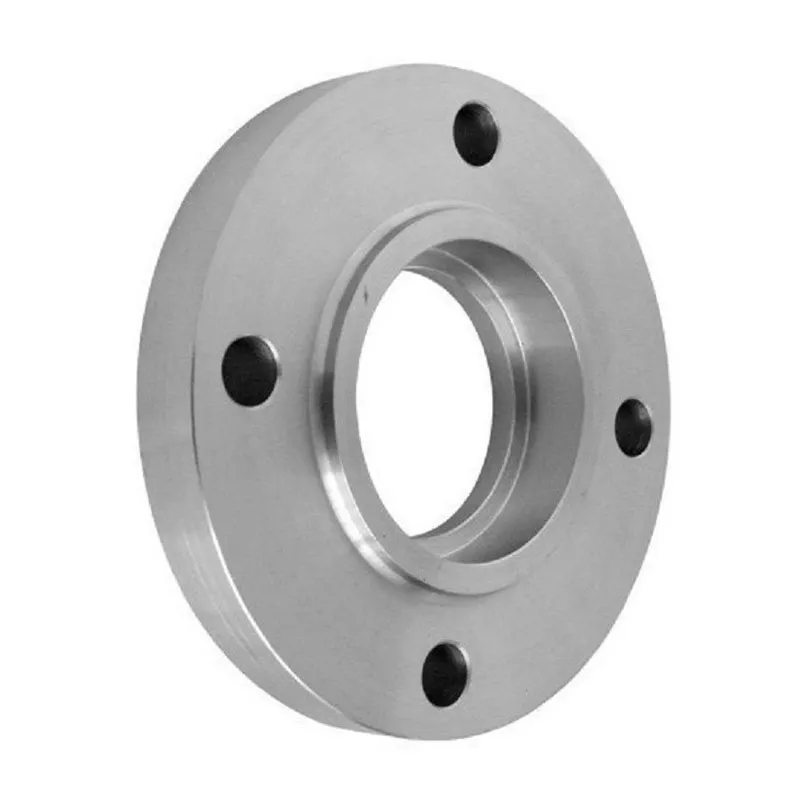 Socket Weld Flanges Class 300
 -
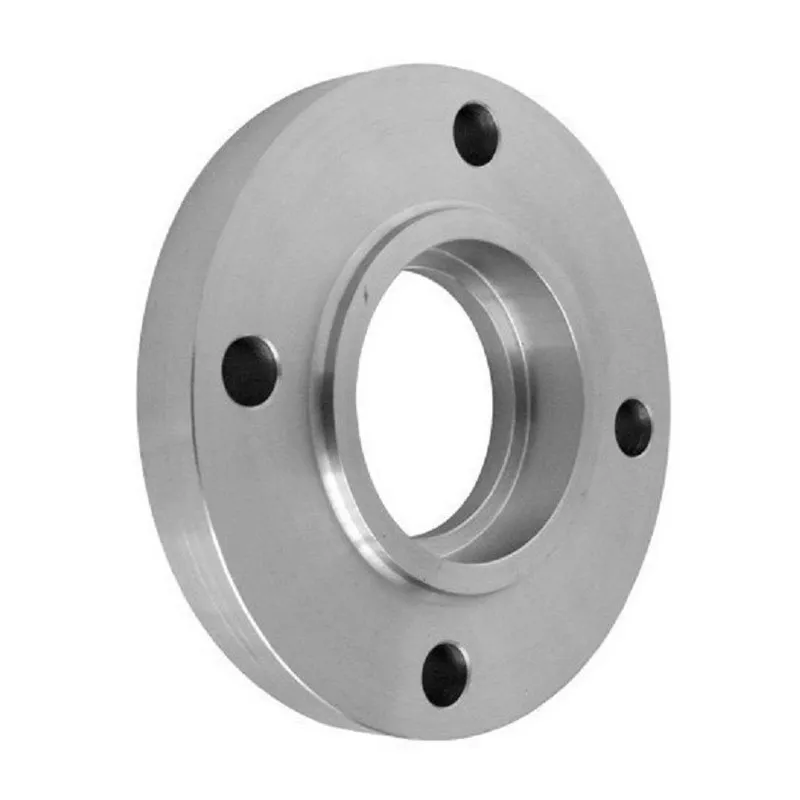 JIS 5K Socket Weld Flanges
 -
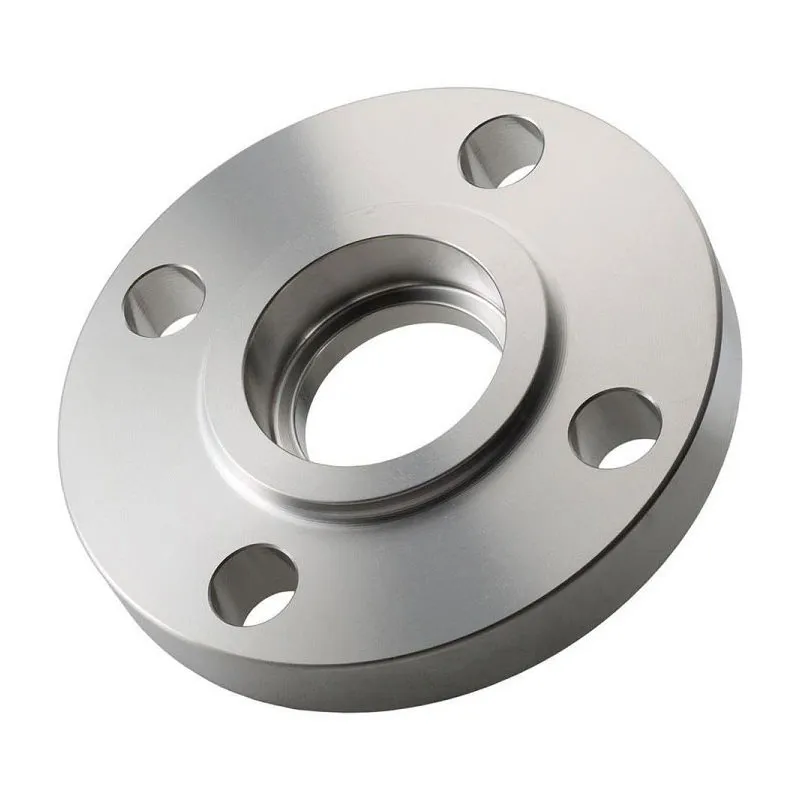 Flanges for socket welding
 -
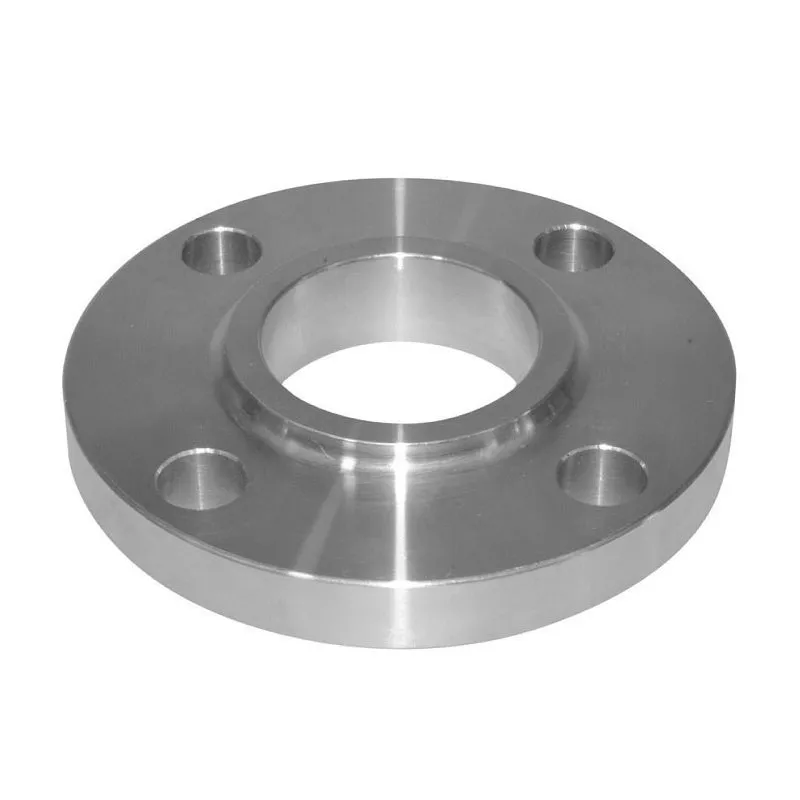 ANSI B16.5 Lap-on flanges Class 1500
 -
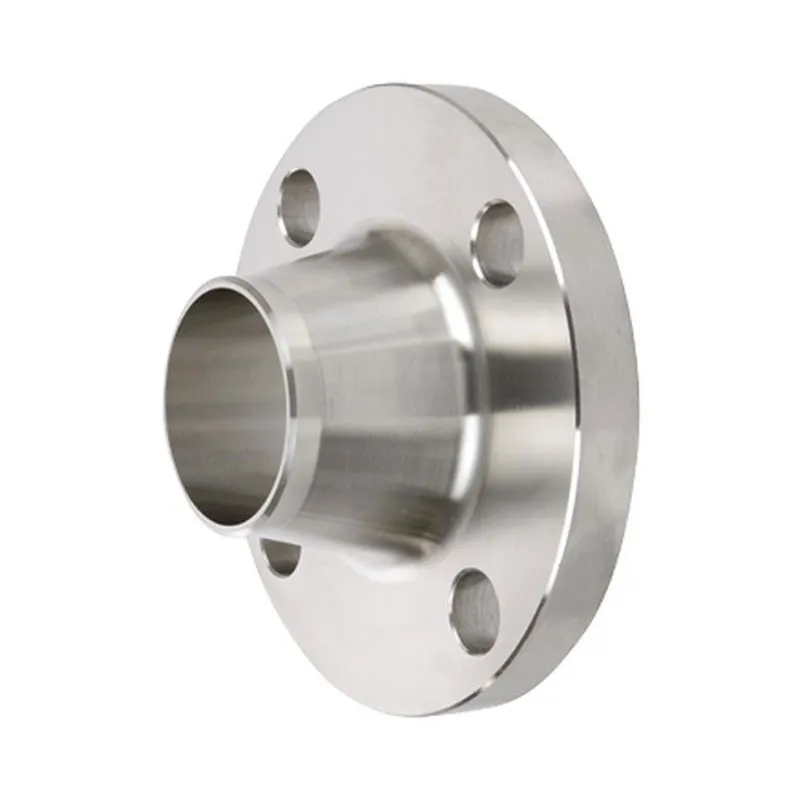 Ser.A Butt Weld Flanges Class 400
 -
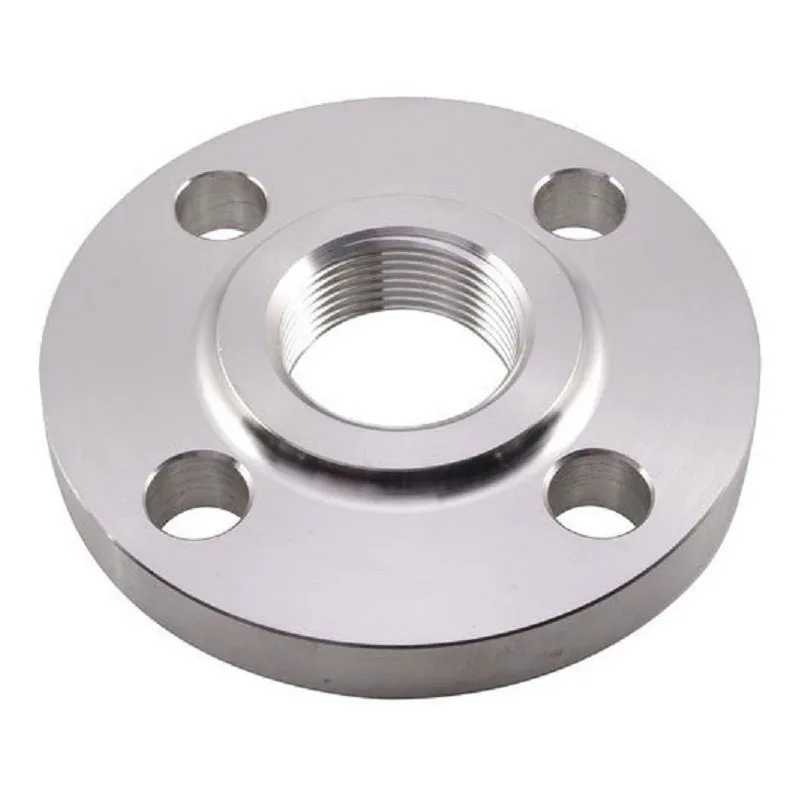 ANSI B16.5 Threaded Flanges Class 600
 -
 EN 1092-1 Threaded flanges Type 15, PN16
 -
 EN 1092-1 Butt weld flanges Type 11, PN25
 -
 ANSI B16.5 Lap-on flanges Class 300
 -
 ASME B16.47 Ser.A Blind Flanges Class 400
 -
 UNI 6092 Blind flanges PN10
 -
 ANSI B16.5 Socket Weld Flanges Class 1500