
-
-
Phone
+86-13623462298




flange kg
When you hear “flange kg”, the first thing that comes to mind is the weight in the specification. But if you have actually worked with metal, then you know that behind these kilograms lies much more: the grade of steel, the type of forging, and even the economics of the entire supply. Many people, especially at the request stage, think that the main thing is to meet the price per kilogram. And then the surprises begin: either the 40 atmosphere flange does not pass ultrasonic inspection due to internal defects, or the weight in the invoice does not match the actual weight due to different densities of the material. It’s these nuances that you can’t write in the price list that I want to talk about.
Where do these kilograms come from?
Flange weight is not an abstraction. It starts with a blank. Let's take for example a forging. If it is open forging rather than stamping, then the machining allowance can be significant. The production engineer calculates the weight of the future forging based on the drawing of the finished product, plus a margin for flash and subsequent turning. Sometimes this reserve can reach 20-30% of the final weight. Therefore, when a client asks for “flanges according to GOST 33259, DN300, PN40?”, and we give a weight of 45 kg per piece, and he finds a figure of 38 kg on the Internet, this is often just a story about the difference between the theoretical weight according to the standard table and a real forging with technological tolerances.
It matters here who the manufacturer is. If you take a company like Shanxi Hongkai Forging LLC, which operates as a manufacturer of forged flanges and forgings, then their process is streamlined. They manufacture products according to international standards - ASME, EN, DIN, and according to ours, of course, GOST. Their range of sizes from DN15 right up to DN4000 suggests that they are familiar with large, heavy forgings firsthand. On their website https://www.hkflange.ru it is clear that the main profile is forged flanges, and not cast or branded. And forging, especially for critical components, is about reliability, but also about higher metal consumption.
And here's another thing: the specifications often indicate net weight - the net weight of the finished product. But when loading and unloading, when calculating the load on a foundation or vehicle, you are interested in the gross weight - with packaging, pallets. Especially for large flanges, say DN1000. The difference can be hundreds of kilograms per batch. This seems like a small thing until you come across the limits on the crane's lifting capacity at the site.
Steel grade: an unaccounted factor in the formula ?price/kg?
An obvious but common mistake is to compare the price per kilogram of flanges made of carbon steel 20 and stainless steel 12Х18Н10Т. The density is different, the cost of raw materials is incomparable. But even within one group, for example, alloy steels for high parameters, the weight can “float”. A flange made of steel 09G2S according to GOST 33259 will weigh differently than a flange made of steel 15X5M of the same size according to the same standard, due to the difference in chemical composition and, as a result, density. When the customer requires ?flanges according to the drawing? and sends his brand of material, we always recalculate the theoretical weight, because tabular values from the standards are usually for carbon steels.
In practice, there was a case: we ordered a batch of flanges for a welding ring according to ASME B16.5, Class 300. The specification indicated the grade A350 LF2. They did. And then during installation it turned out that for low operating temperatures, the A350 LF3 grade with a different nickel content was needed. Dimensions are identical, weights are almost the same. But in terms of properties there is a critical difference. I had to change the entire batch. Now I always check not only the pressure and diameter, but also the working environment and temperature. This directly affects the choice of brand, and therefore the final ?flanges kg? in the order.
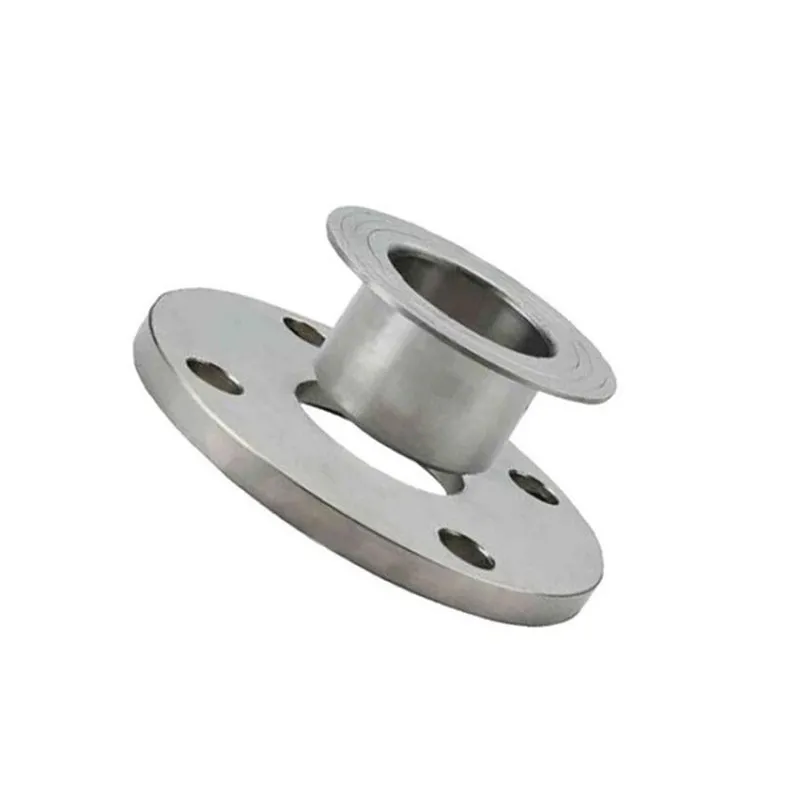
Manufacturers who work with a wide range of standards, like Shanxi Hongkai Forging, usually have proven technologies for different brands. They have a range of butt-welded, flat, loose, and blind flanges - for different tasks. And for each task - its own metal, its own forging, its own final weight.
Technology stories: why fact does not always equal plan
In theory, everything is smooth. We calculated the weight of the forging, cut the workpiece, forged it, and shipped it. In practice - a whole heap of ?but?. Let’s say that when forging a large flange (the same DN2000) for a free ring, internal looseness was revealed. The technologist decides to increase the degree of compression in order to “close” defect. As a result, the volume of metal is the same, but the geometry of the workpiece changes slightly, and during subsequent machining more chips are removed. The actual weight of the finished product may be less than planned. Or vice versa, to guarantee strength, they will decide to leave a thicker neck at the welding neck. The customer gets a heavier and more reliable product, but at a price based on theoretical weight, this can be a problem for the manufacturer.
Another point is post-forging processing. Heat treatment (normalization, tempering) does not change the weight significantly. But an anti-corrosion coating - for example, primer or sandblasting - can add that same half a kilogram on a large flange. It seems nonsense. But for a batch of 100 pieces for DN500, that’s already 50 extra kilograms that you’re carrying and for which, in fact, you’re paying.
When working with suppliers, I always pay attention to how they describe weight in their documents. If the commercial proposal clearly states: “The weight of the finished product is approximate, the actual values may differ within +/- 5% due to the technological features of forging and processing?” - that's fair. This speaks of experience. On the website hkflange.ru, by the way, in the product description the emphasis is placed precisely on compliance with standards and production according to drawings, which indirectly hints at an individual approach to calculations, including weight.
Logistics and economics: when kilograms turn into rubles
Here is the ?flange kg? become truly material. The cost of transportation, especially by sea or rail, is often calculated per ton. An extra hundred kilograms on a large batch is an additional expense. But even here, not everything is clear. Sometimes it is more profitable to pay for a heavier, but one-piece forged workpiece than to carry a prefabricated structure or a welded flange (although for some types, like loose flange, this is the norm). Because a weld is an additional risk, it’s control, it’s certification. And weight is a predictable quantity.
When ordering custom flanges based on customer drawings, saving weight often becomes a challenge for designers. Is it possible to reduce the thickness of the disk while maintaining the same design strength? Is it possible to optimize the form? This is a direct saving on metal. But here we need a dialogue between the customer and the manufacturer. A good manufacturer that has its own forging shop (and as stated in the description of “Shanxi Hongkai Forging”, they are located in one of the main centers of this industry in China) can give engineering advice: “Here we can remove 5 mm, but here it is better to leave a reserve?”. This is more valuable than just a discount per ton.
I had a negative experience: they saved on weight by ordering flanges with minimal allowances. But during installation it turned out that due to small deviations in the plane of the end (which could be eliminated with a slightly thicker workpiece), it is very difficult to achieve a tight joint. I had to buy thicker gaskets and tighten the studs. As a result, “savings” several kilograms of metal resulted in downtime and additional work on site. Since then I have been in favor of a reasonable reserve.
Instead of a conclusion: thinking out loud
So, back to the “kg flange”. This is not a unit of measurement for a calculator. This is a complex parameter that carries information about the technology (forging/casting/cutting), the material, the responsibility class of the product, and, ultimately, the competence of the supplier. When you see in an offer just a column with weight and price, this is a reason to ask questions. And when you see that the manufacturer describes the nomenclature in detail - the same flat, loose, threaded flanges according to GOST, ASME, EN - and mentions the possibility of manufacturing according to drawings, as on the website hkflange.ru, you understand that here, most likely, they can correctly calculate the weight and explain what it is made of.
There are no trifles in our work. Each kilogram in the specification represents invested energy, metal, and labor. And its price is not just a number in the contract, but a guarantee that this flange, this unit, will work. No surprises. That's why I always spend time discussing these same ?kg? with engineers and technologists. It's worth it.
And for those who are just starting to work with this topic, I advise you to look not at the lowest price per kilogram, but at what is behind it. Standards, technology, experience. Because in industry, the cheapest weight is often the most expensive.
Correspondingproducts
Related Products
Best Sellingproducts
Best Selling Products-
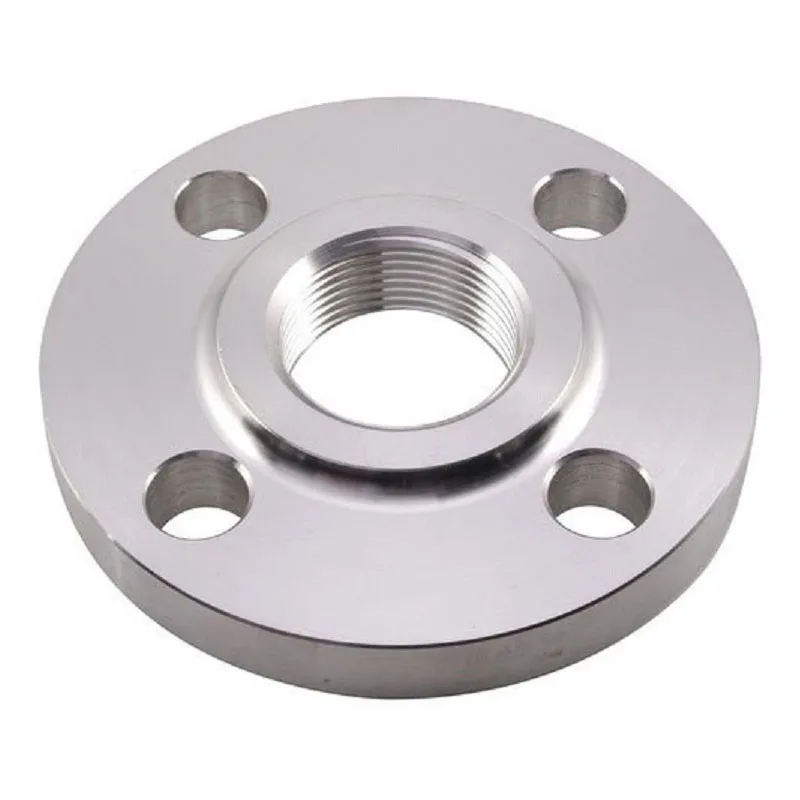 DIN 2566 Threaded flanges PN16
 -
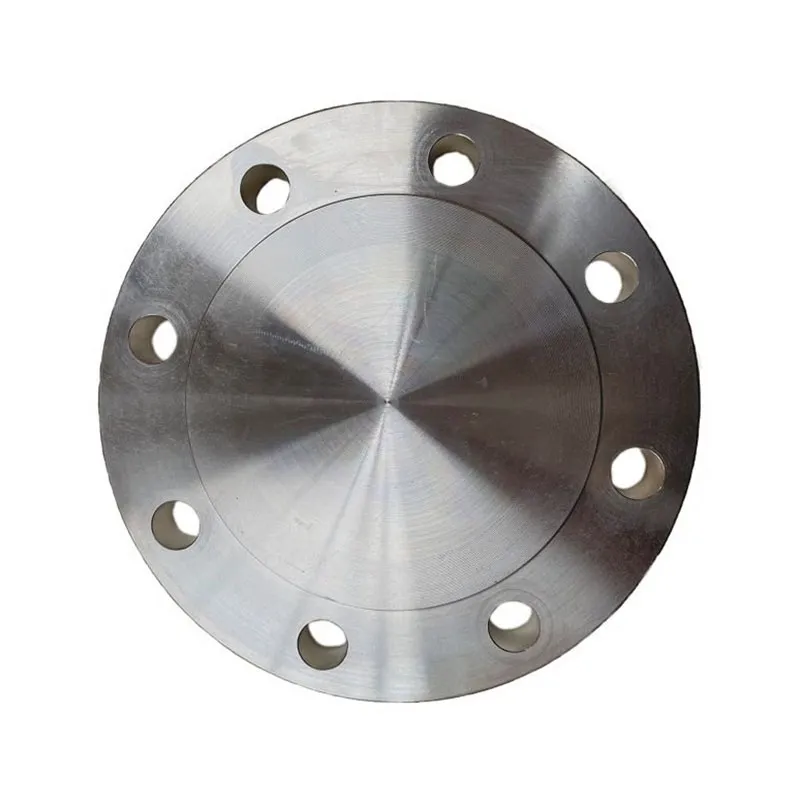 UNI 6092 Blind flanges PN10
 -
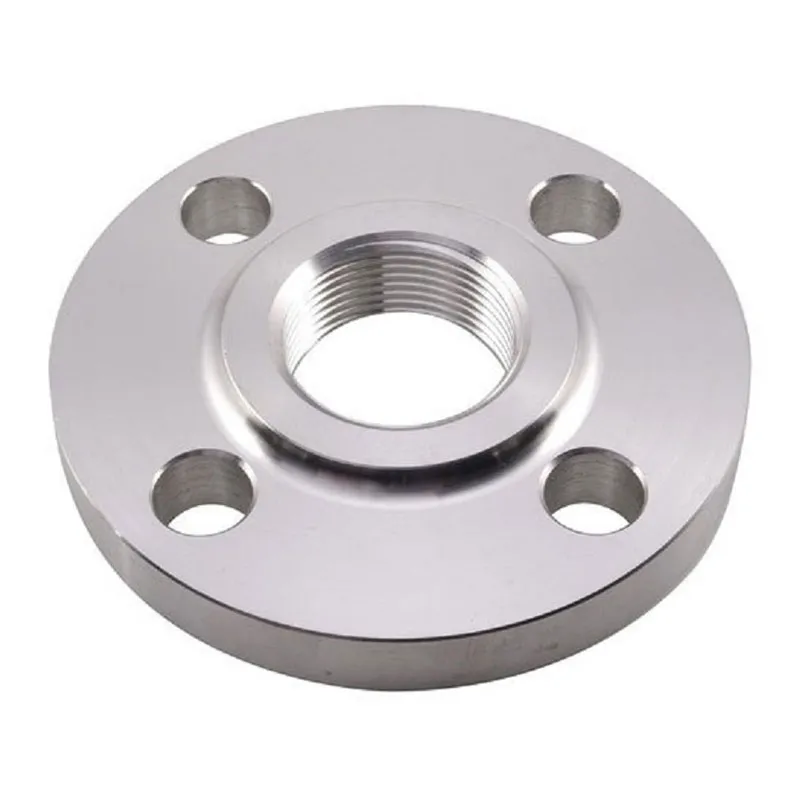 JIS 10K Overlay flanges
 -
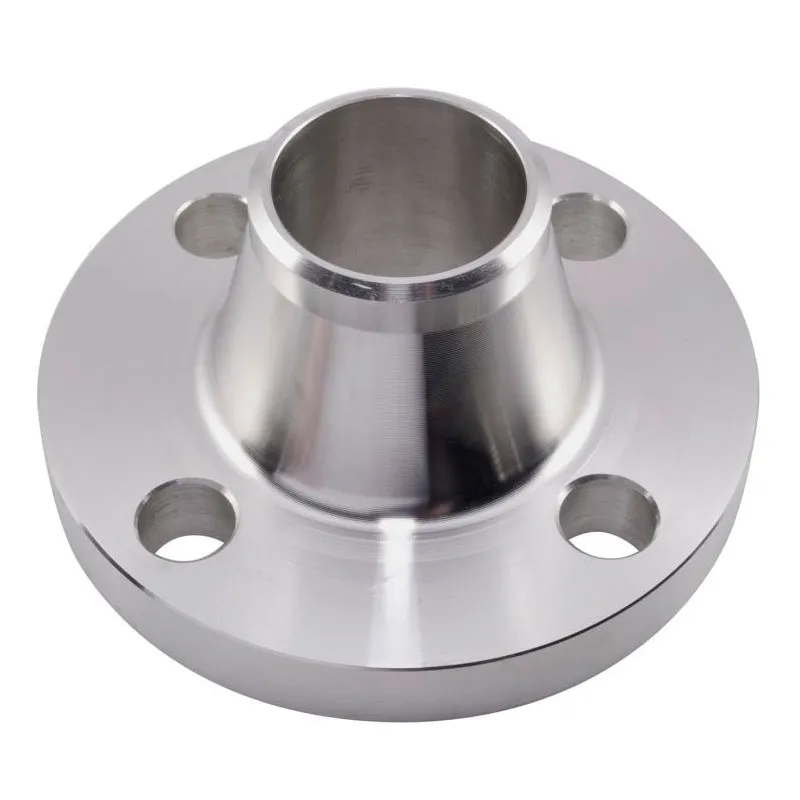 UNI 2281 Butt weld flanges PN10
 -
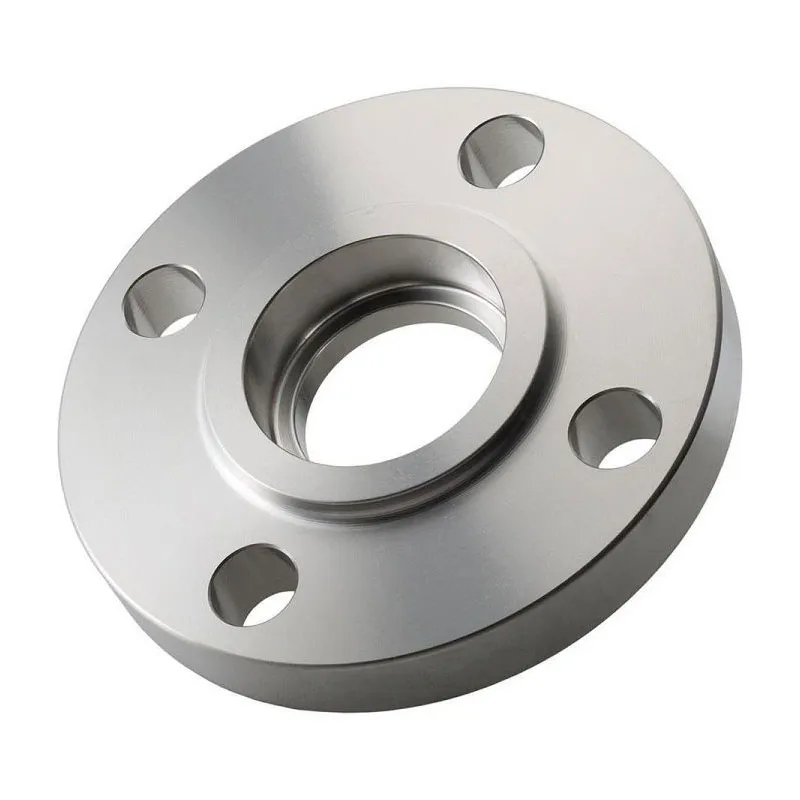 ANSI B16.5 Socket Weld Flanges Class 1500
 -
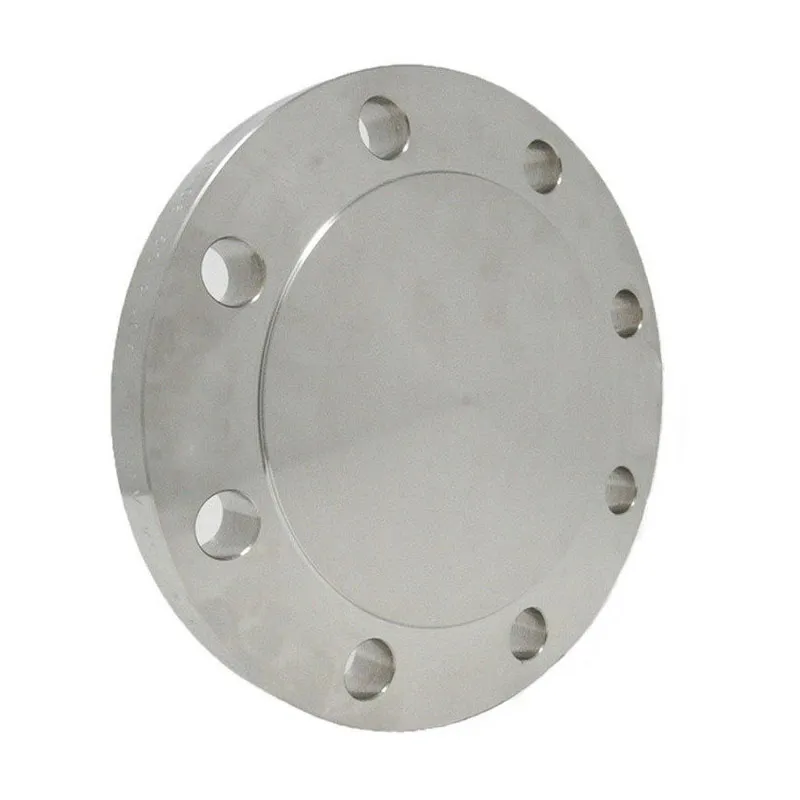 AWWA Blind Flanges Class D (Tables 1, 2, 3)
 -
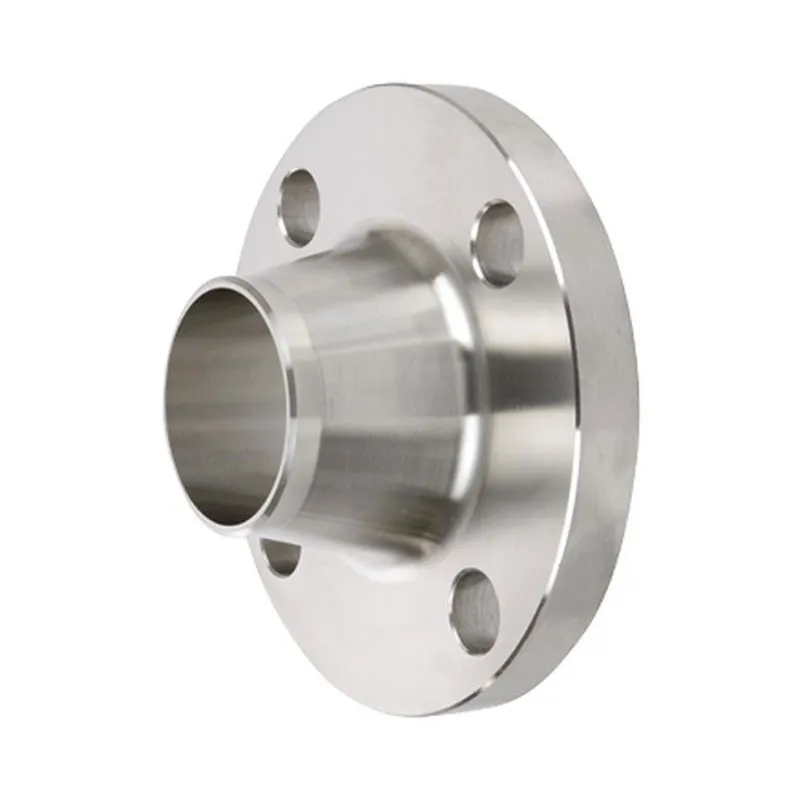 Ser.A Butt Weld Flanges Class 400
 -
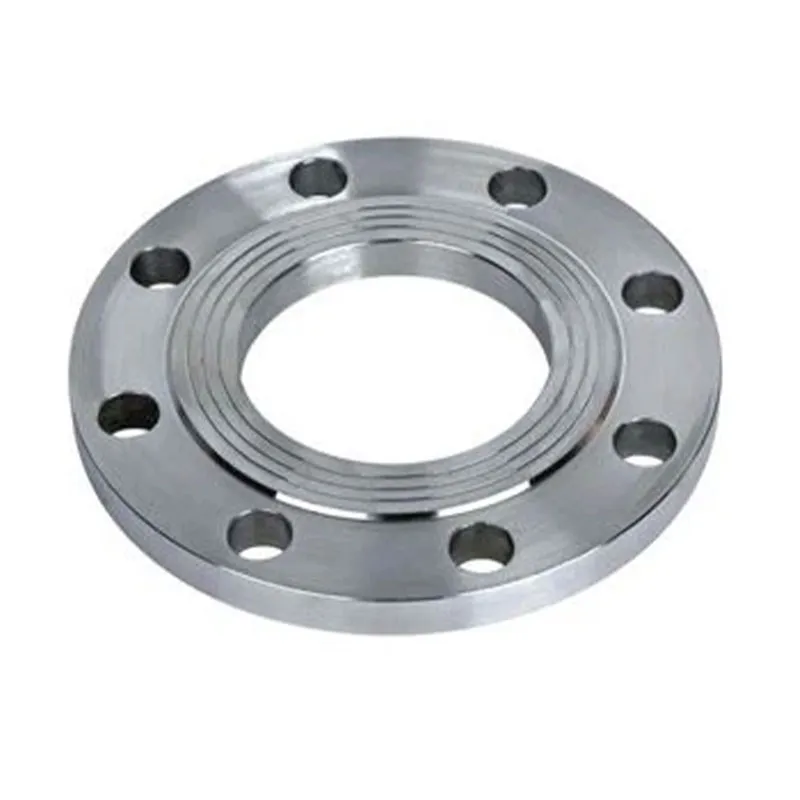 Butt weld flanges Class 150
 -
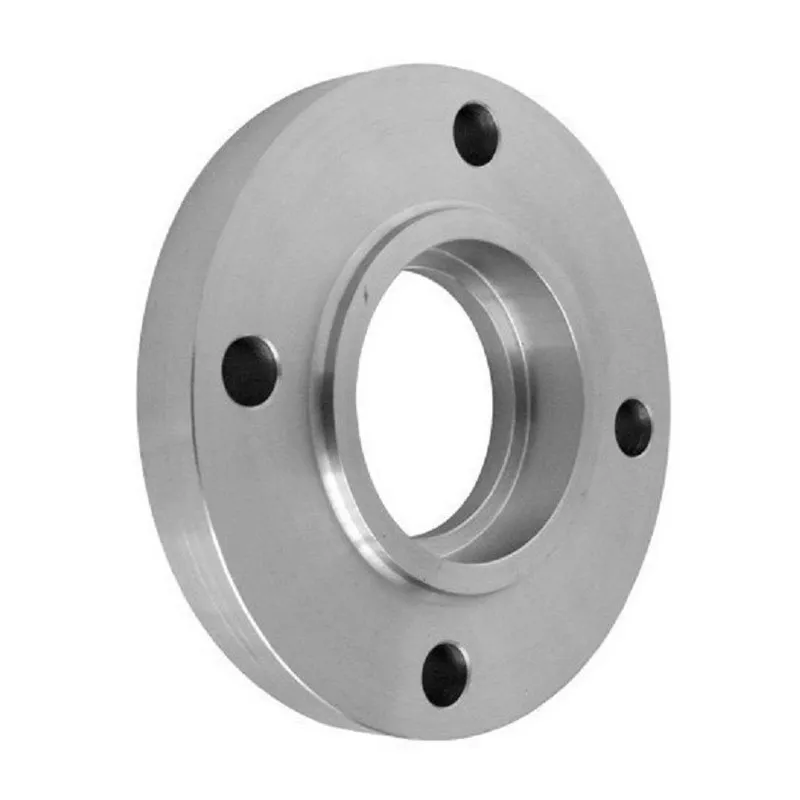 JIS 5K Socket Weld Flanges
 -
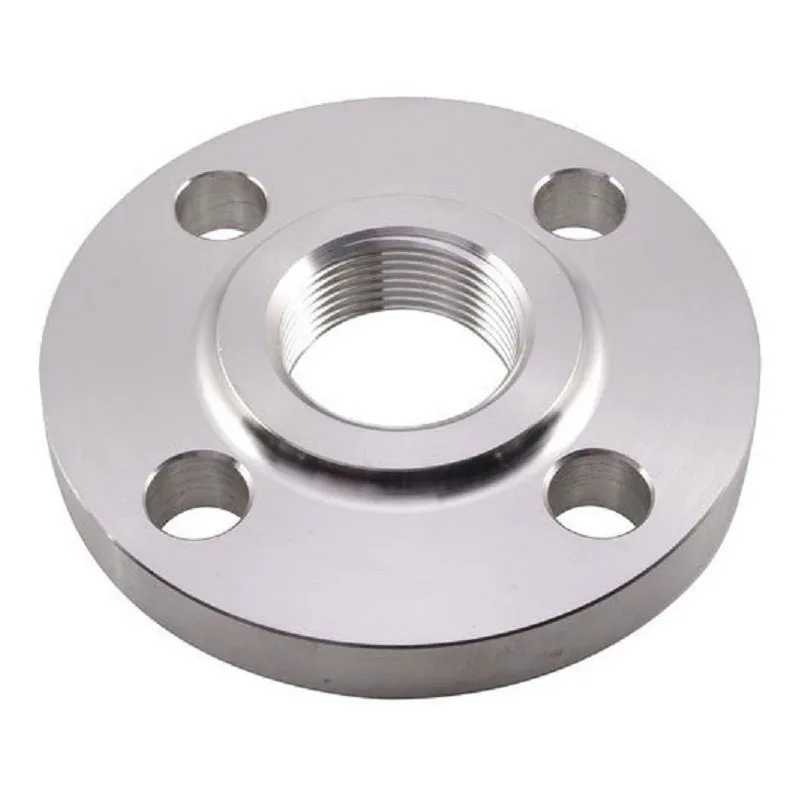 ANSI B16.5 Threaded Flanges Class 600
 -
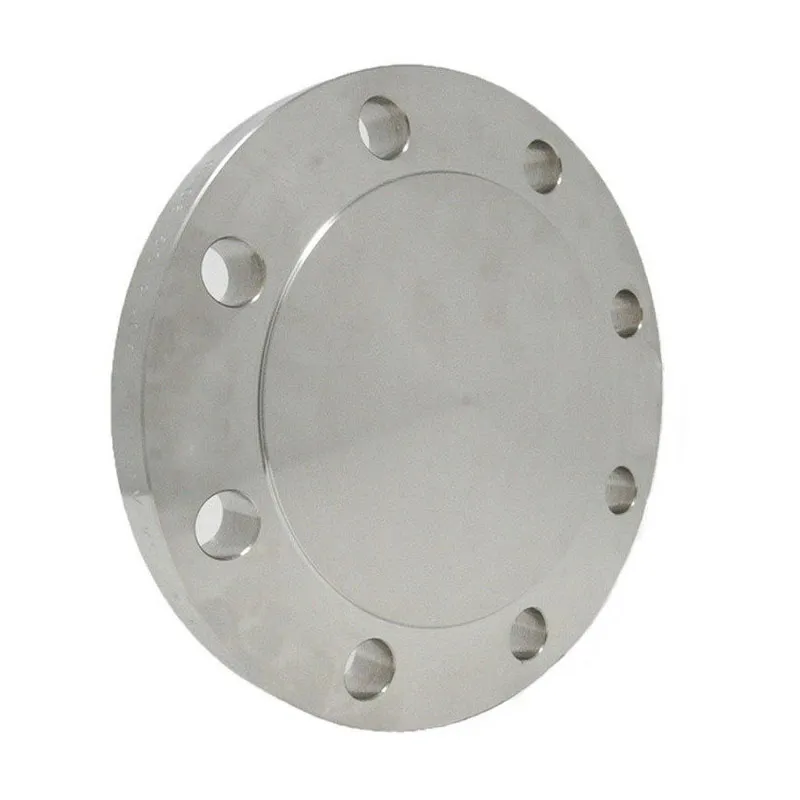 Blind flanges Class 150
 -
 JIS 10K Loose Ring Flanges