
-
-
Phone
+86-13623462298




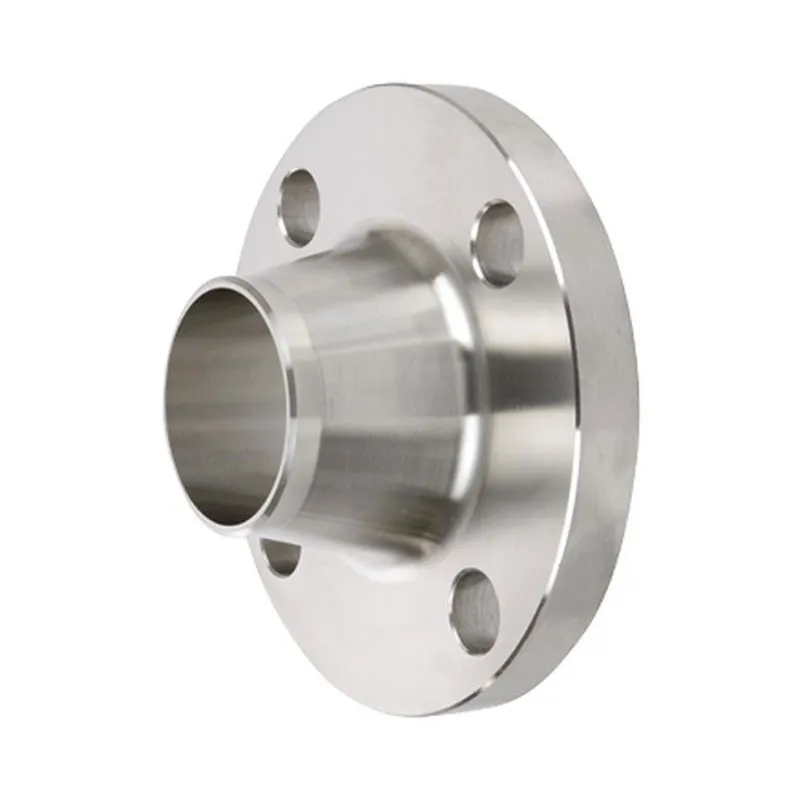
welded steel flanges
When they say “welded steel flanges”, many immediately think about the brand - 20, 09G2S, 12Х18Н10Т, and leave it at that. But in reality, especially with large diameters or under high pressures, the matter is not limited to one brand. The most common mistake is an oversight in the quality of the weld end and the geometry of the skirt. I have seen more than once how the flange according to the passport is perfect, but when fitting it into place it turns out that the bevel angle for the weld is not the same, or there is a small hole on the welding surface. This then comes out in tests or, worse, in work.
From drawing to workpiece: where control is lost
Take, for example, large flanges DN800 and above. According to the standard, it would seem that everything is spelled out. But when you start working with manufacturers, you understand that the key stage is precisely the forging or stamping stage of the workpiece. Undercompression, distortion during upsetting - and internal stresses will occur later during machining. We had a case with a batch of ASME B16.5 Class 300, material A105. After processing, inhomogeneities were found on several flanges during ultrasonic testing. The reason is that the original forging was not sufficiently forged in the area of the future ring. This is not a defect in chemistry or hardness, but a potential risk.
Therefore, now I always look not only at the certificates, but also at the manufacturer’s technological map for the forging. It's a good sign when a supplier, like e.g.Shanxi Hongkai Forging Co.,Ltd, openly indicates on his websitehttps://www.hkflange.ru, which works to international standards and makes forgings for flanges in a region historically strong in forging and pressing. These are not just words - such manufacturers usually have old, but precise equipment for forging large blanks, which is critical for the uniformity of the metal.
Another nuance is the processing of the end and chamfer. For butt weld flanges this is sacred. The standard gives tolerances, but if they are kept to the maximum, there may be problems with weld root penetration. Especially with automatic welding. Therefore, in our technical specifications, we always tighten the tolerance for the bevel angle and the roughness of the end surface compared to GOST or ASME. And I require selective control not with a caliper, but with a template.
Material: not only 'steel', but what kind and why
20 carbon steel is a classic for many environments. But if the operating temperature is below -20°C, impact strength control is already needed. And here it is important how the heat treatment of the finished flange is done after machining. It is often forgotten that the very process of cutting and drilling holes can create stresses that need to be relieved by low tempering. I saw flanges made of steel 09G2S that did not release after processing - then, during installation, when tightening the studs, they “wobbled” a little.
For corrosive environments, stainless steel is often chosen. But welded flanges made of austenitic steels have their own headache - possible intergranular corrosion in the heat-affected zone after welding. Therefore, it is important that the manufacturer supplies products after carbide dissolution treatment. This is often missed in specifications; they simply write '12Х18Н10Т according to GOST 5632'. It must be clearly indicated: 'heat treatment according to GOST 5632 - hardening from 1050–1100°C with cooling in air or water'. This affects the price, but is necessary.
Here, by the way, universal manufacturers who make flanges to many standards often win. They are accustomed to different requirements. On the same siteShanxi Hongkai Forging Co.,Ltdit can be seen that the nomenclature includes GOST, ASME, EN, and DIN. This means that in the workshop, most likely, there is a clear division of processes according to different standards. This is a plus for the customer - there is less chance that a flange for steam according to ASME will be made with tolerances like for water according to GOST.
Size range and non-standard: when DN4000 is not the limit
The declared range up to DN4000 is serious. Working with such dimensions is a separate art. The main problem is not deflection (it is calculated), but transportation and storage. A DN4000 flange is several tons. If it is not laid or lifted correctly, plastic deformation may occur. A loss of flatness of just a couple of millimeters on such a diameter means the tightness of the connection is in question. Therefore, for large flanges, I always ask the supplier how they check the flatness during the final inspection and how they package it.
Non-standard products according to drawings are a separate issue. Often the customer sends a sketch with the statement “make in the same way.” But 'similarly' is not a technical condition. It is imperative to coordinate all radii, transitions, and tolerances. There was an experience when a special reactor required a flange with a non-standard arrangement of holes for studs and an increased skirt thickness. They sent a seemingly detailed drawing, but did not indicate how to control the internal cavity of the skirt. As a result, upon acceptance, an internal cavity was discovered that could not be seen without a special ultrasonic scanner. I had to redo it. Now for non-standardsteel weld flangesWe always draw up a separate control protocol, which we sign with the plant.
And one more thing about the sizes: I always look at the completeness. A large flange often comes with a welded shank (skirt). It is important that the seat for the pipe is processed taking into account the thickness of the pipe wall and the possible backing ring. Sometimes they don’t pay attention to this, and then during welding a lack of penetration occurs.
Standards and reality: GOST, ASME and other letters
Working according to GOST is common, but not always sufficient for export projects. For example, GOST (steel butt weld flanges) has clear requirements for mechanical properties, but test methods may differ from ASME. ASME B16.5 requires more stringent control of impact strength for certain material groups. If a manufacturer claims to do both standards, that's good. But you need to check whether he has a separation of parties and documentation. So that a flange made “conditionally according to GOST” does not end up with the ASME marking.
It’s interesting that some Russian manufacturers actively exporting have gone through exactly this. To supply to Europe, it is necessary not only to comply with DIN EN 1092-1, but also to have certain quality system certificates. It disciplines. When you see on the company’s website that it produces flanges in accordance with GOST, ASME, EN, DIN, UNI, BS, JIS, GB, as indicated in the descriptionShanxi Hongkai Forging Co.,Ltd, this suggests that the workshop most likely has a system of accounting and traceability in place. This is critically important for critical facilities.
In practice, there is often confusion with labeling. For example, an ASME B16.5 Class 150 flange may be very similar to a DIN PN10 flange, but the stud hole diameters or thickness may differ by a millimeter or two. If they are mixed up in a warehouse and placed on a pipeline, there will be a big problem during joining. Therefore, in my work I always require clear, indelible markings on the product itself indicating the standard, pressure class, material and heat number. The tag on the package is unreliable.
Installation and hidden defects: what is visible only on site
The most annoying situation is when the flange passed all the tests at the factory, but problems began during installation. Most often this is due to internal tensions, which I have already mentioned. They may appear during the first heating of the pipeline - the flange may move a little, and a distortion will appear. Therefore, for critical lines, we sometimes carry out additional heat treatment on site, after installing all the seams, but before crimping. Expensive, but reliable.
Another point is the quality of the surface in the welding zone. It happens that when processing on a machine, small nicks or marks from the cutter remain. This is a small thing to the eye, but for the quality of the weld it is a potential stress raiser. This is especially important for flanges made of high-alloy steels. Therefore, lately I have always stipulated in the specifications the finishing of the end and chamfer - no rougher than Ra 6.3, but preferably less. And visual control for the absence of risks.
Finally, going back to the beginning:steel weld flangesis not just a steel ring with holes. This is the result of a chain: high-quality forging, competent heat treatment, precise machining with the correct tolerances and thoughtful control at all stages. And when you choose a supplier, it is important to look not only at price and terms, but also at whether he can provide a full cycle of control and whether he has experience in meeting different standards. Just those manufacturers who, likeShanxi Hongkai Forging Co.,Ltd, work in the main center of the forging industry and are tailored to a wide range of products, often find themselves more flexible and attentive to such details because they face different demands every day. But in our business, it’s the details that make all the difference.
Correspondingproducts
Related Products
Best Sellingproducts
Best Selling Products-
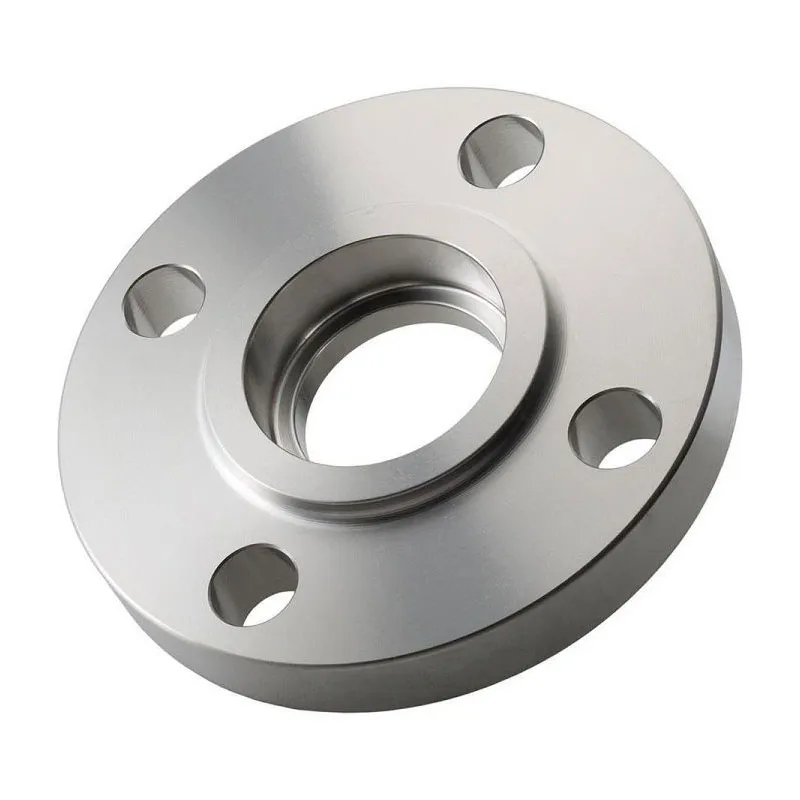 ANSI B16.5 Socket Weld Flanges Class 1500
 -
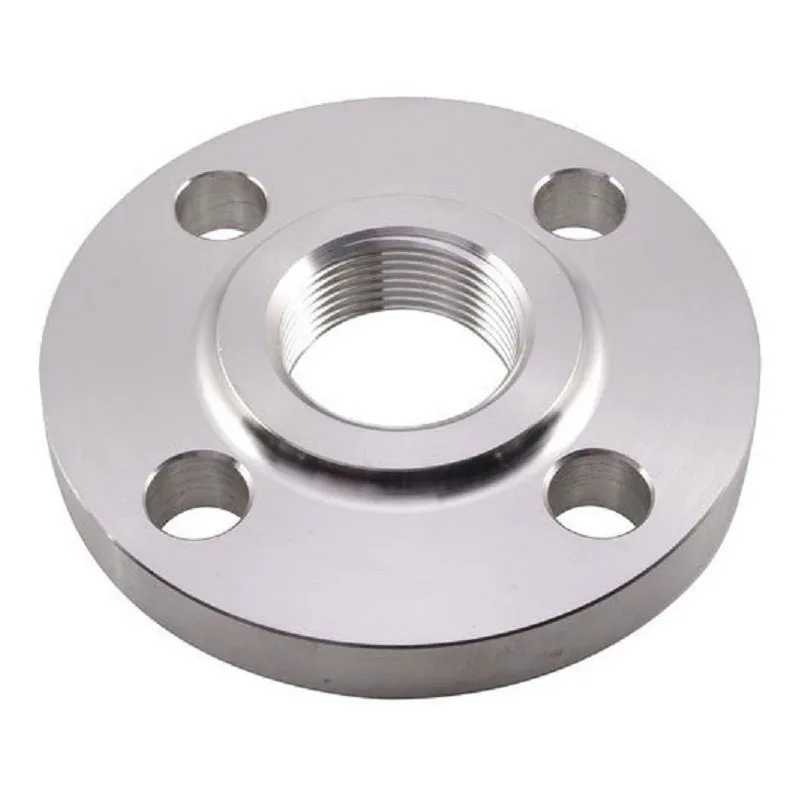 ANSI B16.5 Threaded Flanges Class 600
 -
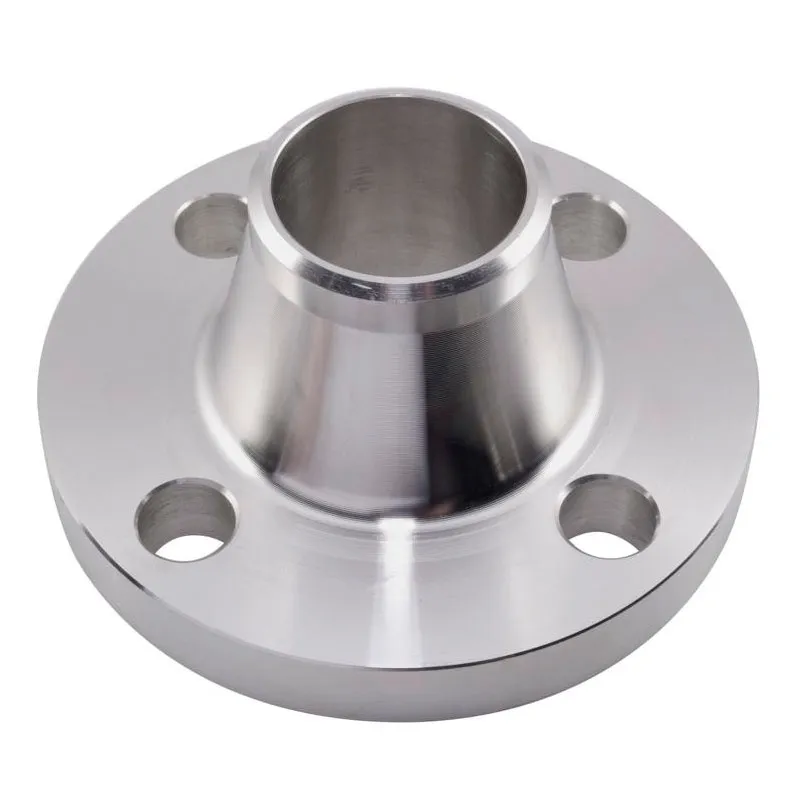 Butt weld flanges Class 900
 -
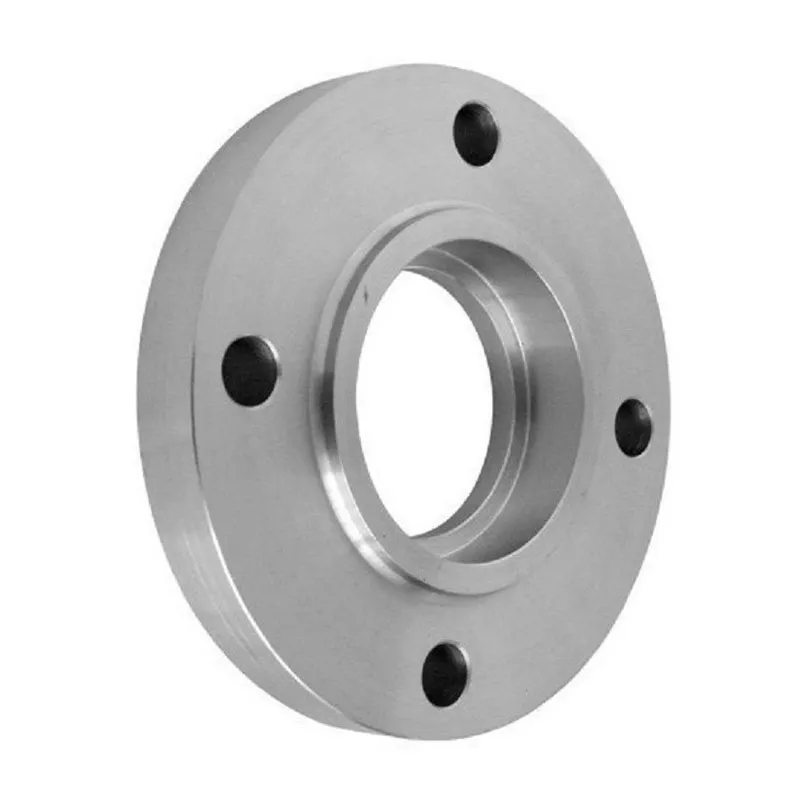 Socket Weld Flanges Class 300
 -
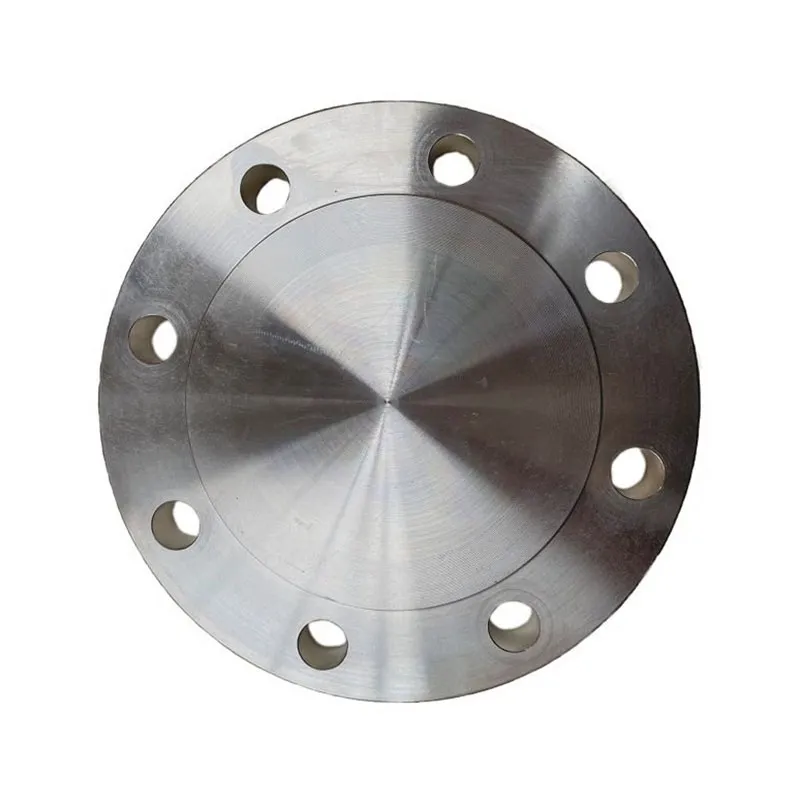 UNI 6092 Blind flanges PN10
 -
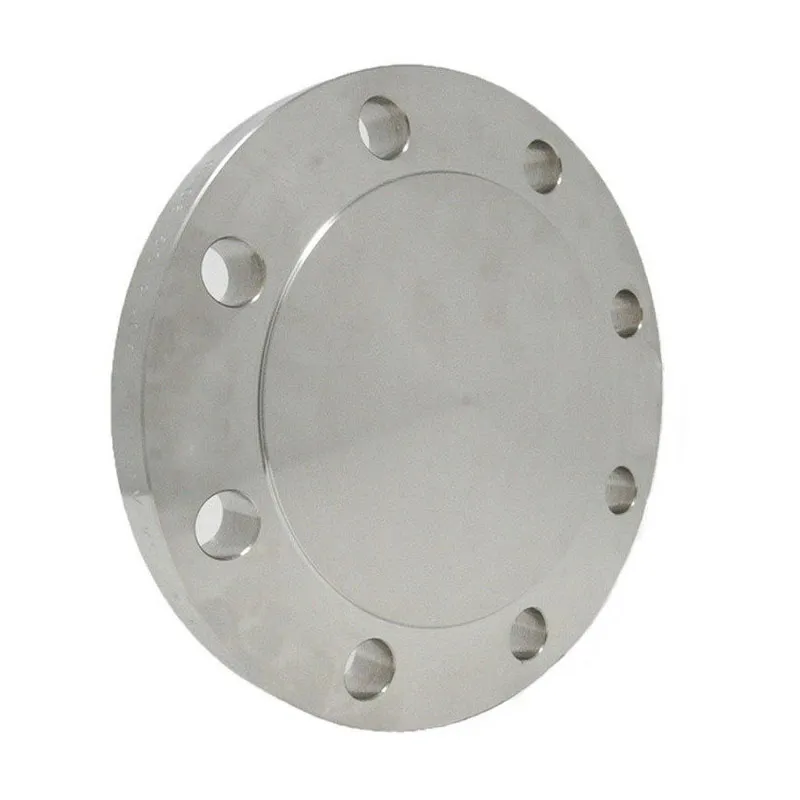 Blind flanges Class 150
 -
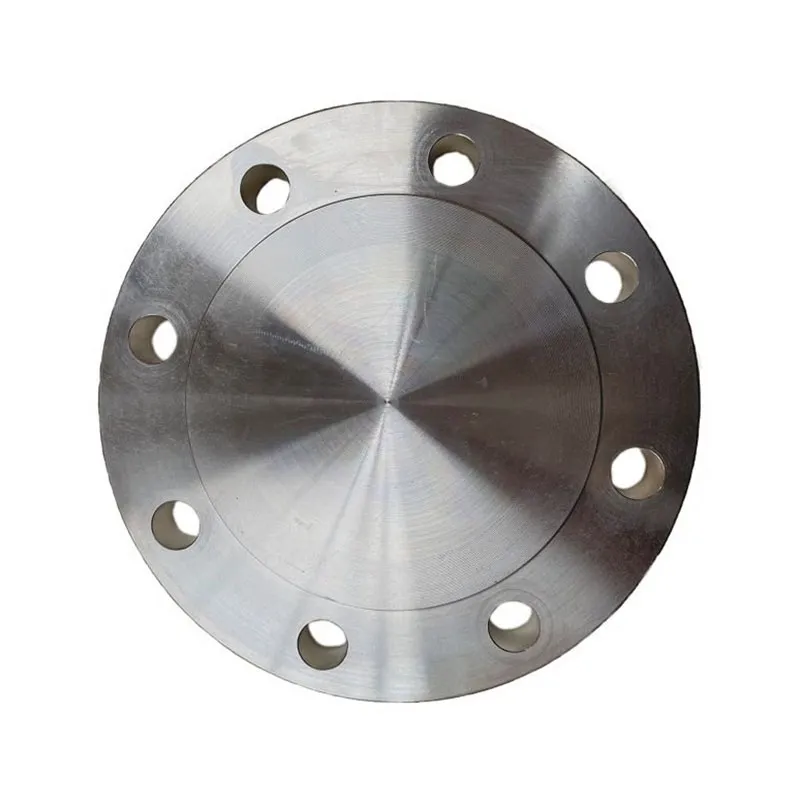 ASME B16.47 Ser.A Blind Flanges Class 400
 -
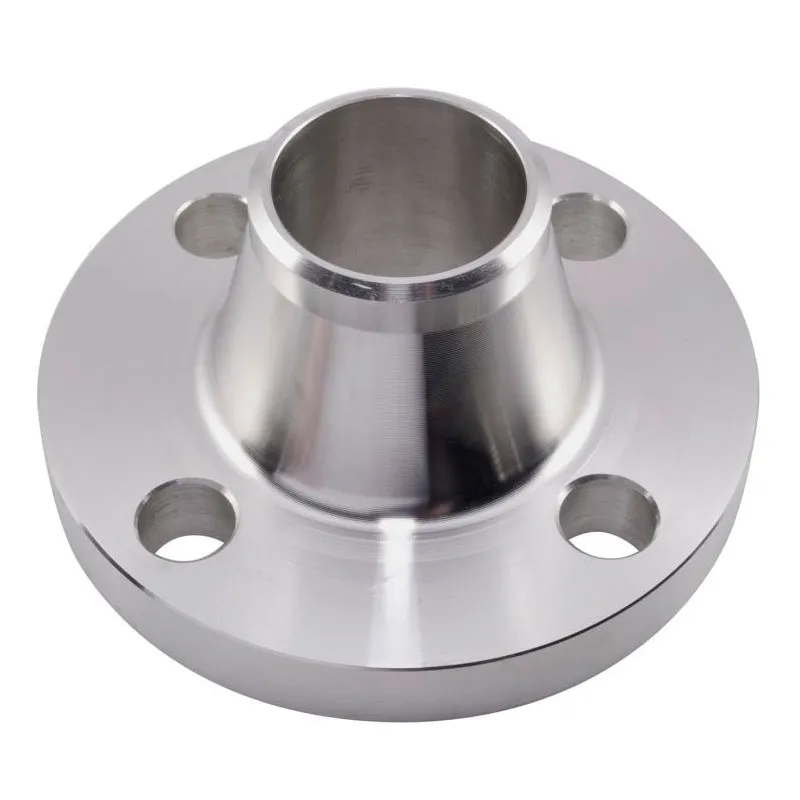 UNI 2281 Butt weld flanges PN10
 -
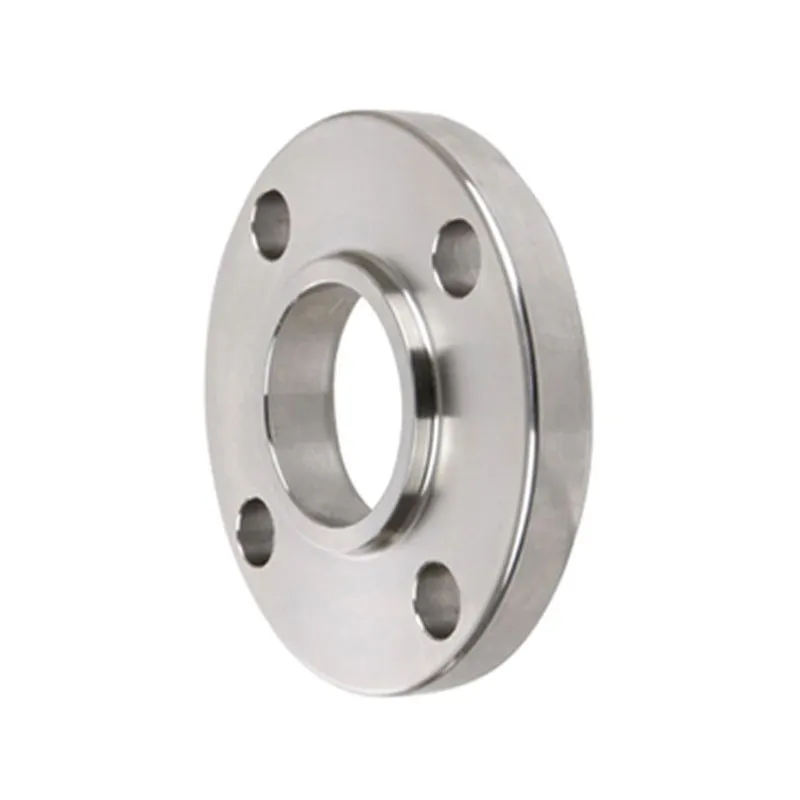 ANSI B16.5 Lap-on flanges Class 300
 -
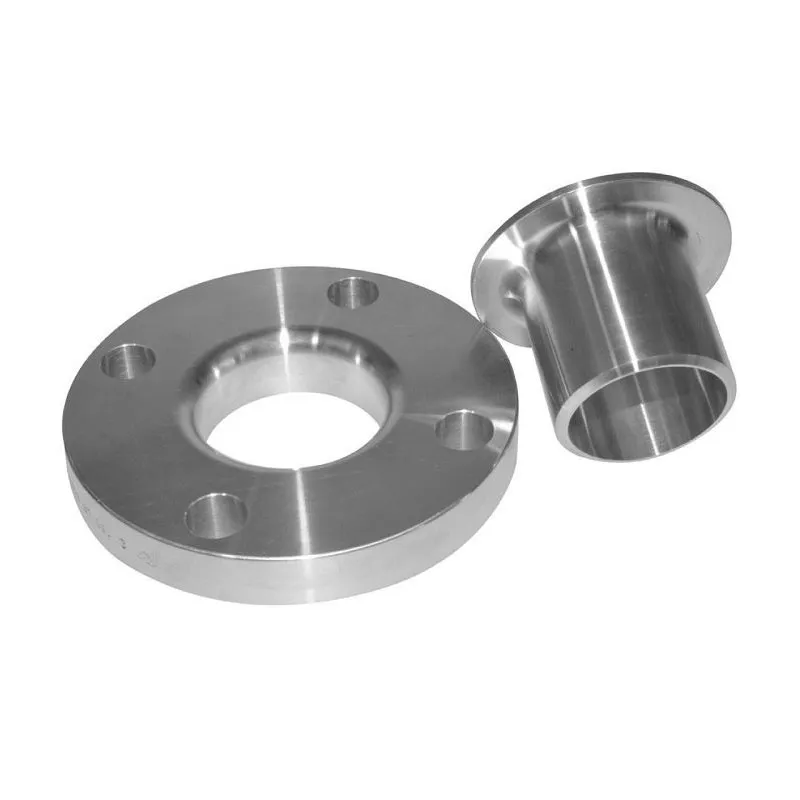 ANSI B16.5 Loose Ring Flanges Class 2500
 -
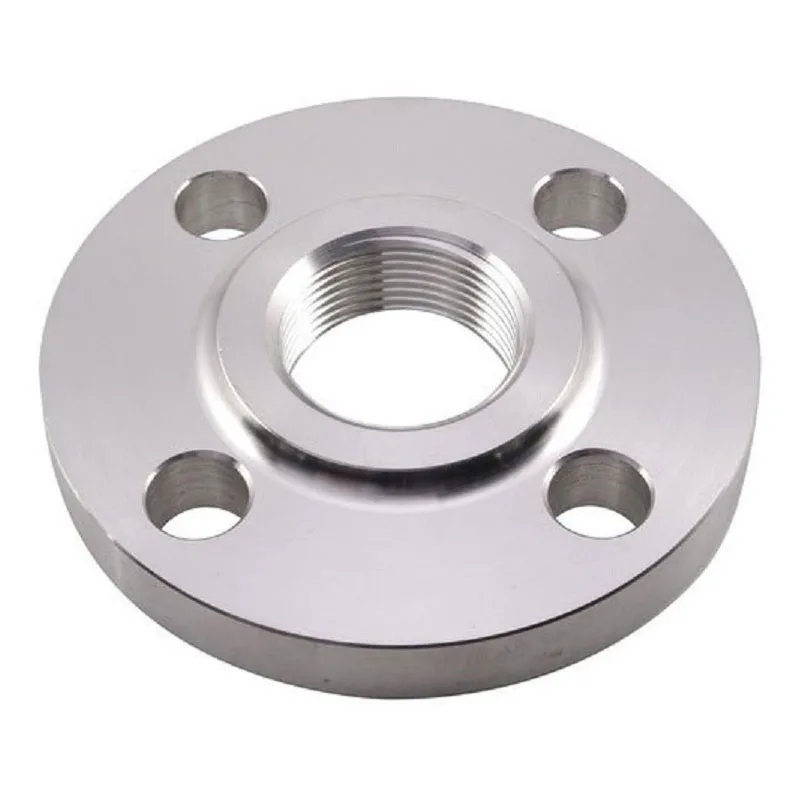 JIS 10K Threaded Flanges
 -
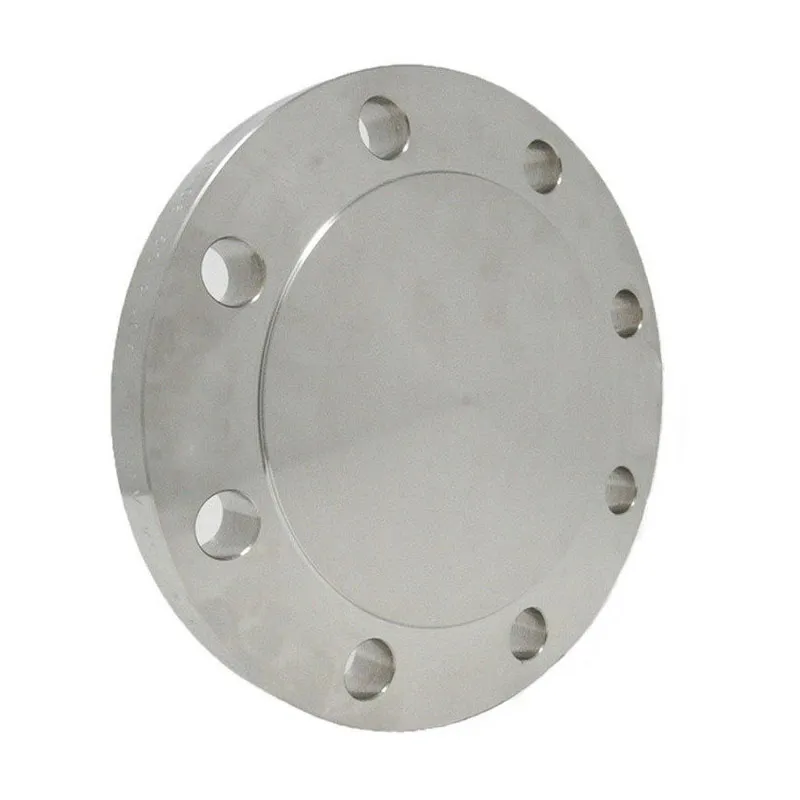 AWWA Blind Flanges Class D (Tables 1, 2, 3)