
-
-
Phone
+86-13623462298



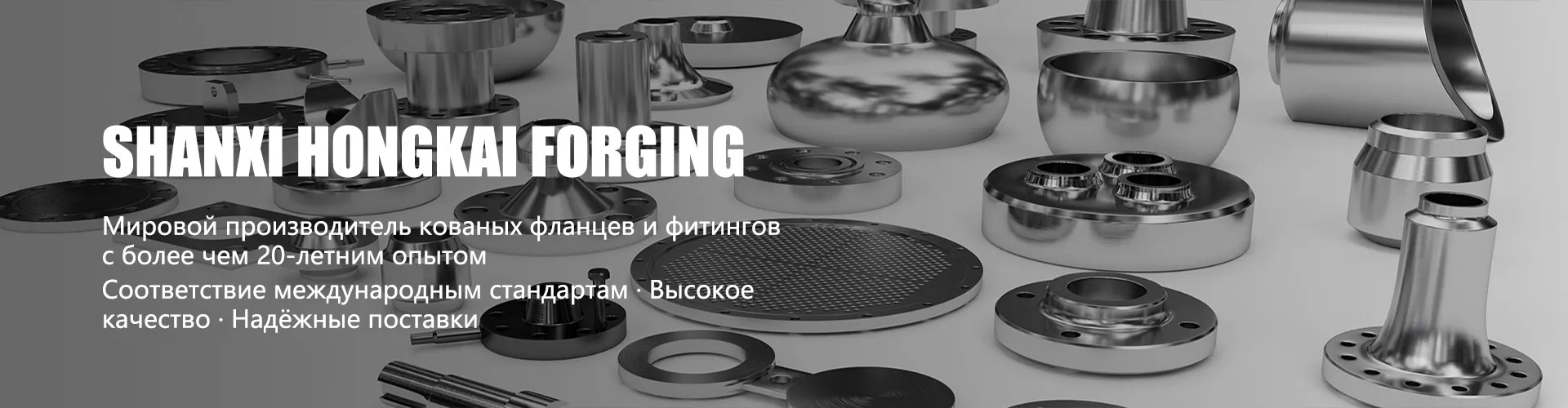
flange 400 mm
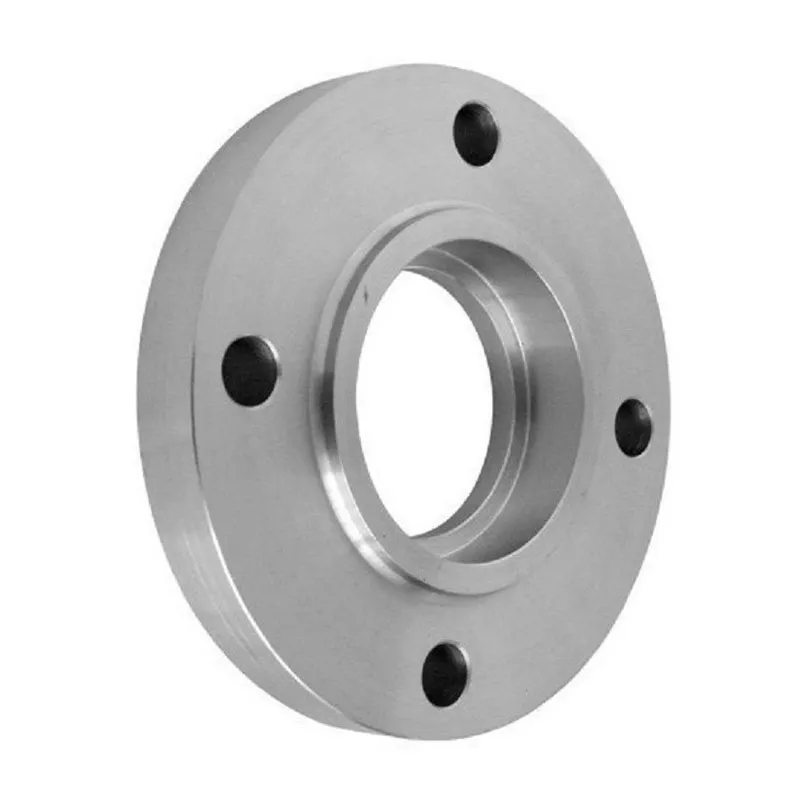
When you hear “400 mm flange”, many people immediately think of a simple disk with holes. In fact, this is a whole layer of nuances - from the choice of forging and material to the subtleties of processing and standards. A common mistake is to assume that the main thing is the diameter, but the thickness, design, type of seal can be “adjusted”. Then. This is a path to leaks at the facility.
Why 400 mm is the point of attention
This size is a kind of milestone. For many systems, especially in the energy and petrochemical industries, DN400 is a common transition to main lines. Demand is high, but the requirements are strict. Here you can no longer take just anything, the division into “ordinary” begins. and ?responsible? execution.
In our production, atShanxi Hongkai Forging Co.,Ltd, forgings for flanges for this size are treated especially. Why? Because when forging a workpiece of such dimensions, it is critical to ensure the uniformity of the metal structure throughout the entire cross-section. Any looseness in the body of the forging can result in internal defects being exposed during machining. I saw this on competitors' products, where they saved on sediment.
Referring to experience from the sitehkflange.ru, where the range up to DN4000 is indicated, you understand that for them DN400 is almost “small things”. But it is in this segment that they most often try to cut corners, offering stamped or even sheet-cut options instead of forged ones. For low pressures it may work, but not for our conditions.
Standards and pitfalls
The main headache is the interface of standards. The customer may require a flange in accordance with GOST 33259 for PN16, but at the same time his pipe is in accordance with ASME B16.5 Class 150. The nominal pressure is similar, but the geometry of the sealing surfaces (flange type) is different! This is especially trueflange 400 mmwith a connection for an oval gasket. If you mix it up, it won't fit.
In such cases, we always request a drawing of the assembly. It is better to spend time on clarification than to redo the batch later. CompanyShanxi Hongkai Forging Co.,LtdAs a manufacturer working in accordance with GOST, ASME, EN, DIN, we have the ability to produce both options, but the forging material may vary. ASME often requires A105, and our GOST requires steel 20 or 09G2S. This also needs to be clearly stated in the technical specifications.
There was a case: we supplied a batch of DN400 flanges according to EN 1092-1 Type 11. Everything was according to the standard, the dimensions were within the tolerance. But the on-site installers were faced with the fact that the counter flanges on the equipment were chamfered for a different welding angle. We had to urgently make mechanical modifications on site. Conclusion: even within the framework of one standard, there are application nuances that are not written about in the catalog.
Experience with butt weld and loose flanges
Forflange 400 mmmost often they order butt-welded (collar) ones. Reliable, verified. But there is a nuance in welding - with such a wall thickness (and it can reach up to 30-40 mm), proper heating and multi-layer welding of the joint is needed. Sometimes customers ask to make the inner cavity of the sleeve to suit a specific pipe thickness in order to reduce the step. This is reasonable and reduces flow turbulence.
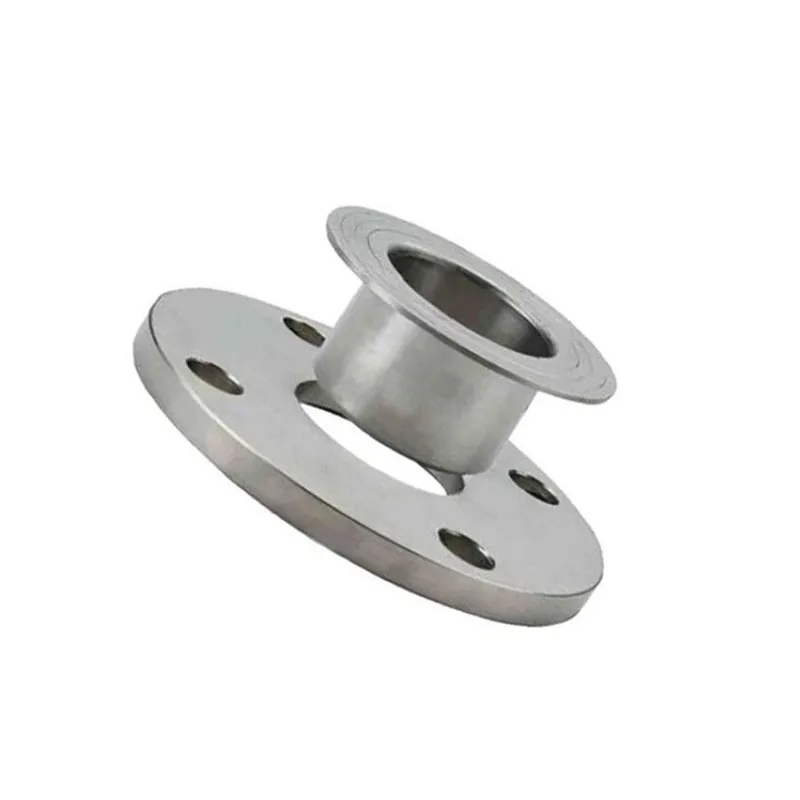
Loose flanges for this diameter are a different story. They are often taken for installation in hard-to-reach places or where frequent disassembly is required. But manufacturing accuracy is critical here.flange 400 mmand a counter ring. The gap should be minimal, otherwise the ring will “play”, which will lead to misalignment and leakage. We once made a batch to order for repair fittings for heating systems - this scheme was used there. It worked, but the installers complained that it was harder to line up the stud holes than with solid flanges.
I would not recommend flat flanges for pressures above PN6 for a diameter of 400 mm. Although the standards allow it, in practice there is a risk of “behavior” when tightening studs. flange if it does not have sufficient rigidity. It's better to play it safe and take it head-on.
Material and forging: what determines the price
Price forflange 400 mmvaries not only because of the brand, but primarily because of the forging material and the complexity of processing. 20 carbon steel is a classic for many environments. But if the environment contains hydrogen sulfide (H2S), a steel with enhanced corrosion cracking properties is needed, often with normalization or heat treatment of the forging.
Forging manufacturer such asShanxi Hongkai Forging Co.,Ltd, located in one of the forging centers of China, has an advantage in the price of the workpiece. But it is important to understand that they also supply finished machined flanges. This means that it is possible to obtain a chain ?forging-machining? from one source, which reduces the risk of non-compliance. On their website you can see that they also make non-standard products according to drawings - this is useful when you need a flange with an unusual arrangement of holes or additional technological grooves.
Personal experience: we ordered forgings for 400 mm flanges made of 09G2S steel for low temperatures. It was important not only to withstand the chemicals, but also to conduct impact tests on samples from the forging body. The batch was accepted only after the provision of test reports from the manufacturer. Without this document, even the most beautiful flanges are just pieces of iron.
Installation and common mistakes
The most common problem when installing 400 mm flanges is uneven tightening of the studs. It seems that everything is simple: twist diagonally. But when there are 12-16 studs, and there is no torque wrench, they pull “by eye”. The result is misalignment, the load on the flange is out of plane, and the gasket quickly fails. I saw how at one site, after such an assembly, a flange connection began to leak after 200 hours of operation.
Another point is the condition of the sealing surface. The standard prescribes a certain roughness. If the surfaceflange 400 mmhas deep risks from processing or, conversely, is polished to a mirror - the gasket may not provide a tight seal. Ideally, this is a uniform spiral notch. Sometimes you get flanges with perfect geometry, but the gasket lapping does not occur due to an incorrect surface finish. You have to do it manually.
And the last thing is thermal expansion. At large diameters it is significant. If the system operates with temperature changes, and the flanges are tightened? without taking this into account, excessive stress may occur. This is especially critical for connections where the flange is steel on one side and another alloy on the other. Here we need an engineering solution, and not just a selection from a catalog.
Instead of a conclusion: what is important to remember
So,flange 400 mm- this is not just a part, it is an assembly that requires an integrated approach: from design and selection of forging material to manufacturing control and proper installation. Savings at the procurement stage often result in multiple costs for repairs and downtime.
Working with trusted suppliers who, likeShanxi Hongkai Forging Co.,Ltd, specialize specifically in forged flanges and forgings, you get not just a product, but also a certain guarantee of technological discipline. Their ability to work to a wide range of standards - from GOST to ASME and DIN - eliminates many approval headaches.
Ultimately, the reliability of the flange connection at this diameter determines the reliability of the entire pipeline section. And here there are no trifles - every millimeter, every tolerance, every heat treatment cycle matters. Tested in practice, sometimes through bitter experience.
Correspondingproducts
Related Products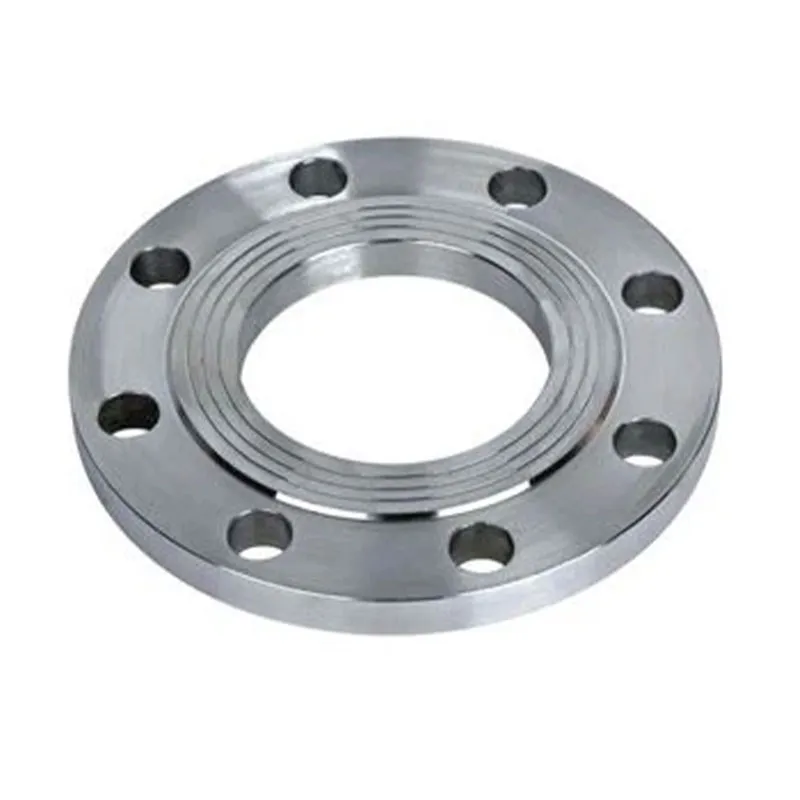
Best Sellingproducts
Best Selling Products-
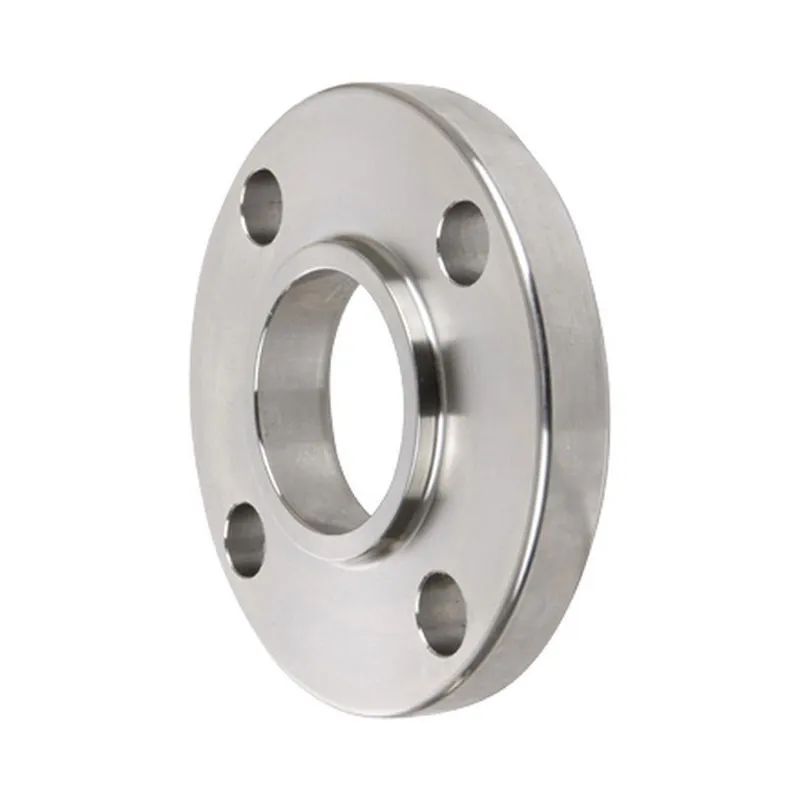 DIN 2501 Overlay flanges PN16
 -
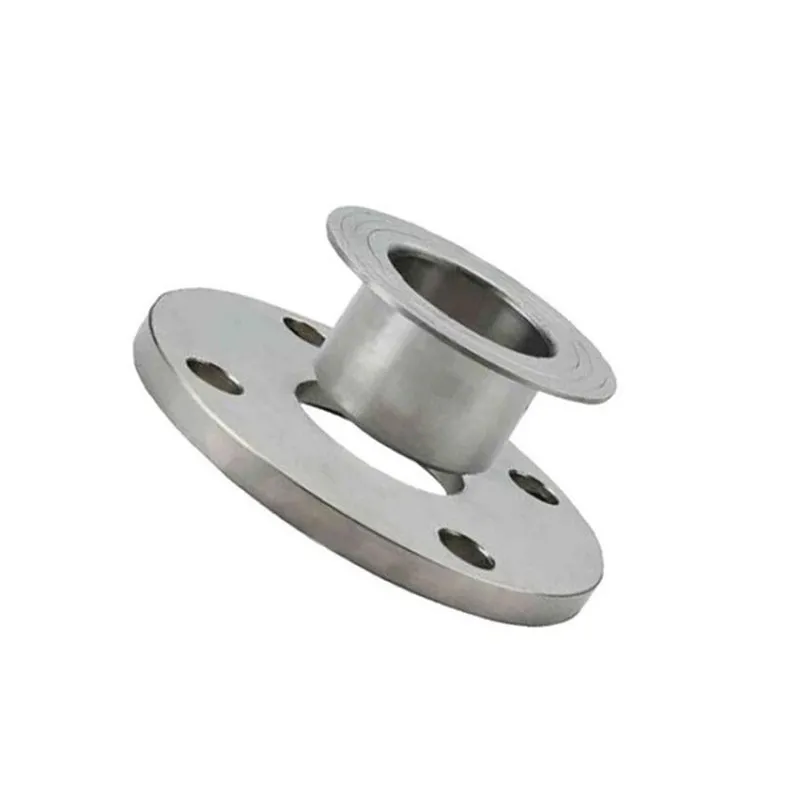 JIS 10K Loose Ring Flanges
 -
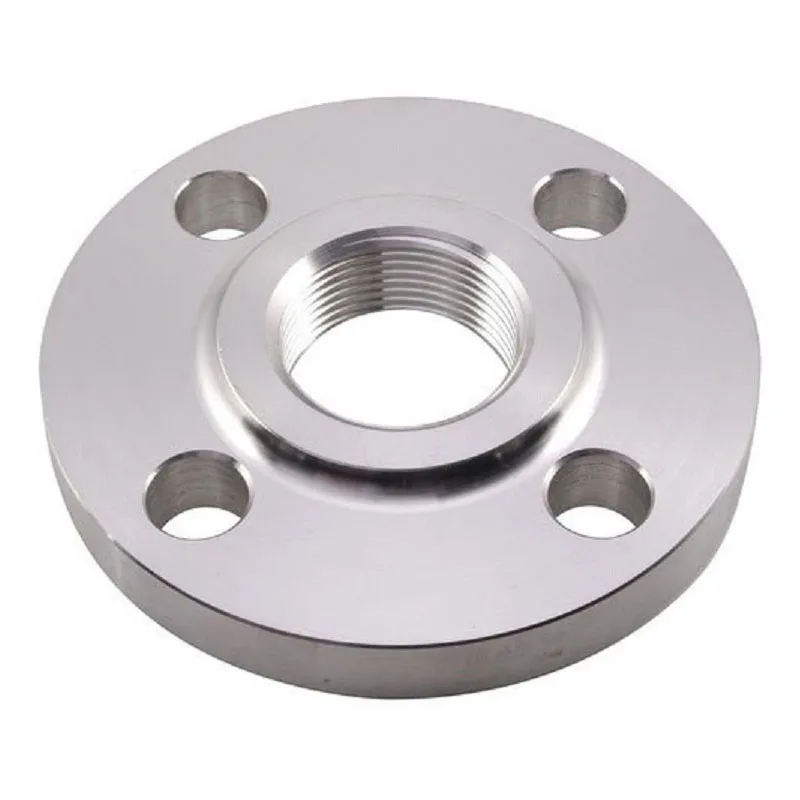 DIN 2566 Threaded flanges PN16
 -
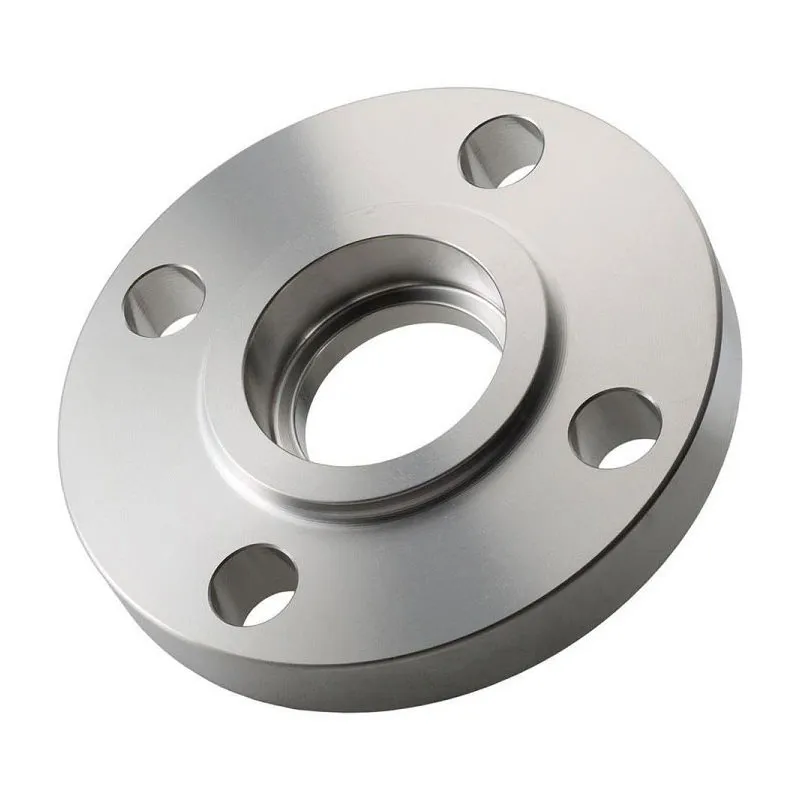 Flanges for socket welding
 -
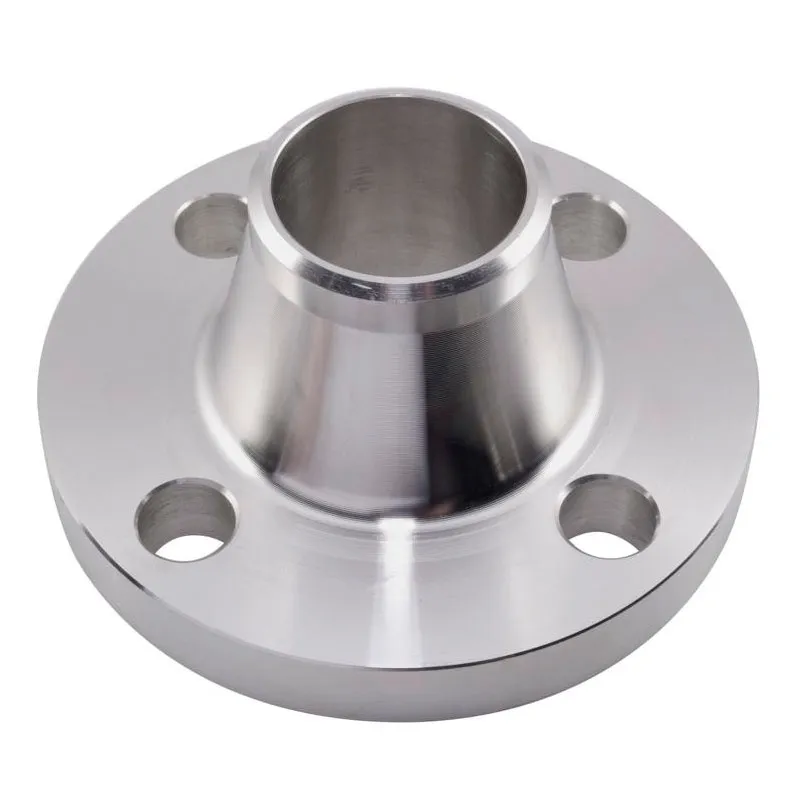 Butt weld flanges Class 900
 -
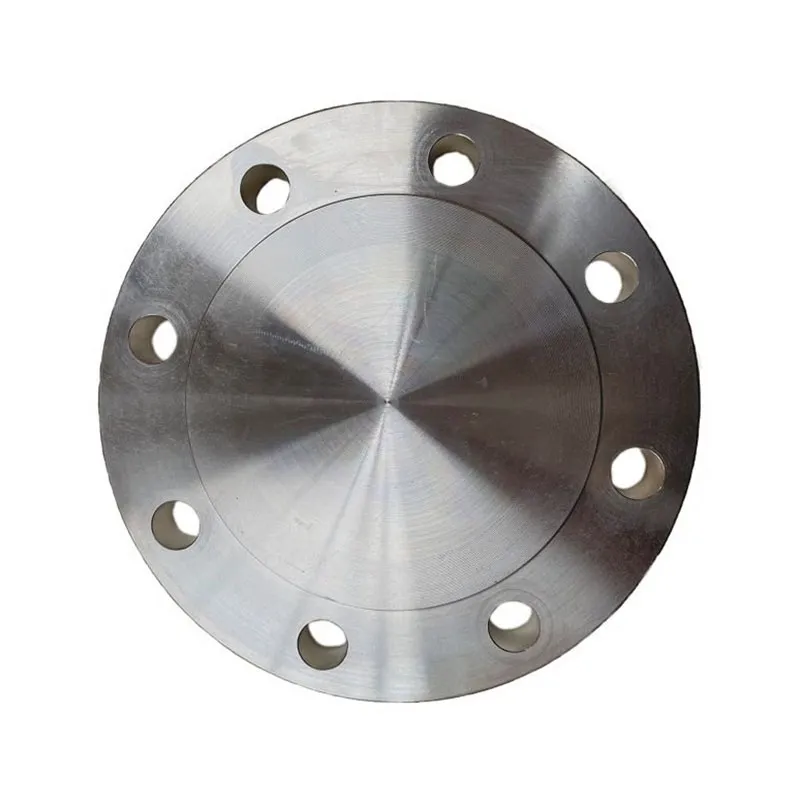
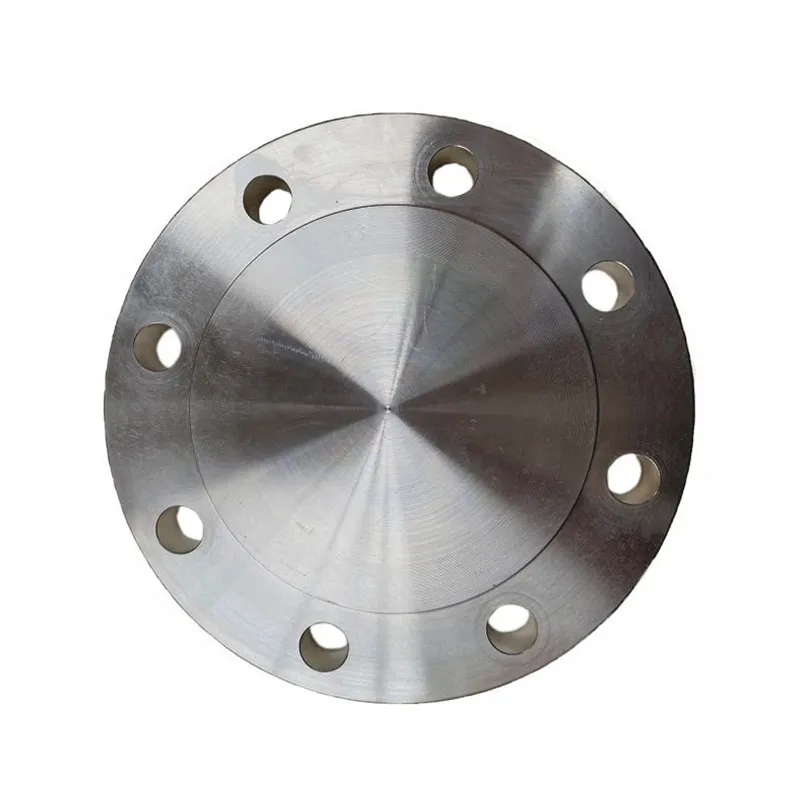 DIN 2527 Blind flanges PN10
 -
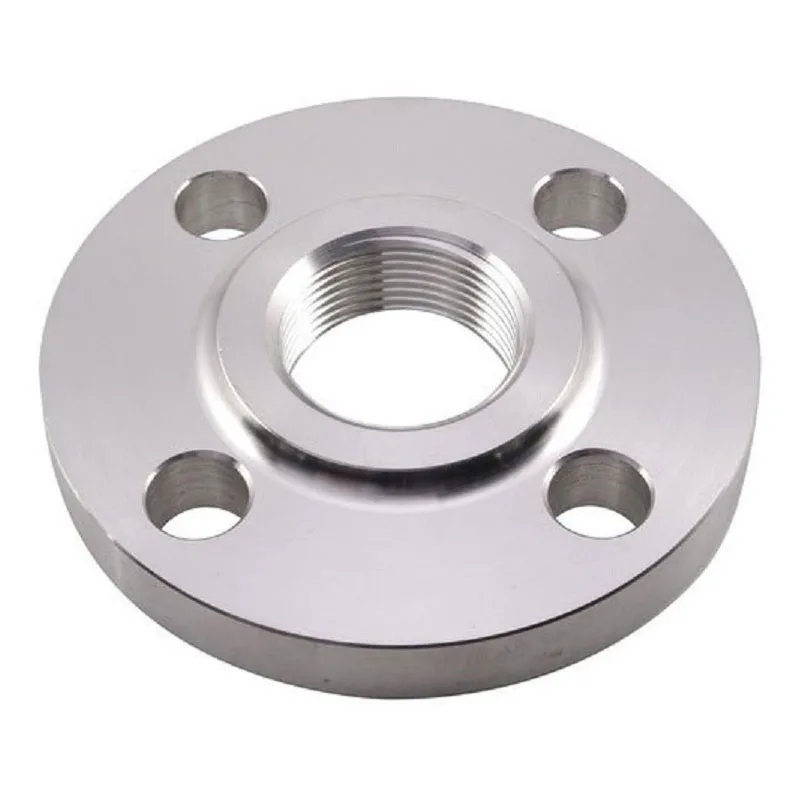 JIS 10K Threaded Flanges
 -
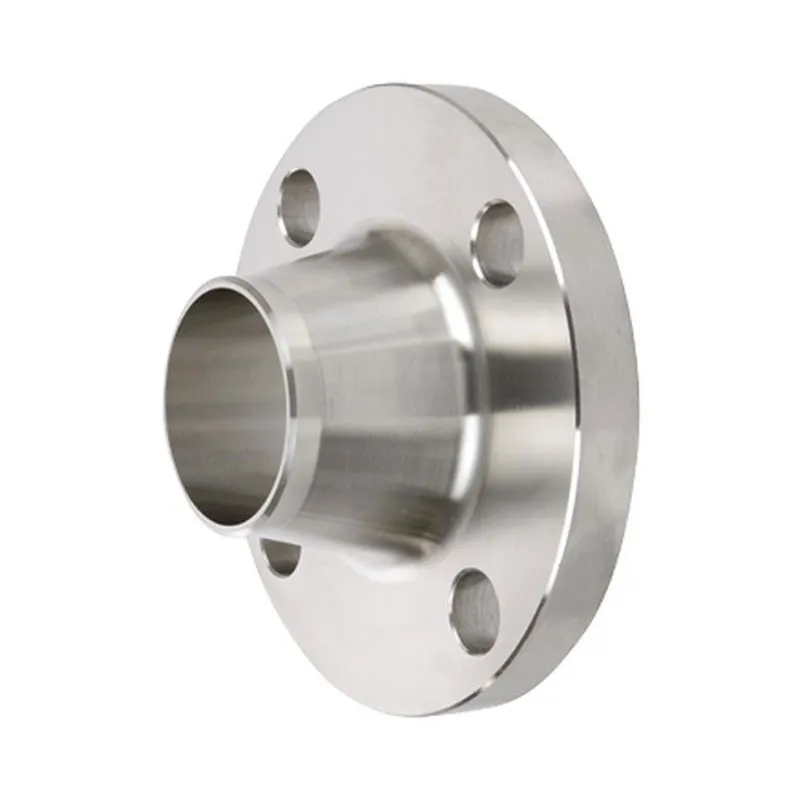 Ser.A Butt Weld Flanges Class 400
 -
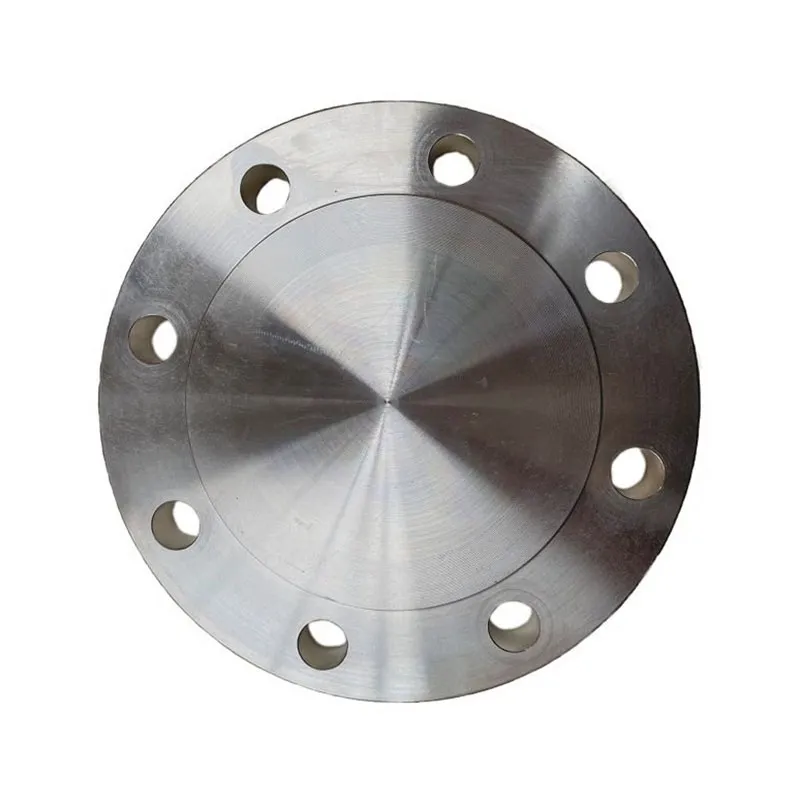 ASME B16.47 Ser.A Blind Flanges Class 400
 -
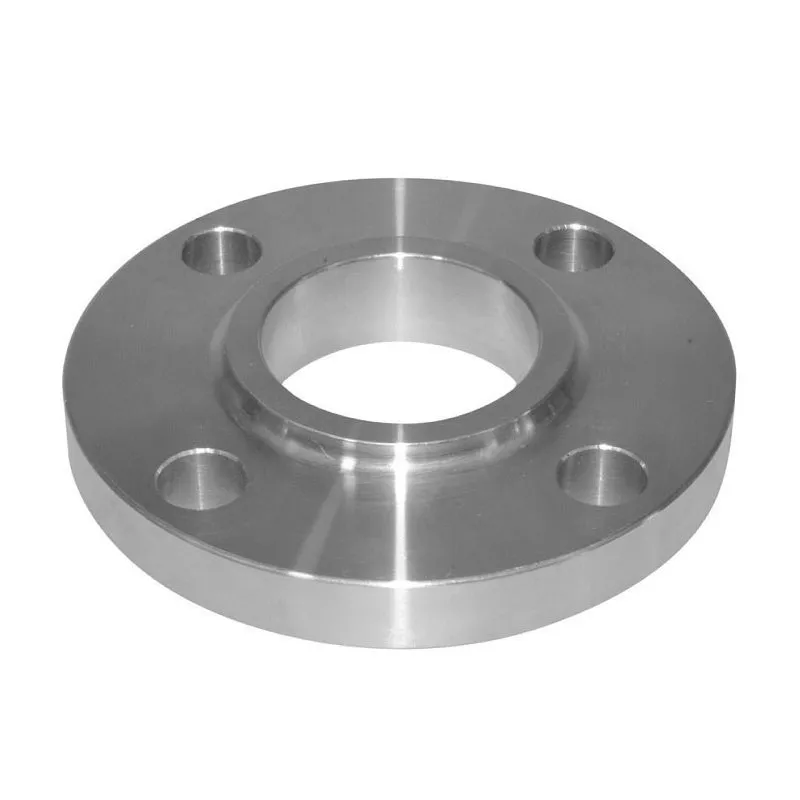 ANSI B16.5 Lap-on flanges Class 1500
 -
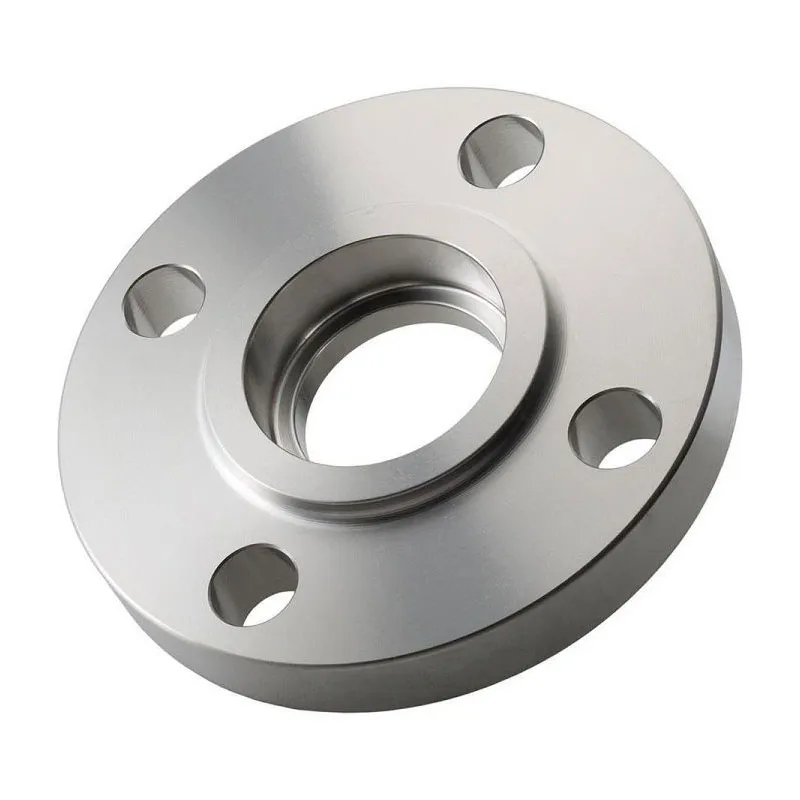 ANSI B16.5 Socket Weld Flanges Class 1500
 -
 Socket Weld Flanges Class 300